

 简体中文
简体中文 English
 Español
Don't hesitate to send a message
Search
Recent Post
Newsletter
Automatic Liquid Level Regulation Using Pump Control Systems
Introduction to Automatic Pump Control
Automatic Pump Control is a widely used technology in industrial, municipal, and residential water systems, designed to maintain desired liquid levels without continuous human intervention. It combines sensors, controllers, and pumps to regulate fluid inflow and outflow, ensuring stable operation and preventing overflow or dry-running conditions. The ability to automatically adjust liquid levels enhances system efficiency, reduces maintenance requirements, and improves operational safety.
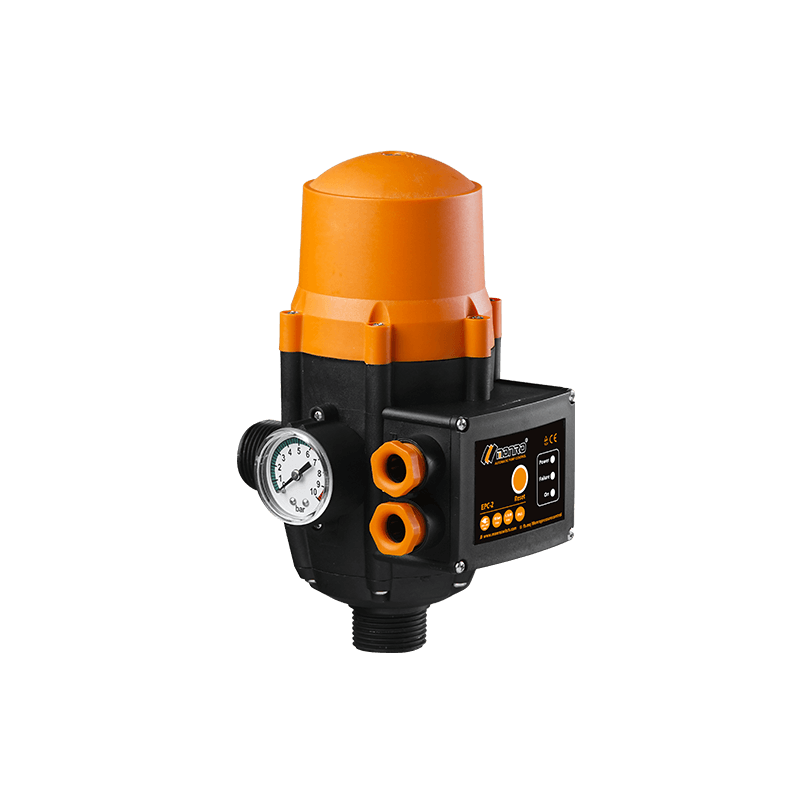
Working Principle of Liquid Level Automation
Automatic Pump Control achieves liquid level regulation primarily through the integration of sensors and feedback mechanisms. Sensors, such as float switches, ultrasonic transducers, or pressure probes, continuously monitor the liquid level within a tank or reservoir. The controller receives real-time data from these sensors and compares it against predefined setpoints. When the liquid level falls below a lower threshold, the controller activates the pump to replenish the fluid. Conversely, when the liquid reaches an upper threshold, the controller stops the pump to prevent overflow. This continuous monitoring and responsive action allow precise and reliable level management.
Types of Sensors and Their Roles
Different sensor types offer varying advantages in liquid level automation. Float switches are simple, cost-effective, and reliable for basic applications, providing discrete on/off signals to start or stop the pump. Ultrasonic sensors enable non-contact level measurement, making them suitable for corrosive or high-temperature liquids. Pressure sensors detect the hydrostatic pressure at the bottom of the tank to infer the liquid level, providing continuous and accurate readings. The choice of sensor depends on factors such as liquid type, tank size, and required measurement precision.
Controller Strategies and Logic
The controller is the decision-making unit of an Automatic Pump Control system. It interprets sensor signals and executes predefined logic to maintain the desired liquid level. Basic systems use relay-based on/off control, while advanced systems employ programmable logic controllers (PLCs) or microcontrollers to implement proportional-integral-derivative (PID) control. PID controllers can modulate pump speed, rather than simply starting or stopping, to maintain a more stable liquid level and reduce mechanical stress on the pump. Intelligent control algorithms can also integrate multiple inputs, such as flow rate and pump performance, for optimized level regulation.
Pump Selection and Operation Considerations
Pump type and operational strategy significantly influence the performance of liquid level control. Centrifugal pumps, positive displacement pumps, and submersible pumps are commonly used depending on system requirements. Automatic Pump Control systems often include features such as soft start, variable frequency drives, and anti-cavitation protection to enhance pump longevity and energy efficiency. Proper sizing and operational planning ensure that the pump can respond rapidly to changes in liquid level without causing overshoot or oscillations.
Advantages of Automated Liquid Level Control
Implementing Automatic Pump Control for liquid level regulation provides multiple benefits. It reduces human error and labor requirements, prevents damage caused by overflow or dry-run conditions, and enhances overall system efficiency. Continuous monitoring allows for early detection of leaks or abnormal conditions, supporting preventive maintenance. Moreover, automated control optimizes energy usage, especially in systems where variable speed pumps adjust flow rates according to demand.
Automatic Pump Control provides an effective and reliable solution for maintaining precise liquid levels in tanks and reservoirs. By integrating sensors, controllers, and appropriately selected pumps, these systems respond dynamically to fluctuations in liquid volume. The combination of real-time monitoring, intelligent control logic, and efficient pump operation ensures stability, reduces operational risks, and improves energy efficiency. Automatic liquid level regulation is thus essential in modern water management, industrial processes, and other fluid-handling applications, delivering both operational reliability and cost savings.
OUR PRODUCTS
Recommended Products
-
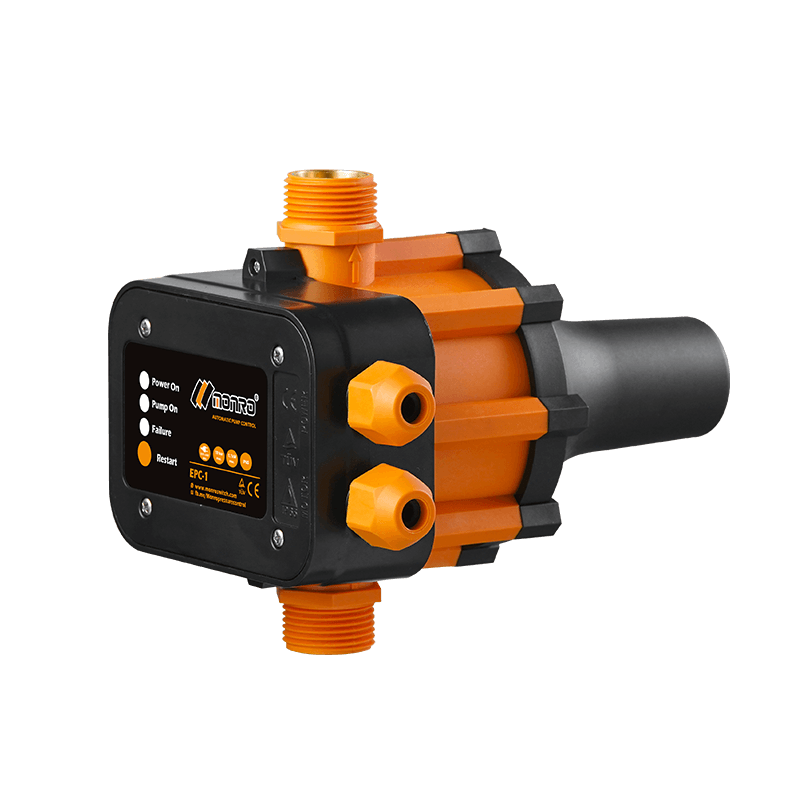 EPC-1
EPC-1Monro EPC-1 model pump controller is the classic and basic type, was loved by user in the global mar...
-
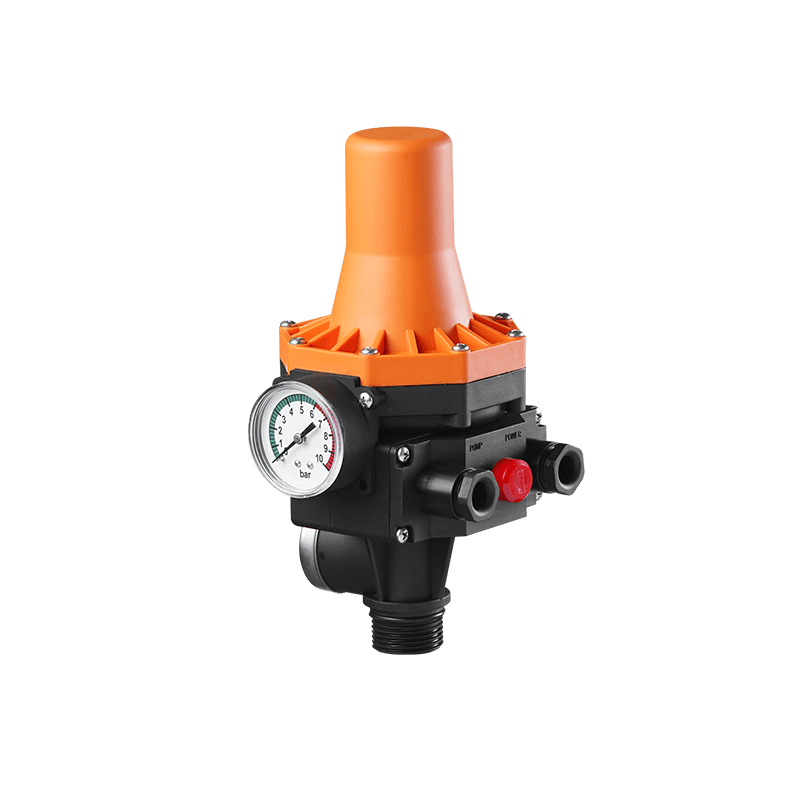 EPC-3
EPC-3Monro EPC-3 spain design auto on and off press control, an intelligent and economical system designe...
-
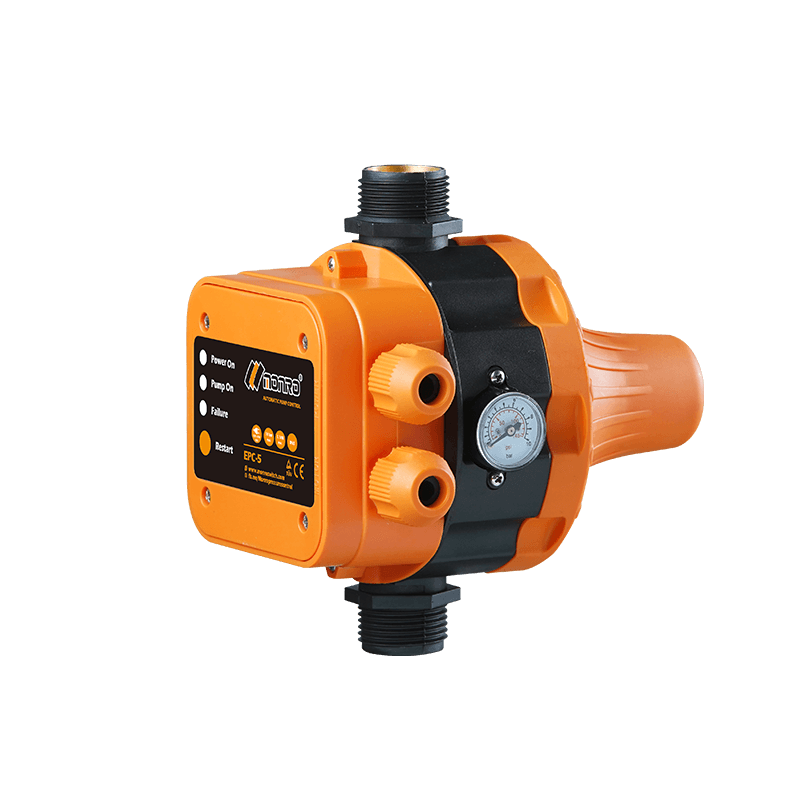 EPC-5
EPC-5Monro EPC-5 model automatic pump control, a device which assembled on the water pump (recommended si...
-
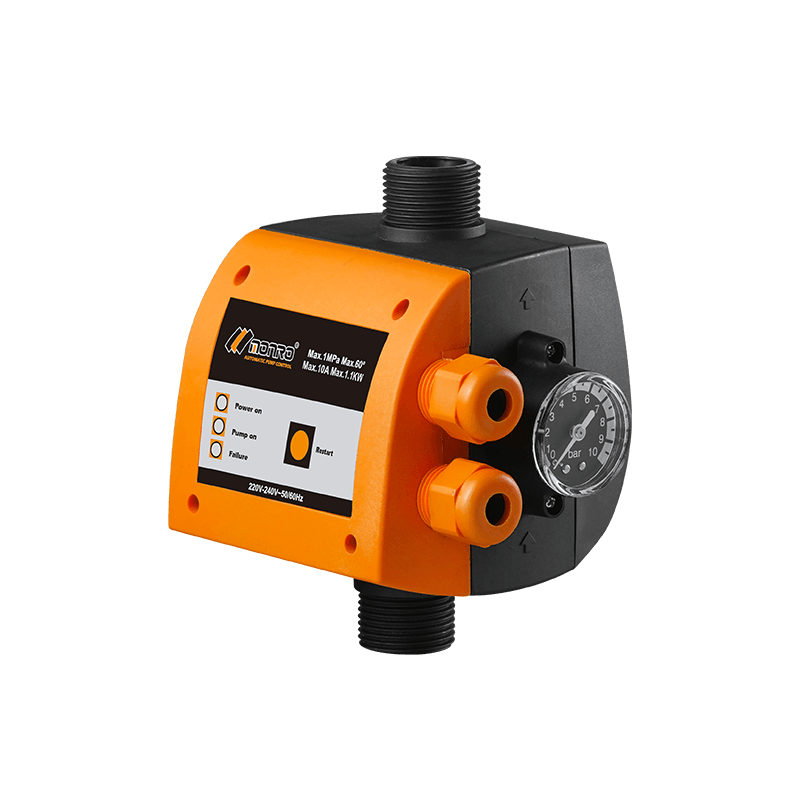 EPC-9
EPC-9Monro EPC-9 model pressure controller, is a big power device for automatic control and protection of...
-
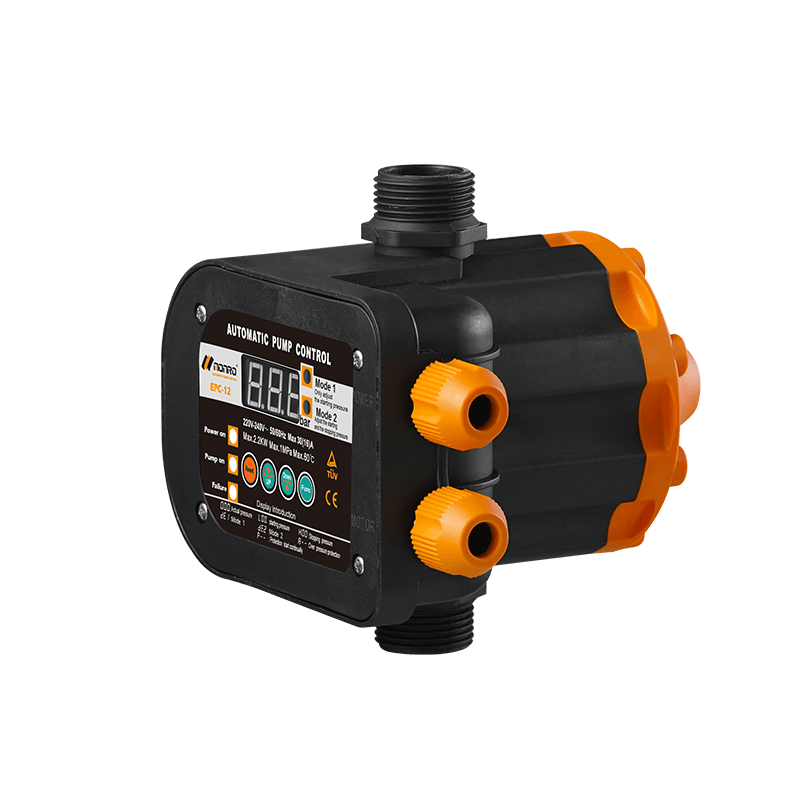 EPC-12
Monro EPC-12 smart top-level automatic pump control is a multi-function model combined with traditio...
-
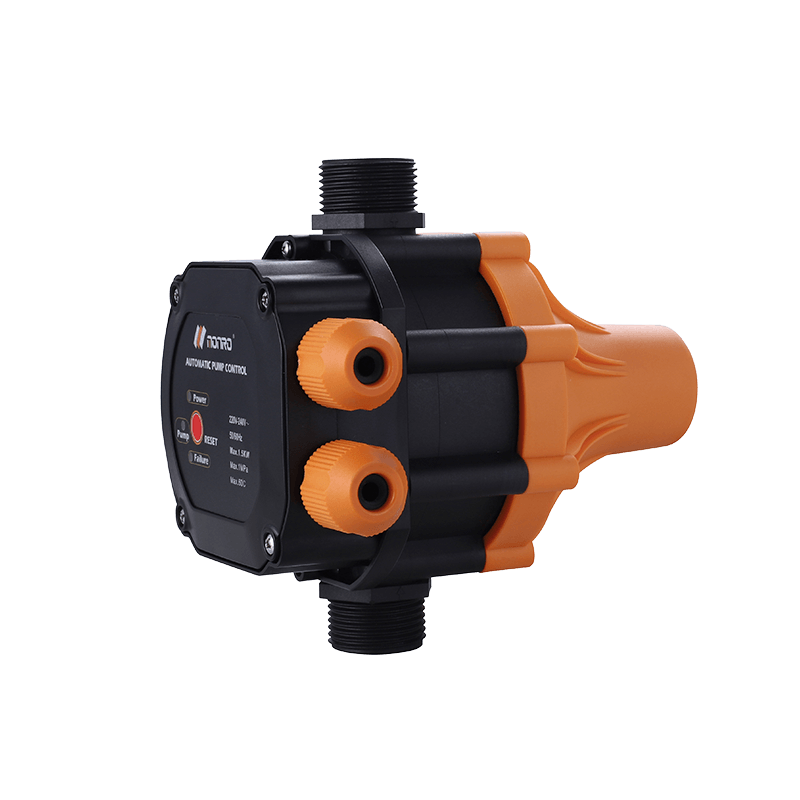 EPC-14
Monro EPC-14 model pressure control is a big power device for automatic control and protection of el...
-
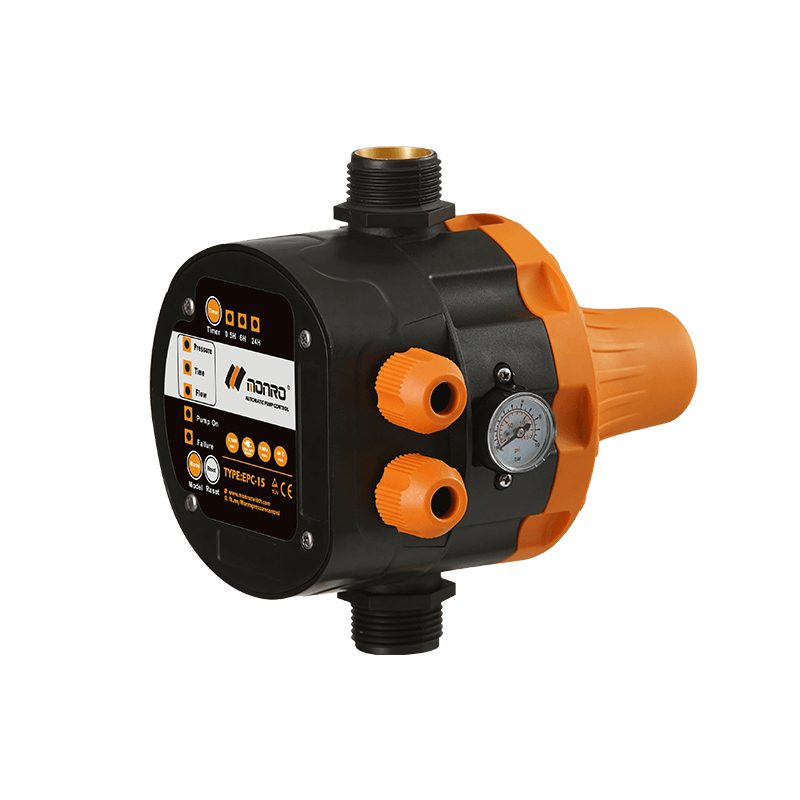 EPC-15
Monro EPC-15 model automatic pump control, a device which assembled on the water pump (recommended s...
-
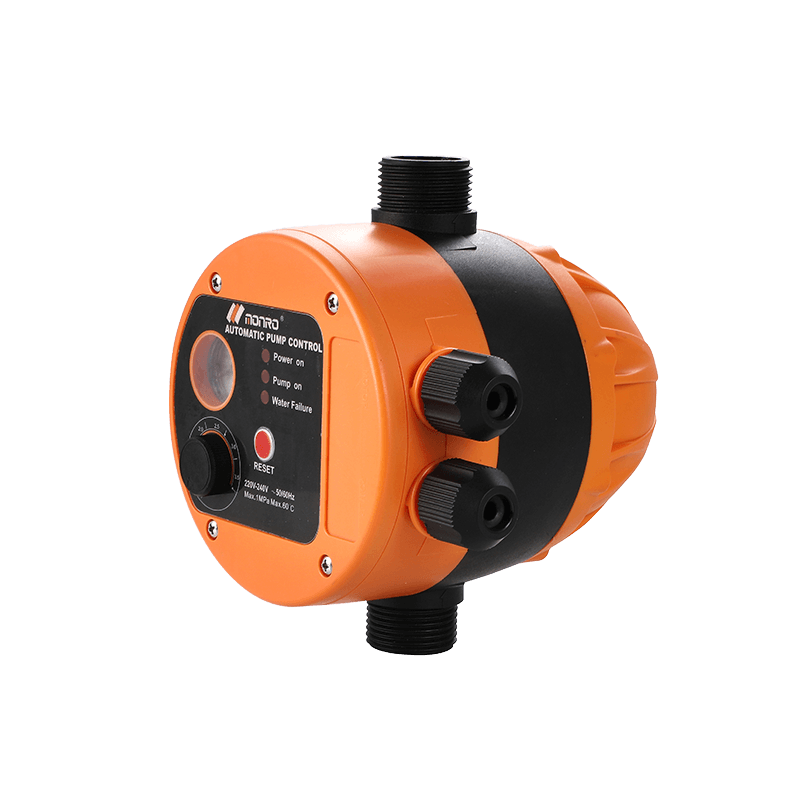 EPC-16
EPC-16 is the new patent pump controller by Monro. Its key highlight is tooless (manual knob) start...
contact us
find our office
find our office
Committed to providing professional pressure control solutions for various types of water pumps and air compressors.
Mobile
 Wechat
Copyright © 2024 Zhejiang Monro M&E Co., Ltd. All Rights Reserved.
Wholesale Pressure Control Switch Manufacturer
