

 简体中文
简体中文 English
 Español
Don't hesitate to send a message
Search
Recent Post
Newsletter
Multi-Pump Integration With Automatic Pump Control
Role of Automatic Pump Control
- Primary Function: Automatic Pump Control monitors system parameters like flow, pressure, and level to operate pumps automatically based on real-time demand.
- Supporting Multiple Pumps: Modern controllers can manage several pumps simultaneously, turning pumps on or off as needed to maintain suitable system performance.
- Efficiency Optimization: By alternating pump operation, automatic control prevents overuse of a single pump, balancing wear and extending equipment life.
Understanding Multi-Pump Systems
- Definition of Multi-Pump Control: Multi-pump systems involve operating two or more pumps in a coordinated manner to meet varying flow and pressure demands.
- Common Applications: Such systems are widely used in water treatment plants, HVAC networks, industrial processes, and irrigation systems.
- Benefits of Multi-Pump Control: Coordinated operation increases efficiency, reduces energy consumption, and ensures redundancy in case of pump failure.
System Configuration For Multi-Pump Operation
Lag Control:
- Designates one pump as the primary and others as backups (lag).
- Automatically switches roles periodically to equalize operating hours.
Parallel Pump Operation:
- Multiple pumps operate together during peak demand.
- Ensures system pressure and flow targets are met without overloading a single pump.
Sequential Pump Start-Up:
- Pumps start in a predefined sequence based on demand.
- Prevents sudden surges or pressure spikes that could damage pipes or valves.
Integration Requirements
- Compatible Sensors: Flow, pressure, and level sensors must accurately detect system conditions for coordinated pump operation.
- Controller Selection: Choose controllers capable of handling multiple pump inputs and outputs, with real-time monitoring and automated switching.
- Communication Protocols: Use standard communication interfaces like Modbus, BACnet, or Ethernet for reliable coordination among pumps and the control system.
Installation Considerations
- Piping Layout: Ensure that inlet and outlet pipes are sized to accommodate combined flows when multiple pumps operate simultaneously.
- Valves and Check Valves: Proper valve installation prevents backflow and ensures smooth pump switching.
- Electrical Integration: Ensure the power supply and starter circuits support multiple pumps without causing voltage drops or overloads.
Monitoring And Maintenance
- Routine Performance Checks: Verify that all pumps respond correctly to control commands and maintain desired system parameters.
- Controller Diagnostics: Regularly test the controller’s logic and failover functionality to prevent operational errors.
- Sensor Maintenance: Clean and calibrate sensors to maintain accurate readings for automatic operation.
Troubleshooting Multi-Pump Systems
- Unequal Pump Usage: Monitor operating hours to ensure all pumps are equally utilized; adjust lead-lag rotation if needed.
- Pressure Fluctuations: Sudden drops may indicate valve issues, clogged lines, or improper controller settings.
- Communication Errors: Ensure all pumps and the controller communicate effectively, especially in networked installations.
Advantages of Multi-Pump Automatic Control
- Energy Savings: Pumps run only when needed, reducing unnecessary energy consumption.
- Increased Reliability: Redundant pumps ensure continuous operation even if one unit fails.
- Extended Equipment Life: Alternating pumps and preventing overload reduce wear and tear on individual units.
- Improved System Flexibility: The system can adapt to varying flow demands efficiently, supporting industrial or municipal needs.
Automatic Pump Control offers significant advantages for managing multi-pump systems. By coordinating start-up, shut-down, and load distribution, such systems maintain consistent pressure and flow, optimize energy usage, and extend pump life. Proper installation, compatible sensors, reliable communication, and regular maintenance are essential for ensuring efficient and safe operation. With these measures, multi-pump automatic control systems can deliver enhanced performance and operational resilience across a wide range of applications.
OUR PRODUCTS
Recommended Products
-
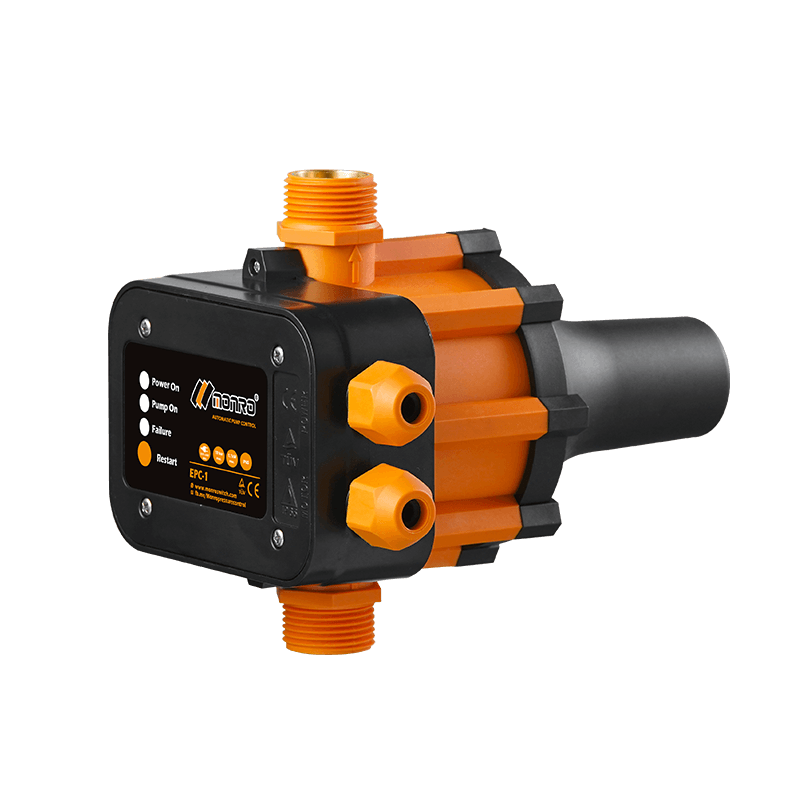 EPC-1
EPC-1Monro EPC-1 model pump controller is the classic and basic type, was loved by user in the global mar...
-
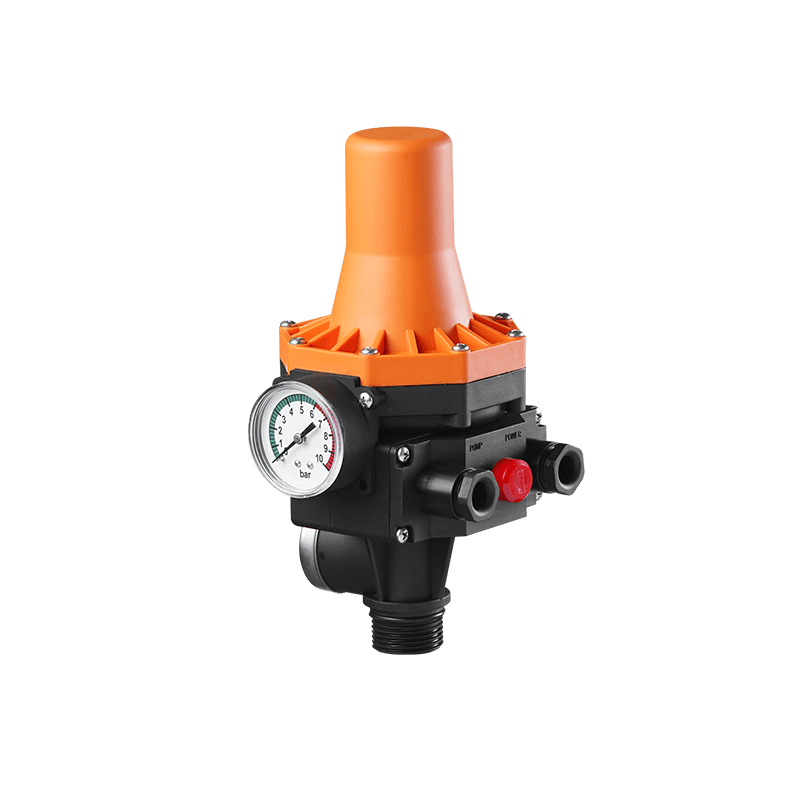 EPC-3
EPC-3Monro EPC-3 spain design auto on and off press control, an intelligent and economical system designe...
-
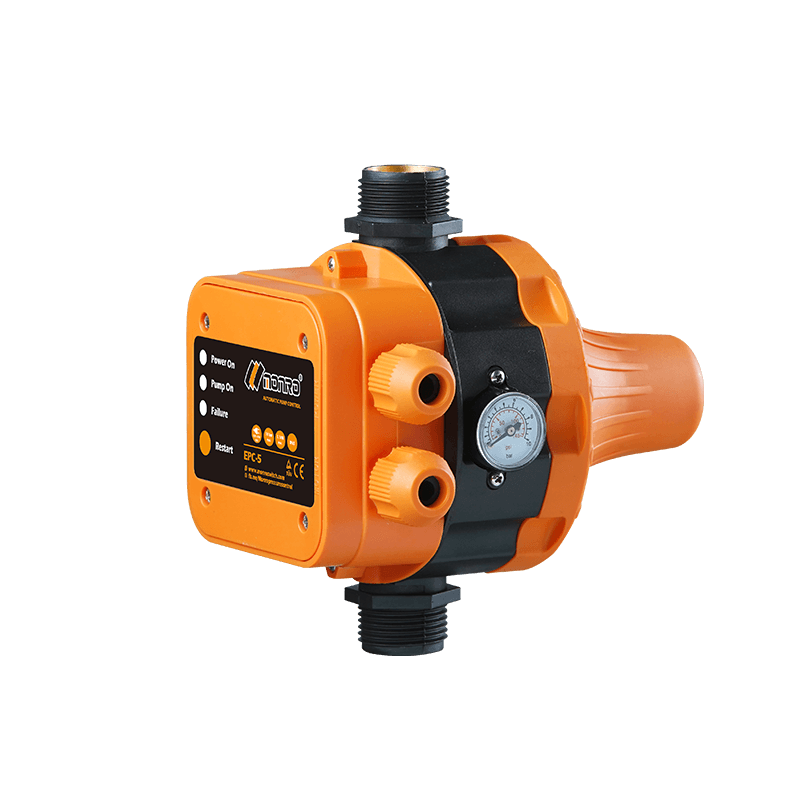 EPC-5
EPC-5Monro EPC-5 model automatic pump control, a device which assembled on the water pump (recommended si...
-
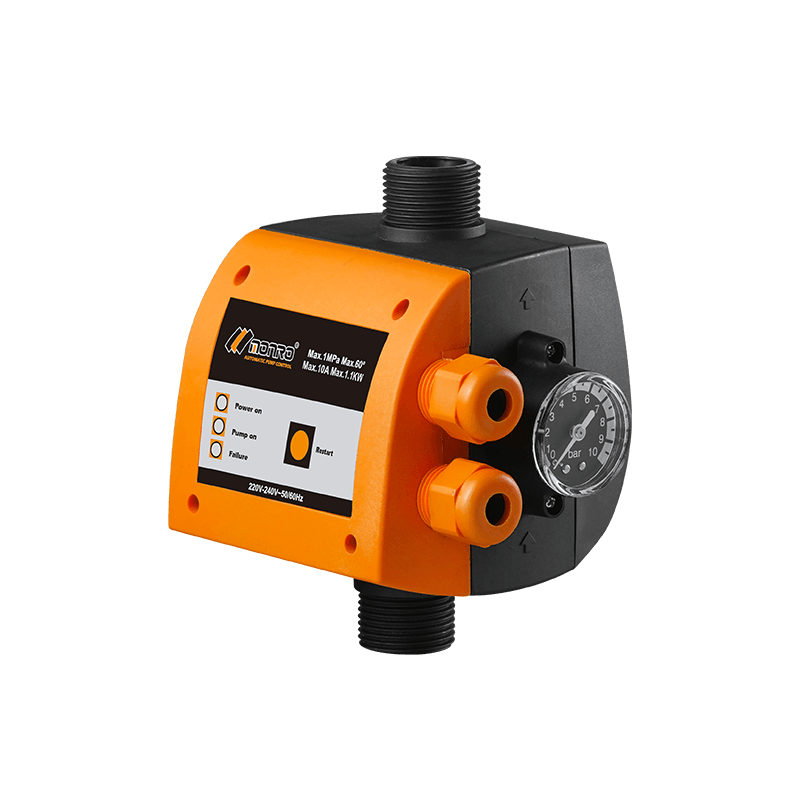 EPC-9
EPC-9Monro EPC-9 model pressure controller, is a big power device for automatic control and protection of...
-
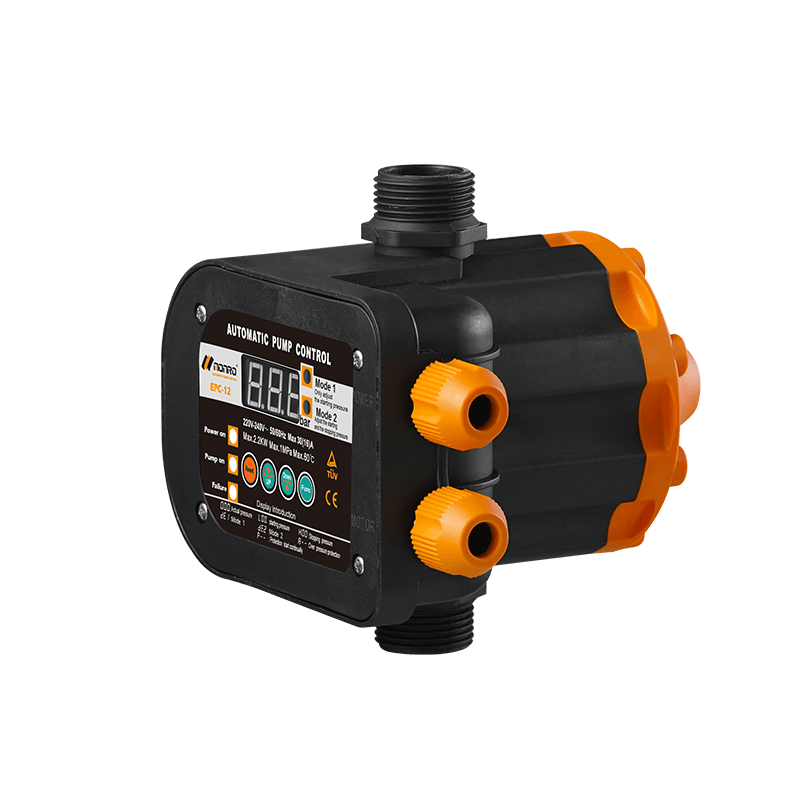 EPC-12
Monro EPC-12 smart top-level automatic pump control is a multi-function model combined with traditio...
-
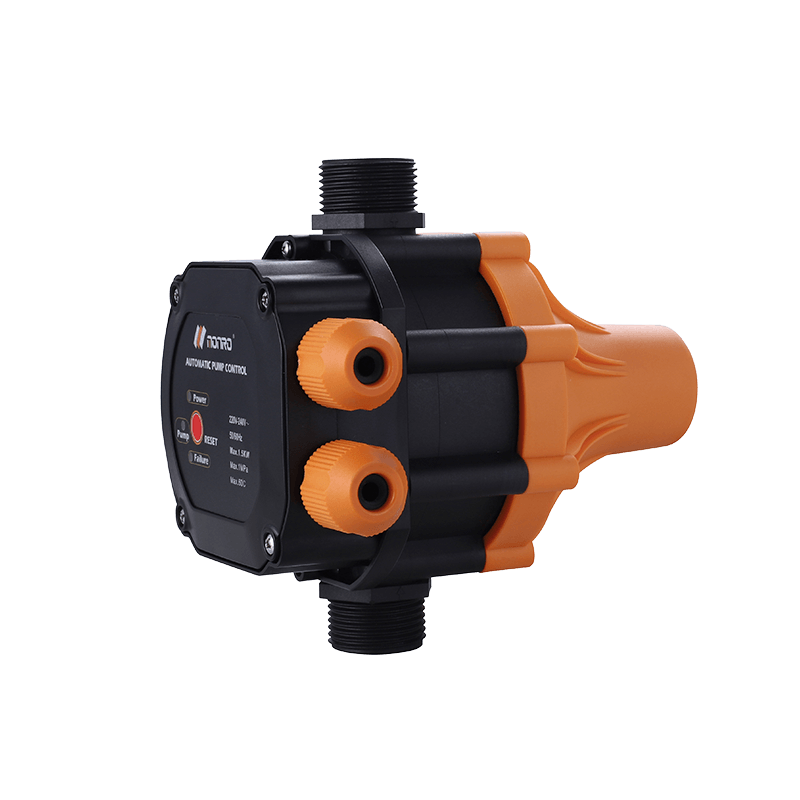 EPC-14
Monro EPC-14 model pressure control is a big power device for automatic control and protection of el...
-
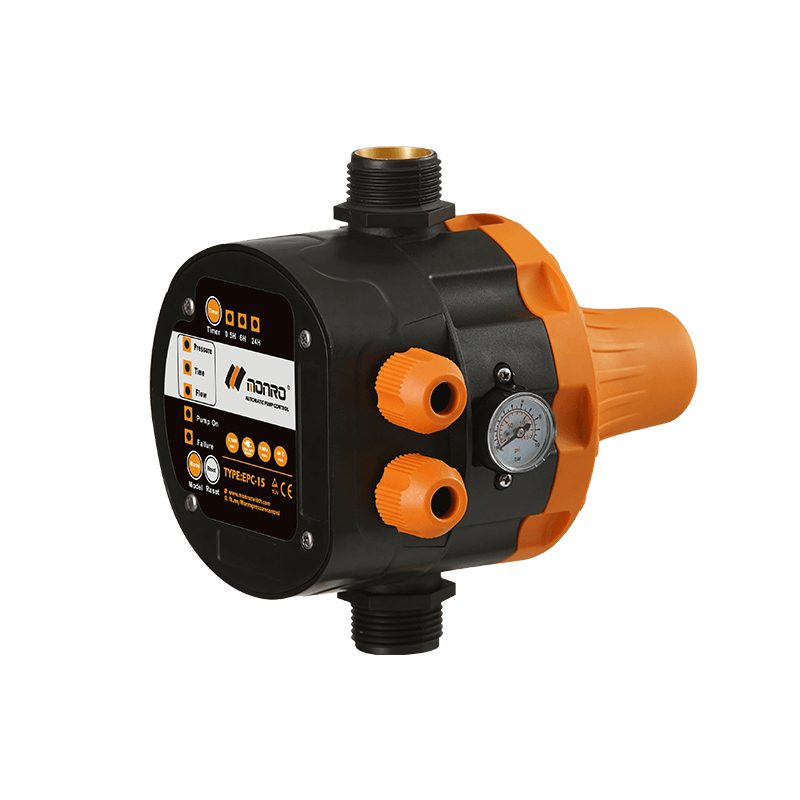 EPC-15
Monro EPC-15 model automatic pump control, a device which assembled on the water pump (recommended s...
-
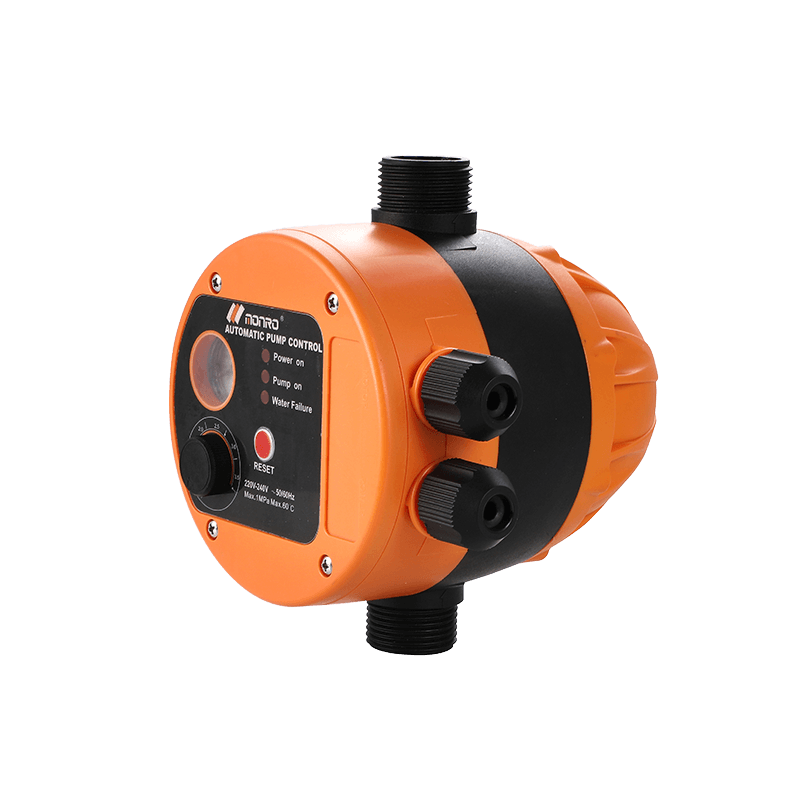 EPC-16
EPC-16 is the new patent pump controller by Monro. Its key highlight is tooless (manual knob) start...
contact us
find our office
find our office
Committed to providing professional pressure control solutions for various types of water pumps and air compressors.
Mobile
 Wechat
Copyright © 2024 Zhejiang Monro M&E Co., Ltd. All Rights Reserved.
Wholesale Pressure Control Switch Manufacturer
