

 简体中文
简体中文 English
 Español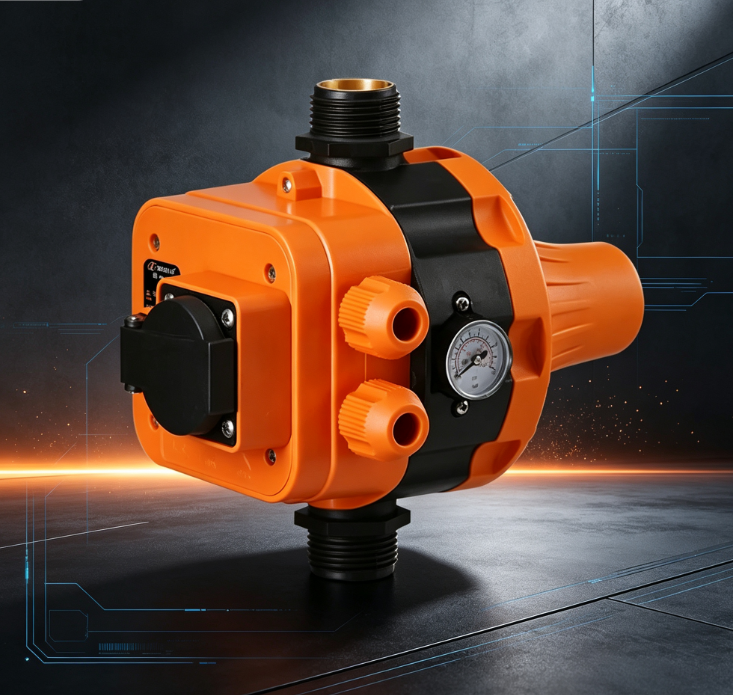
Don't hesitate to send a message
Search
Recent Post
Newsletter
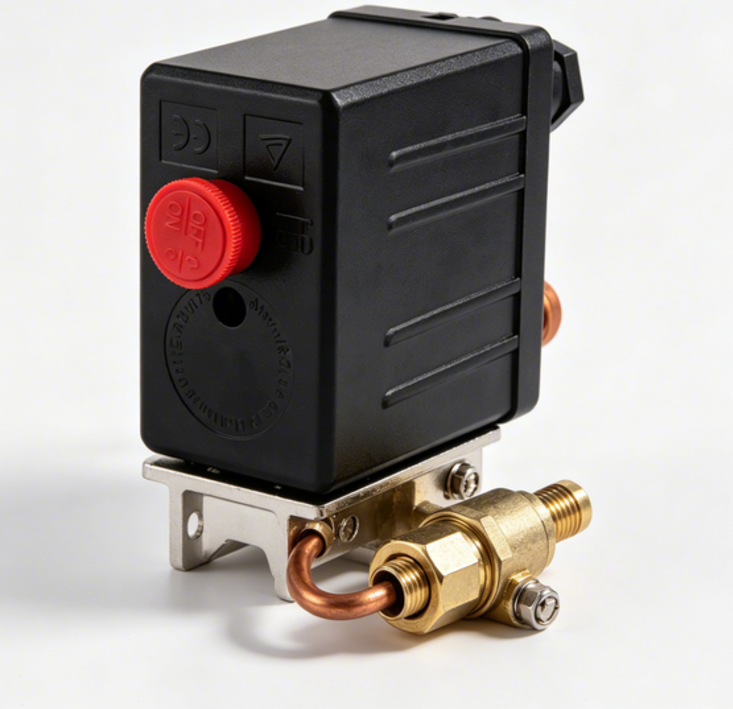
Protecting Pumps From Dry Run Damage Effectively
Understanding Dry Run And Pump Risks
- Definition of Dry Running: Dry running occurs when a Pressure Control Factory pump operates without sufficient liquid, causing overheating, friction, and potential mechanical failure.
- Common Causes: Low fluid levels, blocked suction lines, or faulty valves can trigger dry running. Without preventive measures, pump seals, bearings, and impellers may be severely damaged.
- Consequences: Extended dry running reduces pump efficiency, shortens lifespan, and can cause costly repairs or replacements.

Role of Pressure Control in Pump Protection
- Maintaining Pressure: Pressure Control Factory systems ensure that the pump always operates above a predefined pressure, preventing dry running conditions.
- Real-Time Monitoring: Sensors continuously track pressure levels in the pipeline and relay data to the controller, allowing immediate corrective action if pressure drops dangerously low.
- Automatic Shutdown: Advanced pressure controllers can automatically stop the pump when the pressure falls below a safe threshold, preventing mechanical damage.
Selecting Appropriate Pressure Control Systems
- Controller Type: Choose a pressure controller suitable for the pump type—centrifugal, diaphragm, or positive displacement—to ensure accurate response during low-pressure events.
- Sensor Compatibility: Ensure sensors are compatible with the pump’s operating pressure range and the fluid type, including corrosive or high-temperature liquids.
- Calibration and Settings: Set the pressure limits according to pump specifications. Proper calibration is essential to avoid false shutdowns or delayed protection.
Installation Considerations for Effective Protection
- Location of Sensors: Install pressure sensors close to the pump inlet to detect low-pressure conditions immediately.
- Bypass and Relief Valves: Include bypass or relief valves to stabilize pressure fluctuations and protect the pump during sudden demand changes.
- Controller Integration: Integrate the pressure control system with the pump drive or automatic control system for seamless shutdown and restart.
Operational Benefits of Pressure Control
- Preventing Seal and Bearing Damage: Maintaining adequate pressure ensures proper lubrication of seals and bearings, reducing wear and tear.
- Avoiding Cavitation: Pressure control prevents suction cavitation, which can erode impellers and reduce pump efficiency.
- Energy Efficiency: By maintaining suitable pressure, the pump avoids running unnecessarily, saving energy and reducing operational costs.
Monitoring And Maintenance Practices
- Routine Sensor Checks: Regularly inspect pressure sensors for fouling, corrosion, or signal drift to maintain accurate readings.
- Controller Diagnostics: Periodically test the pressure controller’s response to simulated low-pressure conditions to ensure proper functionality.
- Pump Maintenance Alignment: Align pump maintenance schedules with pressure control system inspections to improve protection and extend pump lifespan.
Troubleshooting Common Pressure Control Issues
- False Alarms or Shutdowns: Check for sensor calibration errors, clogged pipes, or electrical issues if the pump stops unexpectedly.
- Pressure Fluctuations: Sudden drops may indicate leaks, blocked suction lines, or malfunctioning valves. Pressure control helps identify these conditions quickly.
- Controller Communication Errors: Ensure reliable data transmission between sensors, controller, and pump drive to maintain effective protection.
Protecting pumps from dry run damage is critical for ensuring long-term efficiency, reducing maintenance costs, and avoiding unexpected downtime. By implementing a reliable pressure control system, such as one provided by a reputable Pressure Control Factory, operators can maintain proper suction pressure, monitor system conditions in real time, and automatically shut down pumps under unsafe conditions. Proper selection, installation, calibration, and ongoing maintenance of pressure control devices ensure that pumps operate safely, efficiently, and with longevity.
OUR PRODUCTS
Recommended Products
-
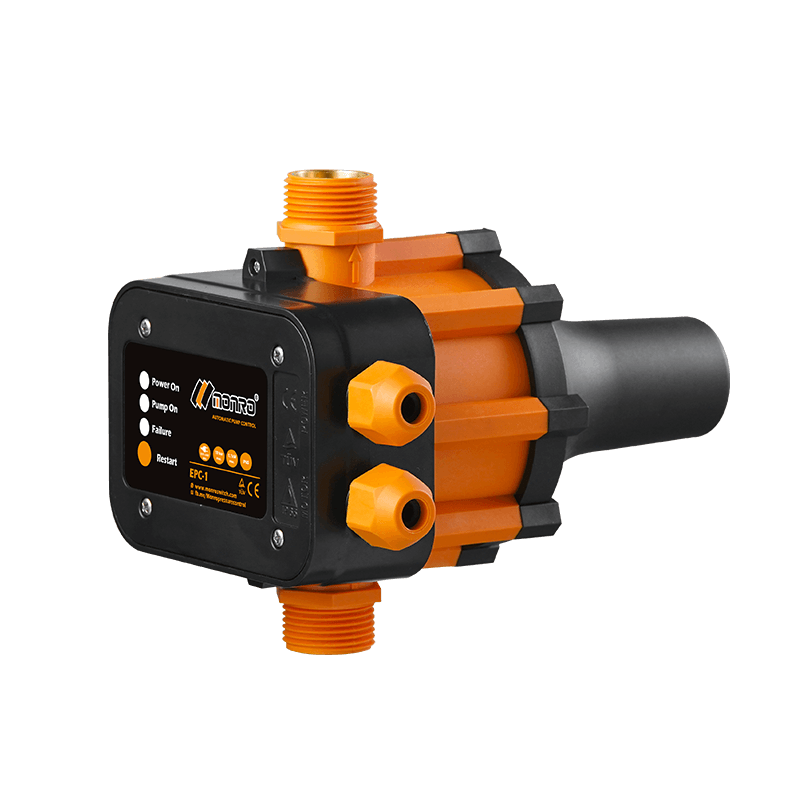 EPC-1
EPC-1Monro EPC-1 model pump controller is the classic and basic type, was loved by user in the global mar...
-
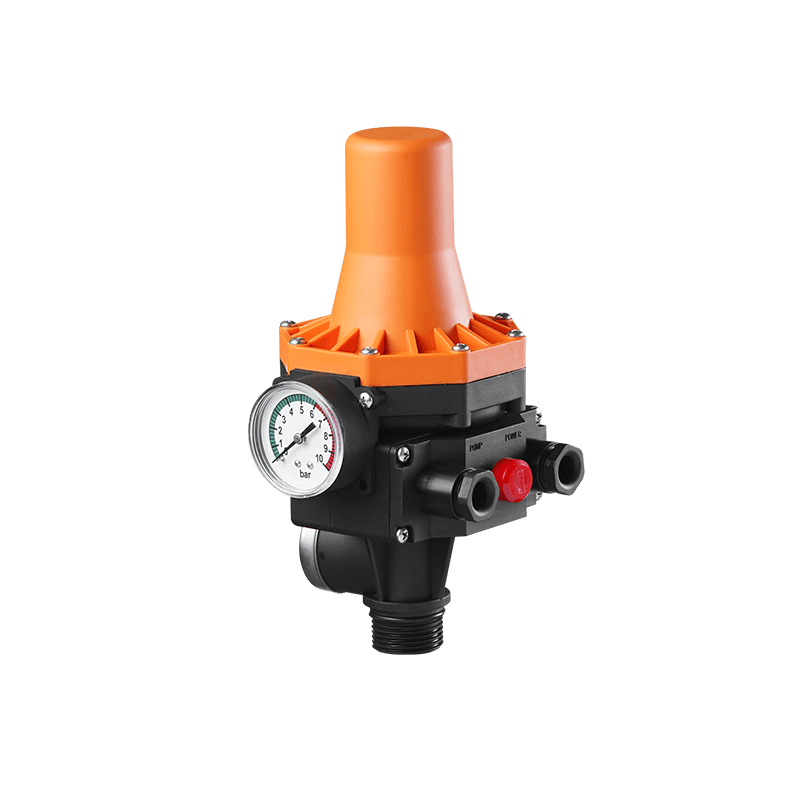 EPC-3
EPC-3Monro EPC-3 spain design auto on and off press control, an intelligent and economical system designe...
-
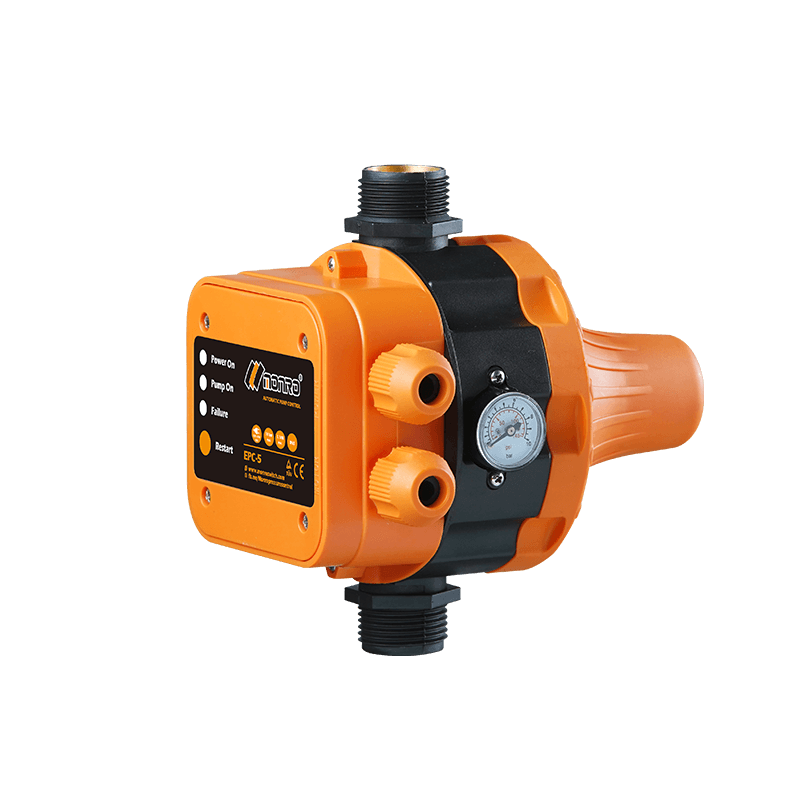 EPC-5
EPC-5Monro EPC-5 model automatic pump control, a device which assembled on the water pump (recommended si...
-
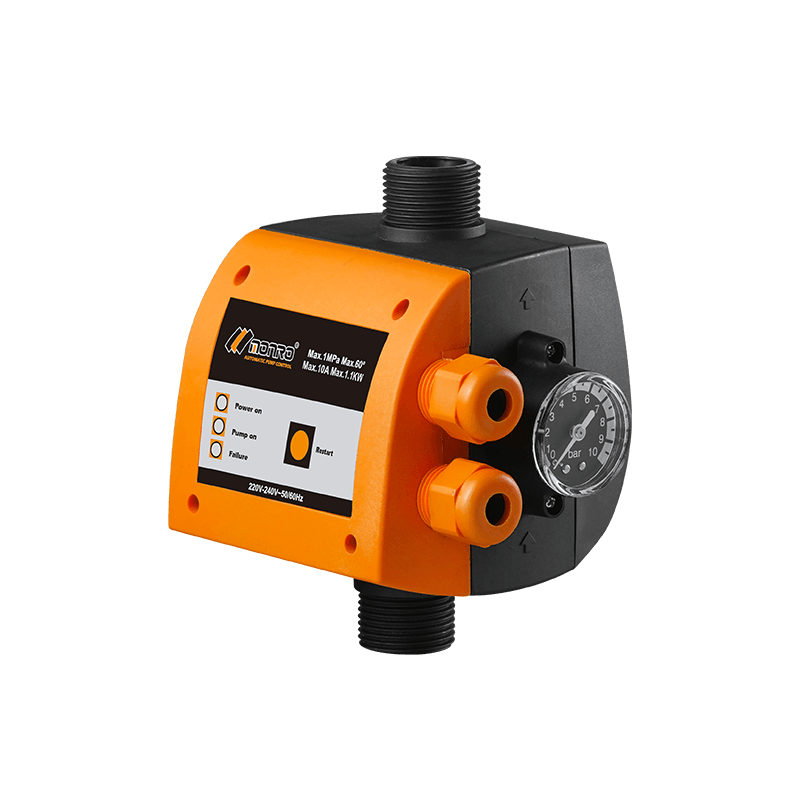 EPC-9
EPC-9Monro EPC-9 model pressure controller, is a big power device for automatic control and protection of...
-
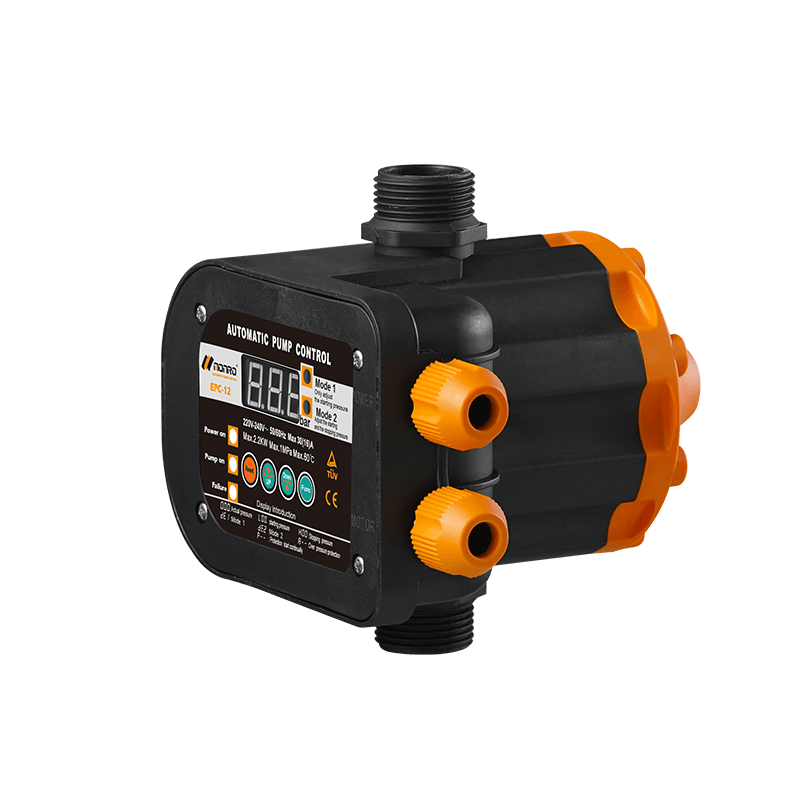 EPC-12
Monro EPC-12 smart top-level automatic pump control is a multi-function model combined with traditio...
-
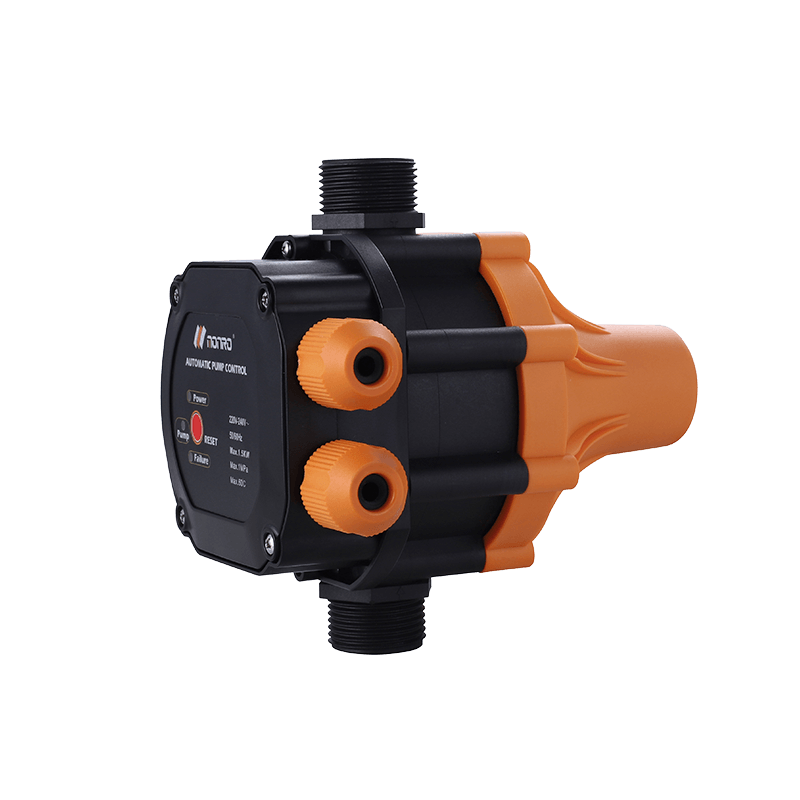 EPC-14
Monro EPC-14 model pressure control is a big power device for automatic control and protection of el...
-
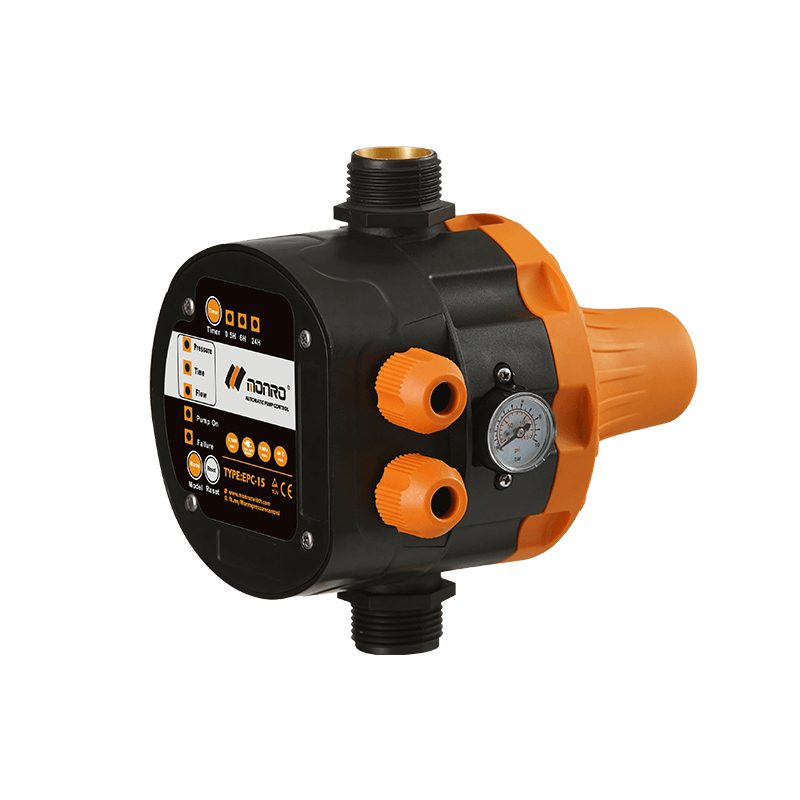 EPC-15
Monro EPC-15 model automatic pump control, a device which assembled on the water pump (recommended s...
-
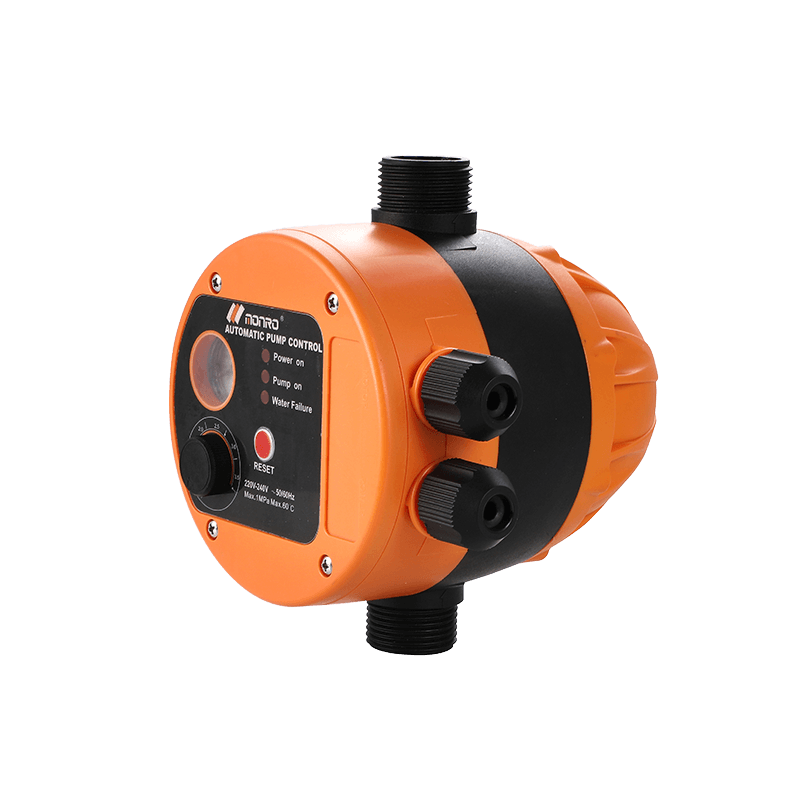 EPC-16
EPC-16 is the new patent pump controller by Monro. Its key highlight is tooless (manual knob) start...
contact us
find our office
find our office
Committed to providing professional pressure control solutions for various types of water pumps and air compressors.
Mobile
 Wechat
Copyright © 2024 Zhejiang Monro M&E Co., Ltd. All Rights Reserved.
Wholesale Pressure Control Switch Manufacturer
