

 简体中文
简体中文 English
 Español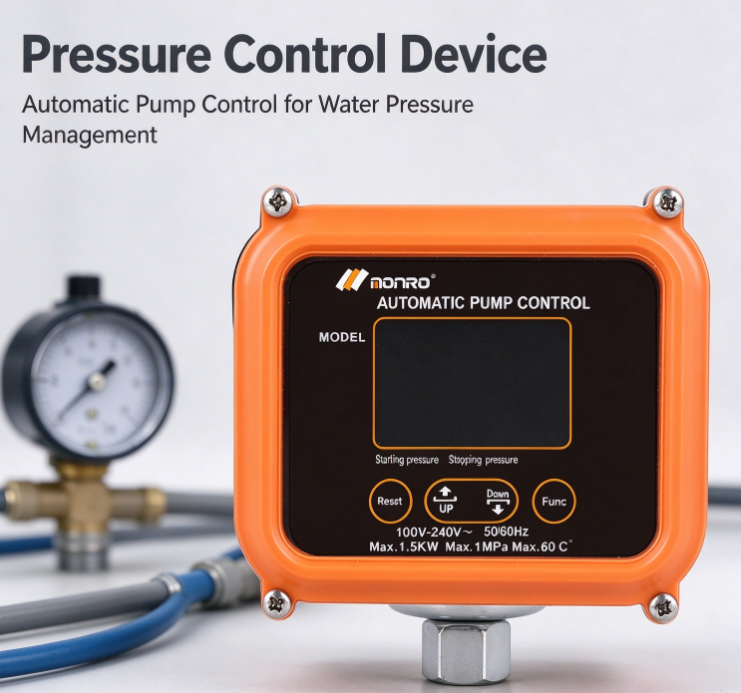
Don't hesitate to send a message
Search
Recent Post
Newsletter
Essential Safety Protections for Automatic Pump Control Systems
Introduction to Pump Control Safety
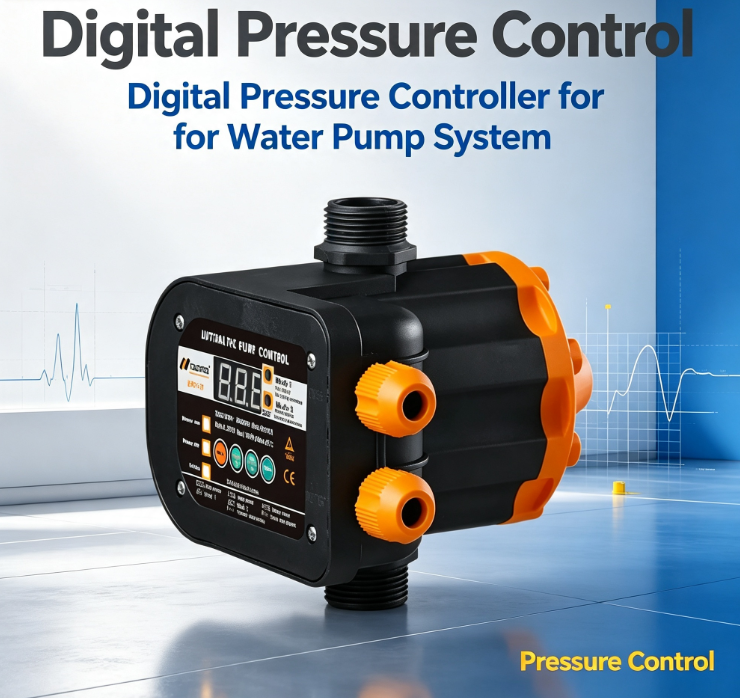
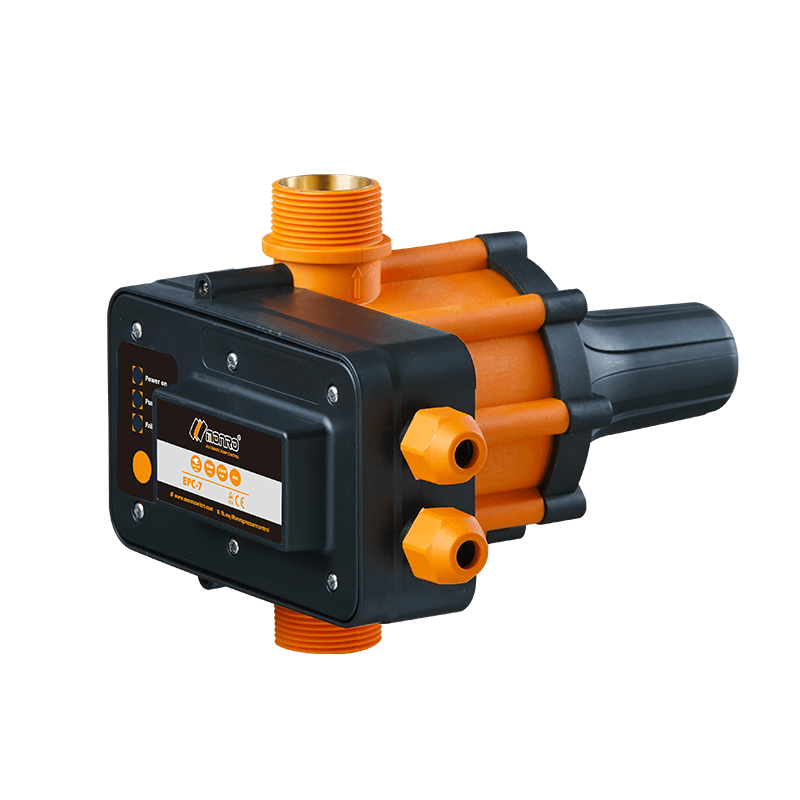
Automatic Pump Control systems play a vital role in maintaining stable and efficient pump operation across residential, agricultural, and industrial applications. Beyond convenience and automation, safety protection is one of the critical aspects of these systems. Proper safety measures prevent equipment damage, reduce operational risks, and ensure long-term reliability. When designed and configured correctly, Automatic Pump Control helps protect pumps from abnormal operating conditions such as dry running, overpressure, electrical faults, and overheating, all of which can significantly shorten equipment lifespan if left unmanaged.
Importance of Dry Run Protection
Dry running occurs when a pump operates without sufficient water flow, often due to an empty source, a blocked inlet, or air entering the system. This condition can quickly cause overheating, seal failure, and irreversible motor damage. Modern pump control systems incorporate dry run protection by monitoring pressure, flow, or electrical current. When abnormal conditions are detected, the system automatically shuts down the pump to prevent damage. This protection is especially important in wells, tanks, and remote installations where water availability may fluctuate unexpectedly.
Overpressure Protection Mechanisms
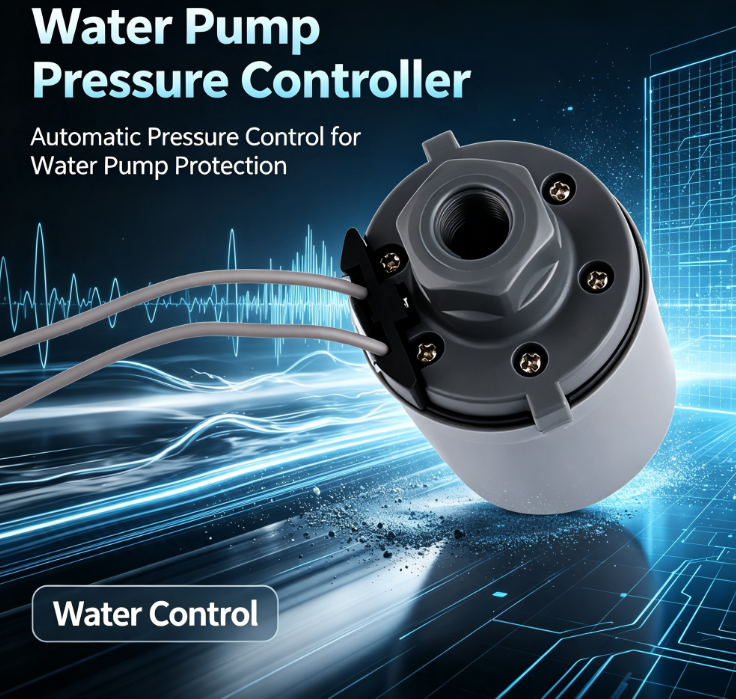
Overpressure is another critical safety concern during normal pump operation. Excessive pressure can damage pipelines, fittings, valves, and connected equipment, causing leaks or sudden system failure. Automatic pump controllers address this risk by integrating pressure sensors or switches that continuously monitor system pressure. When pressure exceeds a predefined safe threshold, the controller stops the pump or activates a relief response. This protection ensures that the pump operates within its designed pressure range and prevents stress-related damage to the entire hydraulic system.
Electrical Safety and Overload Protection
Electrical protection is fundamental to pump system safety. Automatic pump controllers are designed to safeguard motors against overload, voltage fluctuations, and short circuits. Overload protection prevents the motor from drawing excessive current, which can result from mechanical resistance, clogged impellers, or prolonged operation under abnormal conditions. By cutting power when unsafe electrical levels are detected, the system reduces the risk of motor burnout and fire hazards. Stable electrical operation also improves energy efficiency and ensures consistent pump performance.
Temperature Monitoring and Thermal Protection
Heat buildup is a common byproduct of prolonged pump operation or mechanical strain. Without proper protection, excessive temperature can degrade insulation, damage bearings, and shorten motor life. Many control systems include thermal sensors that monitor motor or controller temperature in real time. When temperatures exceed safe operating limits, the system temporarily shuts down the pump until normal conditions are restored. Thermal protection is particularly valuable in high-duty-cycle applications and environments with limited ventilation.
Leak Detection and System Integrity
Water leaks may seem minor, but they can pose serious safety and efficiency issues over time. Automatic pump control systems can be integrated with leak detection mechanisms that identify abnormal pressure drops or unexpected pump cycling. These indicators help detect leaks early, preventing water loss, structural damage, and unnecessary pump operation. Maintaining system integrity through leak monitoring not only improves safety but also contributes to lower maintenance costs and reduced energy consumption.
Restart Logic and Fault Recovery
Safe operation also depends on how a system responds after a fault occurs. Intelligent restart logic ensures that pumps do not repeatedly attempt to restart under unsafe conditions. After a dry run or overpressure shutdown, the system may require a manual reset or wait for stable conditions before restarting. This controlled recovery process prevents repeated stress on the pump and allows operators to investigate and resolve underlying issues before resuming normal operation.
Safety protection is a cornerstone of reliable pump operation, and modern control systems are designed to address a wide range of potential risks. From dry run prevention and overpressure protection to electrical safety, thermal monitoring, and fault recovery, each protective function contributes to stable and efficient performance. When properly configured, Automatic Pump Control not only automates pump operation but also acts as a comprehensive safety guardian for the entire system. By prioritizing these protection measures, operators can extend equipment lifespan, reduce downtime, and ensure safe, dependable water management under normal operating conditions.
OUR PRODUCTS
Recommended Products
-
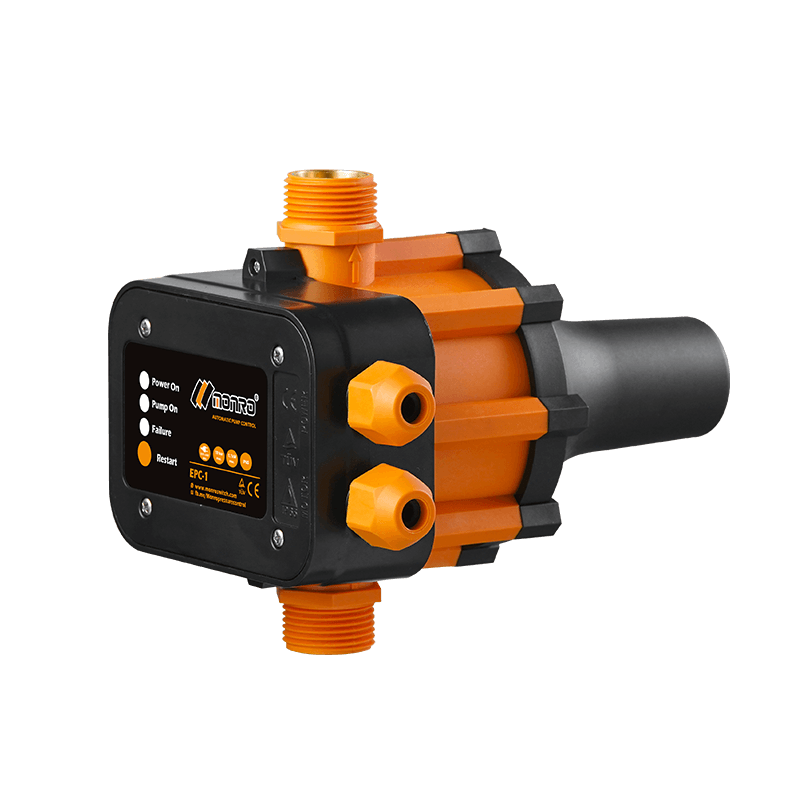 EPC-1
EPC-1Monro EPC-1 model pump controller is the classic and basic type, was loved by user in the global mar...
-
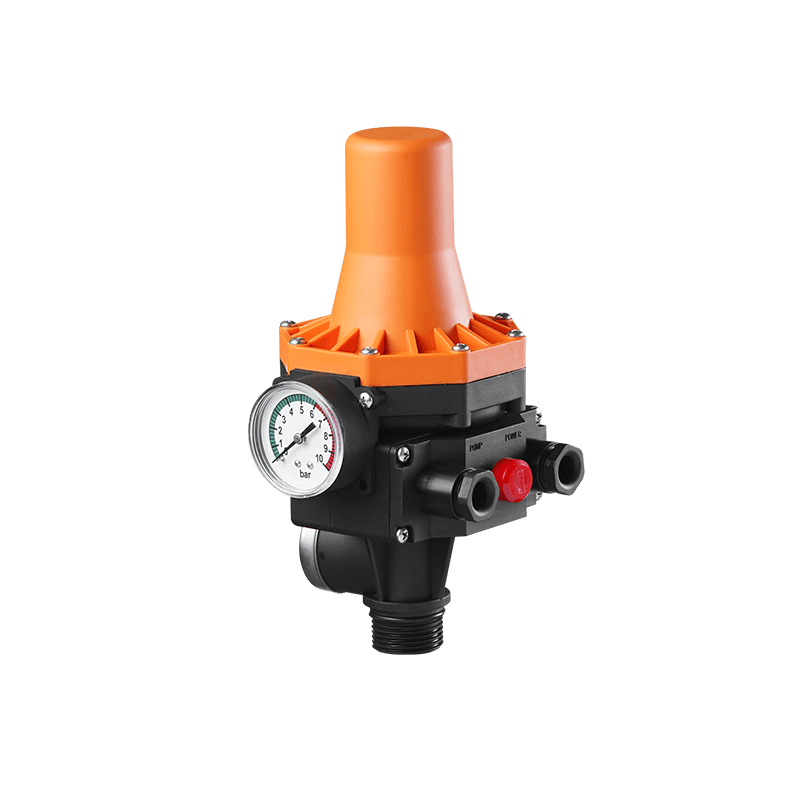 EPC-3
EPC-3Monro EPC-3 spain design auto on and off press control, an intelligent and economical system designe...
-
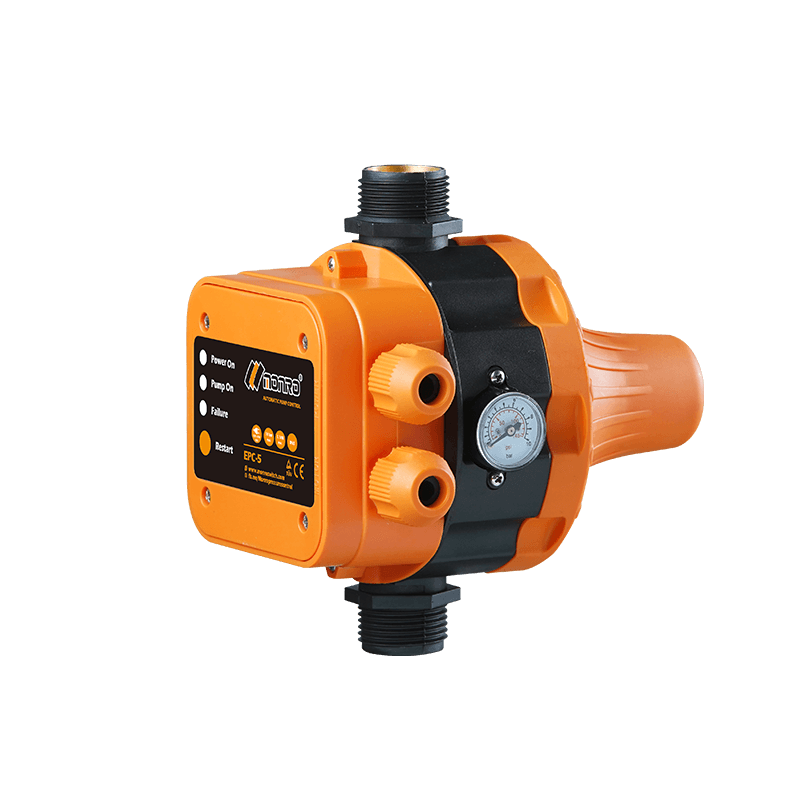 EPC-5
EPC-5Monro EPC-5 model automatic pump control, a device which assembled on the water pump (recommended si...
-
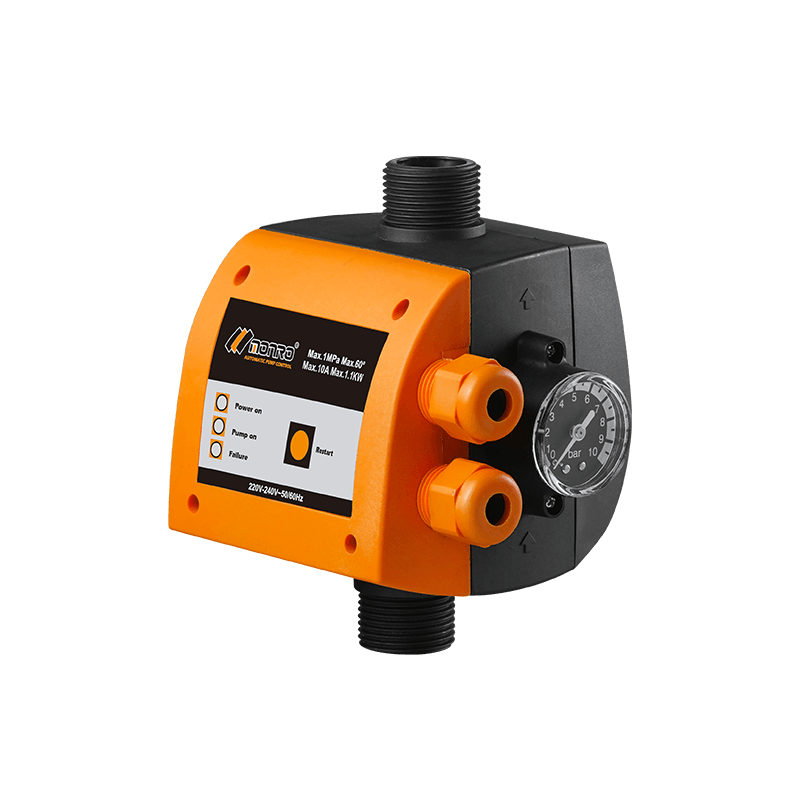 EPC-9
EPC-9Monro EPC-9 model pressure controller, is a big power device for automatic control and protection of...
-
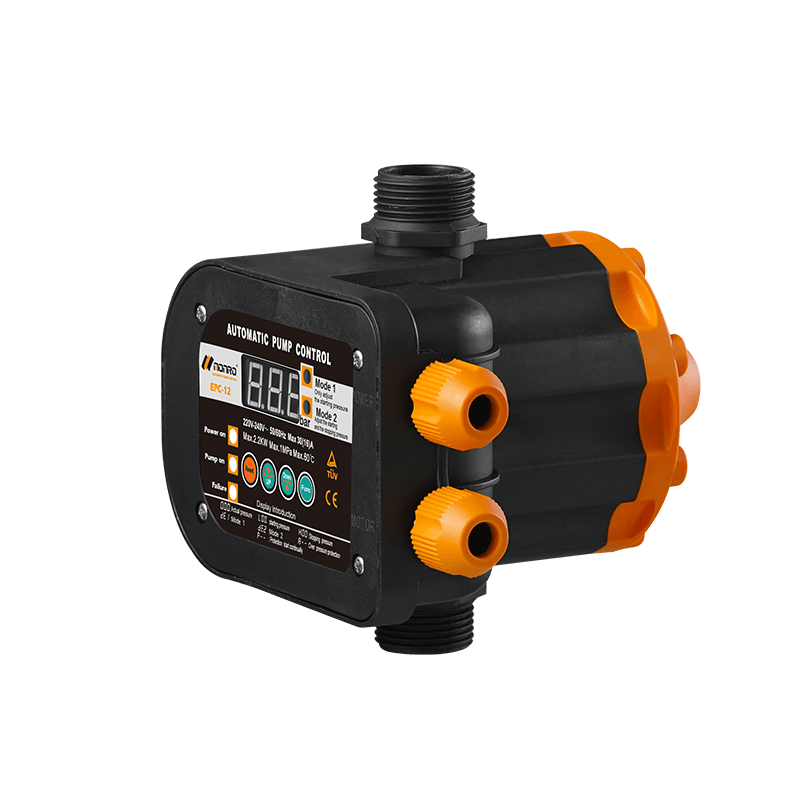 EPC-12
Monro EPC-12 smart top-level automatic pump control is a multi-function model combined with traditio...
-
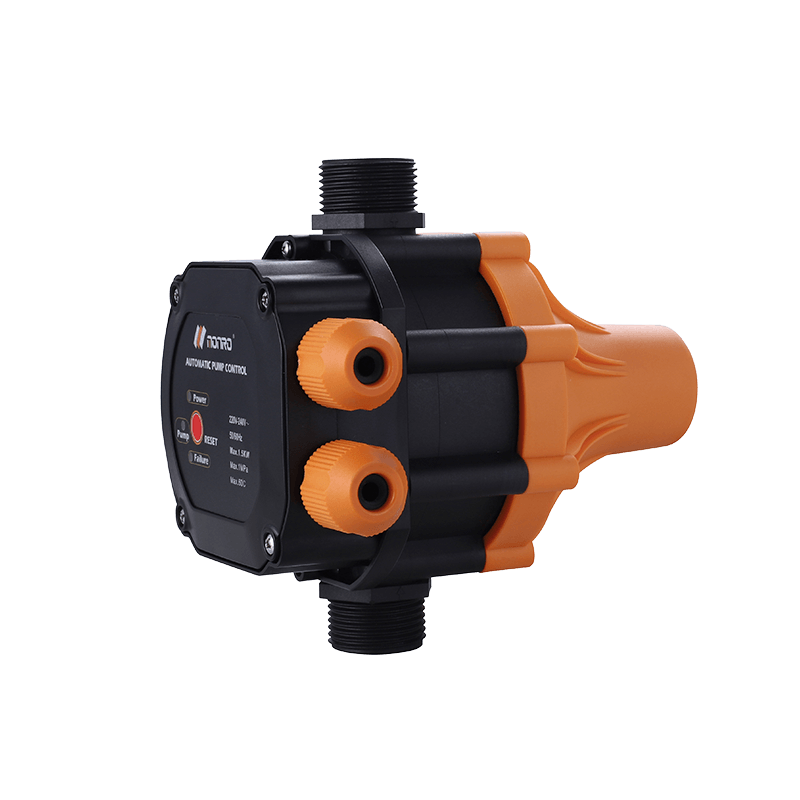 EPC-14
Monro EPC-14 model pressure control is a big power device for automatic control and protection of el...
-
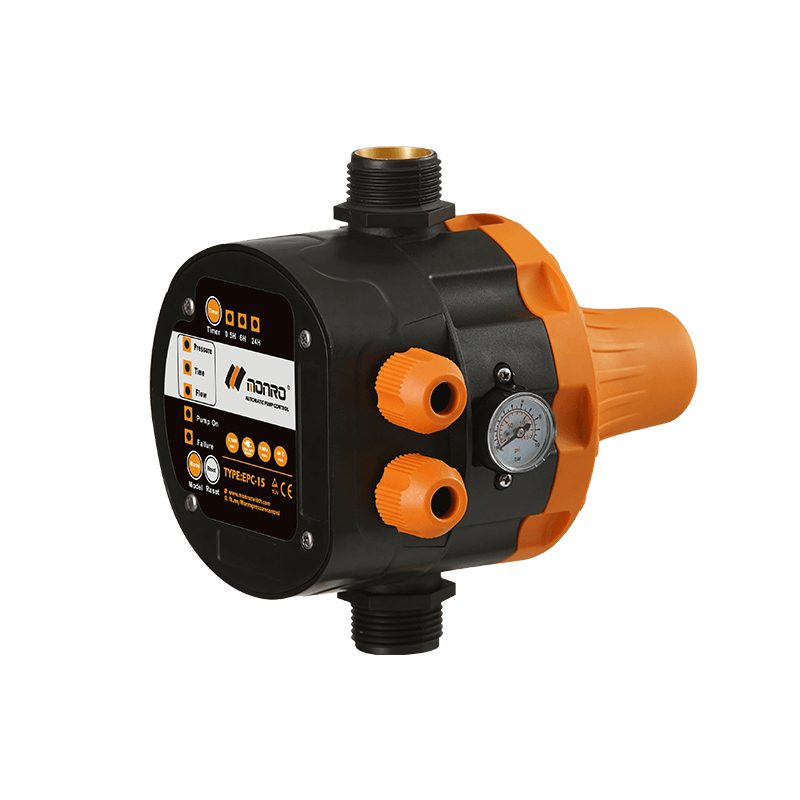 EPC-15
Monro EPC-15 model automatic pump control, a device which assembled on the water pump (recommended s...
-
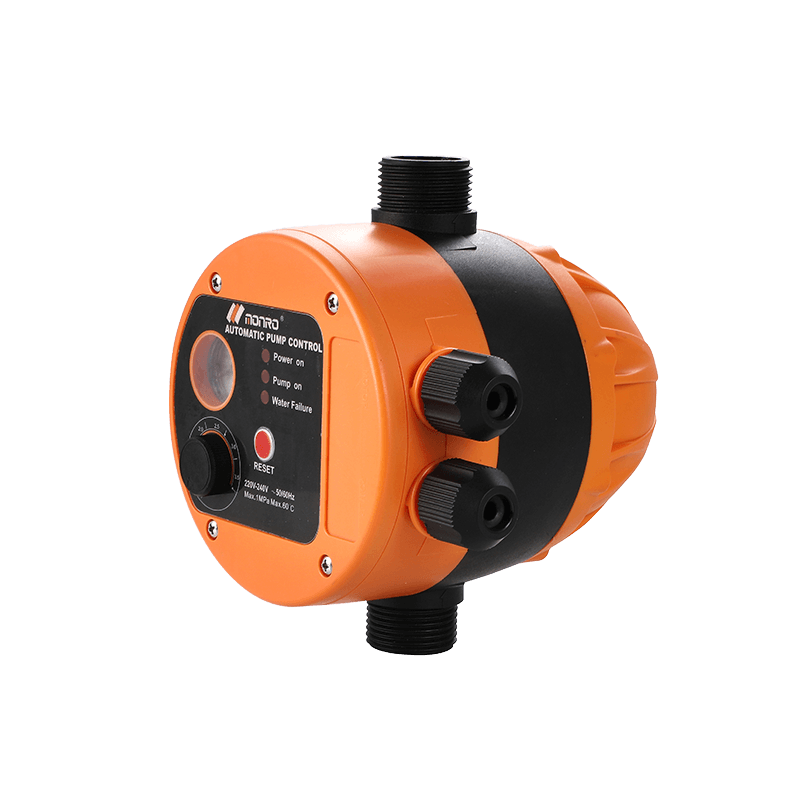 EPC-16
EPC-16 is the new patent pump controller by Monro. Its key highlight is tooless (manual knob) start...
contact us
find our office
find our office
Committed to providing professional pressure control solutions for various types of water pumps and air compressors.
Mobile
 Wechat
Copyright © 2024 Zhejiang Monro M&E Co., Ltd. All Rights Reserved.
Wholesale Pressure Control Switch Manufacturer
