

 简体中文
简体中文 English
 Español
Don't hesitate to send a message
Search
Recent Post
Newsletter
Diagnosing Pressure Switch Contact and Spring Failure
Over time, mechanical components inside the switch may degrade due to repeated electrical and mechanical stress. In systems supplied by a reputable Pressure Switch Factory, components are designed for durability, but even high-quality units eventually experience wear. Two of the common failure points are the electrical contacts and the internal pressure-regulating spring.
Understanding how to identify these issues early can prevent pump malfunction, energy waste, and costly equipment damage.
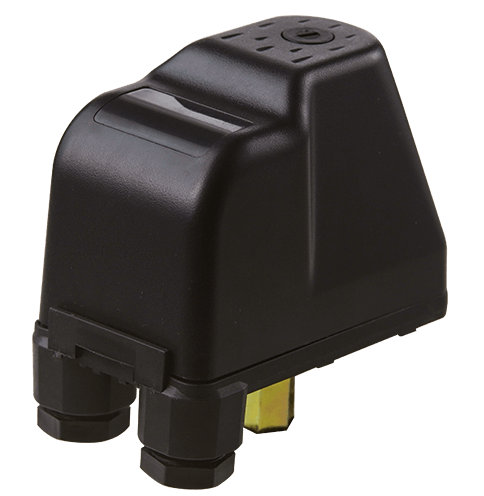
How Pressure Switch Contacts Function
Electrical contacts inside a pressure switch open and close in response to pressure changes. This action completes or interrupts the circuit powering the pump.
Key characteristics of healthy contacts include:
- Clean conductive surfaces: Ensure electrical resistance.
- Firm mechanical engagement: Contacts should close tightly without vibration.
- Stable switching cycles: The pump should start and stop at consistent pressure levels.
- When contacts deteriorate, performance becomes unreliable and potentially hazardous.
Signs of Contact Damage
Electrical contact damage often results from arcing during switching cycles. Over time, this can cause carbon buildup or pitting. Warning signs include:
- Frequent pump cycling: Poor contact conductivity can cause intermittent power delivery.
- Burn marks or discoloration: Visible blackening or pitting on contact surfaces indicates arcing damage.
- Unusual buzzing sounds: Electrical arcing may produce audible noise.
- Pump failure to start: Severely worn contacts may prevent the circuit from closing.
If these symptoms appear, inspecting the switch immediately is recommended. Even products manufactured by a professional Pressure Switch Factory require periodic inspection under heavy use conditions.
Role of the Internal Spring
The internal spring determines the pressure at which the switch activates and deactivates. It balances system pressure against mechanical resistance to trigger contact movement.
Healthy spring performance involves:
- Consistent tension: Maintains accurate pressure thresholds.
- Elastic responsiveness: Returns to its original position after each cycle.
- Stable calibration: Maintains preset cut-in and cut-out pressures.
Over time, repeated compression and decompression may weaken the spring.
Symptoms of Spring Fatigue
Spring fatigue typically develops gradually and may be overlooked until system performance declines. Common indicators include:
- Drifting pressure settings: The pump may start at a lower or higher pressure than originally set.
- Inconsistent shut-off points: Cut-out pressure may vary unpredictably.
- Delayed pump response: A weakened spring may not respond promptly to pressure changes.
- Inability to maintain calibration: Adjustments fail to stabilize pressure operation.
When such symptoms occur, recalibration attempts may provide temporary improvement, but persistent instability often signals permanent spring fatigue.
Environmental and Operational Causes
Certain conditions accelerate wear of both contacts and springs:
- High humidity: Promotes corrosion of metal components.
- Frequent short cycling: Excessive on/off cycles increase electrical arcing and mechanical fatigue.
- Voltage fluctuations: Electrical instability increases contact stress.
- Overpressure operation: Running beyond rated pressure strains the internal spring.
Choosing products from an experienced Pressure Switch Factory can reduce premature failure, but proper installation and maintenance remain critical.
Conclusion
Identifying whether a water pressure switch has failed due to contact damage or internal spring fatigue requires careful observation, testing, and understanding of system behavior. Burned contacts typically result in electrical inconsistency or pump startup failure, while fatigued springs cause drifting pressure thresholds and unstable operation. Regular maintenance, proper installation, and timely replacement are essential for preventing system disruption. By taking a proactive diagnostic approach, operators can extend pump life, maintain stable water pressure, and ensure long-term system efficiency.
OUR PRODUCTS
Recommended Products
-
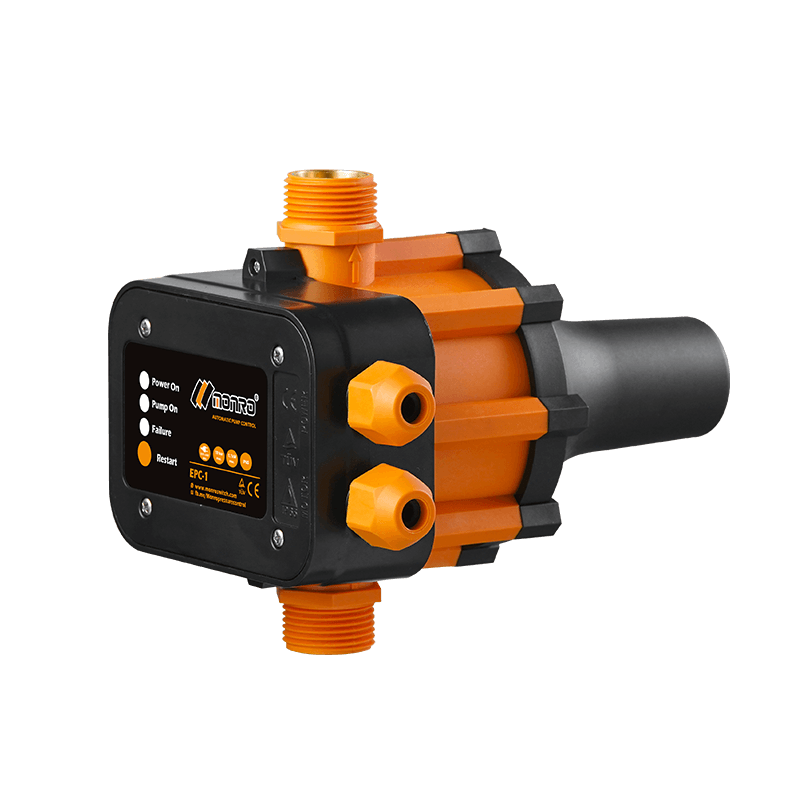 EPC-1
EPC-1Monro EPC-1 model pump controller is the classic and basic type, was loved by user in the global mar...
-
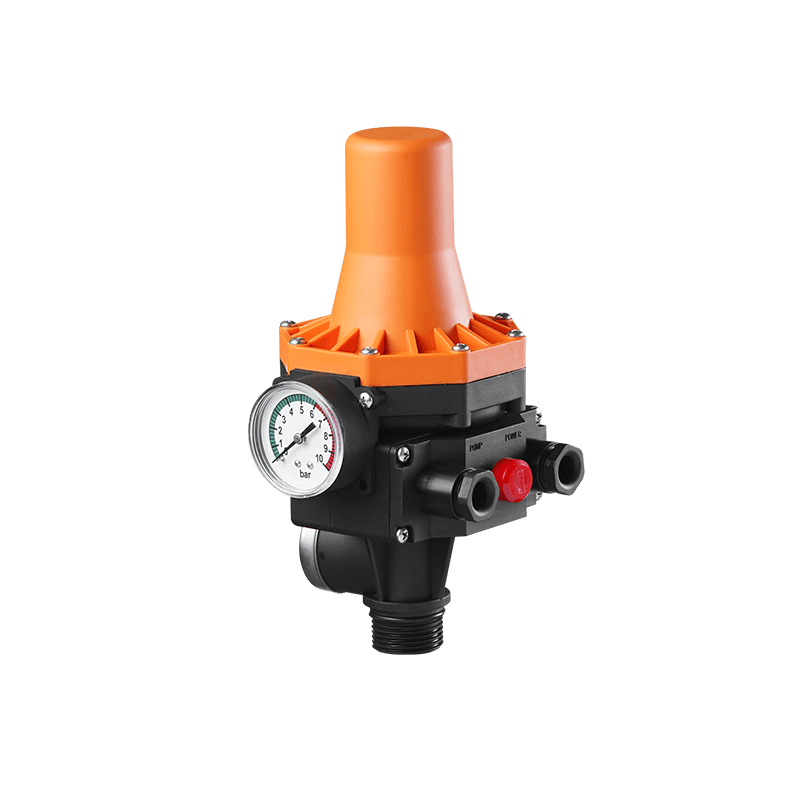 EPC-3
EPC-3Monro EPC-3 spain design auto on and off press control, an intelligent and economical system designe...
-
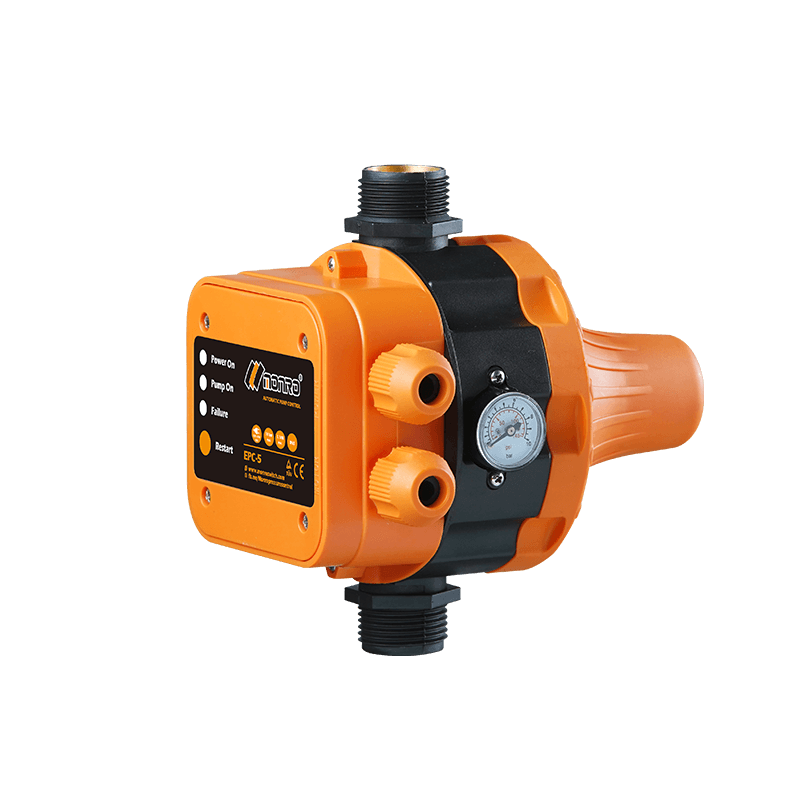 EPC-5
EPC-5Monro EPC-5 model automatic pump control, a device which assembled on the water pump (recommended si...
-
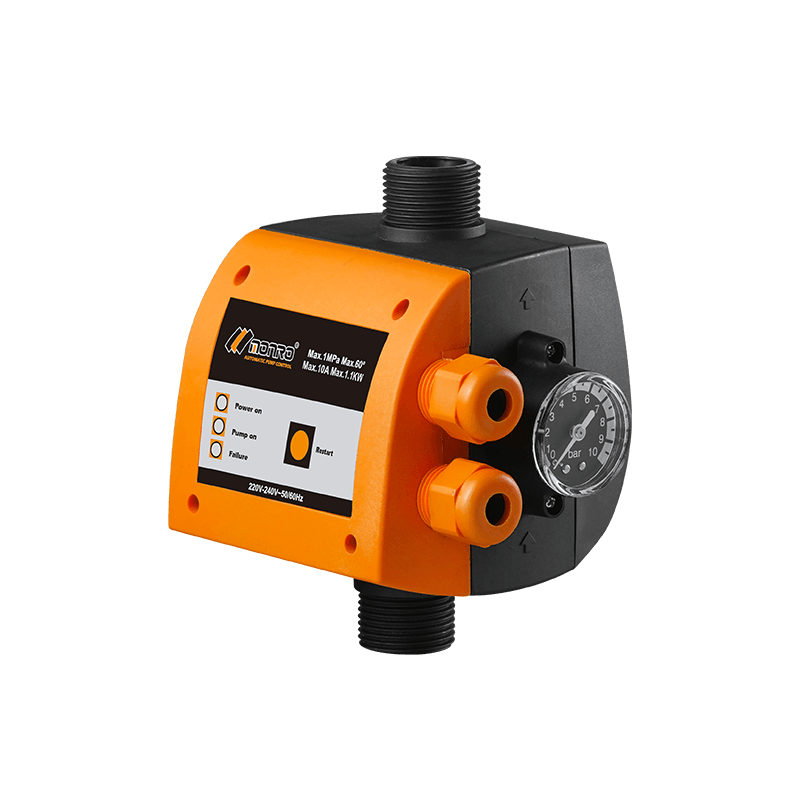 EPC-9
EPC-9Monro EPC-9 model pressure controller, is a big power device for automatic control and protection of...
-
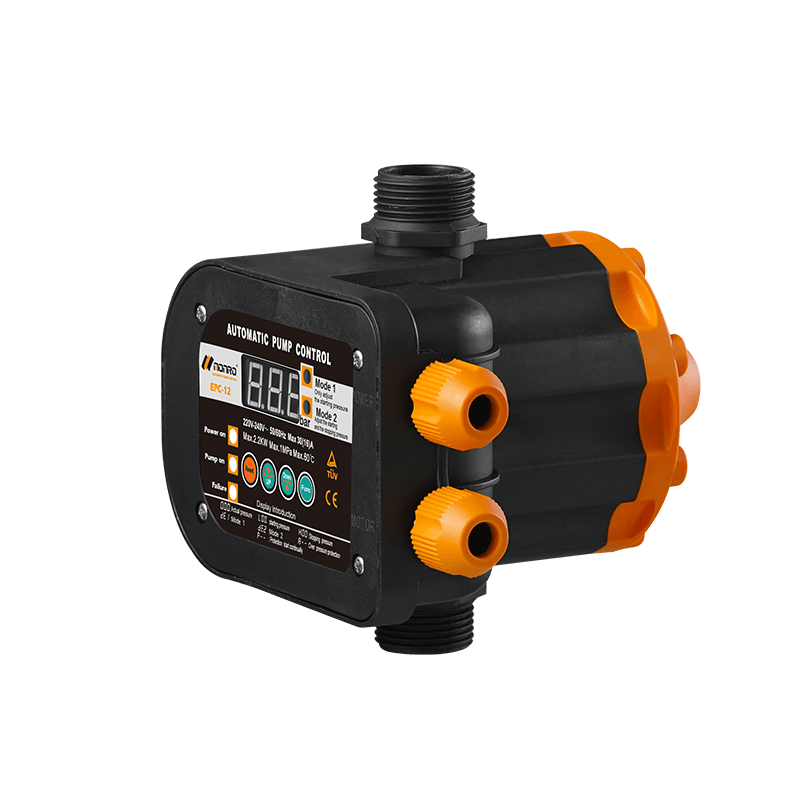 EPC-12
Monro EPC-12 smart top-level automatic pump control is a multi-function model combined with traditio...
-
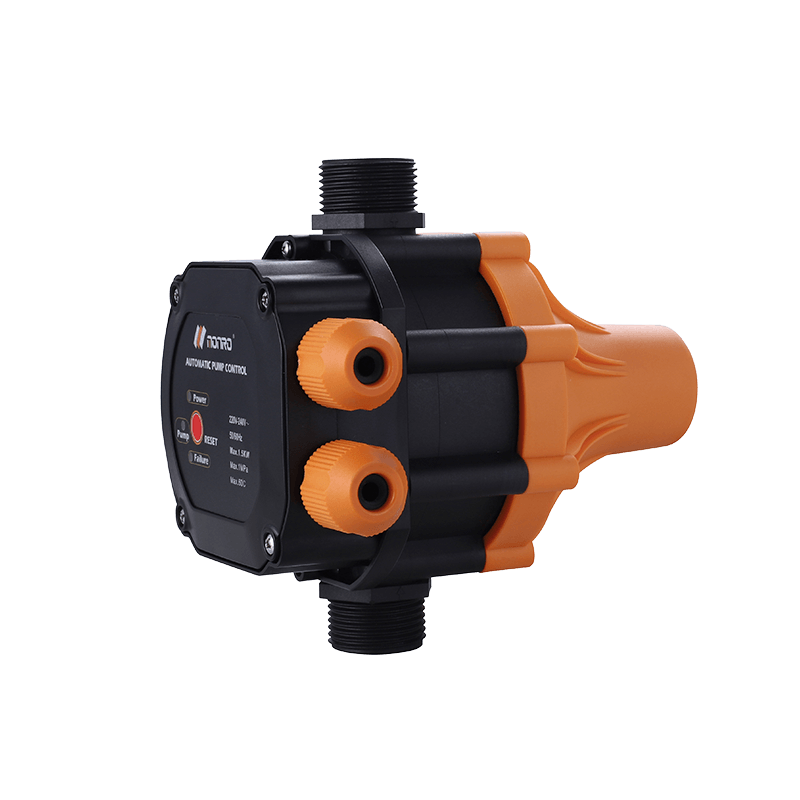 EPC-14
Monro EPC-14 model pressure control is a big power device for automatic control and protection of el...
-
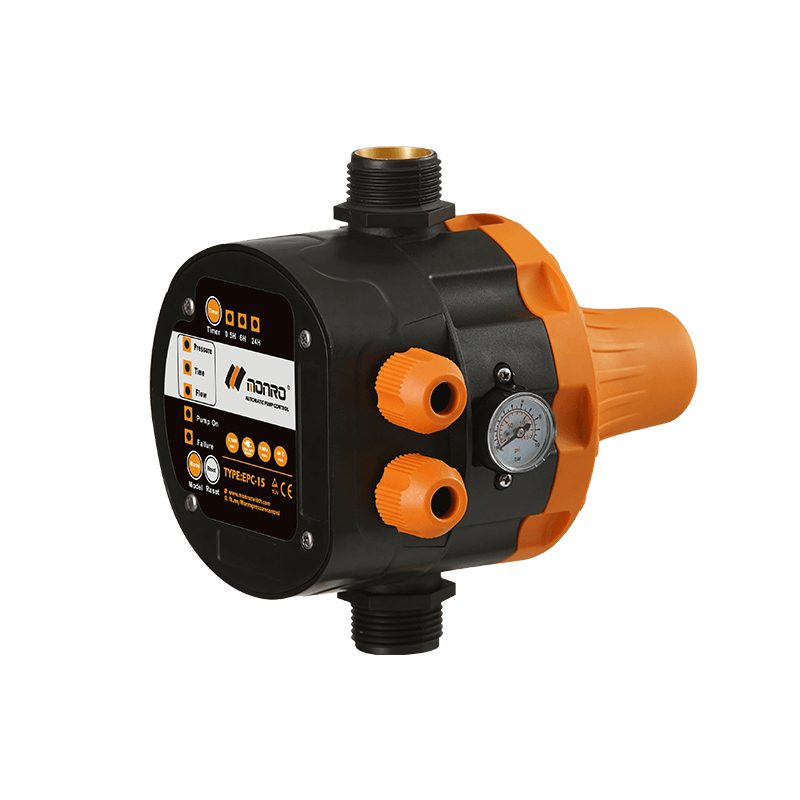 EPC-15
Monro EPC-15 model automatic pump control, a device which assembled on the water pump (recommended s...
-
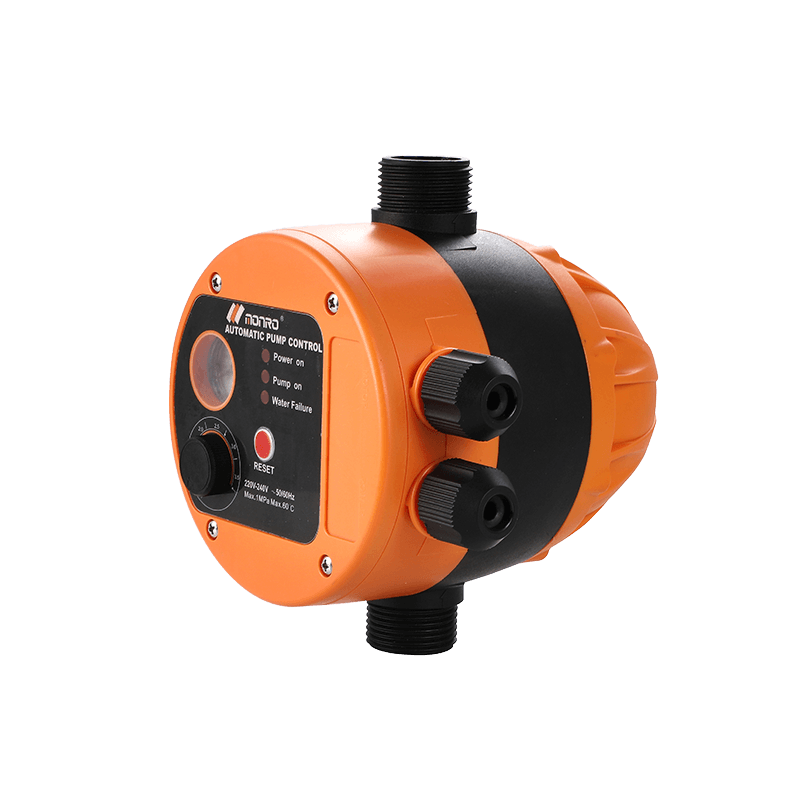 EPC-16
EPC-16 is the new patent pump controller by Monro. Its key highlight is tooless (manual knob) start...
contact us
find our office
find our office
Committed to providing professional pressure control solutions for various types of water pumps and air compressors.
Mobile
 Wechat
Copyright © 2024 Zhejiang Monro M&E Co., Ltd. All Rights Reserved.
Wholesale Pressure Control Switch Manufacturer
