

 简体中文
简体中文 English
 Español
Don't hesitate to send a message
Search
Recent Post
Newsletter
Role of Automatic Pump Control in Urban Drainage
Urban rainwater and wastewater systems face increasing pressure due to growing populations, frequent storms, and aging infrastructure. Efficient operation of these systems is critical to prevent flooding, water contamination, and infrastructure damage. Integrating an Automatic Pump Control system ensures that pumps operate under variable flow conditions, maintaining smooth drainage and reducing maintenance costs.
Key challenges include:
- Variable inflow: Storms and runoff can cause sudden surges in water volume.
- Aging infrastructure: Old pipes and pumps are prone to blockage and inefficiency.
- Energy management: Pumps consume significant electricity, necessitating smart control.
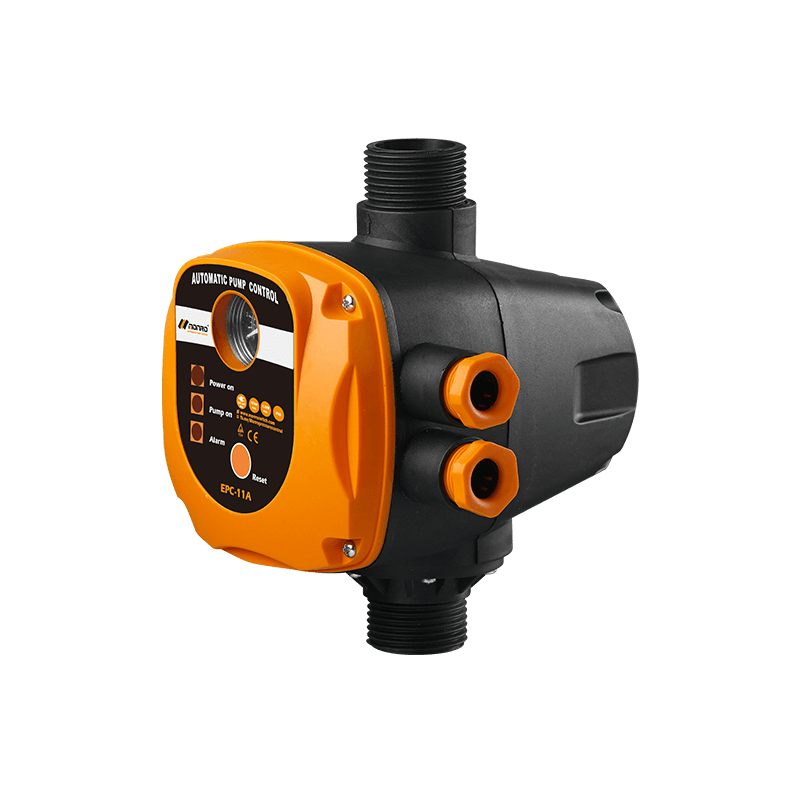
How Automatic Pump Control Works in Drainage Systems
Automatic pump control systems are designed to monitor and adjust pump operation in real time. Their core functions include:
- Flow monitoring: Sensors detect water levels and flow rates, allowing pumps to respond automatically.
- Pump sequencing: Multiple pumps can be coordinated to operate in stages based on demand, avoiding overuse or dry runs.
- Pressure management: Systems maintain consistent pressure to prevent pipe bursts and ensure efficient wastewater conveyance.
- Alarm and alert features: Early warning notifications allow operators to intervene in case of abnormal conditions.
Installation and System Design Considerations
Correct installation and system design are critical for improving the benefits of automatic pump control:
- Sensor placement: Install level and flow sensors in key locations such as wet wells, pumping stations, and critical junctions.
- Redundant systems: Use multiple pumps and control channels to provide backup during high-demand periods.
- Integration with SCADA: Connect automatic pump controls with Supervisory Control and Data Acquisition systems for real-time monitoring and historical data analysis.
- Fail-safe mechanisms: Ensure pumps can revert to manual control during power failures or sensor malfunctions.
Benefits of Urban Rainwater Management
Automatic pump control provides several operational advantages for urban drainage:
- Flood prevention: Pumps react instantly to rising water levels, reducing urban flooding risks.
- Energy efficiency: Optimized pump operation avoids unnecessary energy consumption during low inflow periods.
- Extended equipment life: Reduces wear and tear caused by frequent starts, stops, and dry-run conditions.
- Operational reliability: Automated controls reduce human error and ensure consistent system performance.
Benefits for Wastewater Systems
Wastewater pumping stations also benefit significantly from automatic pump control:
- Continuous flow management: Ensures that wastewater is moved steadily, reducing the risk of overflows.
- Improved sanitation: Prevents stagnant wastewater from accumulating, reducing public health risks.
- Emergency response: Automatic controls can redirect flows in case of blockages or pump failure.
- Data-driven maintenance: Continuous monitoring allows predictive maintenance based on pump performance trends.
Case Studies and Applications
- Storm surge events: During heavy rain, automatic pump control can prioritize critical pumping stations to prevent flooding in low-lying urban areas.
- Combined sewer systems: Controls help balance flows between stormwater and wastewater to prevent overflow into rivers and lakes.
- Smart city integration: Automatic pump systems are increasingly connected with urban sensors and IoT platforms to allow remote operation and predictive flood management.
Challenges and Considerations
Despite its advantages, implementing automatic pump control in urban drainage requires careful planning:
- Initial cost: High-quality sensors and controllers can be expensive, though cost is offset by long-term savings.
- Sensor accuracy: Proper calibration is essential to avoid false triggers or pump misoperation.
- Maintenance demands: Even automated systems require routine inspections and software updates.
- Integration complexity: Systems must be compatible with existing pumps, pipelines, and control infrastructure.
Conclusion
Automatic pump control is a critical component in modern urban rainwater and wastewater management. By continuously monitoring flow, water levels, and pressure, these systems optimize pump operation, reduce energy consumption, and prevent flooding and sanitary hazards. Implementing well-designed control strategies ensures the reliability, efficiency, and longevity of urban drainage infrastructure. In an era of increasing urbanization and climate uncertainty, automatic pump control plays a vital role in safeguarding cities and maintaining sustainable water management practices.
OUR PRODUCTS
Recommended Products
-
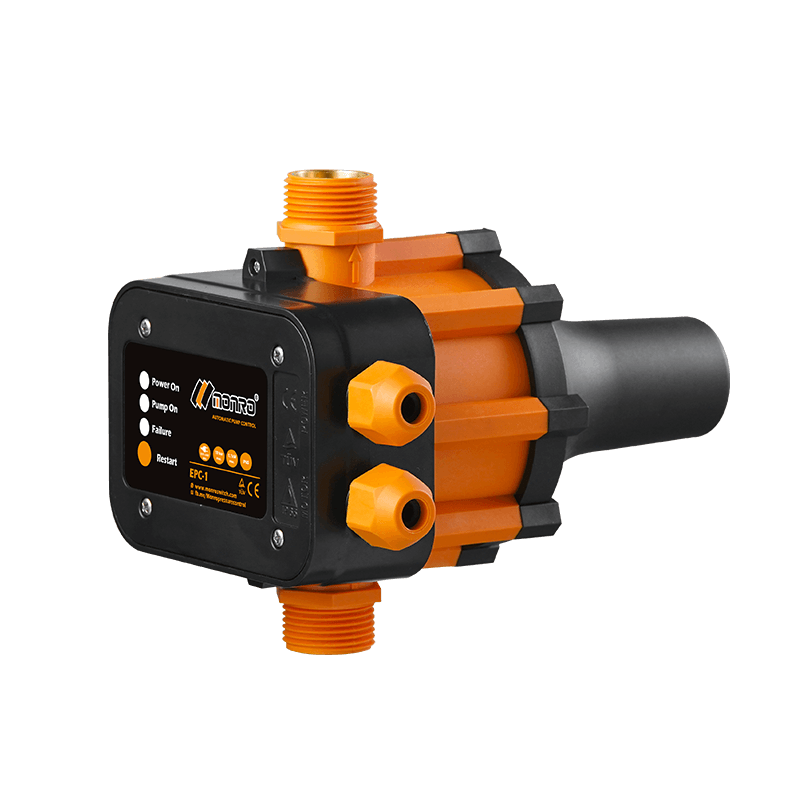 EPC-1
EPC-1Monro EPC-1 model pump controller is the classic and basic type, was loved by user in the global mar...
-
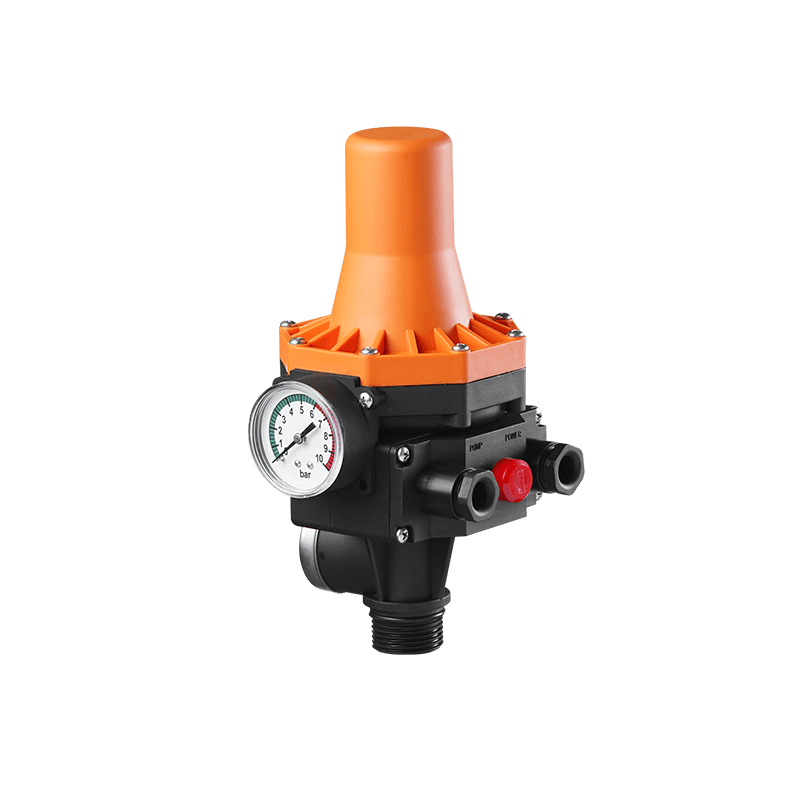 EPC-3
EPC-3Monro EPC-3 spain design auto on and off press control, an intelligent and economical system designe...
-
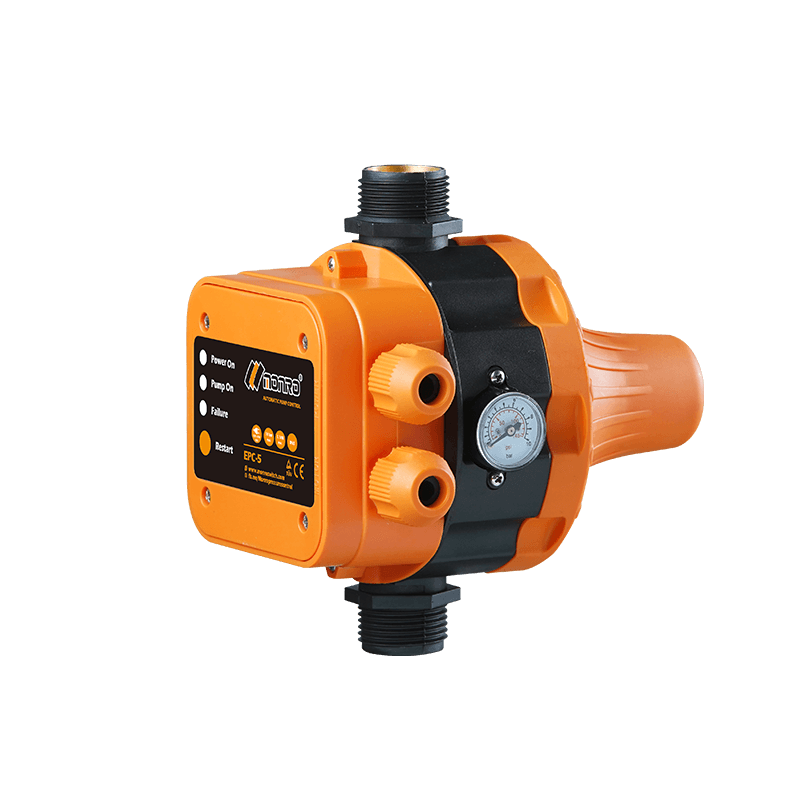 EPC-5
EPC-5Monro EPC-5 model automatic pump control, a device which assembled on the water pump (recommended si...
-
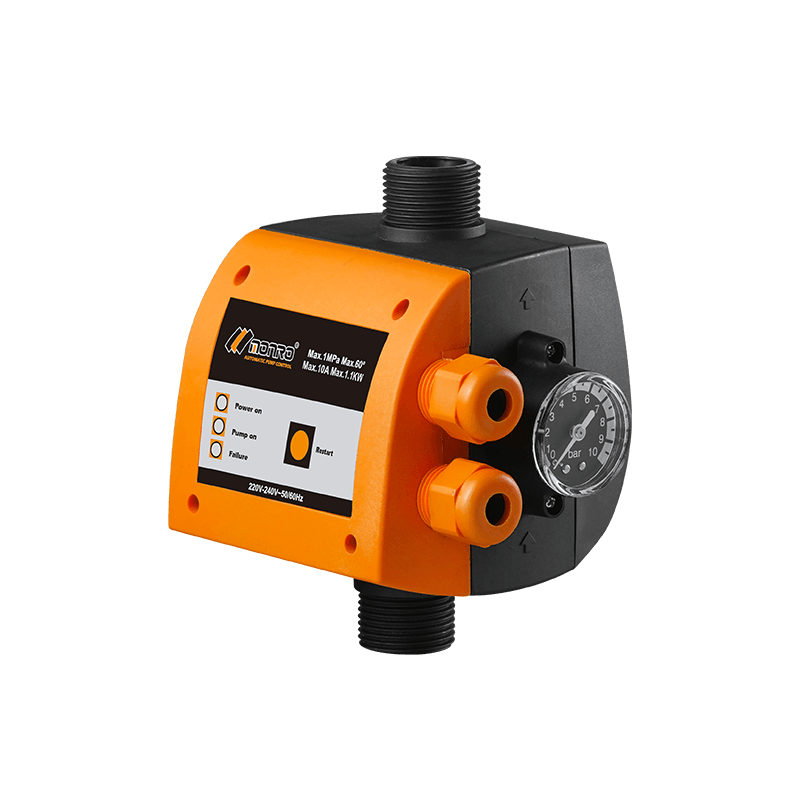 EPC-9
EPC-9Monro EPC-9 model pressure controller, is a big power device for automatic control and protection of...
-
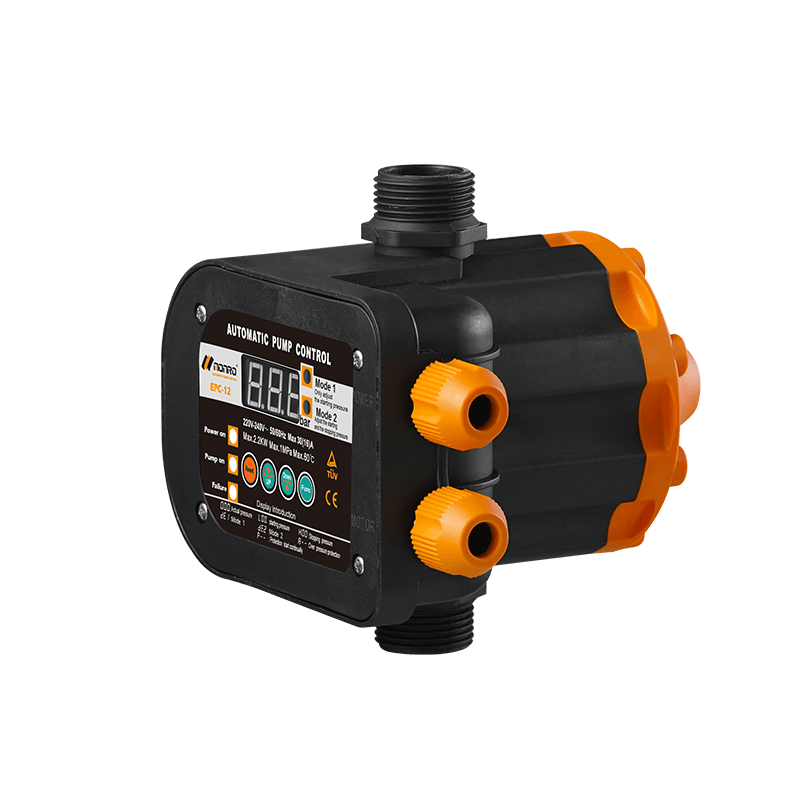 EPC-12
Monro EPC-12 smart top-level automatic pump control is a multi-function model combined with traditio...
-
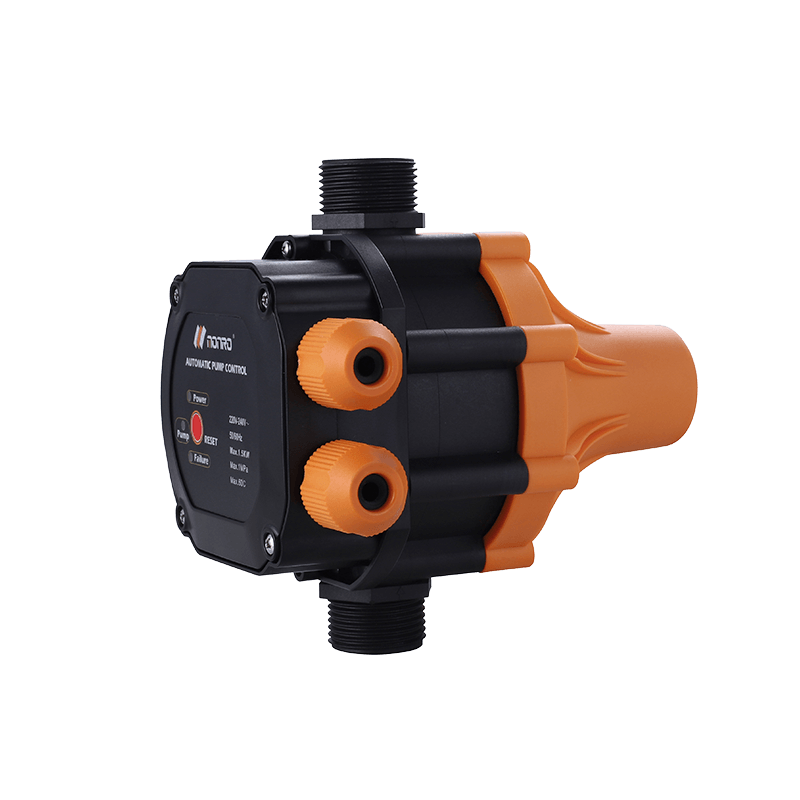 EPC-14
Monro EPC-14 model pressure control is a big power device for automatic control and protection of el...
-
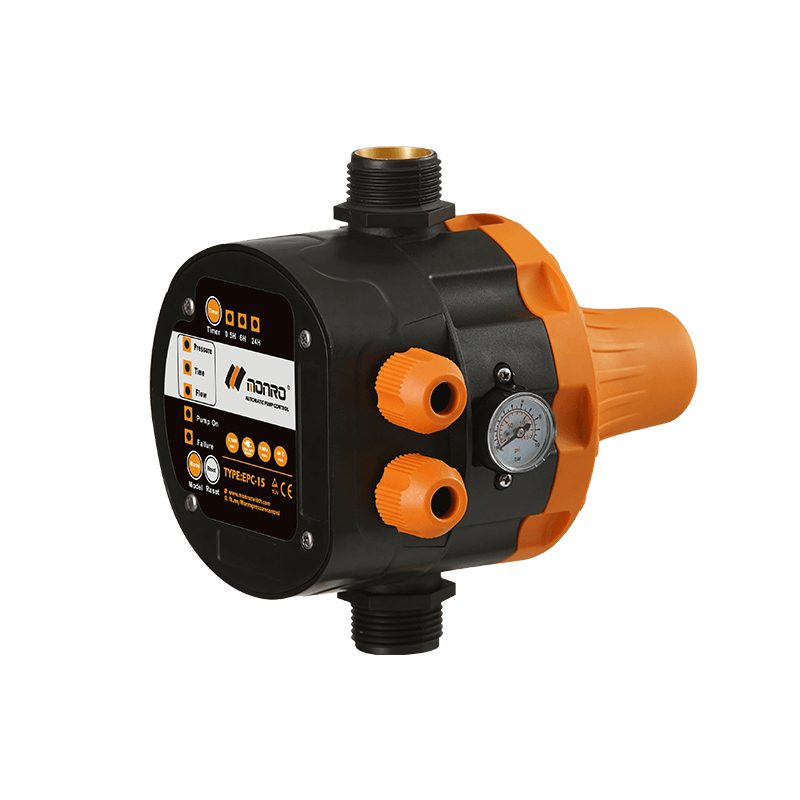 EPC-15
Monro EPC-15 model automatic pump control, a device which assembled on the water pump (recommended s...
-
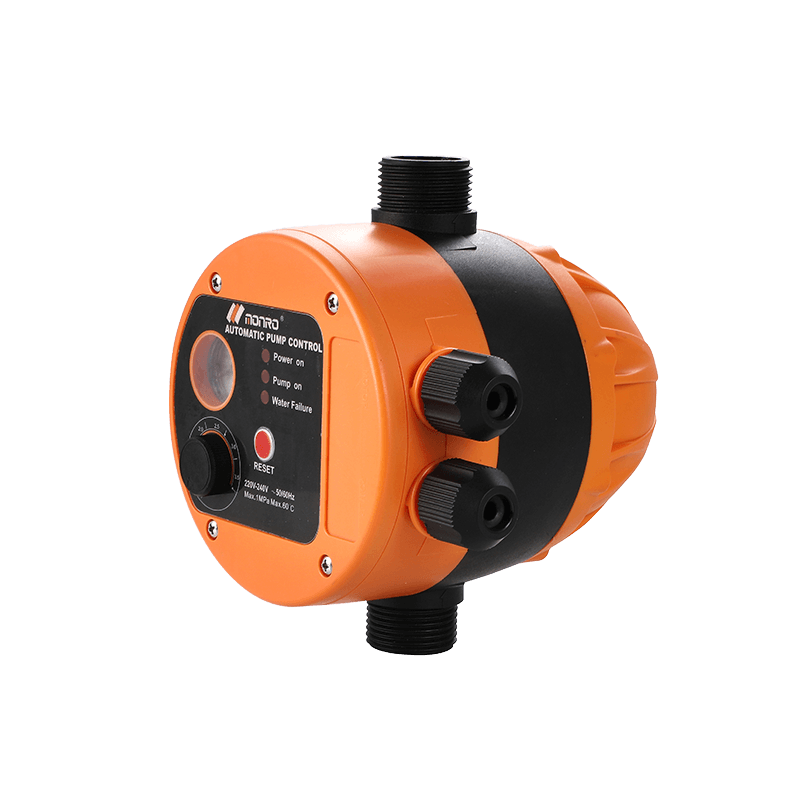 EPC-16
EPC-16 is the new patent pump controller by Monro. Its key highlight is tooless (manual knob) start...
contact us
find our office
find our office
Committed to providing professional pressure control solutions for various types of water pumps and air compressors.
Mobile
 Wechat
Copyright © 2024 Zhejiang Monro M&E Co., Ltd. All Rights Reserved.
Wholesale Pressure Control Switch Manufacturer
