

 简体中文
简体中文 English
 Español
Don't hesitate to send a message
Search
Recent Post
Newsletter
Temperature Effects on Automatic Pump Control Systems
Introduction to Temperature Sensitivity
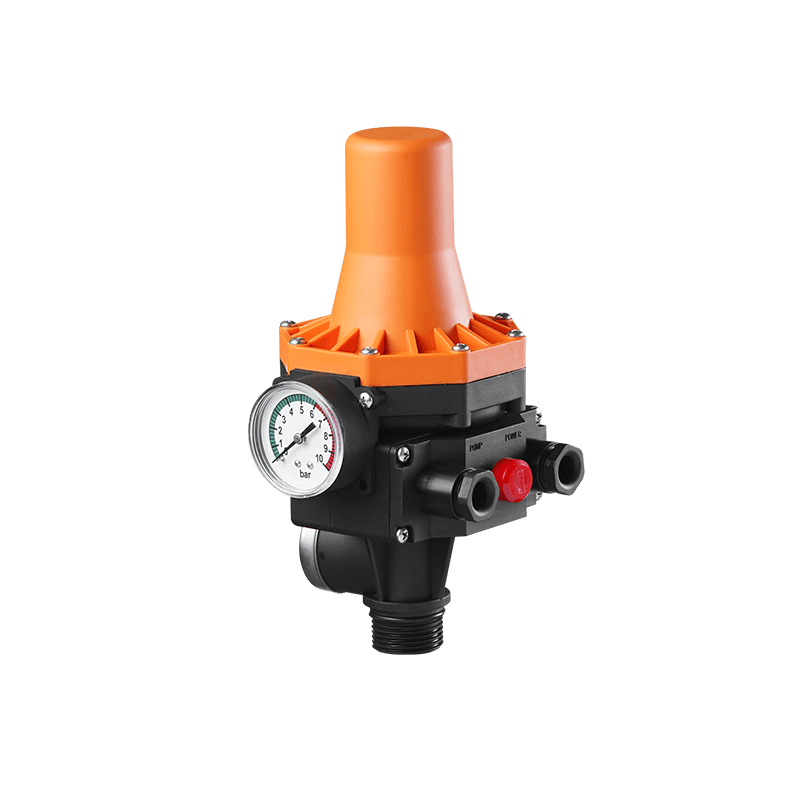
Installation Automatic Pump Control systems are widely used in residential, commercial, and industrial applications to regulate fluid flow, maintain pressure, and optimize energy usage. While these systems are designed to operate under normal conditions, temperature variations can significantly impact their performance.
Impact on Mechanical Components
- Pump Motor Performance: High temperatures can cause the pump motor to overheat, reducing efficiency and potentially triggering thermal protection shutdowns. Conversely, low temperatures can increase fluid viscosity, making the pump work harder and reducing flow rates.
- Seals and Gaskets: Temperature fluctuations can expand or contract seals and gaskets, potentially causing leaks or decreased system pressure. Materials used must be rated for the expected temperature range.
- Bearings and Moving Parts: Lubrication can thin at high temperatures, increasing wear, while low temperatures can thicken lubricants, causing friction and slower response. Properly selected lubricants mitigate these effects.
Effects on Electrical Components
- Control Unit Electronics: Microcontrollers and digital controllers in automatic pump systems are sensitive to temperature. Overheating may cause a malfunction, while cold weather can affect startup reliability.
- Sensors: Flow, pressure, and temperature sensors may provide inaccurate readings if operating outside their rated temperature range, causing improper pump adjustments.
- Cabling and Connections: Insulation materials can degrade under high heat or become brittle in cold conditions, impacting system stability and reliability.
Influence on Fluid Properties
- Viscosity Changes: High temperatures decrease fluid viscosity, which can increase flow but reduce pump pressure. Low temperatures increase viscosity, potentially reducing flow and increasing pump load.
- Expansion and Contraction: Fluids expand with heat and contract in cold, affecting system pressure and triggering the control system to compensate.
- Potential Freezing: In cold environments, water-based fluids can freeze, causing system blockage or damage unless antifreeze measures are implemented.
Design Considerations for Variable Temperatures
- Temperature-Rated Components: Selecting pumps, valves, sensors, and controllers rated for the expected temperature range ensures reliable performance.
- Insulation and Heating: Insulating piping and control units, or using heating elements in cold climates, prevents freezing and reduces thermal stress.
- Cooling Measures: In high-temperature environments, forced-air cooling, heat sinks, or protective enclosures help maintain operational stability.
Operational Adjustments
- Flow Rate Compensation: Automatic pump control systems may require recalibration to maintain target flow rates as fluid properties change with temperature.
- Pressure Setpoints: Adjusting pressure thresholds ensures the system continues to meet operational needs even with temperature-induced fluid expansion or contraction.
- Monitoring Alerts: Systems with temperature sensors and alarms can alert operators to bad conditions, allowing preventive actions before damage occurs.
Maintenance Recommendations
- Regular Inspection: Periodically check seals, bearings, and electronic components for signs of thermal stress or degradation.
- Lubrication Management: Use temperature-appropriate lubricants and check their condition regularly.
- Sensor Calibration: Calibrate flow and pressure sensors periodically, especially if operating in bad seasonal temperatures.
- Protective Enclosures: Enclose controllers and electronics in temperature-controlled or insulated housings to prevent environmental exposure.
Temperature variations have a significant effect on the performance of Installation Automatic Pump Control systems. High temperatures can reduce motor efficiency, compromise seals, and stress electronics, while low temperatures increase fluid viscosity and risk freezing. By selecting temperature-rated components, employing insulation or cooling measures, adjusting system parameters, and performing regular maintenance, operators can ensure stable and reliable performance across a wide range of environments. Understanding these temperature effects is essential for extending the lifespan of pumps, maintaining efficiency, and preventing costly downtime in industrial, commercial, and residential systems.
OUR PRODUCTS
Recommended Products
-
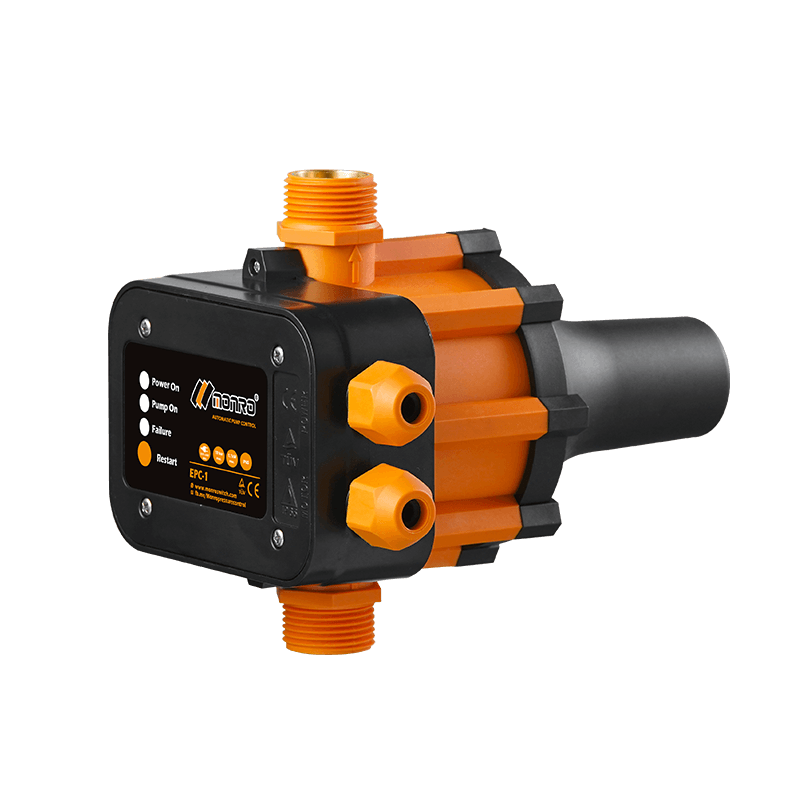 EPC-1
EPC-1Monro EPC-1 model pump controller is the classic and basic type, was loved by user in the global mar...
-
EPC-3
Monro EPC-3 spain design auto on and off press control, an intelligent and economical system designe...
-
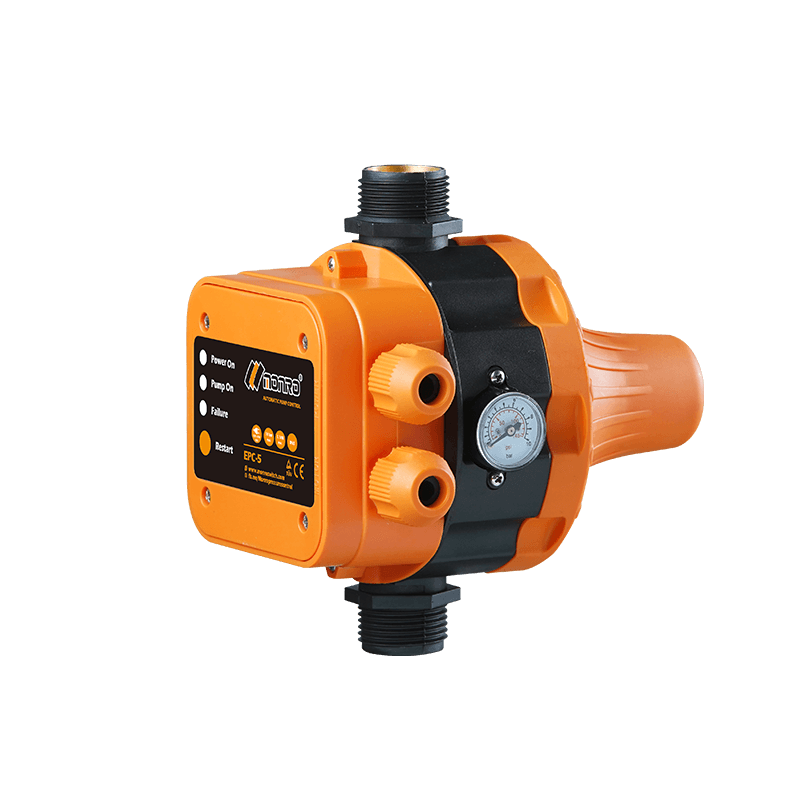 EPC-5
EPC-5Monro EPC-5 model automatic pump control, a device which assembled on the water pump (recommended si...
-
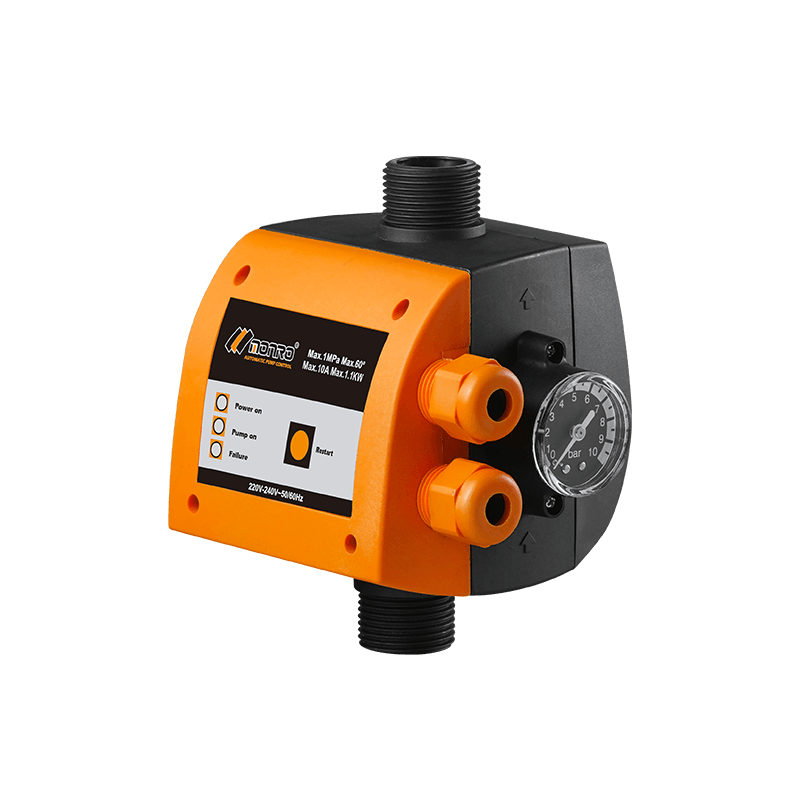 EPC-9
EPC-9Monro EPC-9 model pressure controller, is a big power device for automatic control and protection of...
-
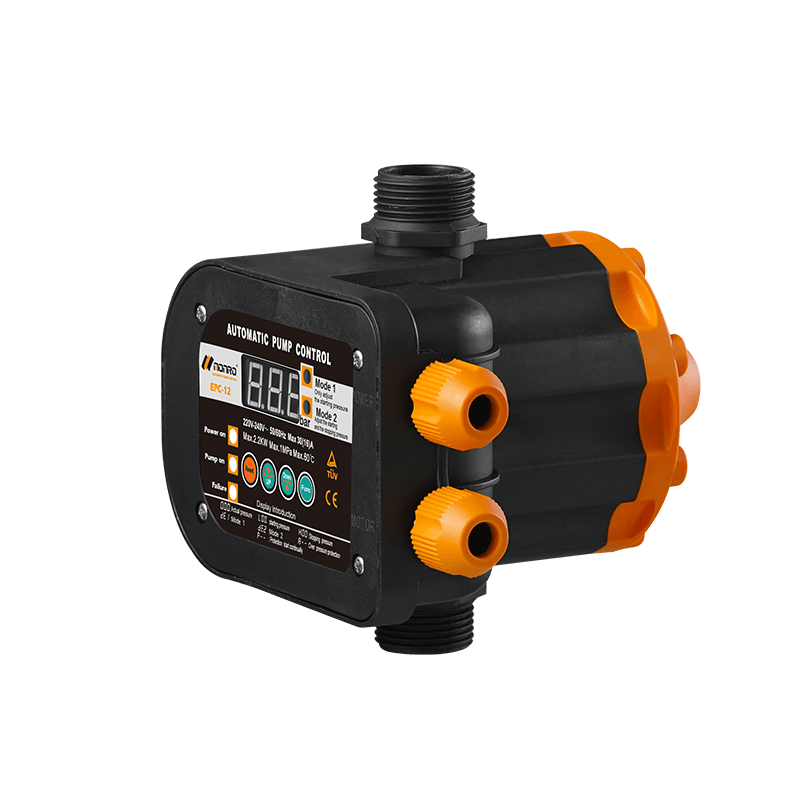 EPC-12
Monro EPC-12 smart top-level automatic pump control is a multi-function model combined with traditio...
-
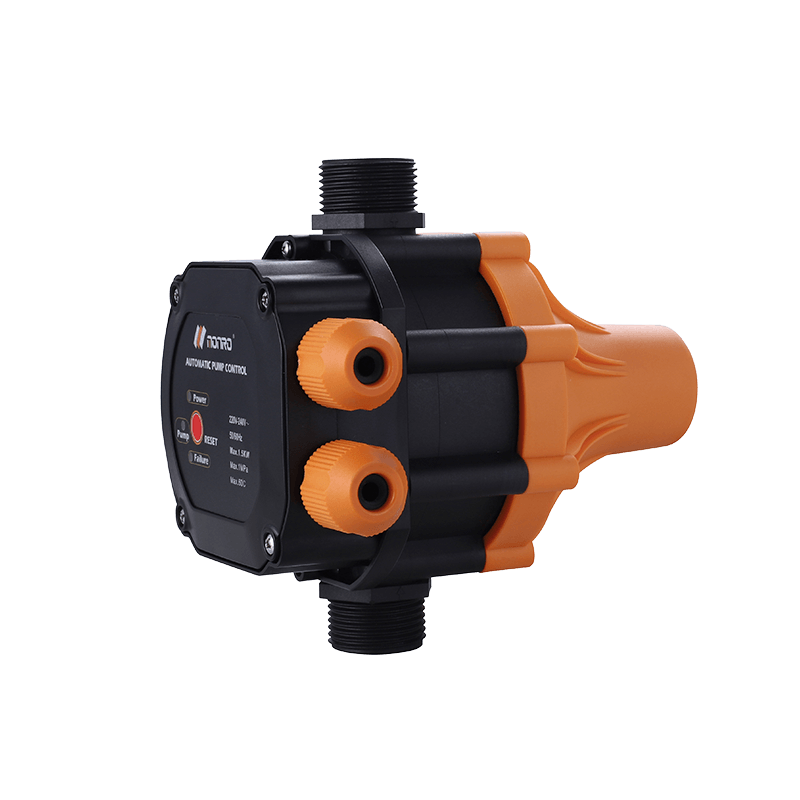 EPC-14
Monro EPC-14 model pressure control is a big power device for automatic control and protection of el...
-
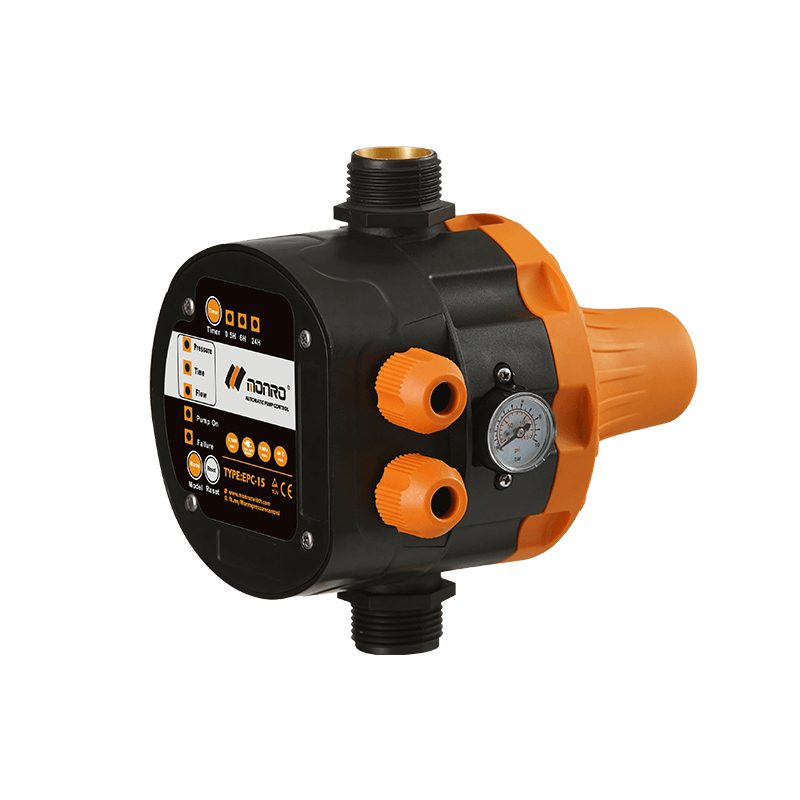 EPC-15
Monro EPC-15 model automatic pump control, a device which assembled on the water pump (recommended s...
-
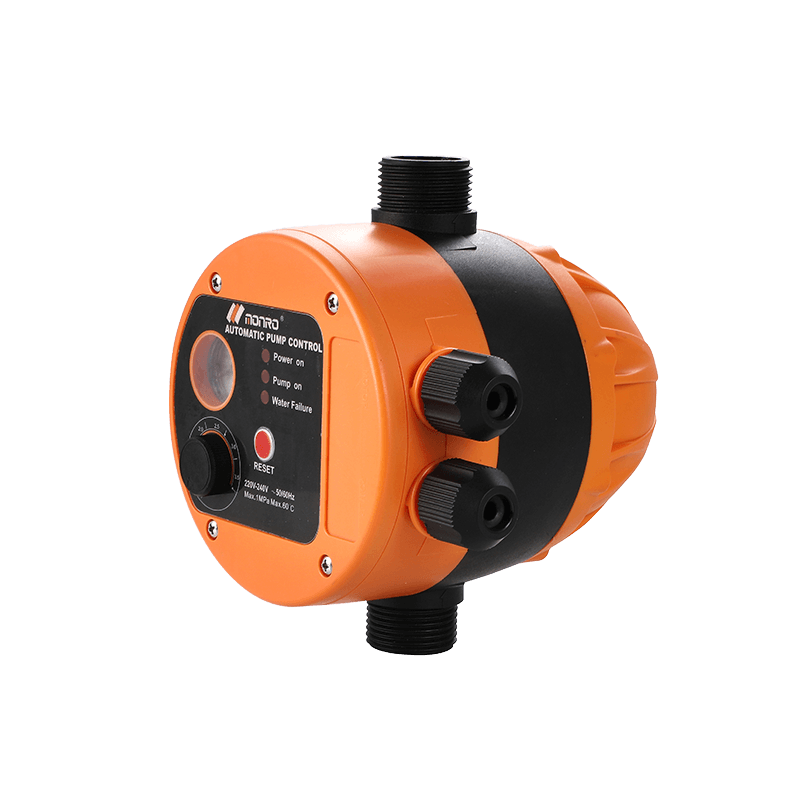 EPC-16
EPC-16 is the new patent pump controller by Monro. Its key highlight is tooless (manual knob) start...
contact us
find our office
find our office
Committed to providing professional pressure control solutions for various types of water pumps and air compressors.
Mobile
 Wechat
Copyright © 2024 Zhejiang Monro M&E Co., Ltd. All Rights Reserved.
Wholesale Pressure Control Switch Manufacturer
