

 简体中文
简体中文 English
 Español
Don't hesitate to send a message
Search
Recent Post
Newsletter
Energy Efficiency of Pressure Switch Systems
Introduction to Pressure Switch Energy Performance
A Pressure Switch Factory manufactures devices designed to monitor and control fluid or gas pressure within various systems. Beyond maintaining safety and operational stability, modern pressure switches play a critical role in energy efficiency. By reducing unnecessary pump or compressor operation, optimizing load management, and preventing waste, these devices contribute significantly to cost savings and environmental sustainability.
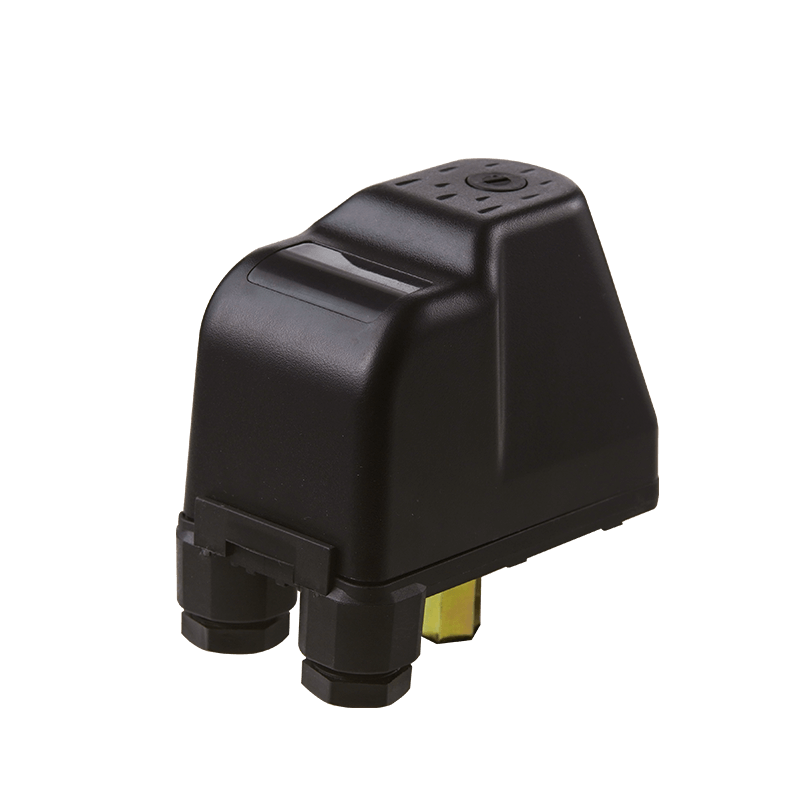
Role of Pressure Switches in Energy Efficiency
- Automated Control: Pressure switches automatically start or stop pumps, compressors, or other equipment based on system pressure, preventing overuse and reducing energy consumption.
- Load Management: By maintaining system pressure within suitable ranges, pressure switches prevent excessive energy expenditure during periods of low demand.
- Reducing Idle Operation: Automatic shutdown during off-peak conditions eliminates energy waste, extends equipment lifespan, and lowers operational costs.
Factors Affecting Energy Efficiency
- Setpoint Accuracy: Accurate pressure setpoints ensure equipment operates only when necessary. Miscalibrated switches can cause frequent cycling, increasing energy use.
- Response Time: Fast and precise response reduces the time pumps or compressors run unnecessarily, improving energy efficiency.
- System Integration: Pressure switches integrated with variable speed drives (VSDs) or smart controllers can adjust operational output based on real-time system demand, optimizing energy usage.
- Load Variability: Systems with fluctuating demand benefit from pressure switches, as they can reduce overpressure and energy waste during low-demand periods.
Applications in Residential Settings
- Water Supply Systems: Pressure switches control domestic water pumps to maintain steady pressure, reducing pump runtime and electricity use.
- Heating and Cooling: In residential HVAC systems, switches manage pump operation, preventing continuous operation and lowering energy costs.
- Small Industrial or Commercial Units: Even small-scale operations benefit from automated pressure control, reducing energy bills and equipment wear.
Applications in Industrial Settings
- Large-Scale Pumping Systems: Industrial water supply or chemical processes use pressure switches to regulate pumps, maintaining consistent pressure without overloading systems.
- Compressed Air Systems: Pressure switches prevent compressors from running continuously, optimizing energy consumption in manufacturing environments.
- Boiler and Steam Systems: By monitoring pressure, switches ensure boilers operate efficiently, avoiding excess fuel use and maintaining energy efficiency.
Enhancing Energy Efficiency
- Regular Maintenance: Clean, lubricate, and inspect switches to prevent drift or delayed response that could waste energy.
- Upgrading to Smart Switches: Modern electronic pressure switches offer programmable setpoints, digital feedback, and remote monitoring for more precise energy management.
- System Optimization: Combining pressure switches with VSDs, automated controllers, and sensors allows for predictive operation, further reducing energy usage.
- Reducing Leakage: Ensuring system seals, pipes, and valves are intact prevents pressure loss and repeated pump operation, saving energy.
Benefits of Efficient Pressure Switch Systems
- Reduced Operational Costs: Fewer pump or compressor cycles cause lower electricity bills and reduced maintenance expenses.
- Extended Equipment Life: Limiting unnecessary operation reduces wear and tear on pumps, valves, and related components.
- Environmental Impact: Optimized energy usage decreases carbon footprint, contributing to sustainable practices in both residential and industrial environments.
- System Reliability: Maintaining suitable pressure improves overall system performance, preventing overpressure or underpressure situations that can waste energy.
The energy efficiency and sustainability of modern systems are heavily influenced by properly functioning pressure switches. A Pressure Switch Factory designs devices that not only ensure accurate pressure control but also contribute to energy savings across residential, commercial, and industrial applications. Key factors such as accurate setpoints, fast response times, smart integration, and regular maintenance optimize energy usage while prolonging equipment life.
OUR PRODUCTS
Recommended Products
-
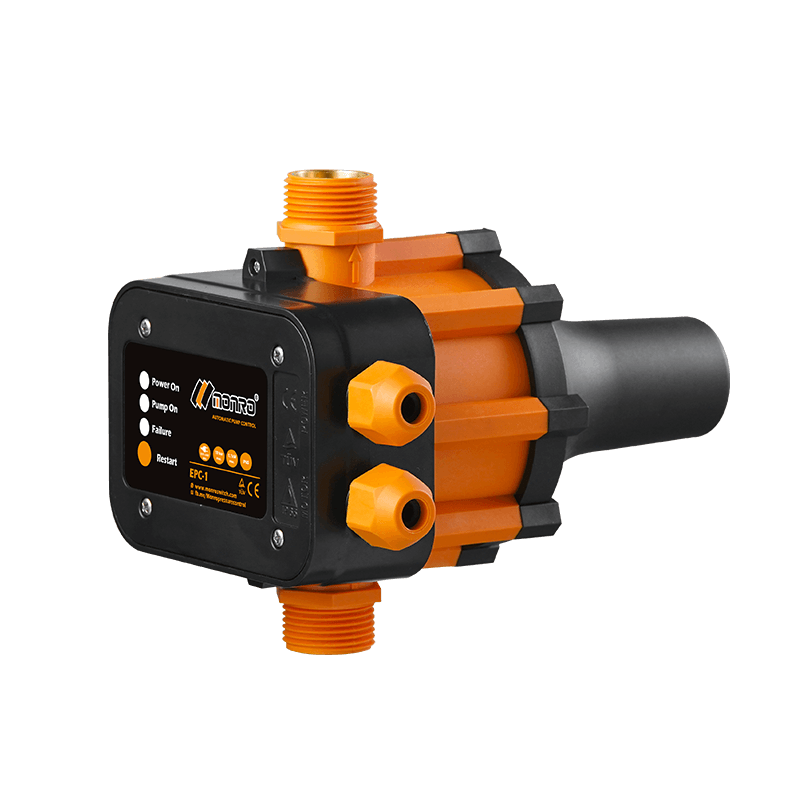 EPC-1
EPC-1Monro EPC-1 model pump controller is the classic and basic type, was loved by user in the global mar...
-
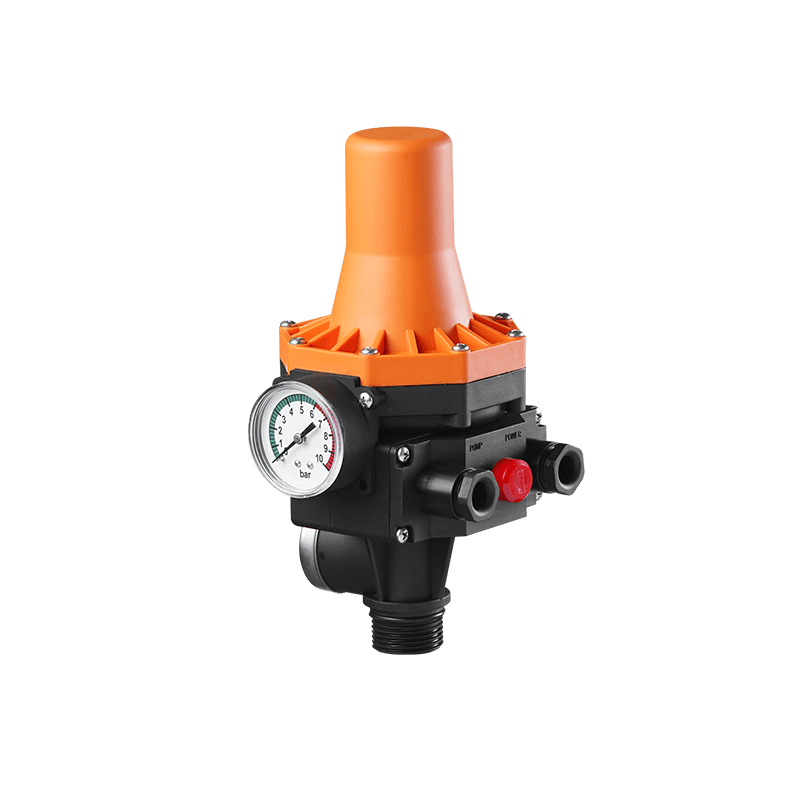 EPC-3
EPC-3Monro EPC-3 spain design auto on and off press control, an intelligent and economical system designe...
-
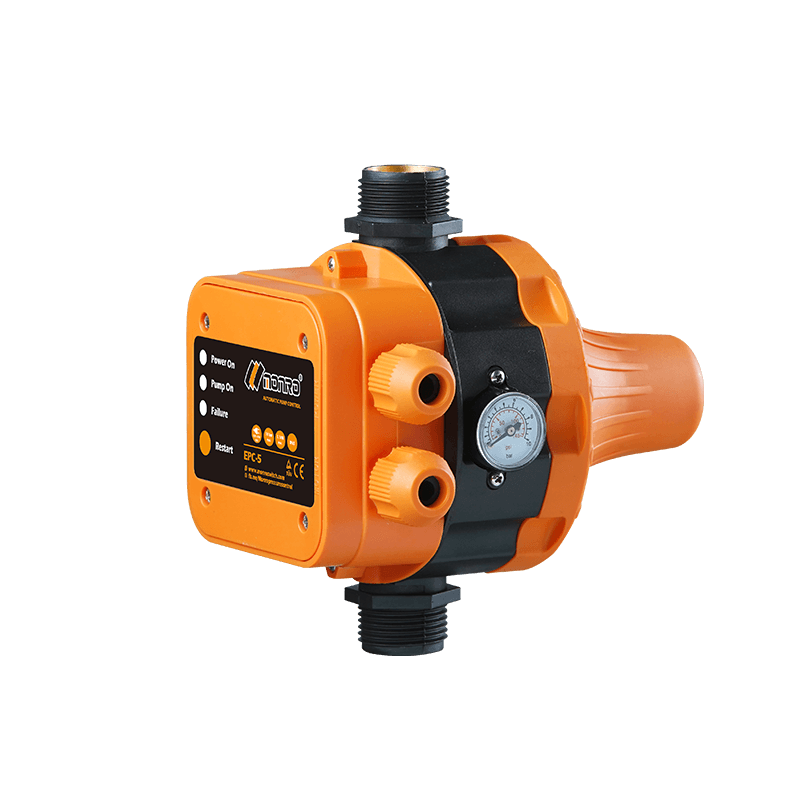 EPC-5
EPC-5Monro EPC-5 model automatic pump control, a device which assembled on the water pump (recommended si...
-
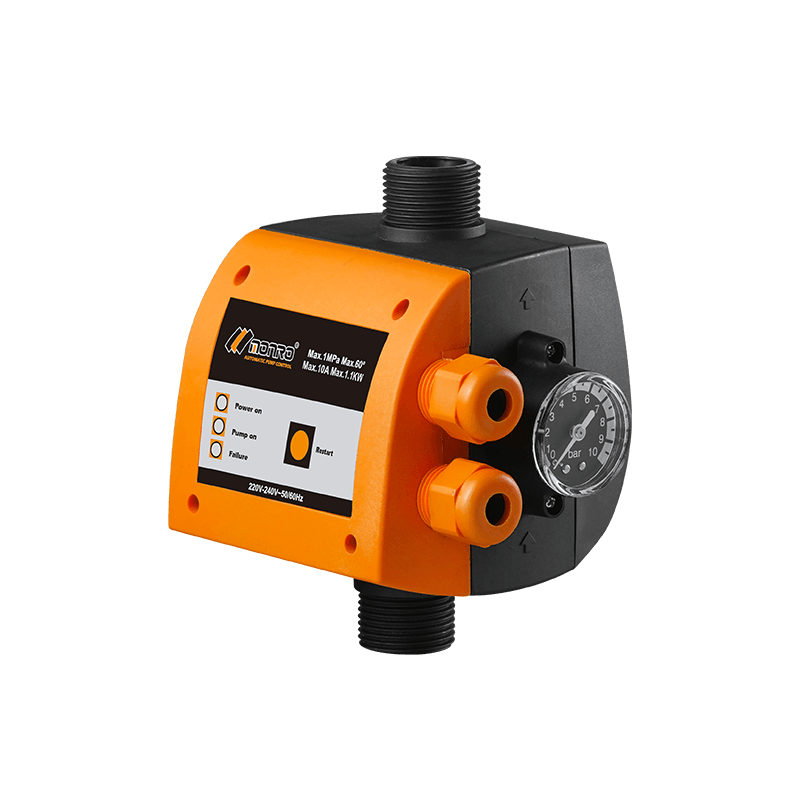 EPC-9
EPC-9Monro EPC-9 model pressure controller, is a big power device for automatic control and protection of...
-
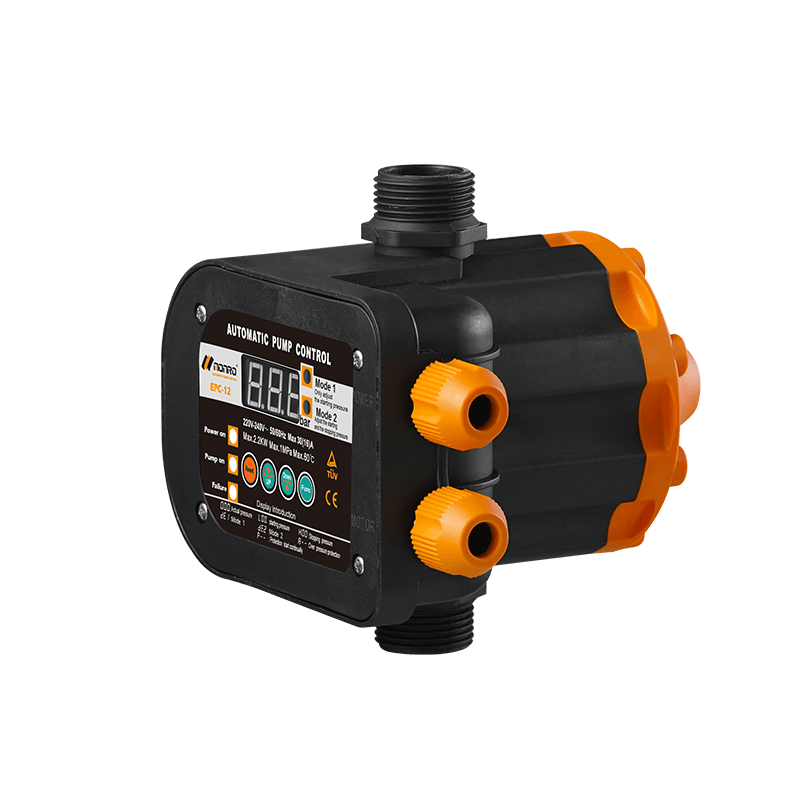 EPC-12
Monro EPC-12 smart top-level automatic pump control is a multi-function model combined with traditio...
-
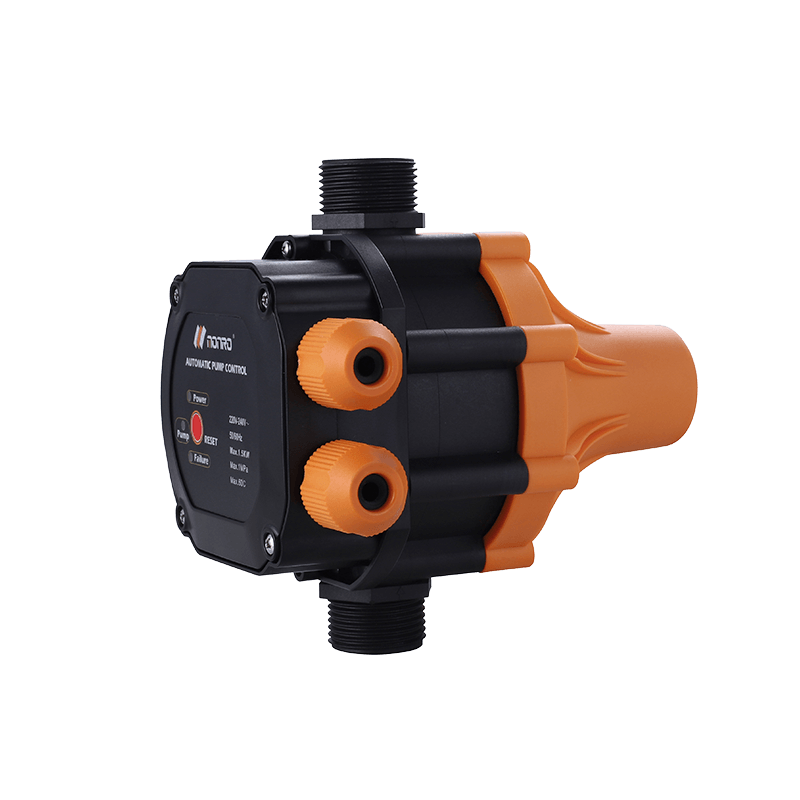 EPC-14
Monro EPC-14 model pressure control is a big power device for automatic control and protection of el...
-
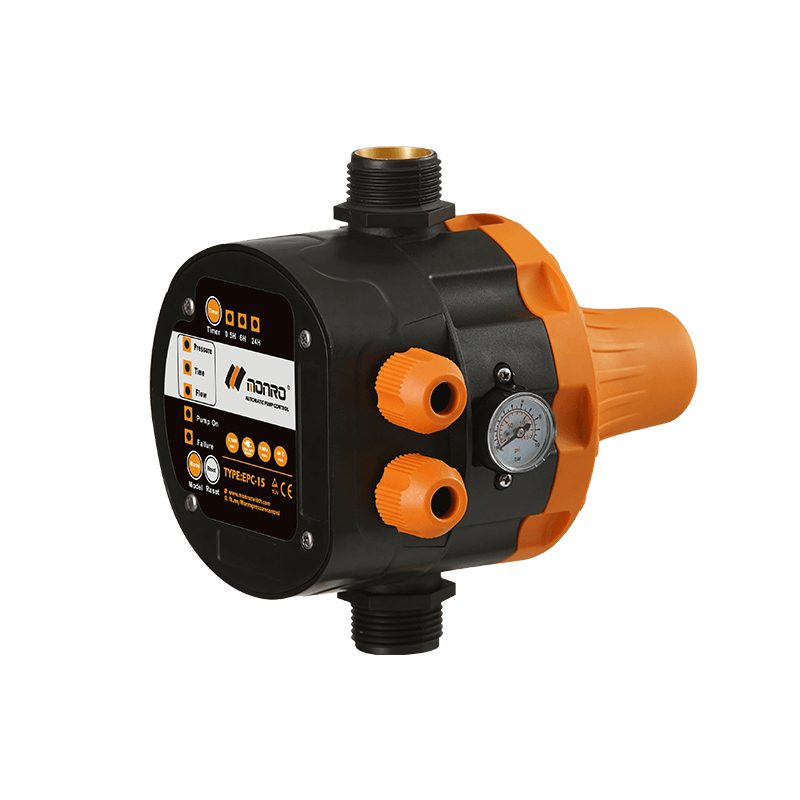 EPC-15
Monro EPC-15 model automatic pump control, a device which assembled on the water pump (recommended s...
-
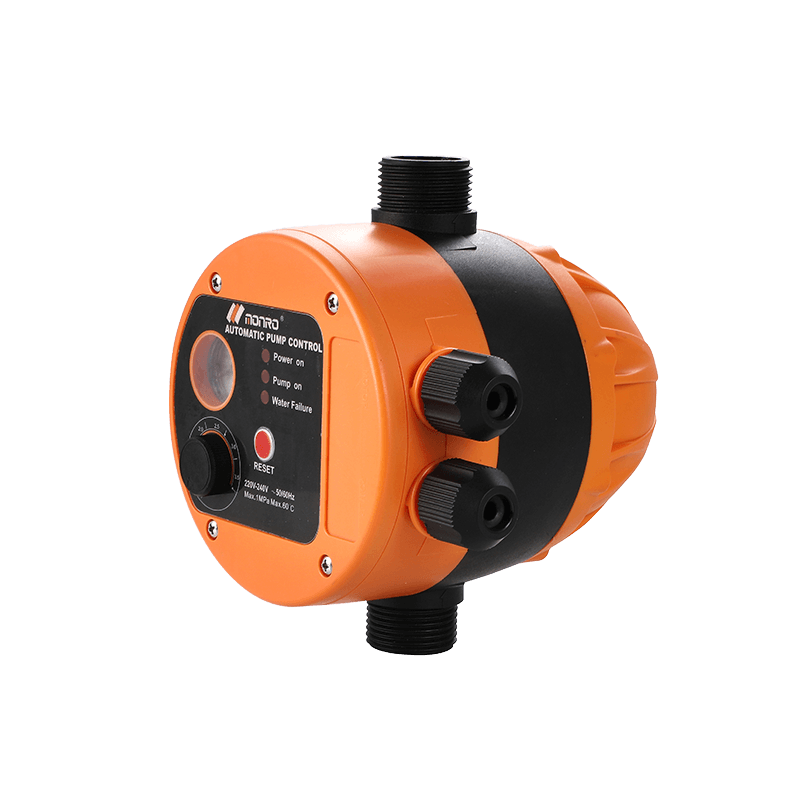 EPC-16
EPC-16 is the new patent pump controller by Monro. Its key highlight is tooless (manual knob) start...
contact us
find our office
find our office
Committed to providing professional pressure control solutions for various types of water pumps and air compressors.
Mobile
 Wechat
Copyright © 2024 Zhejiang Monro M&E Co., Ltd. All Rights Reserved.
Wholesale Pressure Control Switch Manufacturer
