

 简体中文
简体中文 English
 Español
Don't hesitate to send a message
Search
Recent Post
Newsletter
How to Handle Pressure Instability in Systems
Introduction to Pressure Instability
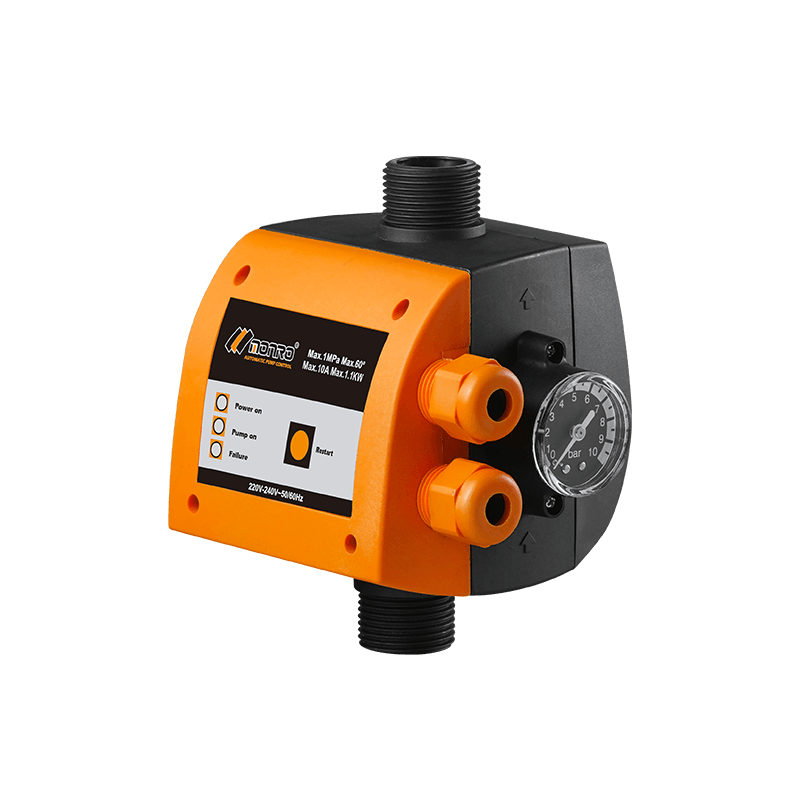
For any Pressure Control Factory, ensuring stable system pressure is critical for efficient and safe operation. Pressure instability can cause equipment damage, reduced performance, and safety hazards in industrial, commercial, or residential systems. Understanding the causes of pressure fluctuations and the methods to address them is essential for operators and maintenance personnel.
Common Causes of Pressure Instability
- Pump Malfunction: Mechanical wear, improper alignment, or motor issues can cause inconsistent pumping pressure.
- Valve Issues: Faulty, clogged, or improperly adjusted valves can restrict flow and create pressure spikes or drops.
- Air Entrapment: Air pockets in the piping or hydraulic system can compress and expand, causing pressure fluctuations.
- Leakage: Leaks in pipes, fittings, or seals reduce system pressure and may cause irregularities in flow.
- System Demand Changes: Rapid changes in system demand, such as opening or closing multiple outlets simultaneously, can temporarily destabilize pressure.
Initial Inspection Steps
- Visual Inspection: Check for visible leaks, damaged components, or unusual wear on pumps and valves.
- Listen for Unusual Noises: Hissing, knocking, or vibration can indicate air pockets or mechanical issues.
- Check Pressure Gauges: Monitor gauges at multiple points to identify pressure drop locations.
- Review System Logs: Historical data can reveal patterns of instability and highlight recurring issues.
Corrective Actions for Pumps
- Maintenance and Servicing: Regularly maintain pumps, lubricate moving parts, and replace worn seals to prevent pressure inconsistencies.
- Flow Adjustment: Ensure pumps are operating within recommended flow ranges; oversized or undersized pumps can cause instability.
- Variable Speed Control: Installing variable speed drives (VSDs) allows pumps to adjust output based on system demand, reducing sudden pressure changes.
Valve Adjustments and Repairs
- Check Valve Settings: Ensure valves are set according to system specifications; incorrect settings can cause overpressure or underpressure.
- Replace Damaged Valves: Worn or leaking valves must be replaced to restore system stability.
- Install Pressure Relief Valves: Properly calibrated relief valves prevent pressure spikes that may damage equipment.
Air Management Techniques
- Bleed Air from the System: Use manual or automatic air vents to remove trapped air.
- Check Expansion Tanks: In closed systems, expansion tanks must have the correct pre-charge pressure to absorb pressure fluctuations.
- Install Air Separators: For larger systems, automatic air separators reduce air accumulation and improve stability.
Leak Detection and Repair
- Inspect Piping and Fittings: Look for cracks, loose joints, or corrosion that may cause leaks.
- Seal or Replace Damaged Sections: Promptly repair or replace leaking components to restore pressure consistency.
- Use Pressure Testing: Conduct hydrostatic or pneumatic tests to identify hidden leaks.
Monitoring and Automation
- Pressure Sensors: Install high-accuracy sensors to continuously monitor system pressure and trigger alerts if deviations occur.
- Automated Pressure Controllers: Systems equipped with automated controllers can adjust pumps, valves, or regulators in real-time to maintain stable pressure.
- Data Logging: Continuous logging of pressure data allows predictive maintenance and early detection of instability patterns.
Preventive Measures
- Scheduled Maintenance: Routine inspection and maintenance of pumps, valves, and piping prevent unexpected pressure drops.
- System Design Review: Ensure the piping layout, pump sizing, and valve placement support stable operation.
- Operator Training: Educate personnel on monitoring techniques and emergency procedures to respond quickly to pressure changes.
Pressure instability in a fluid system can have serious consequences if left unaddressed. A Pressure Control Factory emphasizes proper inspection, maintenance, and system optimization to prevent and correct fluctuations. Addressing pump performance, valve functionality, air management, leaks, and automated control ensures that pressure remains stable. By combining proactive maintenance, real-time monitoring, and careful system design, operators can maintain consistent pressure, enhance system efficiency, and prevent damage, ensuring reliable performance across industrial, commercial, and residential applications.
OUR PRODUCTS
Recommended Products
-
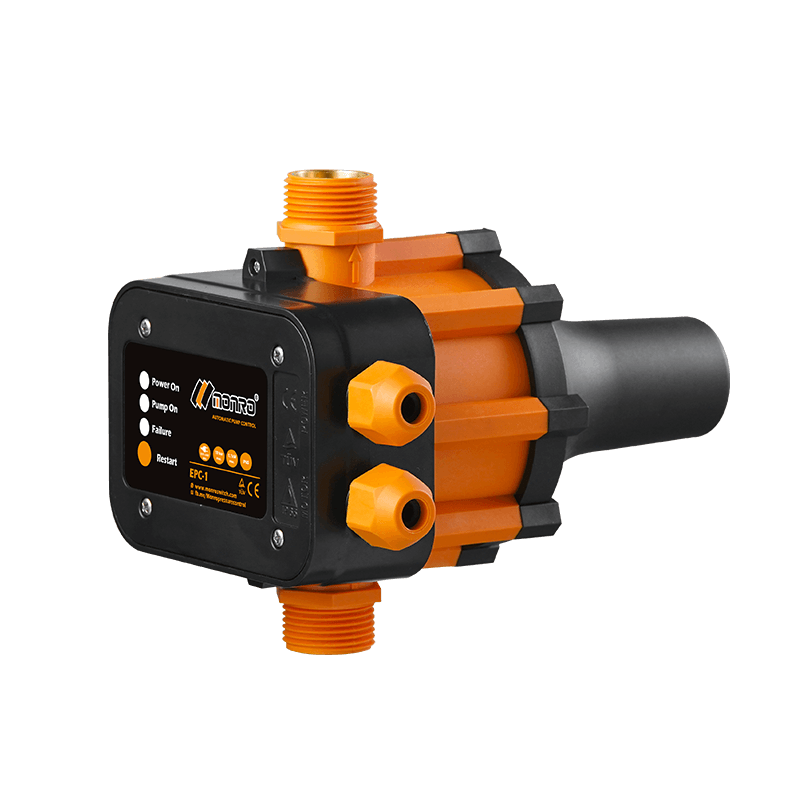 EPC-1
EPC-1Monro EPC-1 model pump controller is the classic and basic type, was loved by user in the global mar...
-
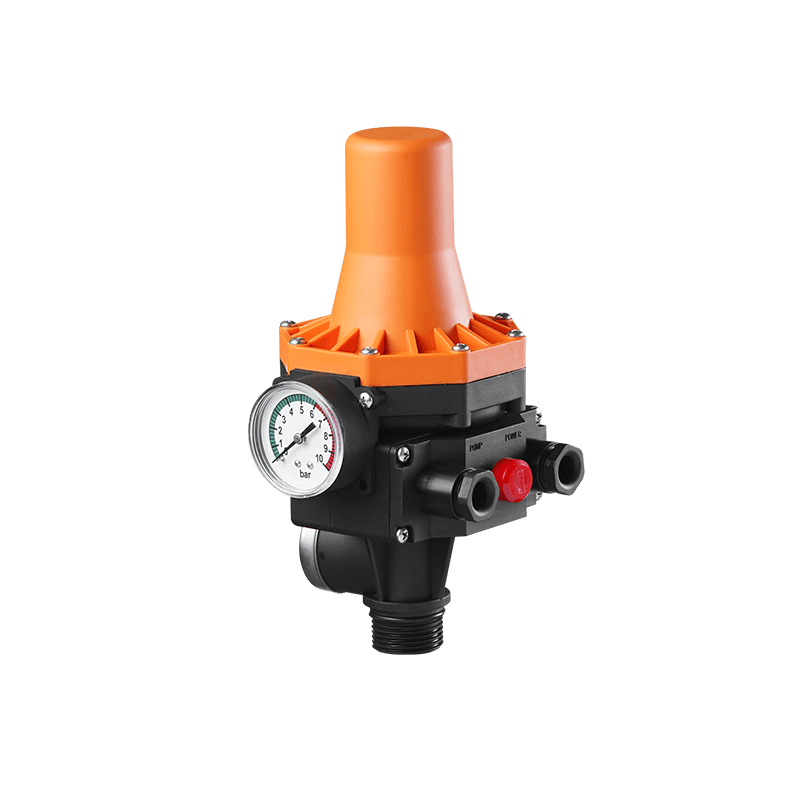 EPC-3
EPC-3Monro EPC-3 spain design auto on and off press control, an intelligent and economical system designe...
-
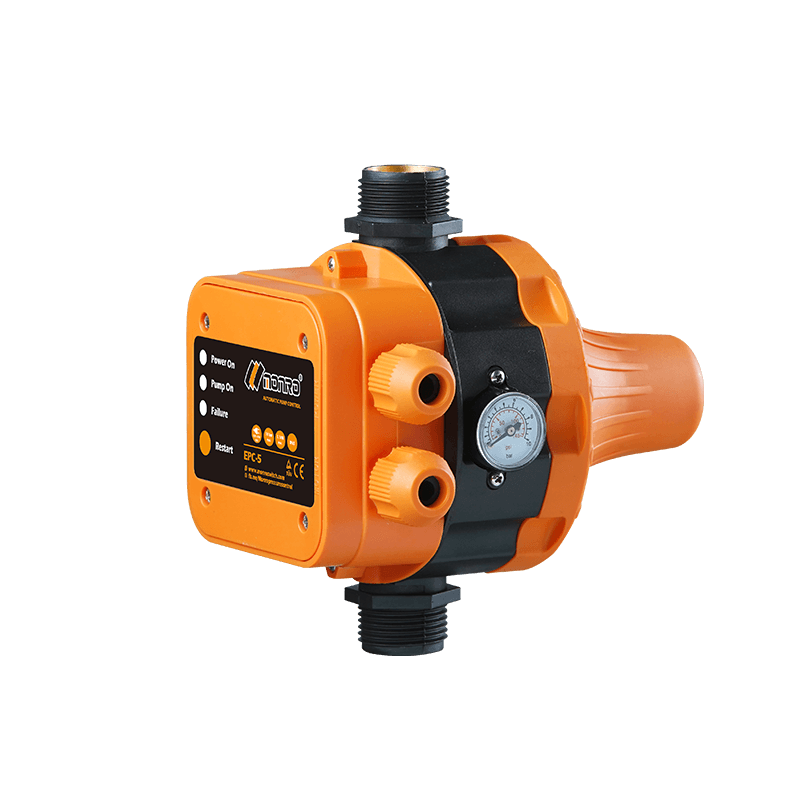 EPC-5
EPC-5Monro EPC-5 model automatic pump control, a device which assembled on the water pump (recommended si...
-
EPC-9
Monro EPC-9 model pressure controller, is a big power device for automatic control and protection of...
-
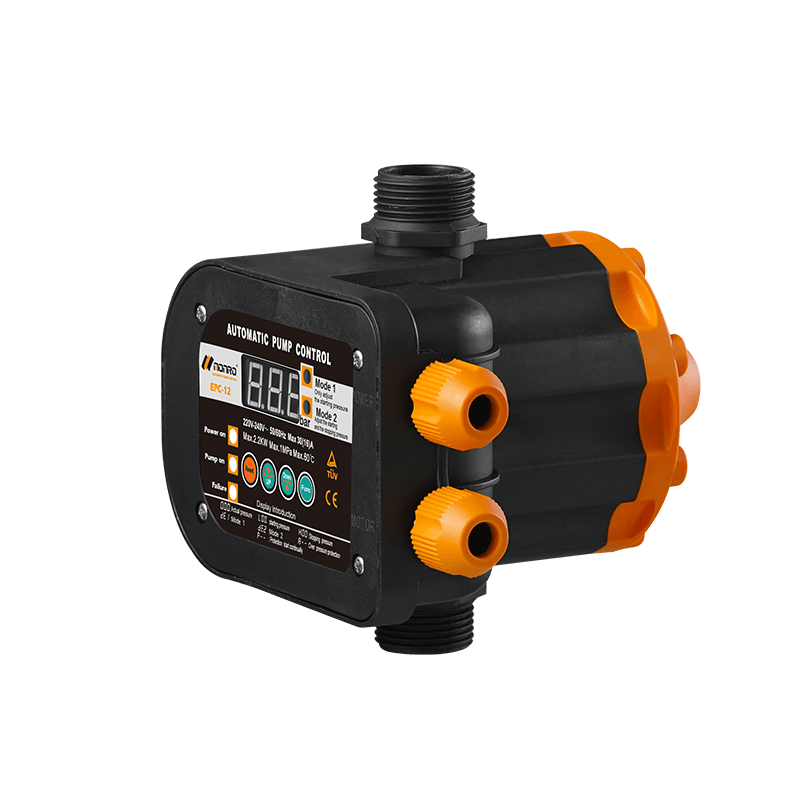 EPC-12
Monro EPC-12 smart top-level automatic pump control is a multi-function model combined with traditio...
-
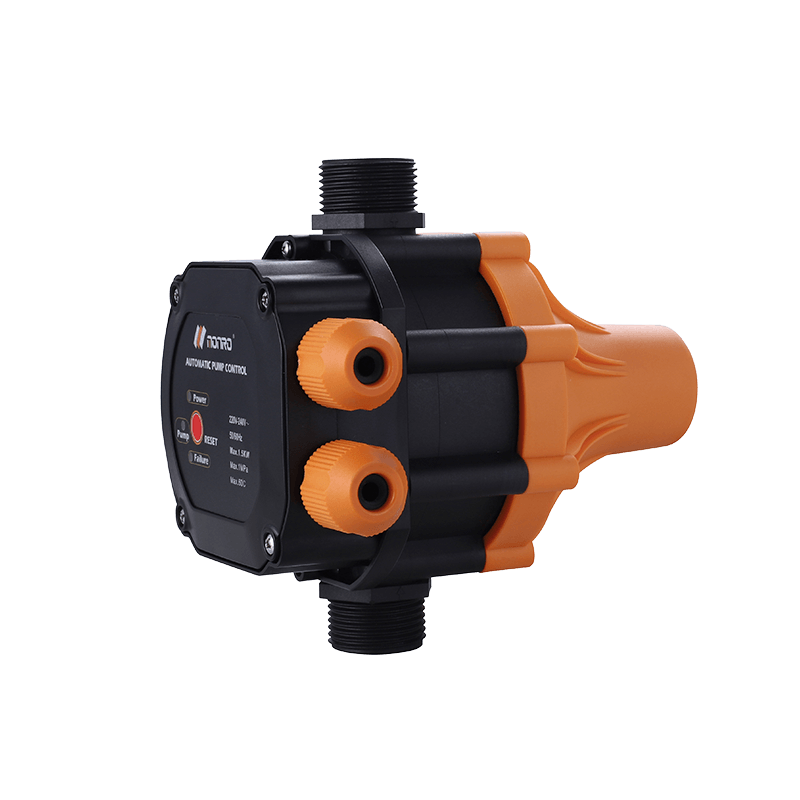 EPC-14
Monro EPC-14 model pressure control is a big power device for automatic control and protection of el...
-
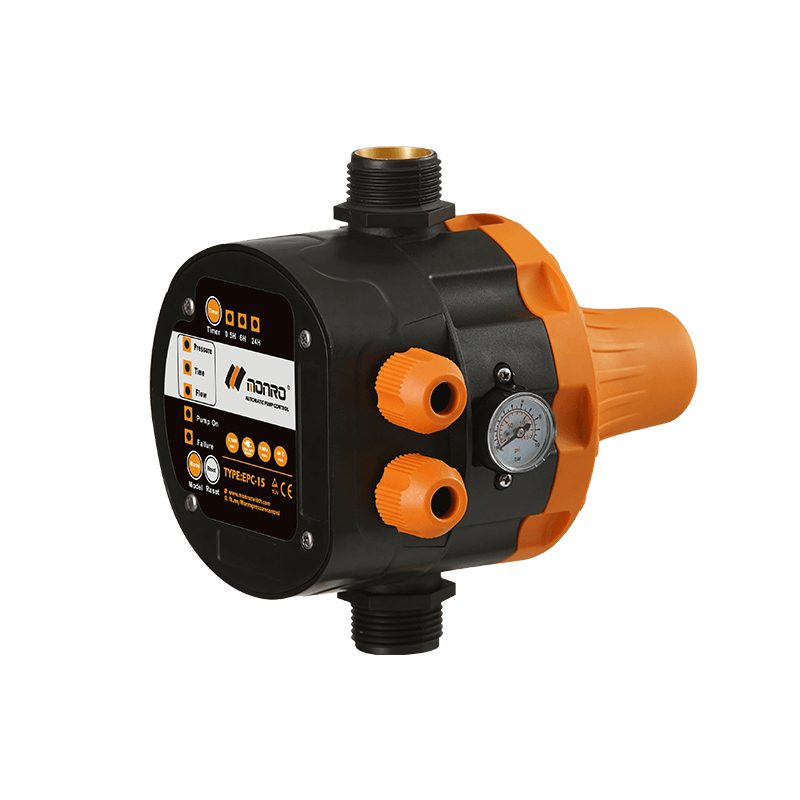 EPC-15
Monro EPC-15 model automatic pump control, a device which assembled on the water pump (recommended s...
-
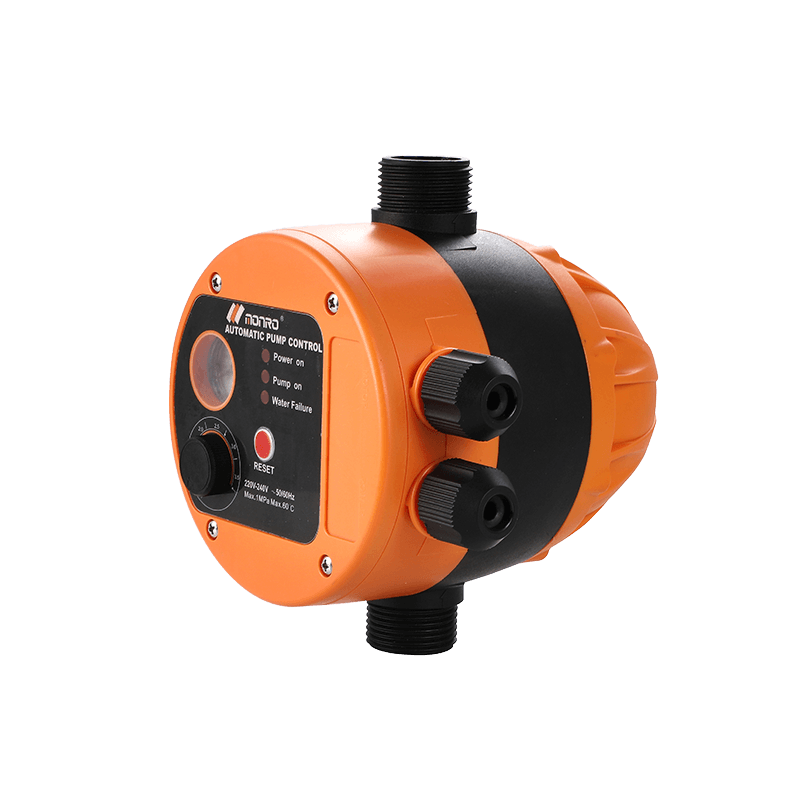 EPC-16
EPC-16 is the new patent pump controller by Monro. Its key highlight is tooless (manual knob) start...
contact us
find our office
find our office
Committed to providing professional pressure control solutions for various types of water pumps and air compressors.
Mobile
 Wechat
Copyright © 2024 Zhejiang Monro M&E Co., Ltd. All Rights Reserved.
Wholesale Pressure Control Switch Manufacturer
