

 简体中文
简体中文 English
 Español
Don't hesitate to send a message
Search
Recent Post
Newsletter
How to Identify a Faulty Monro Switch
In many industrial and equipment control environments, a Monro Switch plays a quiet but important role. It is often responsible for simple on-off decisions, signal control, or safety response. When it works well, operations feel smooth and predictable. When it starts to fail, the signs are usually subtle at first, then gradually more noticeable.
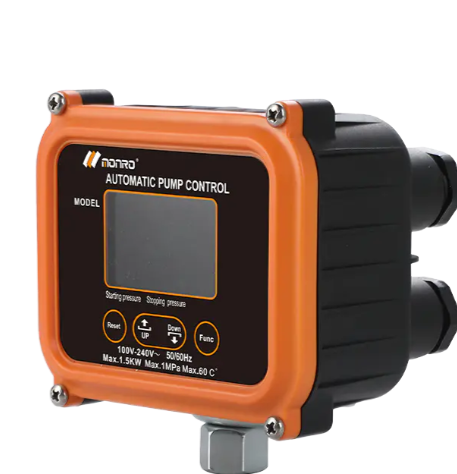
Identifying a faulty Switch is less about complex testing and more about careful observation. Small changes in behavior often tell more than sudden breakdowns. Understanding these changes can help avoid unexpected interruptions in daily operations.
What early signs indicate a faulty Monro Switch?
A Switch rarely fails without warning. Early signs tend to appear in the form of inconsistency. One of the common signals is irregular response. The switch may work normally at one moment, then fail to respond the next, even under the same conditions.
Another early sign is delayed reaction. The system may feel slightly slower when the switch is activated. This delay is often short and easy to ignore, but it tends to grow over time.
In some cases, the switch may respond only after repeated attempts. A single activation might not trigger the expected result, but multiple actions eventually produce a response. This pattern often points to internal wear or unstable contact behavior.
Small fluctuations like these are usually the earliest indicators. They do not always mean immediate failure, but they suggest that the device is no longer operating in a stable condition.
Why does a Monro Switch fail in real working environments?
In practical use, a Switch is exposed to repeated movement, pressure, and environmental influence. Over time, these conditions naturally affect its reliability.
Continuous mechanical stress is one of the main contributors. Each activation places pressure on internal parts. Even light force, repeated many times, can gradually reduce stability.
Environmental exposure also plays a role. Dust, moisture, and fine particles may slowly enter surrounding areas. These do not always cause immediate failure, but they can affect smooth movement.
Temperature variation can also influence performance. Materials inside the switch may slightly expand or contract, affecting alignment and response consistency.
In addition, system-level signal fluctuations may indirectly affect switching behavior. The device may appear unstable even when the internal structure is still partially functional.
How does visual inspection help identify issues?
Visual inspection is one of the simplest ways to detect early signs of a faulty Switch. It requires no tools and can be done during routine observation.
The surface condition often gives the clues. Wear marks, uneven texture, or slight discoloration may suggest long-term usage stress.
Alignment is another important point. A switch that appears slightly tilted or not firmly positioned may not perform consistently.
Dust buildup around edges can also indicate reduced operational smoothness. While it may seem minor, accumulation over time can influence movement.Small cracks or surface marks should not be ignored. Even minor physical changes may reflect internal stress.
What does abnormal operation behavior look like?
Operational behavior often reveals more than visual inspection. A stable Switch responds consistently under similar conditions. When this pattern changes, it is worth paying attention.
Irregular activation is one of the common issues. The switch may work instantly at times, then require repeated attempts in other moments.
Partial response is another sign. The system may react but fail to complete the expected action fully.
Unexpected reset behavior can also appear, where the switch triggers a response and then quickly returns to its previous state without input.
There are also cases where the switch works only under specific conditions, such as a certain angle or pressure pattern.These behaviors often develop gradually rather than suddenly.
What are the key symptoms and what might they indicate?
The following table summarizes common symptoms and what they may suggest during observation:
| Observed symptom | Possible indication | Typical context |
|---|---|---|
| Delayed response | Reduced internal stability | Activation feels slower than usual |
| Irregular activation | Inconsistent internal contact | Works sometimes, fails sometimes |
| Partial system response | Weak signal transfer | Action starts but does not complete |
| Repeated activation needed | Early internal wear | Requires multiple attempts |
| Behavior changes over time | Progressive degradation | Works differently across days |
| Condition-dependent operation | Sensitivity to external factors | Works only under certain angles or pressure |
These patterns are not isolated. In real environments, they often appear together and gradually intensify.
How can sound and response timing reveal problems?
Sound and timing are often subtle but useful indicators. A stable switch usually produces consistent feedback during activation. When changes occur, they are often noticed in rhythm or clarity.
Timing may become uneven. The same action may produce different response speeds across repeated use. This inconsistency can indicate internal instability.
Sound variation is another point. A normal activation sound may become weaker or less distinct over time. In some cases, it may disappear entirely while the switch still functions.Response rhythm can also shift. The switch may feel less predictable, especially when used in repetitive sequences.These signs are often easier to detect during regular operation rather than formal inspection.
How does environment influence Monro Switch performance?
Environmental conditions have a gradual but steady impact on performance. Even small variations can influence long-term stability.Temperature changes can affect internal movement behavior. Repeated expansion and contraction may slowly influence alignment.Humidity introduces another layer of influence. Moist conditions may affect smooth operation if exposure is continuous.Dust accumulation is a slow process. It may not cause immediate issues, but over time it can reduce operational smoothness.Vibration in surrounding equipment can also contribute to gradual loosening or misalignment.These environmental factors rarely act alone. They usually combine and influence performance over time.
When does a Monro Switch become unreliable in use?
A switch becomes unreliable when its behavior can no longer be predicted under normal conditions. This does not always mean complete failure.
Frequent irregular responses are one sign. If the switch works inconsistently even after basic cleaning or adjustment, internal stability may already be reduced.Delays that continue to increase over time also suggest declining performance.
If the switch only functions under specific conditions or requires repeated attempts regularly, reliability is affected.Another indicator is recurrence. When issues return quickly after temporary improvement, long-term stability is likely compromised.Reliability is less about whether the switch works at all, and more about whether it works consistently.
How can daily observation help reduce future issues?
Daily observation does not require special tools or procedures. It depends on attention to small changes over time.Noticing slight delays early can help identify developing issues before they become more serious.
Keeping the surrounding area clean supports smoother movement and reduces interference from external particles.Observing consistency across different operating conditions can help detect environmental sensitivity early.Avoiding unnecessary repeated activation can also reduce mechanical stress over time.Long-term stability is often maintained through awareness of small behavioral changes rather than sudden interventions.
OUR PRODUCTS
Recommended Products
-
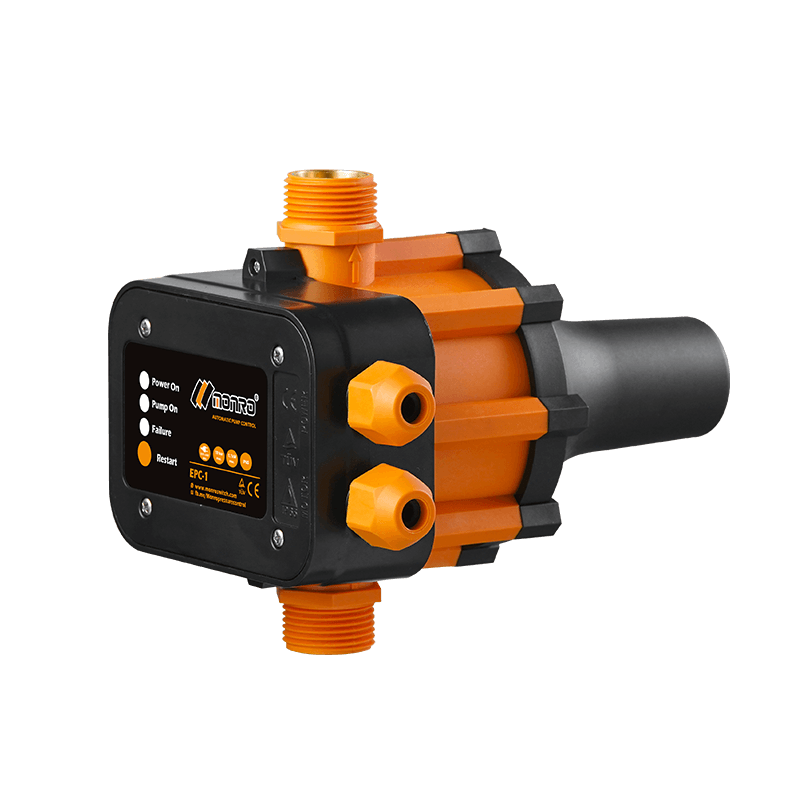 EPC-1
EPC-1Monro EPC-1 model pump controller is the classic and basic type, was loved by user in the global mar...
-
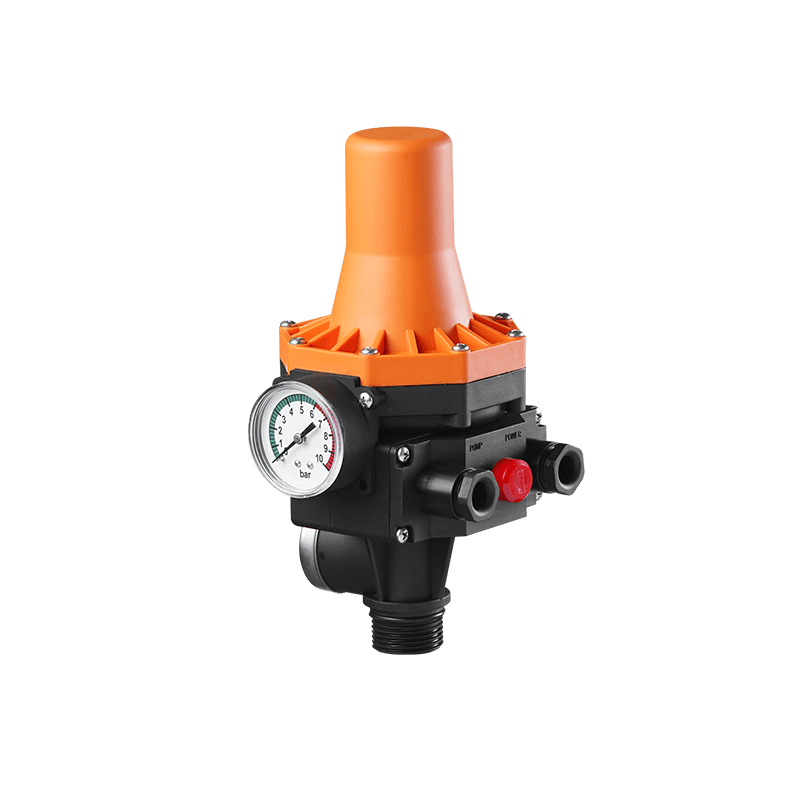 EPC-3
EPC-3Monro EPC-3 spain design auto on and off press control, an intelligent and economical system designe...
-
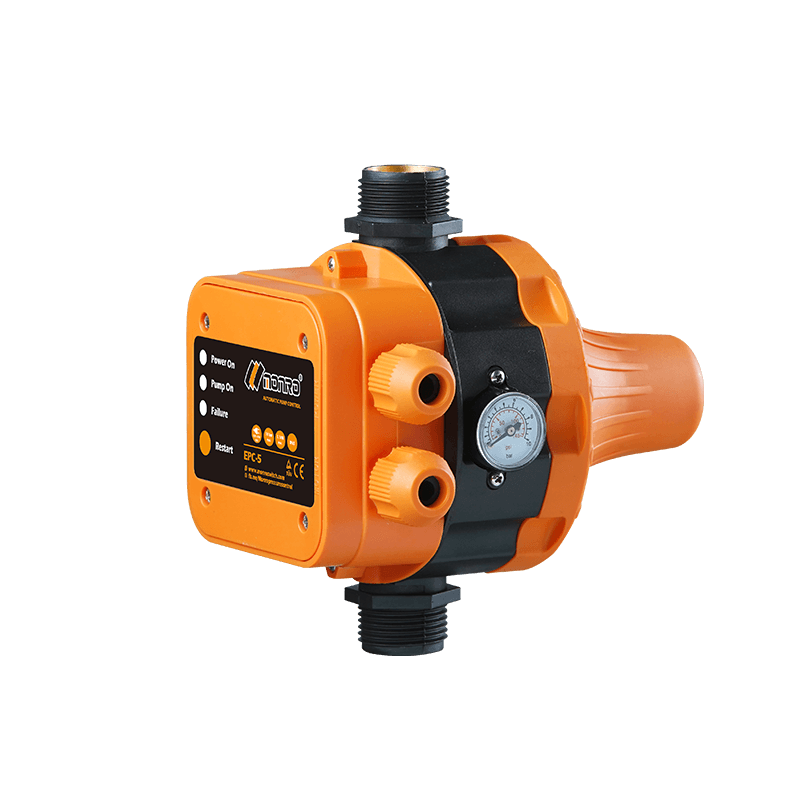 EPC-5
EPC-5Monro EPC-5 model automatic pump control, a device which assembled on the water pump (recommended si...
-
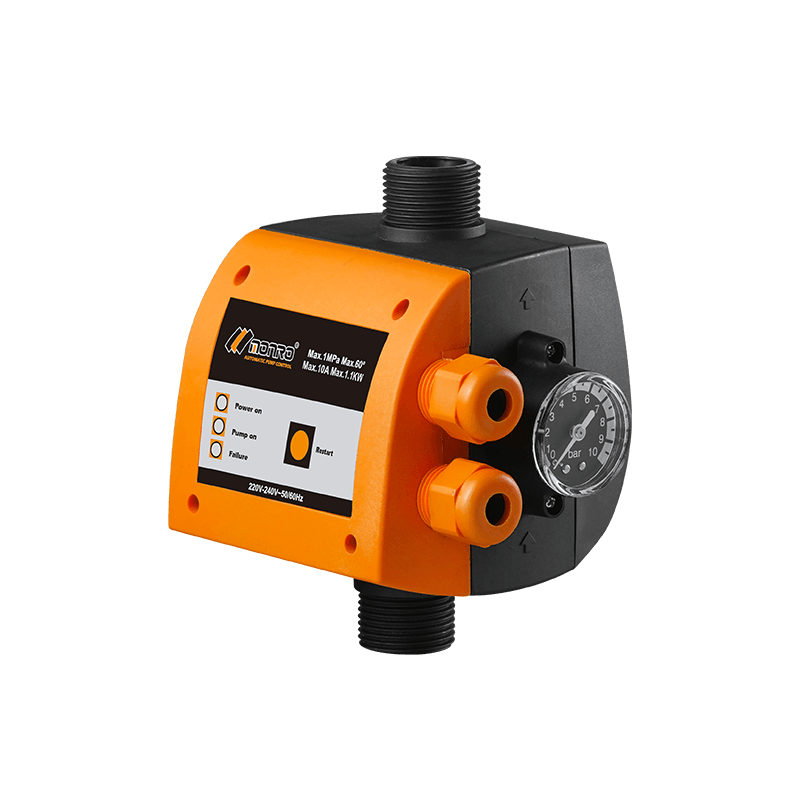 EPC-9
EPC-9Monro EPC-9 model pressure controller, is a big power device for automatic control and protection of...
-
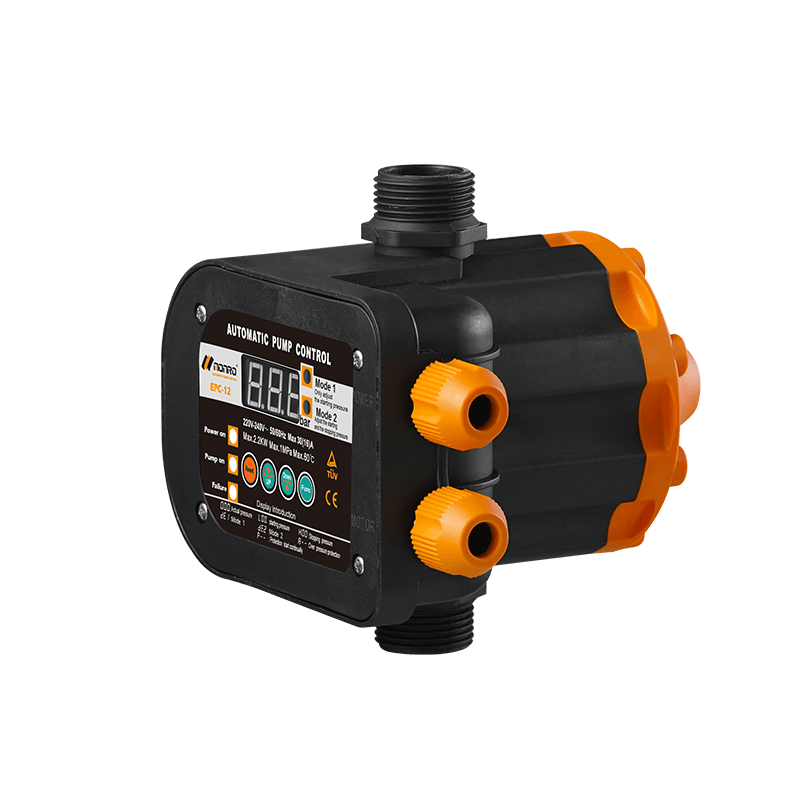 EPC-12
Monro EPC-12 smart top-level automatic pump control is a multi-function model combined with traditio...
-
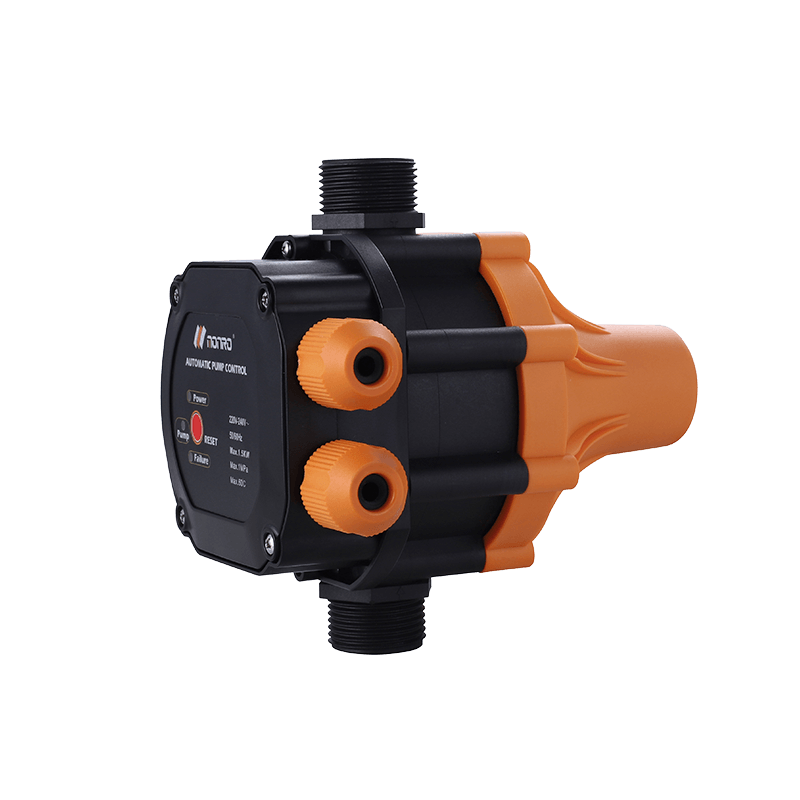 EPC-14
Monro EPC-14 model pressure control is a big power device for automatic control and protection of el...
-
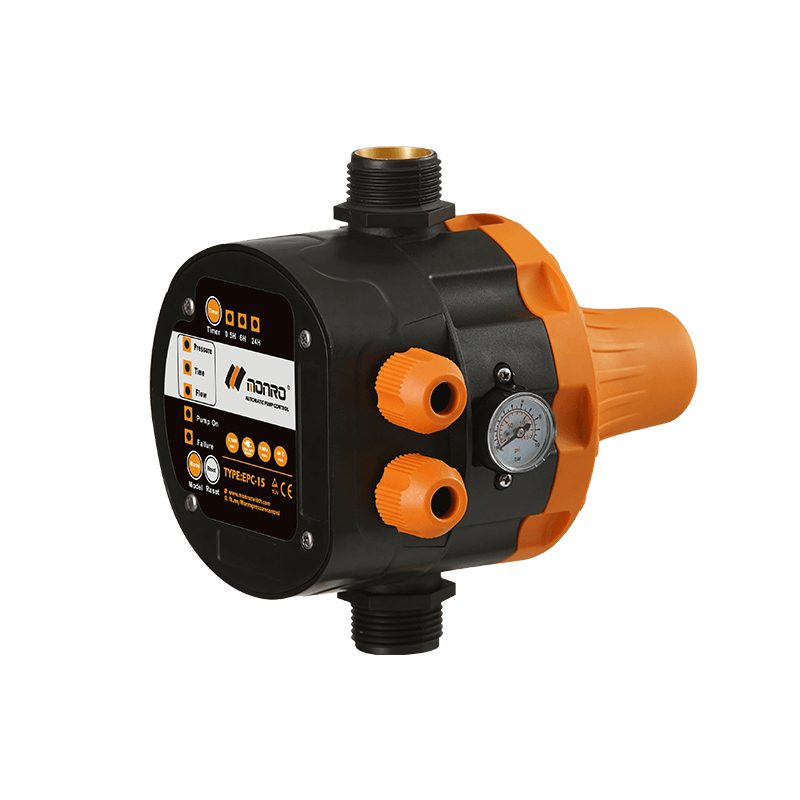 EPC-15
Monro EPC-15 model automatic pump control, a device which assembled on the water pump (recommended s...
-
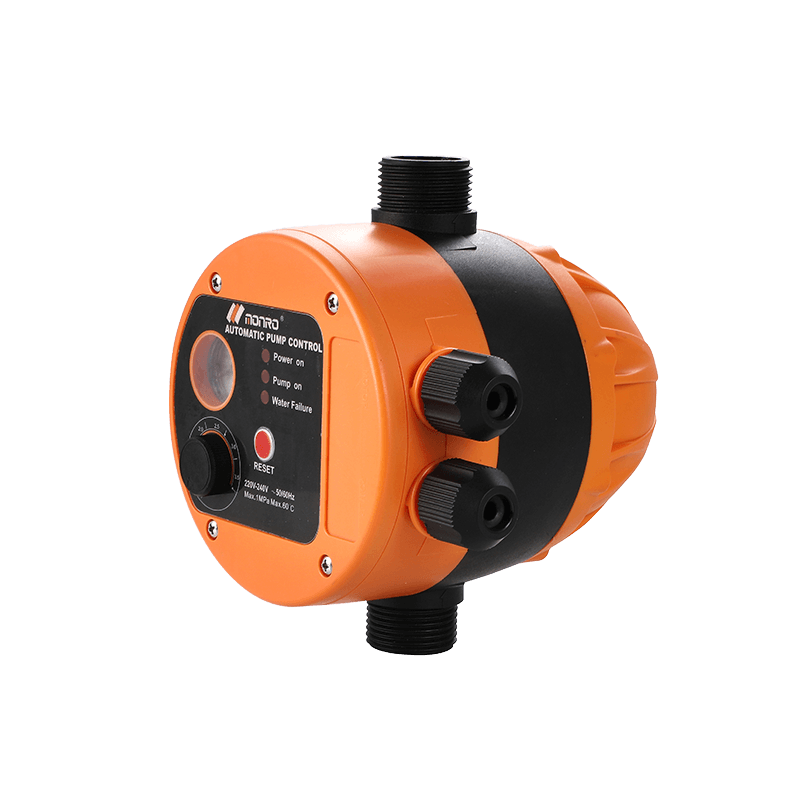 EPC-16
EPC-16 is the new patent pump controller by Monro. Its key highlight is tooless (manual knob) start...
contact us
find our office
find our office
Committed to providing professional pressure control solutions for various types of water pumps and air compressors.
Mobile
 Wechat
Copyright © 2024 Zhejiang Monro M&E Co., Ltd. All Rights Reserved.
Wholesale Pressure Control Switch Manufacturer
