

 简体中文
简体中文 English
 Español
Don't hesitate to send a message
Search
Recent Post
Newsletter
Adjusting Flow in Automatic Pump Control
Introduction to Flow Regulation
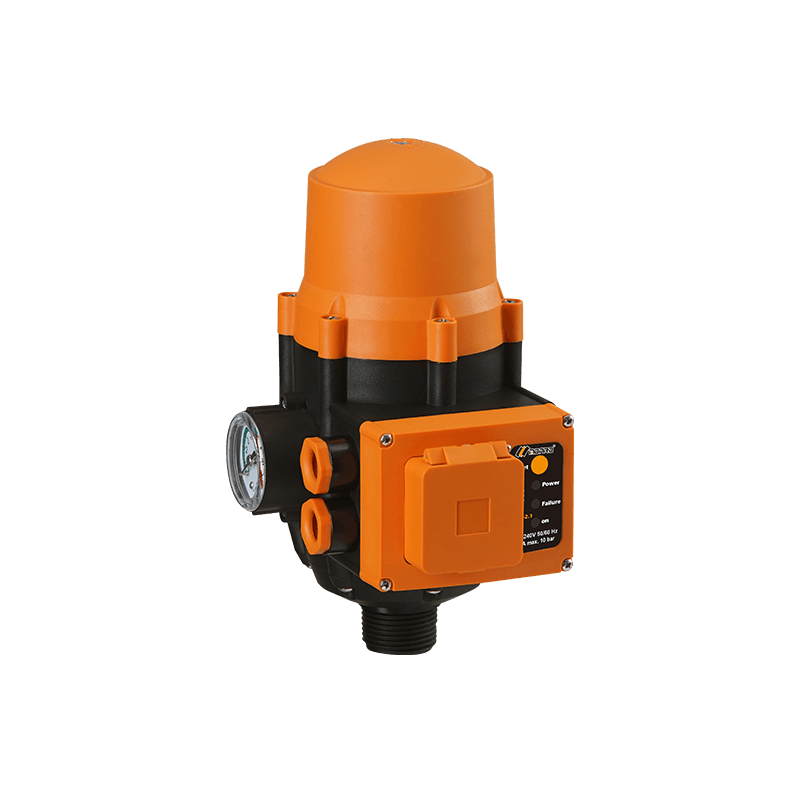
Automatic Pump Control systems are widely used in residential, commercial, and industrial applications to maintain consistent water or fluid flow. Proper flow regulation is essential for efficient operation, energy savings, and protection of the pumping equipment. Understanding the methods and factors that influence flow control ensures suitable system performance and prevents operational issues.
Key Components Affecting Flow
- Pump Type: Different pumps, such as centrifugal, positive displacement, or submersible pumps, respond differently to control inputs. The pump type determines the feasible range of flow adjustment.
- Control Valve: Valves regulate fluid movement and play a critical role in controlling flow rates. They can be manual, motorized, or electronically actuated.
- Sensors and Feedback: Flow sensors, pressure sensors, and level sensors provide real-time data to the automatic control system, enabling precise adjustments.
- Controller Unit: The control panel or digital controller interprets sensor input and adjusts the pump operation to achieve the desired flow rate.
Methods for Adjusting Flow
- Variable Speed Drives (VSD): One of the efficient ways to regulate flow is by adjusting the pump speed. Slowing down the motor reduces flow, while increasing speed raises it. VSDs offer smooth, energy-efficient control and reduce wear.
- Throttle Valves: Partially closing a valve downstream of the pump can reduce flow. While simple, this method can increase energy consumption and create pressure losses.
- Bypass Lines: Some systems use bypass piping to divert excess fluid, maintaining the desired flow in the main line without changing pump speed.
- Programmable Setpoints: Automatic control systems often allow users to define target flow rates or pressure levels. The pump adjusts automatically to maintain these setpoints in response to system demands.
Factors Influencing Flow Adjustment
- System Demand: The number of open outlets, process requirements, or seasonal variations can change the required flow. Automatic control systems must respond dynamically to these fluctuations.
- Pipe Size and Layout: The diameter, length, and configuration of the piping network affect resistance and, therefore, flow. Correctly sizing pipes reduces unnecessary restrictions.
- Fluid Properties: Viscosity, temperature, and density of the fluid influence pump performance and flow adjustment strategies.
- Altitude and Gravity: In systems with elevation changes, pressure differences can impact flow, requiring adjustments from the pump controller.
Monitoring and Feedback
- Flow Meters: Install accurate flow meters at strategic points to measure actual flow versus setpoints.
- Pressure Monitoring: Tracking pressure variations helps detect flow deviations caused by leaks, blockages, or changes in demand.
- Alarm Systems: Many automatic control systems include alarms for abnormal flow or pressure readings, prompting immediate corrective action.
Maintenance for Reliable Flow Control
- Regular Pump Inspection: Ensure the pump is free of wear, corrosion, or debris that could affect flow.
- Valve Maintenance: Check valves for smooth operation and replace or repair those that stick or leak.
- Sensor Calibration: Accurate sensors are crucial for feedback-driven flow adjustments. Periodic calibration maintains system accuracy.
- Software Updates: For digitally controlled systems, keeping the controller firmware updated ensures a suitable response and new features for flow management.
Energy Efficiency Considerations
- Optimized Pump Speed: Adjusting flow using VSDs is generally more energy-efficient than throttling with valves.
- Demand-Based Operation: Automatic control systems can reduce flow during periods of low demand, saving energy and reducing wear.
- Preventing Surges: Smooth flow adjustments reduce pressure surges that may damage pipes and fittings.
Flow adjustment in an Automatic Pump Control system involves a combination of mechanical components, electronic controls, and real-time feedback. By using methods such as variable speed drives, throttle valves, bypass lines, and programmable setpoints, operators can maintain stable and efficient flow tailored to system requirements. Understanding the impact of system layout, fluid properties, and environmental factors is essential for precise control. Proper maintenance, monitoring, and calibration further ensure that the automatic pump control system delivers consistent flow, improves energy efficiency, and protects equipment, making it a reliable solution for diverse applications in industrial, commercial, and residential settings.
OUR PRODUCTS
Recommended Products
-
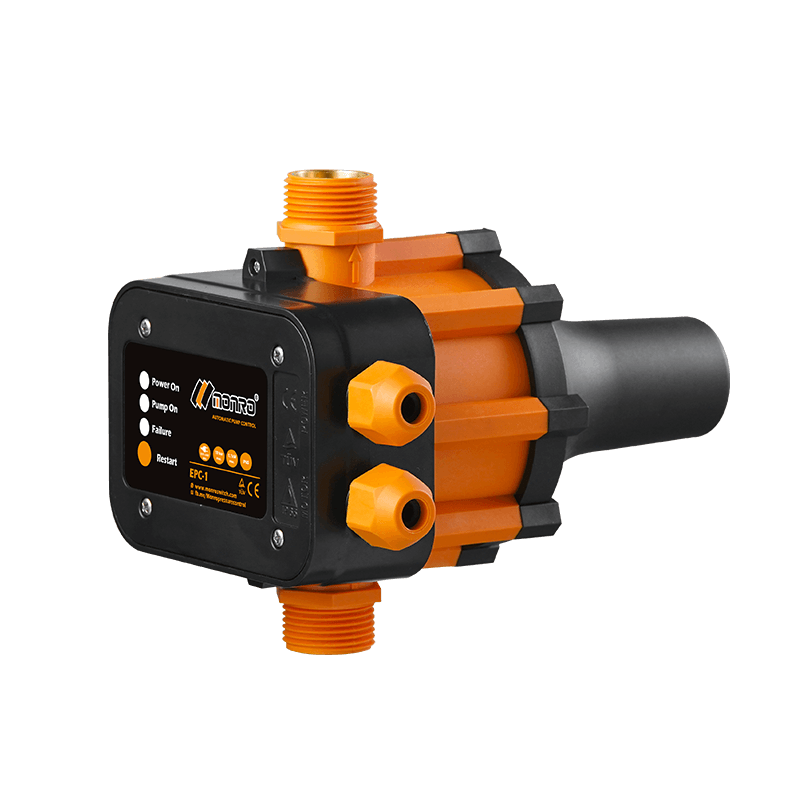 EPC-1
EPC-1Monro EPC-1 model pump controller is the classic and basic type, was loved by user in the global mar...
-
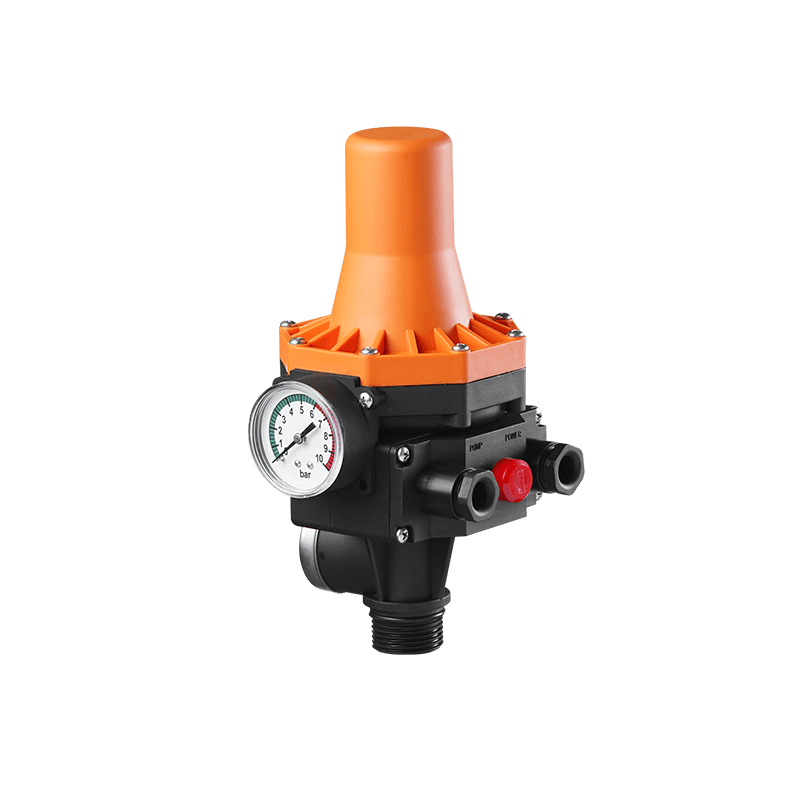 EPC-3
EPC-3Monro EPC-3 spain design auto on and off press control, an intelligent and economical system designe...
-
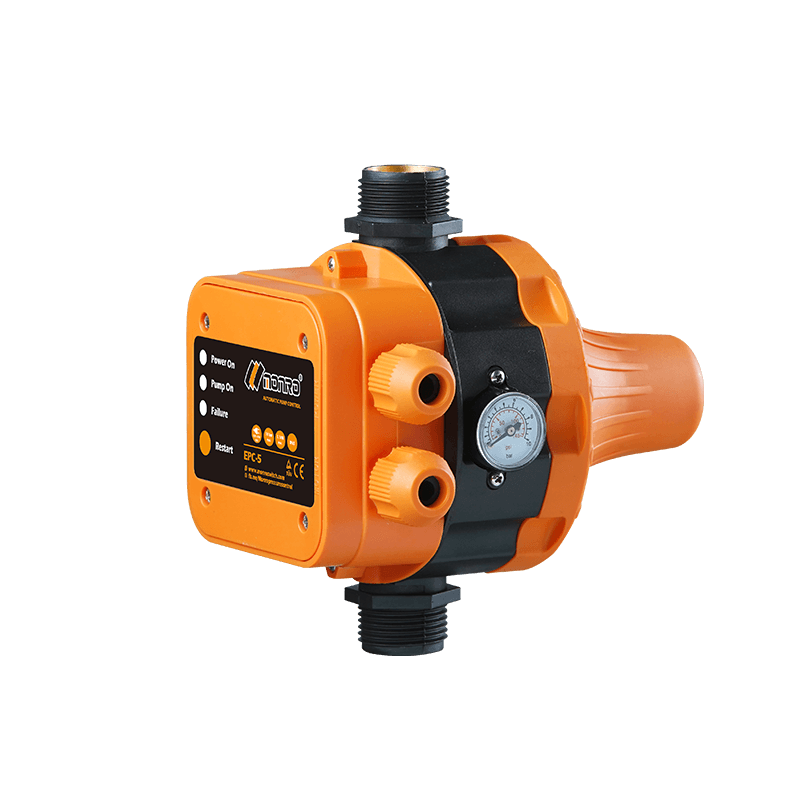 EPC-5
EPC-5Monro EPC-5 model automatic pump control, a device which assembled on the water pump (recommended si...
-
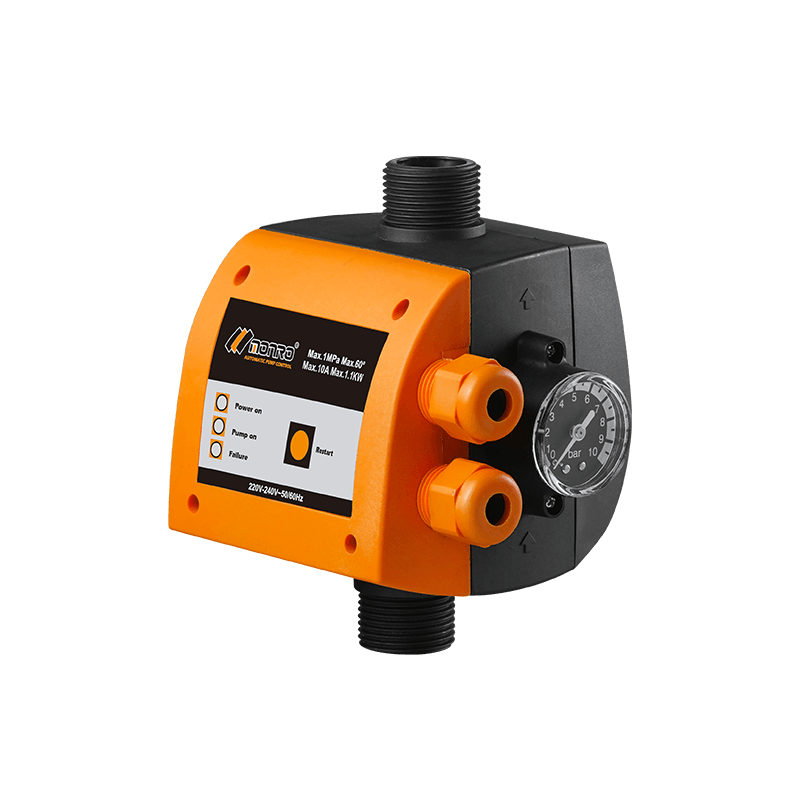 EPC-9
EPC-9Monro EPC-9 model pressure controller, is a big power device for automatic control and protection of...
-
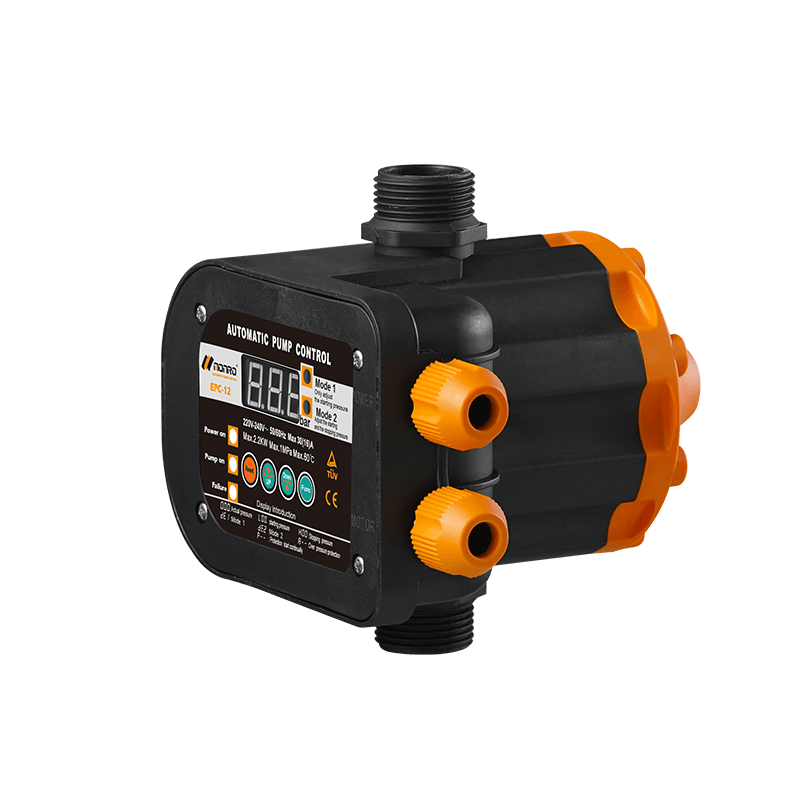 EPC-12
Monro EPC-12 smart top-level automatic pump control is a multi-function model combined with traditio...
-
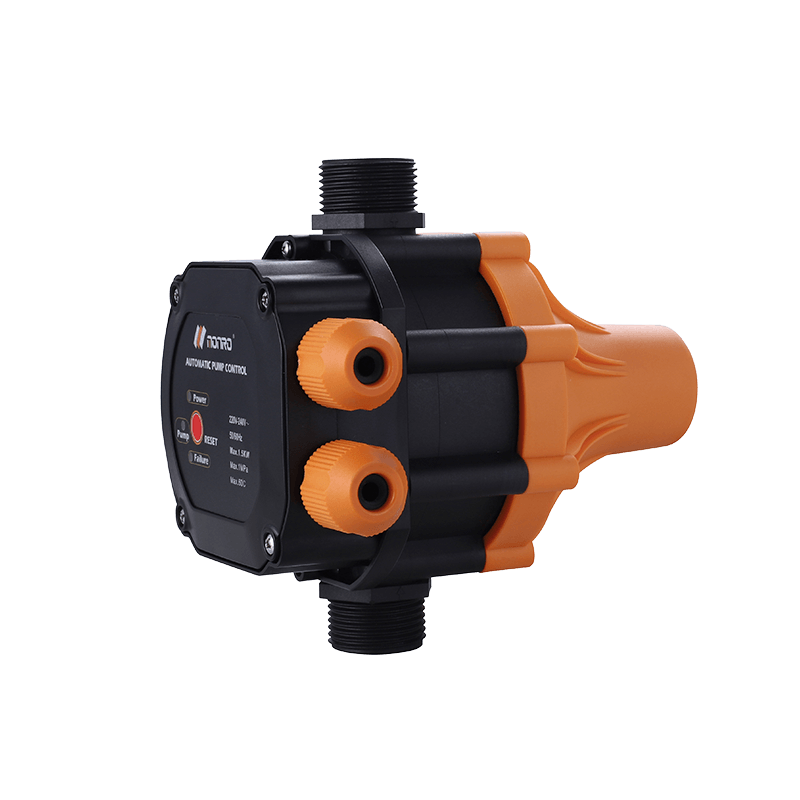 EPC-14
Monro EPC-14 model pressure control is a big power device for automatic control and protection of el...
-
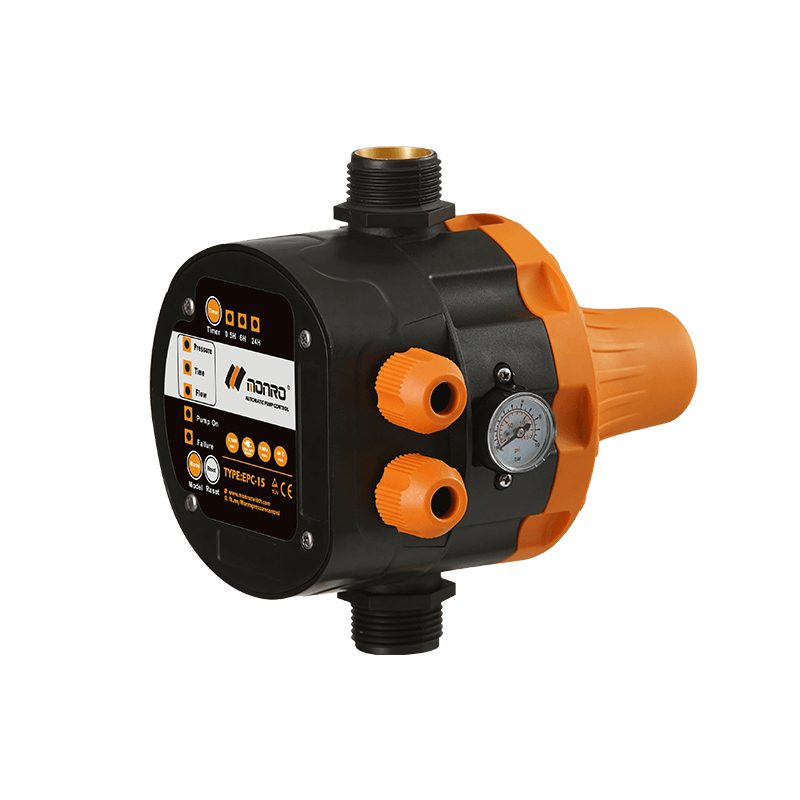 EPC-15
Monro EPC-15 model automatic pump control, a device which assembled on the water pump (recommended s...
-
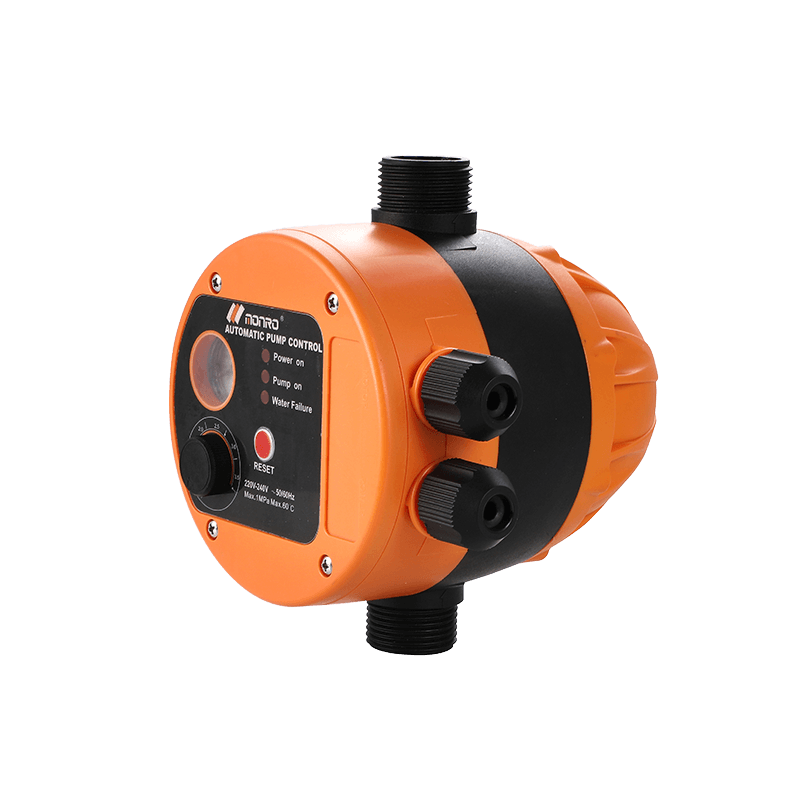 EPC-16
EPC-16 is the new patent pump controller by Monro. Its key highlight is tooless (manual knob) start...
contact us
find our office
find our office
Committed to providing professional pressure control solutions for various types of water pumps and air compressors.
Mobile
 Wechat
Copyright © 2024 Zhejiang Monro M&E Co., Ltd. All Rights Reserved.
Wholesale Pressure Control Switch Manufacturer
