

 简体中文
简体中文 English
 Español
Don't hesitate to send a message
Search
Recent Post
Newsletter
Pressure Control Differences in Residential and Industrial Use
Introduction to Pressure Control
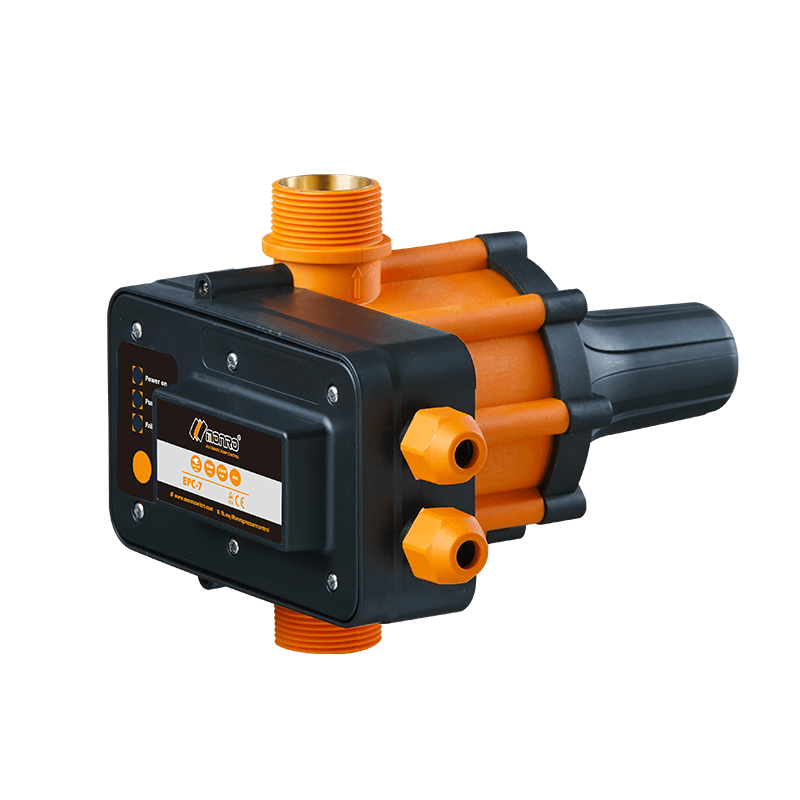
A Pressure Control Factory designs and manufactures systems that regulate fluid pressure across various applications. Pressure control devices are crucial for ensuring the safety, efficiency, and longevity of piping systems. While the fundamental principles remain the same, the requirements, installation, and operational demands differ significantly between residential and industrial environments.
Residential Pressure Control Systems
- Purpose and Scale: Residential systems primarily aim to maintain consistent water pressure in homes or small buildings. The scale is smaller, with lower flow rates and moderate pressure levels.
- System Components: Typical residential setups include pressure-reducing valves, small pumps, expansion tanks, and simple control units.
- User Interaction: Homeowners rarely interact with the system directly. Controls are often automated and require minimal maintenance.
- Pressure Range: Residential pressure control usually operates between 1.5 and 3 bar (22–45 psi), sufficient for showers, faucets, and small irrigation systems.
- Installation Considerations: Ease of installation, space limitations, and quiet operation are major factors in residential applications. Compact devices that integrate seamlessly into home plumbing are preferred.
Industrial Pressure Control Systems
- Purpose and Scale: Industrial environments require higher flow rates and pressure ranges to support manufacturing processes, cooling systems, or large-scale water distribution.
- System Components: Industrial setups often include large pumps, motorized valves, sophisticated sensors, and programmable controllers for precise regulation.
- User Interaction: Industrial systems are monitored by trained personnel, often integrated into a central control system with real-time monitoring and automation.
- Pressure Range: Industrial systems may operate at pressures ranging from 3 bar to over 20 bar (45–300 psi), depending on the process requirements.
- Installation Considerations: Industrial installations require robust equipment to handle variable loads, environmental exposure, and long operating hours. Safety, redundancy, and ease of maintenance are critical.
Performance Requirements
- Residential: Stability, comfort, and energy efficiency are the main concerns. Sudden pressure spikes can damage household appliances, so pressure control devices must provide smooth, consistent output.
- Industrial: Precision and reliability under heavy loads are essential. Pressure fluctuations can interrupt production lines, affect quality, or damage sensitive machinery. Industrial systems often include alarms and backup controls to prevent failures.
Environmental and Maintenance Factors
- Residential: Typically, indoor environments with moderate temperature ranges. Maintenance is infrequent and often limited to checking pressure settings or replacing small components.
- Industrial: Systems may operate in harsh environments with high temperatures, dust, or corrosive substances. Regular inspections, lubrication, sensor calibration, and emergency maintenance are essential to prevent downtime.
Energy Efficiency Considerations
- Residential: Residential devices focus on low-energy operation to reduce utility costs. Small pumps with variable speed control may be used for high efficiency.
- Industrial: Energy efficiency is critical due to high-volume operations. Industrial systems often include energy-saving technologies like variable frequency drives (VFDs), automated shut-off mechanisms, and load-based adjustments.
Safety and Compliance
- Residential: Pressure control devices must comply with local plumbing codes and safety standards to prevent overpressure situations in homes.
- Industrial: Compliance is more stringent, including national and international standards for workplace safety, industrial machinery, and environmental regulations. Industrial pressure control systems often include multiple safety redundancies.
The use of Pressure Control systems differs significantly between residential and industrial environments. A Pressure Control Factory designs devices that cater to these specific needs, considering scale, pressure range, user interaction, environmental conditions, and safety requirements. Residential systems prioritize comfort, simplicity, and moderate pressure control, while industrial systems demand precision, reliability, robustness, and energy efficiency under high-stress conditions.
OUR PRODUCTS
Recommended Products
-
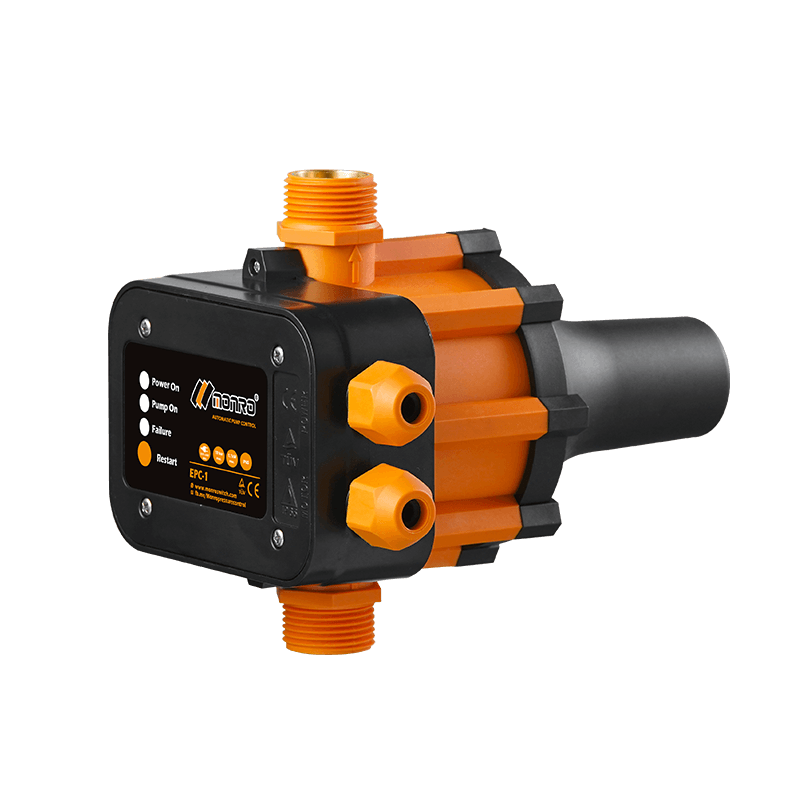 EPC-1
EPC-1Monro EPC-1 model pump controller is the classic and basic type, was loved by user in the global mar...
-
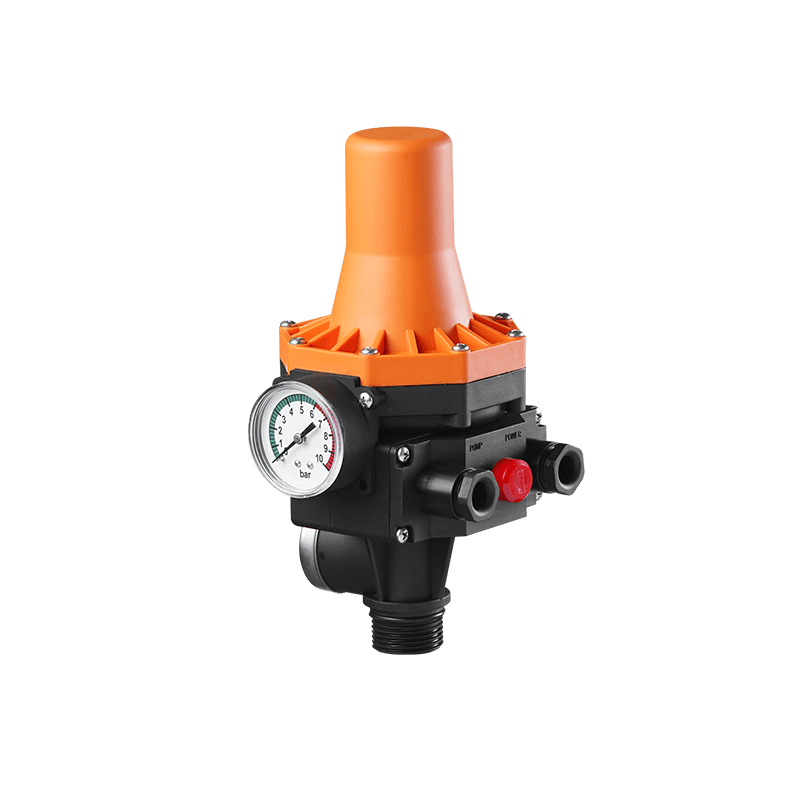 EPC-3
EPC-3Monro EPC-3 spain design auto on and off press control, an intelligent and economical system designe...
-
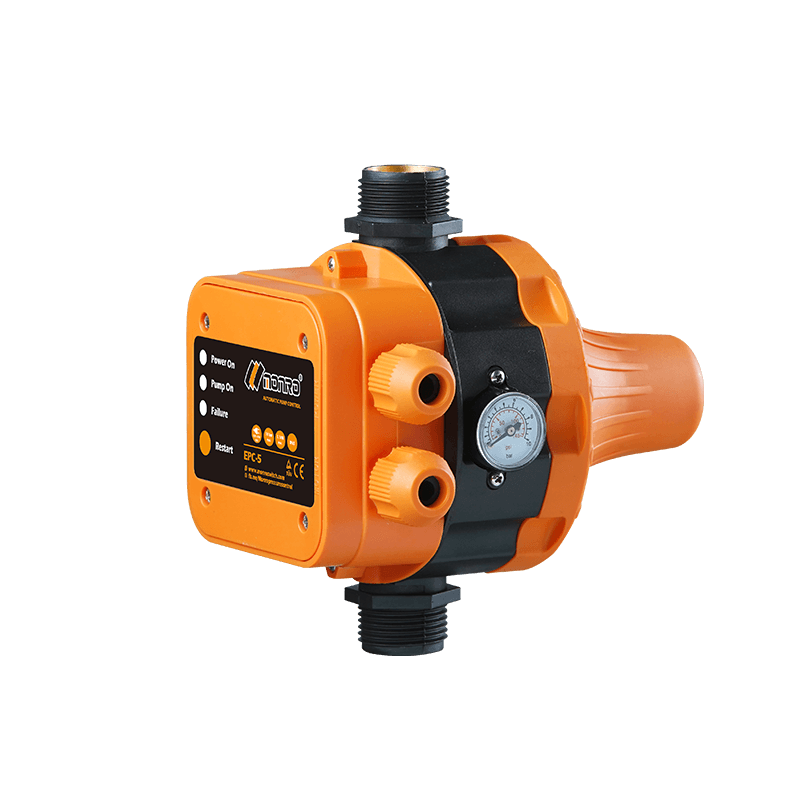 EPC-5
EPC-5Monro EPC-5 model automatic pump control, a device which assembled on the water pump (recommended si...
-
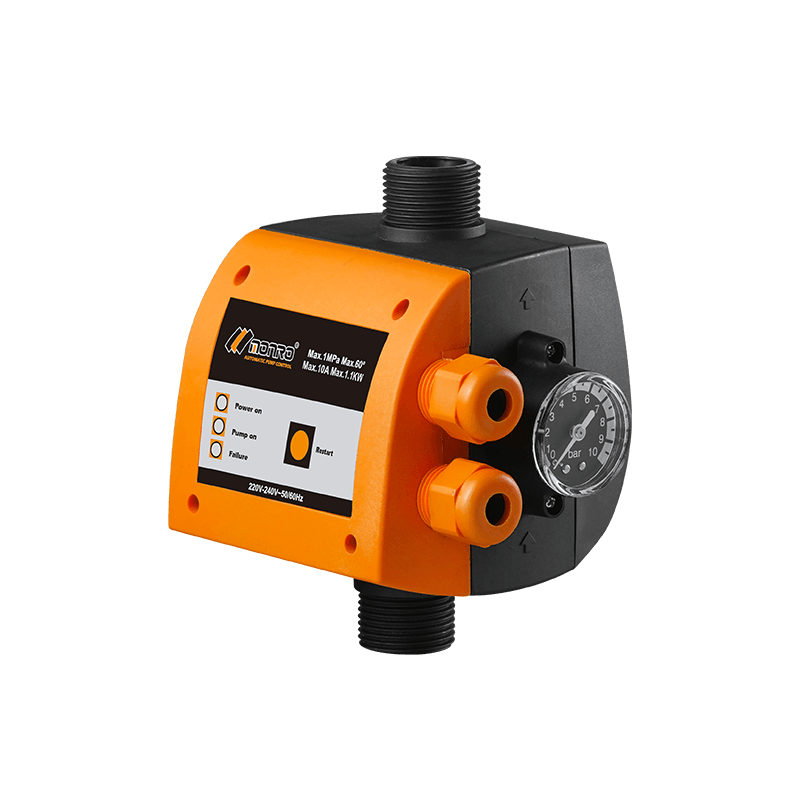 EPC-9
EPC-9Monro EPC-9 model pressure controller, is a big power device for automatic control and protection of...
-
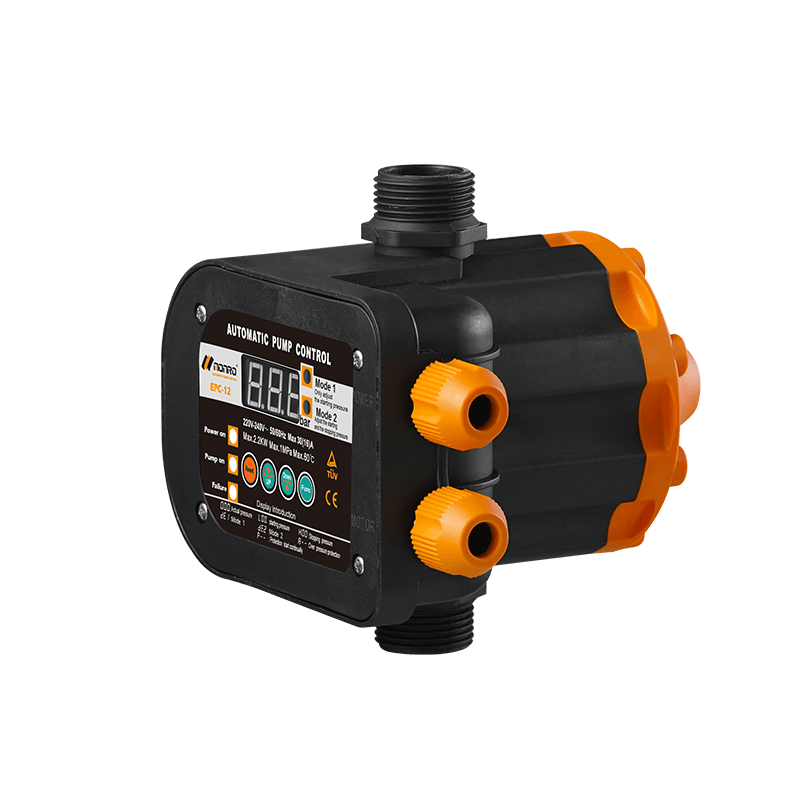 EPC-12
Monro EPC-12 smart top-level automatic pump control is a multi-function model combined with traditio...
-
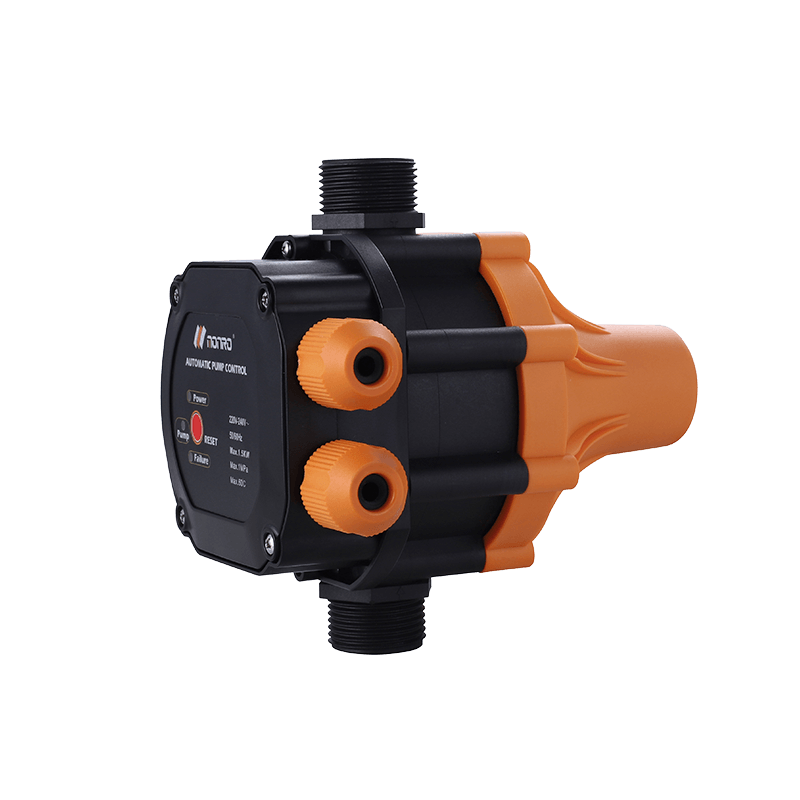 EPC-14
Monro EPC-14 model pressure control is a big power device for automatic control and protection of el...
-
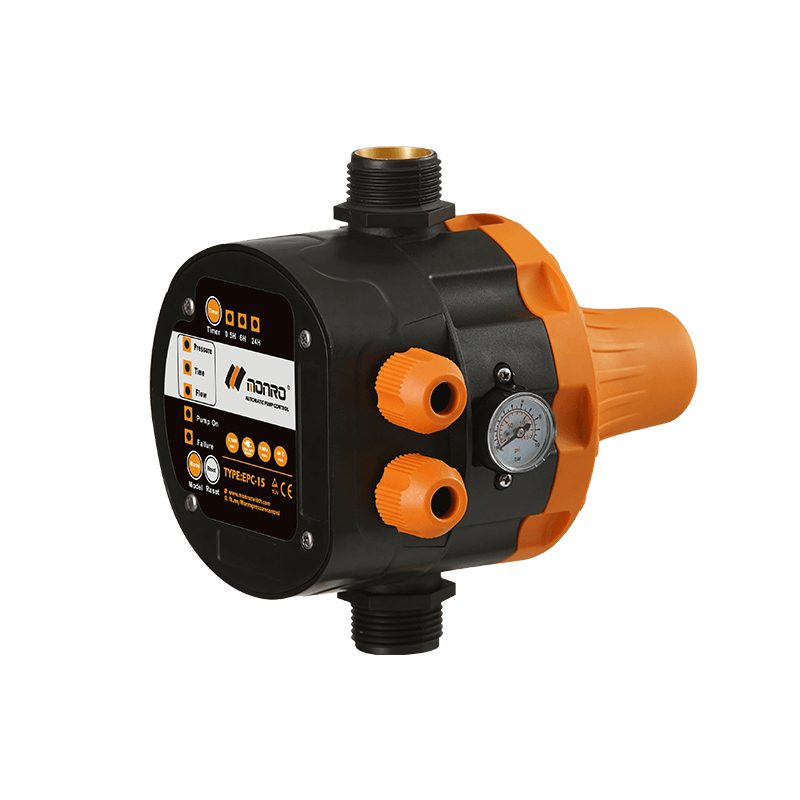 EPC-15
Monro EPC-15 model automatic pump control, a device which assembled on the water pump (recommended s...
-
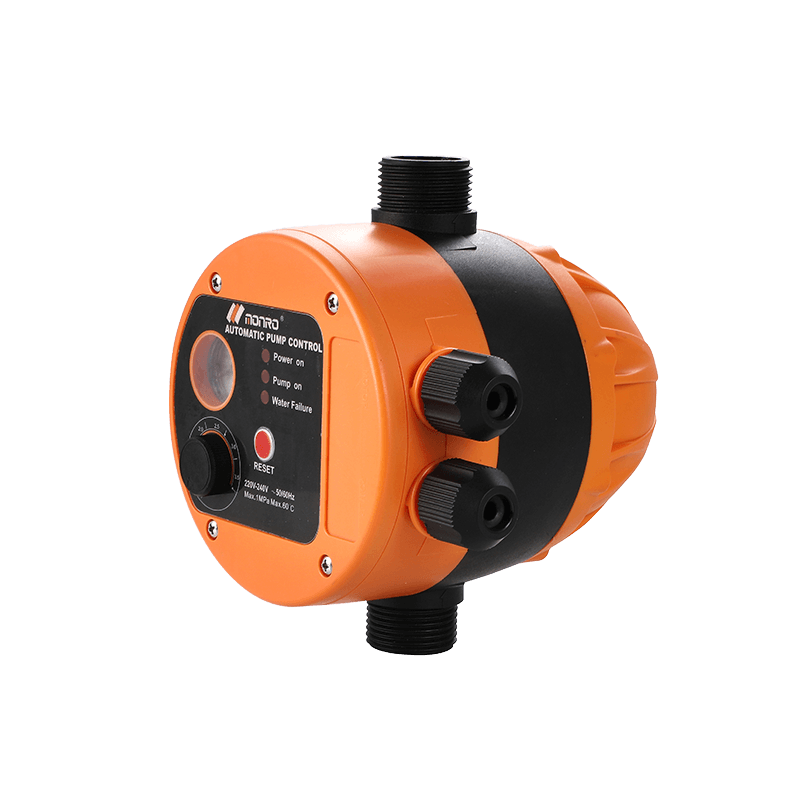 EPC-16
EPC-16 is the new patent pump controller by Monro. Its key highlight is tooless (manual knob) start...
contact us
find our office
find our office
Committed to providing professional pressure control solutions for various types of water pumps and air compressors.
Mobile
 Wechat
Copyright © 2024 Zhejiang Monro M&E Co., Ltd. All Rights Reserved.
Wholesale Pressure Control Switch Manufacturer
