

 简体中文
简体中文 English
 Español
Don't hesitate to send a message
Search
Recent Post
Newsletter
What is the Core Production Process in a Pressure Control Factory
A Pressure Control Factory is built around one central goal. It produces components and systems that help manage pressure in different working environments. These products are used in systems where stability matters, and where small changes in pressure can affect overall performance.
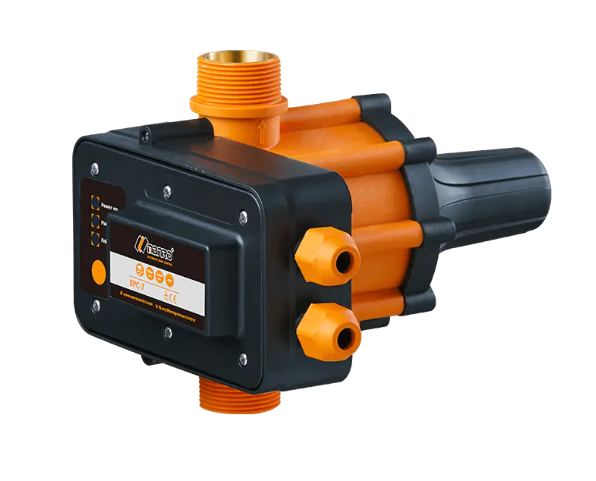
The production process is not a single action. It is a connected flow of steps. Each step supports the next one. When one part is unstable, the whole output can be affected. That is why the process is often designed with careful structure and repeated checking points.
How does raw material preparation set the foundation?
Production starts long before any shaping or assembly happens. The preparation of materials is often where the final quality begins to take shape.
Materials are selected based on how they will respond under pressure conditions. Some materials behave differently when exposed to stress, heat, or repeated use. Because of this, preparation is more than sorting. It is about understanding behavior.
Incoming materials are usually checked for consistency in surface condition, structure, and suitability. Any variation at this stage can Find to imbalance later in the process.
Storage also plays a role. Materials need stable conditions to avoid unwanted changes before use. Even small exposure to dust or moisture can influence performance later.
A simple comparison helps show why preparation matters:
| Stage | Focus | Risk if ignored |
|---|---|---|
| Material selection | Suitability for pressure use | Weak performance under load |
| Initial inspection | Surface and structure check | Hidden defects pass forward |
| Storage handling | Environmental stability | Material degradation over time |
This stage is often quiet, but it sets the tone for everything that follows.
What happens during forming and shaping of components?
Once materials are ready, they move into shaping. This is where raw input begins to take form as functional parts.
Shaping is usually guided by controlled methods that ensure uniform structure. The goal is not only appearance, but also internal balance. A small uneven area can later influence pressure response.
During this stage, attention is given to how each part reacts while being formed. Some materials may shift slightly under stress. Others may hold shape more firmly. These behaviors are observed and adjusted during the process.
The shaping stage often includes repeated checks. Parts are not simply formed and moved forward. They are reviewed for alignment, smooth edges, and structural consistency.
Even small irregularities are noted. They may not seem important at first, but under pressure conditions, they can become noticeable.This stage connects raw material behavior with final product expectations. It is a transition point where potential problems can be reduced early.
Why is precision assembly a critical step?
After individual components are formed, they are brought together. Assembly is where structure becomes function.In a Pressure Control Factory, assembly is not only about fitting parts. It is about ensuring that each piece works in harmony with the others.
Parts must align properly. Even slight misalignment can affect how pressure moves through the system. This can Find to uneven response or unstable behavior later.
During assembly, workers or systems often rely on repeated alignment checks. The goal is consistency rather than speed.
In many cases, components are tested during assembly to confirm smooth interaction. If resistance or irregular movement is noticed, adjustments are made before moving forward.
Assembly also includes attention to connection points. These areas often carry the load during operation. Any weakness here can influence overall durability.The process is careful, steady, and focused on balance.
How is surface treatment applied and why does it matter?
Once assembly is complete, components often go through surface treatment. This stage is not only about appearance. It is about protection and stability.Surface treatment helps reduce the impact of environmental exposure. It can support resistance to wear, moisture, and external particles.The process is usually applied evenly across surfaces. Uneven coverage can Find to inconsistent protection, which may affect long-term behavior.
Before treatment, surfaces are cleaned to remove any remaining particles from previous stages. Clean surfaces help ensure better adherence and uniform results.After application, parts are often left to stabilize. This allows the treatment to settle properly and form a consistent layer.Surface condition after treatment is reviewed carefully. Any uneven area is noted for correction.This stage supports long-term reliability by adding a protective layer between the product and its working environment.
What role does calibration and adjustment play?
Calibration is a step that focuses on behavior rather than structure. At this stage, the product is tested for how it responds under controlled conditions.The goal is to ensure that response remains stable and predictable. Pressure-related systems depend heavily on consistency. Small differences in response can affect overall performance.
During calibration, adjustments may be made to improve alignment or response balance. These changes are usually small but important.The process may be repeated more than once. Each round helps refine stability.
A general view of calibration focus areas:
| Focus area | What is observed | Purpose |
|---|---|---|
| Response timing | Speed of reaction | Consistency in operation |
| Balance behavior | Even distribution of response | Stable output under pressure |
| Sensitivity range | Reaction to change | Avoid overreaction or delay |
Calibration is not about making a product different. It is about making it consistent.
How is quality inspection integrated into production?
Inspection is not a single moment. It is part of the entire production flow. However, a dedicated inspection stage still plays a key role.At this point, finished products are reviewed as complete units. The focus is on overall behavior rather than individual parts.
Inspection often includes repeated operation tests. The product is observed under different conditions to see how it responds.Any irregular behavior is recorded. Products that do not meet expected consistency are separated for review.
Inspection also includes physical review. Surface condition, alignment, and structural stability are checked together.The purpose is not only to find faults, but also to confirm that production steps have worked as intended.
How does packaging and handling complete the process?
After inspection, products move into final handling. This stage focuses on protection during storage and transportation.Packaging is designed to reduce movement and external impact. Even stable products can be affected if handled roughly.
Before sealing, products are usually checked once more for visible condition. This final observation helps ensure nothing has changed after inspection.Handling methods are kept controlled. Products are moved carefully to avoid unnecessary stress.
Storage conditions are also considered. Stable environment helps maintain condition before distribution.This final stage ensures that what leaves the factory remains consistent with what was produced inside it.
What connects all stages in a Pressure Control Factory?
The production process in a Pressure Control Factory is not built on isolated steps. It is a connected system.
Each stage influences the next one. Material behavior affects shaping. Shaping affects assembly. Assembly affects calibration. Calibration influences final performance.
Small changes in early stages can appear later in different forms. That is why observation is continuous rather than separated.
The overall structure of the process can be viewed as a chain:
Preparation → Forming → Assembly → Treatment → Calibration → Inspection → Handling
Each link carries part of the responsibility. None of them stands alone.The process is designed to maintain balance across all stages, allowing pressure-related products to perform consistently in real working environments.
OUR PRODUCTS
Recommended Products
-
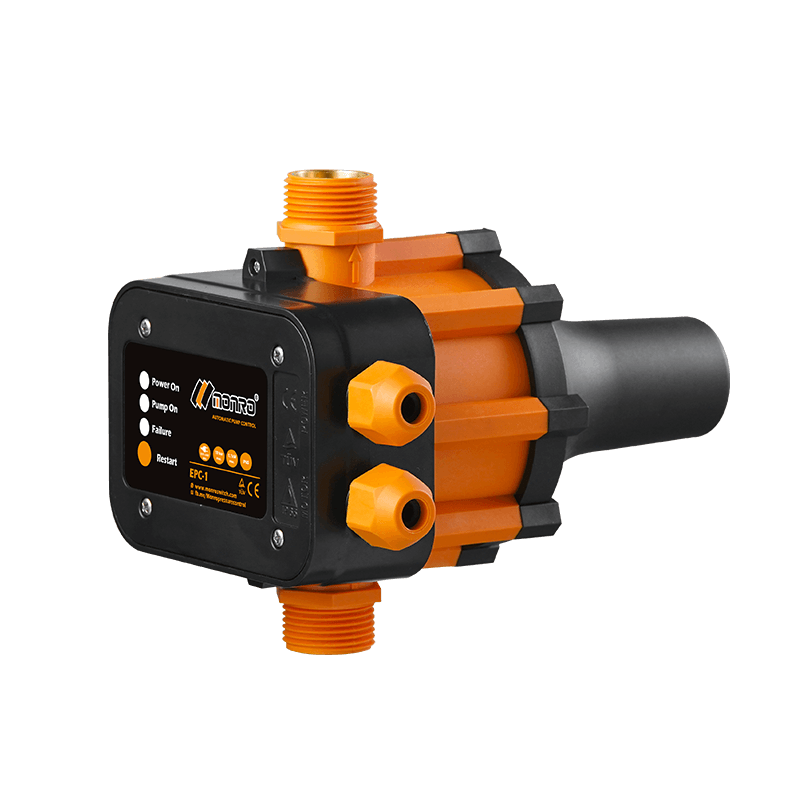 EPC-1
EPC-1Monro EPC-1 model pump controller is the classic and basic type, was loved by user in the global mar...
-
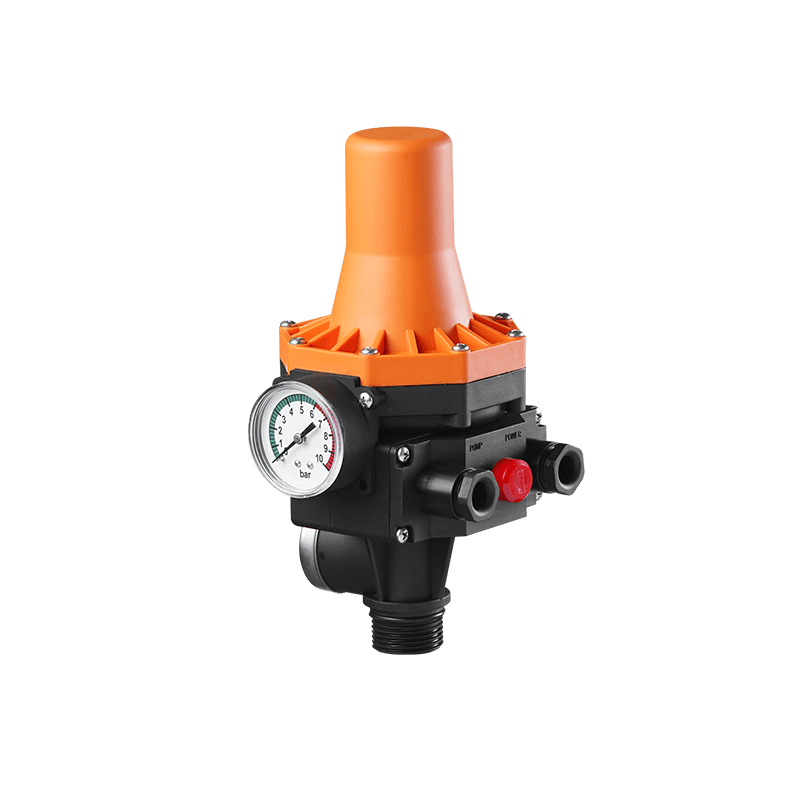 EPC-3
EPC-3Monro EPC-3 spain design auto on and off press control, an intelligent and economical system designe...
-
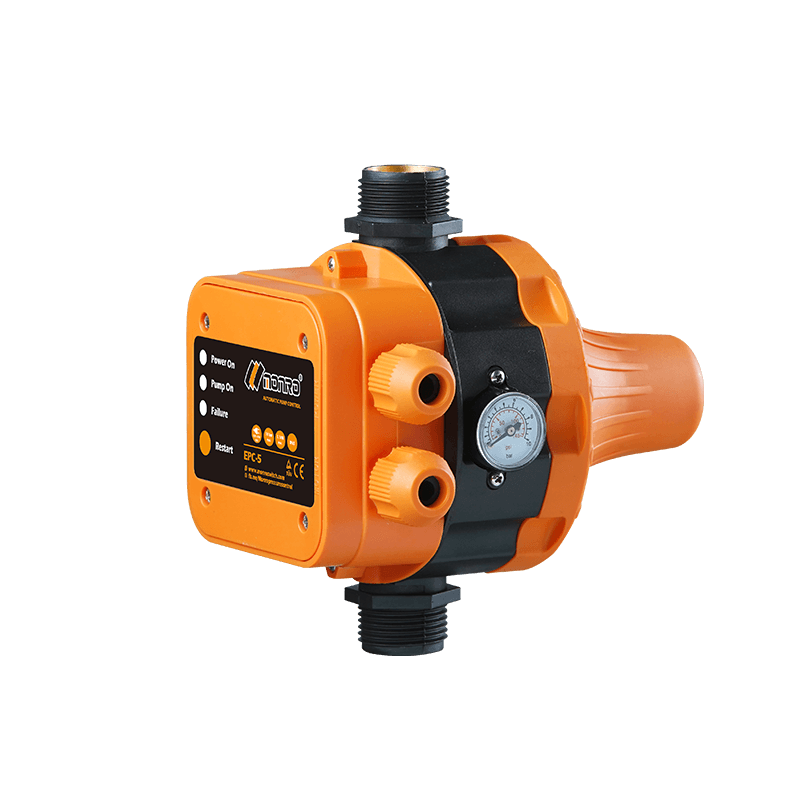 EPC-5
EPC-5Monro EPC-5 model automatic pump control, a device which assembled on the water pump (recommended si...
-
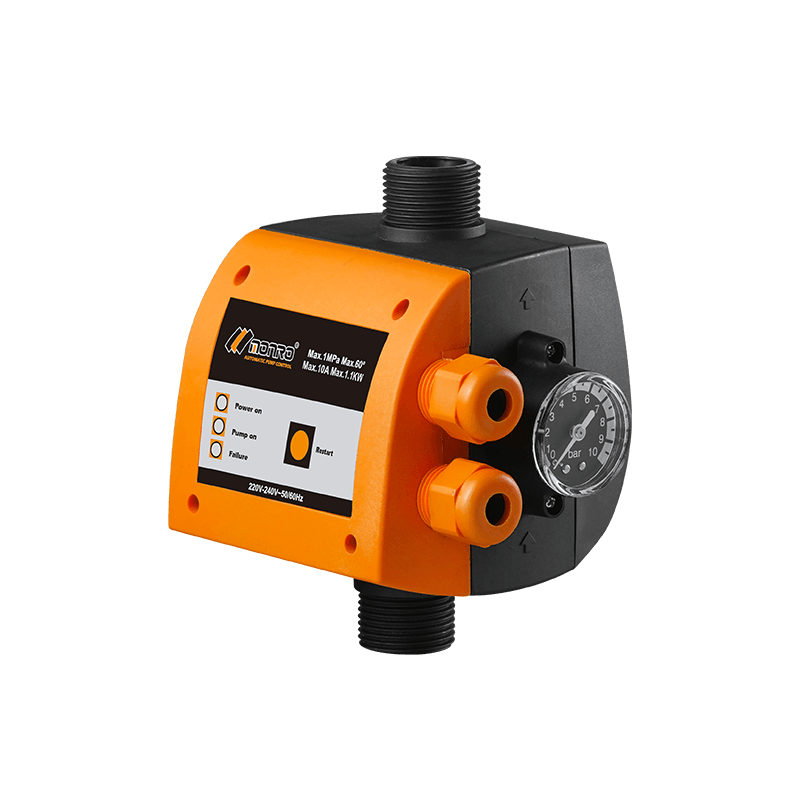 EPC-9
EPC-9Monro EPC-9 model pressure controller, is a big power device for automatic control and protection of...
-
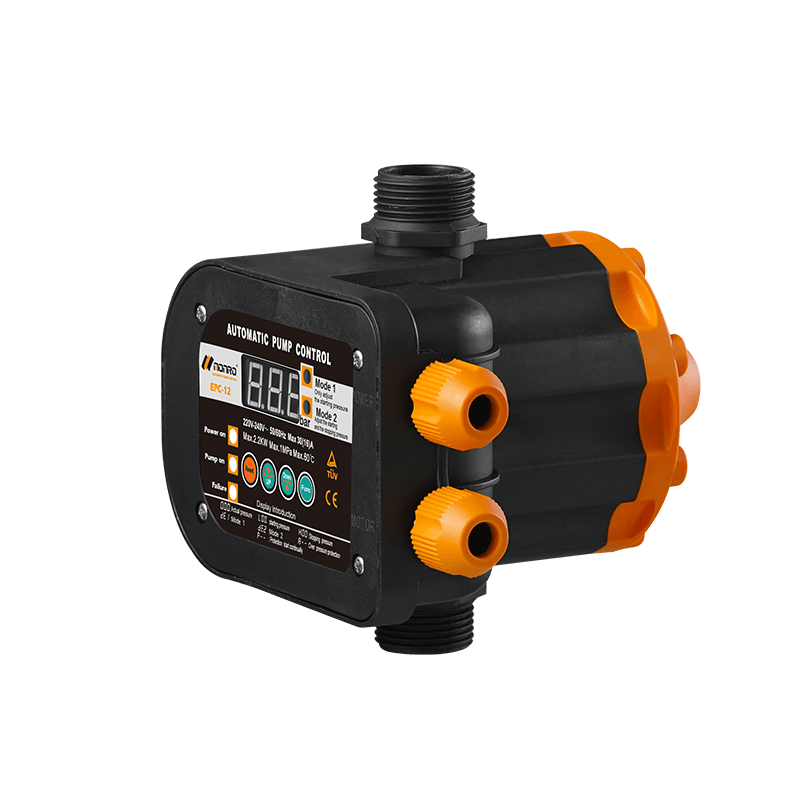 EPC-12
Monro EPC-12 smart top-level automatic pump control is a multi-function model combined with traditio...
-
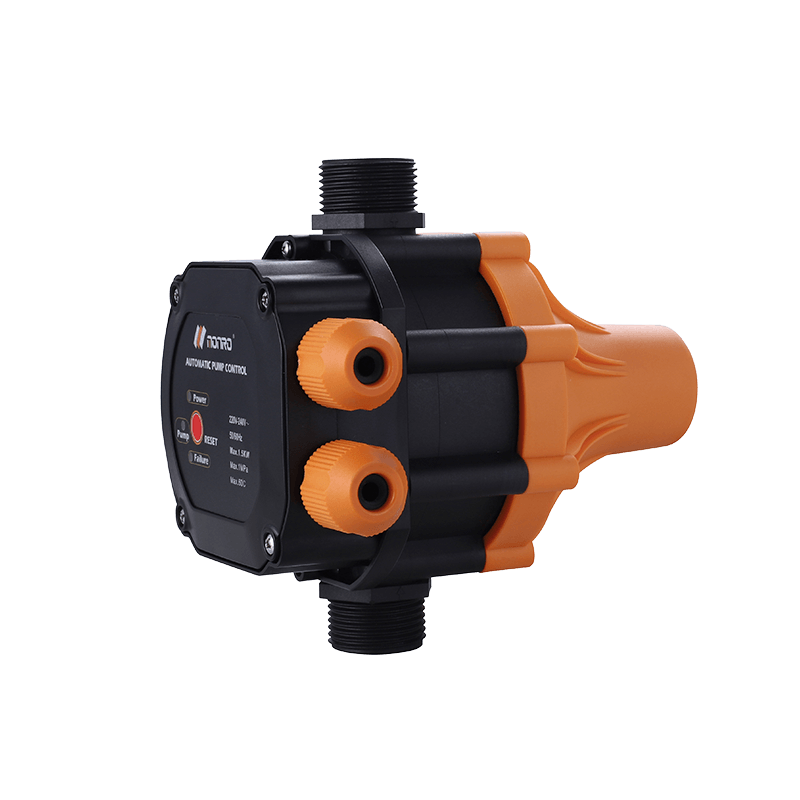 EPC-14
Monro EPC-14 model pressure control is a big power device for automatic control and protection of el...
-
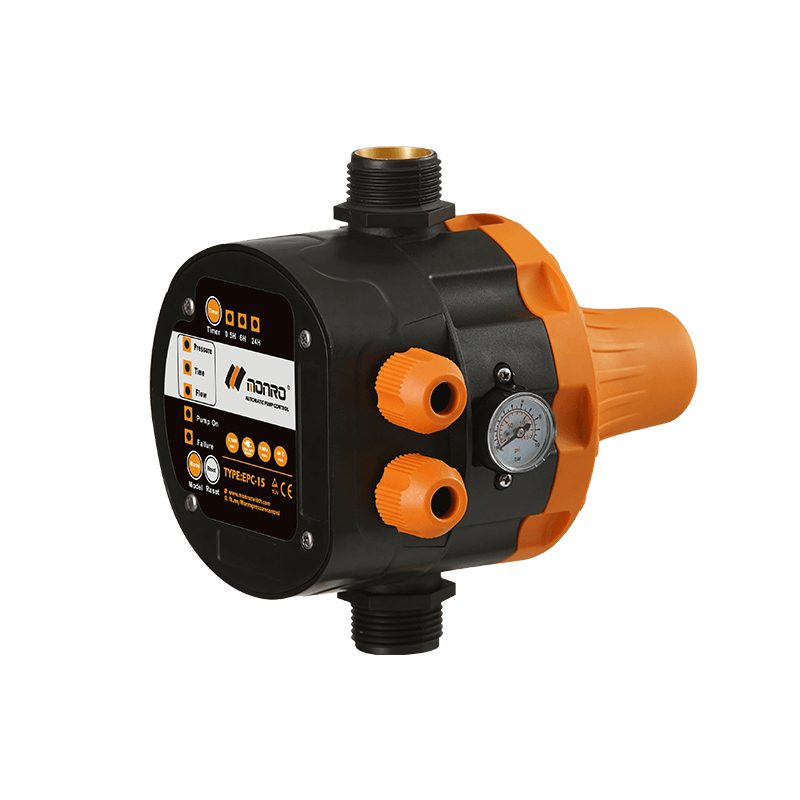 EPC-15
Monro EPC-15 model automatic pump control, a device which assembled on the water pump (recommended s...
-
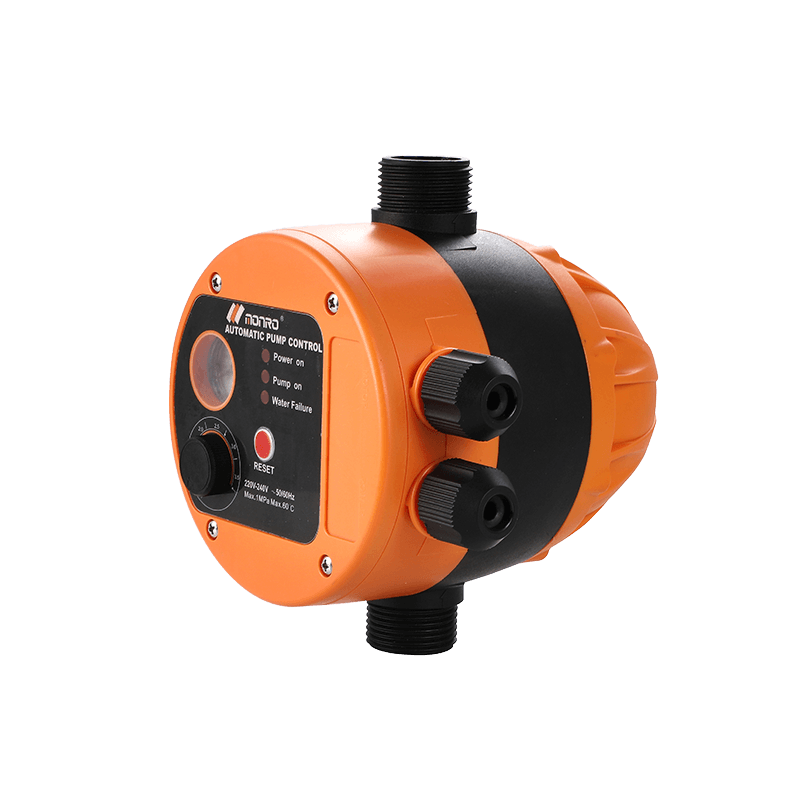 EPC-16
EPC-16 is the new patent pump controller by Monro. Its key highlight is tooless (manual knob) start...
contact us
find our office
find our office
Committed to providing professional pressure control solutions for various types of water pumps and air compressors.
Mobile
 Wechat
Copyright © 2024 Zhejiang Monro M&E Co., Ltd. All Rights Reserved.
Wholesale Pressure Control Switch Manufacturer
