

 简体中文
简体中文 English
 Español
Don't hesitate to send a message
Search
Recent Post
Newsletter
What Quality Standards are Followed in a Pressure Switch Factory
In a pressure switch factory, quality is not something that only appears at the end of production. It tends to run through the whole process quietly, from the material check to the final packing stage.
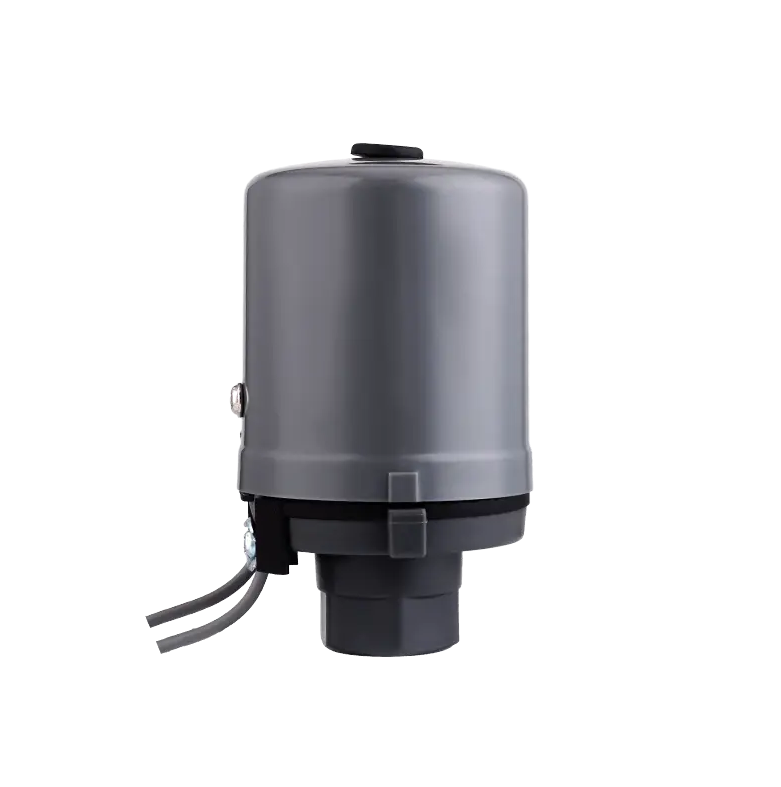
Most of the time, it is not discussed in a very formal way on the floor. People talk more about whether something feels stable, whether it behaves consistently, and whether it stays the same across batches. That kind of language often reflects how quality is actually judged in practice.
How Do Pressure Switch Factory Define Quality Requirements?
Quality requirements usually start with how the product is expected to behave in real use.
It is less about strict definitions and more about stable performance. A pressure switch is expected to respond in a consistent way, not differently each time it is used.
So instead of focusing on a single result, factories tend to observe patterns. Does it behave the same after repeated use. Does it stay steady when conditions change slightly. These small questions guide of the quality thinking.
In many cases, experience inside the factory plays a big role in setting these expectations.
What Role Does Incoming Material Control Play?
Everything starts with materials. Even small variations in material quality can affect the final product.
Pressure switch factories usually inspect incoming materials before they enter production. This stage is less about complex testing and more about consistency checks. The aim is to avoid variation before it enters the process.
Materials used in internal components, sealing parts, and housing structures all need to behave consistently under pressure conditions. If one batch differs too much from another, the final performance can shift slightly, even if production steps remain unchanged.
A simple internal comparison is often used:
| Material Stage | What Is Observed |
|---|---|
| Incoming check | Basic consistency and condition |
| Pre-production | Suitability for assembly |
| During use simulation | Stability under repeated action |
This early control helps reduce variation later in the process.
How Is Production Consistency Maintained During Assembly?
Assembly is the point where everything comes together, and small differences start to matter more.
At this stage, parts need to fit smoothly and behave in a predictable way once combined. If something feels slightly off, it is usually noticed during handling rather than measurement.
There is a lot of attention on repeatability. Not just whether one unit works, but whether every unit feels similar when assembled.
Even when parts are correct on paper, small shifts during assembly can change the final behavior. That is why technicians often rely on hands-on checking instead of only fixed indicators.
What Kind Of In-Process Checks Are Common?
Instead of waiting until the end, many factories include multiple checks during production.
These checks are usually simple but frequent. They may include:
- Fit and alignment confirmation
- Basic response movement observation
- Structural stability check after assembly
- Visual inspection for irregularities
The goal is not to slow down production, but to detect variation early.
In many cases, issues found at this stage are easier to adjust than problems discovered after full completion. This makes in-process control an important part of overall quality behavior.
How Is Functional Stability Evaluated?
Functional stability doesn't rely on how well a product works just once. It's judged by how steadily it performs through regular, long‑term use.
Manufacturers run products through repeated working cycles and watch for steady, predictable performance. The main focus is long‑term consistency, not just a single good test run.
If performance starts to shift even a little after lots of use, it usually means internal parts are out of balance and need fine‑tuning.
These assessments are done gently and steadily, with regular repeated checks rather than harsh one‑off stress tests.
What Role Does Environmental Control Play In Production?
Most people overlook factory environment factors, but they quietly shape how products turn out batch after batch.
Temperature and humidity change how materials settle and how they fit together during assembly. These small shifts add up over many production runs.
That's why factories keep working conditions steady instead of letting them fluctuate. Stable surroundings make every other production step easier to control.
When the working environment stays consistent, products turn out more reliably, with less need for last‑minute corrections.
How Is Final Inspection Usually Handled?
Final inspection isn't meant to catch major new problems. It's more of a final check‑up after earlier quality steps.
By this stage, the product has already passed several rounds of checks. The last review simply confirms nothing has shifted out of spec.
Inspectors don't dig into every tiny detail. They focus on overall function and general stability.
If any small issue pops up here, it usually points back to earlier assembly steps instead of being a one‑time random fault.
What Does Packaging Quality Control Involve?
Packaging is the final production step, but it directly keeps products safe during shipping and handling.
Poor securing lets items shift and jostle during transport, which can damage fine structures or throw alignment off slightly.
So packaging isn't just about looking neat. It locks in the product's finished condition after production ends.
For some factories, this stage is all about keeping the product unchanged until it leaves the factory floor.
How Do Factories Maintain Long-Term Quality Consistency?
Steady long‑term quality doesn't come from big overhauls. It builds up from small ongoing improvements over time.
Factories tweak tiny parts of their workflow based on real‑world experience, making slow, gradual adjustments.
Keeping raw materials, assembly routines and factory conditions consistent helps finished products stay uniform batch after batch.
It's an ongoing balancing act, not a rigid set‑it‑and‑forget‑it system.
Why Do Quality Standards Matter More Than Specifications Alone?
Written specifications only state what a product should do on paper. Real‑world performance under regular use is far more important.
Two items can hit every listed spec yet still feel different during daily use, caused by small hidden production variations.
Quality standards close this gap. They standardize every production step so real‑world performance matches expectations, not just written rules.
OUR PRODUCTS
Recommended Products
-
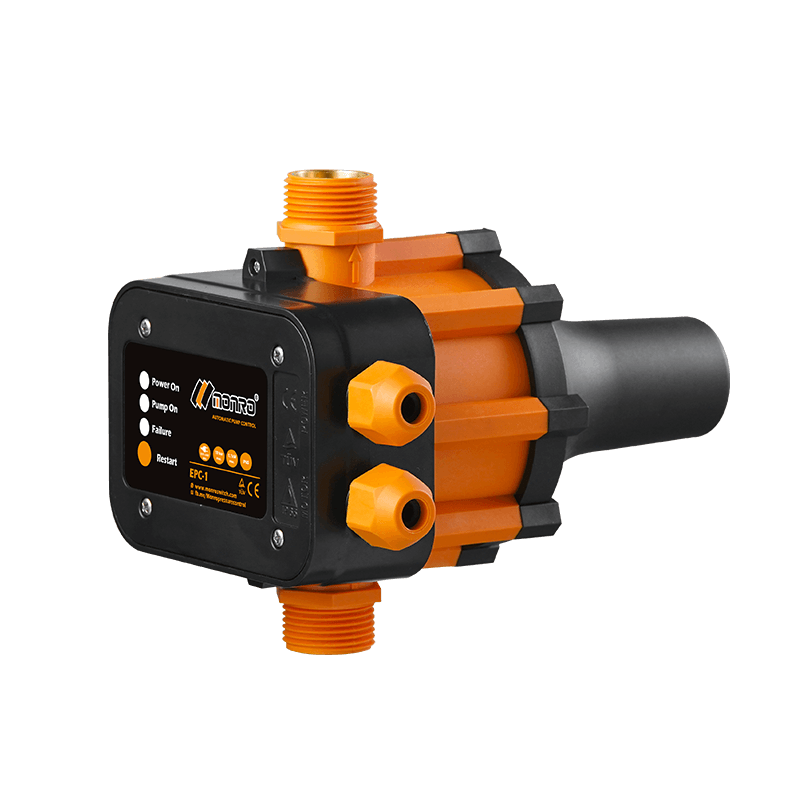 EPC-1
EPC-1Monro EPC-1 model pump controller is the classic and basic type, was loved by user in the global mar...
-
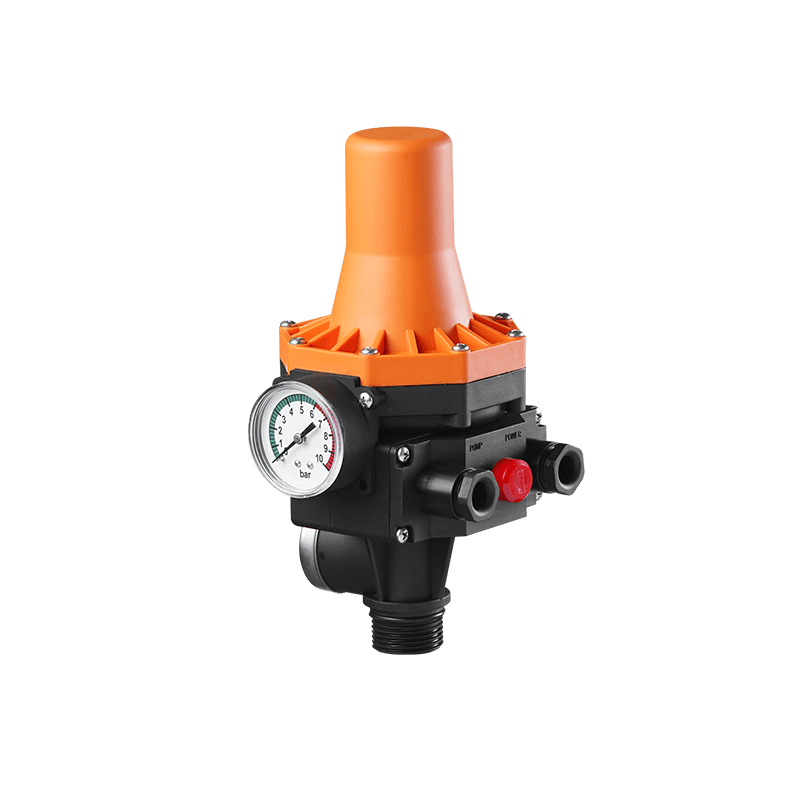 EPC-3
EPC-3Monro EPC-3 spain design auto on and off press control, an intelligent and economical system designe...
-
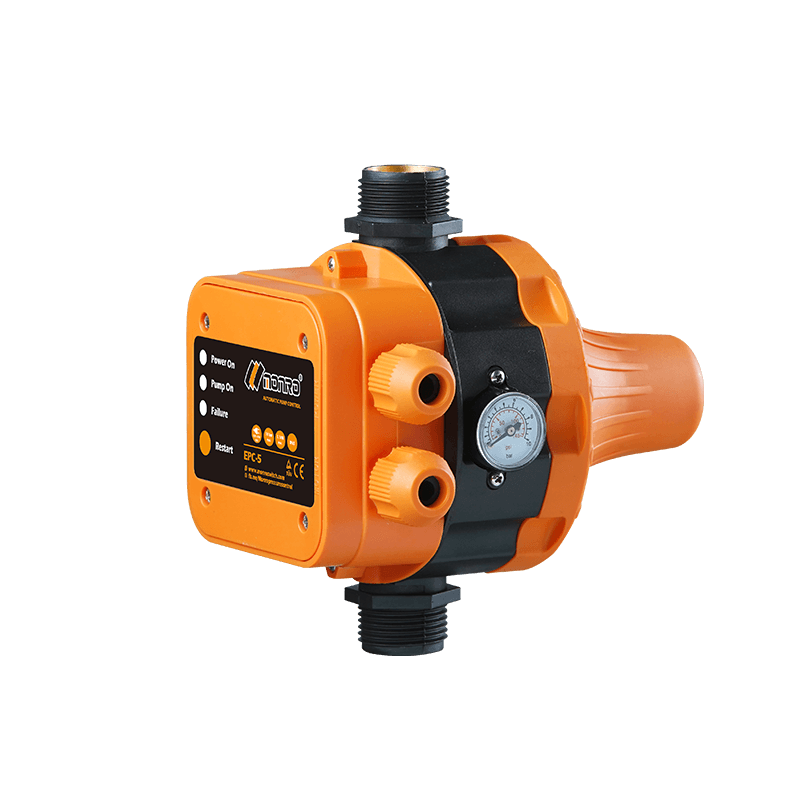 EPC-5
EPC-5Monro EPC-5 model automatic pump control, a device which assembled on the water pump (recommended si...
-
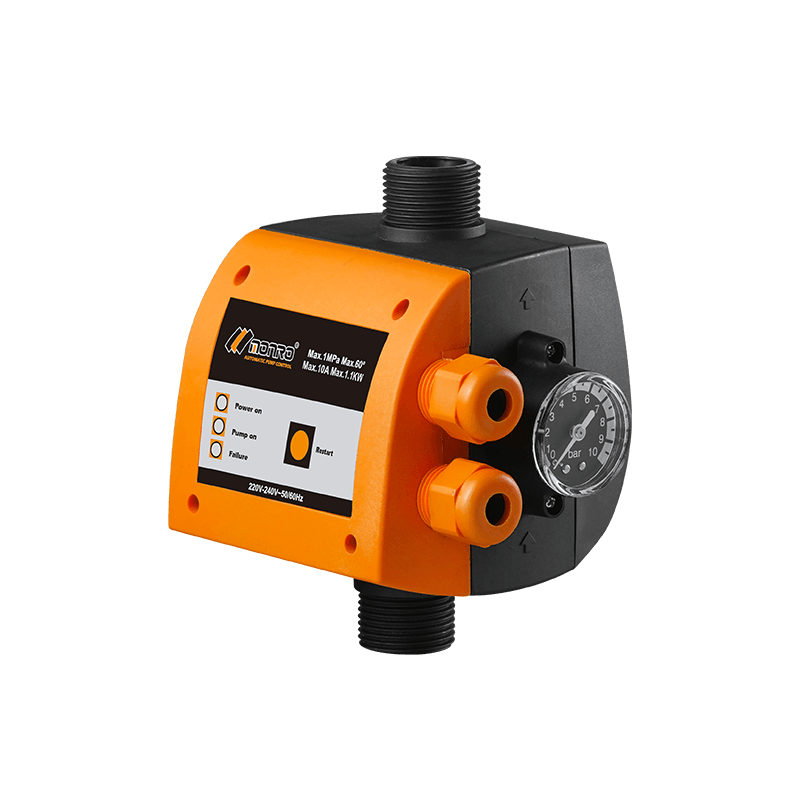 EPC-9
EPC-9Monro EPC-9 model pressure controller, is a big power device for automatic control and protection of...
-
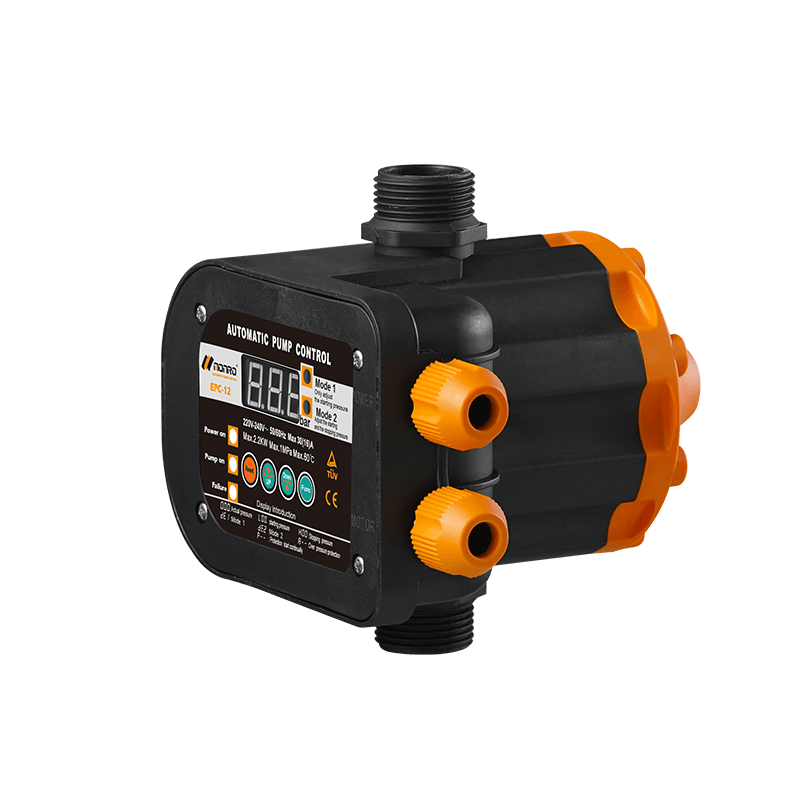 EPC-12
Monro EPC-12 smart top-level automatic pump control is a multi-function model combined with traditio...
-
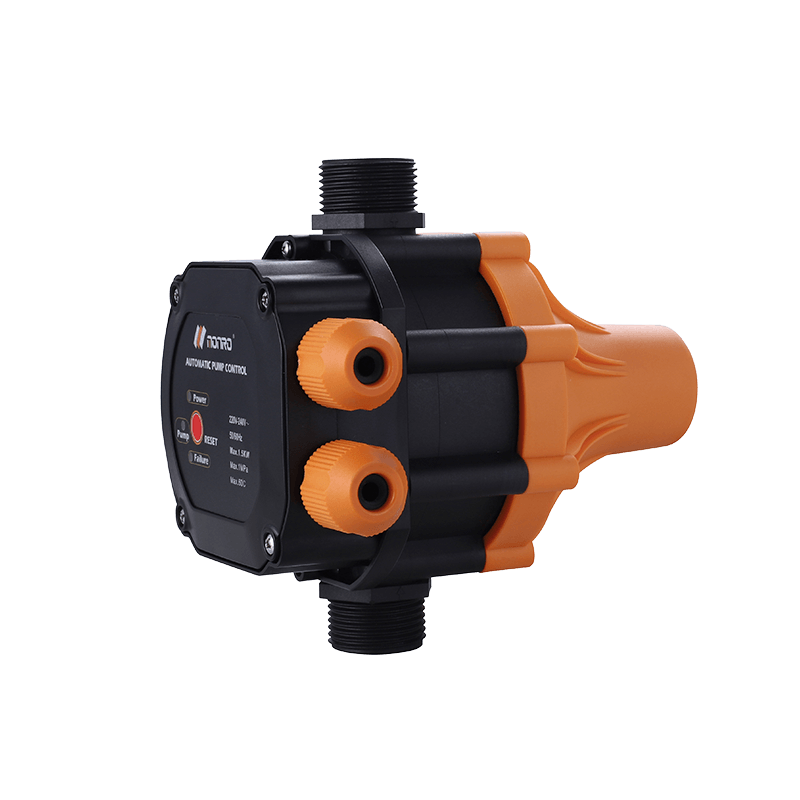 EPC-14
Monro EPC-14 model pressure control is a big power device for automatic control and protection of el...
-
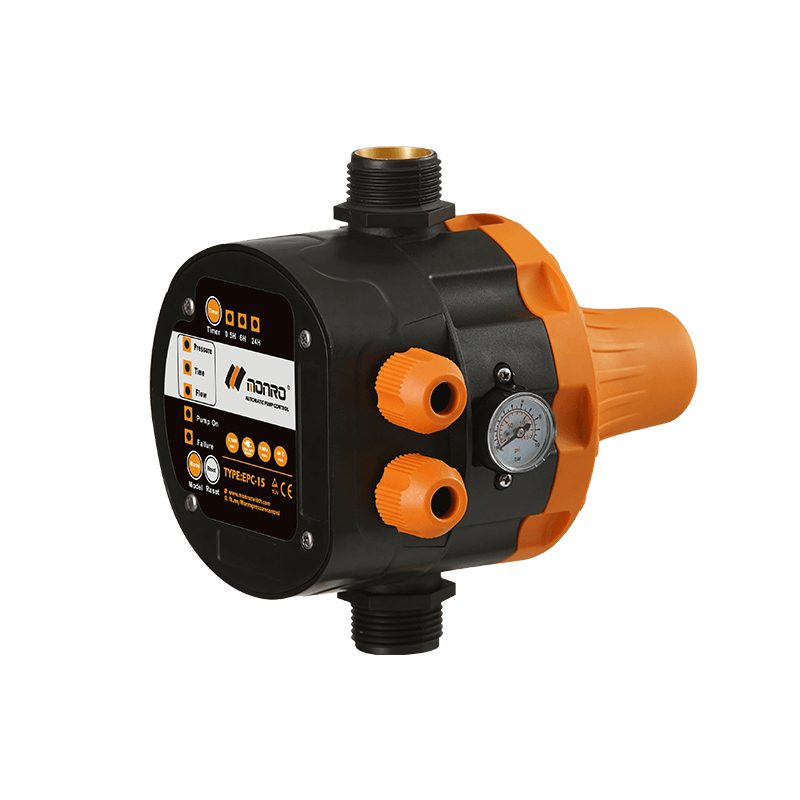 EPC-15
Monro EPC-15 model automatic pump control, a device which assembled on the water pump (recommended s...
-
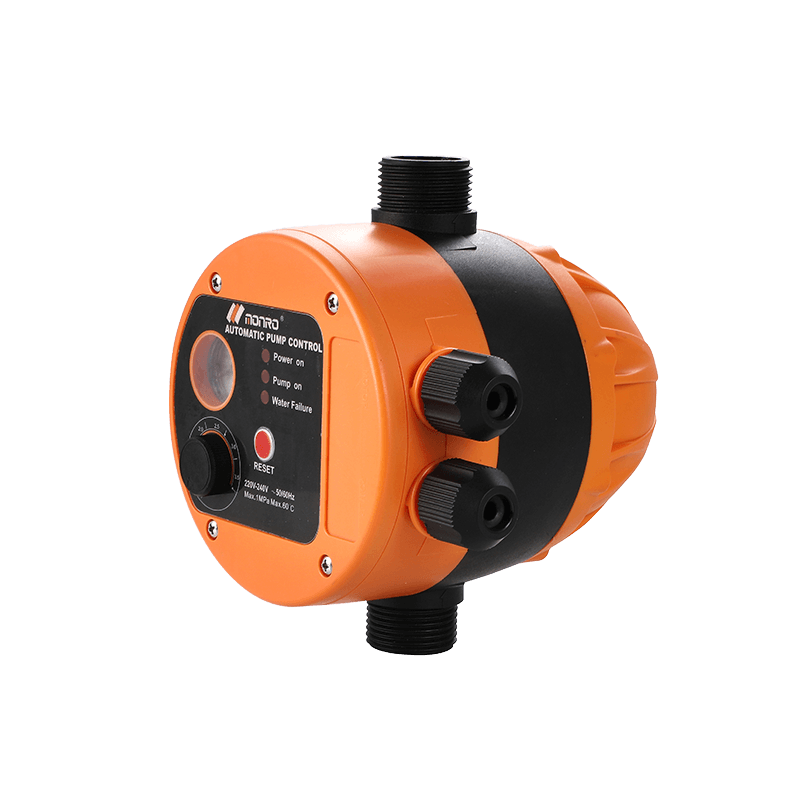 EPC-16
EPC-16 is the new patent pump controller by Monro. Its key highlight is tooless (manual knob) start...
contact us
find our office
find our office
Committed to providing professional pressure control solutions for various types of water pumps and air compressors.
Mobile
 Wechat
Copyright © 2024 Zhejiang Monro M&E Co., Ltd. All Rights Reserved.
Wholesale Pressure Control Switch Manufacturer
