

 简体中文
简体中文 English
 Español
Don't hesitate to send a message
Search
Recent Post
Newsletter
Where Are Unique Automatic Water Pump Controller Commonly Used
Water touches everything — from the tap in your kitchen to the pipelines running a factory floor. And in between, pumps are doing the heavy lifting, moving water where it needs to go. As more people look for easier ways to run these systems, automatic pump controllers are showing up in more places than ever.
A Unique Automatic Water Pump Controller might look like a minor component, but it changes how a whole system behaves. Instead of someone manually flipping switches every time conditions change, the system just responds on its own — water flows when it's needed, stops when it's not.
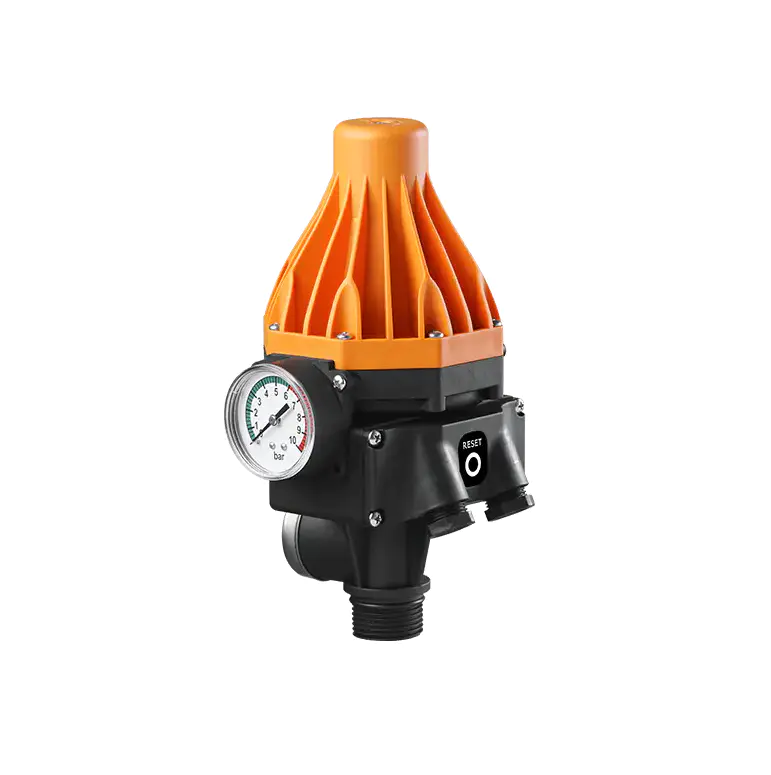
Who's using these? Pretty much everyone. Homeowners want convenience. Farmers need reliability across acres of land. Facility managers are juggling multiple systems at once. Industrial users need precision at scale. The reasons differ, but they're all chasing the same thing — water management that runs itself instead of demanding constant attention.
What Places Commonly Use Automatic Water Pump Controllers?
Automatic water pump controllers can be found in many environments where water supply needs regular attention. Their applications are not limited to one industry because water systems exist in almost every type of working and living space.
Common application areas include:
- Residential properties
- Agricultural fields
- Commercial buildings
- Industrial workshops
- Public facilities
- Water supply projects
A family may use a controller to support daily water use. A farm may rely on it to manage irrigation activities. A factory may connect it with a larger water system.
These different situations show why automatic pump control products need to adapt to various environments. The requirements of each user group can be different, but the purpose remains similar: creating a more convenient way to manage water flow.
How Are Automatic Water Pump Controllers Used in Residential Areas?
Residential water systems are one of the familiar application scenes. Modern homes often include multiple water-related facilities, and users usually want these systems to operate smoothly without frequent manual attention.
In homes, automatic pump control equipment may support:
- Household water supply
- Garden irrigation
- Private water storage systems
- Small property water management
For many homeowners, convenience is an important reason for choosing automatic solutions. Daily activities such as washing, cleaning, and gardening require a stable water supply. A system that can respond automatically makes these tasks easier to manage.
Residential users also pay attention to simple operation. Most people do not want complicated maintenance routines. They prefer solutions that fit naturally into everyday life.
As homes become more focused on comfortable living environments, water management products are receiving more attention. Automatic controllers are becoming part of this broader trend.
Why Do Farms and Agricultural Businesses Use These Control Solutions?
Farming runs on water — get the timing wrong, and crops, greenhouses, whole operations feel it. Water demand isn't steady throughout the day; weather shifts, crops need different amounts at different growth stages, and schedules change constantly.
Farmers rely on automatic water control for:
- Irrigation management
- Water transportation
- Greenhouse watering
- Farm supply systems
Manually checking water levels all day isn't practical, especially across large fields. Automatic systems take that burden off someone's plate entirely.
But it's not just about saving labor. It's about bringing order to something that's naturally unpredictable — so the whole operation runs smoother, day after day.
Can Commercial Buildings Benefit From Automatic Pump Control Systems?
A hotel isn't a house — water demand spikes and drops constantly across hundreds of rooms, kitchens, and shared spaces at once. Offices, shopping centers, and service facilities face the same challenge: keep water flowing reliably for everyone, all the time.
Common commercial uses include:
- Building water supply
- Landscape maintenance
- Cleaning systems
- Facility management
For property managers, the stakes are high. One water outage doesn't just inconvenience a family — it disrupts employees, frustrates customers, and dents service quality across the board.
Automatic pump control takes that pressure off. Instead of staff constantly checking systems manually, water management runs in the background — freeing up time for the maintenance work that actually needs hands-on attention.
As buildings grow bigger and more complex, that kind of structured, low-touch water management stops being a nice-to-have and starts being essential.
Where Can Industrial Users Apply Automatic Water Pump Controllers?
Industrial environments often have more complicated water requirements. Many production facilities need water for cleaning, processing, cooling, or equipment support.
Industrial applications may appear in:
- Manufacturing facilities
- Processing workshops
- Production support areas
- Equipment service systems
Unlike residential users, industrial companies often consider how water systems connect with overall production activities.
A factory may have different departments using water at different times. A well-managed system can help maintain a smoother workflow.
For industrial users, automatic pump control equipment becomes part of a wider operation plan. It is not only about moving water. It is about supporting a reliable working environment.
Different industries have different operating conditions, which is why users often look for solutions that match their own requirements.
How Do Public Facilities Use Automatic Water Management Equipment?
Parks, schools, community centers — these spaces run on water every single day, and they don't get to shut down for maintenance whenever they want. Water just needs to keep working, quietly, in the background.
Common uses include:
- Public irrigation areas
- Facility water supply
- Maintenance work
- Shared water systems
Unlike a single household, public facilities serve hundreds or thousands of people at once. Staff still need things to stay manageable, but the system has to keep up with constant, unpredictable public use.
That's where automatic control earns its place. Maintenance teams stop chasing repeated manual adjustments and instead let the system handle routine tasks on its own — which matters even more once you're talking about large, spread-out spaces.
It's part of a bigger shift, too. More public facilities are leaning toward equipment that just works without constant hands-on management — less about upgrading for the sake of it, more about making daily operations genuinely easier.
What Factors Influence Different Users When Choosing Water Pump Controllers?
Although many industries use similar products, their buying decisions are often different. A homeowner, a farmer, and an industrial manager may look at the same product from different perspectives.
| User Group | Application Area | Main Consideration |
|---|---|---|
| Homeowners | Daily Water Supply | Easy Operation |
| Farmers | Irrigation Systems | Flexible Management |
| Commercial Users | Building Facilities | Stable Water Support |
| Industrial Users | Production Areas | Reliable Workflow |
| Public Facilities | Shared Systems | Simple Maintenance |
The table shows that user needs are closely connected with their working environment.
A household user may care about convenience. A business may focus more on operation planning. A public facility may consider long-term maintenance.
Understanding these differences helps suppliers provide more suitable solutions.
Are Changing Water Management Trends Increasing Demand?
Water management is becoming more important in many industries. Users are not only looking at pumps anymore. They are paying more attention to how complete systems operate.
Several changes are influencing market demand:
- More attention to convenient operation
- Increased interest in automated systems
- Growing focus on resource management
- Higher expectations for easier maintenance
These changes are not limited to one field. They appear in homes, farms, businesses, and industrial environments.
People want systems that fit their daily routines. Businesses want solutions that support their operations. This creates opportunities for automatic water control products in different markets.
How Do User Environments Shape the Development of Automatic Pump Control Solutions?
Every application environment has different challenges. A home system and an industrial system cannot be managed in exactly the same way.
Manufacturers need to understand how users actually work with these products.
Important factors include:
- Where the equipment is installed
- How often the system operates
- What type of water supply is needed
- How users maintain the system
Real application experiences often influence product improvement. Feedback from homeowners, farmers, and businesses helps suppliers understand what users truly need.
This connection between product development and practical use allows automatic pump control solutions to become more suitable for different environments.
Who Continues to Use Automatic Water Pump Controllers?
The users of automatic water pump controllers come from many different areas. Residential owners use them for daily convenience. Farmers use them to support irrigation work. Commercial and industrial users apply them to organize water management processes.
The variety of applications shows that water control is no longer limited to one type of environment. As more users look for easier and more organized ways to manage water systems, automatic solutions continue to appear in more places.
OUR PRODUCTS
Recommended Products
-
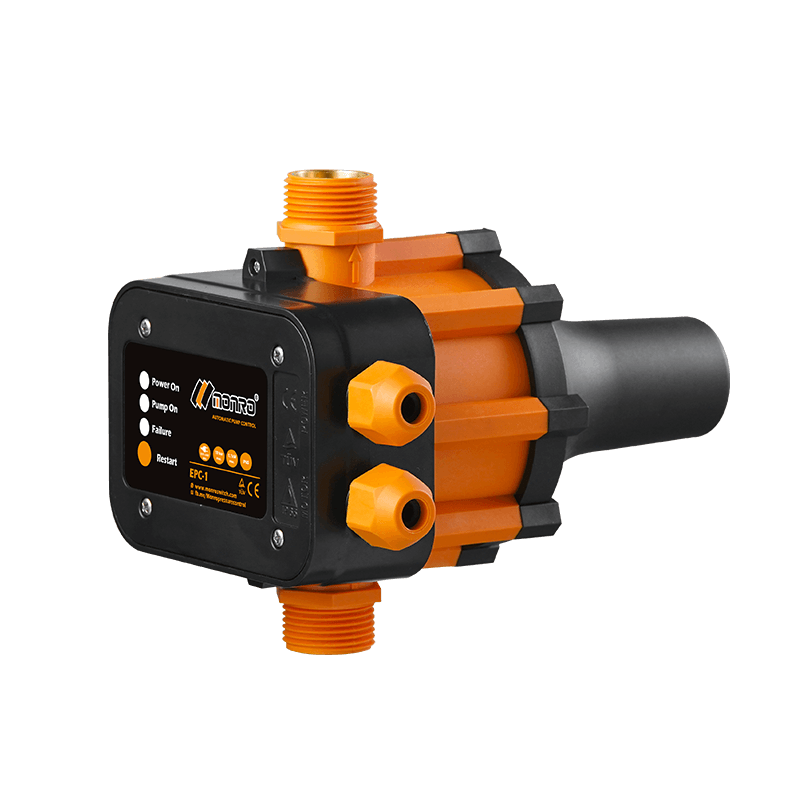 EPC-1
EPC-1Monro EPC-1 model pump controller is the classic and basic type, was loved by user in the global mar...
-
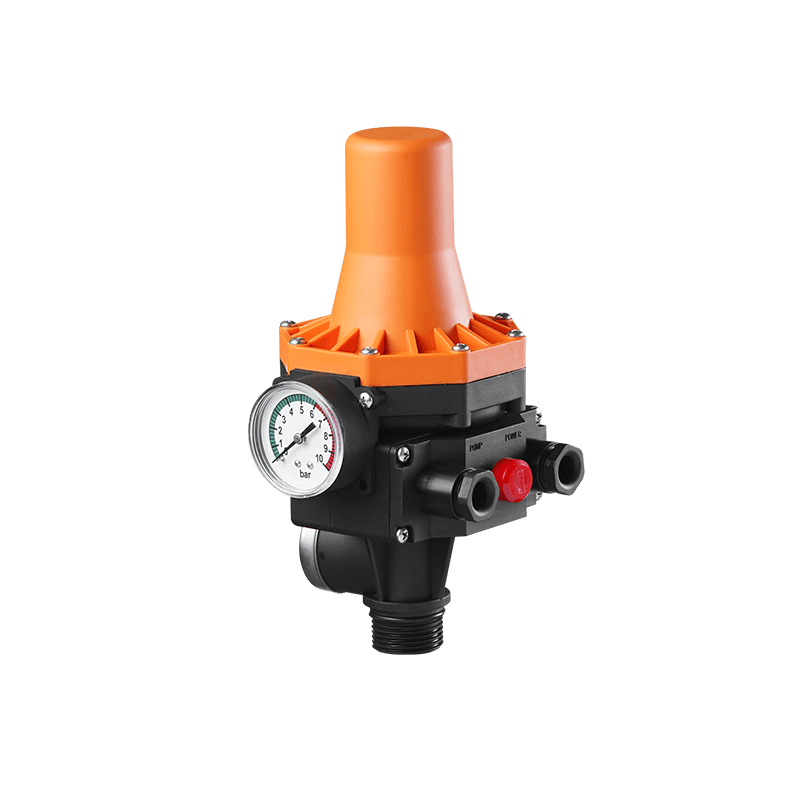 EPC-3
EPC-3Monro EPC-3 spain design auto on and off press control, an intelligent and economical system designe...
-
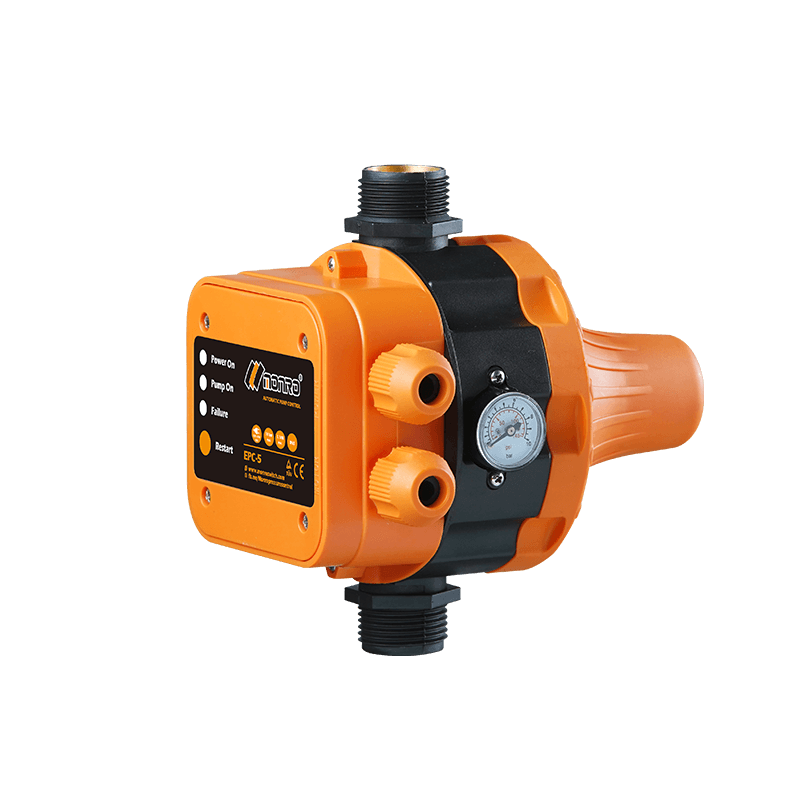 EPC-5
EPC-5Monro EPC-5 model automatic pump control, a device which assembled on the water pump (recommended si...
-
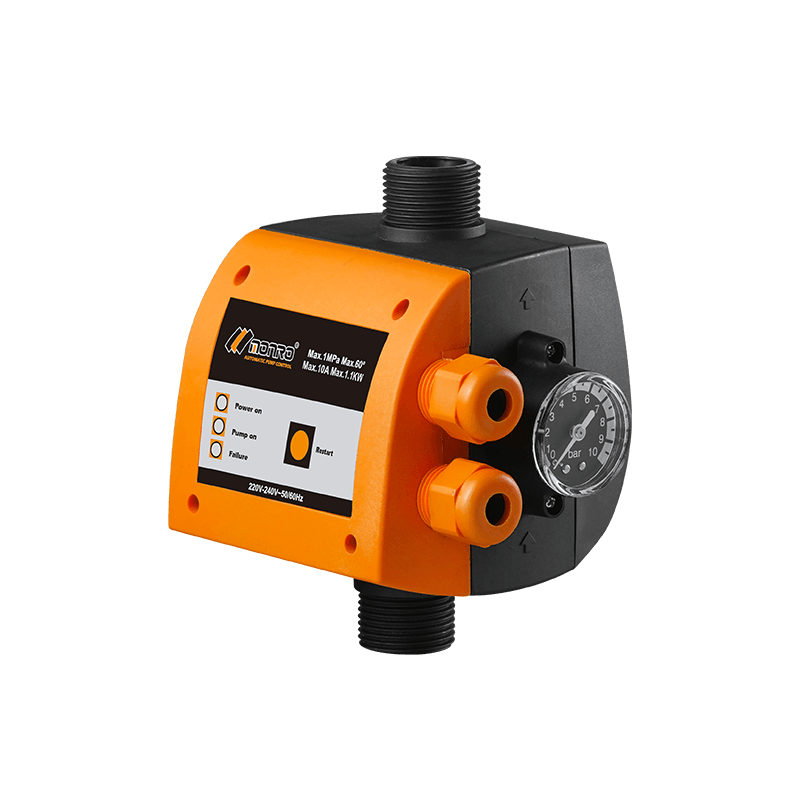 EPC-9
EPC-9Monro EPC-9 model pressure controller, is a big power device for automatic control and protection of...
-
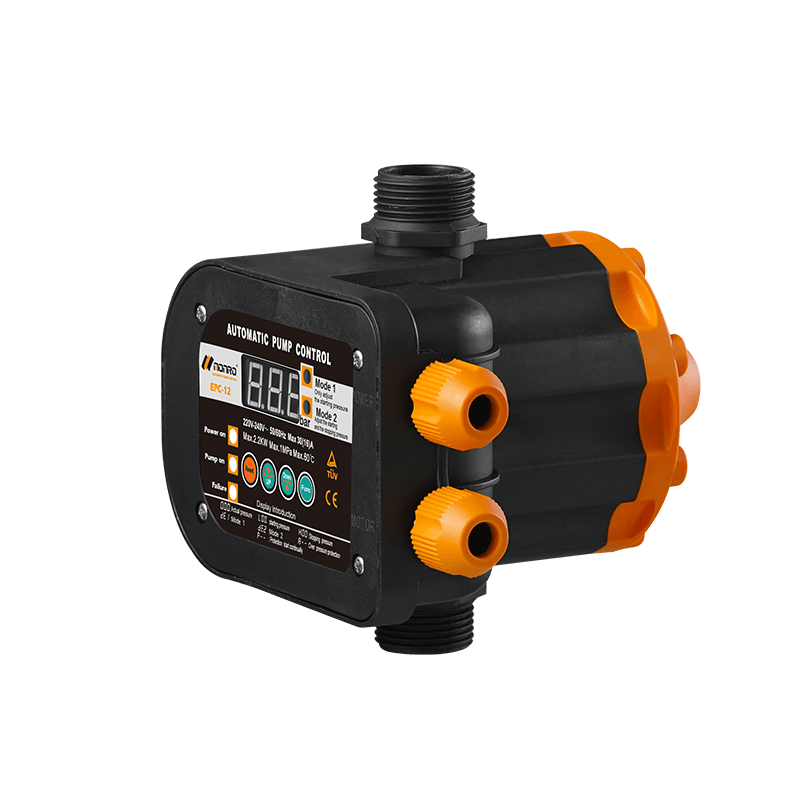 EPC-12
Monro EPC-12 smart top-level automatic pump control is a multi-function model combined with traditio...
-
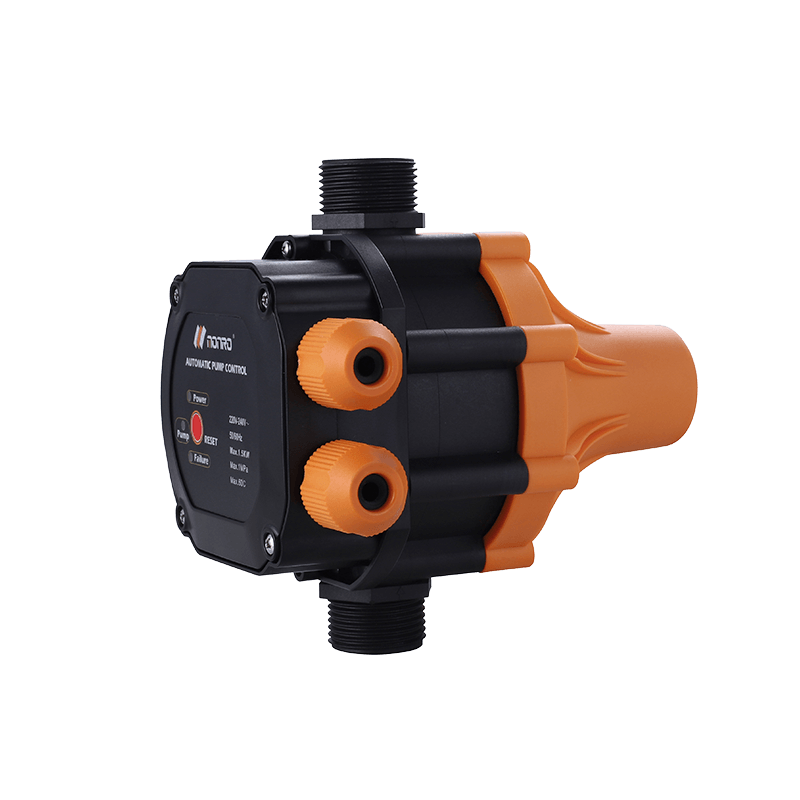 EPC-14
Monro EPC-14 model pressure control is a big power device for automatic control and protection of el...
-
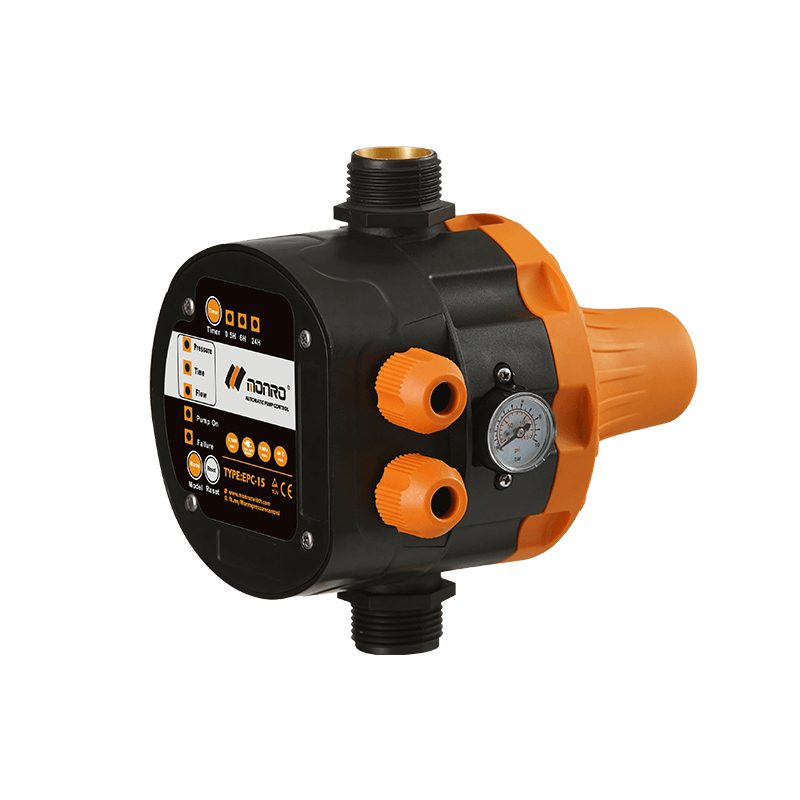 EPC-15
Monro EPC-15 model automatic pump control, a device which assembled on the water pump (recommended s...
-
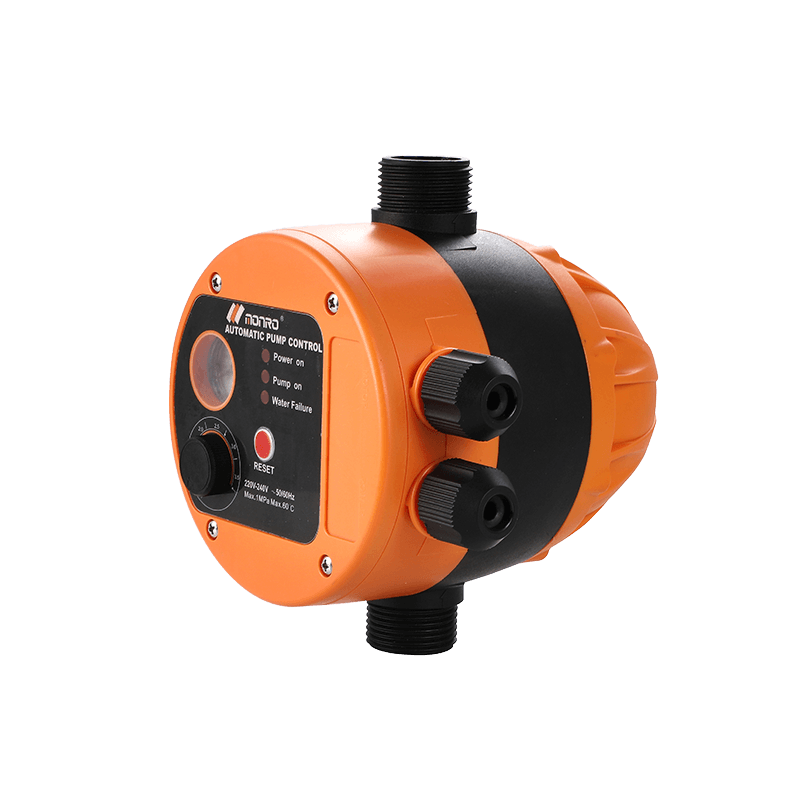 EPC-16
EPC-16 is the new patent pump controller by Monro. Its key highlight is tooless (manual knob) start...
contact us
find our office
find our office
Committed to providing professional pressure control solutions for various types of water pumps and air compressors.
Mobile
 Wechat
Copyright © 2024 Zhejiang Monro M&E Co., Ltd. All Rights Reserved.
Wholesale Pressure Control Switch Manufacturer
