

 简体中文
简体中文 English
 Español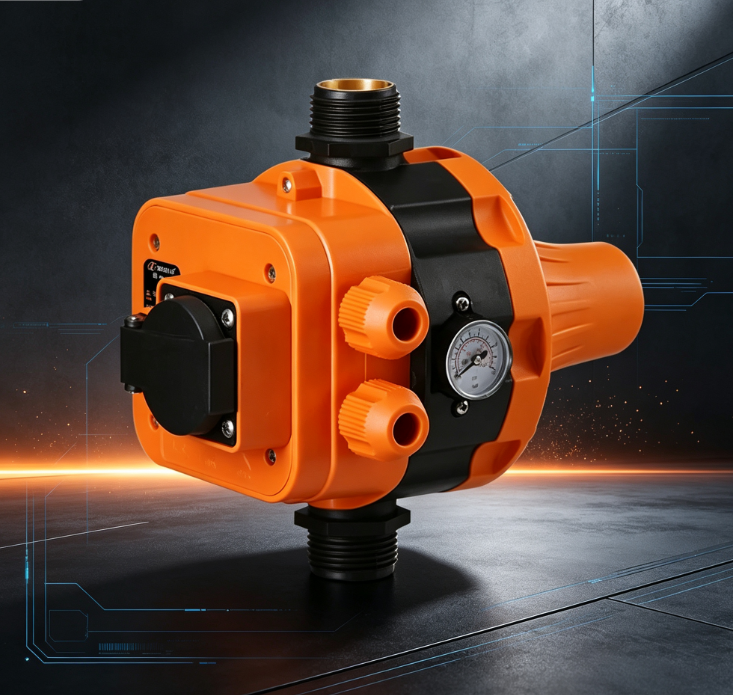
Don't hesitate to send a message
Search
Recent Post
Newsletter
Can Automatic Water Pump Machine Help Reduce Manual Water Control
Water supply systems are part of many daily activities. Homes need water for basic living. Farms depend on water for growing plants. Commercial buildings require stable supply for different services. Industrial facilities also rely on water management during regular operations.
For many years, controlling water pumps often required people to check equipment and make adjustments by hand. This method can work in simple situations, but it may become less convenient when water demand changes frequently.
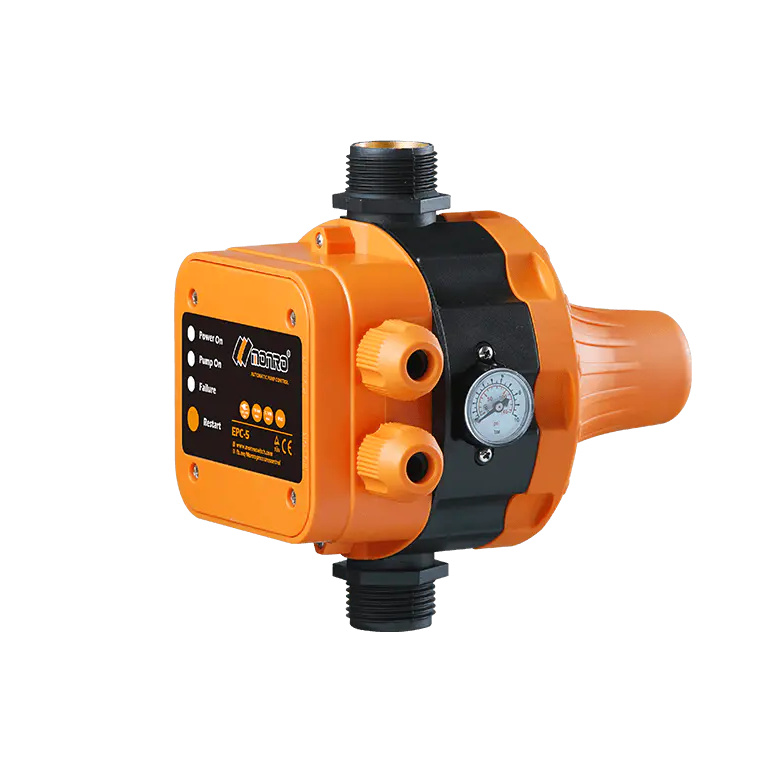
Automatic water pump machine is attracting attention because they offer another way to manage water movement. Instead of depending on constant manual operation, these systems can help users handle routine tasks with less effort.
The development of automatic control does not mean people are removed from the process. Human supervision is still needed. However, daily operation can become easier when equipment takes care of repeated adjustments.
This change can be seen in many areas, from private homes to large working environments. Different users may have different reasons for choosing automatic water control, but they often share the same goal of making water management simpler.
Why Are Users Looking for Easier Water Control Methods?
Running a water pump the old-fashioned way means someone's always on the hook — checking if there's water, flipping the switch on, remembering to turn it off once the tank's full.
For a homeowner watering the garden or filling a tank once in a while, that's no big deal. Takes a minute, done.
Scale that up to a farm, a commercial property, or an industrial site, though, and the math changes fast. Water needs come around constantly, and manual checks start eating into the actual workday.
That's the gap automatic pump equipment fills. It cuts out the repeated back-and-forth, so people can focus on work that actually needs their attention.
And this isn't a niche demand — it's showing up everywhere, because the need is the same everywhere: water systems that just fit into daily life instead of interrupting it.
How Do Automatic Water Pump Machines Reduce Manual Work?
At its core, automation just takes convenience further. Instead of someone managing every single step, the pump handles the routine parts on its own.
Manual control usually means:
- Checking water conditions regularly
- Starting and stopping pumps
- Adjusting based on demand
- Monitoring daily usage
None of that sounds hard on its own — but multiply it by every day, week after week, and it adds up fast.
Automatic pumps take that repetition off someone's plate. The equipment reads the situation and reacts, without a person standing there watching it.
For a business, that means less wasted labor. For a household, it just means less to think about.
And really, the bigger win isn't the time saved — it's how much smoother the whole relationship between people and their water system becomes.
Where Can Automatic Water Pump Machines Be Used?
Automatic water control equipment can be found in many application areas. Its flexibility allows different industries and users to apply it according to their own needs.
| Application Area | Common Usage |
|---|---|
| Residential Properties | Household Water Supply and Garden Watering |
| Agricultural Areas | Irrigation and Farm Water Management |
| Commercial Buildings | Facility Water Systems |
| Industrial Facilities | Production and Service Water Support |
| Public Spaces | Shared Water Supply and Maintenance |
Residential users usually focus on convenience. They want systems that support daily activities without complicated operation.
Farmers may pay more attention to managing irrigation schedules. Water needs can change depending on crops and environmental conditions.
Commercial and industrial users often consider how water systems connect with overall management. A more organized process can help maintenance teams handle their work more effectively.
Because the application environments are different, users often look for equipment that matches their specific situation.
Can Automatic Pump Equipment Support Agricultural Water Management?
Agriculture is one area where water control has a direct connection with daily work. Farmers need suitable water supply methods to support crops, gardens, and other growing areas.
In many agricultural environments, workers may need to manage:
- Irrigation activities
- Water storage
- Greenhouse watering
- Farm supply systems
Manual operation can become difficult when the working area is large or when water requirements change frequently.
Automatic water pump machines can help farmers reduce repeated adjustments. They provide a more convenient way to organize water delivery.
For agricultural users, the benefit is not simply reducing physical work. Better water management can also make daily planning easier.
A farmer can focus on other tasks while the water system handles routine operation. This creates a different working experience compared with fully manual control.
How Do Businesses Benefit From Automated Water Systems?
Commercial and industrial users often have more complex requirements than residential users. A building may serve many people every day. A factory may need water support for different activities.
In these environments, water management is connected with normal operation.
Businesses may use automatic pump solutions for:
- Facility maintenance
- Water supply management
- Production support
- Cleaning systems
A manual system may require employees to spend time checking equipment. While these tasks are necessary, they may not always be the efficient use of working hours.
Automation helps move these repeated tasks into a more organized process.
For facility managers, this means they can focus on planning and maintenance instead of handling every small adjustment.
The growing interest from businesses shows that water control is becoming part of wider facility management strategies.
What Should Buyers Consider Before Choosing Automatic Water Pump Machines?
Although automatic systems can reduce manual operation, users still need to consider their actual requirements before making a choice.
Different environments have different expectations.
| User Type | Main Concern |
|---|---|
| Homeowners | Simple Daily Operation |
| Farmers | Flexible Water Management |
| Commercial Users | Stable Facility Support |
| Industrial Users | Organized Workflow |
| Public Facilities | Easy Maintenance |
A homeowner may prefer a simple solution that fits everyday use. A business may consider how equipment connects with existing systems.
The right choice depends on where the equipment will be used and what tasks it needs to support.
Buyers should consider the working environment, maintenance habits, and future needs rather than focusing only on the equipment itself.
Are Automatic Water Pump Machines Changing Modern Water Management?
Water management is moving toward more convenient methods. Users are paying more attention to how systems operate, not only whether they can provide water.
Several factors are influencing this change:
- Greater interest in automated operation
- More attention to convenient maintenance
- Growing need for organized management
- Different requirements from various industries
These changes are visible in both personal and professional environments.
A homeowner may want fewer daily tasks. A business may want smoother facility operation. An agricultural user may want easier irrigation management.
Although the reasons are different, the direction is similar. Users want water systems that require less repeated attention.
Automatic water pump machines fit into this changing approach by providing another option for managing water supply.
Can Automatic Water Control Completely Replace Manual Management?
Not entirely. Automation handles the repetitive stuff, but people don't disappear from the picture — someone still needs to inspect equipment, handle maintenance, and step in when something goes wrong.
What's changed is the job itself. Instead of standing there flipping switches all day, users shift toward overseeing the system and thinking ahead — planning rather than operating.
It's less about machines replacing people and more about splitting the work sensibly. Pumps handle the routine, people handle judgment calls. That balance is really the whole point.
Who Can Benefit From Automatic Water Pump Machines?
Pretty much anyone dealing with water on a regular basis.
Homeowners get a water supply that just works without babysitting it. Farmers can manage irrigation without walking the fields every few hours. Commercial properties keep operations running smoothly across large spaces. Industrial users get the structured, reliable water management their environments actually need.
Different groups, different reasons — but they're all part of the same shift. As more people look for practical ways to cut down on manual work, automatic pump control keeps finding its way into more corners of everyday life and industry alike.
OUR PRODUCTS
Recommended Products
-
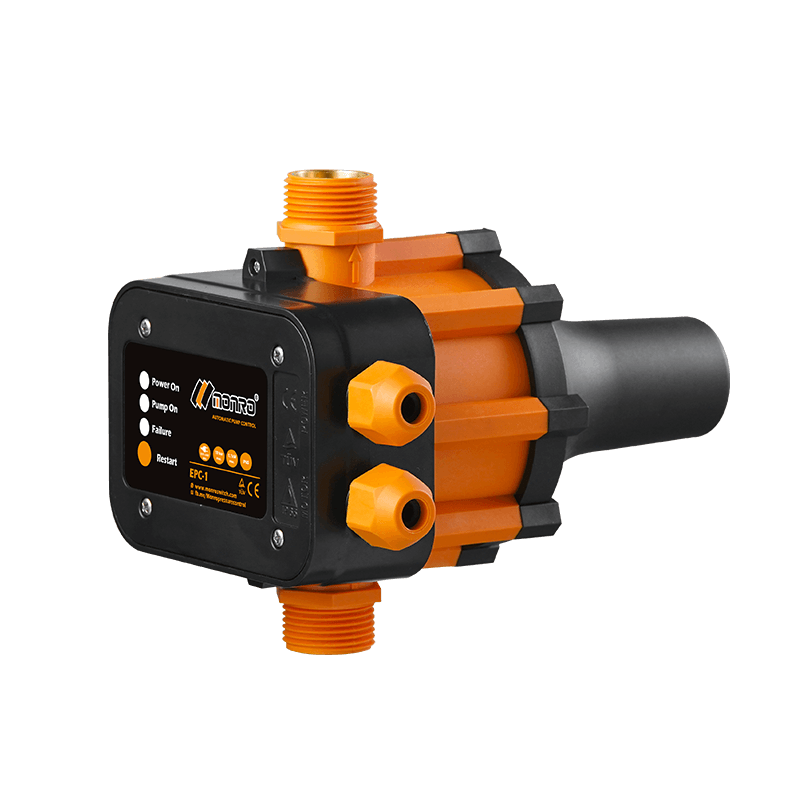 EPC-1
EPC-1Monro EPC-1 model pump controller is the classic and basic type, was loved by user in the global mar...
-
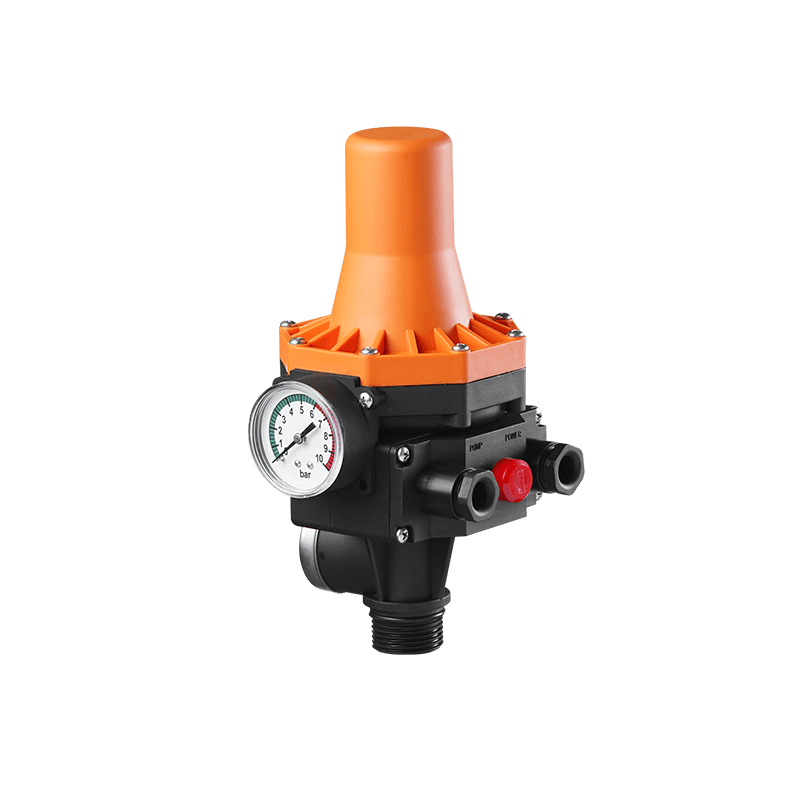 EPC-3
EPC-3Monro EPC-3 spain design auto on and off press control, an intelligent and economical system designe...
-
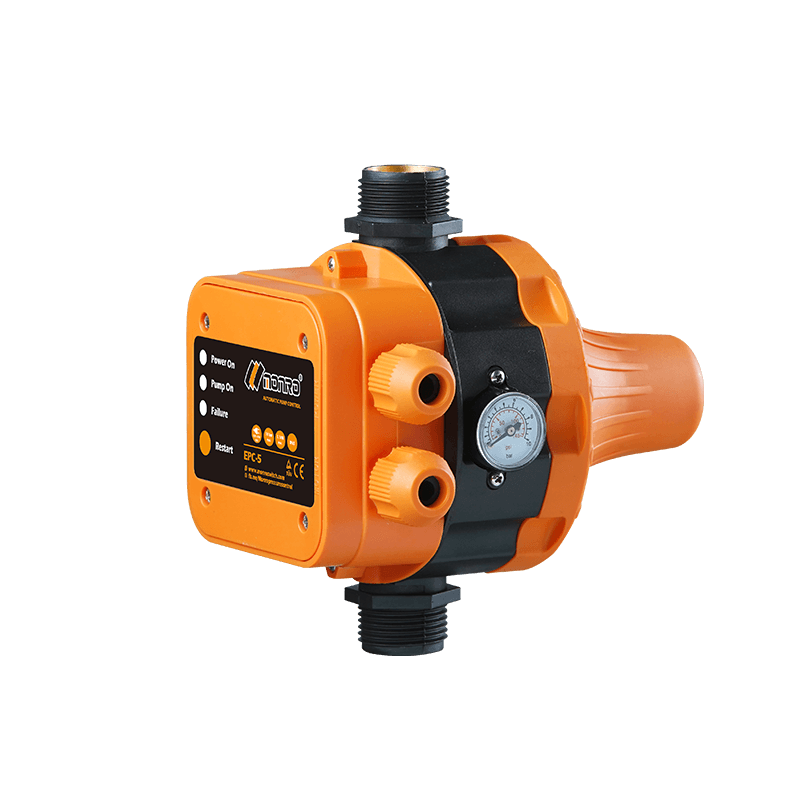 EPC-5
EPC-5Monro EPC-5 model automatic pump control, a device which assembled on the water pump (recommended si...
-
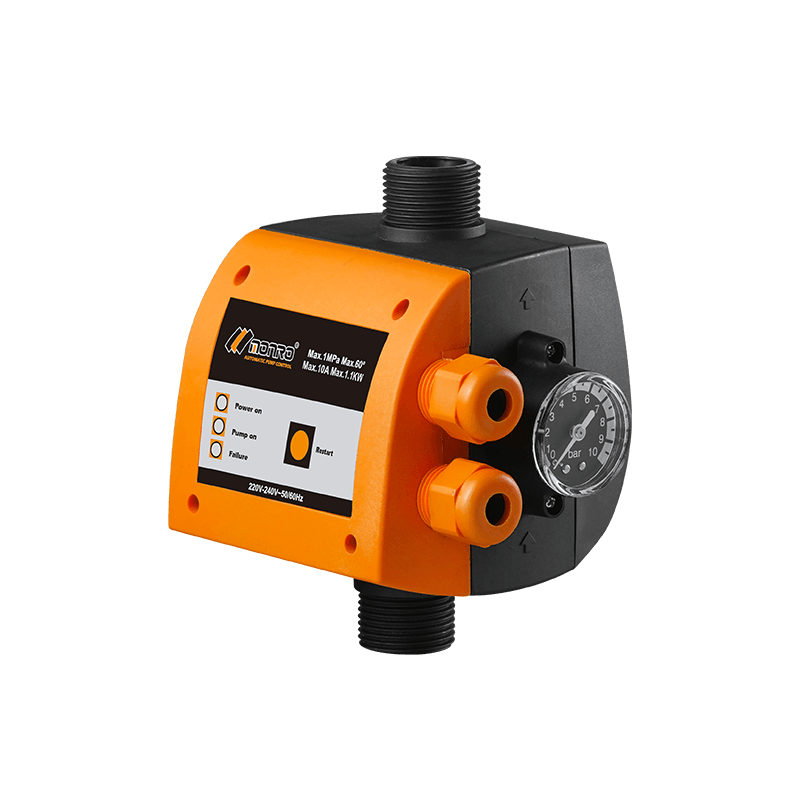 EPC-9
EPC-9Monro EPC-9 model pressure controller, is a big power device for automatic control and protection of...
-
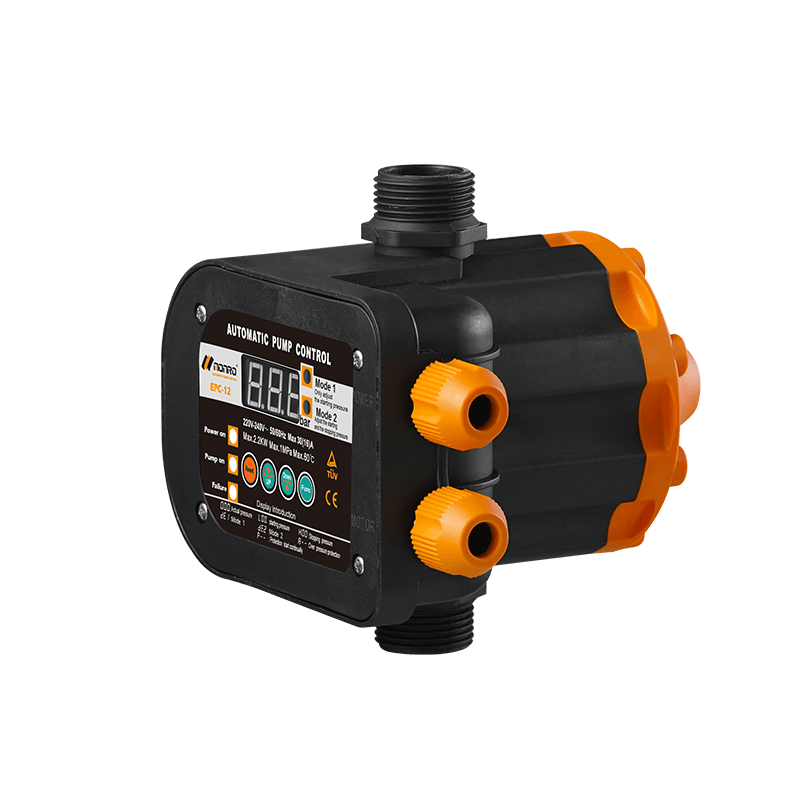 EPC-12
Monro EPC-12 smart top-level automatic pump control is a multi-function model combined with traditio...
-
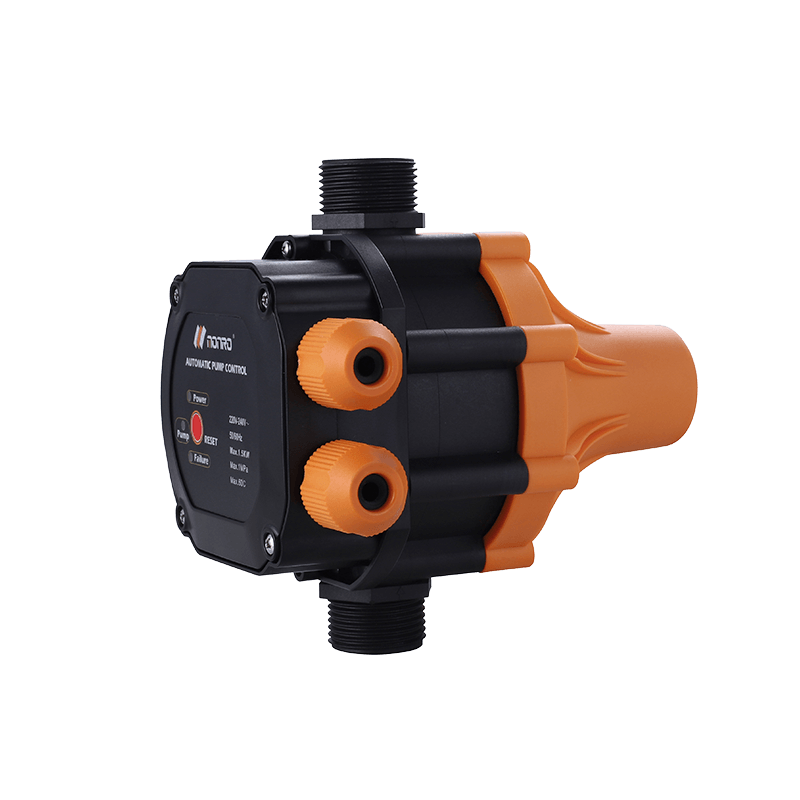 EPC-14
Monro EPC-14 model pressure control is a big power device for automatic control and protection of el...
-
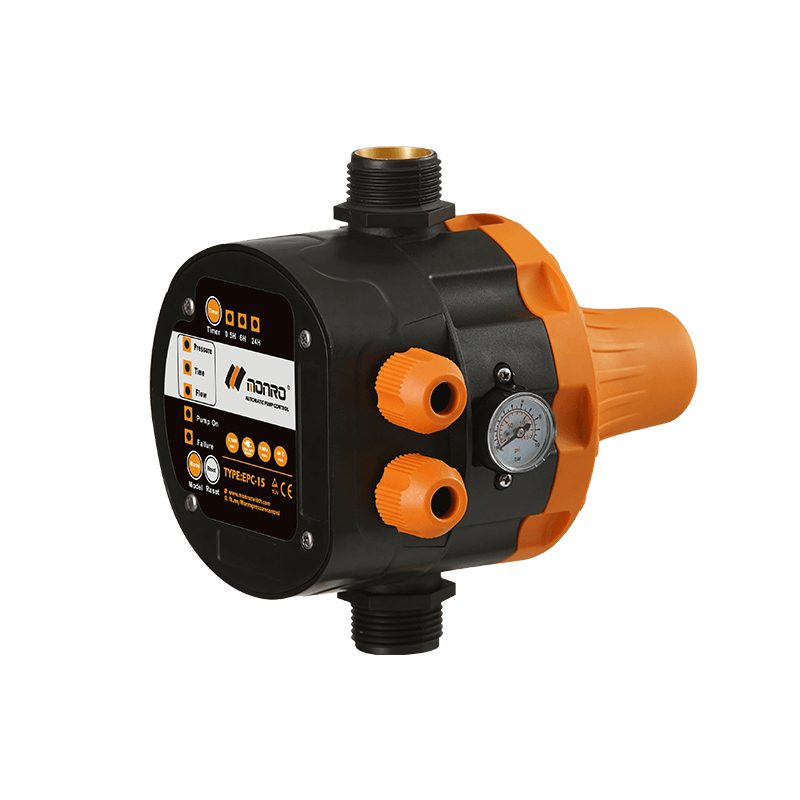 EPC-15
Monro EPC-15 model automatic pump control, a device which assembled on the water pump (recommended s...
-
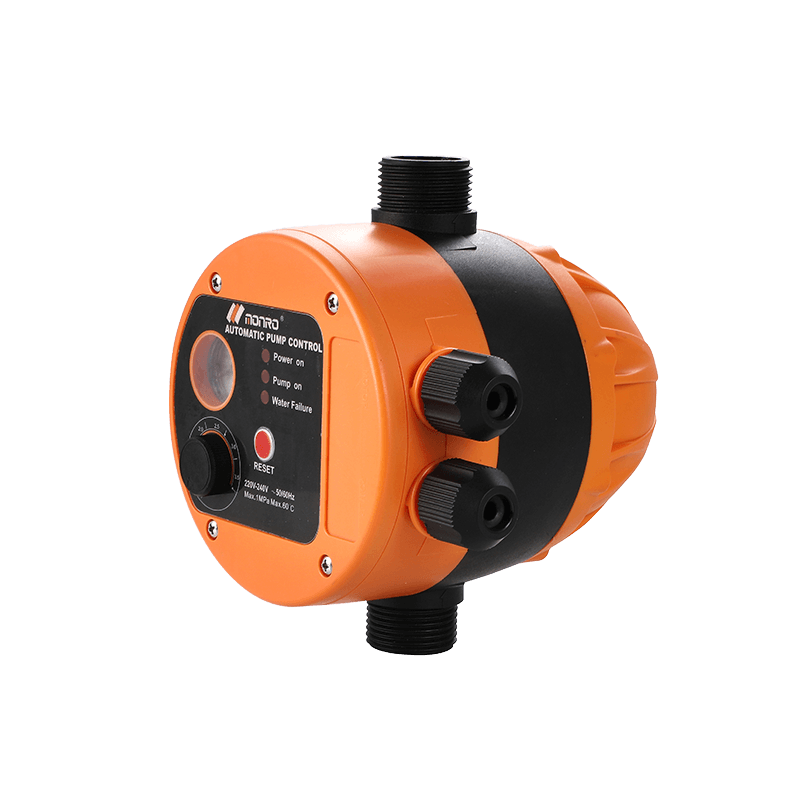 EPC-16
EPC-16 is the new patent pump controller by Monro. Its key highlight is tooless (manual knob) start...
contact us
find our office
find our office
Committed to providing professional pressure control solutions for various types of water pumps and air compressors.
Mobile
 Wechat
Copyright © 2024 Zhejiang Monro M&E Co., Ltd. All Rights Reserved.
Wholesale Pressure Control Switch Manufacturer
