

 简体中文
简体中文 English
 Español
Don't hesitate to send a message
Search
Recent Post
Newsletter
Automatic Motor Pump Controller Helps Optimize Fluid Control Processes
Why Are Fluid Control Systems Moving Toward Smarter Management?
Fluid control plays an important role in many industries and daily applications. Water supply, industrial processes, agricultural systems, and building services all depend on reliable pump operation.
As system requirements become more flexible, traditional pump management methods may not always meet changing needs. Businesses and operators are looking for solutions that can improve workflow organization and make pump systems easier to manage.
An automatic motor pump controller has become an important component in modern fluid control processes. It helps manage pump operation more efficiently by supporting automatic responses and reducing the need for constant manual adjustments.
The growing interest in these controllers reflects a wider trend in equipment development. Many industries are moving toward smarter systems that can improve convenience, reduce unnecessary operations, and support better resource management.
Fluid control is not only about moving liquids from one place to another. It also involves maintaining stable operation, improving system coordination, and responding to different usage conditions. Automatic motor pump controller provide support for these goals.
How Does an Automatic Motor Pump Controller Improve Fluid Control Processes?
Pump systems constantly deal with changing conditions, and manual operation just doesn't keep up well when demand shifts throughout the day — someone always has to be there, paying attention.
It solves that by bringing real structure to pump operation, letting the system respond to actual requirements without needing constant human intervention.
These controllers tend to improve fluid management across several fronts:
| Fluid Control Need | Support Provided by Automatic Motor Pump Controller |
|---|---|
| Pump operation management | Helps organize starting and stopping processes |
| System monitoring | Supports easier equipment management |
| Daily operation convenience | Reduces the need for repeated manual actions |
| Resource management | Helps improve overall system organization |
What makes these controllers genuinely valuable is how they tie different parts of a pump system together. Rather than treating pump operation as its own isolated task sitting off to the side, the controller weaves it into a much more coordinated overall process.
In a home, that might just mean a water system that runs smoothly in the background without anyone thinking about it. In an industrial setting, it's handling much larger-scale fluid management that genuinely needs to stay stable around the clock.
That flexibility is really the whole appeal — these controllers slot into a wide range of situations wherever automatic pump management actually makes sense.
What Applications Commonly Use Automatic Motor Pump Controllers?
Fluid movement shows up in an enormous range of settings, which is exactly why automatic motor pump controllers have found their way into so many different fields.
Residential water systems are one of the familiar examples. Homes and buildings depend on steady water access for everyday life, and automatic controls make that whole system a lot more convenient to run and maintain.
Agriculture leans on this technology heavily too. Irrigation systems need organized, reliable water distribution, and controllers help farmers manage that supply a lot more effectively than manual valve-checking ever could.
Industrial facilities depend on pump systems across countless processes — manufacturing, processing lines, general facility upkeep — and automatic controllers help keep equipment and operational demands genuinely in sync.
Common application areas include:
- Residential water systems
- Agricultural irrigation
- Industrial fluid management
- Building service systems
- Commercial facilities
- Water treatment applications
That breadth really shows just how far this technology has spread — automatic motor pump controllers aren't tied to one narrow industry, and that role keeps growing as more sectors focus on tightening up their system management.
Why Are Businesses Choosing Automatic Motor Pump Controllers for Pump Systems?
Businesses have gotten a lot more deliberate about equipment that genuinely simplifies operations and improves workflow, and pump systems — being such a core part of so many facilities — are a natural place to focus that attention.
It cut down significantly on the manual involvement pumps used to require, freeing operators up to actually focus on managing the system rather than constantly reacting to it.
Convenience is a big driver here too. Automated control makes pump systems a lot easier to run, especially in settings where physical access or regular monitoring isn't exactly simple.
Businesses are also thinking longer-term about system organization — a well-managed pump setup genuinely supports better planning and heads off a lot of operational headaches before they start.
A handful of factors keep pushing this demand forward:
Genuinely improved convenience
Automatic control lets pump systems run with a lot less manual attention required day to day.
Tighter system coordination
Controllers help different parts of the system work together far more smoothly than they would in isolation.
Real flexibility across environments
They adapt to a wide range of settings depending on whatever specific fluid control need is at hand.
Simplified day-to-day management
Easier operation makes ongoing maintenance and monitoring genuinely less of a hassle to organize.
That growing adoption really reflects a broader shift toward equipment that's practical and genuinely user-friendly, rather than technically impressive but a pain to actually run.
How Do Automatic Motor Pump Controllers Support Smart Water Management?
Smart water management has become a genuinely important conversation as industries and communities look for better ways to handle a resource that's increasingly under pressure.
Pump systems sit right at the center of that conversation, since so much of how water actually moves and gets distributed comes down to how well those systems operate.
It support this shift by bringing real organization to water management processes, letting systems respond a lot more effectively to whatever usage situation actually comes up.
In agriculture, that translates into better irrigation planning. In commercial buildings, it means more convenient, hands-off water supply management. In industrial settings, it helps keep production processes running smoothly without water-related hiccups.
That link between automation and smarter water management keeps getting stronger, too, as companies increasingly look for equipment that improves operation while also supporting more responsible resource use overall. It fit squarely into that direction, offering a genuinely practical way to move pump system management forward.
What Factors Should Be Considered When Selecting an Automatic Motor Pump Controller?
Picking the right controller really comes down to understanding what the specific application actually needs — different systems bring different demands, so it's worth thinking this through carefully.
The operating environment matters a lot. A residential water setup has very different needs than a full industrial application, and the controller choice should reflect that.
Compatibility deserves real attention too — the controller needs to genuinely work well with whatever pump system is already in place, supporting smooth operation rather than creating new friction.
Worth considering as well:
| Selection Factor | Importance |
|---|---|
| Application purpose | Determines suitable control requirements |
| System compatibility | Helps ensure smooth integration |
| Operation convenience | Supports easier daily management |
| Maintenance needs | Influences long-term system use |
| Future flexibility | Allows adaptation to changing requirements |
Thinking this through carefully upfront helps businesses land on a solution that genuinely fits their actual needs, rather than settling for whatever's easiest to find.
The real goal here isn't just bolting automation onto an existing system for its own sake — it's building a fluid control setup that genuinely works better with current operations and holds up well against future plans too.
How Is Automatic Motor Pump Controller Technology Changing Traditional Pump Management?
Traditional pump management has always leaned heavily on manual operation, and that's fine in simpler setups — but it starts creating real friction the moment systems get more complex.
It are genuinely reshaping how people manage pumps by letting equipment respond automatically to shifting conditions, rather than waiting on someone to notice and react.
That shift matters most in environments where pumps need frequent tweaking — automated control cuts out a lot of that repeated manual effort and keeps the whole workflow running a lot more smoothly.
This development also reflects a broader change in industrial thinking generally. Companies increasingly want equipment that supports genuine coordination between machines, operators, and the resources they're all managing together.
Modern pump management is drifting away from just handling basic operation and toward thinking about how equipment can support real improvement across the whole system. It represent exactly that shift, helping build fluid control solutions that are genuinely more connected and easier to manage.
What Future Trends May Influence Automatic Motor Pump Controller Development?
Demand for efficient fluid management keeps pushing equipment development forward, and as industries lean further into automation and smarter resource management, pump control solutions are only going to get more attention, not less.
Future systems will likely keep emphasizing convenience, flexibility, and genuinely easier management — businesses aren't going to stop looking for solutions that keep pace with their changing operational needs.
Automatic motor pump controllers have a genuinely important role to play in that development. Their ability to bring real organization to pump operation makes them a good fit for a wide range of modern applications.
As smart systems keep advancing, resource awareness keeps growing, and industrial needs keep shifting, fluid control is going to keep evolving right alongside all of it. Automatic motor pump controllers are set to remain part of that ongoing push toward more efficient, genuinely adaptable pump management.
OUR PRODUCTS
Recommended Products
-
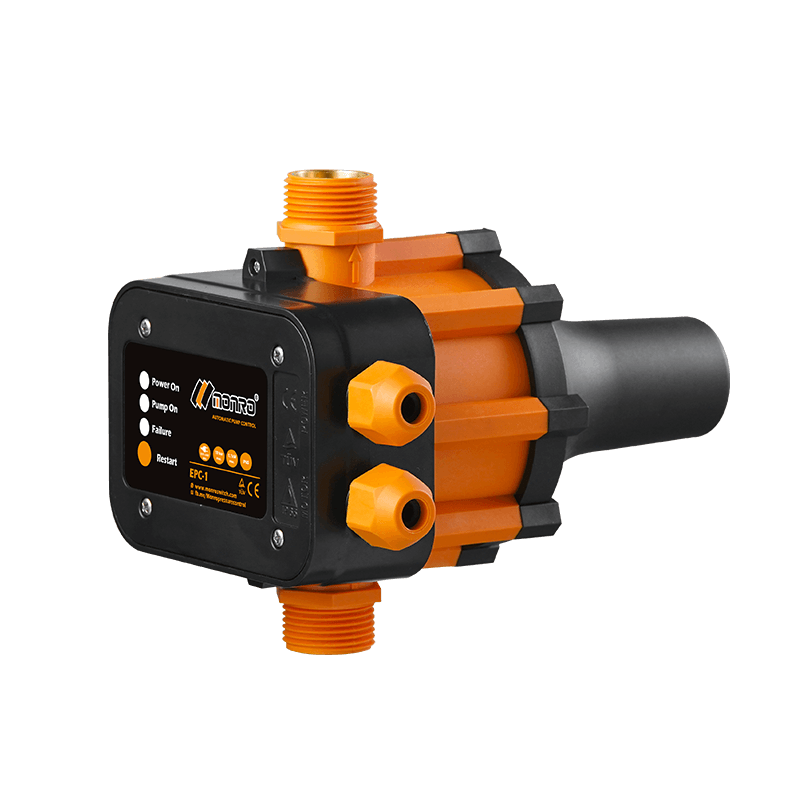 EPC-1
EPC-1Monro EPC-1 model pump controller is the classic and basic type, was loved by user in the global mar...
-
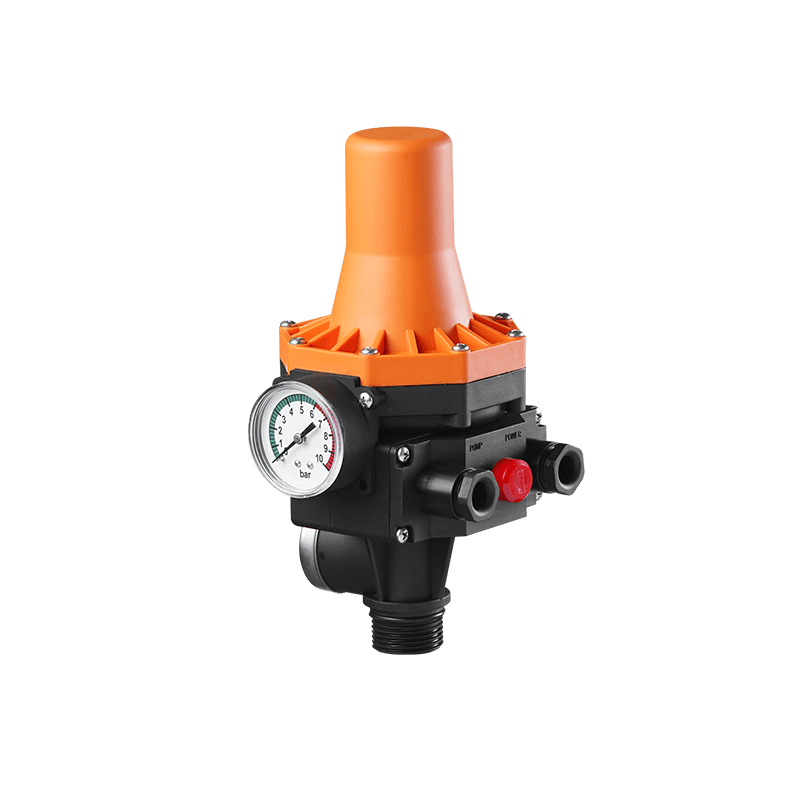 EPC-3
EPC-3Monro EPC-3 spain design auto on and off press control, an intelligent and economical system designe...
-
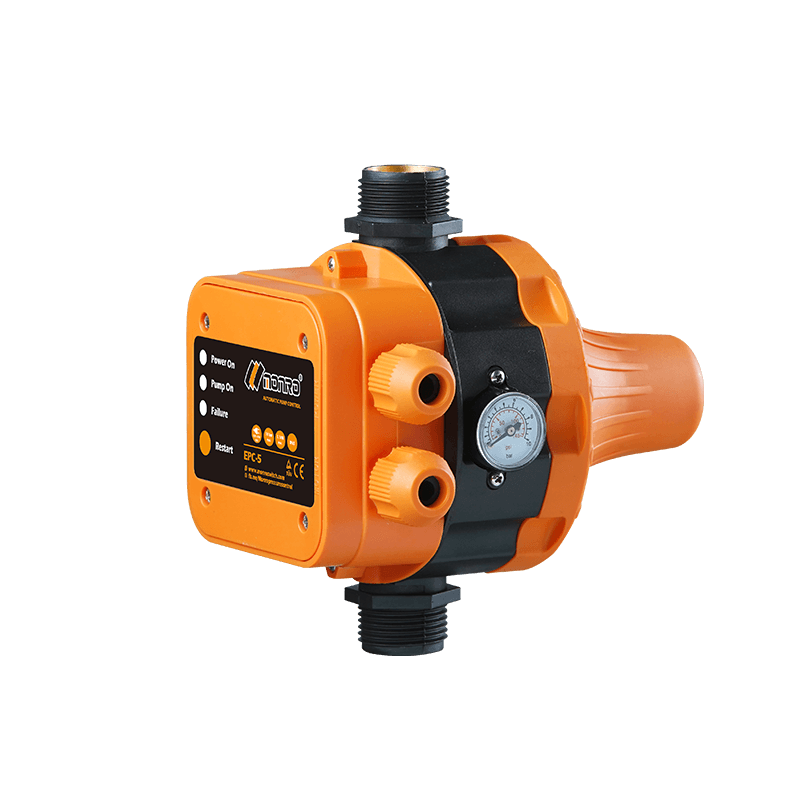 EPC-5
EPC-5Monro EPC-5 model automatic pump control, a device which assembled on the water pump (recommended si...
-
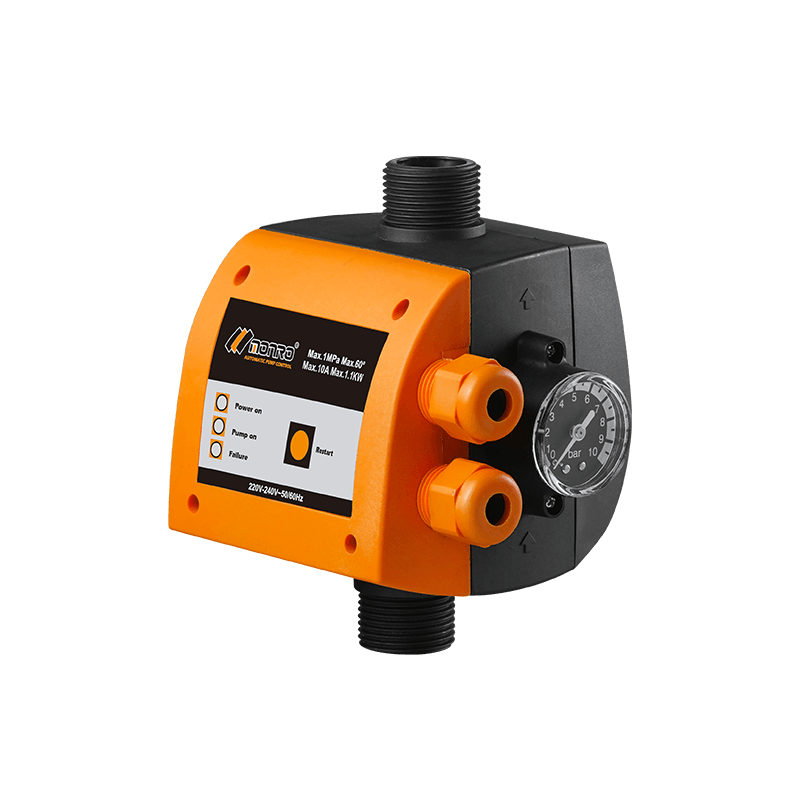 EPC-9
EPC-9Monro EPC-9 model pressure controller, is a big power device for automatic control and protection of...
-
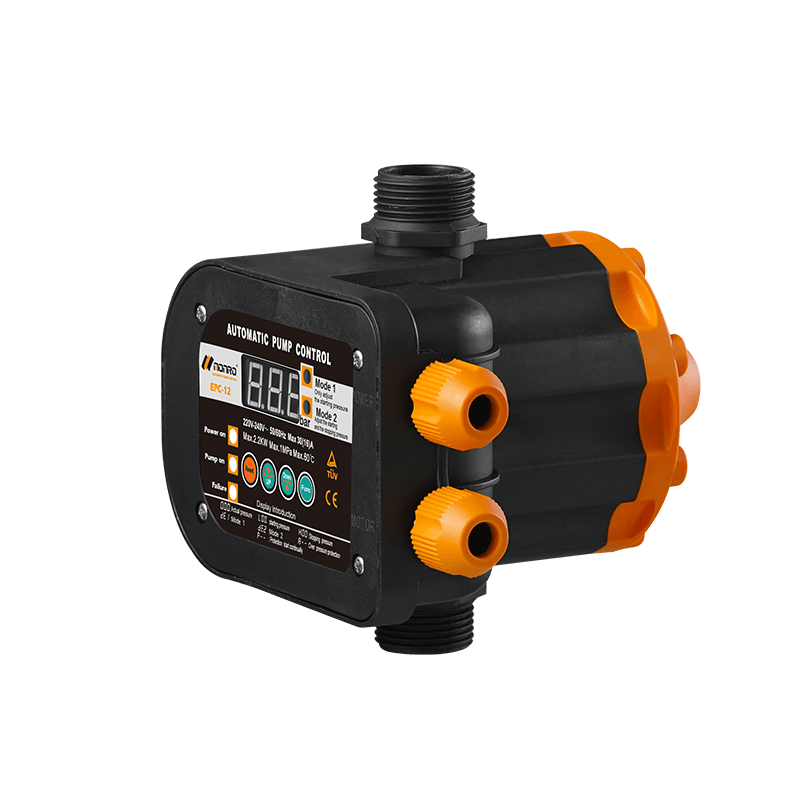 EPC-12
Monro EPC-12 smart top-level automatic pump control is a multi-function model combined with traditio...
-
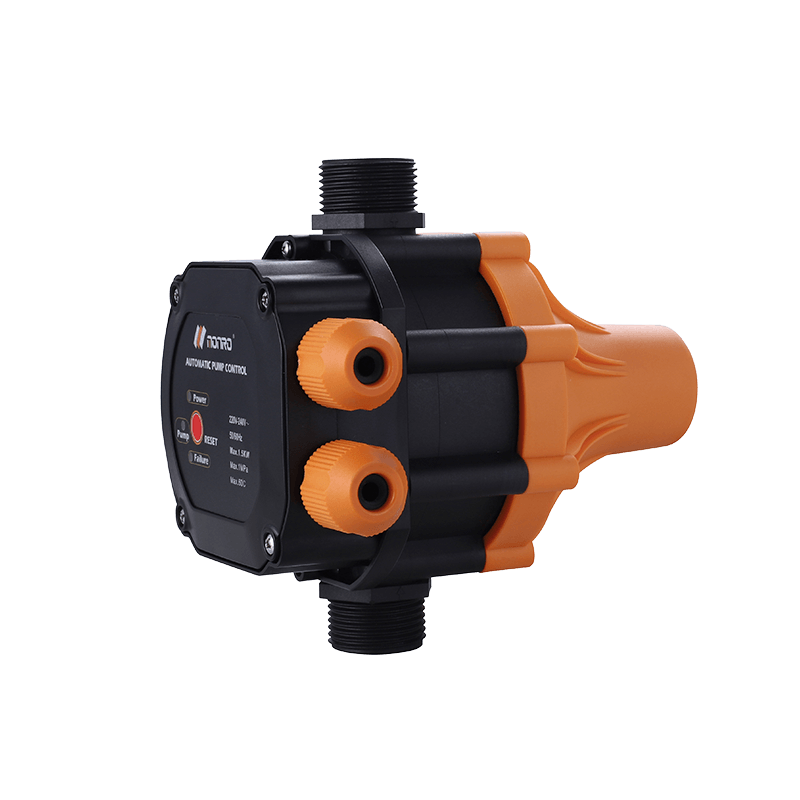 EPC-14
Monro EPC-14 model pressure control is a big power device for automatic control and protection of el...
-
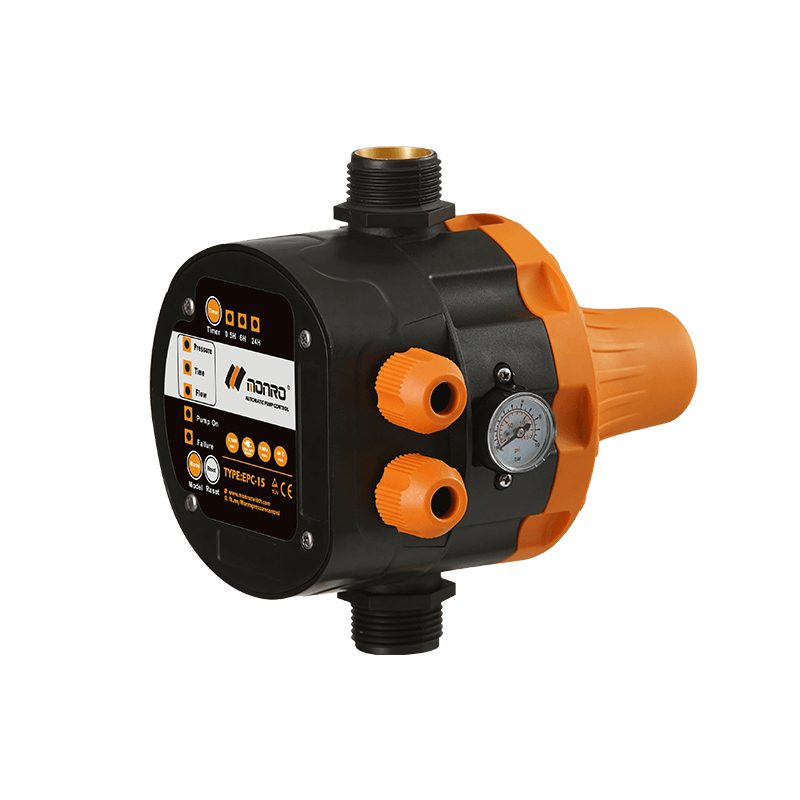 EPC-15
Monro EPC-15 model automatic pump control, a device which assembled on the water pump (recommended s...
-
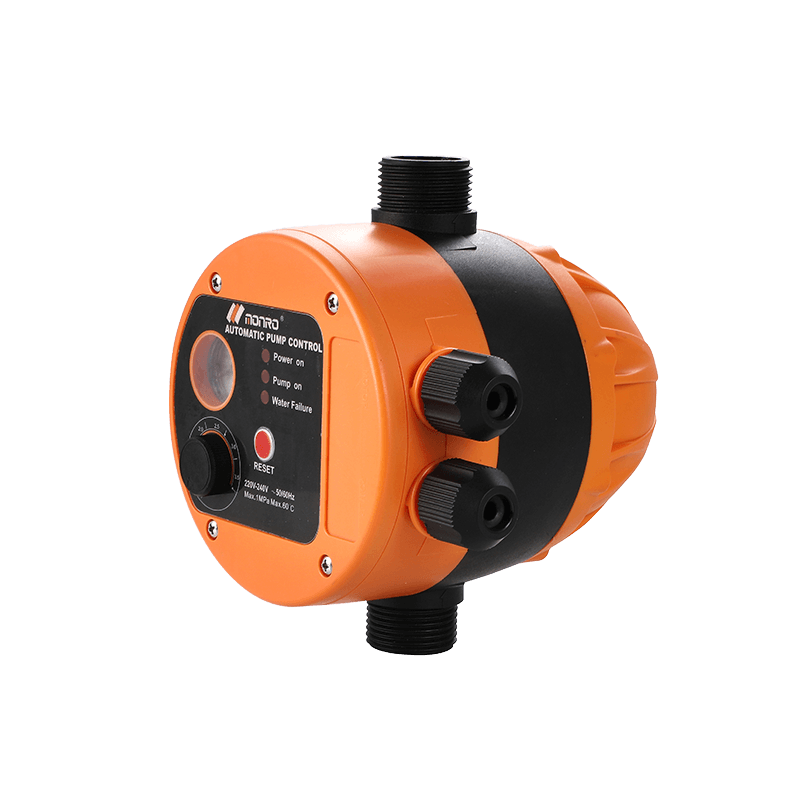 EPC-16
EPC-16 is the new patent pump controller by Monro. Its key highlight is tooless (manual knob) start...
contact us
find our office
find our office
Committed to providing professional pressure control solutions for various types of water pumps and air compressors.
Mobile
 Wechat
Copyright © 2024 Zhejiang Monro M&E Co., Ltd. All Rights Reserved.
Wholesale Pressure Control Switch Manufacturer
