

 简体中文
 English
 Español
Don't hesitate to send a message
Search
Recent Post
Newsletter
Where Are Pressure Control Systems Commonly Used
Pressure plays a big part in many industrial processes. It decides how liquids move through pipes, how gases are stored and delivered, and how machines run during production. When pressure shifts without warning, equipment gets hard to control, product quality wavers and daily operations stall. A pressure control system manages those shifts and holds pressure within a suitable range for the application.
These systems appear across manufacturing, water treatment, oil and gas processing, chemical production, building services and transportation. Designs vary with the material being handled, the working environment and the needs of the equipment they serve. Some regulate pressure in a plain water supply line. Others help run demanding industrial processes.
Knowing where they're used shows why pressure management matters. It also helps equipment operators and project planners spot the requirements that should guide system selection.
What Is a Pressure Control System and Why Is It Needed?
A pressure control system is a set of devices that monitors, adjusts or maintains pressure within a process or piece of equipment. Depending on the application, it includes pressure sensors, control valves, regulators, pumps, controllers and other supporting components.
Its basic job is to respond when pressure drifts away from the required operating condition. A system reduces incoming pressure, keeps a supply steady, blocks unwanted pressure changes or helps equipment follow changes in demand.
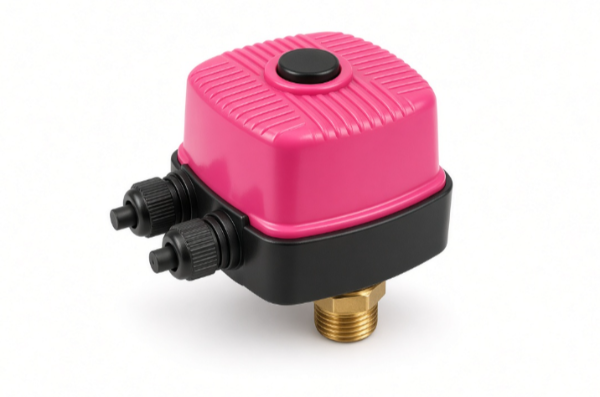
Take a water supply network serving several buildings. When many taps open at once, demand jumps. Without suitable pressure management, some outlets get an uneven supply. A pressure control arrangement regulates the flow conditions and keeps service more stable.
Industrial processes face the same challenge. A production line needs a steady supply of compressed air. A chemical process depends on controlled pressure as materials move between vessels. In each case, pressure control keeps operation predictable.
The system doesn't work alone. Its performance depends on the condition of connected equipment, the properties of the material and the design of the whole process. Correct installation, regular inspection and sound operating practices matter too.
Where Are Pressure Control Systems Used in Manufacturing?
Manufacturing facilities use pressure control in equipment that handles air, water, gas, steam and other process fluids. Pressure conditions shape machine movement, material delivery, cooling, cleaning and the consistency of production.
Compressed air systems are a common example. Many factories run pneumatic tools, actuators, packaging equipment and automated machinery on compressed air. Different machines need different pressures. A pressure control system delivers air in a way that suits the connected equipment.
Hydraulic machinery relies on pressure management as well. Hydraulic presses, lifting systems and material handling equipment use pressurized fluid to create movement or force. Pressure control components regulate operation and guard against unsuitable pressure conditions.
In plastic processing, pressure affects how materials move through production equipment. Injection molding, extrusion and related processes see pressure changes as material is heated, moved and shaped. Suitable control keeps the equipment working to the process's needs.
Plants also use pressure control in cooling circuits and industrial cleaning systems. Demand in these applications changes as machines start, stop or move through production stages.
Requirements differ from one facility to the next. A small workshop needs a simple regulator for compressed air. A large plant runs connected monitoring and control equipment across several process areas. The key question is whether the system responds well to operating changes and stays compatible with the machinery it serves.
How Are Pressure Control Systems Used in Water Supply and Treatment?
Water supply networks must deliver water to users while coping with changes in demand and pressure. Pressure control systems serve municipal distribution networks, commercial buildings, industrial water lines, irrigation systems and water treatment facilities.
In a distribution network, water passes through pumps, storage tanks, pipes and control valves before it reaches its destination. Changes in demand, elevation and pipeline conditions alter the pressure at different points. Pressure regulators and related control equipment manage these variations.
High pressure strains pipes, fittings, valves and connected appliances. Low pressure cuts the available supply or hurts equipment that needs a steady water feed. Good pressure management handles both concerns.
Water treatment plants use pressure control around filtration, pumping and fluid transfer. Some treatment equipment needs water to move through specific stages under the right pressure. Control devices maintain the conditions the process needs.
Irrigation is another practical example. Water travels through distribution lines to different areas of a field or growing facility. Pressure differences change how water is delivered across the system. Suitable regulation supports more even distribution.
Location matters. A regulator near a supply source serves a different purpose from one placed near sensitive equipment or a separate distribution branch. Engineers need to consider the full network, not treat each control device as an isolated part.
Routine checks count too. Sediment, wear, leaks and changes in pump performance alter pressure conditions over time. Monitoring lets operators catch problems before they cause wider disruption.
Why Do Oil, Gas, and Chemical Industries Need Pressure Control?
Oil, gas and chemical operations move, store and process materials under controlled conditions. Pressure control systems manage these activities by regulating material flow and supporting safe equipment operation.
In oil and gas facilities, pressure control serves gas distribution, fluid transfer, storage systems, processing equipment and pipeline operations. Pressure changes as materials pass between equipment with different operating requirements. Regulators and control valves manage these transitions.
Gas distribution shows this clearly. Gas enters a network at a pressure the receiving equipment can't accept. A pressure regulation arrangement reduces or maintains the supply pressure the downstream system requires. Extra protective devices handle abnormal conditions.
Chemical plants use pressure control in reactors, storage vessels, mixing systems and transfer lines. Pressure influences how materials move, how equipment runs and how a process reacts to change. The right arrangement depends on the substances involved and the process design.
Material compatibility needs careful attention here. A component that suits one fluid can fail with another. Temperature, corrosion, contamination risks and the chance of hazardous releases all affect equipment selection.
Keep pressure control separate from pressure relief. A control system regulates pressure during normal operation. A pressure relief device protects equipment when pressure exceeds an allowable limit. Many applications need both.
Inspection and maintenance carry extra weight in these industries. Worn seals, blocked sensing lines, sticking valves or damaged instruments change how the system responds. Regular checks let operators catch developing problems and keep the control function intact.
How Do Pressure Control Systems Support HVAC and Building Services?
Heating, ventilation and air conditioning systems depend on the movement of water, refrigerants and air. Pressure control helps these systems cope with changing building demands and environmental conditions.
In heating and cooling networks, pumps circulate water through pipes, heat exchangers and terminal units. As valves open and close, resistance in the network changes. Pressure control devices manage these variations and support suitable flow across the system.
Commercial buildings also use pressure regulation in domestic water supplies. Water pressure has to suit the building's layout and its plumbing fixtures. In taller buildings, different floors see different pressures because of elevation and the way the supply is arranged.
Air handling systems rely on pressure differences to move air through filters, ducts and ventilation equipment. Monitoring and controlling these differences supports the intended airflow direction and helps operators spot problems such as blocked filters or restricted passages.
Refrigeration and air conditioning equipment often includes pressure controls that react to changing operating conditions. These devices regulate equipment operation or trigger protective responses when pressure leaves an acceptable range.
Building applications call for a balance between stable operation, occupant comfort, equipment protection and energy use. Pressure settings that don't match the system's real needs cause uneven performance or put needless strain on pumps and other components.
Maintenance teams should inspect pressure-related equipment as part of wider building system checks. Shifting pressure readings, odd pump behavior, leaks and inconsistent heating or cooling all signal that further investigation is needed.
Where Else Are Pressure Control Systems Commonly Found?
Beyond manufacturing, water services, energy and building systems, pressure control turns up in many specialized applications.
Medical and laboratory equipment: Certain medical gas distribution systems use pressure regulators to deliver gases under controlled conditions. Laboratory instruments also need regulated gas or liquid supplies. These systems need equipment designed for the intended substance and environment, along with proper inspection procedures.
Food and beverage processing: Production lines use pressurized water, compressed air, steam and other process fluids. Pressure management supports cleaning, filling, pumping and ingredient transfer. Equipment design must also account for hygiene requirements and compatibility with the materials handled.
Agriculture: Irrigation networks, spraying equipment and water delivery systems use pressure regulation to distribute liquids as intended. Different parts of a farm have different supply needs, especially when water crosses varied terrain or feeds separate irrigation zones.
Transportation and vehicle systems: Pressure control components appear in braking systems, pneumatic equipment, fuel delivery arrangements and other vehicle applications. Their function depends on the specific design and safety requirements of the vehicle or transport equipment.
Marine operations: Ships and offshore facilities use pressure control in water systems, fuel handling, compressed air equipment and various process lines. Moisture, salt, vibration and changing operating conditions all influence equipment selection and maintenance needs.
Power generation: Power facilities use pressure control in steam systems, cooling circuits, fuel supply arrangements and auxiliary equipment. Suitable operating conditions help coordinate the connected components.
These examples show that pressure control isn't tied to one type of machine or industry. Its role shifts with what is being transported, processed or controlled.
How Should a Pressure Control System Be Selected for Different Applications?
Selecting a pressure control system starts with understanding the process it will serve. Equipment that works well in a clean water line may not suit a corrosive chemical process or a gas distribution network.
The material being handled matters first. Water, compressed air, steam, fuel and chemical fluids have different properties. The materials in valves, seals, sensors and piping must be compatible with the application.
The operating environment counts too. Temperature swings, vibration, moisture, dust and corrosive substances affect equipment performance. Outdoor installations and demanding industrial settings need extra protection.
Look at how pressure changes during normal operation. Some applications see fairly steady demand, while others involve frequent starts, stops or changes in flow. The control system has to respond properly to these conditions.
Define the required control function clearly. A project needs to reduce supply pressure, hold a target condition, monitor changes or protect connected equipment against abnormal pressure. These are related but distinct tasks, and each can call for different components.
Plan for maintenance access. Equipment that's hard to inspect or repair stretches the time needed to fix operational problems. Clear access to valves, sensors and other serviceable parts makes routine maintenance practical.
Compatibility with existing equipment is just as important. Control devices must work with the connected pumps, pipes, valves, controllers and monitoring arrangements. Where the application involves hazardous materials or pressure-sensitive equipment, the design must follow applicable safety requirements and be reviewed by qualified professionals.
A well-matched pressure control system reflects the needs of the process, not a generic arrangement. Understanding the operating environment, pressure behavior, material properties and maintenance requirements guides the right equipment choice.
OUR PRODUCTS
Recommended Products
-
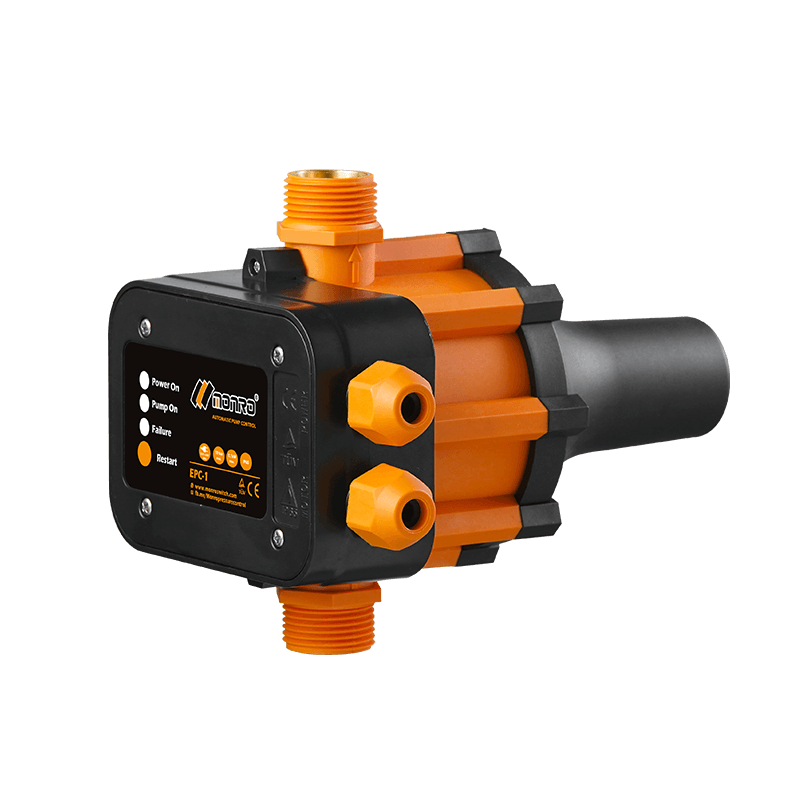 EPC-1
Monro EPC-1 model pump controller is the classic and basic type, was loved by user in the global mar...
-
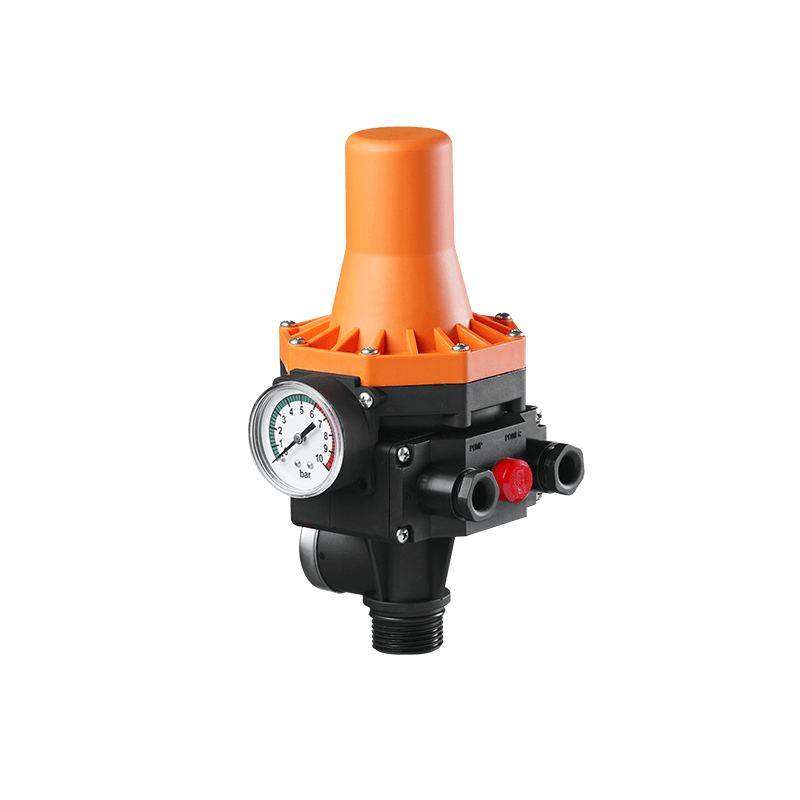 EPC-3
Monro EPC-3 spain design auto on and off press control, an intelligent and economical system designe...
-
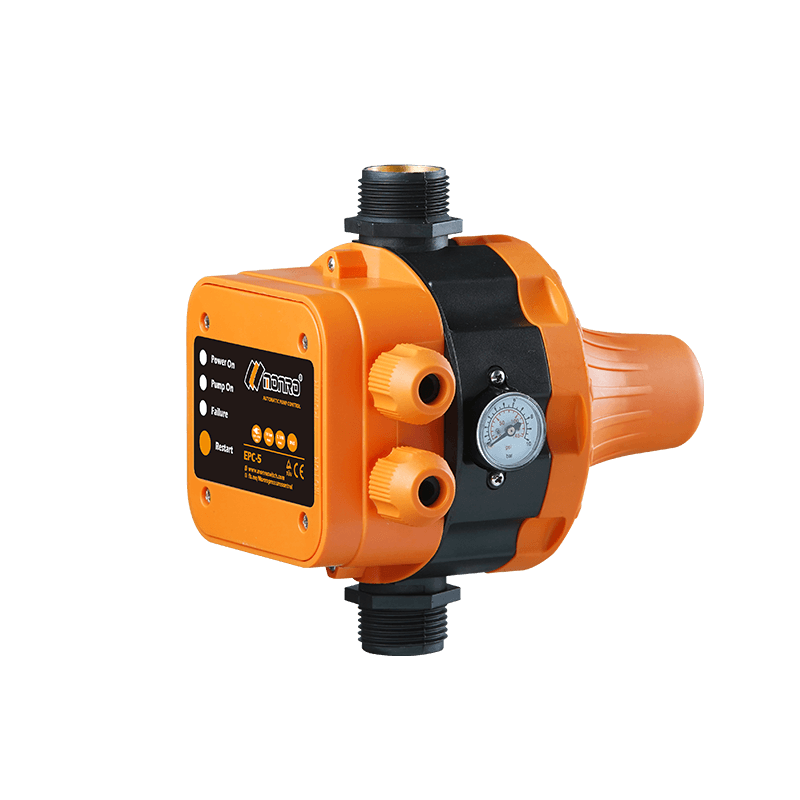 EPC-5
Monro EPC-5 model automatic pump control, a device which assembled on the water pump (recommended si...
-
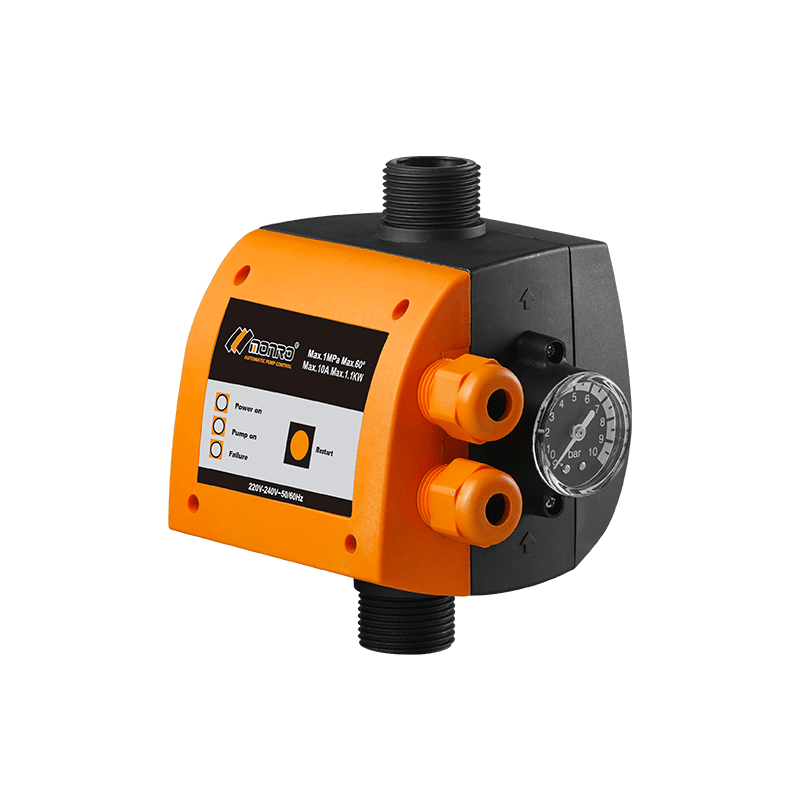 EPC-9
Monro EPC-9 model pressure controller, is a big power device for automatic control and protection of...
-
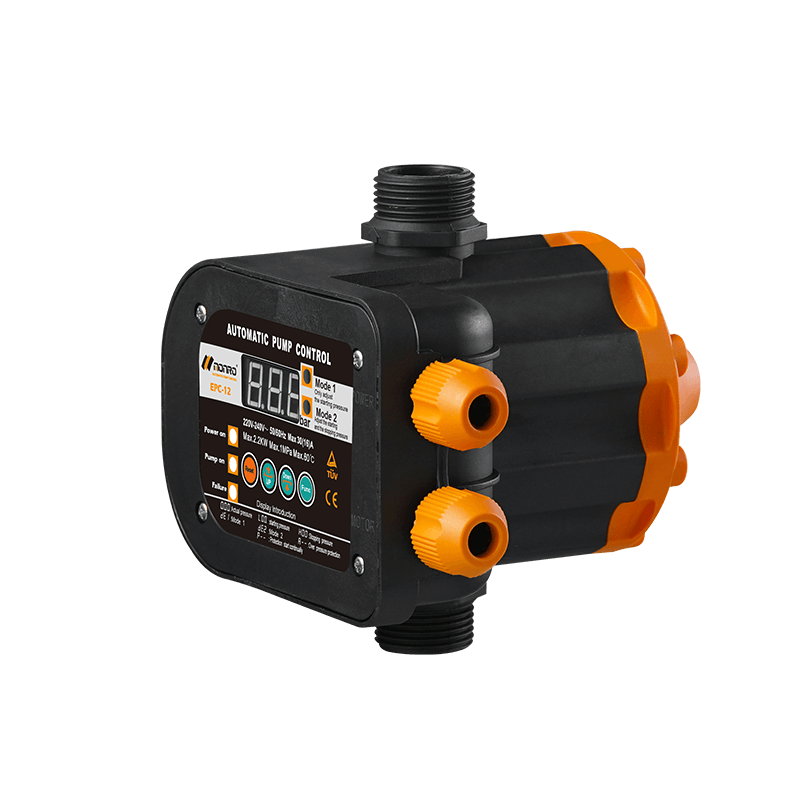 EPC-12
Monro EPC-12 smart top-level automatic pump control is a multi-function model combined with traditio...
-
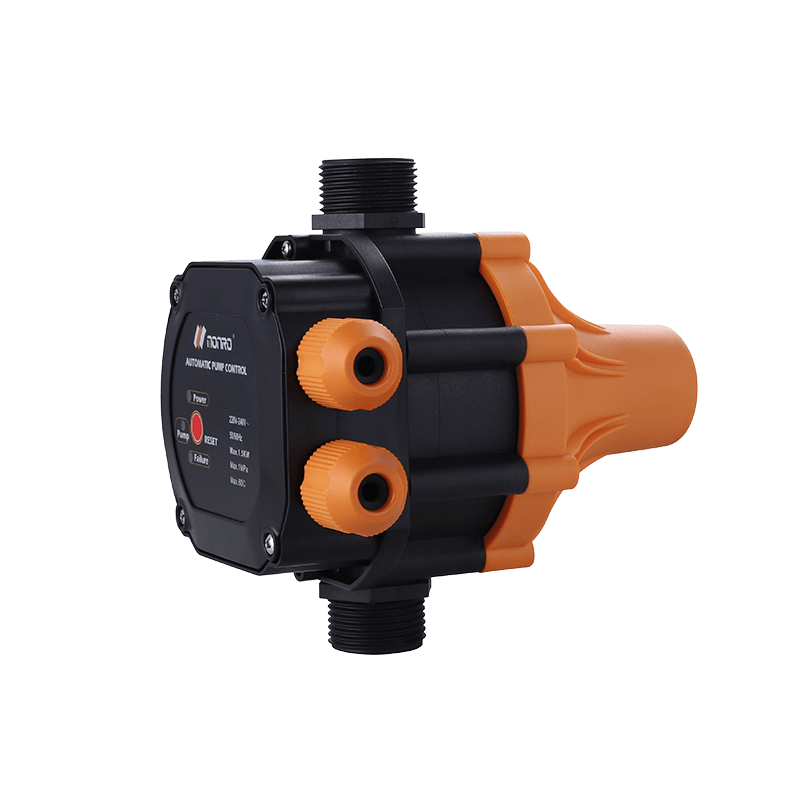 EPC-14
Monro EPC-14 model pressure control is a big power device for automatic control and protection of el...
-
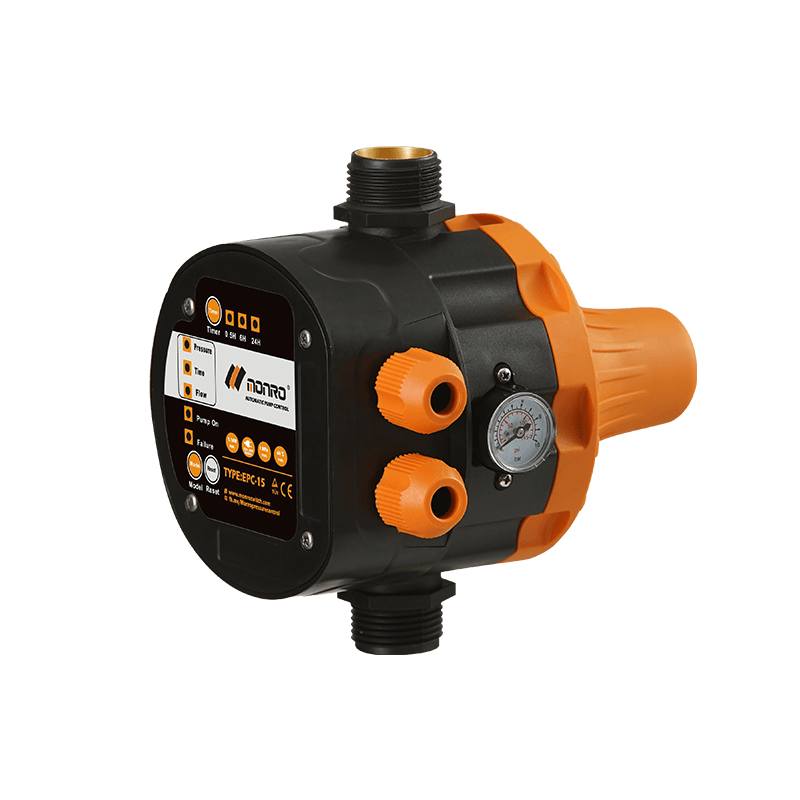 EPC-15
Monro EPC-15 model automatic pump control, a device which assembled on the water pump (recommended s...
-
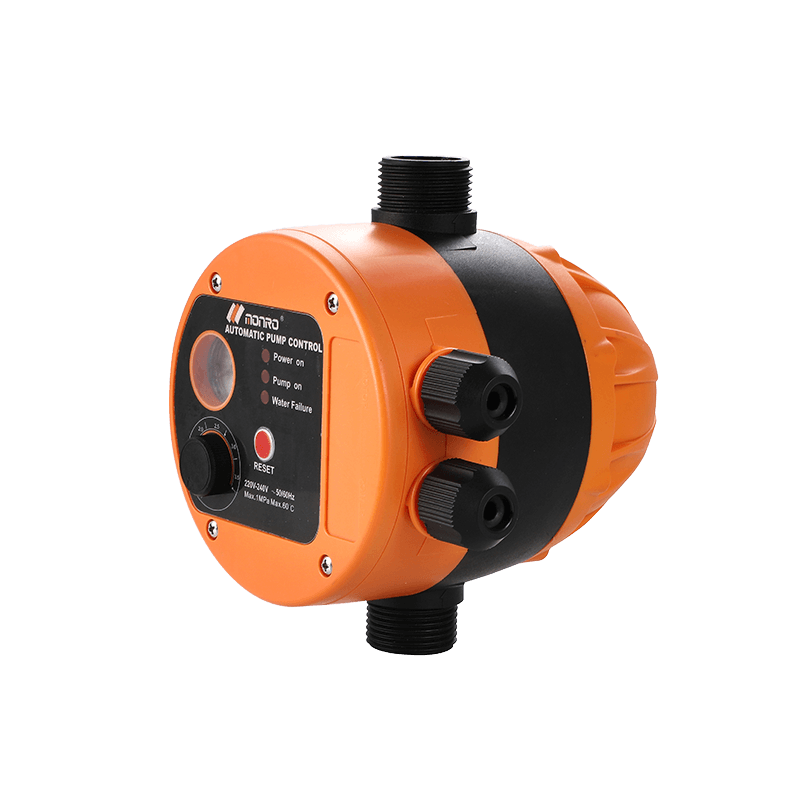 EPC-16
 is the new patent pump controller by Monro. Its key highlight is tooless (manual knob) start...
contact us
find our office
find our office
Committed to providing professional pressure control solutions for various types of water pumps and air compressors.
Mobile
 Wechat
Copyright © 2024 Zhejiang Monro M&E Co., Ltd. All Rights Reserved.
Wholesale Pressure Control Switch Manufacturer
