

 简体中文
 English
 Español
Don't hesitate to send a message
Search
Recent Post
Newsletter
How Do Pressure Control Devices Work With Sensors and Monitoring Systems
Pressure plays a genuinely important role across many industrial processes. Water supply networks, pneumatic equipment, fluid handling systems, and production lines all depend on suitable pressure conditions to operate the way they're supposed to. When pressure shifts unexpectedly, equipment can respond poorly, production steps can turn inconsistent, or safety concerns can crop up fast.
A pressure control device helps regulate pressure within a system. Sensors and monitoring systems feed in information about current operating conditions, letting operators or automatic controls respond the moment changes occur. When these components work together well, a system manages pressure a lot more effectively and gives staff a clearer window into equipment behavior.
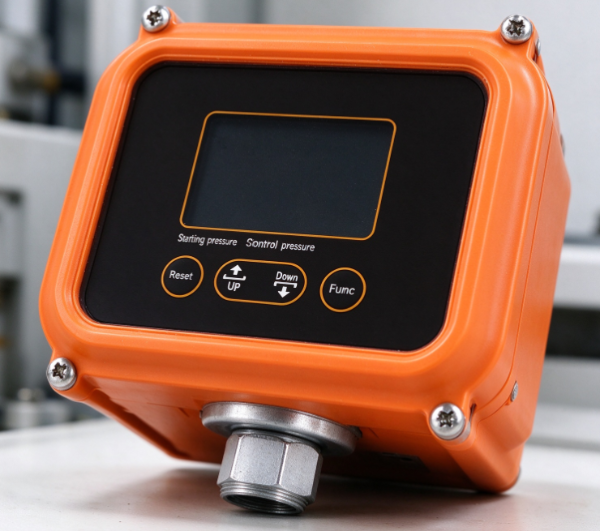
Each component carries a different purpose here. A sensor detects a physical condition and converts it into a signal. A monitoring system receives and displays that information. A pressure control device adjusts or limits pressure according to its design. Some systems run on direct mechanical action; others lean on electronic signals and automatic controls instead.
How these components interact really comes down to the equipment, the process, and how much control the application actually requires. Understanding their relationship helps manufacturers, engineers, and maintenance teams select suitable equipment and catch potential problems before they disrupt normal operation.
1. What Role Does a Pressure Control Device Play in an Industrial System?
A pressure control device manages pressure within a defined part of a system. Its purpose might be reducing incoming pressure, maintaining a suitable operating condition, preventing pressure from climbing past an intended limit, or responding to shifts in the process as they happen.
Different devices perform genuinely different functions. A pressure regulator can reduce a higher inlet pressure down to a lower outlet pressure. A pressure switch responds once pressure hits a selected point by flipping an electrical contact state. A pressure relief device opens a route for releasing excess pressure once the conditions for its operation are met. These devices shouldn't get treated as interchangeable, since their functions and operating methods genuinely differ.
In plenty of industrial applications, pressure shifts as equipment starts, stops, or changes its workload. A pump can produce different pressure conditions as demand changes. A pneumatic system can lose pressure when several tools run at once. A fluid process can also respond to changes in flow, temperature, or valve position.
A suitable pressure control device helps manage these variations according to the system's requirements. That said, the device can only play its intended role when it's correctly selected, installed, and maintained throughout.
Sensors and monitoring systems add further information about what's happening around the device. They help operators see whether pressure stays within the intended operating range and flag changes that might need attention. In an automated setup, sensor signals can also feed a controller that adjusts equipment operation directly.
This combination builds a clearer relationship between pressure conditions and system response. The control device manages pressure, while sensing and monitoring components help the system catch changes and show how the equipment's actually behaving.
2. How Do Pressure Sensors Detect Changes in Pressure?
A pressure sensor measures the pressure of a gas or liquid and converts that measurement into a signal another device can interpret. The signal might be electrical or take some other form, depending on the sensor design in question.
The sensor usually sits installed at a location where pressure information actually proves useful. A water system, for instance, might need pressure readings near a pump outlet, while a pneumatic line might require monitoring near equipment using compressed air. Location shapes what the reading represents, so it should be chosen according to the measurement's actual purpose.
When pressure changes, the sensing element responds to that shift. The sensor then produces a corresponding output. A connected display, controller, or monitoring system can use this information to show current conditions or trigger a response.
Pressure sensors come in different designs because industrial applications don't all share the same requirements. Some need to operate in environments exposed to moisture, vibration, or temperature swings. Others need to work with particular fluids or fit into tight installation spaces.
Compatibility matters a great deal here. A sensor needs to suit the medium being measured, the expected pressure conditions, the installation method, and the surrounding environment. A sensor that doesn't fit the application can hand back unreliable readings or wear out prematurely.
Sensor placement matters too. A reading taken near a pump can differ from one taken farther along a pipe, simply because of changes in flow, resistance, and system layout along the way. That doesn't necessarily mean either sensor's faulty — each reading just reflects conditions at its own measurement point.
Regular inspection helps keep confidence in the information being collected. Damaged wiring, loose connections, contamination, or sensor wear can all throw off signal quality. If readings start looking inconsistent with actual equipment behavior, the sensor and its installation deserve a check before operators act on the displayed information.
3. How Does a Monitoring System Use Pressure Sensor Information?
A monitoring system receives information from sensors and presents it in a form operators or other equipment can actually use. Depending on the system, it might display current pressure, show changes over time, generate alarms, or store operating records for later review.
A simple arrangement might use a local pressure display, letting an operator check conditions near the equipment without trekking to a separate control room. More developed systems can pull information from several sensors at once and show pressure conditions across different parts of a production line or fluid network.
The main value monitoring brings is visibility, plain and simple. Without suitable measurement, operators might only notice a pressure problem once equipment behavior's already changed. A monitoring system makes pressure variation a lot easier to recognize and can give an earlier signal that an inspection's needed.
Alarms draw attention to conditions requiring action. A system might alert staff when pressure drifts outside a selected operating range, for example. The response could mean checking a pump, inspecting a valve, reviewing flow demand, or hunting for a possible leak. What's appropriate really depends on the process and the cause behind the change.
Monitoring records help maintenance teams understand recurring issues too. If pressure keeps falling during a particular operation, staff can compare the readings against equipment activity and dig into possible causes. Trends can reveal problems that are genuinely hard to spot from a single measurement alone.
A monitoring system doesn't automatically fix every problem, though, worth stressing. It might only report conditions, leaving operators responsible for deciding what to do next. Automatic responses need suitable control equipment, correct programming, and a system design that actually supports the intended action.
The display also needs to stay easy to interpret. Clear labels, understandable alarms, and useful information help operators respond without second-guessing themselves. A pile of poorly organized readings can make it harder to spot the information that actually matters.
4. How Do Pressure Control Devices, Sensors, and Controllers Work Together?
In an integrated pressure control system, sensing, decision-making, and pressure adjustment stay related but separate functions. The exact arrangement varies by setup, but the general process tends to follow a similar pattern throughout.
A sensor measures pressure and sends a signal to a controller or monitoring unit. The controller compares the measured condition against the required operating target or programmed rules. If a change is needed, it sends a command to a suitable control device. The device then adjusts the process, and the sensor measures the resulting pressure condition that follows.
This process can repeat continuously while the system operates. It lets the equipment respond to changing demand rather than leaning entirely on manual adjustment.
Picture a water supply system here. When demand shifts, pressure in the pipework can rise or fall. A sensor catches the change and sends information to the control system. Depending on the design, the controller might adjust a pump or a control valve to pull conditions back closer to the intended range. The sensor then feeds back updated information about the result.
A pneumatic system might use a different arrangement entirely. A pressure sensor can monitor a section of the air supply, while a controller manages equipment operation according to the measured condition. A regulator might also maintain a suitable downstream pressure through its own operating mechanism, independent of any electronic loop.
Not every pressure control device needs an electronic controller, worth noting. A mechanical regulator can respond directly to pressure changes without leaning on a separate sensor signal or digital monitoring platform at all. In other systems, electronic control earns its place because the process demands coordinated action across several components at once.
This distinction matters when selecting equipment. A pressure sensor doesn't regulate pressure on its own, and a monitoring display doesn't necessarily control connected machinery either. The system needs a suitable mechanism for actually taking action if automatic adjustment's required.
Correct integration comes down to signal compatibility, control logic, device response, and installation quality. Each component needs to perform its assigned role, and the complete arrangement should get tested under appropriate operating conditions before relying on it.
5. What Is the Difference Between Direct Pressure Control and Sensor-Based Control?
Pressure systems can lean on mechanical control, electronic control, or some combination of both. The right approach really comes down to how much information the process needs and how the equipment must respond to pressure changes as they occur.
Direct mechanical control often relies on physical forces built into the device itself. A regulator, for instance, might use pressure acting against a spring or another internal mechanism to adjust its opening. As pressure shifts, the mechanism responds without needing a separate electronic sensor and controller at all.
This arrangement suits applications needing a local pressure adjustment with a relatively simple operating structure. It can also cut down the need for external control wiring and additional electronic components cluttering the setup.
Sensor-based control uses measured information to guide a separate control action instead. A sensor sends pressure data to a controller, which applies programmed rules and issues commands to connected equipment. This approach supports more complex operations — remote monitoring, coordinated pump control, and managing pressure across several points at once.
| Feature | Direct mechanical control | Sensor-based control |
|---|---|---|
| Main operating method | Responds through a built-in mechanical mechanism | Uses sensor signals and control logic |
| External information | May operate without a separate monitoring system | Can provide readings to displays or monitoring platforms |
| Adjustment approach | Depends on the device's mechanical design | Can use programmed rules and connected equipment |
| System integration | Often suited to local pressure regulation | Can support coordinated control across a larger system |
| Maintenance focus | Mechanical condition, seals, and moving parts | Sensor condition, wiring, controller settings, and control devices |
These approaches can also work side by side. A mechanical regulator might maintain local pressure while sensors keep tabs on conditions elsewhere in the system. The monitoring equipment can provide an overview without stepping on the regulator's direct function at all.
It's worth avoiding the assumption that electronic control is always necessary, or that a mechanical device can handle every application thrown at it. A simple system might do just fine with a straightforward control arrangement, while a process facing changing demands might genuinely need additional measurement and automation layered in.
The selection should reflect the actual process, the required response, the maintenance skills on hand, and the real consequences if pressure changes go unmanaged.
6. What Problems Can Occur When Pressure Control and Monitoring Components Do Not Work Together?
A pressure control system depends on more than just the quality of its individual components. Sensors, controllers, valves, regulators, and monitoring displays all need to suit the application and work together the way they're designed to.
One possible problem is an inaccurate sensor reading. If the sensor's damaged, incorrectly installed, or just unsuitable for the operating environment, the information reaching the controller may not represent the actual pressure condition at all. An automatic system could then respond inappropriately, or operators could end up making decisions based on misleading information.
Signal problems create another challenge entirely. Loose connections, damaged cables, electrical interference, or incompatible signal formats can keep readings from reaching the control system correctly. Sometimes the display shows a missing or unstable reading outright. Other times the fault's less obvious and needs a systematic inspection to track down.
Incorrect control settings can throw off system behavior too. If the target condition or response rules don't match the process requirements, the equipment can end up adjusting pressure in an unsuitable way. Changes to control settings should therefore go through authorized personnel who genuinely understand the application.
A mechanical control device can develop problems of its own as well. Worn internal parts, contamination, damaged seals, or restricted movement can keep it from responding as intended. Electronic monitoring might help flag unusual pressure behavior, sure, but it doesn't remove the need to inspect the device itself directly.
Communication between equipment deserves attention too. In a larger system, a controller might depend on signals from several devices at once. If one component drops out, the overall process may not behave as expected. The system design should spell out how faults get detected and what response kicks in when information goes missing.
Troubleshooting should start with the symptoms and the relevant operating records. Staff can compare pressure readings, inspect connections, review recent maintenance, and confirm whether the control device's actually responding correctly. Repairs and testing should follow the manufacturer's instructions and workplace safety procedures throughout.
A structured approach helps prevent unnecessary part replacement and cuts the risk of making a pressure problem worse through incorrect adjustments made in a hurry.
7. How Should Pressure Sensors and Control Devices Be Selected for an Application?
Choosing suitable components starts with genuinely understanding the process at hand. The required pressure range, fluid or gas type, operating environment, connection arrangement, and control purpose all shape the decision.
The measured medium matters especially here. Materials suitable for clean water may not work for every chemical or industrial fluid out there. Sensor contact surfaces, seals, and other components need to stay compatible with the medium to avoid damage or unreliable operation down the line.
Installation conditions deserve review too. Vibration, moisture, dust, temperature changes, and limited access can all affect whether a component actually suits the job. Equipment installed in a difficult environment might need suitable protection and a maintenance plan built around those conditions specifically.
The intended control function needs to be clear from the start. A system that only needs local pressure regulation might use a different arrangement from one requiring remote readings, alarms, or automatic adjustment. Buyers should pin down whether they need pressure measurement, pressure regulation, pressure switching, pressure relief, or some combination of these.
Compatibility between components is another key piece. The sensor output needs to suit the connected controller or monitoring system. The controller needs to communicate with the intended control device, and the device needs to be capable of performing the required action within the system's actual operating conditions.
Maintenance requirements shouldn't get overlooked either. Components that are hard to access can take longer to inspect or replace. Clear documentation, available replacement parts, and suitable service support all help teams plan routine care without scrambling later.
| Selection consideration | Questions to ask |
|---|---|
| Process requirements | What pressure condition needs to be measured or controlled? |
| Medium compatibility | Can the component safely handle the fluid or gas? |
| Installation environment | Will moisture, vibration, temperature, or contamination affect operation? |
| Signal compatibility | Can the sensor communicate with the controller or monitoring system? |
| Control function | Is the application intended for regulation, monitoring, switching, or pressure relief? |
| Maintenance | Can staff inspect, test, and service the equipment safely? |
A clear specification helps steer clear of selecting components based on appearance or a vague product description alone. Where pressure conditions carry safety implications, qualified personnel should review the system design and confirm the selected devices meet applicable requirements before anything goes live.
8. How Can Maintenance Keep an Integrated Pressure Control System Reliable?
Regular maintenance helps make sure pressure control and monitoring components keep providing useful information and responding the way they're supposed to. The maintenance plan should cover the complete system rather than fixate on a single device in isolation.
Sensor checks form an important part of this work. Staff should watch for visible damage, loose connections, contamination, and signs that readings might be unreliable. Where required, sensors should get tested or calibrated according to the manufacturer's instructions and the application's actual needs.
Control devices need inspection too. Regulators, valves, switches, and other pressure-related components can develop wear or leakage over time. A shift in pressure behavior can hint that one of these components needs attention, but the cause should get confirmed before anyone makes adjustments or swaps parts.
Monitoring displays and alarms should get checked to confirm they present information clearly and respond the way they're meant to. If the system stores operating records, maintenance staff can review them for repeated pressure changes or unusual patterns. These records can help flag developing issues and guide future inspections before they become bigger problems.
Connections between components deserve attention as well. Wiring, signal paths, communication links, and power supplies all shape how information moves through the system. Any inspection or repair touching electrical equipment must follow the relevant isolation and safety procedures without exception.
Maintenance records provide continuity when different technicians or operators work on the same equipment over time. They can document inspections, test results, repairs, and outstanding issues clearly. This helps prevent repeated troubleshooting and gives staff a clearer handle on the system's history overall.
The maintenance schedule should reflect the equipment manufacturer's guidance, the operating environment, and how critical pressure control actually is to the process. Critical systems may call for more formal inspection and testing arrangements than equipment used in less demanding applications.
When pressure devices, sensors, and monitoring systems get maintained as a coordinated group, operators end up with a clearer basis for understanding system behavior and responding to changes as they arise. This supports a lot more consistent pressure management across industrial processes overall.
OUR PRODUCTS
Recommended Products
-
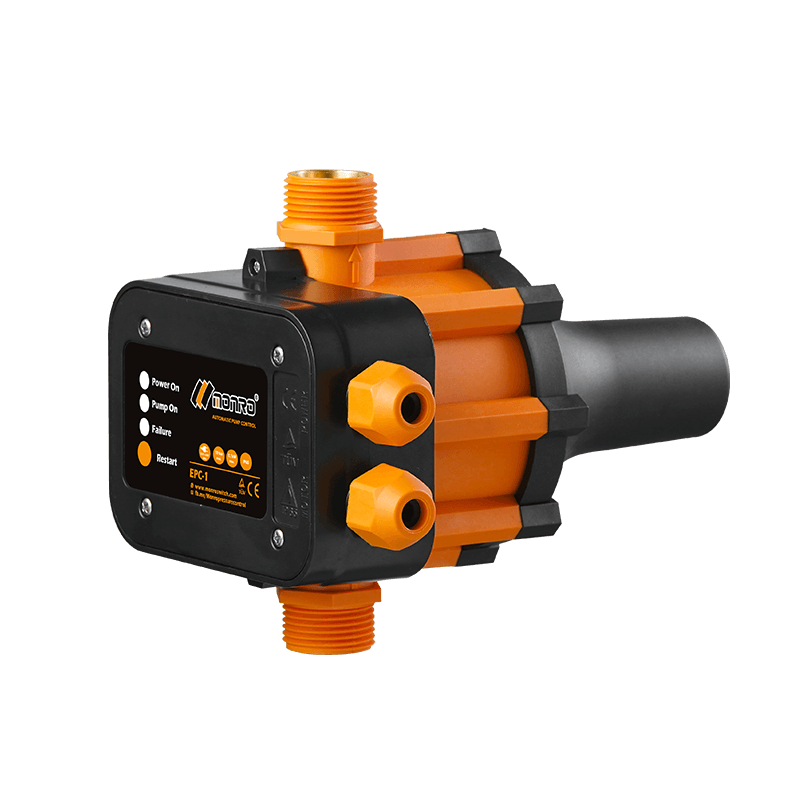 EPC-1
Monro EPC-1 model pump controller is the classic and basic type, was loved by user in the global mar...
-
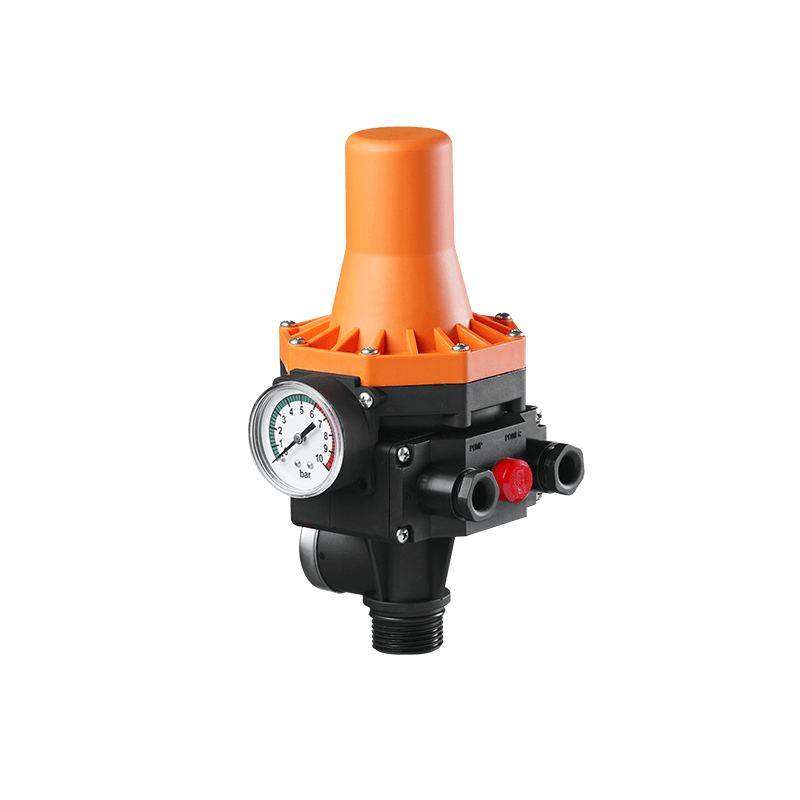 EPC-3
Monro EPC-3 spain design auto on and off press control, an intelligent and economical system designe...
-
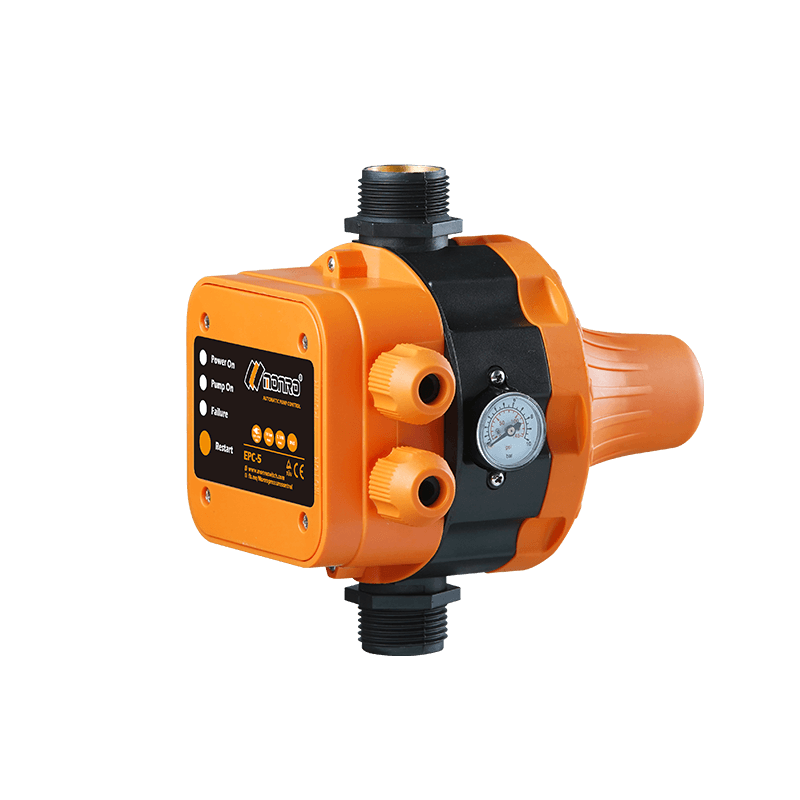 EPC-5
Monro EPC-5 model automatic pump control, a device which assembled on the water pump (recommended si...
-
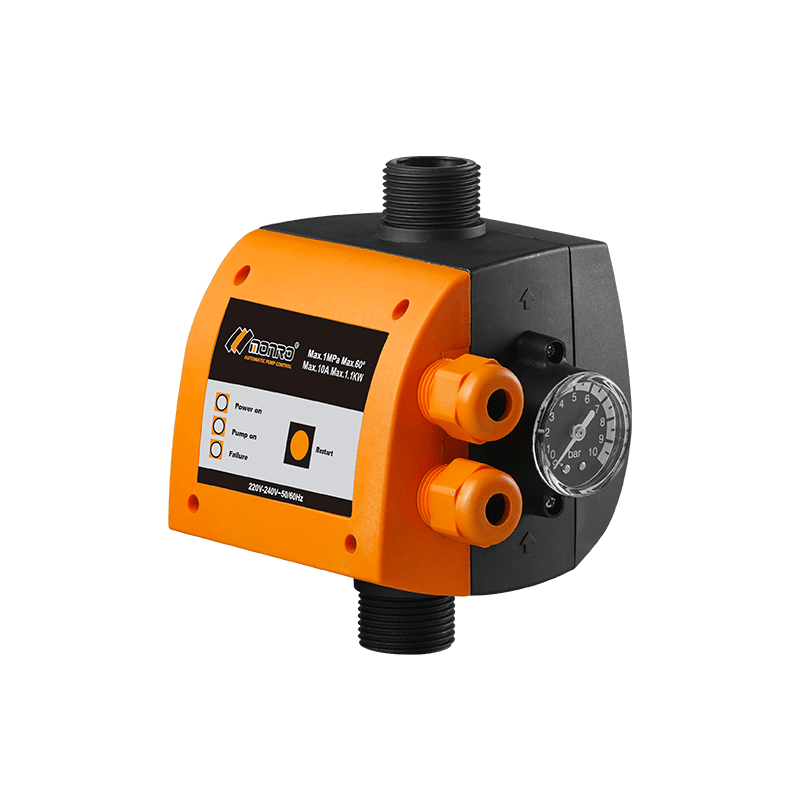 EPC-9
Monro EPC-9 model pressure controller, is a big power device for automatic control and protection of...
-
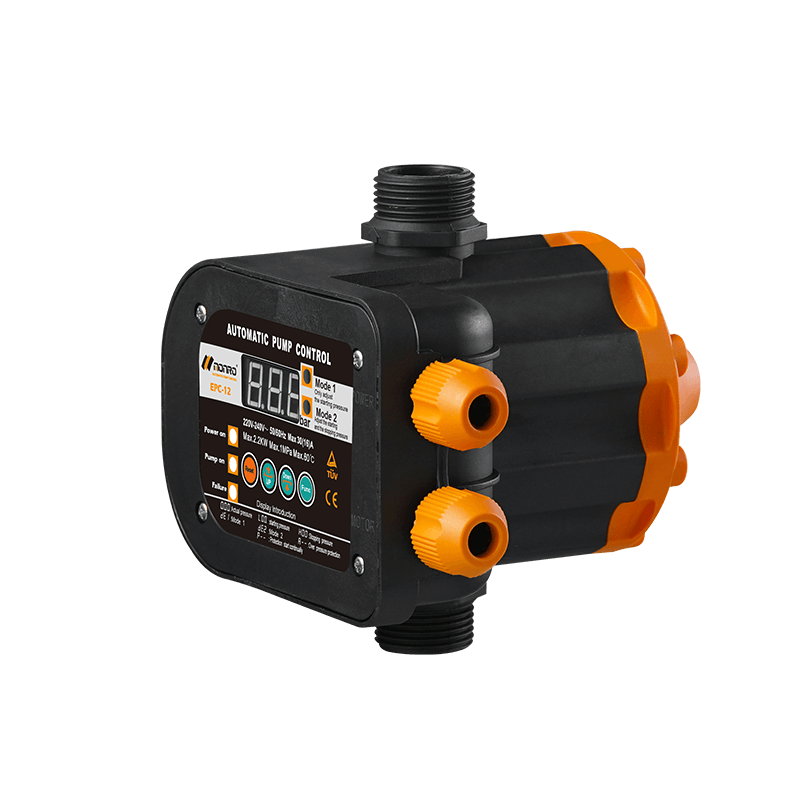 EPC-12
Monro EPC-12 smart top-level automatic pump control is a multi-function model combined with traditio...
-
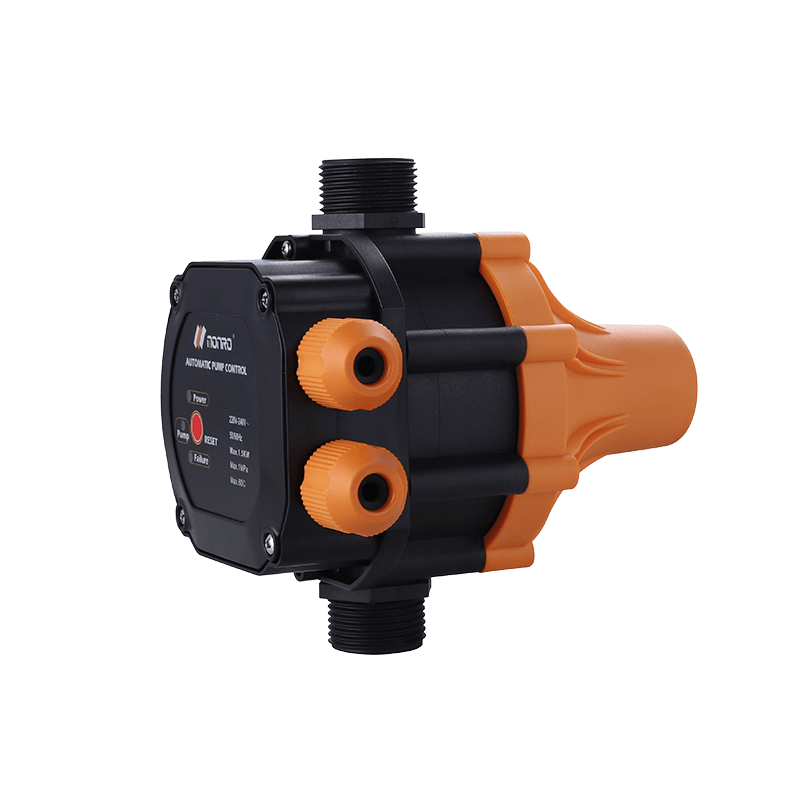 EPC-14
Monro EPC-14 model pressure control is a big power device for automatic control and protection of el...
-
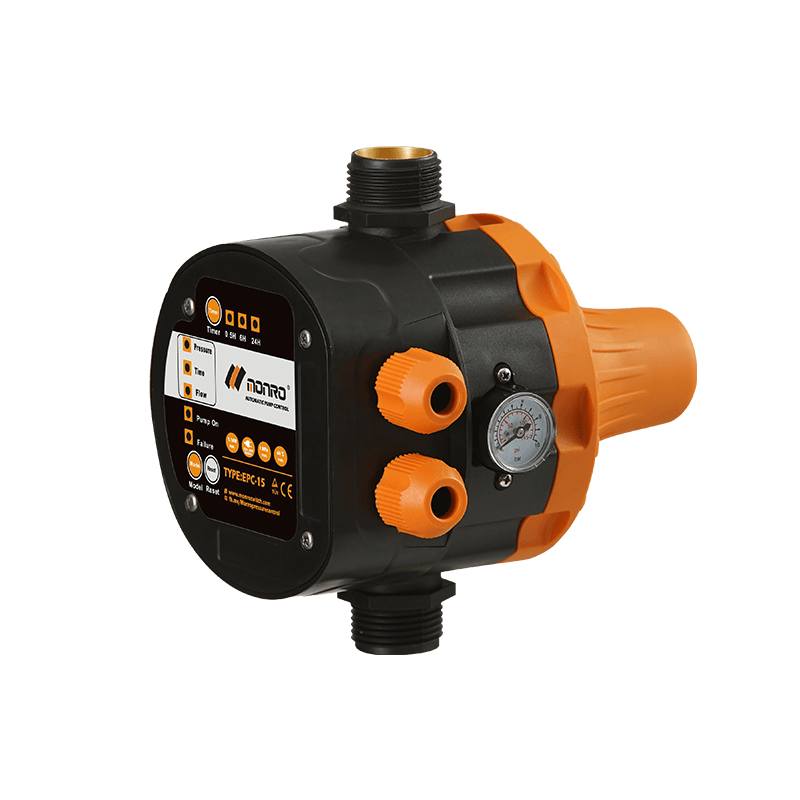 EPC-15
Monro EPC-15 model automatic pump control, a device which assembled on the water pump (recommended s...
-
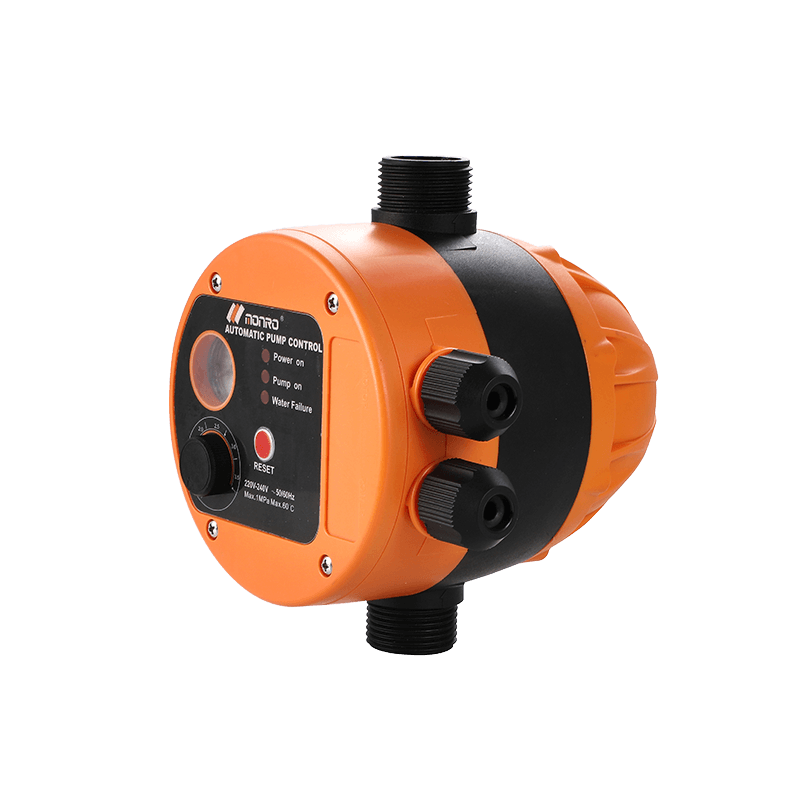 EPC-16
 is the new patent pump controller by Monro. Its key highlight is tooless (manual knob) start...
contact us
find our office
find our office
Committed to providing professional pressure control solutions for various types of water pumps and air compressors.
Mobile
 Wechat
Copyright © 2024 Zhejiang Monro M&E Co., Ltd. All Rights Reserved.
Wholesale Pressure Control Switch Manufacturer
