

 简体中文
简体中文 English
 Español
Don't hesitate to send a message
Search
Recent Post
Newsletter
Water Pump Pressure Controller Selection for Different Applications
Water pump systems do not all work in the same way. A small residential water supply system may have a simple daily routine. A commercial building may have several water outlets working at different times. Agricultural systems can change with irrigation activities. Industrial facilities may have water demand linked to different parts of their operations.
These differences can affect how a pump needs to respond to changing water use.
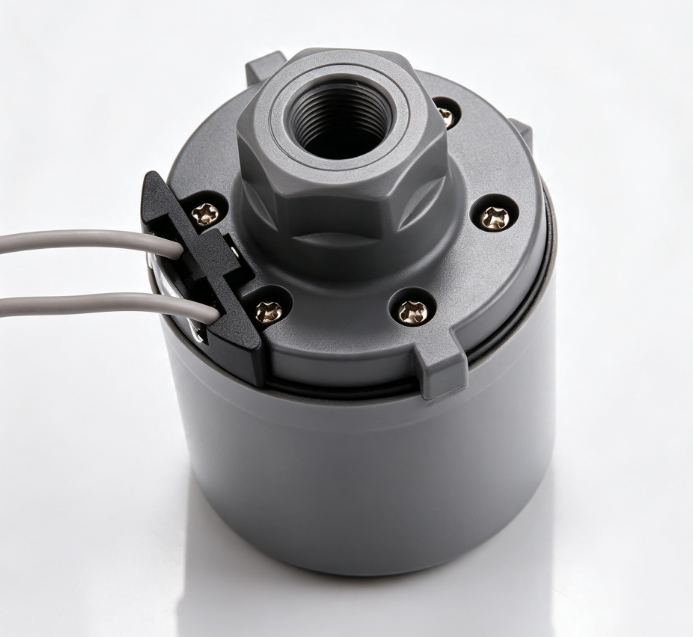
A Water Pump Pressure Controller is part of this relationship. It connects pump operation with pressure conditions in the water system. When water demand changes, the controller can help manage how the pump responds to those changes.
This makes controller selection more than a simple equipment choice. The application itself matters.
A controller used in a home may need to work with a different usage pattern from one used in a farm or commercial facility. The pipe layout, number of water outlets, pump arrangement, and daily operating routine can all influence the selection.
Understanding the application before choosing a controller can help buyers create a more suitable relationship between the pump and the water system.
What Should Buyers Look at Before Choosing a Water Pump Pressure Controller?
The application should be the starting point.
Before looking at individual controller features, buyers can examine how the water system actually operates. The goal is to understand what the pump is expected to do during normal use.
Water demand is an important part of this assessment. Some systems have relatively predictable use. Others can change quickly when several outlets are opened or when different areas begin using water.
The pipe network also deserves attention. A simple system with a small number of outlets may behave differently from a system with several branches.
Buyers can consider the following areas:
| Selection Area | Questions to Consider |
|---|---|
| Water demand | How does water use change during normal operation? |
| Pump arrangement | How does the pump operate within the system? |
| Pipe layout | How is water distributed to different areas? |
| Water outlets | How many areas may require water at the same time? |
| Operating routine | Is water use regular or constantly changing? |
| Maintenance | Can the controller be accessed for inspection and service? |
The purpose of this assessment is not to make the selection process complicated. It is to connect the controller with the actual environment in which it will operate.
A controller should be considered as part of the complete water supply system rather than as an isolated product.
How Does Residential Water Use Affect Controller Selection?
Residential water systems often experience frequent changes in demand.
A household may use little water during one period and much more during another. Someone may open a kitchen tap while another person is using a shower. A toilet may be flushed while a washing machine is operating. These activities can overlap without following a fixed pattern.
The water pump pressure controller needs to work with this changing demand.
For residential applications, buyers can pay attention to the normal household routine. The number of water-use areas, the pump arrangement, and the general pipe layout can all influence the controller choice.
A smaller home may have a relatively simple network. A larger home can have several floors, bathrooms, kitchens, outdoor water points, or other outlets. These differences can change how water pressure behaves.
The controller should therefore match the way water is actually consumed.
Ease of operation can also matter in residential settings. Home users may not want to manage pump operation manually throughout the day. A pressure controller can help connect pump activity with everyday water use.
Maintenance is another practical consideration. A residential controller should be positioned where it can be inspected without creating unnecessary difficulty.
The main question is simple: How does the household use water, and how does the pump need to respond?
That question can guide the rest of the selection process.
Why Can Commercial Buildings Need a Different Pressure Controller Approach?
Commercial buildings often have more varied water demand than residential properties.
A building may contain offices, kitchens, restrooms, cleaning areas, service spaces, or other facilities. Different areas may use water at different times.
The result can be a changing pattern of demand throughout the day.
For example, a building may have limited water use during quiet periods. Activity can increase when more people arrive. Cleaning or facility maintenance may create additional demand at particular times.
A Water Pump Pressure Controller needs to work within this changing environment.
The number and location of water outlets can be important. A building with outlets spread across different floors may have a different pressure pattern from a single-level facility.
The controller selection can therefore be connected to:
- The number of water-use areas
- The location of major outlets
- The expected changes in daily demand
- The existing pump arrangement
- The pipe network
- The maintenance routine
Commercial users may also need to think about operational continuity. If water demand changes regularly, the pump and controller should work together in a way that fits the building's normal activities.
The physical location of the controller matters as well. Maintenance staff need practical access to the equipment. A suitable installation position can make routine inspection easier and reduce disruption to other building activities.
How Should Agricultural Applications Be Considered?
Agricultural water systems can have a very different operating pattern.
Water may be supplied to different fields, growing areas, greenhouses, livestock facilities, or other locations. Demand can change according to the irrigation schedule and the activities taking place on the farm.
This means that controller selection should consider how water is distributed.
An agricultural system may have several branches that do not operate at the same time. One area may receive water while another remains closed. The pump therefore needs to work within a system where demand changes according to the current activity.
The controller can be selected with this pattern in mind.
| Agricultural Application | Selection Focus |
|---|---|
| Irrigation areas | Changing water demand between zones |
| Greenhouses | Regular water supply to separate growing areas |
| Livestock facilities | Daily water use and multiple outlets |
| Mixed farm systems | Different types of water demand |
| Large distribution networks | Pipe layout and changing flow paths |
The surrounding environment should also be considered.
Agricultural equipment may be installed in areas where dust, moisture, weather, and routine outdoor work are common. The controller should fit the installation environment and the maintenance practices available on the farm.
Another consideration is seasonal use. Water demand can change as farming activities change. A controller that suits one operating pattern may need to work within a broader range of daily conditions.
The selection process should therefore look at the farm as a working water system rather than focusing only on the pump.
What Should Industrial Users Consider When Selecting a Controller?
Industrial water systems can be closely connected to production activities.
Water may be used for processing, cleaning, cooling, equipment operation, or other facility tasks. Different parts of the operation can create different levels of water demand.
The pressure controller therefore needs to fit the relationship between the pump and the production environment.
Industrial facilities may also have more complex pipe networks. Water can travel to several production areas, service points, or utility systems. Changes in one area may affect the demand placed on the pump.
A controller selection process can begin with a clear view of the water flow.
Where does water enter the system? Where is it used? Which areas operate together? Which areas operate independently?
These questions help identify the pressure conditions the controller will need to manage.
The existing equipment should also be considered. A new controller may need to work with an existing pump and other control components. Compatibility can influence the practicality of the installation.
Maintenance planning is especially relevant in industrial environments. Equipment may be inspected as part of a wider facility maintenance routine. A controller that is easy to access can fit more naturally into this workflow.
Industrial buyers may also want to consider whether the water system could change in the future. New production areas or additional outlets can alter water demand. A selection based only on current use may not fit a system that is expected to develop.
Can Different Pump Types Change Controller Selection?
The relationship between a pump and its controller is important.
Different pumps can have different operating characteristics. The controller needs to work with the pump arrangement rather than being selected independently.
The type of pump is only part of the picture. Buyers should also consider how the pump is used within the complete water system.
For example, a pump serving a simple residential network may have a different operating role from a pump supplying several agricultural areas. A commercial system may have changing demand across different parts of a building. An industrial pump may support a process with a more structured operating routine.
This means controller selection should connect three elements:
Pump → Pressure control → Water demand
If one part of this relationship changes, the other parts may need to be reviewed.
The controller should also fit the way the pump starts, operates, and stops within the system. Buyers can review the pump manufacturer's compatibility information and installation requirements when making the final selection.
This approach can help prevent a common mistake: choosing a controller because it appears suitable on its own without checking how it will work with the pump and water network.
How Does System Layout Affect Water Pump Pressure Controller Selection?
The layout of the water system can influence pressure behavior from one area to another.
Water may need to travel through several pipes and branches before reaching an outlet. Some water-use points may be close to the pump. Others may be farther away.
The number of branches can also change the way demand is distributed.
A simple system may have a relatively direct path from the pump to the outlet. A larger network may have several paths operating at the same time.
This is why buyers should look at the physical system before selecting a Water Pump Pressure Controller.
Important layout factors can include:
- Pump location
- Main pipe direction
- Branch pipe arrangement
- Water outlet locations
- Storage or supply areas
- Areas with changing demand
- Available maintenance space
The controller should fit naturally into this arrangement.
Installation access is particularly important. A controller may need to be checked, adjusted, or serviced during its working life. If it is placed in an inconvenient location, routine maintenance can become more difficult.
System layout can also affect how users experience pressure. If one part of the network has a very different demand pattern from another, the pressure behavior may vary across the system.
Understanding these differences gives buyers a more practical basis for selection.
When Should Buyers Review the Controller Selection Again?
A Water Pump Pressure Controller does not necessarily remain matched to a system forever.
Water systems can change.
A homeowner may add another water-use area. A commercial building may be renovated. A farm may expand its irrigation network. An industrial facility may add new production equipment.
These changes can affect water demand and pump operation.
A controller that was suitable for the original system may need to be reviewed when the operating conditions change.
Some signs can indicate that a review is useful:
- Water demand has changed significantly.
- New water outlets have been added.
- The pipe network has been modified.
- Pump operation has changed.
- Pressure behavior is different from normal.
- The system has a new operating routine.
- Maintenance requirements have become more difficult.
Reviewing the system does not always mean replacing the controller. The actual cause of the change should be identified before a decision is made.
In some cases, the issue may come from the pipe network, pump condition, water supply, or an individual outlet rather than the controller itself.
A system-based approach can help buyers and operators identify what has changed and whether the existing pressure control arrangement still matches the application.
How Can Buyers Compare Controllers for Different Applications?
Different applications call for different selection priorities.
Residential users may focus on daily convenience and simple operation. Commercial users may pay more attention to changing demand across several areas. Agricultural users may need to consider irrigation schedules and distribution networks. Industrial users may place more attention on pump compatibility, facility layout, and maintenance routines.
The selection process can be organized around the actual application:
| Application | Main Selection Questions |
|---|---|
| Residential | How does household water use change during the day? |
| Commercial | How many areas may require water at the same time? |
| Agricultural | How does irrigation or farm activity change water demand? |
| Industrial | How is water connected to facility operations? |
| Mixed-use | Can one control arrangement work with different demand patterns? |
There is no need to treat the controller as a standalone component.
Its role is connected to the pump, water demand, pipe network, and daily operating routine. Looking at these elements together can make the selection process clearer.
Buyers can also compare installation requirements, maintenance access, compatibility, and control functions according to the actual application. The goal is to find an arrangement that fits the way the water system operates rather than choosing equipment based on a single feature.
As water use changes from one application to another, the role of pressure control changes with it. A careful selection process starts with the real conditions of the water system and then considers how the controller can fit into that working environment.
OUR PRODUCTS
Recommended Products
-
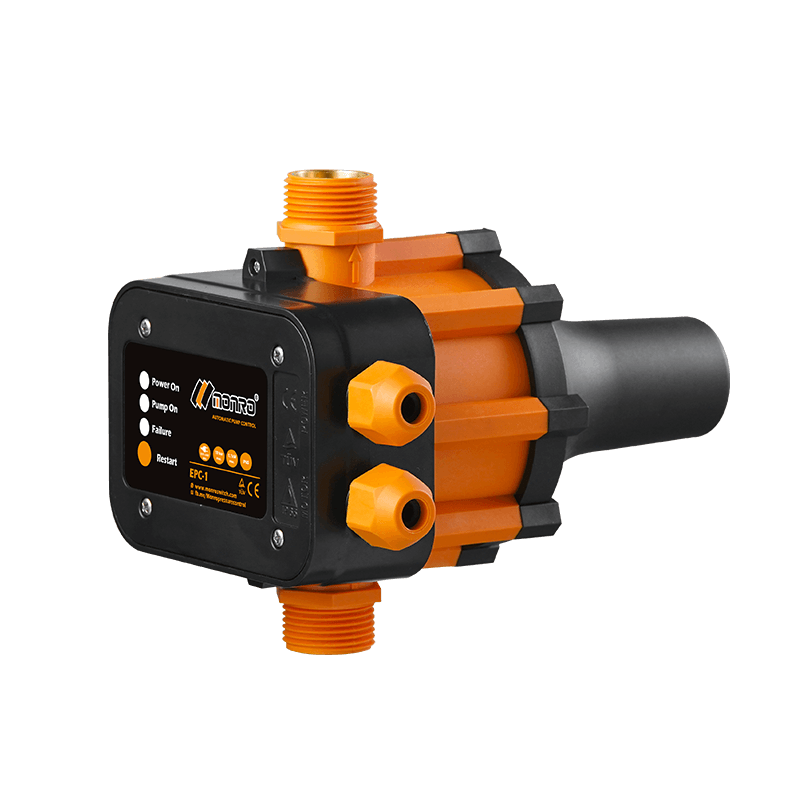 EPC-1
EPC-1Monro EPC-1 model pump controller is the classic and basic type, was loved by user in the global mar...
-
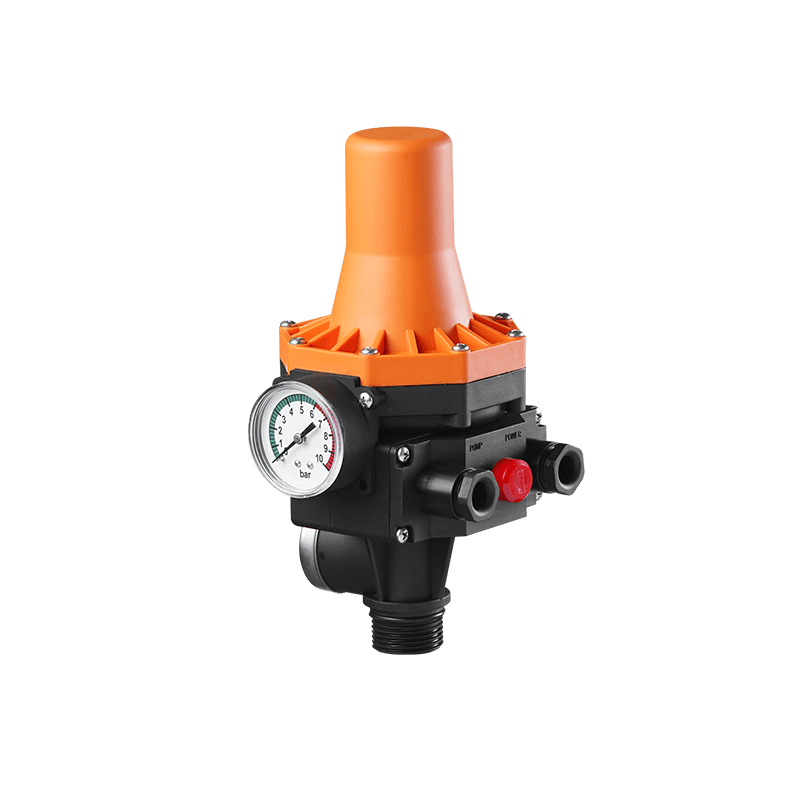 EPC-3
EPC-3Monro EPC-3 spain design auto on and off press control, an intelligent and economical system designe...
-
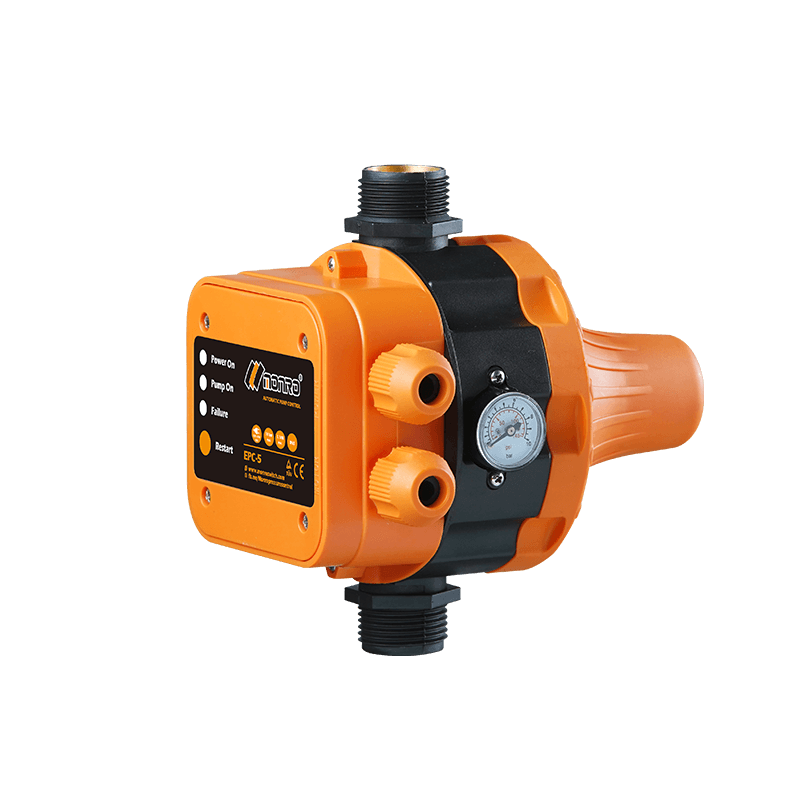 EPC-5
EPC-5Monro EPC-5 model automatic pump control, a device which assembled on the water pump (recommended si...
-
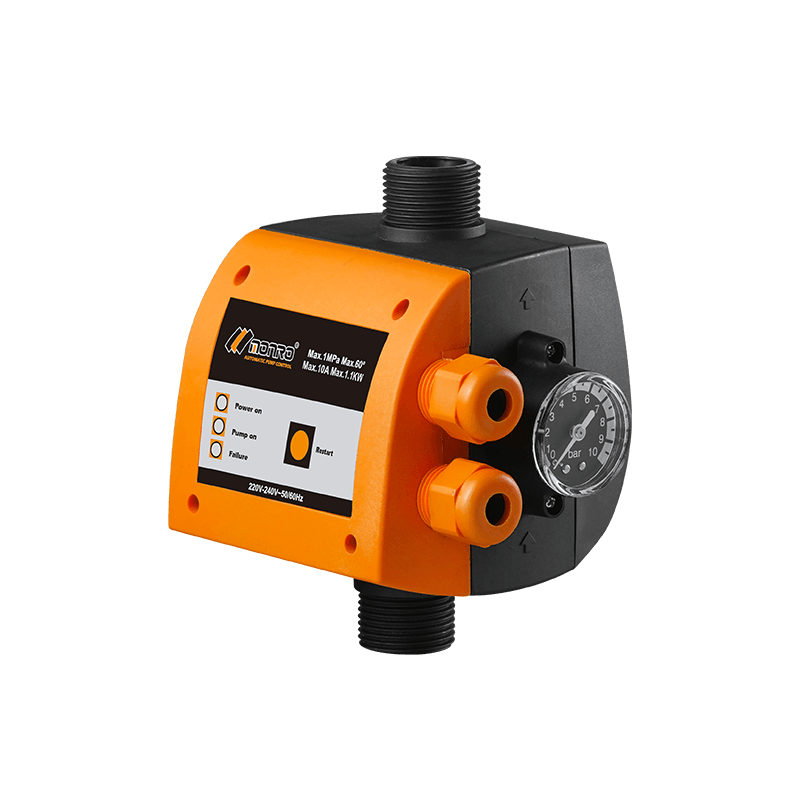 EPC-9
EPC-9Monro EPC-9 model pressure controller, is a big power device for automatic control and protection of...
-
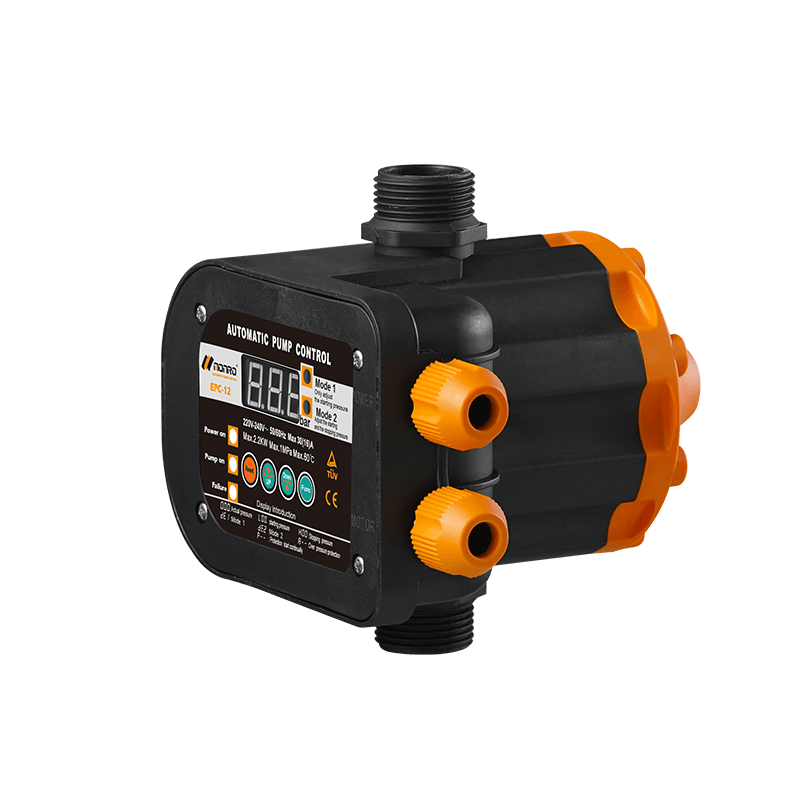 EPC-12
Monro EPC-12 smart top-level automatic pump control is a multi-function model combined with traditio...
-
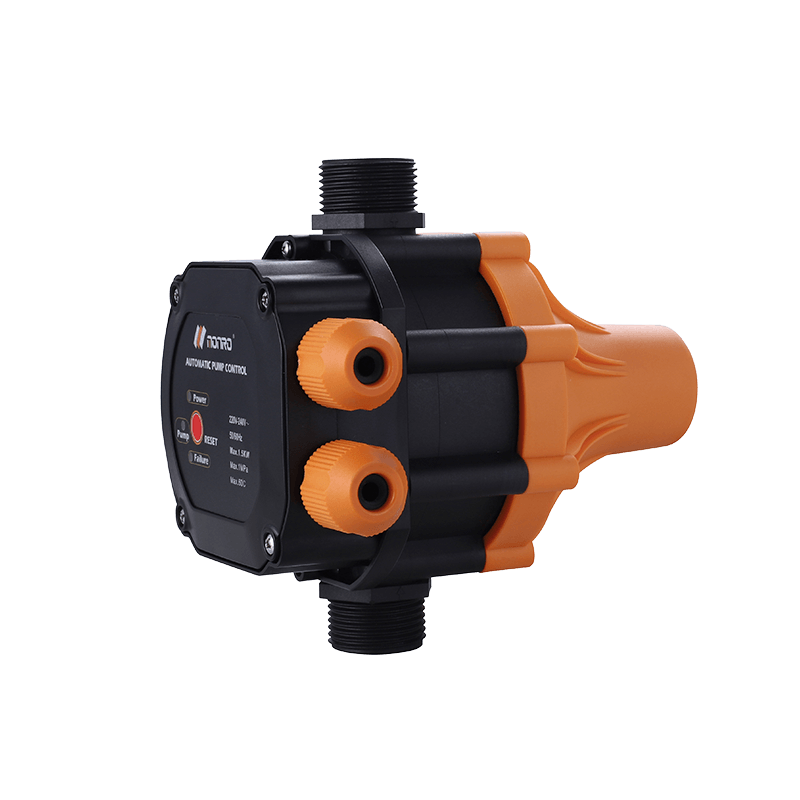 EPC-14
Monro EPC-14 model pressure control is a big power device for automatic control and protection of el...
-
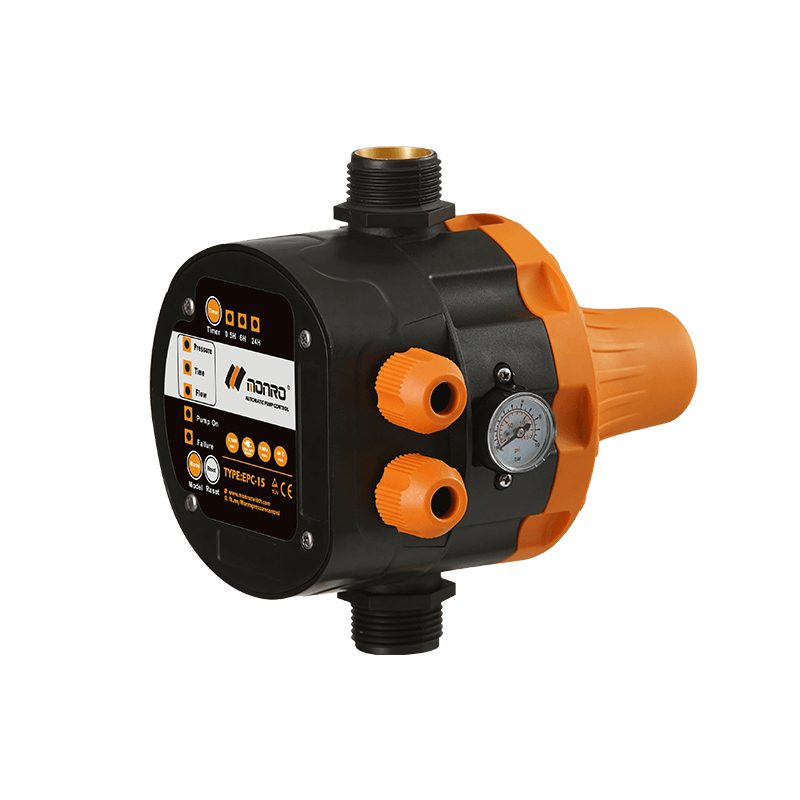 EPC-15
Monro EPC-15 model automatic pump control, a device which assembled on the water pump (recommended s...
-
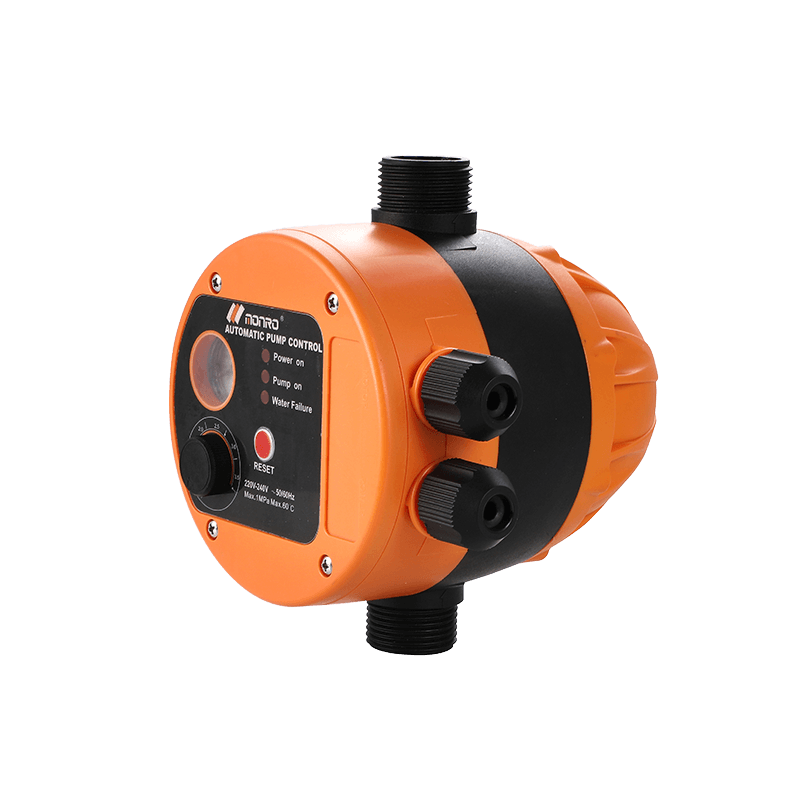 EPC-16
EPC-16 is the new patent pump controller by Monro. Its key highlight is tooless (manual knob) start...
contact us
find our office
find our office
Committed to providing professional pressure control solutions for various types of water pumps and air compressors.
Mobile
 Wechat
Copyright © 2024 Zhejiang Monro M&E Co., Ltd. All Rights Reserved.
Wholesale Pressure Control Switch Manufacturer
