

 简体中文
简体中文 English
 Español
Don't hesitate to send a message
Search
Recent Post
Newsletter
Why Can Water Pump Pressure Control Change During Daily Use
A water pump system may seem simple when everything is working normally. Water enters the system, the pump moves it, and users receive water where it is needed. Yet pressure does not always remain the same throughout the day.
A home may use very little water during one period and much more later. A commercial building can have several water outlets operating at the same time. An agricultural system may have different watering areas working at different times. These changes can affect how the pump operates and how the pressure control system responds.
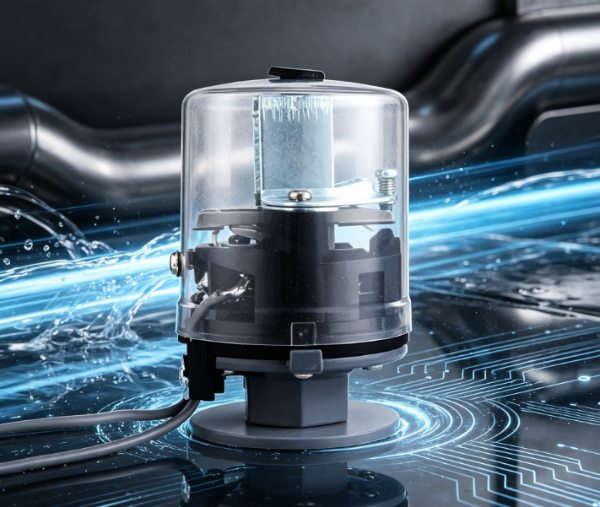
This is why Water Pump Pressure Control is closely connected with daily water use. Pressure is not determined by the pump alone. It can also be affected by water demand, pipe conditions, outlet use, system layout, and the way the control equipment manages changes.
Understanding these relationships can help users and equipment buyers look at pressure changes from a wider perspective. Instead of treating every pressure variation as a pump problem, it is useful to consider what is happening across the entire water system.
What Causes Water Pump Pressure to Change During Daily Use?
The amount of water being used is one of the noticeable factors.
When only one outlet is open, the water system may have a relatively light demand. When several outlets are used together, the demand can change quickly. The pump then needs to respond to a different operating situation.
This can happen in many places. In a house, several people may use water at the same time. In a commercial building, different rooms or facilities may need water at different moments. In agriculture, separate irrigation areas may operate according to different schedules.
The pump pressure can therefore change as water demand changes.
Other factors can also influence the pressure pattern:
| Daily Factor | Possible Effect on the Water System |
|---|---|
| More outlets in use | Water demand increases |
| Fewer outlets in use | Water demand decreases |
| Changing water use | Pump operation may change |
| Long periods of low demand | The system may operate differently |
| Changes in water supply | Pump conditions may vary |
| Different usage areas | Water flow can move through different parts of the system |
This does not mean every pressure change indicates a fault. Some changes are simply part of normal system activity.
The role of pressure control is to respond to these changing conditions in a suitable way. The control system helps connect pump operation with actual water demand.
How Does Changing Water Demand Affect Pressure Control?
Water demand is rarely completely constant.
Imagine a building early in the morning. Few water outlets may be active. Later, kitchens, bathrooms, cleaning areas, or other facilities may all begin using water. The demand changes as people start their daily activities.
A similar pattern can appear in other applications. A farm may operate different irrigation areas at different times. A workshop may have water demand linked to production activities. A residential water system may experience frequent short changes as people open and close taps.
When demand changes, the pump does not operate in exactly the same way.
This is where Water Pump Pressure Control becomes relevant. The control system helps the pump respond to changes rather than allowing the pump to operate without considering actual water use.
A useful way to understand the relationship is:
Water demand changes → water flow changes → pump operation responds → pressure conditions change.
The sequence can happen repeatedly throughout the day.
Good system planning therefore starts with understanding how water is actually used. A control system selected without considering the usage pattern may not match the way the water system operates.
For buyers, this means looking at daily demand rather than focusing only on the pump itself.
Why Can Multiple Water Outlets Change Pump Pressure?
Multiple outlets can make pressure changes easier to notice.
When one outlet is operating, the water system has one immediate demand point. When several outlets open at the same time, water needs to reach more locations.
The pump and control system must respond to this change.
The effect can depend on how the water system is arranged. A building with a simple layout may have a different response from a facility with many branches. Long pipe routes and multiple water-use areas can also create different conditions.
Consider a commercial facility with several rooms. One area may use water for cleaning while another uses water for regular activities. If both demands occur at the same time, the water system has to serve both locations.
The change may be temporary. One outlet may close shortly afterward. The system then returns to a lower-demand condition.
This repeated change is a normal part of many water supply systems.
For this reason, pressure control should be considered as part of the complete water network. The pump, control equipment, pipes, storage areas, and water outlets all have a relationship with each other.
A pressure control system that can respond to changing demand can help the overall system operate in a more organized way.
Can Pipe Conditions Affect Water Pump Pressure Control?
The pump is not the only part that affects pressure.
Water has to travel through pipes before it reaches the point of use. The pipe arrangement can influence how water moves through the system. Changes in the pipe network can therefore affect the pressure users experience.
A system with many branches may distribute water differently from a simpler network. Pipe routes can also vary between buildings and applications.
The condition of the pipe system matters as well. Leaks, blockages, worn components, or changes in the water path can influence how the system behaves.
For example, a small leak may create continuous water demand even when users are not actively using water. The pump may then respond to a demand that is not obvious to the people operating the system.
This is one reason unusual pressure changes should be viewed in context.
| Pipe or Network Condition | What Users May Notice |
|---|---|
| Multiple branches | Pressure may vary between different areas |
| Long water routes | Water delivery may behave differently |
| Restricted flow | Water movement may become less consistent |
| Leakage | The system may experience unexpected demand |
| Changed pipe layout | Existing pressure behavior may change |
Regular observation of the pipe network can therefore be useful when managing pressure control.
A pressure controller cannot independently correct every issue within the water network. If the underlying problem comes from a damaged or poorly arranged pipe system, that issue needs to be considered separately.
How Does Pump Operation Influence Daily Pressure Changes?
Pump operation is closely linked to water demand.
A pump may need to operate more when water use increases. When demand falls, the operating condition may change again. This creates a natural relationship between daily water use and pump activity.
The control system helps manage this relationship.
Without suitable control, a pump may not respond smoothly to changing demand. It may continue operating when demand is low or respond slowly when water use increases. The actual effect depends on the system design and the equipment being used.
This is why Water Pump Pressure Control is not simply a device added after the pump has been selected. It can influence how the pump interacts with the rest of the water system.
Different applications may also have different operating patterns.
A residential system may experience many short periods of changing demand. A commercial system may have busier periods during working hours. An agricultural system may follow irrigation routines. An industrial facility may have water demand connected to production tasks.
These patterns can affect how the pump operates throughout the day.
Understanding the normal pattern can help users recognize when a pressure change is expected and when it may require further inspection.
Why Does Water System Layout Matter for Pressure Control?
The physical layout of a water system can have a strong influence on pressure behavior.
Water may need to travel through several branches before reaching different outlets. Some outlets may be close to the pump, while others may be farther away. The position of tanks, valves, pipes, and water-use points can also affect the way the system behaves.
This means that two buildings with similar pumps may not experience the same pressure pattern.
A compact water system can have a relatively direct flow path. A larger facility may have several separate areas with different water needs.
The location of the pump and control equipment also deserves attention. These components need to work with the existing water network. Installation should take into account access, maintenance, pipe direction, and the relationship between the pump and the main water-use areas.
A useful planning checklist includes:
- Identify the main water-use areas.
- Understand how water moves between them.
- Check where demand changes during normal operation.
- Look for sections that may have restricted water movement.
- Consider how maintenance staff will access the system.
- Review how the control equipment fits the existing pump arrangement.
This type of planning can make pressure behavior easier to understand.
It also helps buyers avoid judging a pressure control solution only by its appearance or individual functions. The wider water system should remain part of the selection process.
When Should Unusual Pressure Changes Be Checked?
Not every pressure change requires concern. Daily water use naturally creates changing conditions.
However, a change that does not match normal usage may deserve attention.
For example, pressure may change even when water demand appears unchanged. A pump may start or stop more often than expected. Water delivery may also feel different in one area of a building while other areas continue to operate normally.
These signs can have several possible causes.
The issue may be related to the pump, pressure control equipment, pipe network, water supply, or an outlet within the system. It is therefore useful to look at the whole system instead of replacing one component immediately.
Users can compare the unusual behavior with normal operation.
Questions can include:
- Does the pressure change happen at a particular time?
- Does it occur when several outlets are used?
- Does it affect the whole building or only one area?
- Has the pipe arrangement changed?
- Has the water source changed?
- Does the pump behave differently from its usual pattern?
These observations can provide useful information for maintenance and equipment assessment.
For commercial and industrial users, keeping a simple record of unusual operating behavior can also make communication with maintenance personnel easier.
How Can Buyers Choose Water Pump Pressure Control for Daily Use?
The selection of pressure control equipment should reflect how the water system is used.
A system with stable demand may have different needs from one where water use changes throughout the day. A small residential network may also require a different approach from a commercial or agricultural system.
Buyers can consider several areas when comparing options.
Daily water demand
Think about when water is used and how often demand changes.
Pump type and operation
The control system should be compatible with the pump arrangement already used or planned.
Water network layout
Consider the number of branches, water-use areas, and the general route between the pump and outlets.
Pressure behavior
Look at how pressure normally changes during periods of low and high demand.
Maintenance
The equipment should be accessible for inspection and routine service.
Future changes
A water system may change as a building, farm, or facility develops. Additional outlets or different usage patterns can affect demand.
A practical comparison can look like this:
| Buyer Consideration | Key Question |
|---|---|
| Water demand | How does daily water use change? |
| Pump operation | How does the pump respond to changing demand? |
| System layout | How is water distributed through the network? |
| Pressure pattern | When and where do pressure changes occur? |
| Maintenance | Can the control equipment be inspected easily? |
| Future use | Could water demand change later? |
This approach connects pressure control with actual daily operation.
Water Pump Pressure Control works within a larger system. Its role is closely connected to how people use water, how pumps respond, and how water travels through pipes and outlets. Looking at these relationships can give buyers and operators a clearer way to understand changing pressure during normal daily use.
OUR PRODUCTS
Recommended Products
-
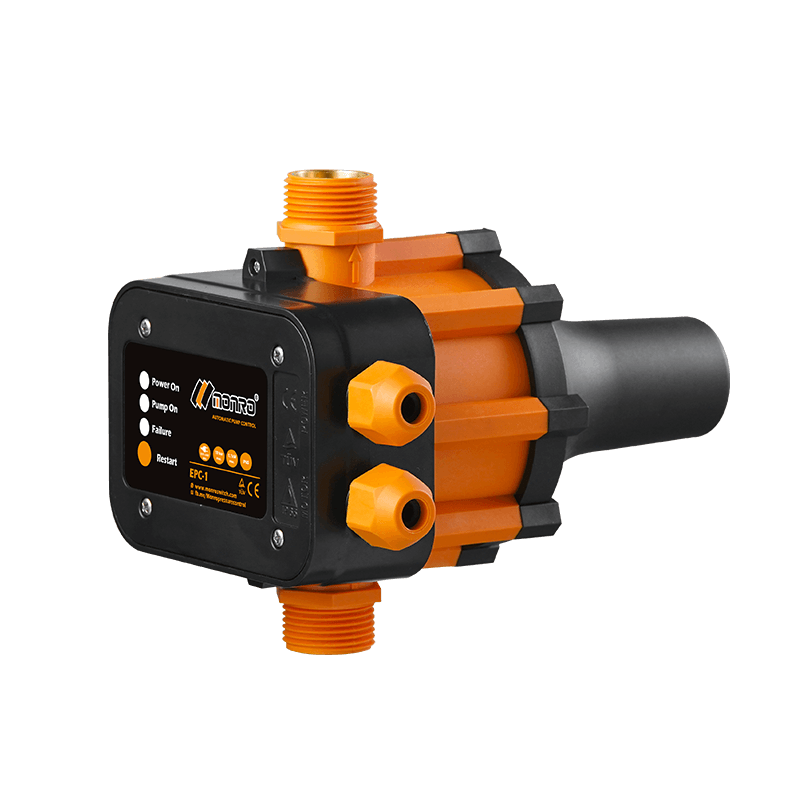 EPC-1
EPC-1Monro EPC-1 model pump controller is the classic and basic type, was loved by user in the global mar...
-
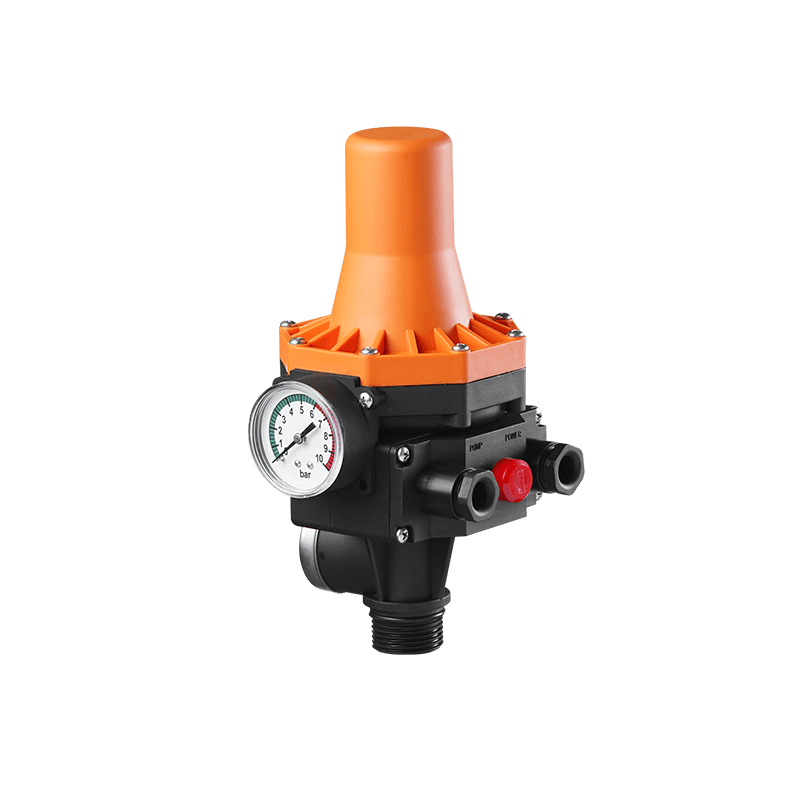 EPC-3
EPC-3Monro EPC-3 spain design auto on and off press control, an intelligent and economical system designe...
-
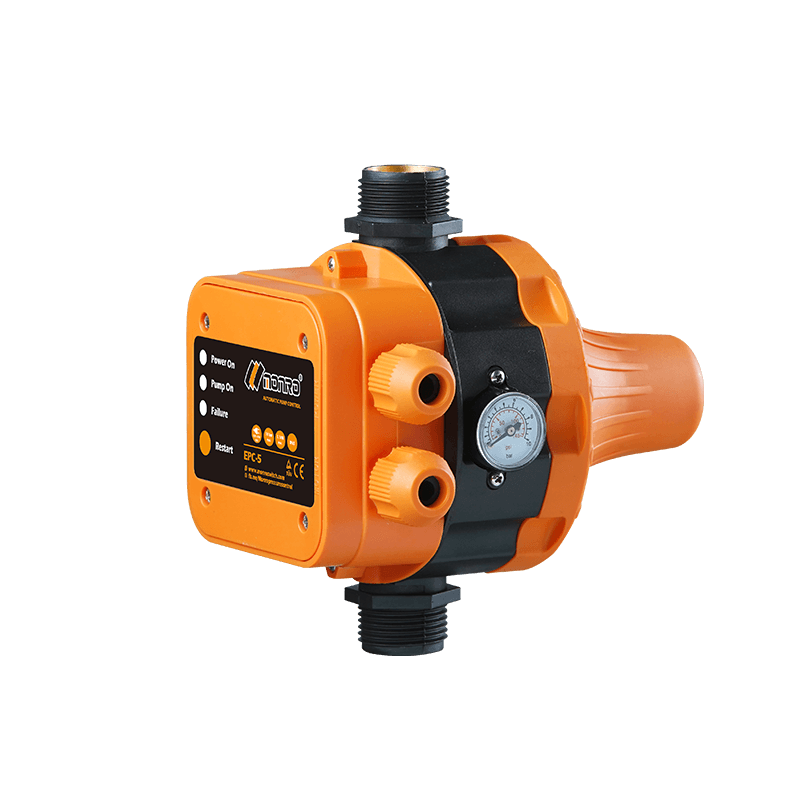 EPC-5
EPC-5Monro EPC-5 model automatic pump control, a device which assembled on the water pump (recommended si...
-
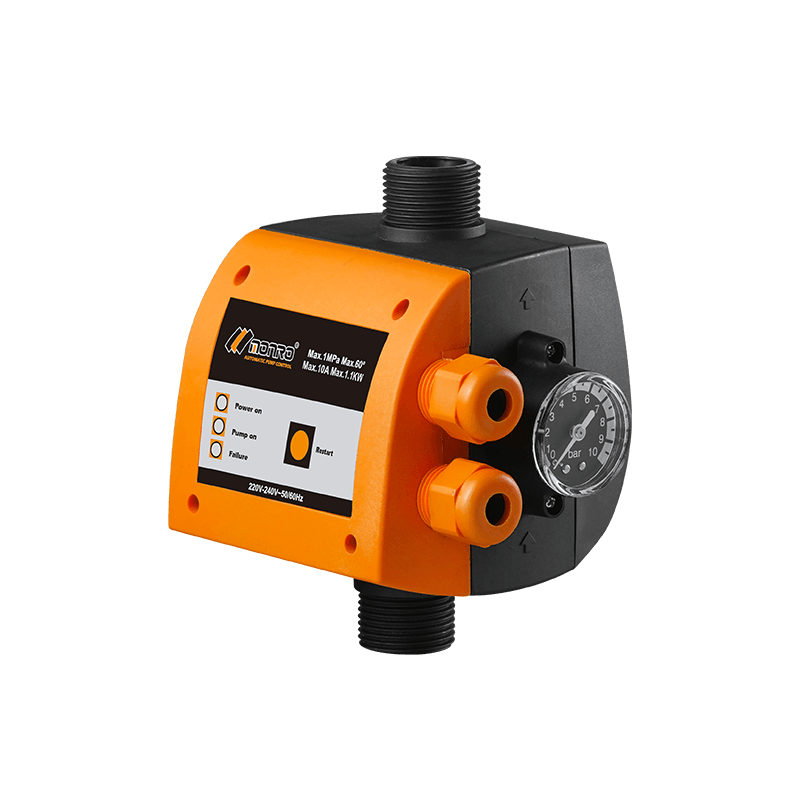 EPC-9
EPC-9Monro EPC-9 model pressure controller, is a big power device for automatic control and protection of...
-
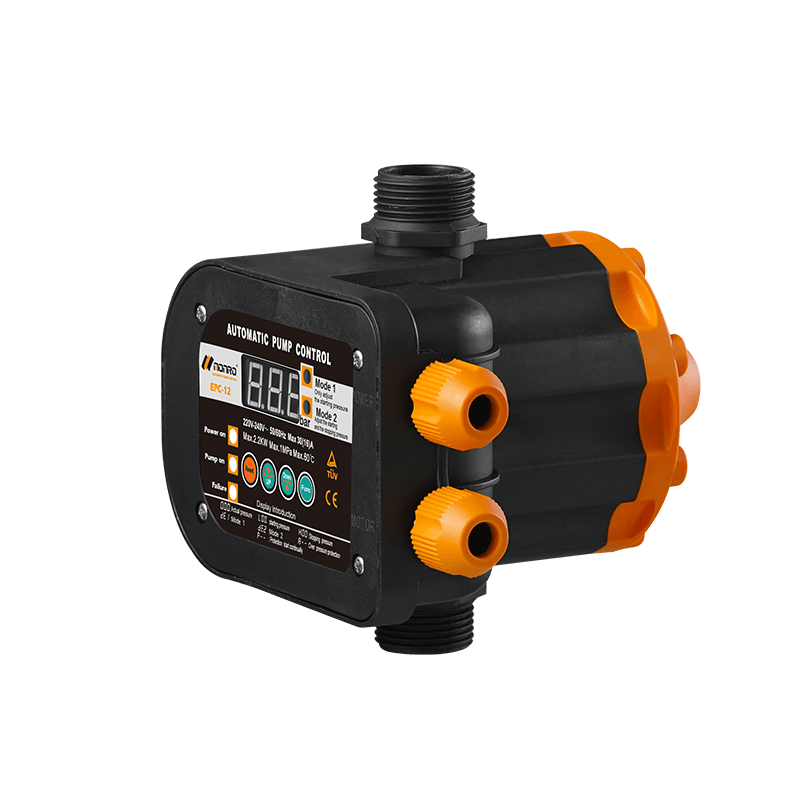 EPC-12
Monro EPC-12 smart top-level automatic pump control is a multi-function model combined with traditio...
-
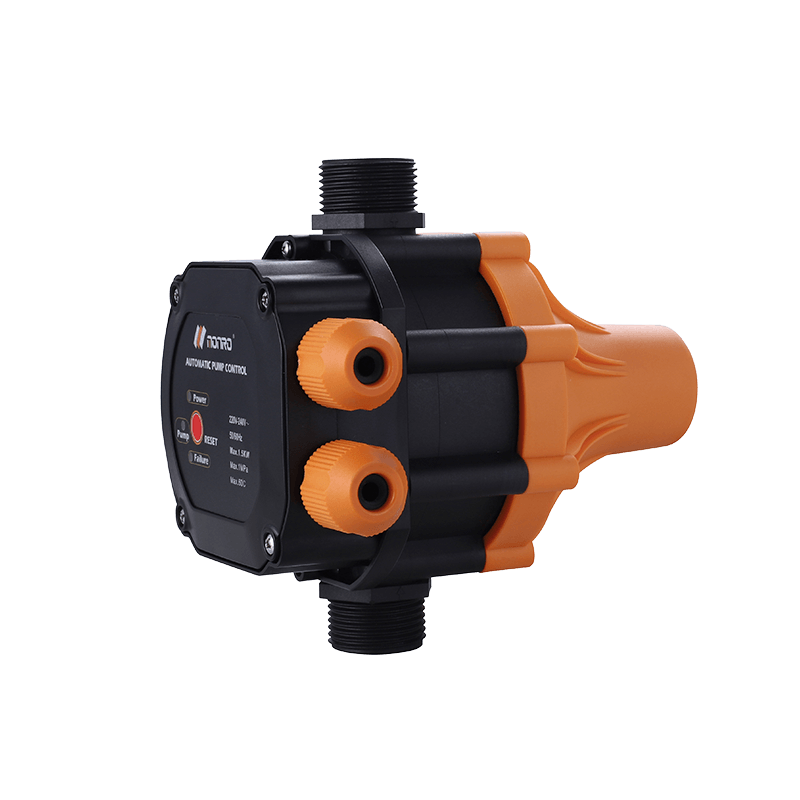 EPC-14
Monro EPC-14 model pressure control is a big power device for automatic control and protection of el...
-
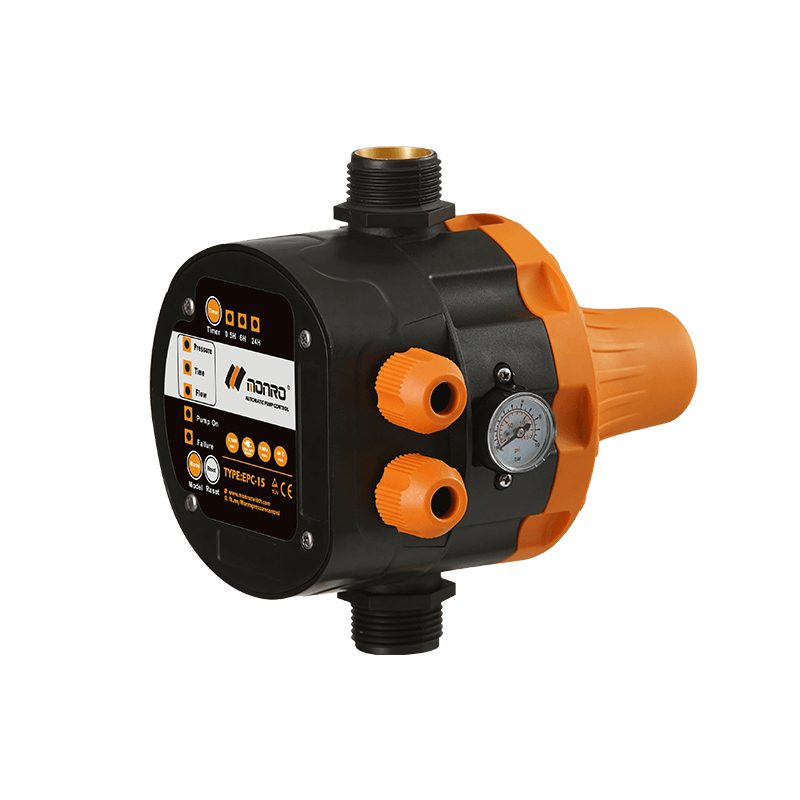 EPC-15
Monro EPC-15 model automatic pump control, a device which assembled on the water pump (recommended s...
-
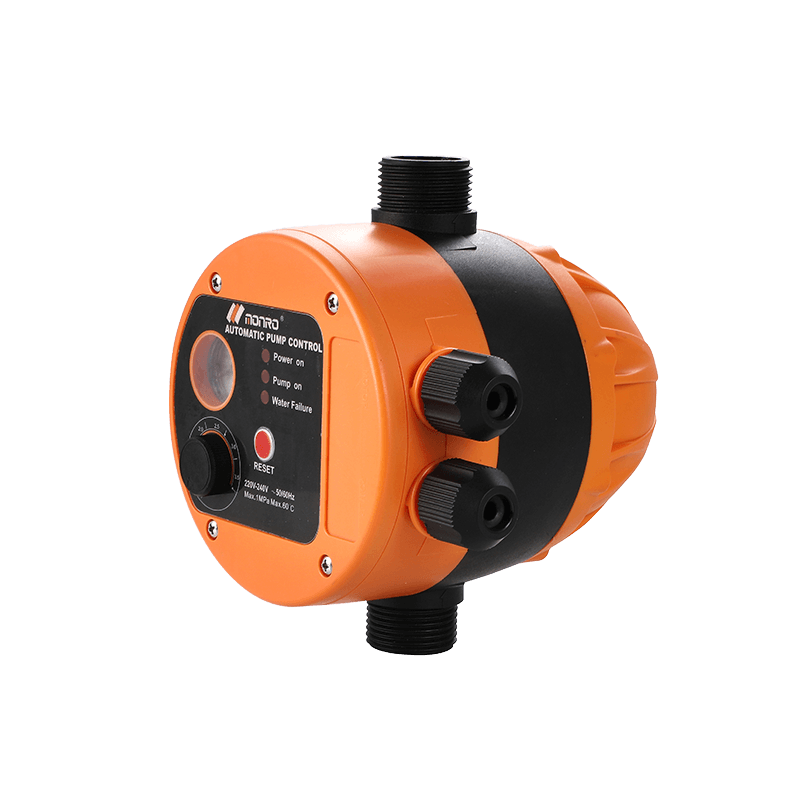 EPC-16
EPC-16 is the new patent pump controller by Monro. Its key highlight is tooless (manual knob) start...
contact us
find our office
find our office
Committed to providing professional pressure control solutions for various types of water pumps and air compressors.
Mobile
 Wechat
Copyright © 2024 Zhejiang Monro M&E Co., Ltd. All Rights Reserved.
Wholesale Pressure Control Switch Manufacturer
