

 简体中文
简体中文 English
 Español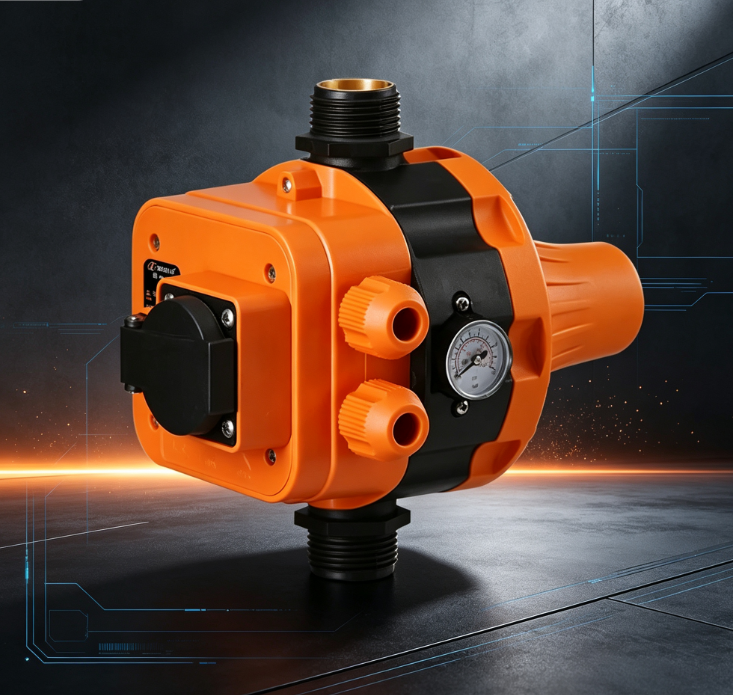
Don't hesitate to send a message
Search
Recent Post
Newsletter
Wholesale Electronic Control Is Becoming Part of Smarter Equipment Purchasing
Buying equipment for a business is rarely about one product alone.A machine may need control components. A production line may require replacement parts. A distributor may need a steady supply of electronic control products for different customers. Even a small equipment project can involve several purchasing decisions at the same time.
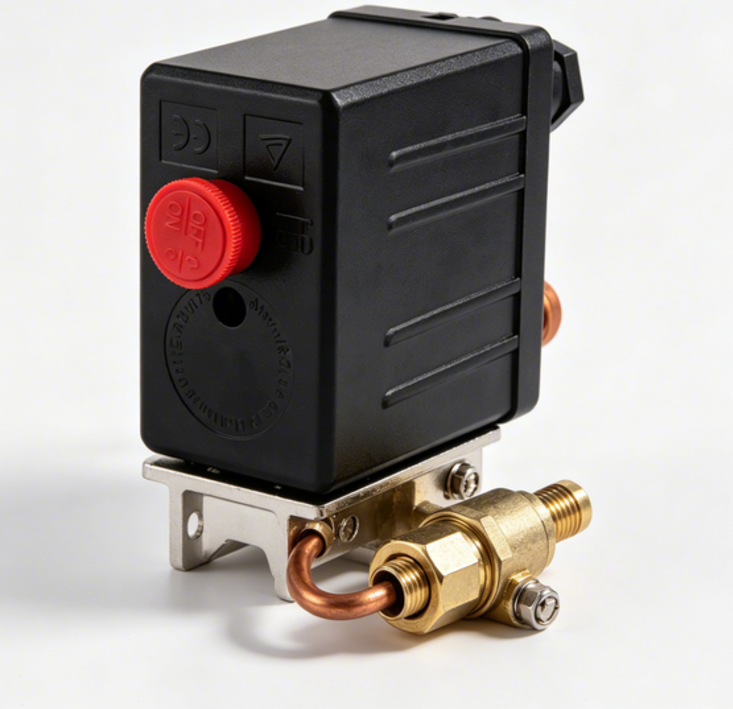
This is changing how buyers look at wholesale electronic control products.
Price still matters. It can affect budgets and purchasing plans. Yet price alone does not always explain whether a product is suitable for a particular business need. Buyers may also think about product consistency, supply arrangements, communication, application needs, and support after the purchase.
This wider view is making wholesale electronic control part of a more thoughtful equipment purchasing process.
Why Are Buyers Paying More Attention to Electronic Control Products?
Electronic control products may not always be the visible part of a machine. They can sit inside equipment or within a larger control system. Their role may become noticeable only when an operator interacts with the equipment.
For buyers, this means the purchasing decision can involve more than appearance or basic product availability.
A business may purchase electronic control products for new equipment, replacement needs, maintenance work, or ongoing production. Each situation can create different expectations.
A buyer replacing a product may care about compatibility with existing equipment. A distributor may focus more on product variety and supply arrangements. A manufacturer may pay closer attention to consistency across repeated orders.
These different needs make purchasing more detailed.
Wholesale purchasing can also change the way businesses think about supply. Instead of looking for one item for one project, buyers may consider how a product fits into a wider purchasing plan.
That can include questions such as:
- Can the product support the intended equipment use?
- Is the product suitable for repeated purchasing?
- Can communication with the supplier remain clear?
- Is the product available when the business needs it?
- Can the purchasing arrangement adapt to changing demand?
The answers can influence the overall buying decision.
Is Price Still the Main Factor in Wholesale Electronic Control Purchasing?
Price remains an important part of purchasing. Businesses need to manage budgets, compare offers, and control operating costs.
However, a low purchase price does not automatically make a product suitable.
A product may appear attractive during the initial comparison but become less practical if it does not match the intended equipment, creates supply difficulties, or requires complicated communication with the supplier.
This is why buyers are increasingly looking at the wider purchasing picture.
| Purchasing Factor | What Buyers May Consider |
|---|---|
| Product Price | Whether the purchase fits the planned budget |
| Product Fit | Whether the product suits the intended equipment |
| Supply | Whether products can be obtained when needed |
| Consistency | Whether repeated orders can remain dependable |
| Communication | Whether product information is clear |
| Support | Whether assistance is available when questions arise |
| Flexibility | Whether purchasing can adapt to changing needs |
| Long-Term Use | Whether the product makes sense for ongoing requirements |
The balance between these factors depends on the buyer.
For a small order, price may have a stronger influence. For repeated wholesale purchasing, supply and consistency may become more important. A business that serves many customers may also need a wider product selection.
The purchasing process therefore becomes less about finding the cheap option and more about understanding the complete requirement.
How Does Product Fit Affect Smarter Equipment Purchasing?
A control product should be considered in relation to the equipment where it will be used.
This sounds simple, but purchasing teams can sometimes focus heavily on product names or general descriptions. A better approach is to begin with the actual application.
What type of equipment will use the product? How will operators interact with it? Is the product intended for a new machine or a replacement task? Does the business need one product or several related products?
These questions can help buyers narrow their choices.
Product fit can also involve physical arrangement and user habits. A control component may need to work naturally within the equipment's layout. Its position, handling, and role in everyday operation can all affect how practical the product feels.
For wholesale buyers, this matters even more when products are supplied to different customers.
A distributor may receive requests from businesses with different equipment designs. A manufacturer may also work on several product lines. In these cases, understanding the intended use can make communication with suppliers more useful.
Instead of asking only, "What products do you have?" buyers can explain what they need the product to do within the equipment.
That creates a clearer starting point for product selection.
Could Supply Stability Change the Way Businesses Buy?
Wholesale purchasing often involves repeated demand.
A business may not need a product only once. The same type of electronic control product could be required for production, maintenance, replacement, or customer orders over an extended purchasing cycle.
This makes supply an important part of the buying conversation.
A buyer may ask whether a supplier can support regular purchasing. They may also want to understand how product availability is managed and how communication works when demand changes.
This does not mean every buyer needs a large purchasing agreement.
Even smaller businesses can benefit from thinking about future needs.
- Current demand
What products are needed for present equipment or customer orders? - Possible repeat demand
Are the same products likely to be purchased again? - Product range
Are there related products that may be useful later? - Supplier communication
Can changes in demand be discussed clearly? - Purchasing flexibility
Can the arrangement change when business needs change?
This approach can make wholesale purchasing more organized.
It can also reduce the chance of treating every order as an isolated transaction.
What Role Does Supplier Communication Play?
A product may look straightforward on a purchasing list, but questions often appear during the buying process.
Buyers may want to discuss product use, packaging, order arrangements, replacement needs, or future purchasing plans. Clear communication can make these discussions easier.
For wholesale electronic control, communication is especially relevant when buyers are handling products for different equipment applications.
A supplier does not need to make the purchasing decision for the buyer. Instead, useful communication can help both sides understand the actual requirement.
Good purchasing conversations often begin with practical information.
- Where the product will be used.
- Whether it is for new equipment or replacement.
- Whether the order is occasional or recurring.
- Whether several product types are needed.
- What kind of supply arrangement the business expects.
The supplier can then respond based on the information provided.
This creates a more direct purchasing process.
It also gives buyers a clearer basis for comparing suppliers. Instead of comparing only product prices, they can compare how well each supplier understands the request and responds to it.
Why Does Consistency Matter for Wholesale Buyers?
Consistency becomes important when a business purchases the same product repeatedly.
A single order may not reveal much about a purchasing relationship. Repeated orders create a different situation. Buyers need products that remain suitable for their intended use and purchasing arrangements that remain manageable.
For distributors, consistency can affect customer relationships. If a customer expects the same type of product for ongoing equipment needs, changes in product availability or purchasing arrangements can create additional work.
Manufacturers face a similar issue.
When control products are used across repeated production activities, buyers may prefer a stable supply relationship rather than constantly searching for alternatives.
This is one reason wholesale purchasing is becoming more closely connected with business planning.
The focus is not simply on getting products into the warehouse. It is also about understanding how those products fit into the company's ongoing work.
A simple purchasing review can help:
| Area | Question to Ask |
|---|---|
| Product | Does it continue to fit the intended use? |
| Supply | Can future orders be discussed clearly? |
| Quality Consistency | Is the product reasonably consistent between orders? |
| Communication | Are changes handled clearly? |
| Customer Needs | Does the product remain suitable for the market served? |
| Inventory | Can stock planning be managed naturally? |
Such questions can be useful before expanding a purchasing relationship.
Can Wholesale Purchasing Support Different Equipment Applications?
Different equipment often creates different control requirements.
A workshop may need products for production equipment. A machine builder may need components for a new equipment design. A maintenance business may purchase replacement products. A distributor may serve several types of customers.
These situations can make product flexibility important.
Wholesale electronic control purchasing does not necessarily mean buying a large quantity of one identical product. It can also involve building a suitable product range around several customer or equipment needs.
For businesses that handle different applications, product selection may involve several layers.
Application → Product Range → Supply Planning → Customer Demand
Application
The buyer identifies where the product will be used and what role it needs to perform.
Product Range
The buyer considers whether related products are needed for other equipment or future orders.
Supply Planning
The business considers how products will be purchased, stored, and reordered.
Customer Demand
Distributors and resellers may consider the types of control products their customers request most often.
This way of thinking can make wholesale purchasing more connected to actual business activity.
It also helps explain why a product that works for one application may not automatically be the right choice for another.
How Should Businesses Compare Wholesale Electronic Control Suppliers?
Supplier comparison can be more useful when it goes beyond a simple price list.
A business can create a purchasing checklist based on its own priorities. The purpose is not to make the process complicated. It is to make the comparison more balanced.
Several areas may deserve attention.
Product suitability:
Does the supplier offer products that match the intended equipment and application?
Communication:
Can the buyer explain requirements and receive clear responses?
Supply arrangements:
Can the supplier discuss current and future purchasing needs?
Product range:
Are there suitable options for different equipment or customer requirements?
Support:
Can questions be handled when product or order issues appear?
Purchasing flexibility:
Can the supplier accommodate changes in business demand?
Long-term relationship:
Does the supplier fit the way the business normally purchases products?
- Product suitability — Match between products and intended applications.
- Communication — Clarity when discussing requirements and orders.
- Supply arrangements — How present and future purchasing needs are handled.
- Product range — Options for different equipment or customer requirements.
- Support — Assistance when product or order questions arise.
- Purchasing flexibility — Ability to respond to changing business needs.
- Long-term relationship — Suitability for the company's regular purchasing process.
These points can help businesses avoid making decisions based only on an initial quotation.
A smarter purchasing process does not necessarily mean a longer process. It can simply mean asking more relevant questions before placing an order.
As equipment becomes part of increasingly connected business workflows, control products are also being viewed within a broader purchasing context. Buyers may look at the product itself, the equipment where it will be used, the supply relationship behind it, and the business needs that may develop after the current order.
That shift gives wholesale electronic control a wider role in equipment purchasing. The product is no longer considered only as an individual item on a purchasing list. It can become part of how businesses plan equipment supply, maintenance needs, customer orders, and future purchasing decisions.
OUR PRODUCTS
Recommended Products
-
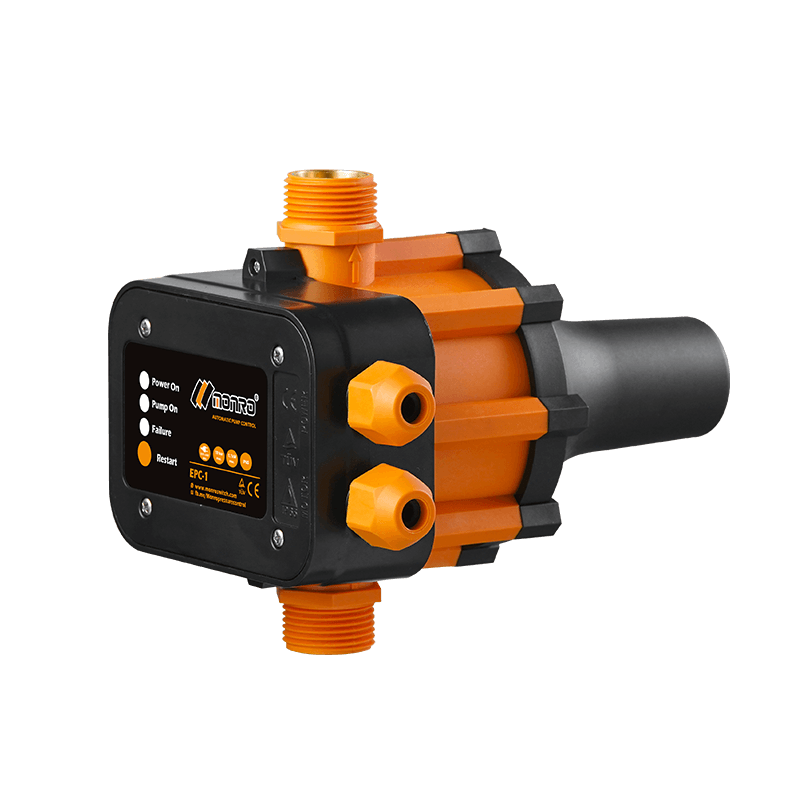 EPC-1
EPC-1Monro EPC-1 model pump controller is the classic and basic type, was loved by user in the global mar...
-
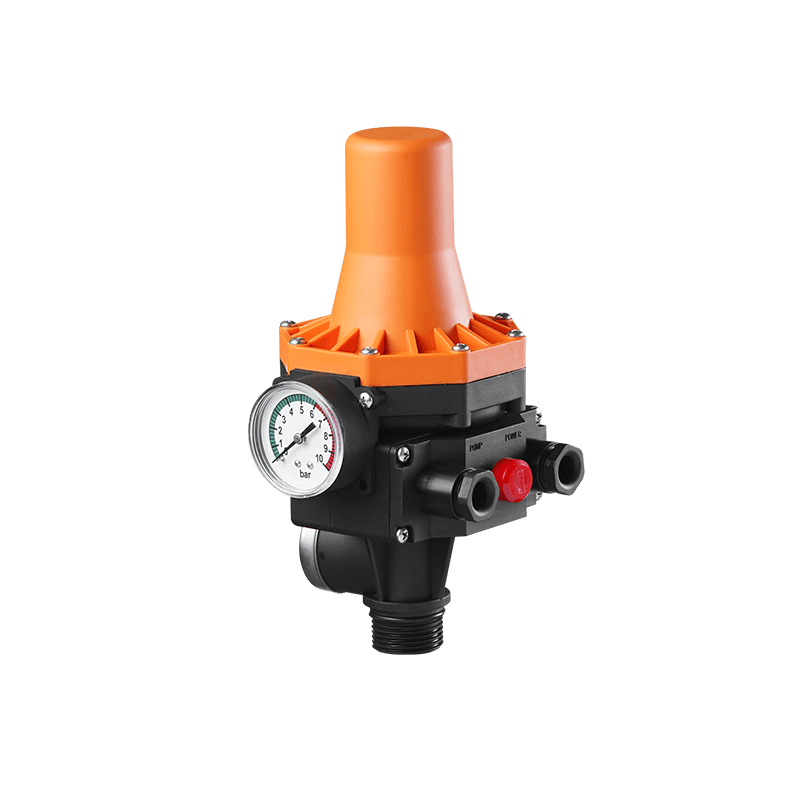 EPC-3
EPC-3Monro EPC-3 spain design auto on and off press control, an intelligent and economical system designe...
-
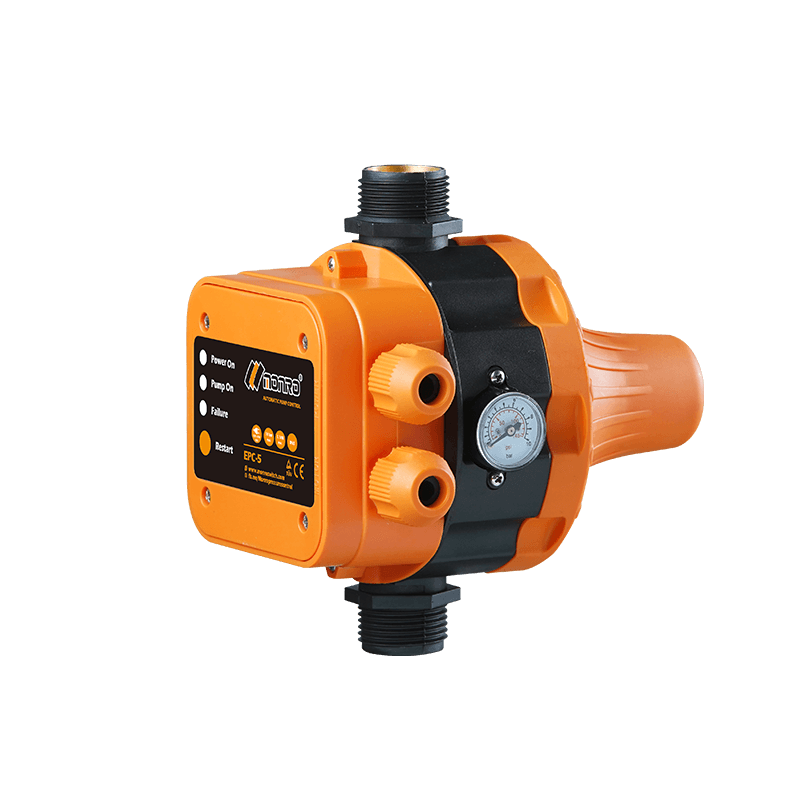 EPC-5
EPC-5Monro EPC-5 model automatic pump control, a device which assembled on the water pump (recommended si...
-
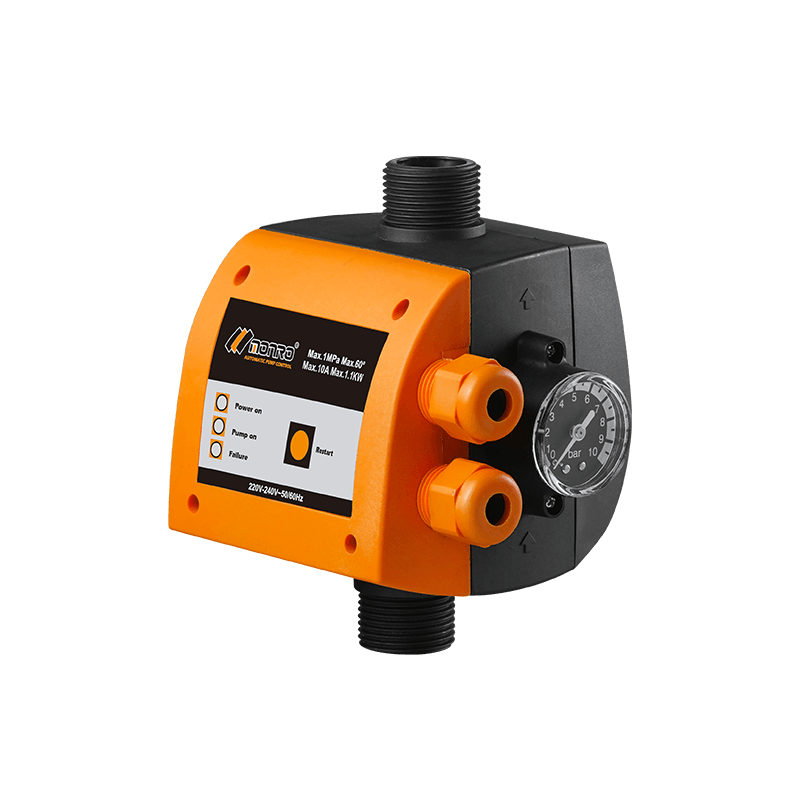 EPC-9
EPC-9Monro EPC-9 model pressure controller, is a big power device for automatic control and protection of...
-
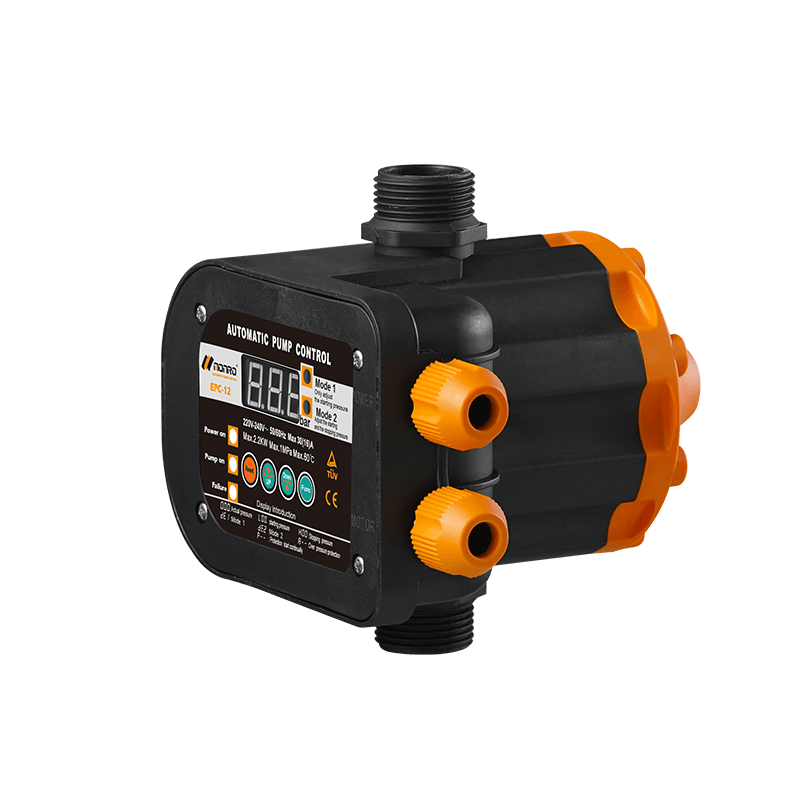 EPC-12
Monro EPC-12 smart top-level automatic pump control is a multi-function model combined with traditio...
-
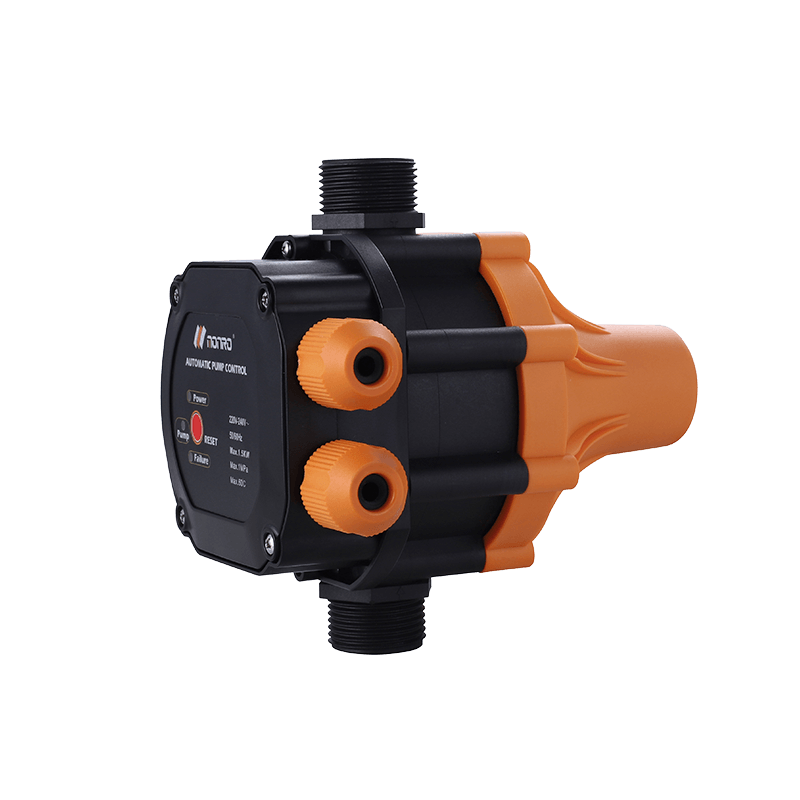 EPC-14
Monro EPC-14 model pressure control is a big power device for automatic control and protection of el...
-
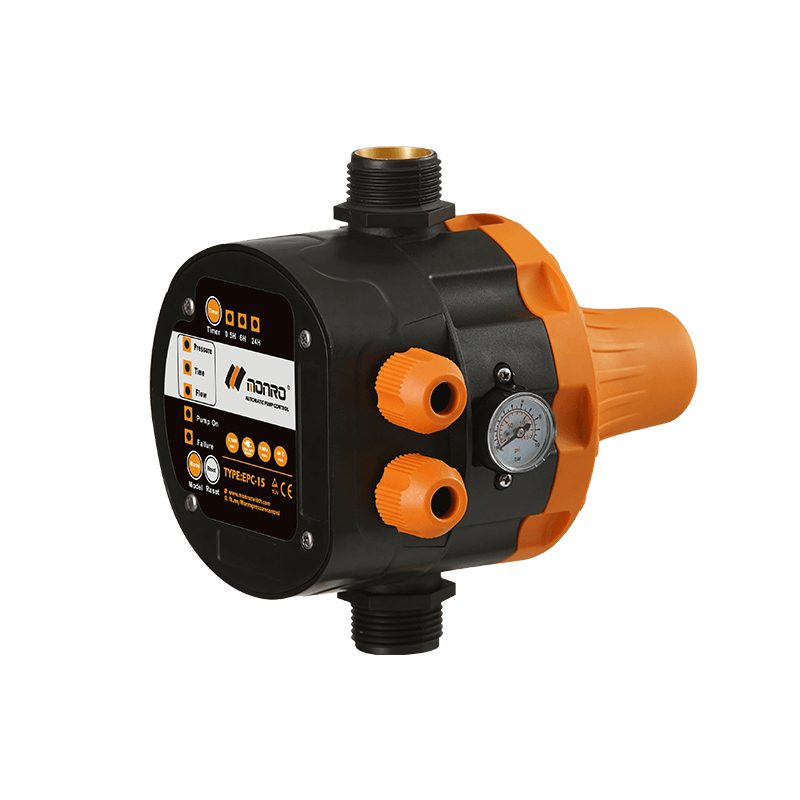 EPC-15
Monro EPC-15 model automatic pump control, a device which assembled on the water pump (recommended s...
-
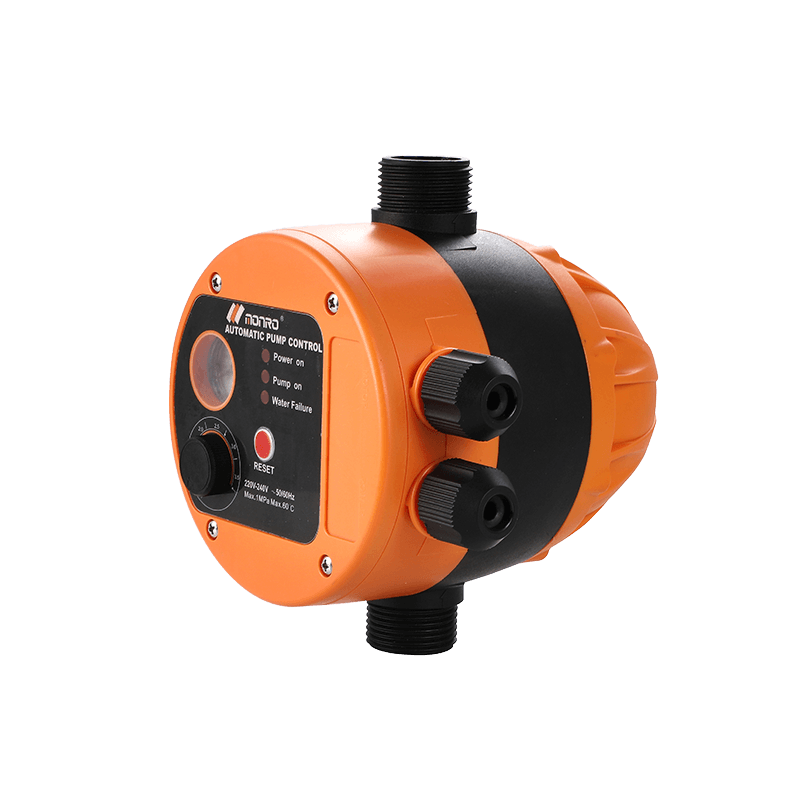 EPC-16
EPC-16 is the new patent pump controller by Monro. Its key highlight is tooless (manual knob) start...
contact us
find our office
find our office
Committed to providing professional pressure control solutions for various types of water pumps and air compressors.
Mobile
 Wechat
Copyright © 2024 Zhejiang Monro M&E Co., Ltd. All Rights Reserved.
Wholesale Pressure Control Switch Manufacturer
