

 简体中文
简体中文 English
 Español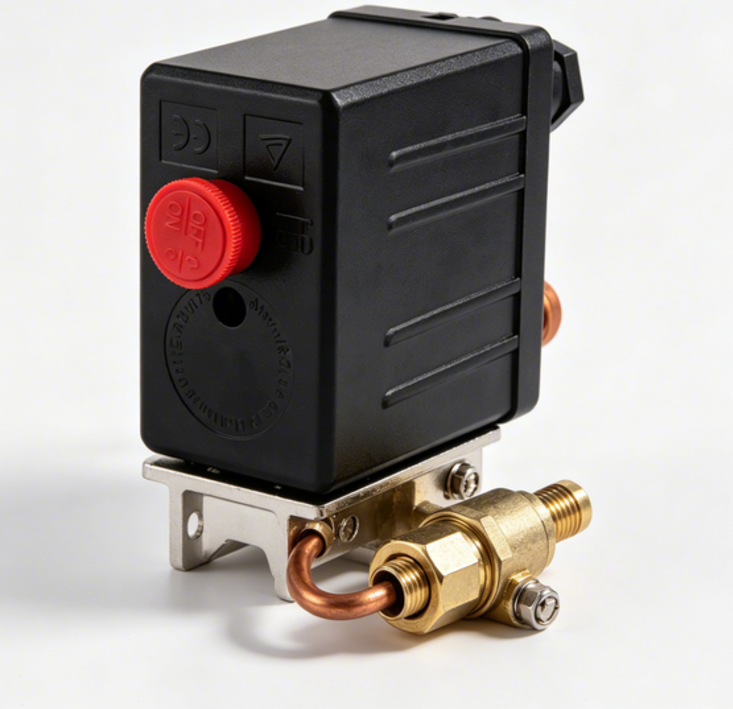
Don't hesitate to send a message
Search
Recent Post
Newsletter
How Does an Air Compressor Switch Unloader Valve Work
An air compressor may look like a simple machine from the outside. It draws in air, compresses it, and sends that air into a storage or working system.
Inside the process, however, several small components have to work together.
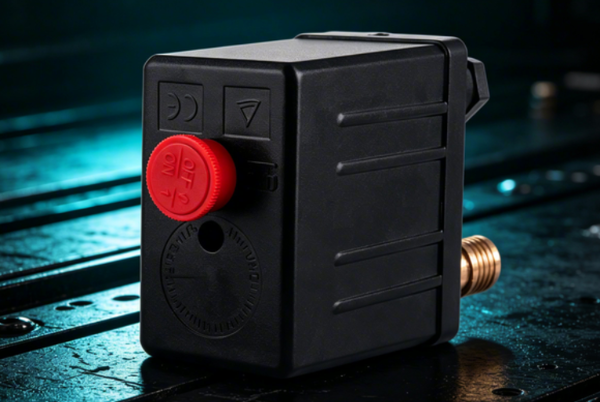
One of these components is the Air Compressor Switch Unloader Valve. It may not attract much attention when the compressor is running normally. Yet its role becomes noticeable when the compressor stops and needs to start again.
The unloader valve helps manage the air around the compressor during the change between operating and non-operating states. It works together with the compressor switch to prepare the system for another start.
This relationship can make the compressor easier to manage during repeated operation.
For equipment manufacturers, maintenance teams, and buyers of compressor parts, understanding this component can also make troubleshooting easier. A problem with the unloader valve may appear as a starting problem, an unexpected air leak, or unusual compressor behavior.
The valve itself is small. Its position within the operating sequence gives it a much larger role.
What Is an Air Compressor Switch Unloader Valve?
An Air Compressor Switch Unloader Valve is a component used with an air compressor switch to release pressure from a selected part of the compressor system when the compressor stops.
The purpose is related to restarting.
When a compressor finishes a working cycle, some compressed air can remain in the line between the compressor and its check point. If this pressure remains in the wrong place, the compressor may have to start against resistance.
The unloader valve helps remove that pressure before the next start.
The compressor switch controls when the compressor motor runs. When the switch reaches its stopping position, it can also activate the unloader function. The valve then opens and allows the trapped air in the relevant section to escape.
Once the compressor starts again, the valve closes and normal compression can continue.
| Operating Stage | Switch Action | Unloader Valve Action |
|---|---|---|
| Compressor running | Keeps the motor operating | Remains closed |
| Pressure reaches the stopping point | Stops the motor | Opens to release trapped air |
| Compressor remains stopped | Holds the motor off | Allows the selected pressure to escape |
| Restart begins | Turns the motor on | Closes for normal compression |
The exact design can vary between compressor systems. The basic relationship remains similar. The switch controls the compressor's operating cycle, while the unloader valve helps prepare the compressor for the next cycle.
Why Does an Air Compressor Need an Unloader Valve?
The main reason is to make restarting easier.
Imagine a compressor that has just stopped. The storage side may still contain compressed air. That is normal. The issue is the smaller amount of air that can remain around the compressor outlet and connecting line.
Without a suitable unloading action, this trapped pressure can make the next motor start more difficult.
The unloader valve addresses this part of the system.
When the compressor stops, the valve provides a path for the trapped air to leave. This reduces the pressure that the compressor has to work against at the moment of startup.
The difference may not be obvious during normal operation. It becomes more important when the compressor starts and stops repeatedly.
A production environment may have many operating cycles. Each cycle creates another transition from running to stopped and back again.
The unloader valve works during these transitions.
This gives it a specific role rather than making it a general pressure-release component.
It is also important to distinguish the unloader valve from other valves used in an air compressor system. Not every valve that releases air performs the same job.
The unloader valve is closely associated with the compressor's stopping and restarting sequence.
How Does the Switch Control the Unloader Valve?
The compressor switch acts as the control point for the operating cycle.
When the compressor reaches the condition at which it should stop, the switch interrupts power to the motor. At the same time, the switch mechanism can activate the unloader valve.
This creates two actions within one transition.
- The motor stops.
- The unloader valve opens.
- Trapped air is released.
- The compressor remains in its stopped state.
- When another operating cycle begins, the valve closes.
- The compressor returns to normal compression.
This sequence is why the switch and valve are often discussed together.
The switch does not simply turn the motor on and off. In many compressor arrangements, it also coordinates other actions needed around the operating cycle.
The unloader valve responds to this change.
The connection between the two components can be mechanical or arranged through the particular design of the switch and valve assembly. What matters to the user is the result.
When the compressor stops, the appropriate air is released.
When the compressor starts, the release path is closed.
This creates a small but important transition between two different operating conditions.
What Happens During Compressor Startup?
Startup is where the role of the unloader valve becomes easier to understand.
At rest, the compressor needs to begin moving before it can build pressure again. If pressure is already pressing against the compressor outlet, the motor may face additional resistance.
The unloader valve helps avoid this condition.
After the compressor stops, the valve releases the trapped air from the appropriate section. The storage tank or main compressed-air supply is not simply emptied. The valve deals with the pressure in the part of the system that needs to be relieved for startup.
When the compressor receives the signal to run again, the unloader valve closes.
The compressor can then begin building pressure in the normal direction.
Stop → Release trapped air → Remain ready → Start → Close valve → Resume compression
The process happens as part of the normal compressor cycle.
For operators, there may be little visible indication that the valve is working. A short release of air after the compressor stops can be a normal part of the system's operation.
The important point is that the release is controlled.
If air continues to escape after the compressor has started, the situation may be different. Continuous leakage can indicate that the valve, its connection, or another part of the system needs inspection.
What Is the Difference Between an Unloader Valve and a Pressure Relief Valve?
These two components can be confused because both may release compressed air.
Their purposes are different.
An unloader valve is associated with the compressor's operating cycle. It releases trapped pressure to help prepare the compressor for another start.
A pressure relief valve has a different role. It is designed to respond when pressure reaches an unsafe condition within the system.
The distinction can be shown simply:
| Valve Type | Main Role | Typical Operating Context |
|---|---|---|
| Unloader valve | Releases trapped pressure during compressor shutdown | Normal stop and restart cycle |
| Pressure relief valve | Releases pressure when a protective condition requires it | System protection |
| Check valve | Controls the direction of air movement | Preventing unwanted reverse flow |
These parts may work within the same compressor system, but they should not be treated as interchangeable.
Understanding this difference is useful during maintenance.
If a compressor appears to have an air release problem, identifying which valve is involved can help narrow down the cause.
A small component can perform a very specific job. Replacing it with a different type of valve may not solve the underlying problem.
What Problems Can Occur With an Air Compressor Unloader Valve?
Like other mechanical components, an unloader valve can develop problems through use, contamination, wear, incorrect adjustment, or issues with connected parts.
One common sign is difficulty during compressor startup.
If the valve does not release the trapped air when the compressor stops, the next startup may become harder. The motor may struggle to begin its cycle.
Another possible sign is continued air release after the compressor starts.
In normal operation, the valve should change position as the compressor changes state. If it remains open when it should be closed, air may continue to escape.
Other signs can include:
- The compressor starts and stops in an unusual way.
- Air can be heard escaping after startup.
- The compressor has difficulty restarting.
- The switch and valve do not appear to operate together.
- The valve response becomes inconsistent.
- Connections around the valve show signs of leakage.
These symptoms do not always mean that the unloader valve itself is defective.
The switch may have a problem. A connection may be loose. A check valve may not be working properly. Dirt or moisture may also affect the movement of a small valve.
For this reason, troubleshooting should consider the surrounding components rather than immediately replacing one part.
How Should an Air Compressor Switch Unloader Valve Be Maintained?
Maintenance begins with keeping the compressor system clean and checking the valve as part of the normal inspection routine.
The unloader valve is small, but its position means that even a minor problem can affect compressor startup.
Operators can pay attention to changes in sound and behavior.
A short release of air when the compressor stops can be expected in systems that use an unloader valve. A continuous release after the compressor starts is different and may deserve attention.
Visual inspection can also help.
Look for signs of:
- Air leakage around connections.
- Physical damage.
- Dirt around the valve.
- Loose fittings.
- Changes in valve movement.
- Unusual wear.
The valve should also be matched to the compressor switch and the wider system.
A replacement component may look similar but still be unsuitable for the intended arrangement. Compatibility involves more than appearance.
Maintenance should follow the instructions provided for the particular compressor and component.
Before inspection or replacement, the compressor should be placed in a safe condition. Stored pressure and electrical power need to be addressed according to the equipment's safety procedures.
Small components should not be handled as though they are isolated from the rest of the machine.
The switch, unloader valve, connecting line, and related valves form part of one operating sequence.
What Should Buyers Consider When Choosing an Air Compressor Switch Unloader Valve?
Buyers often focus on the valve itself. The surrounding system deserves equal attention.
The compressor type is an important starting point. Different compressor arrangements may use different switch and unloading designs.
The connection between the switch and valve also matters. The replacement part needs to work with the existing control arrangement.
Material and construction can influence service conditions as well. A component used in a clean indoor environment may face different demands from one used in a busy industrial setting.
Buyers can consider several questions before selecting a component:
- Which compressor system will use the valve?
- Is the valve intended to work with the existing compressor switch?
- How is the valve connected to the system?
- What type of operating cycle does the compressor use?
- Is the valve intended for replacement or a new assembly?
- What operating conditions will the component face?
- Are installation and maintenance instructions available?
Customization may also be relevant for equipment manufacturers.
A compressor switch assembly may need to fit a particular machine layout. The position of the connection, valve arrangement, and control method can vary between applications.
For B2B buyers, discussing the complete application with a supplier can therefore be more useful than selecting a valve from appearance alone.
The goal is to make the component fit the working sequence of the compressor.
An Air Compressor Switch Unloader Valve may be small enough to overlook during equipment design. Yet it sits at an important point between stopping and restarting.
When the switch stops the compressor, the valve releases trapped air. When the next cycle begins, the valve closes and allows compression to resume.
The simple sequence connects a small valve with one of the important transitions in compressor operation.
OUR PRODUCTS
Recommended Products
-
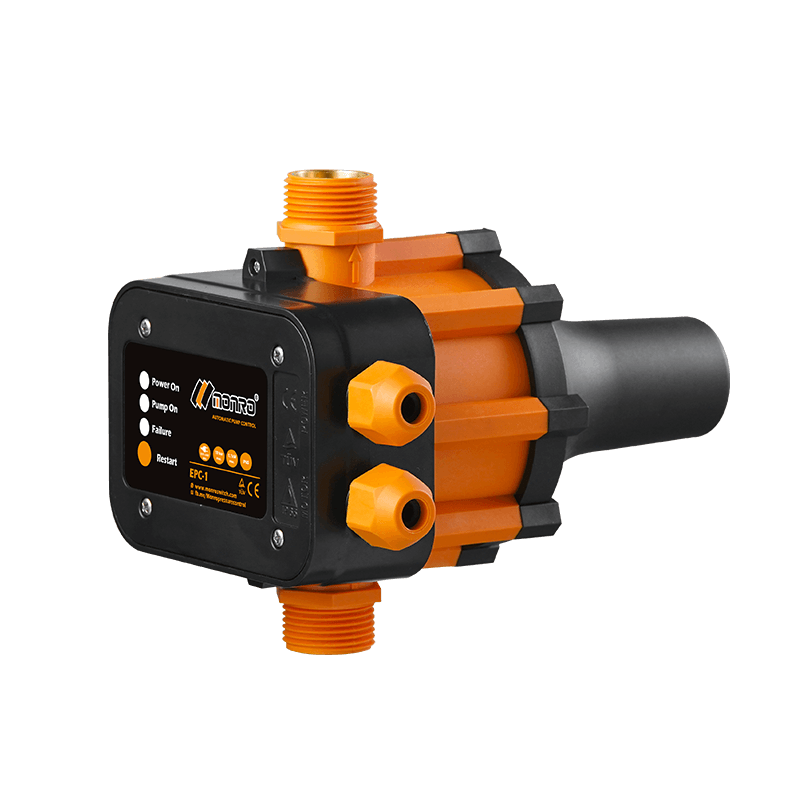 EPC-1
EPC-1Monro EPC-1 model pump controller is the classic and basic type, was loved by user in the global mar...
-
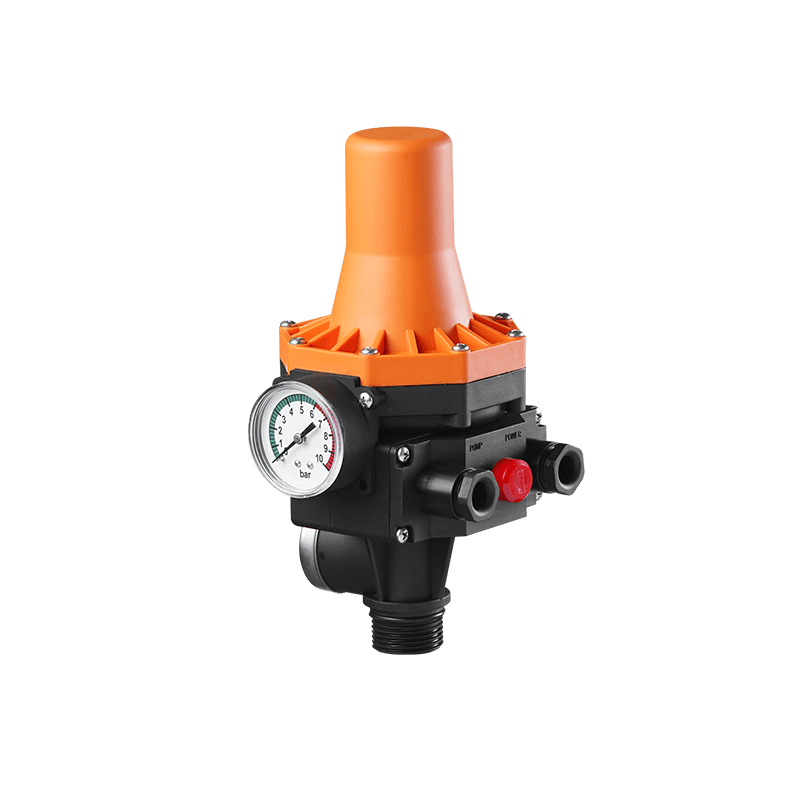 EPC-3
EPC-3Monro EPC-3 spain design auto on and off press control, an intelligent and economical system designe...
-
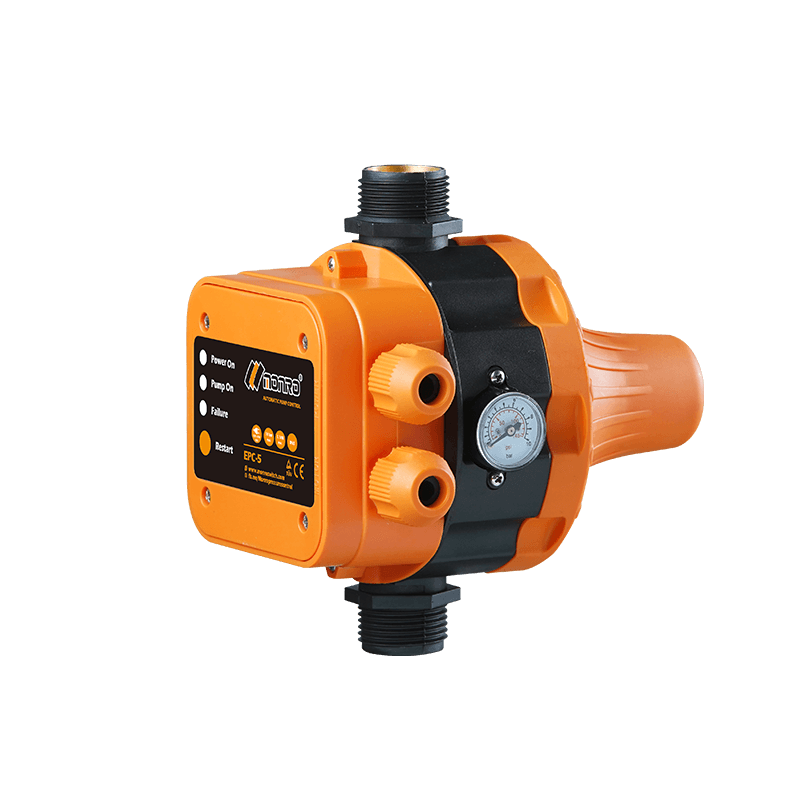 EPC-5
EPC-5Monro EPC-5 model automatic pump control, a device which assembled on the water pump (recommended si...
-
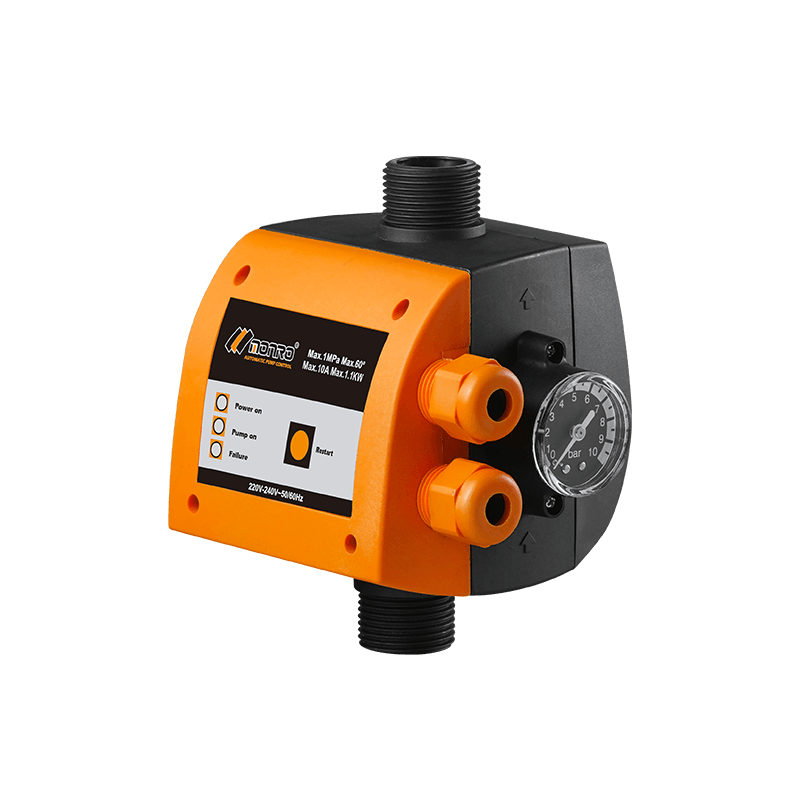 EPC-9
EPC-9Monro EPC-9 model pressure controller, is a big power device for automatic control and protection of...
-
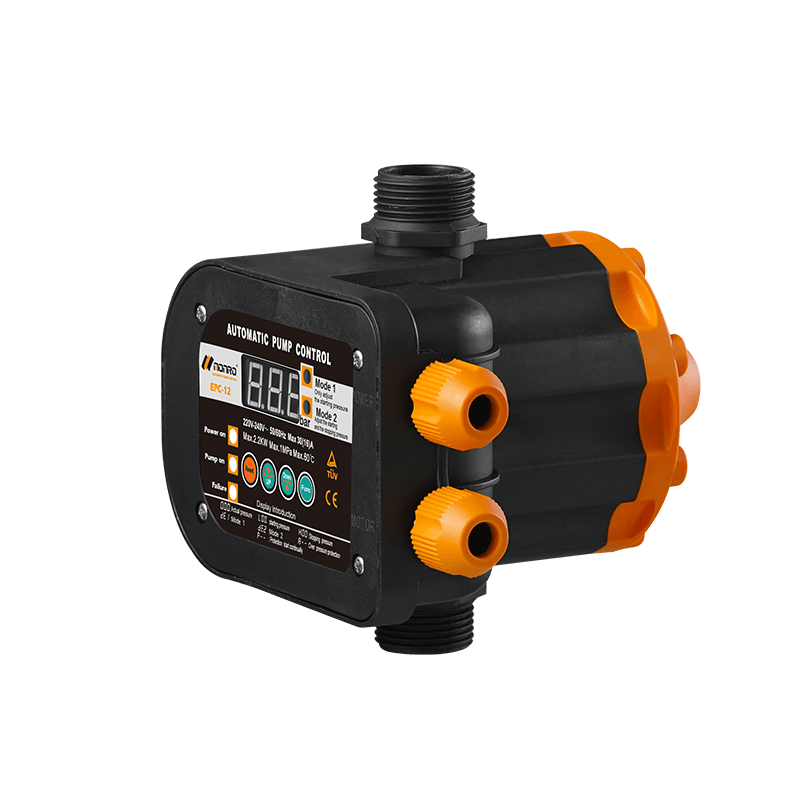 EPC-12
Monro EPC-12 smart top-level automatic pump control is a multi-function model combined with traditio...
-
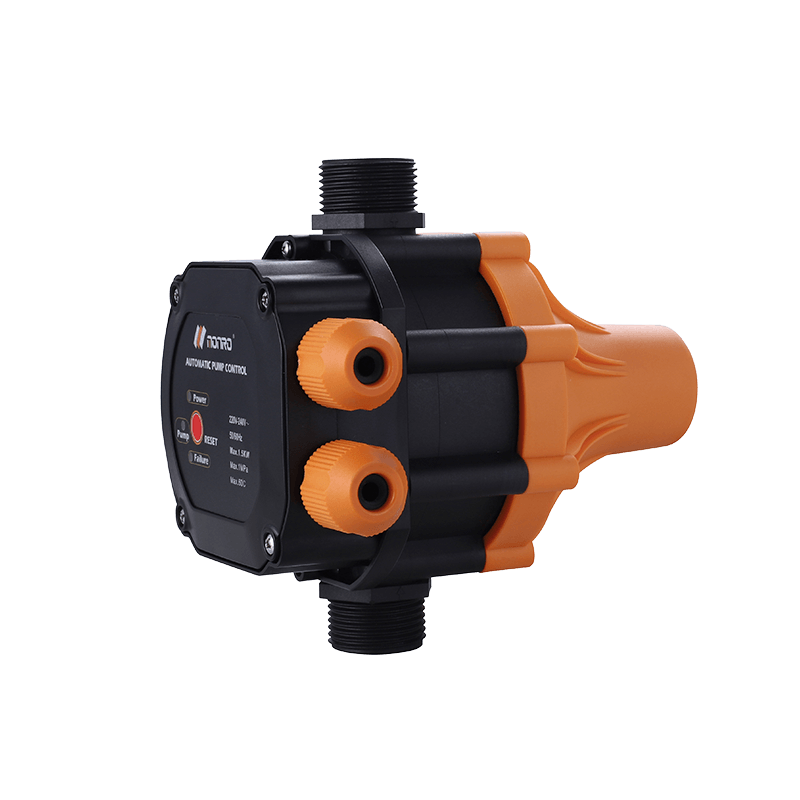 EPC-14
Monro EPC-14 model pressure control is a big power device for automatic control and protection of el...
-
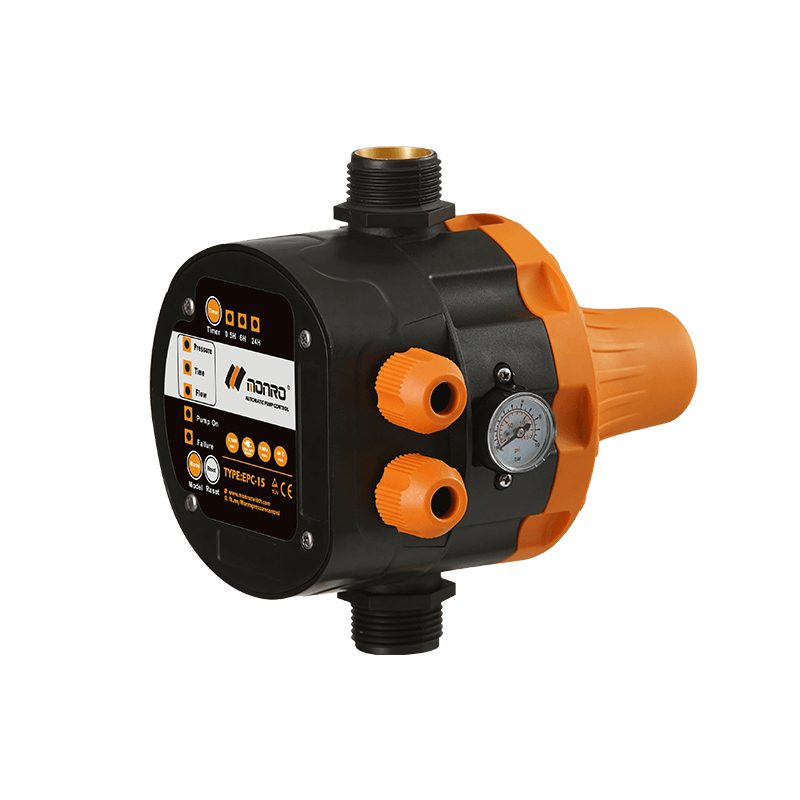 EPC-15
Monro EPC-15 model automatic pump control, a device which assembled on the water pump (recommended s...
-
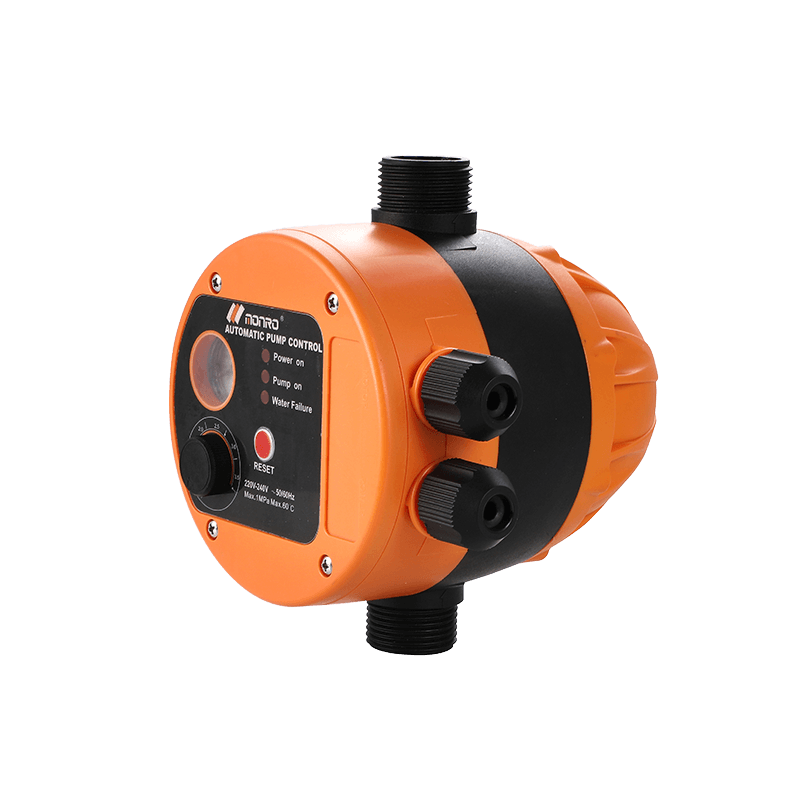 EPC-16
EPC-16 is the new patent pump controller by Monro. Its key highlight is tooless (manual knob) start...
contact us
find our office
find our office
Committed to providing professional pressure control solutions for various types of water pumps and air compressors.
Mobile
 Wechat
Copyright © 2024 Zhejiang Monro M&E Co., Ltd. All Rights Reserved.
Wholesale Pressure Control Switch Manufacturer
