

 简体中文
简体中文 English
 Español
Don't hesitate to send a message
Search
Recent Post
Newsletter
What Is an Air Compressor Switch With Unloader and How Does It Work
An air compressor may appear to have a simple job. It takes in air, compresses it, and sends that air to where it is needed. Behind this basic process, however, several components work together to keep operation organized.
An Air Compressor Switch With Unloader is one of those components. It combines pressure control with an unloading function. This gives the compressor a way to respond to changes in air pressure while also making the next startup easier to manage.

For users, the value of this component is often noticed during normal operation rather than when looking directly at the switch. The compressor starts when pressure falls. It stops when the desired pressure condition is reached. During shutdown, the unloader can release pressure from part of the compressor air path.
This small action can make a difference when the motor starts again.
As compressed air equipment is used in workshops, garages, production facilities, and other working environments, understanding this type of switch can help users make more informed decisions about equipment design and maintenance.
What Is an Air Compressor Switch With Unloader?
An Air Compressor Switch With Unloader is a control component designed to respond to pressure changes while providing an unloading function during compressor shutdown.
The switch monitors the pressure condition of the compressed air system. When pressure reaches the intended upper point, the switch can signal the compressor to stop. When pressure later falls to the intended lower point, the switch can allow the compressor to start again.
The unloader performs a different but related task.
When the compressor stops, some compressed air can remain in the line between the compressor and the check point of the air system. The unloader can release this trapped pressure from the compressor discharge side.
This creates a less demanding condition for the next startup.
The two functions are therefore connected. The pressure switch manages when the compressor should operate. The unloader helps prepare the compressor for its next start.
| Component | Function | Role in Compressor Operation |
|---|---|---|
| Pressure Switch | Responds to changes in system pressure | Controls compressor starting and stopping based on pressure conditions |
| Unloader | Releases trapped pressure after shutdown | Helps create a more manageable condition for the next startup |
| Electrical Contacts | Connect or disconnect the compressor circuit | Controls the electrical path to the compressor motor |
| Pressure Connection | Transfers system pressure to the switch | Allows the switch to respond to changes in air pressure |
| Adjustment Mechanism | Allows operating conditions to be set according to the application | Helps adapt compressor control to different operating needs |
The exact construction can differ between products. The basic purpose remains similar.
This combination is commonly associated with compressors that start and stop automatically according to pressure demand.
How Does the Pressure Switch Control the Compressor?
The pressure switch acts as a link between air pressure and electrical operation.
When the compressor is running, pressure gradually increases. Once the pressure reaches the switch's upper operating point, the switch changes its electrical state. The compressor motor stops.
Air is then used by tools, equipment, or other connected applications. As air leaves the storage system, pressure falls.
When the pressure reaches the lower operating point, the switch changes state again. The compressor starts.
This creates an automatic cycle.
The user does not need to manually start and stop the compressor each time air is used. The switch responds to the pressure condition and controls operation accordingly.
This simple relationship is important for everyday compressor use.
Without automatic pressure control, an operator would need to pay much closer attention to the compressor's operating condition. In many working environments, that would add unnecessary work.
The pressure switch provides a practical connection between air demand and compressor operation.
It also allows the compressor to remain off when sufficient stored air is available.
Why Does the Unloader Matter During Startup?
The unloader becomes particularly important when the compressor starts again.
A compressor can have residual pressure in the discharge path after it stops. If the compressor tries to start against this pressure, the motor may face a more difficult starting condition.
The unloader addresses this situation by releasing the trapped pressure after shutdown.
The release usually happens briefly. It is not intended to empty the entire compressed air storage system. Instead, it focuses on the pressure that could interfere with the compressor's next startup.
This distinction is important.
Users sometimes hear a short burst of escaping air after the compressor stops and assume that something is wrong. In a properly functioning system, a brief release can be part of normal unloader operation.
The unloader therefore works during a small window between stopping and starting.
Its role may seem minor, but it connects two operating stages:
Running → Shutdown → Pressure release → Restart
This sequence shows why the unloader is more than a simple air-release device.
It is part of the compressor's operating cycle.
How Do the Switch and Unloader Work Together?
The pressure switch and unloader have different functions, but they operate as part of the same sequence.
Imagine a compressor supplying air to a workshop.
The compressor starts when system pressure falls. It runs while pressure builds. Once the required pressure condition is reached, the pressure switch changes state and stops the motor.
At approximately the same point, the unloader can release the trapped air from the compressor's discharge path.
The compressor is now stopped without leaving the same pressure condition in the immediate discharge section.
When air demand causes system pressure to fall again, the pressure switch allows the compressor to restart. Because the discharge path has been unloaded, the motor can begin its next cycle under a more manageable starting condition.
| Operating Stage | Pressure Switch Role | Unloader Role |
|---|---|---|
| Compressor Running | Keeps the compressor circuit active | Remains inactive |
| Pressure Reaches Stopping Point | Disconnects the compressor | Releases discharge-side trapped air |
| Compressor Stopped | Keeps the compressor off | Completes the unloading action |
| Pressure Falls During Air Use | Prepares the compressor to restart | Remains inactive |
| Compressor Restarting | Connects the compressor circuit | Allows startup without the same trapped discharge pressure |
This cooperation explains why these two functions are often combined in one control assembly.
The switch determines when operation changes. The unloader helps make that transition easier.
Where Are Air Compressor Switches With Unloaders Commonly Used?
These switches are commonly associated with air compressors that operate through automatic pressure-based starting and stopping.
They can be found in a range of working environments.
Workshops may use compressed air for tools and cleaning tasks. Garages may use air compressors for maintenance activities. Manufacturing facilities may use compressed air as part of equipment operation.
The specific compressor design can vary between applications, but the need for controlled starting and stopping remains relevant.
The switch can also be useful in smaller working environments where users want the compressor to operate automatically without constant manual attention.
Its role is not limited to one particular industry.
| Application Area | Typical Use of the Compressor |
|---|---|
| Workshops | Supports pneumatic tools and general air tasks |
| Vehicle Service Areas | Provides air for maintenance equipment |
| Manufacturing | Supports production-related air use |
| Construction Work | Supplies air for selected pneumatic equipment |
| Small Industrial Facilities | Provides compressed air for routine operations |
| Maintenance Areas | Supports cleaning and equipment servicing |
The suitability of a particular switch depends on the compressor and the working environment.
A switch should not be selected simply because it has an unloader. The pressure control arrangement, compressor design, electrical system, and connection method all need to be compatible.
What Happens When the Unloader Does Not Work Properly?
The unloader is small, but problems with it can become noticeable.
One common sign is difficulty restarting the compressor. The motor may struggle when the compressor attempts to begin another cycle.
Another possible sign is continuous air leakage.
A brief release after shutdown can be normal. Continuous leakage is different. It may indicate a problem with the unloader, its connection, or another part of the compressor system.
The sound can provide an early clue.
A short hiss immediately after shutdown may be expected. A constant hiss that continues after the shutdown cycle deserves attention.
Users should also pay attention to changes in starting behavior.
If a compressor previously restarted normally but begins to struggle, the cause may not always be the motor itself. The unloading function should also be considered.
Maintenance should therefore include the complete control area rather than focusing only on the pressure switch.
How Should Users Think About Maintenance?
Regular inspection can help identify small problems before they affect normal compressor operation.
The switch should remain clean and properly connected. Air connections should be checked for signs of leakage. Electrical connections should also be inspected by qualified personnel when necessary.
The unloader deserves particular attention.
Users can observe what happens when the compressor stops. Is there a brief pressure release? Does the sound stop afterward? Does the compressor restart normally when pressure falls?
These simple observations can reveal changes in behavior.
Maintenance practices should always follow the instructions provided for the specific compressor and control component. Electrical work and pressure-related repairs can involve safety risks, so appropriate procedures and qualified personnel should be used.
The goal is not to constantly adjust the switch.
Unnecessary adjustments can create new problems. A better approach is to understand the intended operating pattern and investigate clear changes from that pattern.
How Does an Air Compressor Switch With Unloader Influence Everyday Operation?
The importance of this component becomes clearer when looking at the complete compressor cycle.
A compressor does not simply start and stop. It moves through a sequence of pressure changes, electrical switching, air compression, shutdown, unloading, and restarting.
The switch helps coordinate that sequence.
For users, this can mean less manual intervention. The compressor can respond to air demand without requiring someone to watch it continuously.
The unloader supports the transition between cycles.
Together, these functions help create a more organized operating pattern.
This is also why the component can matter when choosing or replacing compressor controls. The switch is not just an electrical on-off device. It is connected to the way the compressor behaves during both operation and transition.
What Should Buyers Consider When Choosing This Type of Switch?
Choosing an Air Compressor Switch With Unloader should begin with the compressor rather than the switch alone.
The control needs to match the compressor's intended operating conditions and connection arrangement. The pressure range should suit the system. The electrical characteristics should also be compatible.
The unloader connection is equally important.
A switch may appear similar to another model while using a different connection arrangement. Small differences can affect whether it works correctly with the compressor.
Buyers can consider several practical questions:
- What type of compressor will use the switch?
- How does the compressor control its operating pressure?
- Is an unloader already part of the existing system?
- How is the unloading connection arranged?
- What type of electrical connection is required?
- Is the switch intended for a replacement or a new installation?
- Does the product match the compressor manufacturer's installation requirements?
These questions can make selection more straightforward.
The physical appearance of a switch does not tell the whole story. Compatibility is more important than simply finding a component that looks similar.
An Air Compressor Switch With Unloader sits at an important point in the compressor's operating cycle. The pressure switch responds to air pressure. The unloader prepares the discharge path for the next startup. Their functions are different, but their timing is closely connected.
That relationship explains why this small control component can have an effect on how an air compressor starts, stops, and responds to changing air demand.
OUR PRODUCTS
Recommended Products
-
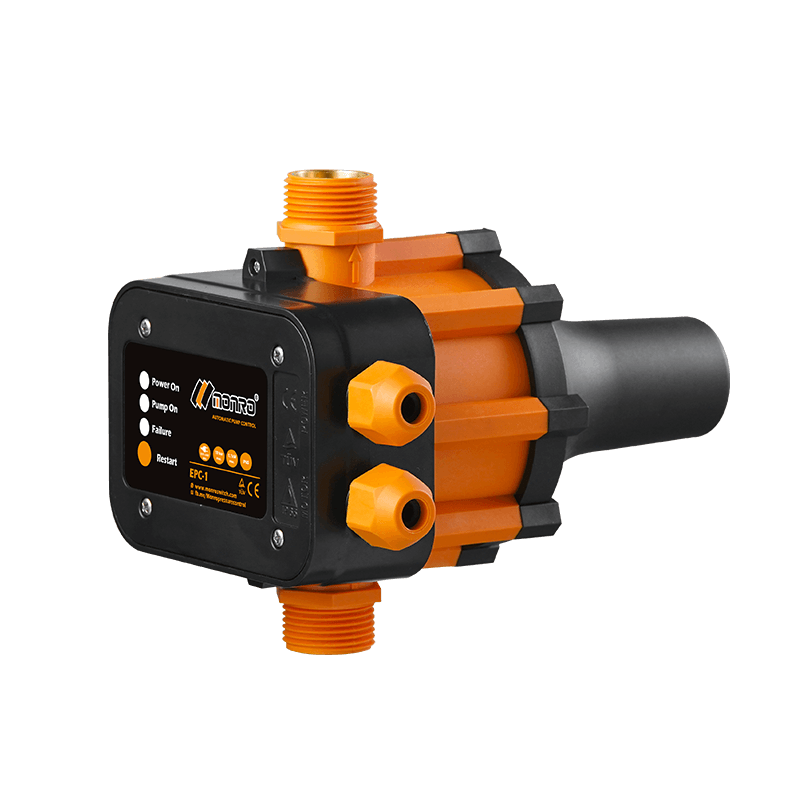 EPC-1
EPC-1Monro EPC-1 model pump controller is the classic and basic type, was loved by user in the global mar...
-
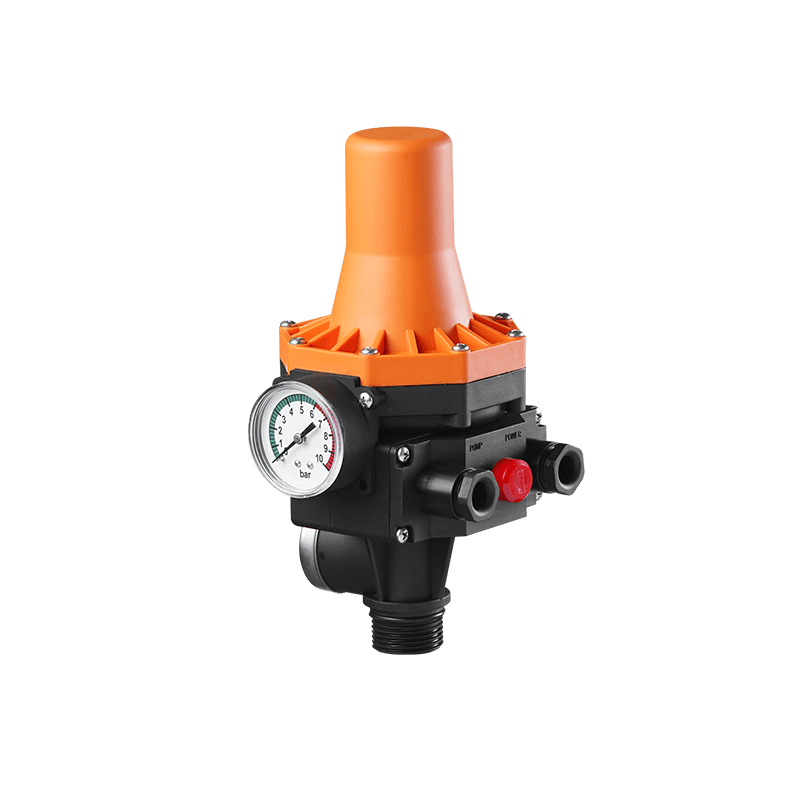 EPC-3
EPC-3Monro EPC-3 spain design auto on and off press control, an intelligent and economical system designe...
-
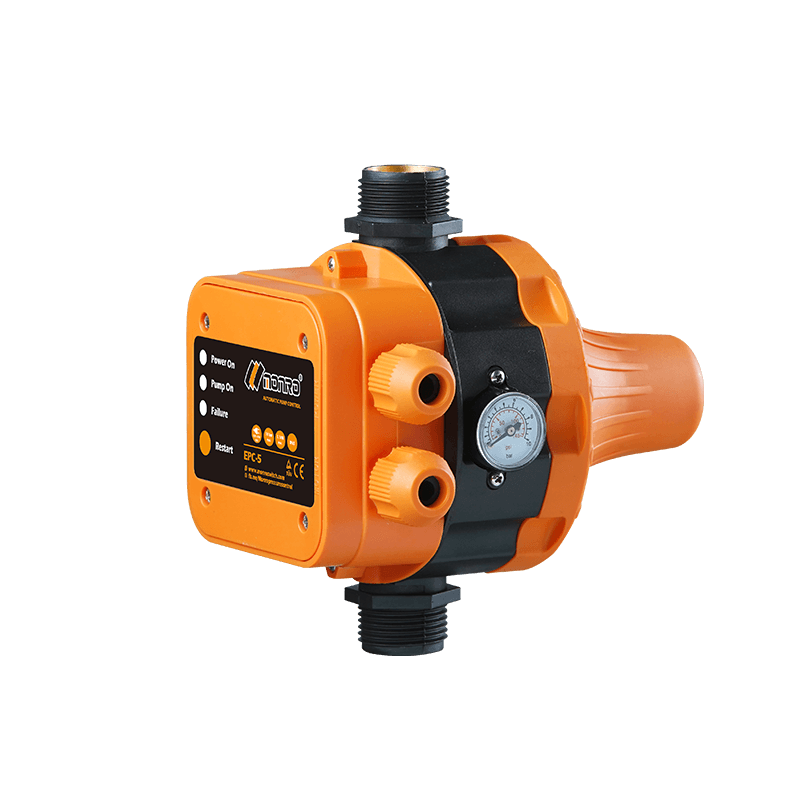 EPC-5
EPC-5Monro EPC-5 model automatic pump control, a device which assembled on the water pump (recommended si...
-
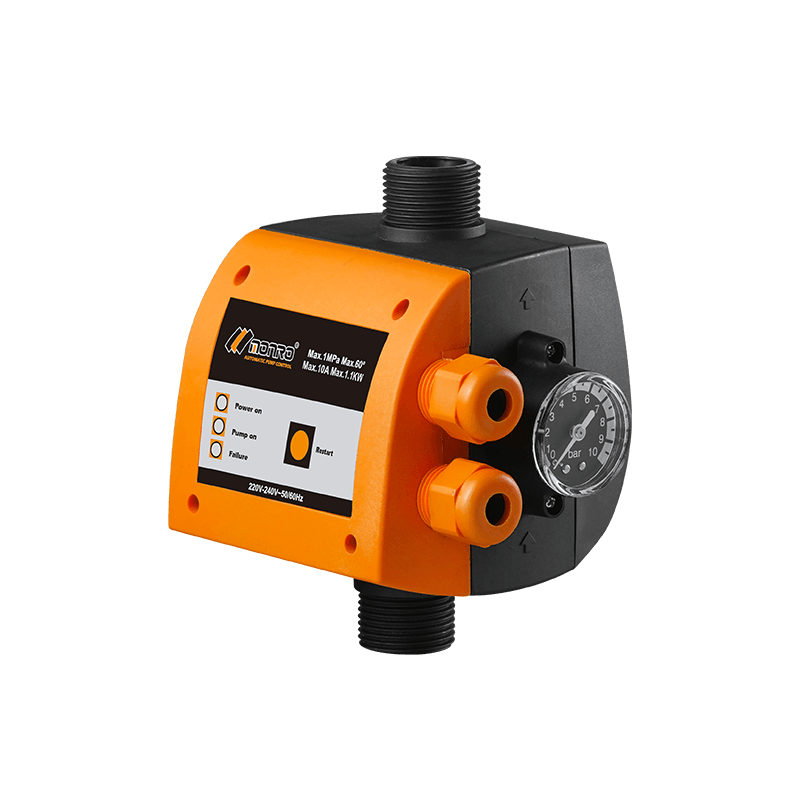 EPC-9
EPC-9Monro EPC-9 model pressure controller, is a big power device for automatic control and protection of...
-
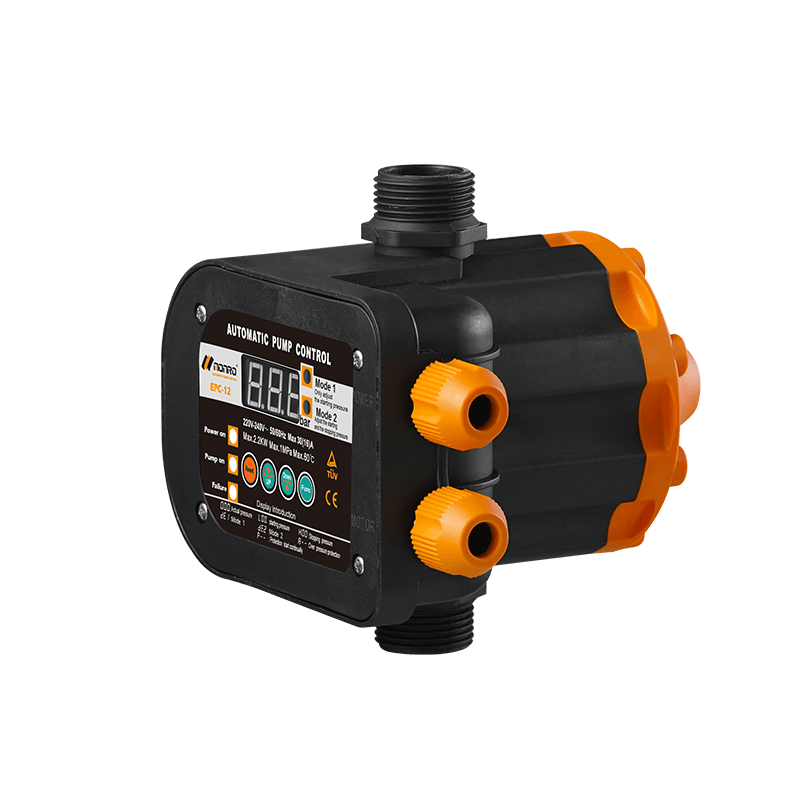 EPC-12
Monro EPC-12 smart top-level automatic pump control is a multi-function model combined with traditio...
-
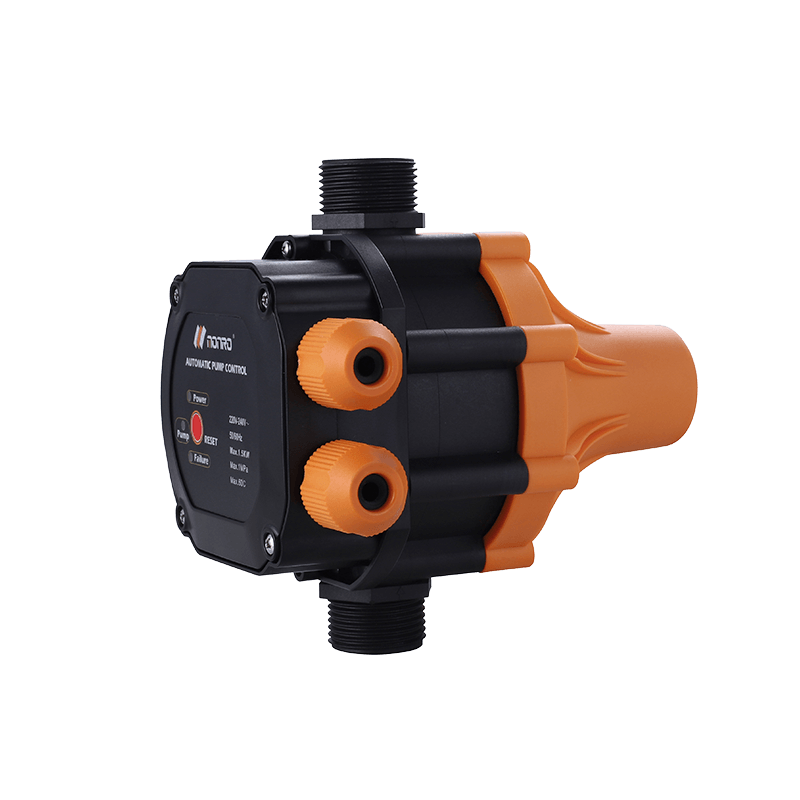 EPC-14
Monro EPC-14 model pressure control is a big power device for automatic control and protection of el...
-
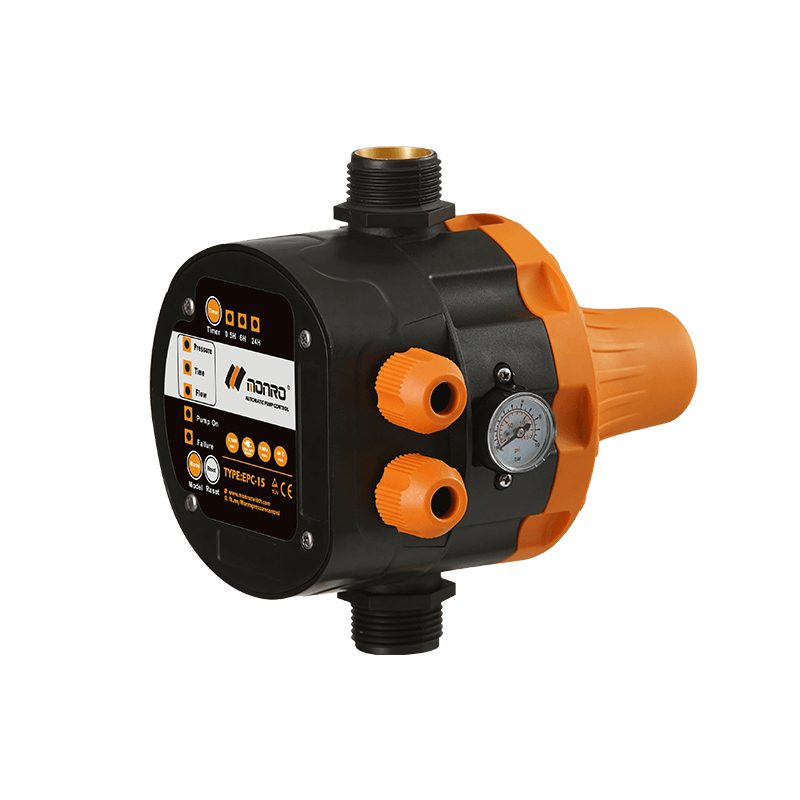 EPC-15
Monro EPC-15 model automatic pump control, a device which assembled on the water pump (recommended s...
-
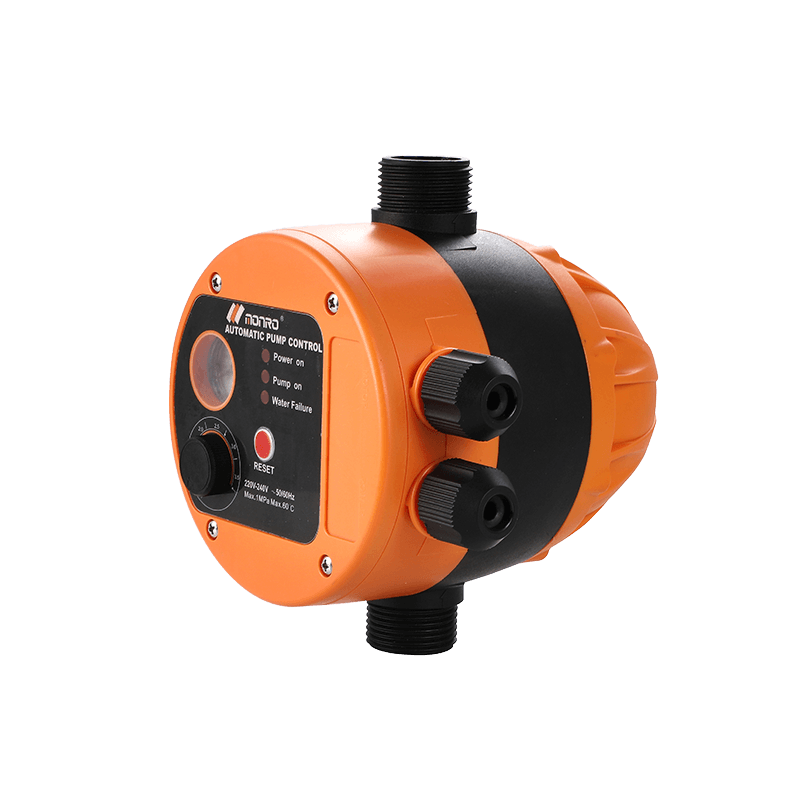 EPC-16
EPC-16 is the new patent pump controller by Monro. Its key highlight is tooless (manual knob) start...
contact us
find our office
find our office
Committed to providing professional pressure control solutions for various types of water pumps and air compressors.
Mobile
 Wechat
Copyright © 2024 Zhejiang Monro M&E Co., Ltd. All Rights Reserved.
Wholesale Pressure Control Switch Manufacturer
