

 简体中文
简体中文 English
 Español
Don't hesitate to send a message
Search
Recent Post
Newsletter
Float Type Water Level Controller Applications Extend Across Different Water Storage Systems
Water storage systems may look simple from the outside. A tank holds water. A pump moves it when needed. A pipe connects one part of the system to another.
Inside that simple arrangement, however, water level changes can influence daily operation.
When water rises too far, storage space becomes limited. When the level falls too low, equipment may not operate as intended. Someone may need to monitor the tank and decide when water should enter or leave the system.
This is where a float type water level controller can become useful.
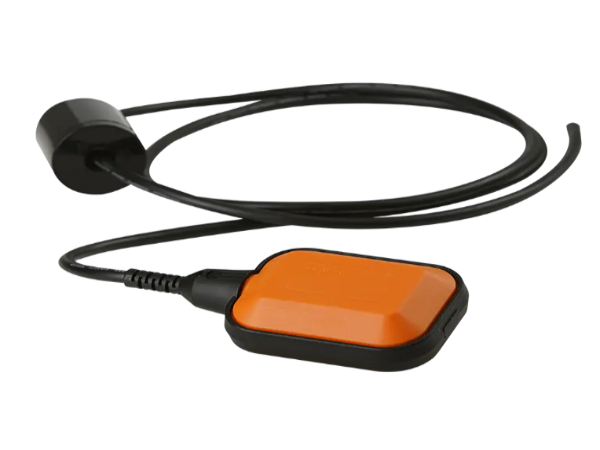
It uses changes in water level to support a control action. As the water moves up or down, the floating component changes position. That movement can be used to trigger a connected control function.
The idea is straightforward. The applications can be varied.
Water storage tanks, collection systems, supply arrangements, and other water management setups may have different operating needs. It can be adapted to these different situations when the product design matches the installation.
Its growing relevance is not necessarily about complicated automation. In many cases, the attraction comes from using a relatively simple method to respond to a basic need: knowing when water has reached a particular level and taking an appropriate action.
Why Do Water Storage Systems Need Level Control?
Water storage is rarely just about keeping water in a container.
The water level can change throughout the day. Water may enter the tank from a supply line while another part of the system draws water out. Rainwater may collect in a storage container. A pump may move water between different locations.
Without a way to respond to these changes, the system may depend heavily on manual observation.
That can be inconvenient for storage systems that operate regularly.
A level controller provides a way to connect the changing water level with a control action. The exact action depends on how the system is arranged.
For example, a controller may be used to support:
- Pump operation.
- Water supply control.
- High-level response.
- Low-level response.
- Tank filling.
- Water transfer.
- Simple level monitoring.
The value is not limited to one type of tank.
Different storage systems may have different shapes and purposes, but they can share the same basic challenge. The water level changes, and the system needs to respond.
It offers one way to manage that relationship.
How Does a Float Type Water Level Controller Work in Storage Systems?
The basic idea behind a float type controller is easy to understand.
A floating component moves with the water level. When the water rises or falls, the float changes position. This movement can trigger a control response through the connected mechanism.
The system can therefore respond to water level changes without requiring someone to stand beside the tank and observe it continuously.
A simple arrangement may involve:
Water Level Change → Float Movement → Control Response → Pump or Water System Action
The exact arrangement can differ between applications.
Some systems may use the controller to support filling. Others may use it to control water removal. In another application, the controller may be connected to a warning or monitoring function.
This flexibility helps explain why float type water level controllers appear across different water storage environments.
The underlying principle remains similar even when the surrounding equipment changes.
The controller responds to the water level.
The wider system determines what happens next.
Where Are Float Type Water Level Controllers Commonly Used?
The range of potential applications is broader than a single household water tank.
It can be considered for different storage and water management situations where automatic response to changing levels is useful.
| Water Storage System | Possible Control Purpose |
|---|---|
| Water storage tanks | Support filling or water supply control |
| Collection tanks | Respond to changing collected water levels |
| Pumping systems | Help coordinate pump operation |
| Agricultural water storage | Support routine water level management |
| Building water systems | Assist with regular tank operation |
| Rainwater storage | Help manage stored water |
| Transfer tanks | Support movement between storage areas |
| Drainage collection systems | Respond to changing collected water levels |
The actual suitability depends on the design of the system.
A controller should not be selected simply because it is described as a water level product. The water, tank structure, installation position, operating conditions, and connected equipment all matter.
Still, the wide range of possible applications shows why float type control remains relevant.
The basic problem appears in many places.
Water levels change.
The system needs to respond.
Can Float Type Control Support Different Water Storage Needs?
Different storage systems may have very different purposes.
A household tank may focus on maintaining a convenient water supply. A rainwater tank may focus on collecting and storing water. An agricultural system may need to manage water for irrigation. A collection tank may receive water from another process.
Despite these differences, each system can involve changing water levels.
The controller can therefore play different roles.
Water Supply Storage
A storage tank connected to a water supply may need to maintain an appropriate level for later use.
A float type controller can help connect the water level with the filling process. When the level changes, the control system can respond according to its arrangement.
This can reduce the need for continuous manual observation.
Collection Systems
Collection tanks receive water rather than simply storing water from a fixed supply.
Rainwater collection is one example.
The amount of water entering the tank can change with environmental conditions. A level controller can help the system respond when the stored water reaches a relevant level.
Pumping Applications
Some tanks work together with pumps.
A pump may move water into or out of a storage container. In such a system, the water level can be linked to pump operation.
A float type controller can help create this connection.
The controller itself does not replace the pump. It provides a way for water level changes to influence the pump's control process.
Transfer Systems
Water may also need to move between two storage locations.
In these systems, the level of one tank can influence the operation of another part of the setup. A float type controller can become part of that control arrangement.
This illustrates an important point.
The controller is not necessarily the main component of the water system. It is a small part that can help different parts work together.
What Factors Influence the Choice of a Float Type Water Level Controller?
Not every controller suits every storage system.
The water tank and its operating environment should be considered before a product is selected.
Several factors can influence the decision.
Tank design
The shape and structure of the tank can affect where the controller is installed and how the float moves.
Water characteristics
The nature of the stored water may influence the choice of materials and product design.
Installation position
The controller needs enough room to operate without unnecessary interference from nearby structures.
Control purpose
A controller used for filling may have different requirements from one used for pumping or level warning.
Connected equipment
The controller may need to work with a pump, valve, alarm, or other part of the system.
Maintenance access
A product that is difficult to inspect can create inconvenience during regular system care.
These considerations are closely connected.
A good selection process looks at the entire water storage arrangement rather than choosing a controller as an isolated component.
How Can Float Type Water Level Control Help Reduce Manual Monitoring?
Manual observation has a place in water management.
People still need to inspect equipment and respond to unusual conditions. However, relying on someone to watch a water tank continuously is not always practical.
A float type controller can handle a basic part of that responsibility.
Instead of requiring constant observation, the system can respond when the water reaches a relevant position.
This can make routine operation more convenient.
Consider a storage tank that needs to maintain a usable water level. Without automatic control, someone may need to check the tank and decide when water should be added.
With a suitable float type control arrangement, the water level itself can trigger the intended response.
This does not eliminate human involvement.
The operator still needs to check the overall system, maintain equipment, and respond to conditions that fall outside normal operation.
The difference is that routine level changes do not always require direct manual action.
That can be especially useful when the storage system operates frequently.
Could Float Type Controllers Be Useful in Agricultural Water Storage?
Agricultural water management can involve storage tanks, reservoirs, transfer systems, and irrigation equipment.
Water demand can change according to the activity taking place. A storage tank may need to supply water to another part of the system while also receiving water from a source.
This creates an ongoing balance between incoming and outgoing water.
A float type controller can support this process by responding to water level changes.
For example, a storage tank may need to maintain water availability for irrigation. A controller can be connected to a suitable water supply or pumping arrangement so that the system responds when the stored level changes.
The practical value depends on the complete setup.
Agricultural environments can also expose equipment to dust, moisture, outdoor conditions, and regular mechanical activity. Product selection therefore needs to consider the actual installation environment.
The controller should fit the system rather than being selected solely because it is commonly used in water storage.
How Do Building Water Systems Use Level Control?
Buildings can contain several types of water storage arrangements.
Water tanks may be used to support supply, collection, drainage, or other building services.
The size and complexity of the system can vary. A small building may have a relatively straightforward storage arrangement. A larger facility may have multiple tanks and pumps working together.
In both cases, water level management remains important.
It can provide a simple link between water level changes and system operation.
This can be useful when the building requires routine water storage without continuous manual control.
Maintenance also becomes important.
Building equipment is often expected to operate as part of a larger system. If a level controller is difficult to access, inspection may become inconvenient.
For this reason, installation planning should consider both current operation and future maintenance.
The controller should be placed where its movement is not unnecessarily restricted and where inspection can be carried out as part of normal equipment care.
Is Float Type Water Level Control Suitable for Rainwater Storage?
Rainwater storage presents a different operating pattern.
Water enters the tank according to collection conditions. The amount stored can rise and fall naturally. The tank may remain partially filled for a period and then receive a larger amount of water.
A float type controller can help respond to these changes.
It may be used as part of a filling, pumping, or monitoring arrangement, depending on the system design.
The controller does not determine how much rain will be collected. It simply provides a way to respond to the resulting water level.
This distinction matters.
A water level controller is part of the management system. It does not replace proper tank design, drainage planning, filtration, or other components required for rainwater collection.
Its role is more specific.
It connects the physical water level with a control action.
That relatively simple function can remain useful even when the wider system becomes more complex.
What Makes Installation Important for Float Type Water Level Controllers?
Installation can influence how well a float type controller performs.
The float needs enough space to move with the water. Nearby pipes, tank walls, pumps, or other components may interfere if the installation is poorly planned.
The mounting arrangement also matters.
The controller should remain securely positioned while allowing the float to respond naturally to water movement.
Different tanks can present different installation challenges.
A narrow tank may have limited space. A deep storage container may require a different arrangement. A tank with internal equipment may require careful positioning to prevent interference.
These issues are not necessarily difficult to solve.
They simply show why the controller should be considered during system planning rather than treated as an afterthought.
A well-planned installation can also make inspection easier.
That matters because even simple control devices require attention over time. The float, connection points, and surrounding components should be checked as part of routine system maintenance.
As water storage systems continue to appear in homes, buildings, agriculture, collection systems, and industrial environments, float type water level controllers remain relevant because the basic need has not changed.
Storage systems still need to respond when water rises and falls.
The application may change.
The tank may change.
The connected equipment may change.
But the connection between water level and system control remains a practical part of water management.
OUR PRODUCTS
Recommended Products
-
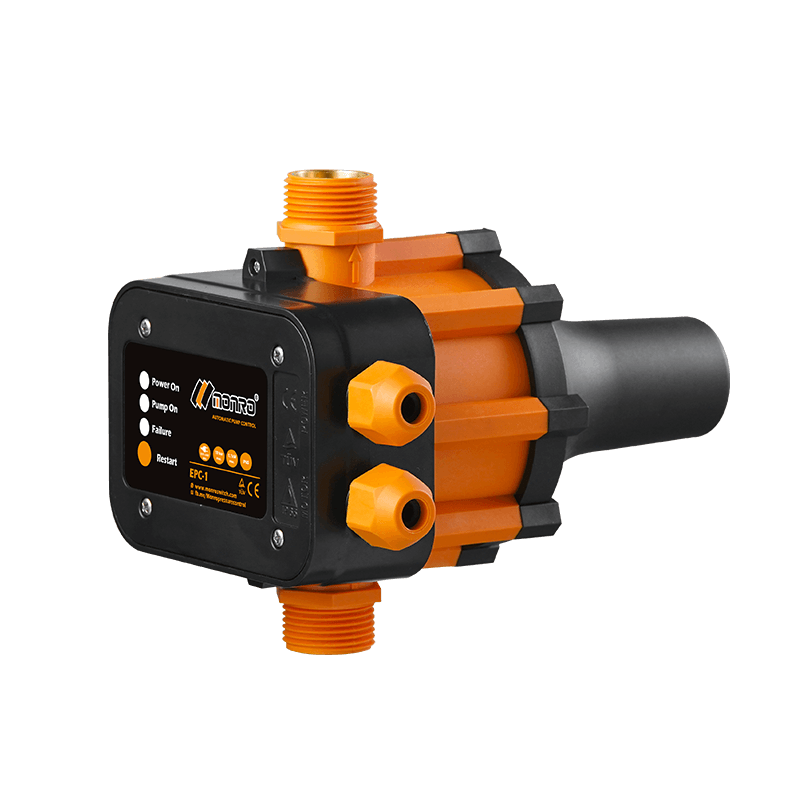 EPC-1
EPC-1Monro EPC-1 model pump controller is the classic and basic type, was loved by user in the global mar...
-
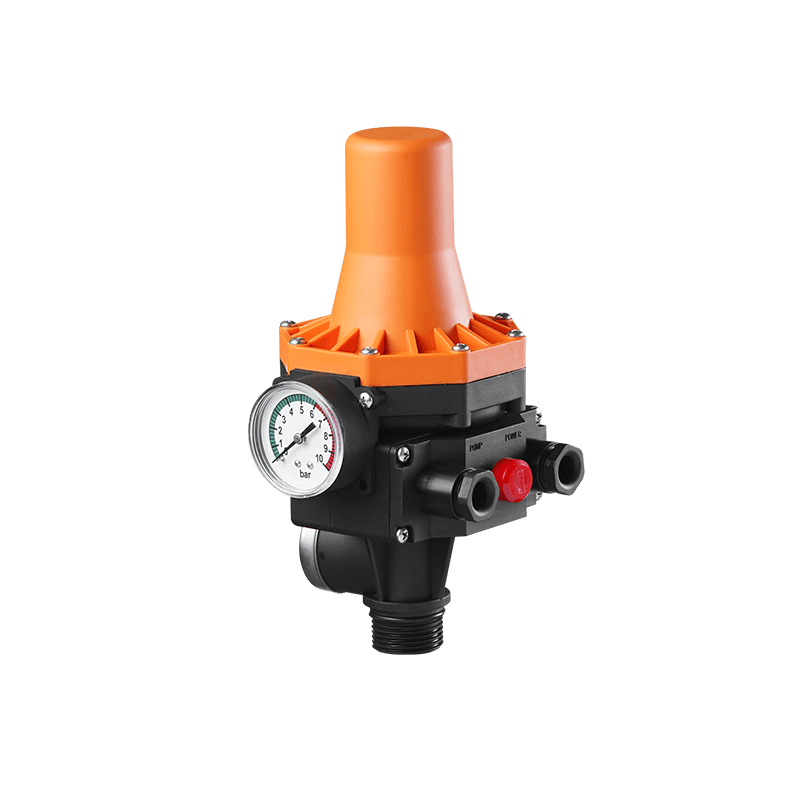 EPC-3
EPC-3Monro EPC-3 spain design auto on and off press control, an intelligent and economical system designe...
-
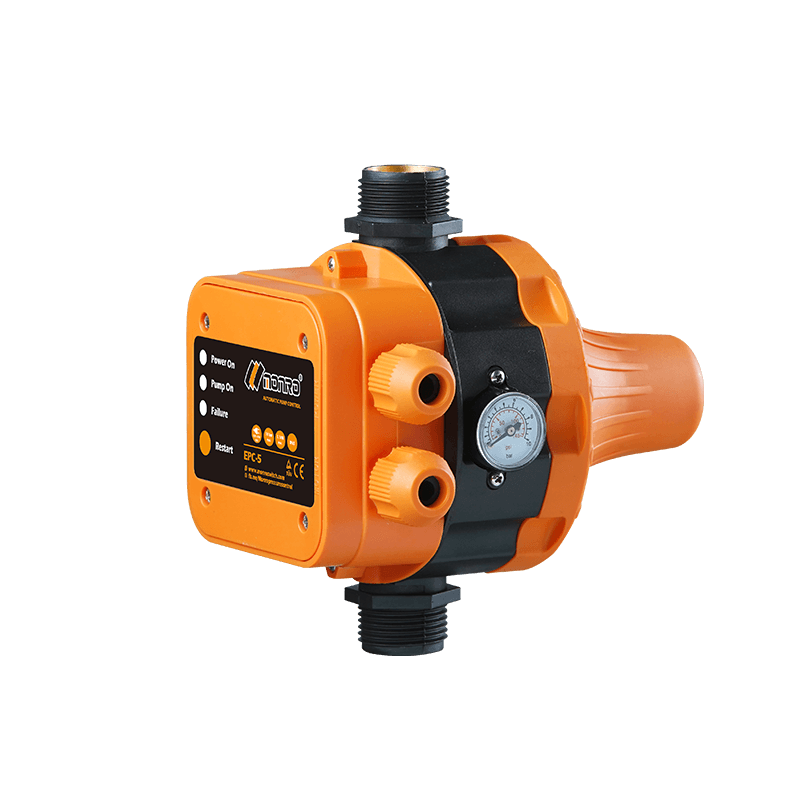 EPC-5
EPC-5Monro EPC-5 model automatic pump control, a device which assembled on the water pump (recommended si...
-
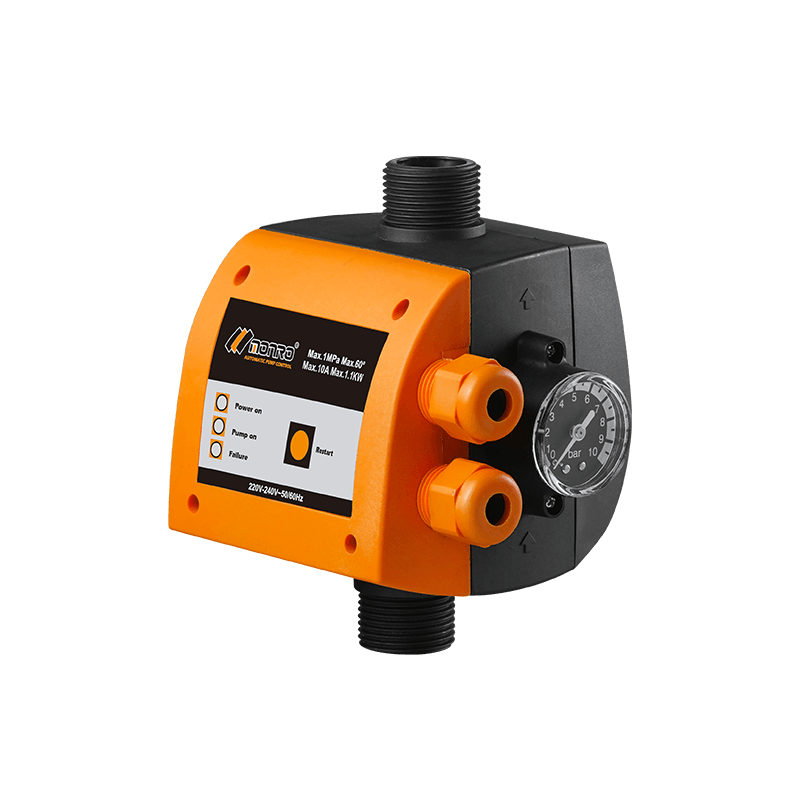 EPC-9
EPC-9Monro EPC-9 model pressure controller, is a big power device for automatic control and protection of...
-
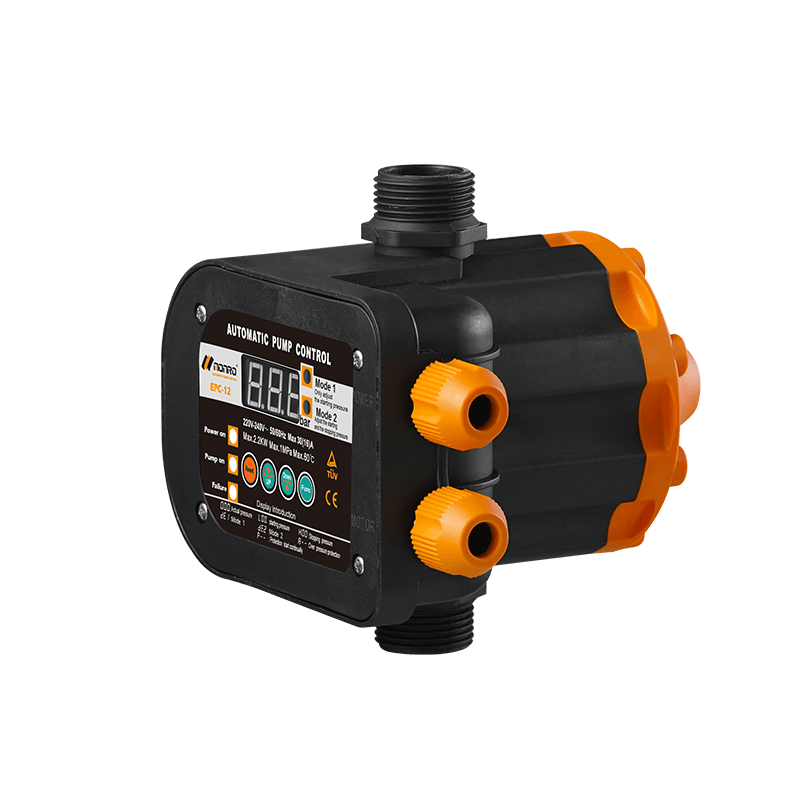 EPC-12
Monro EPC-12 smart top-level automatic pump control is a multi-function model combined with traditio...
-
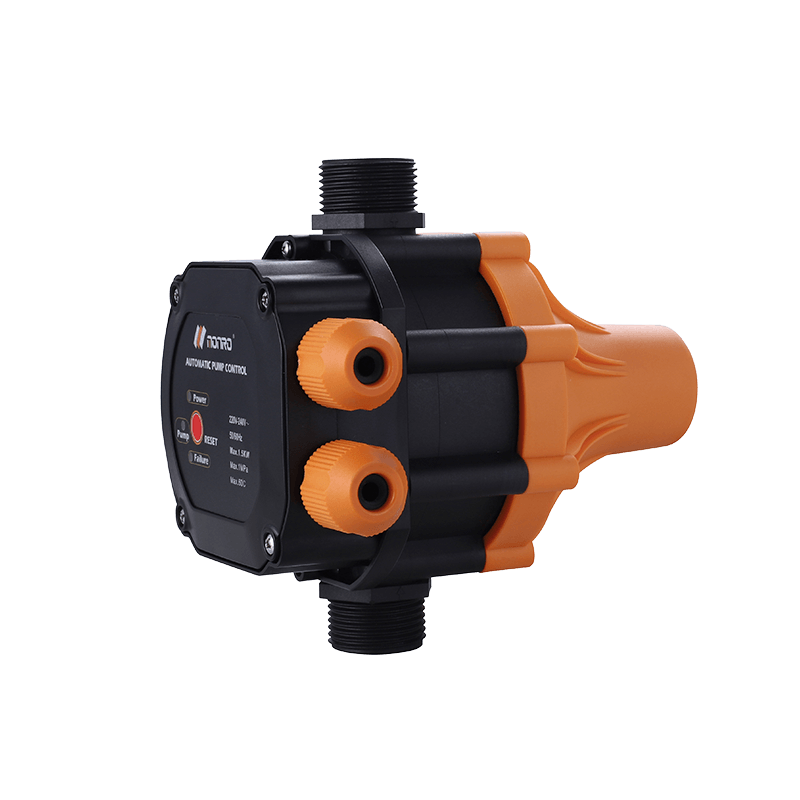 EPC-14
Monro EPC-14 model pressure control is a big power device for automatic control and protection of el...
-
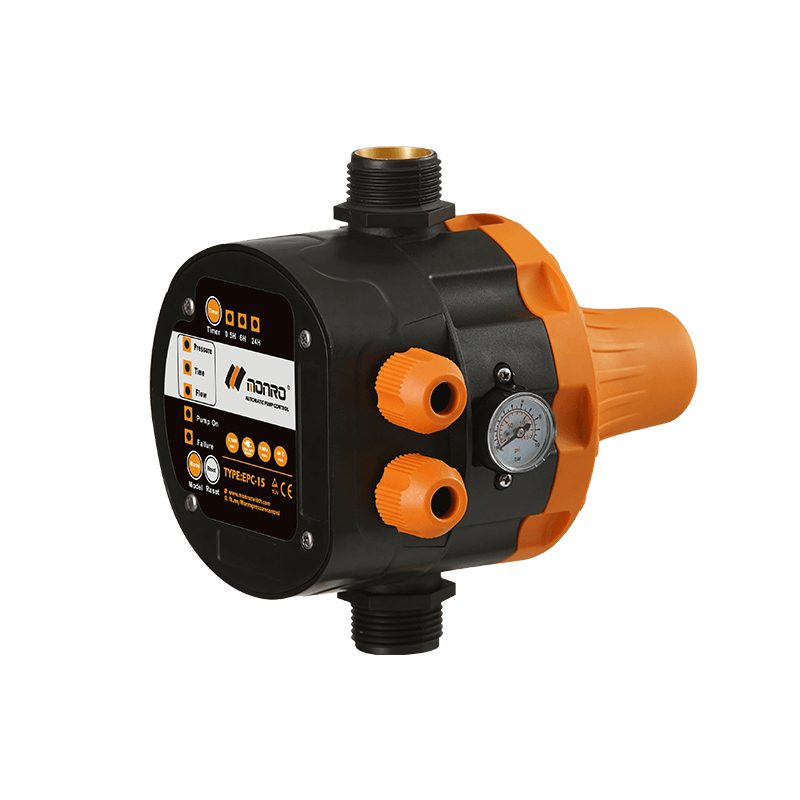 EPC-15
Monro EPC-15 model automatic pump control, a device which assembled on the water pump (recommended s...
-
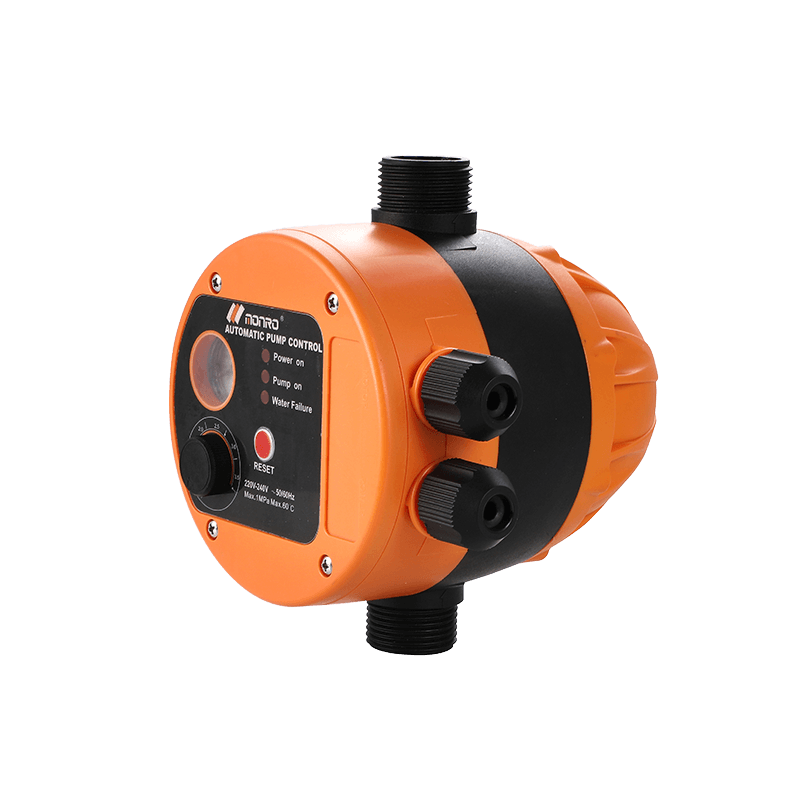 EPC-16
EPC-16 is the new patent pump controller by Monro. Its key highlight is tooless (manual knob) start...
contact us
find our office
find our office
Committed to providing professional pressure control solutions for various types of water pumps and air compressors.
Mobile
 Wechat
Copyright © 2024 Zhejiang Monro M&E Co., Ltd. All Rights Reserved.
Wholesale Pressure Control Switch Manufacturer
