

 简体中文
简体中文 English
 Español
Don't hesitate to send a message
Search
Recent Post
Newsletter
Where Can a Digital Water Pump Controller Be Used in Water Management
Water management genuinely involves more than just moving water from one location to another. Pumps might need to operate at different times, respond to changing water needs, and work as part of larger systems. As a result, pump control has genuinely become an important consideration across residential, agricultural, commercial, and industrial settings.
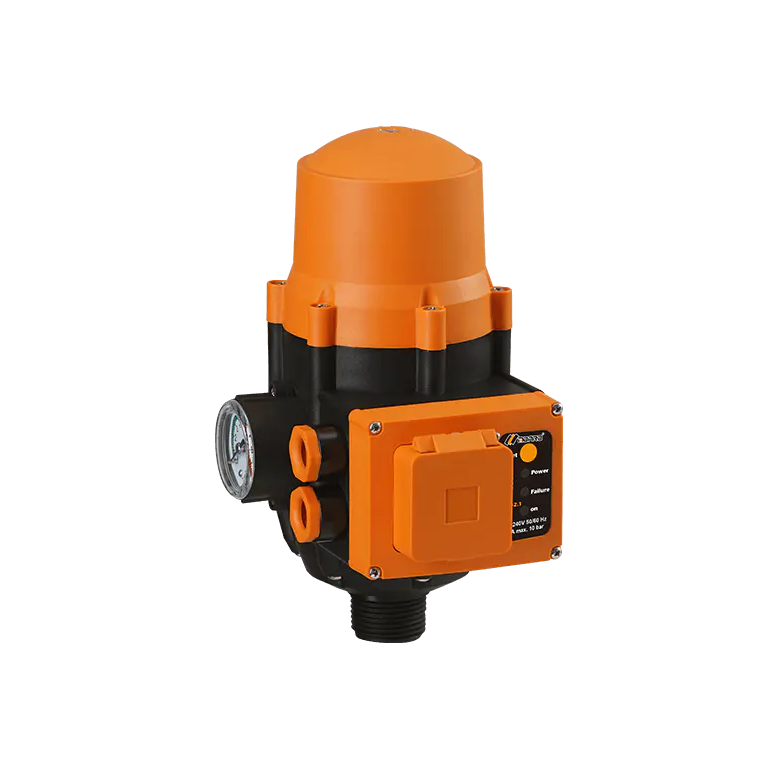
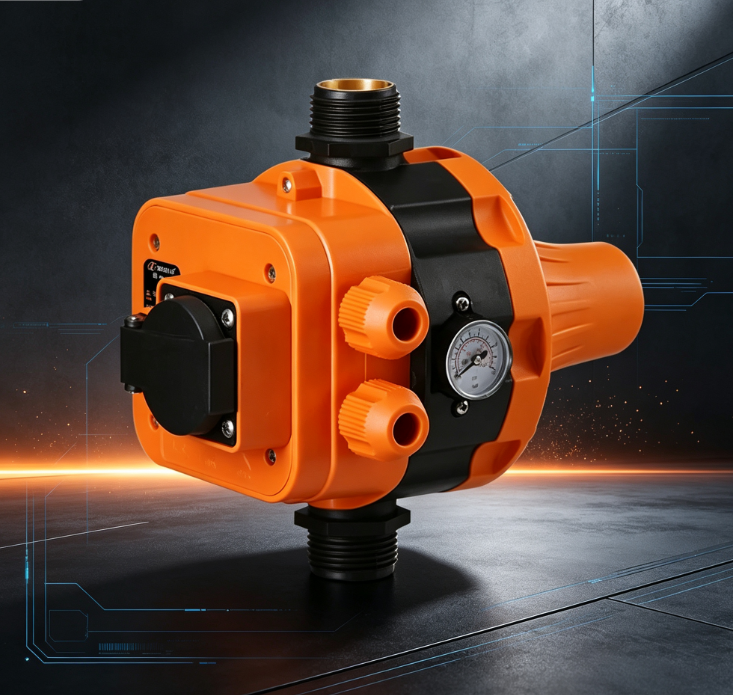
A digital water pump controller can genuinely provide a more organized way to manage pump operation. Instead of relying entirely on manual control, users can genuinely use a controller to coordinate how a connected pump operates according to the needs of the system.
The applications genuinely run wide. A controller might show up in household water systems, irrigation equipment, storage tanks, drainage arrangements, commercial facilities, and other water-related settings.
Its role can also genuinely shift from one application to another. In some cases, the main concern is genuinely convenience. In others, users might want easier monitoring or more organized pump operation instead.
Understanding where a pump controller fits can genuinely help users and equipment planners make more informed choices.
What Role Does a Digital Water Pump Controller Play in Water Management?
A water pump controller genuinely acts as a link between the pump and how water gets managed.
The pump performs the physical task of moving water. The controller genuinely helps determine when and how the pump should operate according to the system's setup.
This arrangement can genuinely make pump management a lot easier for users.
In a simple water system, a person might need to switch the pump on and off manually. A controller can genuinely reduce the need for constant manual intervention when the system's designed to support automatic operation.
The controller might also genuinely help users keep pump operation more organized.
A water storage system, for instance, might require pumping when the water level changes. An irrigation system might need pumping during selected periods. A drainage system might require the pump to respond when water accumulates.
The specific functions available genuinely depend on the controller and the connected pump system.
| Water Management Area | Possible Role of a Digital Water Pump Controller |
|---|---|
| Residential Water Supply | Helps Organize Everyday Pump Operation |
| Irrigation | Supports Scheduled or Controlled Water Delivery |
| Water Storage | Helps Coordinate Pumping and Storage Needs |
| Drainage | Supports Pump Operation When Water Needs to Be Moved |
| Commercial Facilities | Helps Manage Water Systems Within a Building |
| Industrial Water Use | Supports Organized Pump Operation in Production-Related Systems |
Industrial Water UseSupports organized pump operation in production-related systems
The controller genuinely doesn't replace the pump. It genuinely supports how the pump gets managed.
That distinction proves genuinely useful when considering where this type of equipment can actually get applied.
Where Can Digital Water Pump Controllers Be Used in Residential Water Systems?
Residential water systems genuinely stand as one of the familiar areas for pump controllers.
Homes might use pumps to move water between storage areas, supply different parts of a property, or support water use where natural water pressure isn't sufficient for the intended system.
A pump controller can genuinely help organize these operations.
A household, for example, might have a water storage tank that needs replenishing when water reaches a certain condition. Instead of requiring someone to monitor the system constantly, a suitable controller can genuinely help manage pump operation according to the system's design.
The same principle can genuinely apply to other household water arrangements.
Potential residential applications genuinely include:
- Water storage systems
- Household water supply
- Garden watering
- Private wells
- Rainwater collection systems
- Small drainage arrangements
Convenience is often a genuinely important factor in these settings.
People generally want water systems that work with minimal daily attention. A controller can genuinely help reduce the amount of manual switching involved in routine pump use.
That said, household users should genuinely select equipment that matches the pump, power arrangement, water system, and installation conditions. Professional installation might also be genuinely appropriate when electrical or plumbing work is involved.
How Can a Digital Water Pump Controller Support Irrigation?
Agriculture and gardening genuinely depend heavily on controlled water distribution.
An irrigation system might need to move water from a source to different areas of a field, garden, greenhouse, or landscaped space. The timing and frequency of water delivery can genuinely vary according to the application.
A pump controller can genuinely help organize this process.
Instead of manually starting a pump every time irrigation's required, users might genuinely be able to coordinate pump operation with the overall irrigation arrangement.
This proves genuinely useful when irrigation gets divided into different sections.
One area, for example, might require watering while another sits unused. A properly configured system can genuinely coordinate pump operation with the selected irrigation process.
The controller, then, can genuinely become part of a broader water management strategy.
Its potential uses genuinely include:
Garden irrigation — helps organize routine watering without demanding constant manual switching
Greenhouse watering — supports controlled water delivery for plants grown in enclosed environments
Agricultural irrigation — can get integrated into systems that move water across cultivated areas
Landscape maintenance — helps manage water delivery for lawns, planted areas, and decorative landscapes
Rainwater irrigation — can support systems that use stored rainwater for watering
The controller's usefulness genuinely depends on the rest of the irrigation system. It should genuinely get selected according to the pump, water source, control requirements, and installation environment.
Can Digital Water Pump Controllers Be Used With Water Storage Systems?
Water storage is another area where pump control can genuinely become important.
Storage tanks get used in homes, farms, commercial properties, and other facilities. Their purpose might be holding water for later use, maintaining a supply between different stages of a water system, or collecting water from another source.
A pump might genuinely be needed to fill or move water from these storage areas.
Without organized control, users might need to monitor the system manually. A suitable digital controller can genuinely help coordinate pump operation with the storage process.
This can genuinely make everyday management a lot more convenient.
A controller, for instance, might get integrated into a system where water needs transferring into a tank when the stored supply changes. The controller can genuinely help manage the connected pump according to the conditions the system supports.
Water storage applications can genuinely include:
| Storage Application | Pump Management Role |
|---|---|
| Household Tank | Supports Routine Water Transfer |
| Rainwater Tank | Helps Move Collected Water for Later Use |
| Agricultural Storage | Supports Irrigation Water Management |
| Commercial Tank | Helps Organize Building Water Supply |
| Process Storage | Supports Movement Between Water Storage Areas |
The controller genuinely shouldn't get viewed as some independent water management solution. Its role genuinely depends on how the pump, tank, pipes, sensors, and other components get arranged.
A well-planned system genuinely lets each part perform a clear function.
How Can Digital Water Pump Controllers Support Drainage?
Water management also genuinely involves removing unwanted water.
Heavy rain, groundwater, equipment areas, construction spaces, and other locations might require drainage. Pumps often get used when water needs moving away from a particular area.
A water pump controller can genuinely help manage this process.
A drainage system, for example, might sit inactive under normal conditions. When water accumulates, the pump might need to kick in. A controller can genuinely help coordinate this action when the system's designed for automatic control.
This can genuinely reduce the need for someone to watch the drainage area continuously.
Potential applications genuinely include:
- Basement drainage
- Rainwater removal
- Agricultural drainage
- Construction site water management
- Equipment area drainage
- Underground water removal
The operating environment matters genuinely a lot in drainage applications.
Water, dirt, debris, and changing conditions can genuinely place different demands on equipment. Users should genuinely make sure the controller and pump suit the intended environment.
Safety should also genuinely stay part of the installation process throughout. Electrical equipment used around water genuinely requires suitable protection and proper installation.
Where Else Can Digital Water Pump Controllers Be Applied?
The use of digital pump controllers genuinely extends well beyond homes and farms.
Commercial buildings might have water systems supporting daily operations. Hotels, offices, workshops, warehouses, and other facilities can genuinely have storage, drainage, or water supply arrangements that rely on pumps.
A controller can genuinely help organize these systems and cut down unnecessary manual operation.
In commercial settings, applications might genuinely include:
- Building water supply
- Water storage
- Landscape irrigation
- Drainage systems
- Rainwater management
- Utility water movement
Industrial facilities might also use pumps across different parts of their water management processes.
Water can genuinely get required for cleaning, cooling, production support, storage, or drainage. Each application genuinely carries its own requirements, so the controller needs to be compatible with the wider system.
The goal genuinely isn't simply automating the pump.
It's genuinely about creating a more organized relationship between water demand and pump operation.
This distinction becomes genuinely important in larger facilities, where several water-related processes might operate at the same time.
What Should Users Consider Before Choosing a Digital Water Pump Controller?
The application should genuinely guide the selection.
A controller intended for a household water system might not suit an agricultural or industrial installation at all. The surrounding conditions and pump requirements can genuinely differ quite a bit.
Several factors genuinely deserve attention.
Pump Compatibility
The controller genuinely needs to work with the pump and its operating arrangement. Users should genuinely check the product documentation before installation.
Water Application
Think through what the pump's actually doing.
Is it supplying a home, filling a tank, supporting irrigation, or removing unwanted water? The answer will genuinely influence the type of control required.
Installation Environment
A dry indoor installation can genuinely carry different requirements from an outdoor location exposed to moisture, dust, or changing weather.
Control Method
Different systems might genuinely require different approaches to starting, stopping, or monitoring the pump. Users should genuinely choose a controller that supports the desired operation.
Maintenance
A controller genuinely stands as part of a larger water system. The pump, connections, pipes, and other components also genuinely require appropriate inspection and care.
Safety
Water and electricity genuinely require careful handling. Installation should genuinely follow applicable safety requirements and product instructions.
These considerations can genuinely prevent users from focusing only on the controller itself.
A pump controller genuinely works as part of a complete system, and its usefulness genuinely depends on how well the different components work together.
Why Is Digital Control Becoming More Relevant to Water Management?
Water systems are genuinely becoming more varied these days. A single property might combine storage, irrigation, drainage, and water supply all at once. Commercial and industrial facilities can genuinely carry even more complex water needs.
Manual pump operation might still genuinely suit simple applications just fine. But when a system needs regular or responsive operation, digital control can genuinely provide another option.
A water pump controller can genuinely help users organize pump operation around the needs of the water system.
Its applications genuinely range from residential water supply to agricultural irrigation, and from storage management to drainage. Commercial and industrial facilities can also genuinely incorporate controllers into suitable pump systems.
The value genuinely comes from matching the control method with the actual application.
A household might prioritize convenience. A farm might focus on organized irrigation. A commercial building might need reliable water management across several areas. An industrial facility might need pump control as part of a broader water process.
These different requirements genuinely explain why digital water pump controllers keep appearing across such a wide range of water management applications.
OUR PRODUCTS
Recommended Products
-
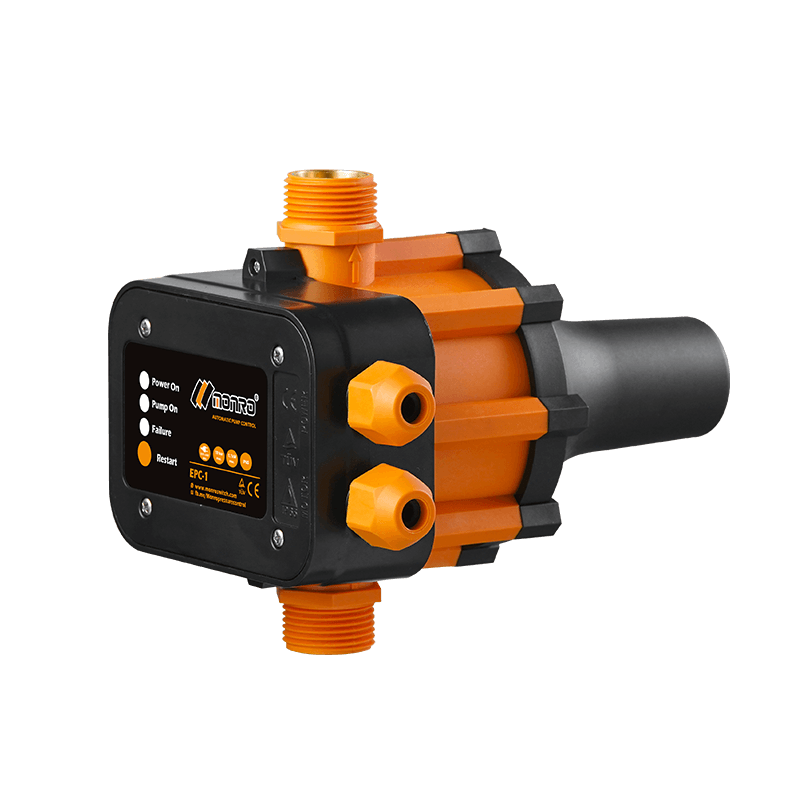 EPC-1
EPC-1Monro EPC-1 model pump controller is the classic and basic type, was loved by user in the global mar...
-
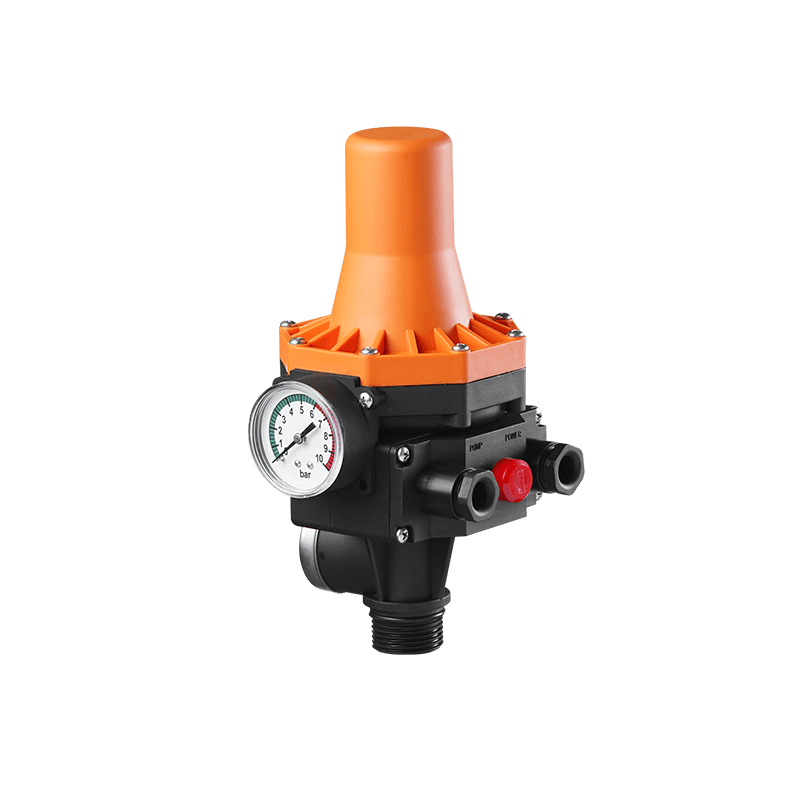 EPC-3
EPC-3Monro EPC-3 spain design auto on and off press control, an intelligent and economical system designe...
-
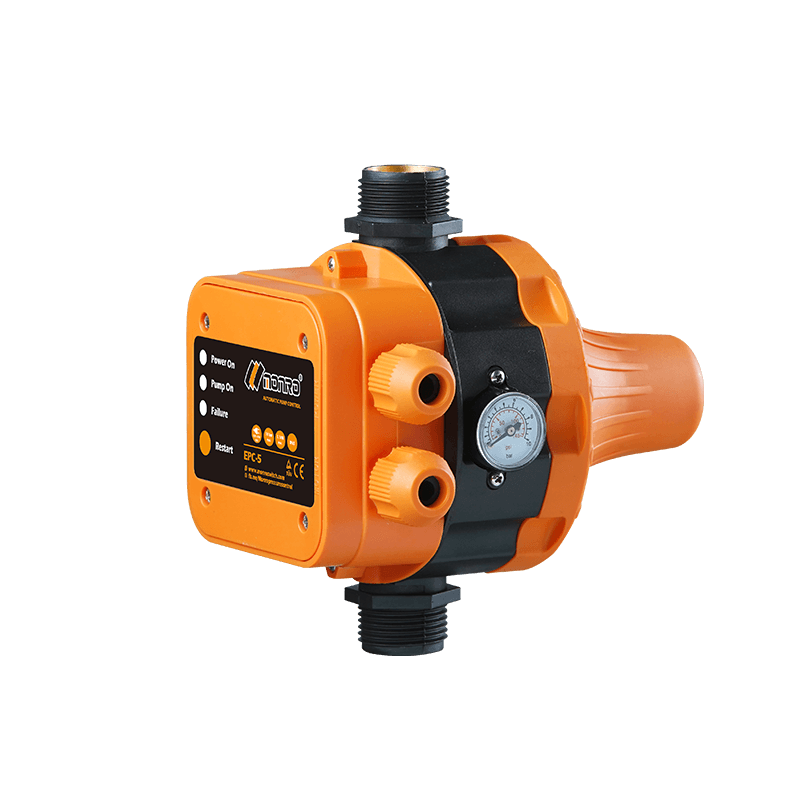 EPC-5
EPC-5Monro EPC-5 model automatic pump control, a device which assembled on the water pump (recommended si...
-
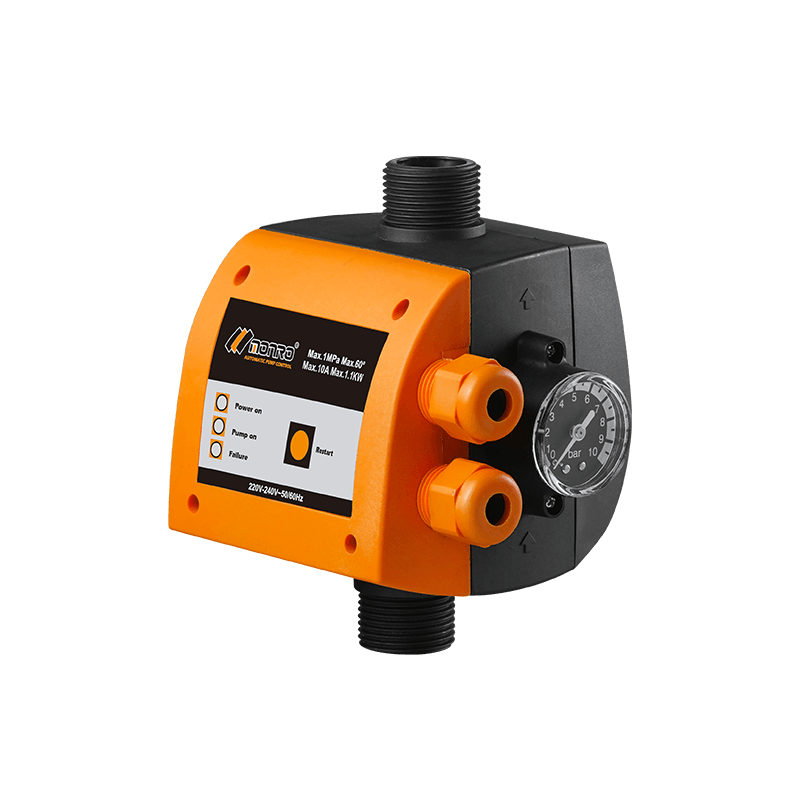 EPC-9
EPC-9Monro EPC-9 model pressure controller, is a big power device for automatic control and protection of...
-
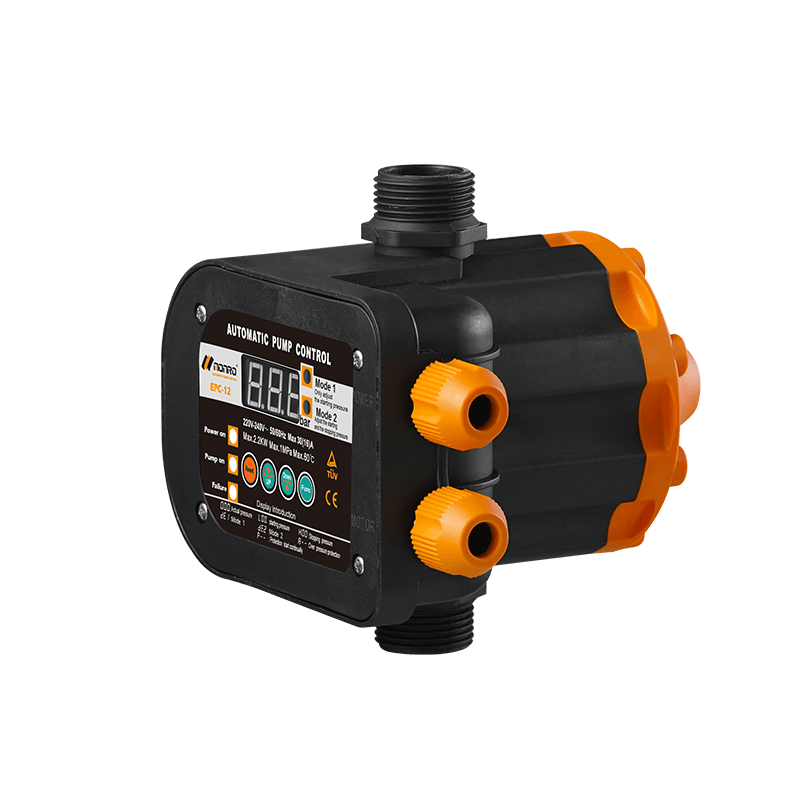 EPC-12
Monro EPC-12 smart top-level automatic pump control is a multi-function model combined with traditio...
-
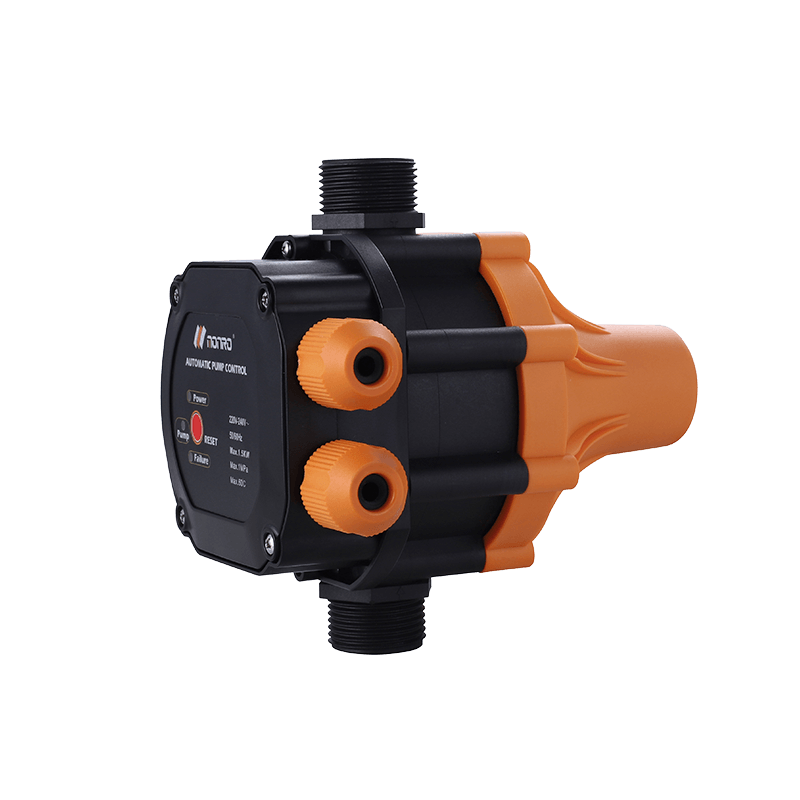 EPC-14
Monro EPC-14 model pressure control is a big power device for automatic control and protection of el...
-
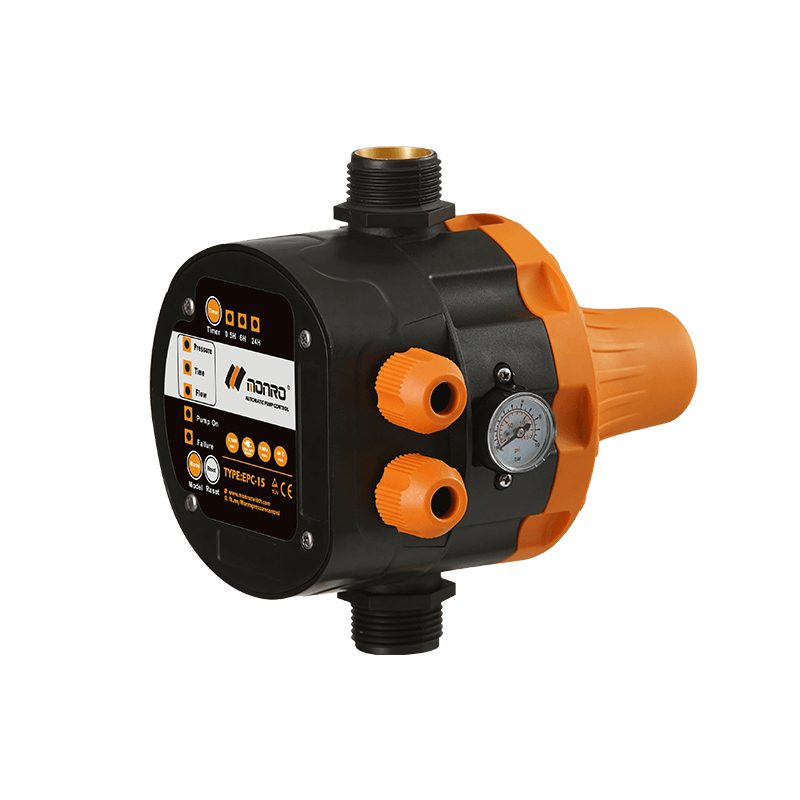 EPC-15
Monro EPC-15 model automatic pump control, a device which assembled on the water pump (recommended s...
-
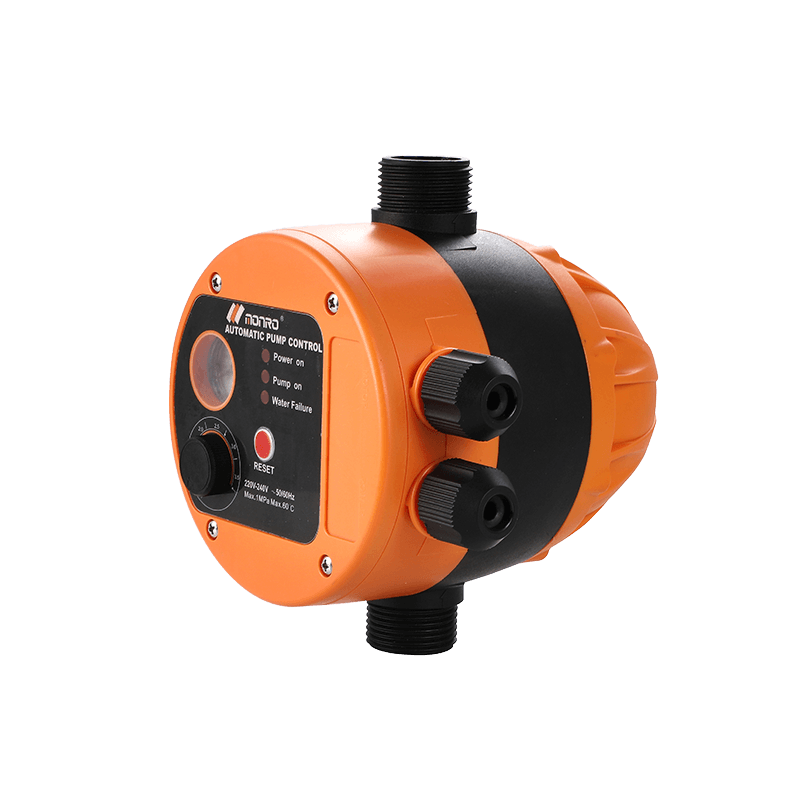 EPC-16
EPC-16 is the new patent pump controller by Monro. Its key highlight is tooless (manual knob) start...
contact us
find our office
find our office
Committed to providing professional pressure control solutions for various types of water pumps and air compressors.
Mobile
 Wechat
Copyright © 2024 Zhejiang Monro M&E Co., Ltd. All Rights Reserved.
Wholesale Pressure Control Switch Manufacturer
