

 简体中文
简体中文 English
 Español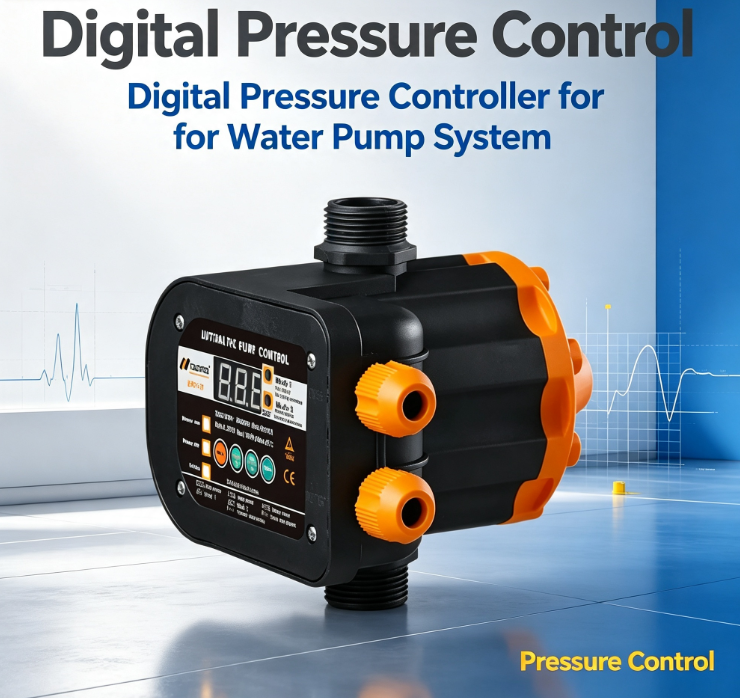
Don't hesitate to send a message
Search
Recent Post
Newsletter
What Is Digital Pressure Control Used For
Water pressure is not always constant during daily system operation. A building may have periods of low water use and periods when several outlets are active at the same time. Agricultural systems can also change as different watering areas operate. Industrial facilities may have water demand linked to different production activities.
These changes make pressure management an important part of many water systems. A pump may need to respond differently when demand rises, falls, or changes across different parts of the system.
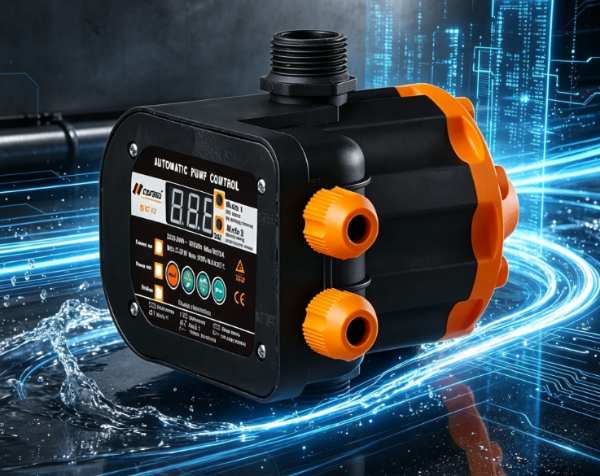
Digital Pressure Control can have a useful role. It is designed to help monitor and manage pressure conditions within a water system. Instead of treating pressure as a fixed condition, digital control allows the system to respond to changes during operation.
The purpose is not limited to controlling a pump. Pressure control can also support daily system observation, pressure management, and communication between pressure conditions and pump operation. Its actual role depends on how the water system is designed and how it is used.
What Is Digital Pressure Control Used For?
Pressure Control is generally used to help manage water pressure in systems where demand can change during operation. It can be connected with pump operation and other parts of a water supply system to provide a more responsive approach to pressure management.
Traditional pressure control methods can rely on mechanical components and simple operating conditions. Digital control introduces electronic monitoring into this process. This allows pressure conditions to be observed and used as part of system control.
The practical role can vary from one application to another. In a small water supply system, the control function may be closely related to starting or stopping pump operation. In a larger system, pressure information may be part of a wider management process.
Pressure Control may be used for several common purposes:
| Application | Main role |
|---|---|
| Residential water supply | Responding to changing household water demand |
| Commercial buildings | Supporting pressure management across multiple outlets |
| Agricultural systems | Working with changing irrigation demand |
| Industrial water systems | Coordinating pressure management with different water uses |
| Pump systems | Connecting pressure conditions with pump operation |
| Water management | Helping users observe changing pressure conditions |
The key point is that control is not simply about increasing or reducing pressure. Its role is to help a water system respond to pressure changes in a more organized way.
How Does Digital Pressure Control Respond to Changing Water Demand?
Water demand can change many times during normal operation. A residential building may use little water when only one outlet is active. Demand can change when several outlets are opened.
Commercial buildings can have an even more varied pattern. Restrooms, cleaning areas, kitchens, and other water outlets may operate at different times. The pressure conditions in the system can therefore change as usage changes.
Agricultural systems have their own operating patterns. Water may be directed to different areas depending on irrigation needs. The amount of water moving through the system can change as different sections are used.
Digital Pressure Control can help the system recognize these changing conditions and respond according to its control settings. The pressure condition becomes part of the decision-making process rather than being treated as something completely separate from pump operation.
This can make pressure management more closely connected to actual water use.
The relationship can be viewed simply:
Changing water demand → changing water flow → changing pressure conditions → control response
This does not mean every system will respond in exactly the same way. Pipe layout, pump arrangement, water outlets, and system design all influence how pressure changes appear.
For this reason, pressure control should be considered as part of the complete water system rather than as an isolated device.
Why Is Digital Pressure Control Used in Pump Systems?
A water pump does not always operate under the same conditions. When water demand changes, the pump may need to respond to a different operating situation.
If demand is low, the system may require less water movement. When more outlets are opened, the demand can rise. The pump and pressure control system then need to work together.
Control provides a connection between pressure conditions and pump operation. Depending on the system design, it can help determine when the pump should operate and when pump operation should change.
This relationship can make daily pump management easier to understand.
For example, imagine a building where water demand changes throughout the day. A pump may operate during periods when water is needed and remain inactive when demand is low. Pressure control helps connect these changes with the operation of the pump.
The digital element can also make operating conditions easier to observe. Instead of relying only on physical pressure indicators, users may have access to a clearer representation of pressure conditions.
This is particularly useful in systems where pressure changes occur regularly.
However, digital control does not replace the need to understand the pump itself. Pump type, system layout, water demand, and installation conditions still affect how the control system should be used.
Can Digital Pressure Control Support Different Water Supply Applications?
One reason pressure control appears across different industries is that water systems rarely have identical operating patterns.
A residential system usually has relatively familiar daily water use. People may open taps, use showers, operate appliances, or use other water outlets at different times. The pressure control system needs to work with these changes without making the system difficult to operate.
Commercial buildings can involve more outlets and more varied usage. Water demand may change depending on occupancy and building activity. A pressure control system may therefore need to work with a more varied operating environment.
Agricultural applications are different again. Irrigation areas may be used according to farming activities and water management plans. The control system needs to fit the way water is distributed across the growing area.
Industrial systems can have more complex water usage patterns. Different parts of a facility may require water for different purposes. The pressure conditions can change as these activities begin or stop.
| Water system | Typical pressure control consideration |
|---|---|
| Residential | Changing household water use |
| Commercial | Multiple outlets and varied demand |
| Agricultural | Different irrigation areas |
| Industrial | Multiple water-use processes |
| Facility water supply | Daily changes in water consumption |
This does not mean a single type of Pressure Control will suit every application. The control approach needs to match the system's actual operating conditions.
How Does Digital Pressure Control Help With Daily System Management?
Pressure control is closely connected to daily system management. A system may appear simple when everything is working normally, but small changes can become noticeable when water demand shifts.
Digital control can make these changes easier to observe. Users can pay attention to pressure conditions and identify changes during normal operation.
This can be useful when a system has several operating periods. For example, pressure may behave differently when there is little water use compared with periods when many outlets are active.
Clear pressure information can also support routine inspection. If pressure behavior changes from the normal operating pattern, the change may encourage users to check other parts of the system.
Possible areas to review include:
- Water outlets and usage patterns.
- Pump operation.
- Pipe conditions.
- System layout.
- Control settings.
- Water demand changes.
- General equipment condition.
Pressure Control does not automatically identify every cause of a pressure change. A pressure reading is only one part of system information.
For this reason, it works most effectively when users understand the wider system. Pressure information can provide a useful reference for daily management, while other equipment and operating conditions still need attention.
Does System Layout Affect the Use of Digital Pressure Control?
System layout can have a direct influence on pressure behavior.
A compact residential water system may have a relatively simple pipe arrangement. A commercial or industrial system can have several branches leading to different areas. Agricultural systems can also cover large spaces and distribute water to separate irrigation zones.
Water does not move through every system in the same way. The position of the pump, distance between water outlets, pipe arrangement, and number of branches can all influence pressure conditions.
This means Control should be considered alongside system layout.
| Layout factor | Why it matters |
|---|---|
| Pump position | Influences how pressure reaches the water network |
| Pipe arrangement | Affects how water moves through different sections |
| Number of outlets | Can change demand during operation |
| Separate water zones | May create different usage patterns |
| System size | Can affect how pressure changes across the network |
| Maintenance access | Influences routine inspection and adjustment |
A control system that works in one installation may need a different setup in another. The objective is not simply to add digital control to an existing system. The control approach should fit the way water moves through the installation.
This is especially important for systems with changing demand. A pressure condition at one point may not represent the same condition throughout the entire water network.
What Should Buyers Consider When Choosing Digital Pressure Control?
Choosing Digital Pressure Control should begin with the water system rather than the control device itself.
Buyers need to understand how the system operates during normal use. The number of outlets, pump arrangement, water demand, pipe layout, and operating routine can all affect the choice.
The expected role of the controller should also be clear. Some users may mainly need pressure-based pump control. Others may place more attention on pressure observation and daily system management.
Several questions can help organize the selection process:
| Buyer question | Selection focus |
|---|---|
| How does water demand change? | Understand daily usage patterns |
| How does the pump operate? | Match pressure control with pump behavior |
| How is the pipe network arranged? | Consider pressure distribution |
| How many water outlets are used? | Consider changing demand |
| Is the system residential or industrial? | Match the control approach to the application |
| How will users monitor the system? | Consider visibility of operating conditions |
| How will routine maintenance be handled? | Keep inspection practical |
Installation conditions should also receive attention. A control device may be technically suitable but still be inconvenient if users cannot easily inspect or maintain it.
Communication between the control system and users matters as well. Digital information is useful when it is clear and easy to understand. A complicated interface can make daily operation less convenient.
The selection process therefore involves more than looking at the control function. It should consider how the equipment fits into the complete water system.
Can Digital Pressure Control Adapt to Different Operating Conditions?
Water systems rarely remain under exactly the same conditions throughout the day.
A household may experience changing water use. A commercial building may have different operating periods. An agricultural system can change according to irrigation activity. An industrial facility may have several areas using water at different times.
These changes create a need for pressure control that can work with changing conditions.
Digital Pressure Control can be part of this approach because pressure information can be used as an input for system operation. The system can respond according to its control logic and the conditions being monitored.
This can also support a more structured approach to pump management. Rather than treating the pump as an independent machine, pressure control connects pump operation with actual water system demand.
The practical value depends on the installation. A simple water supply system may need only a straightforward control arrangement. A larger system may require more consideration of different zones, outlets, pumps, and operating routines.
The same principle applies when a water system is modified. Adding outlets, changing the pipe arrangement, or changing how water is used can affect pressure behavior. When system conditions change, the pressure control arrangement may also need to be reviewed.
Pressure Control is therefore closely related to the way a water system operates in real conditions. Its role can extend from pump control to pressure observation and daily water management. Understanding that wider relationship helps buyers and system operators consider where digital pressure control fits within their own applications.
OUR PRODUCTS
Recommended Products
-
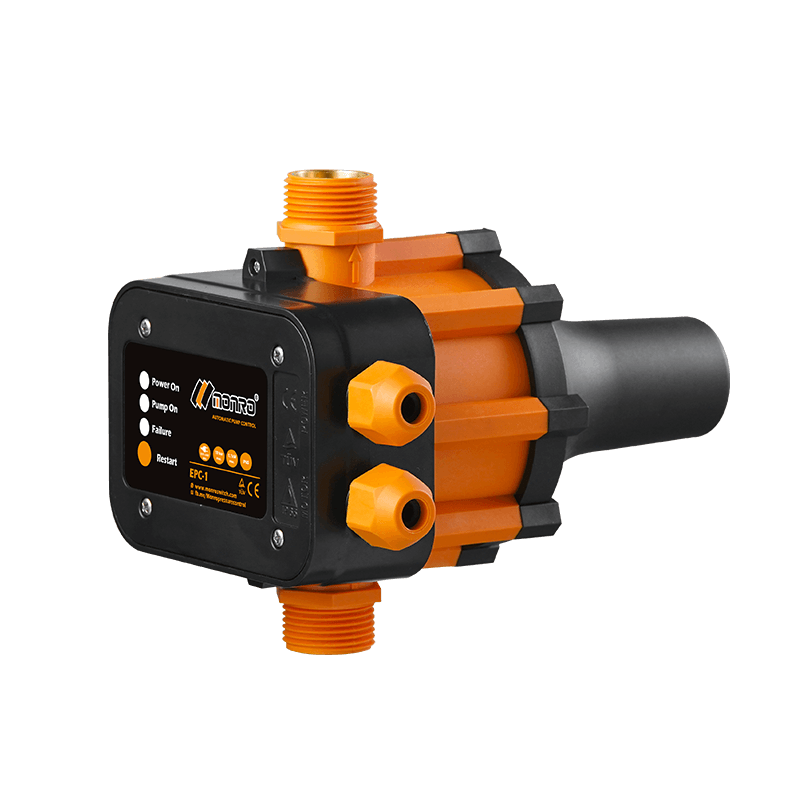 EPC-1
EPC-1Monro EPC-1 model pump controller is the classic and basic type, was loved by user in the global mar...
-
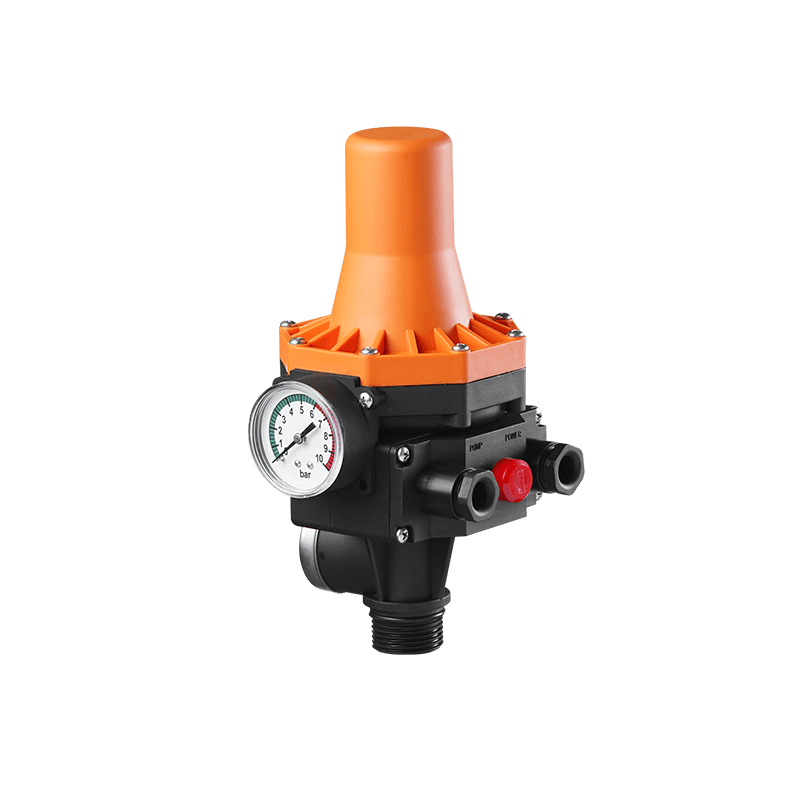 EPC-3
EPC-3Monro EPC-3 spain design auto on and off press control, an intelligent and economical system designe...
-
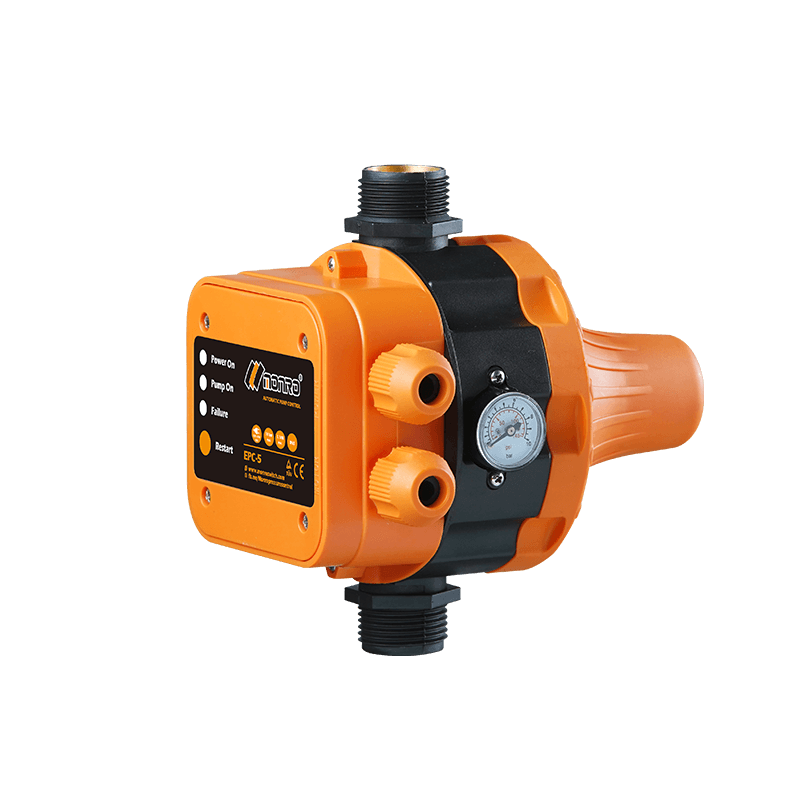 EPC-5
EPC-5Monro EPC-5 model automatic pump control, a device which assembled on the water pump (recommended si...
-
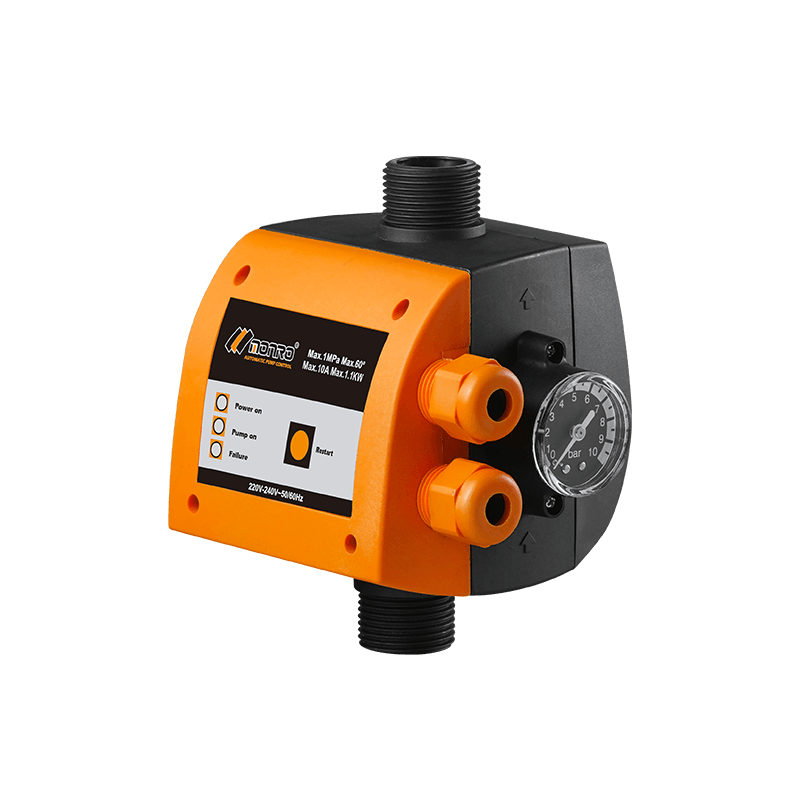 EPC-9
EPC-9Monro EPC-9 model pressure controller, is a big power device for automatic control and protection of...
-
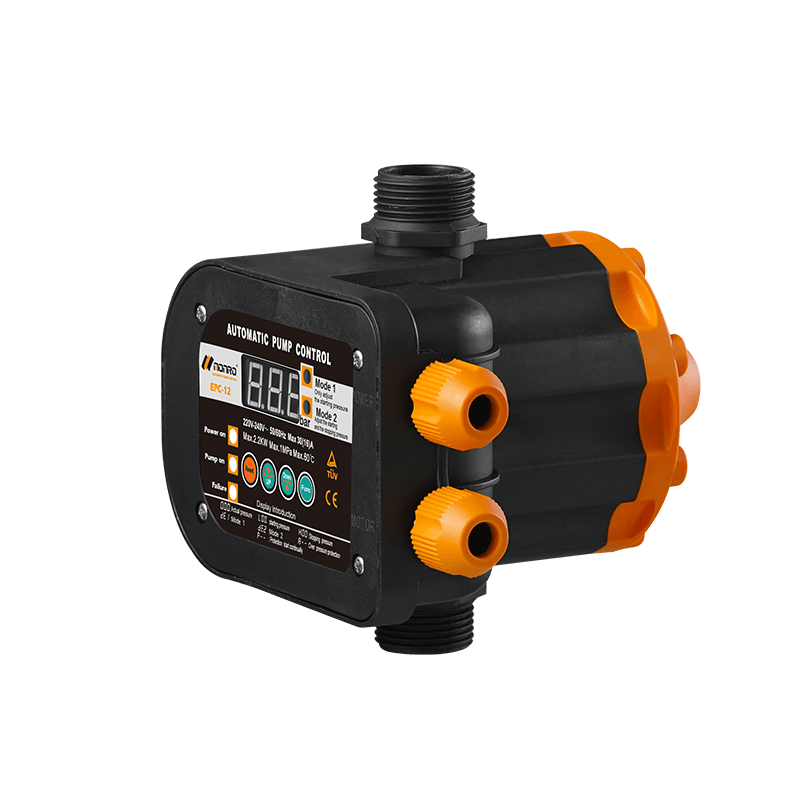 EPC-12
Monro EPC-12 smart top-level automatic pump control is a multi-function model combined with traditio...
-
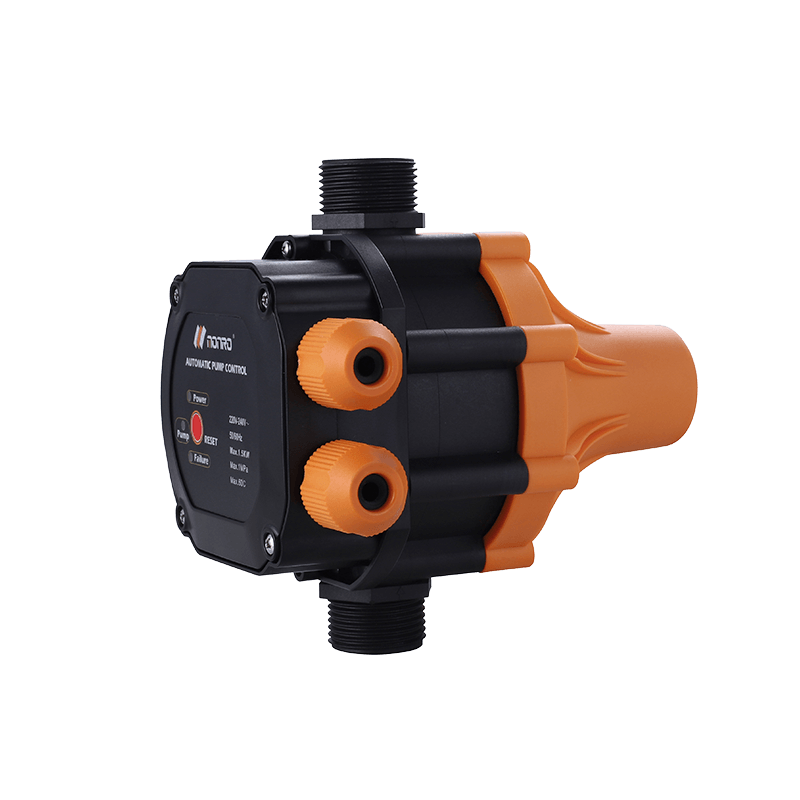 EPC-14
Monro EPC-14 model pressure control is a big power device for automatic control and protection of el...
-
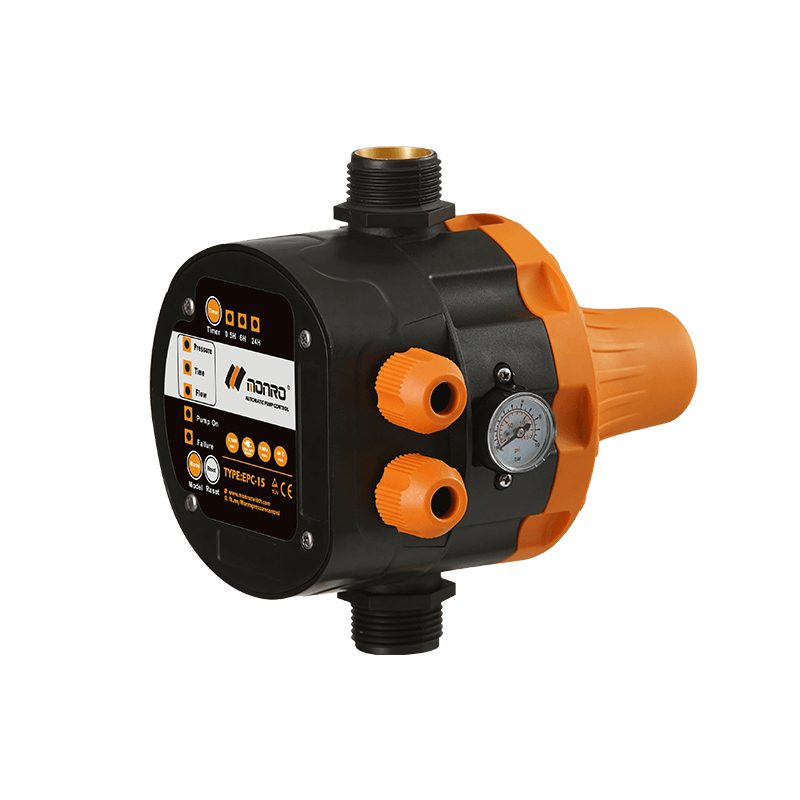 EPC-15
Monro EPC-15 model automatic pump control, a device which assembled on the water pump (recommended s...
-
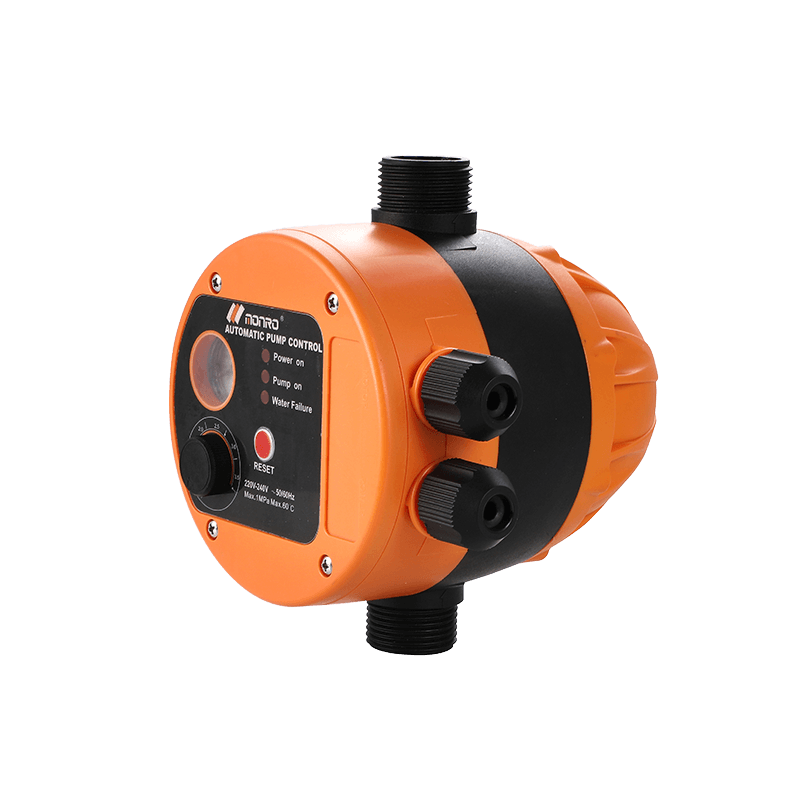 EPC-16
EPC-16 is the new patent pump controller by Monro. Its key highlight is tooless (manual knob) start...
contact us
find our office
find our office
Committed to providing professional pressure control solutions for various types of water pumps and air compressors.
Mobile
 Wechat
Copyright © 2024 Zhejiang Monro M&E Co., Ltd. All Rights Reserved.
Wholesale Pressure Control Switch Manufacturer
