

 简体中文
 English
 Español
Don't hesitate to send a message
Search
Recent Post
Newsletter
Why Do Industrial Pump Systems Need Pressure Control Panels
Pumps move liquid through factories, water supply networks, processing plants and plenty of other industrial sites. From the outside the job looks simple: draw liquid from one place and push it to another. Inside the system, though, pressure shifts as operating conditions change. Those shifts can affect equipment performance, flow stability and safety.
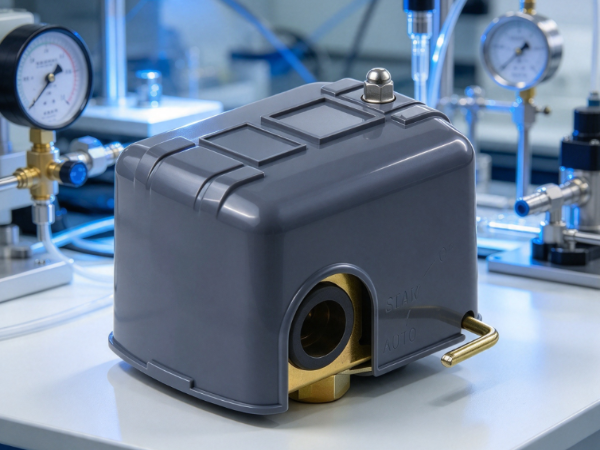
A pressure control panel manages this by watching pressure signals and controlling how the pump runs. It can start and stop pumps, respond when demand changes and support protective functions. Without proper pressure control, operators end up making manual adjustments or juggling separate control devices, and the system gets harder to manage consistently.
Facilities now pay closer attention to reliability and energy use, so pressure control have become a standard part of pump system design. They do more than switch a pump on and off. They tie pressure monitoring, pump operation and system protection into one coordinated process.
What Role Does a Pressure Control Panel Play in an Industrial Pump System?
A pump system is more than the pump. Pipes, valves, storage tanks, filters, sensors and other equipment are part of it, and each one affects how liquid moves. Pressure can rise or fall when valves open, demand changes or other equipment starts and stops.
The pressure control gives you one central point for managing those conditions. It takes information from pressure sensors or switches and uses it to control the connected pumps. Depending on the design, it may start a pump when pressure drops, stop it once the required condition is reached or sound an alarm when something abnormal happens.
That cuts down on constant manual work. Nobody has to watch the gauge and adjust the pump all day, because the panel reacts to signals according to its configured control logic.
Its main functions may include:
- Pressure monitoring: Receiving signals from devices that detect pressure changes in the pipeline or system.
- Pump control: Starting, stopping or coordinating pump operation according to system requirements.
- Operating status display: Showing useful information about the pump and its current operating condition.
- Alarm management: Alerting operators when certain abnormal conditions are detected.
- Equipment protection: Supporting protective actions when the system meets conditions such as overload or abnormal pressure.
The exact functions depend on the panel design and the connected equipment. A simple installation may need only basic pressure-based switching, while a larger industrial system may call for several operating modes and coordinated control of multiple pumps.
What matters is that the panel links the pump's operation to what the system actually needs, so the equipment can respond to changing conditions in an organized way.
How Do Pressure Control Panels Maintain Stable System Pressure?
Many industrial applications depend on stable pressure. A water supply network has to deliver water to different points. A production line may need a steady liquid supply for continuous processing. A cooling system needs adequate circulation to carry heat away from equipment.
When demand shifts, pipeline pressure shifts too. Open more outlets and the liquid being used goes up. If the pump doesn't react, pressure falls. When demand drops, that same pump may keep pushing out more liquid than the system needs.
The panel handles this using feedback from the pressure monitoring devices. When measured pressure leaves the configured operating range, it adjusts pump operation according to its control logic.
Take a building water supply. Pressure dips when several people open taps at once. The panel can start another pump or adjust the running one, depending on how the system is arranged. When demand falls, it can ease off or stop equipment once the required conditions are met.
That avoids big, unnecessary swings in pressure and makes the supply more predictable for connected equipment and users.
Pressure control doesn't mean pressure never changes. Sudden demand changes, blocked pipes, leaking connections and equipment faults can still upset the system. The panel monitors and responds, but the whole system still has to be designed and maintained properly.
Why Is Pressure Control Important for Pump and Pipeline Protection?
Pumps and pipelines work under conditions that change from day to day. Too much pressure, too little pressure and repeated operating cycles all put extra stress on equipment.
High pressure can load pipes, joints, valves and connected devices beyond what they were designed for. Persistently low pressure means the system can't deliver the flow it needs. Some pump arrangements also run into trouble when supply conditions aren't right.
A panel supports protection by watching pressure signals and triggering predefined responses. Depending on the installation, it may stop a pump, raise an alarm or switch to another pump when it detects an abnormal condition.
A few common situations show why this matters:
Excessive pressure
If a pump keeps delivering liquid the system can't accept, pressure climbs. A suitable control arrangement can stop continued operation under certain abnormal conditions. Pressure relief devices and other mechanical protections may be needed too.
Low pressure
A sudden drop might mean higher demand, a leak, short liquid supply or another operating issue. The panel can spot the change and respond according to its settings.
Pump overload
Operating conditions or mechanical problems can overload a pump. Motor protection in the panel can disconnect the equipment when it detects an electrical fault or overload.
Dry running
Some pumps get damaged when they run without enough liquid. A pressure control system may work with extra sensors or protection devices to detect conditions linked to insufficient supply. Pressure monitoring alone, however, may not catch every dry-running situation.
Keep in mind that the panel is one piece of a wider protection arrangement. It doesn't replace good pipe design, pressure relief devices, motor protection or routine inspection. They all work together to support safe operation.
Can Pressure Control Panels Improve Pump Energy Efficiency?
Energy use is a big consideration in industrial pumping. Pumps may run for long hours, and unnecessary running adds to electricity consumption and equipment wear.
A pump running continuously at fixed output may burn more energy than the system needs when demand is low. This happens in water supply systems, industrial circulation networks and other installations where consumption varies through the day.
The panel helps match pump operation to demand. In a basic installation it stops the pump when the required pressure is reached and restarts it when pressure falls. In more advanced systems it may coordinate variable-speed equipment to adjust pump output as demand changes.
That trims unnecessary running time and keeps the pump from delivering more flow than the system needs.
| Control approach | How it works | Potential operational benefit |
|---|---|---|
| Manual pump control | Operators start and stop the pump | Suitable for simple systems with limited operating changes |
| Pressure-based automatic control | The panel responds to pressure signals | Reduces the need for constant manual adjustment |
| Variable-speed control | Pump speed changes according to system demand | Helps match pump output to changing conditions |
| Multiple-pump coordination | The panel manages several pumps | Distributes operating duties across connected equipment |
Actual savings depend on the pump, motor, pipeline layout, control method and demand pattern. A panel doesn't automatically make a system efficient. Wrong settings or poorly chosen equipment can cause frequent starts, unstable operation or wasted energy.
So assess system demand first. The control method should reflect how the pump is really used, not just pile on more control functions.
How Do Pressure Control Panels Support Automatic Pump Operation?
Industrial facilities often need pumps running outside normal working hours. Water supply, cooling, drainage and processing systems may have to stay active with nobody standing nearby.
Manual operation gets hard in these cases. An operator would have to watch pressure, check equipment status and react whenever demand changes. That adds workload and can cause delays when quick action is needed.
The panel supports automatic operation by following predefined control conditions. It takes signals from pressure devices and starts the pump when needed. Once the system reaches its target condition, it stops or adjusts the pump.
This is especially useful where demand changes through the day.
A water supply system, for example, may see higher demand at busy times and lower demand when fewer people are around. Automatic control lets the pumps follow those changes without an operator making every adjustment.
With several pumps, the panel may also manage the running order. It can share operating duties according to the control arrangement and bring in extra pumps when demand rises.
Automatic operation brings several practical benefits:
- Reduces routine manual switching.
- Helps maintain more consistent operating conditions.
- Allows pumps to respond to changing demand.
- Supports unattended operation where the system design permits it.
- Provides operating information that helps staff monitor equipment status.
People still need to stay involved. Operators have to review alarms, inspect equipment and confirm that control settings still suit real operating conditions. Automatic control handles routine operation. It doesn't replace maintenance or operational planning.
What Should You Consider When Choosing a Pressure Control Panel?
Choosing a panel means understanding the pump system and where it operates. A panel that works well in one installation may not suit another, so begin with the system's actual requirements.
Pump type and operating arrangement
The panel must be compatible with the connected pump and motor. A single pump may need only simple control. A multi-pump system may need extra functions for pump coordination, duty rotation and standby operation.
Pressure monitoring requirements
Think about where pressure needs to be measured and how the system should respond to changes. Sensor location affects how accurately the panel reflects real operating conditions.
Control method
Some systems use pressure switches for basic start-and-stop control. Others use electronic sensors and more flexible control logic. Variable-speed systems may need a panel that can communicate with the relevant drive equipment.
Protection functions
The panel may need to support motor overload protection, phase-related protection, abnormal pressure alarms and other safety functions. The required features depend on the pump, electrical supply and operating environment.
Installation conditions
Control panels may sit in pump rooms, production areas, utility spaces or outdoors. Dust, moisture, temperature and access conditions should shape the choice of enclosure and installation arrangement.
Maintenance and operation
The panel should be practical for the people who use and maintain it. Clear labels, accessible components, understandable indicators and suitable documentation make daily operation easier.
| Selection factor | Questions to consider |
|---|---|
| Pump compatibility | Does the panel match the connected pump and motor? |
| System demand | Does the control method suit changing pressure requirements? |
| Number of pumps | Is the system based on one pump or several connected units? |
| Protection | Which electrical and operating conditions need to be monitored? |
| Installation environment | Will the panel be exposed to moisture, dust, or other environmental factors? |
| Maintenance | Can operators inspect and service the panel safely? |
Careful selection avoids problems from incompatible components or needless control functions. It also makes later maintenance and system changes easier to handle.
What Causes Pressure Control Problems in Industrial Pump Systems?
A panel can support stable pump operation, yet problems still crop up when sensors, wiring, settings or connected equipment don't work as intended.
Inaccurate pressure feedback is a common one. If a sensor gets dirty, damaged or installed incorrectly, the panel receives signals that don't match the real system condition. You then see unexpected pump starts, delayed responses or unstable operation.
Wrong settings cause trouble too. If the control range doesn't fit the system's needs, the pump may start and stop too often. That adds mechanical stress and can shorten the life of some components.
Other possible causes include:
- Loose electrical connections: Poor connections may interrupt signals or affect control components.
- Damaged pressure sensors: Faulty sensors can give inaccurate or missing information.
- Blocked pressure sensing lines: Deposits or debris may stop pressure changes from reaching the sensing device correctly.
- Pump or valve problems: Mechanical issues can create pressure changes the panel can't correct on its own.
- Incorrect control settings: Unsuitable start and stop conditions may cause unstable pump operation.
- Power supply problems: Electrical interruptions can affect the panel and connected pump equipment.
Start troubleshooting by reviewing the system's operating condition. Operators can check displayed alarms, inspect visible connections and compare the panel's pressure readings against an independent measurement where that's safe and suitable.
Qualified personnel should handle electrical inspection and internal panel maintenance. Control panels can contain hazardous electrical components even when the connected pump isn't running.
Also separate control problems from mechanical ones. A panel may respond correctly to a pressure drop caused by a leaking pipe, but it can't fix the leak. A pump may fail to hold pressure because of wear or a blocked intake. In cases like these, the underlying equipment needs attention.
How Can Regular Maintenance Keep a Pressure Control Panel Reliable?
Pressure control hold electrical and control components that need regular inspection. The operating environment affects their service life. Dust, moisture, vibration, heat and loose connections can gradually hurt performance.
A planned maintenance routine catches developing problems before they interrupt pumping. Follow the manufacturer's instructions and the site's electrical safety procedures.
Important maintenance activities include:
- Checking the enclosure: Look for visible damage, corrosion, moisture or signs of overheating.
- Inspecting electrical connections: Qualified personnel should check for loose or damaged connections.
- Reviewing pressure signals: Compare sensor readings with suitable reference measurements when necessary.
- Testing alarms and protection functions: Confirm that warning and protective responses work as intended.
- Checking panel indicators: Make sure status lights, displays and operating controls work properly.
- Reviewing operating records: Repeated alarms or frequent pump starts may point to an underlying issue.
- Inspecting connected equipment: Pressure sensors, pumps, valves and wiring belong to the same system.
Don't focus on the panel alone. A pressure control system relies on accurate signals from the pipeline and reliable operation of the connected pumps. If one part fails, the whole control process can suffer.
Keep records of inspections, repairs, alarm events and changes to control settings. They help reveal recurring problems and support maintenance planning.
For industrial facilities, the pressure control panel is a key link between system demand and pump operation. How well it performs depends on good selection, correct installation, appropriate settings and regular attention to the equipment it controls.
OUR PRODUCTS
Recommended Products
-
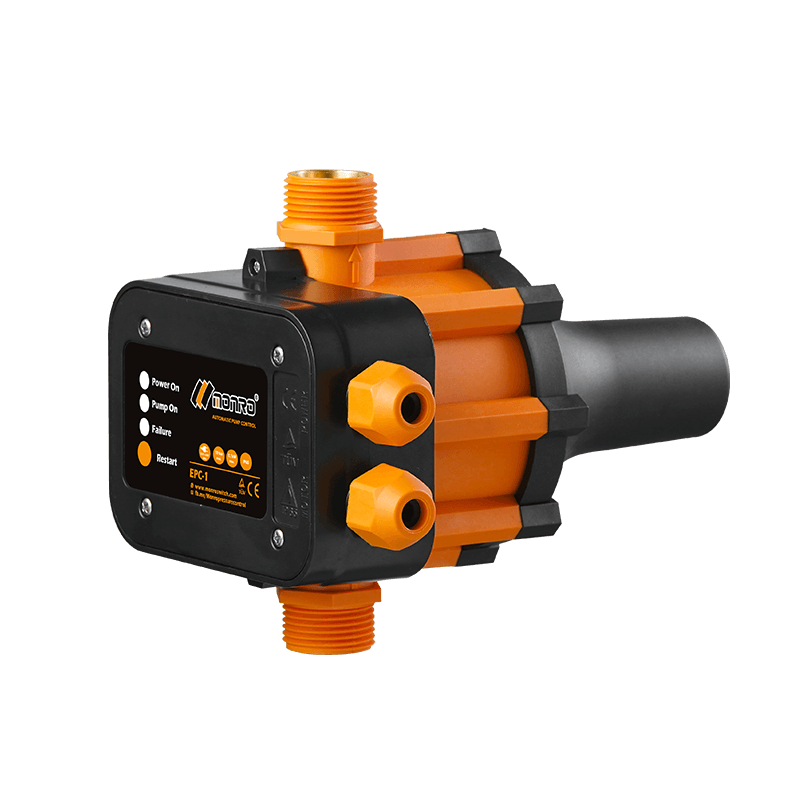 EPC-1
Monro EPC-1 model pump controller is the classic and basic type, was loved by user in the global mar...
-
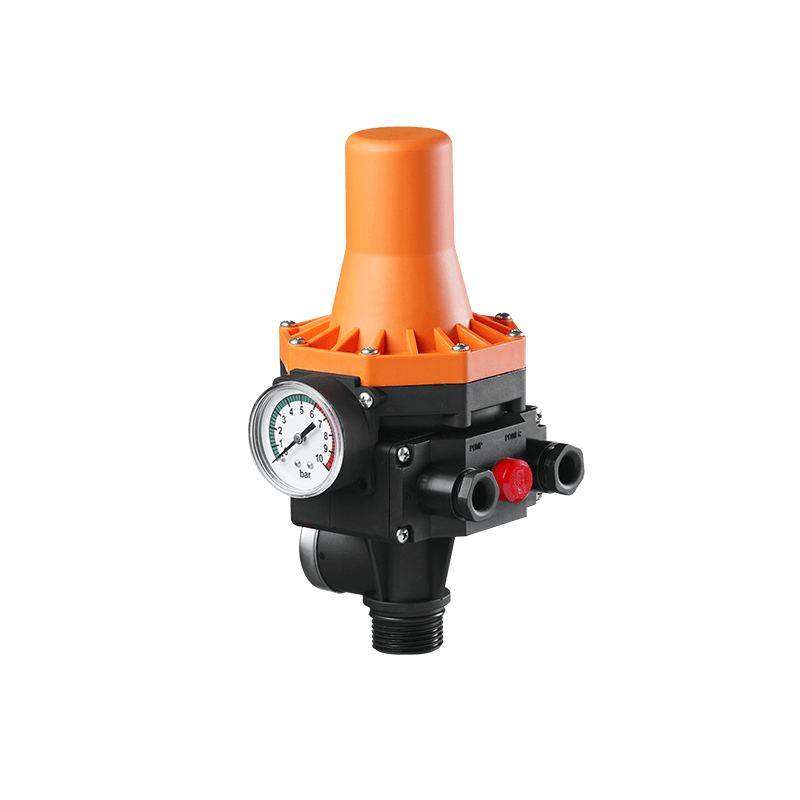 EPC-3
Monro EPC-3 spain design auto on and off press control, an intelligent and economical system designe...
-
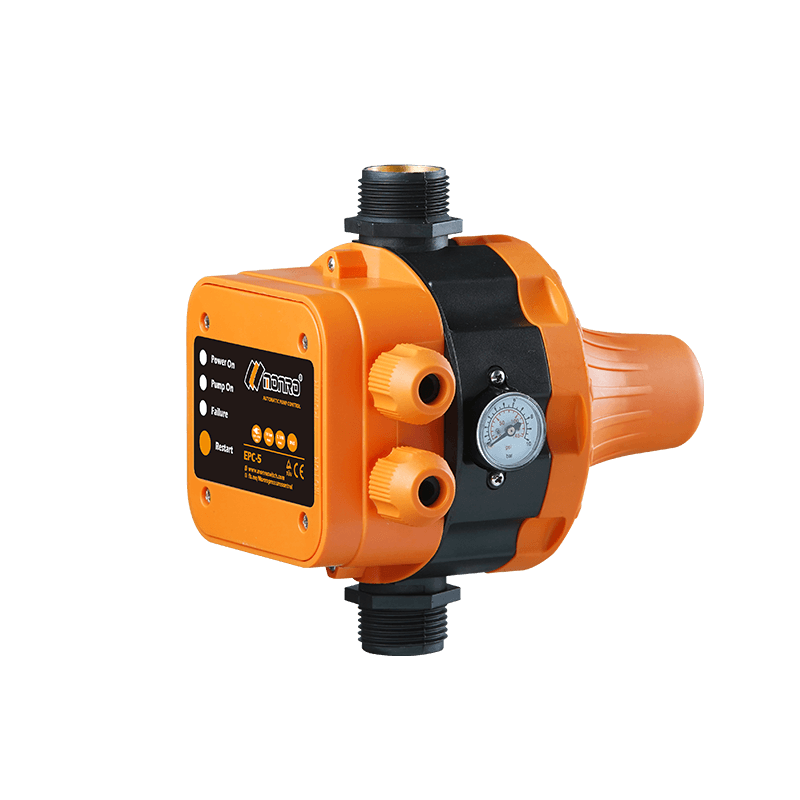 EPC-5
Monro EPC-5 model automatic pump control, a device which assembled on the water pump (recommended si...
-
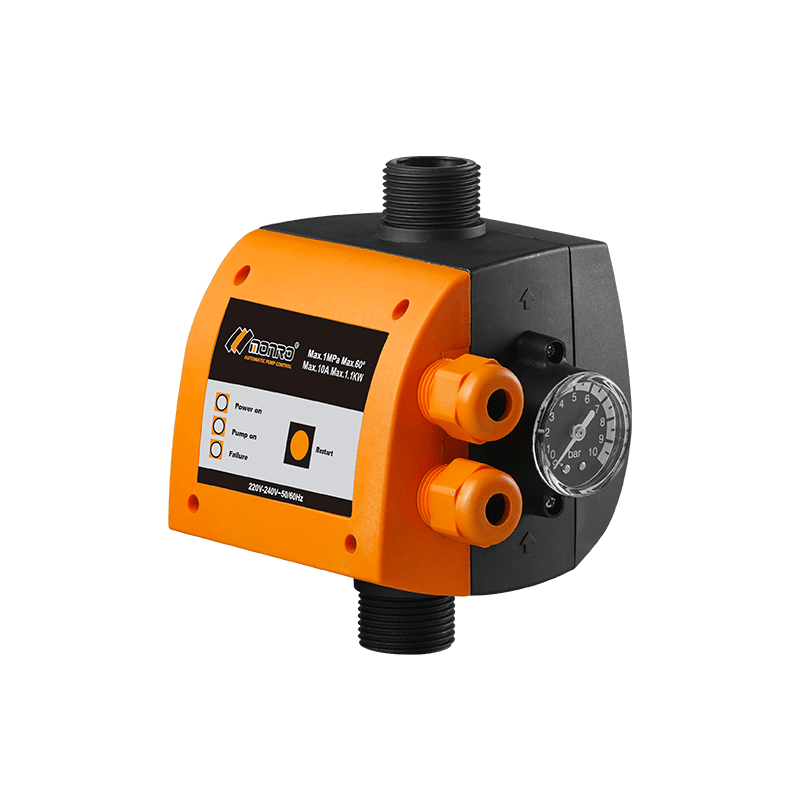 EPC-9
Monro EPC-9 model pressure controller, is a big power device for automatic control and protection of...
-
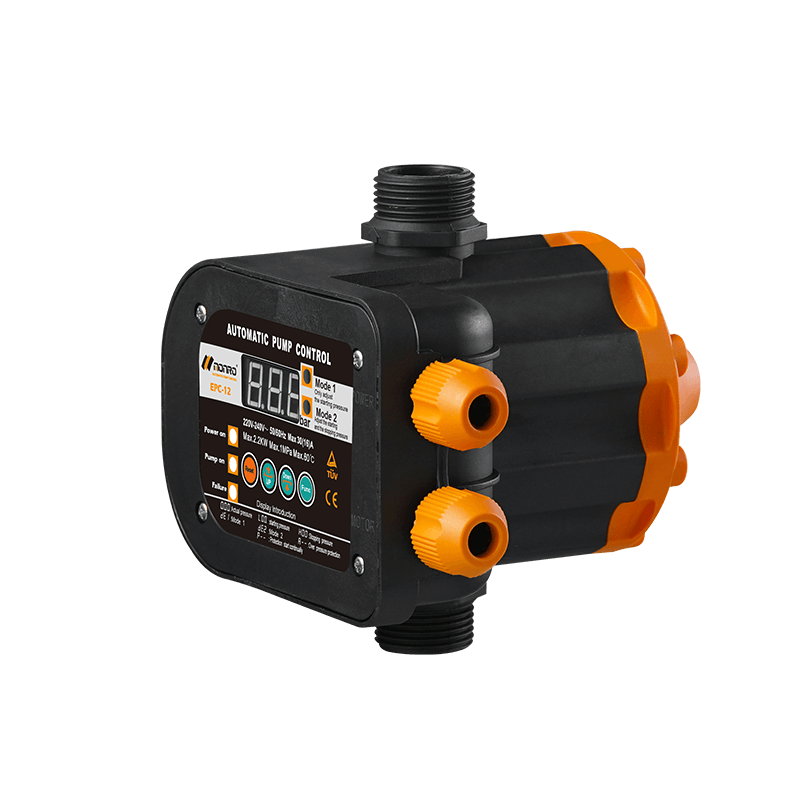 EPC-12
Monro EPC-12 smart top-level automatic pump control is a multi-function model combined with traditio...
-
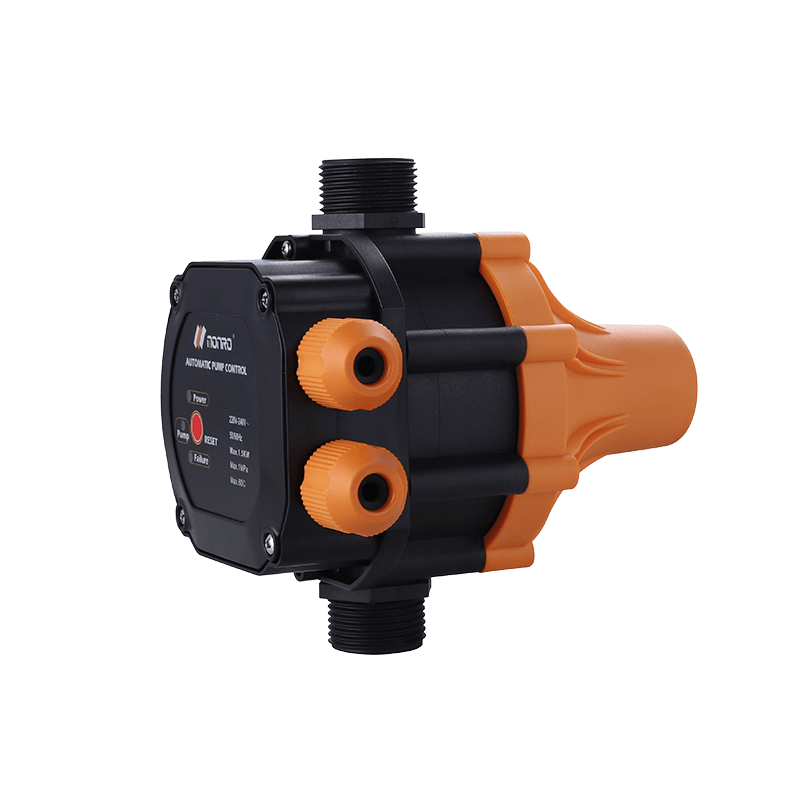 EPC-14
Monro EPC-14 model pressure control is a big power device for automatic control and protection of el...
-
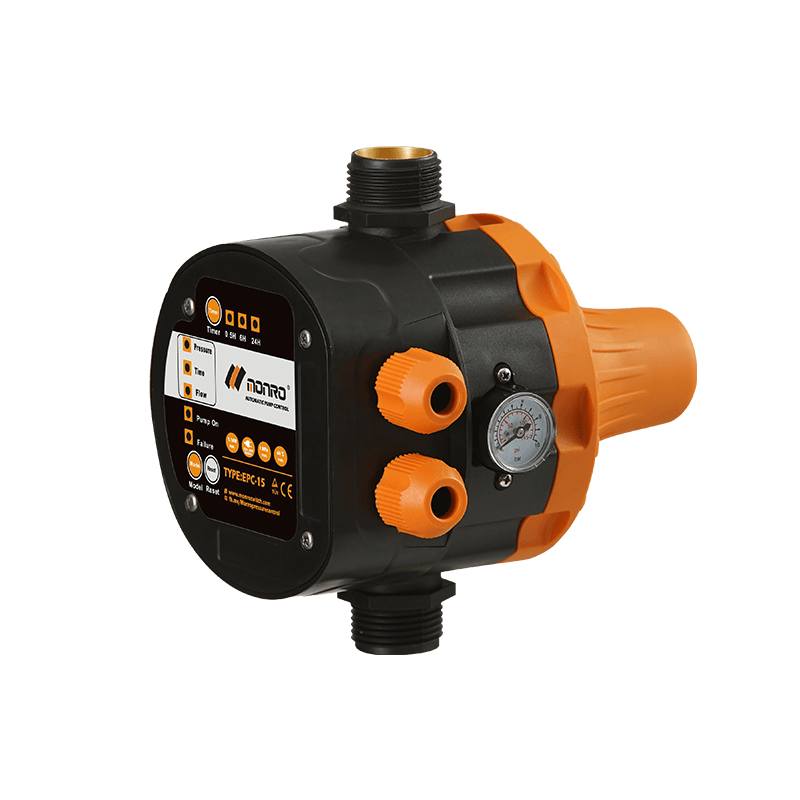 EPC-15
Monro EPC-15 model automatic pump control, a device which assembled on the water pump (recommended s...
-
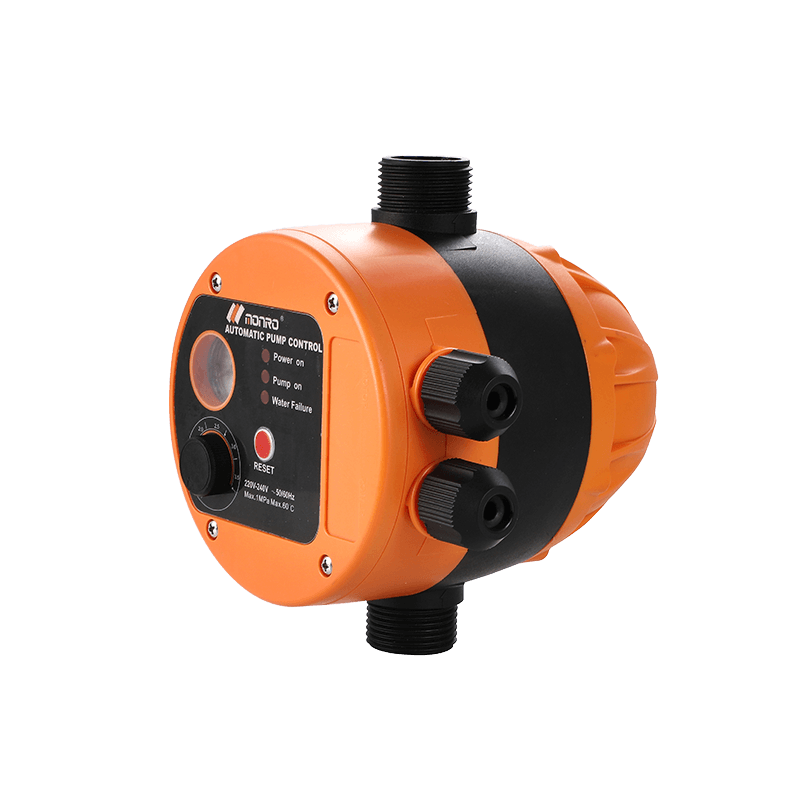 EPC-16
 is the new patent pump controller by Monro. Its key highlight is tooless (manual knob) start...
contact us
find our office
find our office
Committed to providing professional pressure control solutions for various types of water pumps and air compressors.
Mobile
 Wechat
Copyright © 2024 Zhejiang Monro M&E Co., Ltd. All Rights Reserved.
Wholesale Pressure Control Switch Manufacturer
