

 简体中文
简体中文 English
 Español
Don't hesitate to send a message
Search
Recent Post
Newsletter
The Manufacturing Process Behind High Quality Pump Controllers
Pump controllers don't get much attention outside the industries that depend on them, but they're doing more work than their size suggests. In water management systems, agricultural setups, and plenty of industrial applications, these controllers are what keeps pump operation coordinated instead of running on guesswork.
Getting one right isn't a single-step process. It starts with design planning, moves through material sourcing and assembly, and ends with inspection — and every one of those stages leaves its fingerprint on how the finished product actually performs in the field.
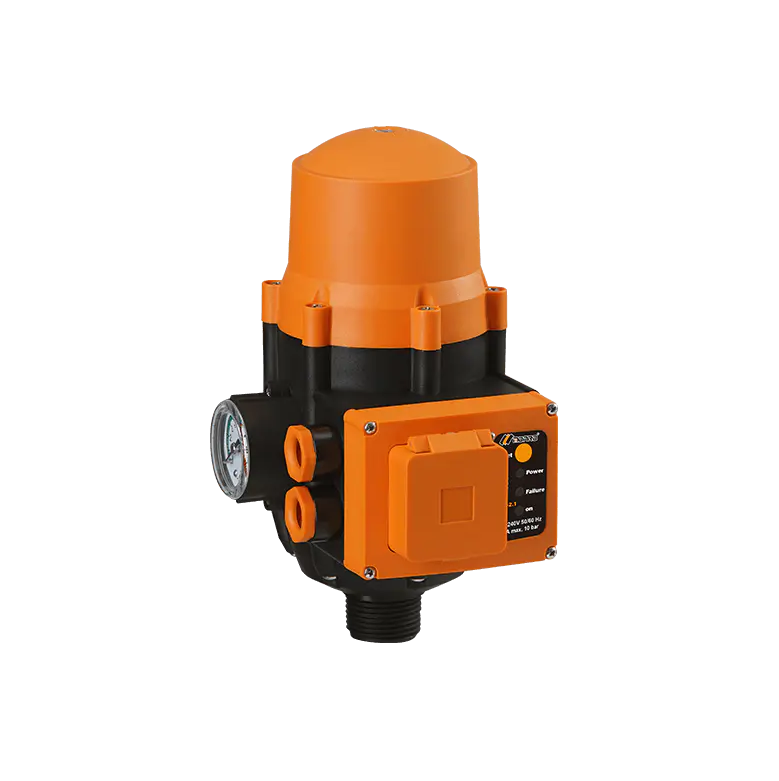
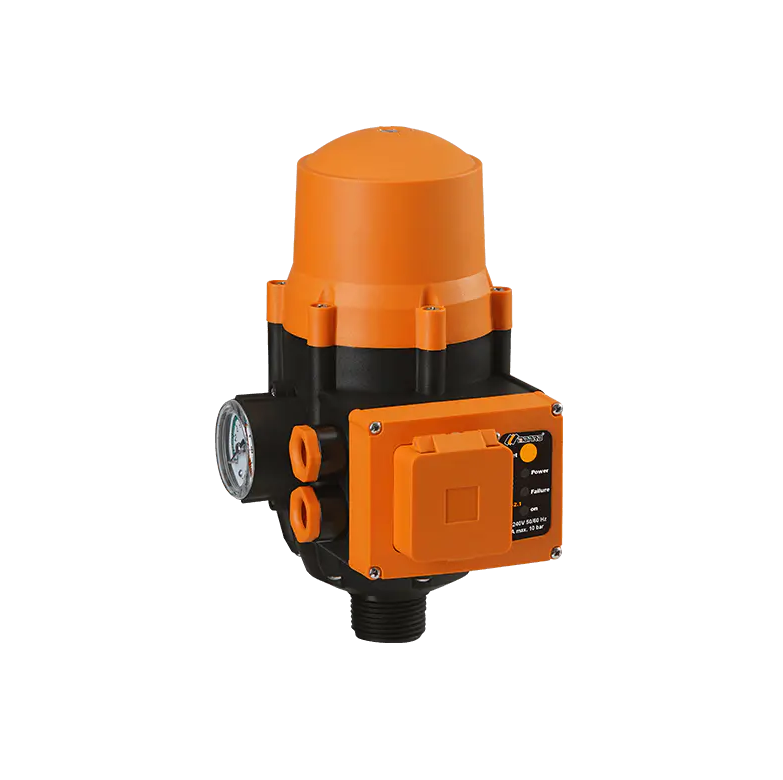
As more industries push for equipment that's both reliable and smarter to operate, the manufacturing process behind pump controllers has become something suppliers, engineers, and buyers are all paying closer attention to.
Why Does the Manufacturing Process Matter So Much for Pump Controllers?
It's easy to think of a pump controller as a small, replaceable part in a bigger system. In practice, it's more tightly linked to overall performance than that framing suggests — a poorly built controller can undercut an otherwise solid pump setup.
Because the controller has to work in sync with pumps and other components, the process behind it needs to be deliberate, not improvised. Broadly, that process breaks down into a few key stages:
| Manufacturing Stage | Main Purpose |
|---|---|
| Product design | Defines structure and functional requirements |
| Material selection | Provides a suitable foundation for production |
| Component assembly | Brings different parts together |
| Quality inspection | Checks product consistency and reliability |
None of these stages operate in isolation — a shortcut taken early tends to surface as a problem later, usually at the worst possible time.
How Does Product Design Shape the Manufacturing Process?
Design is where everything else starts. Before any material gets cut or any part gets assembled, engineers have to work out how the controller will actually be used and what it needs to do once it's installed.
A design that holds up in practice usually accounts for:
- How straightforward the controller is to operate day-to-day
- Compatibility with the rest of the system it's joining
- The physical structure and how it's put together
- What conditions it'll face over months and years of use
This stage is really where customer needs and manufacturing plans meet. It's not just about how the thing looks — a controller that's visually clean but awkward to operate or maintain isn't much of a win.
How Are Materials Chosen for Pump Controller Production?
Material choice sounds like a background detail, but it's one of the decisions with the longest-lasting impact. Different components need different materials to hold up under different demands.
Manufacturers typically weigh a handful of factors here:
| Consideration | Manufacturing Importance |
|---|---|
| Durability | Supports long-term product use |
| Environmental conditions | Helps the product adapt to different surroundings |
| Safety requirements | Supports reliable operation |
| Product structure | Influences overall design and assembly |
Get material selection wrong, and even a well-designed controller can underperform once it's actually deployed. That's why materials get checked and organized carefully before production even starts — sorting out problems here is a lot cheaper than catching them later.
What Happens During Assembly?
Assembly is where individual parts stop being separate components and start becoming one functioning product. It sounds straightforward, but it demands real attention — every part has a specific role, and getting the sequence or placement wrong creates problems that inspection later has to catch.
The priorities here tend to be:
- Placing components correctly the first time
- Making sure connections are stable, not just functional on paper
- Keeping the overall structure sound
- Handling parts carefully enough to avoid damage mid-process
People matter as much as equipment at this stage. Experienced workers notice small inconsistencies that automated processes might miss, and that attention to detail is often what separates a batch that performs consistently from one that doesn't. Most modern manufacturing leans on a mix of both — machines handling repeatable tasks, skilled hands managing the judgment calls.
How Does Quality Inspection Keep Pump Controllers Reliable?
Inspection is the safety net, but treating it as only a final step misses half the picture. Good manufacturers check throughout production, not just at the end, which catches problems earlier and cheaper.
What gets checked usually includes:
- Physical appearance and finish
- How securely components are connected
- Actual operating performance, not just specs on paper
- Overall consistency across the batch
For buyers, a manufacturer that can explain their inspection process clearly — rather than gesturing vaguely at "quality control" — tends to inspire a lot more confidence than one that can't.
What Role Does Technology Play in Modern Manufacturing?
Manufacturing technology has changed how pump controllers get made, mostly by making production more predictable and easier to monitor in real time. That shows up as:
- Better-organized production workflows
- More consistent output across units
- Clearer visibility into what's happening at each stage
- Faster, more efficient assembly
That said, technology doesn't replace human judgment — it supports it. Skilled teams are still the ones solving problems that don't fit neatly into a process flowchart, and the manufacturers doing this well tend to be the ones combining good equipment with people who actually know what they're doing.
Why Is Customization Becoming More Important?
No two industries expect quite the same thing from a pump controller. What works for a municipal water system doesn't necessarily fit an agricultural setup, and a standard off-the-shelf product often ends up being a compromise nobody's fully happy with.
Customization tends to focus on a few areas:
- Physical structure
- Appearance and design details
- Specific functional requirements
- How the product needs to perform in its actual environment
None of that works without real back-and-forth between manufacturer and buyer — understanding the practical constraints a buyer is working with is what turns a generic product into one that actually fits. It's a sign the market's moving toward more flexible, less one-size-fits-all manufacturing.
What Challenges Do Manufacturers Run Into?
Reliable pump controllers don't happen by accident — there's a fair amount of friction manufacturers have to manage along the way.
| Challenge | Manufacturing Response |
|---|---|
| Different customer requirements | Develop flexible production methods |
| Quality consistency | Strengthen inspection processes |
| Changing market needs | Improve product development |
| Complex applications | Increase design adaptability |
These aren't problems that get solved once and forgotten — they're closer to ongoing pressure that keeps manufacturers refining how they work. The ones that do this well tend to share a few traits: careful planning, experienced teams, and management that actually pays attention to what's happening on the floor.
How Do Manufacturers Improve Production Efficiency?
Efficiency gets talked about a lot, but it's not just "make it faster." It's usually more about cutting waste, tightening organization, and smoothing out the handoffs between stages.
In practice, that means:
- Streamlining individual production steps
- Improving how teams communicate with each other
- Managing material flow more carefully
- Reinforcing quality control rather than treating it as a bottleneck
This isn't a project with a finish line — it's continuous, and manufacturers keep adjusting as market expectations shift underneath them.
How Do Pump Controller Manufacturer Serve Different Industries?
Pump controllers show up almost anywhere organized pump operation matters:
| Industry | Application Direction |
|---|---|
| Water management | Supporting pump operation control |
| Agriculture | Helping manage water supply systems |
| Industrial facilities | Assisting equipment operation |
| Building systems | Supporting daily water-related functions |
Each of these industries brings its own set of expectations, and manufacturers who understand those differences are the ones who end up delivering solutions that actually fit, rather than something that technically works but doesn't quite match the job.
What Should Buyers Look For in a Manufacturer?
Choosing a supplier isn't just a matter of checking a catalog. It's worth digging into how a manufacturer actually operates:
Manufacturing experience. A team that's dealt with production challenges before tends to spot and solve problems faster than one that hasn't.
Quality management. A manufacturer with a clear, explainable quality process is a much safer bet than one that just says "trust us."
Customization ability. Flexibility here often determines whether a product actually fits your application or just comes close.
Communication. This one's underrated — a lot of production issues trace back to something that got lost in translation between buyer and manufacturer, not a technical failure at all.
The better manufacturers tend to understand both the product itself and the practical realities of how it'll actually be used.
Where Is Pump Controller Manufacturing Headed?
The industry keeps shifting as demand grows for equipment that's smarter and more adaptable. A few directions seem likely to shape what comes next:
- Smarter, more capable product designs
- Production methods that keep getting leaner and more efficient
- Wider customization options as buyer needs diversify
- Tighter integration with the broader systems these controllers plug into
Ultimately, the manufacturing process behind pump controllers is really a story about how engineering, production discipline, and industry demand all feed into each other. Every stage — from choosing the right material to the final inspection check — plays a part in whether the finished controller holds up once it's actually doing its job.
OUR PRODUCTS
Recommended Products
-
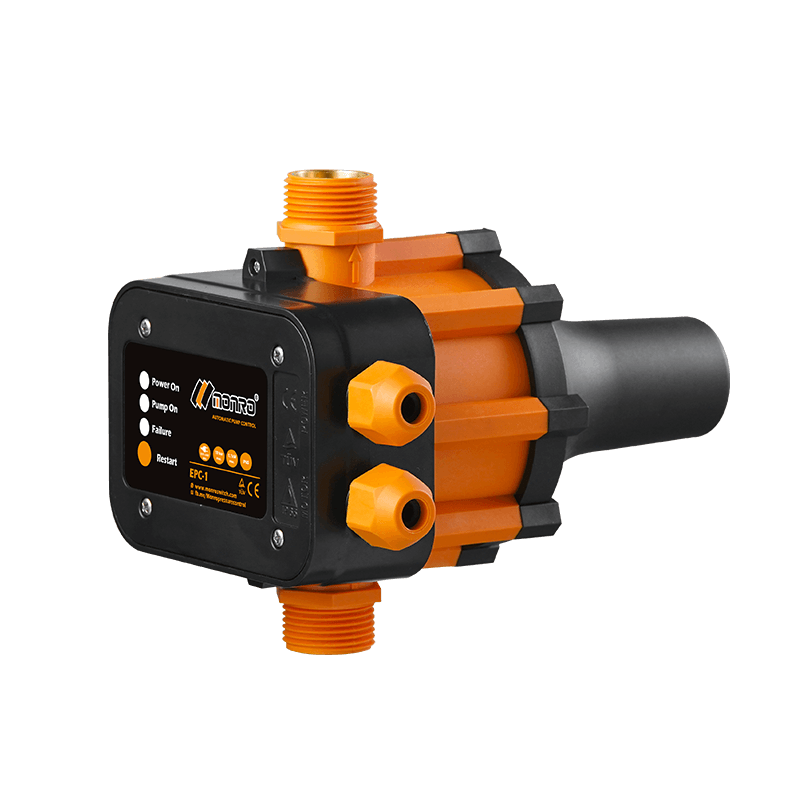 EPC-1
EPC-1Monro EPC-1 model pump controller is the classic and basic type, was loved by user in the global mar...
-
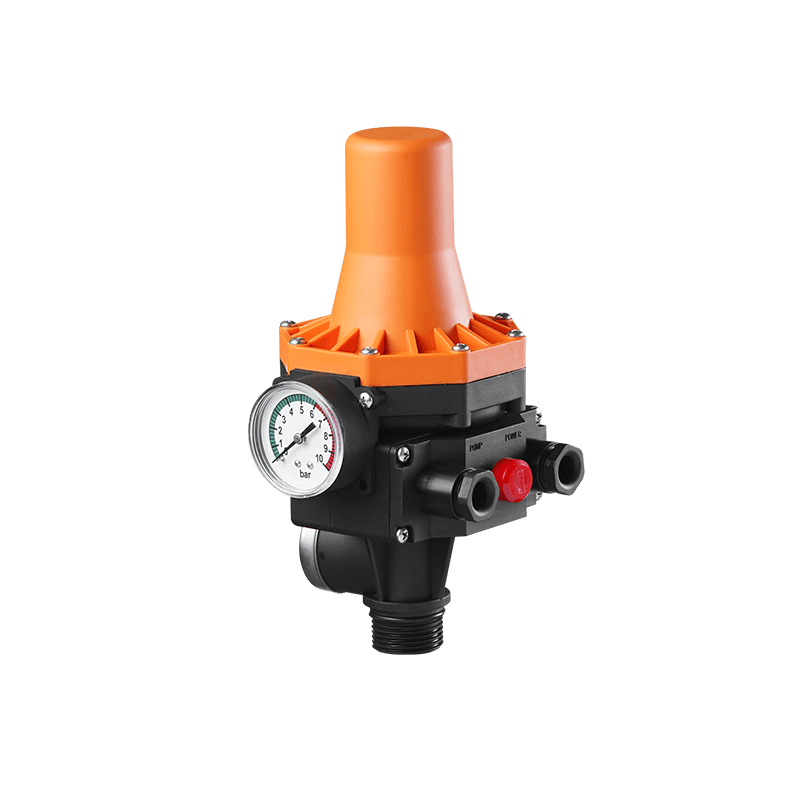 EPC-3
EPC-3Monro EPC-3 spain design auto on and off press control, an intelligent and economical system designe...
-
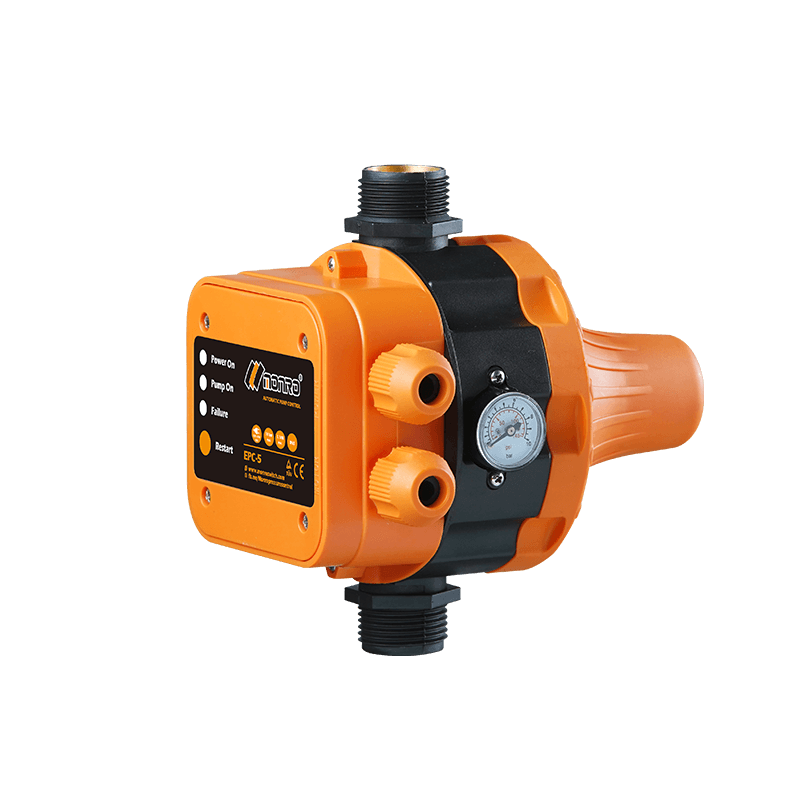 EPC-5
EPC-5Monro EPC-5 model automatic pump control, a device which assembled on the water pump (recommended si...
-
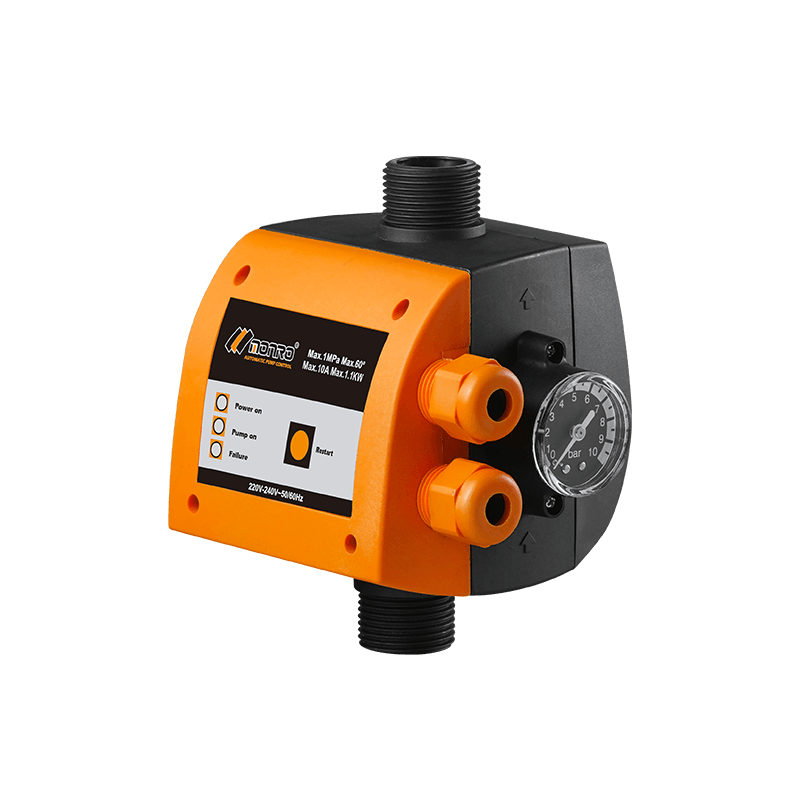 EPC-9
EPC-9Monro EPC-9 model pressure controller, is a big power device for automatic control and protection of...
-
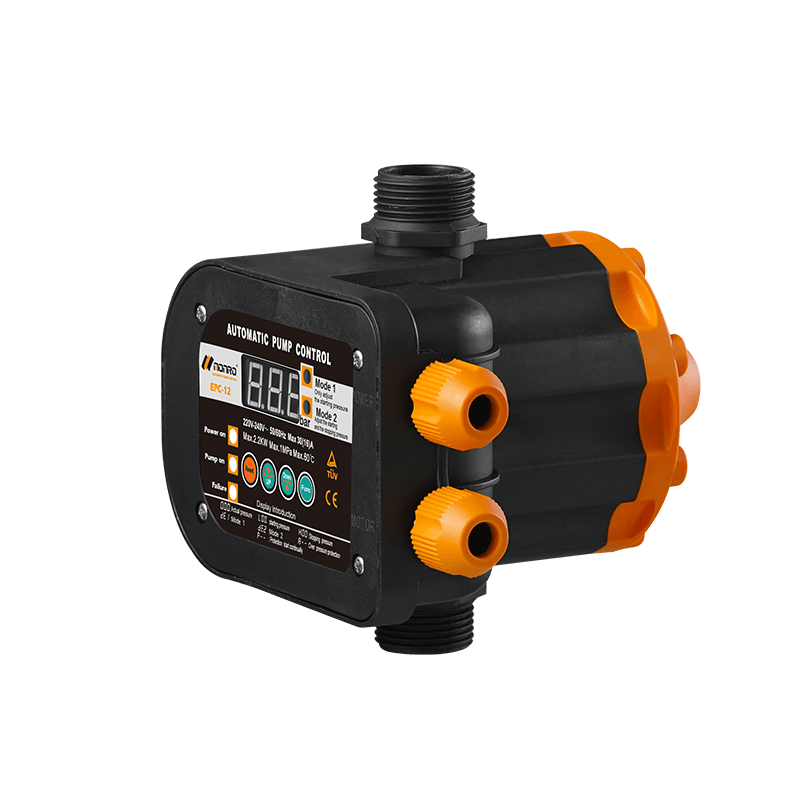 EPC-12
Monro EPC-12 smart top-level automatic pump control is a multi-function model combined with traditio...
-
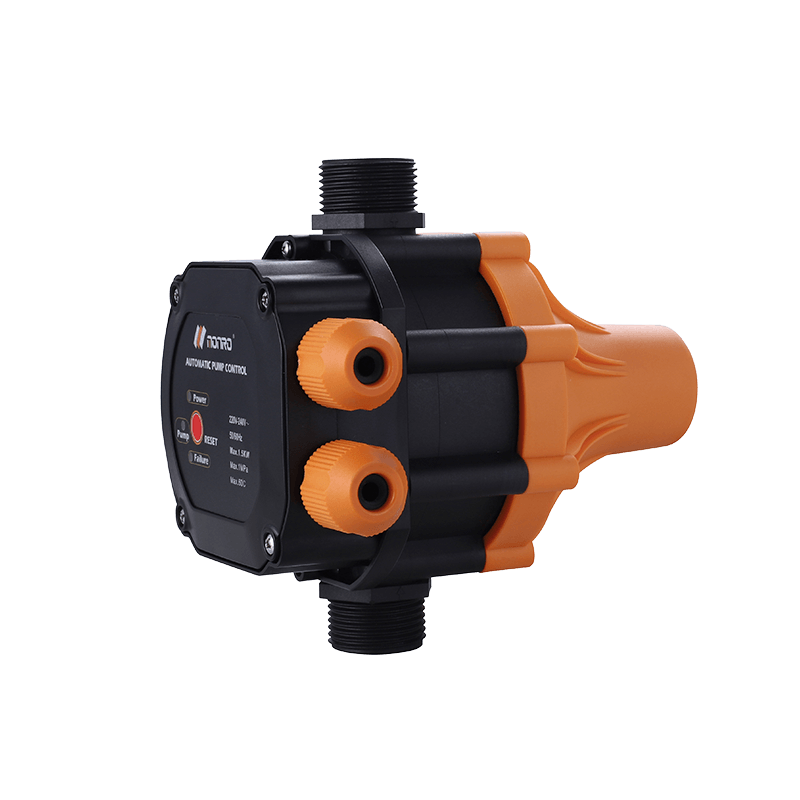 EPC-14
Monro EPC-14 model pressure control is a big power device for automatic control and protection of el...
-
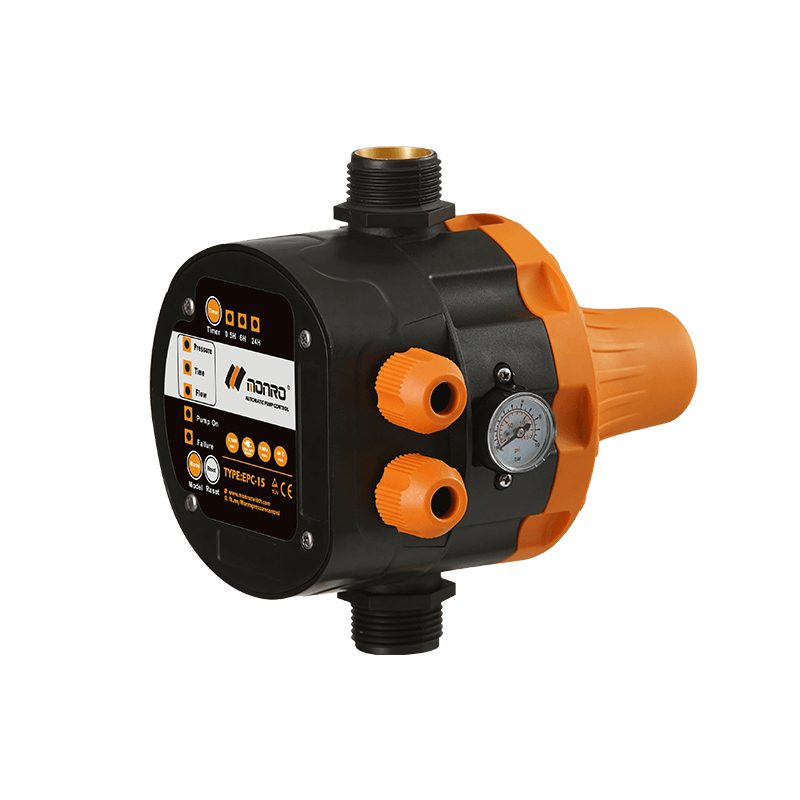 EPC-15
Monro EPC-15 model automatic pump control, a device which assembled on the water pump (recommended s...
-
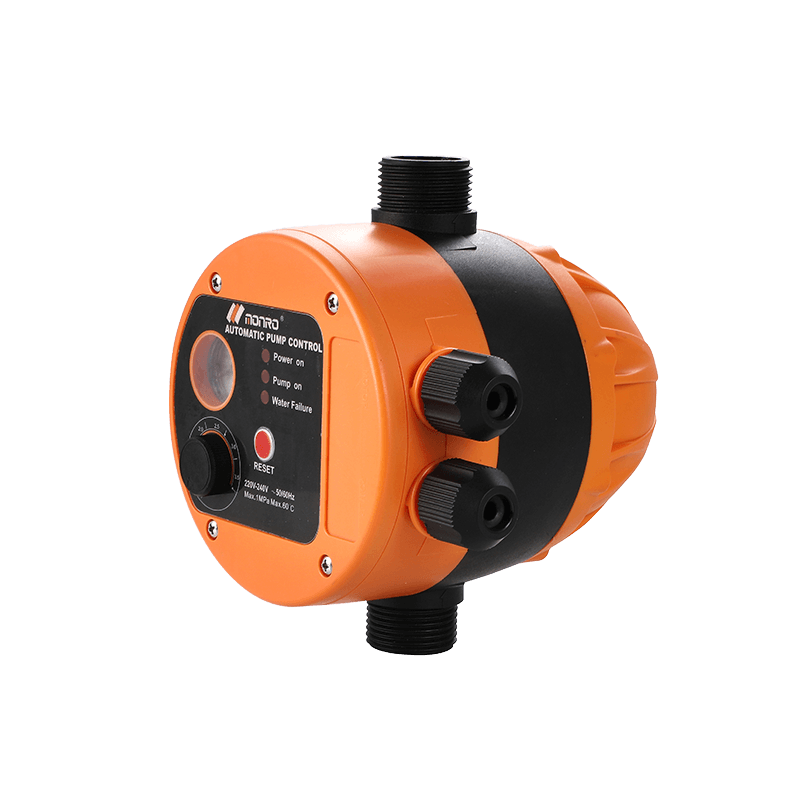 EPC-16
EPC-16 is the new patent pump controller by Monro. Its key highlight is tooless (manual knob) start...
contact us
find our office
find our office
Committed to providing professional pressure control solutions for various types of water pumps and air compressors.
Mobile
 Wechat
Copyright © 2024 Zhejiang Monro M&E Co., Ltd. All Rights Reserved.
Wholesale Pressure Control Switch Manufacturer
