

 简体中文
简体中文 English
 Español
Don't hesitate to send a message
Search
Recent Post
Newsletter
Water Level Pump Controller: Combining Automation and Water System Protection
Water is a common resource used at home, on farms, in factories and shops. Water pumps run unseen to maintain steady water supply, yet these units need reliable control to work well long-term.
Old pump systems mostly rely on people to check water levels by hand. Staff have to watch the water volume and turn pumps on or off themselves. This way works for simple, steady usage, but it's inconvenient when water use keeps going up and down.
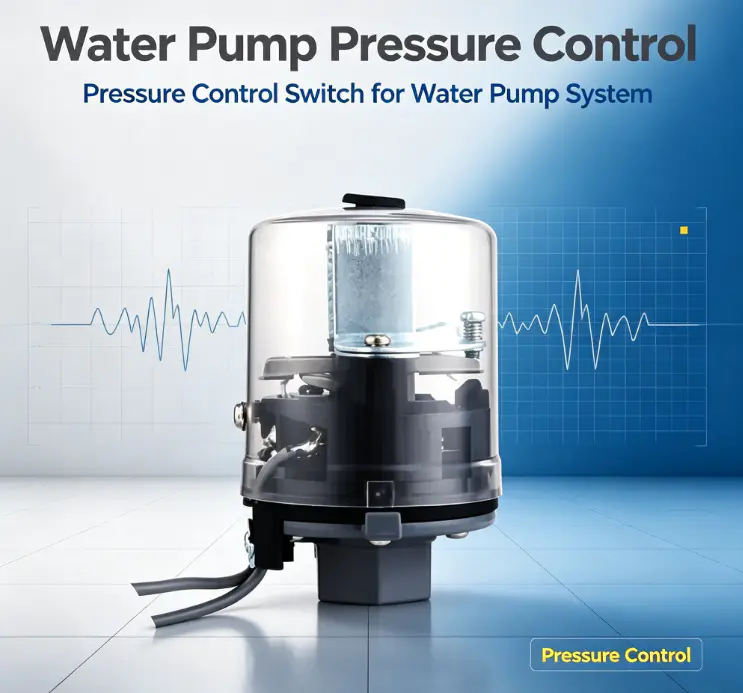
Water level pump controller solve this problem nicely. The device adjusts pump running status based on real water levels, so the whole system operates automatically without constant manual watching.
More industries are switching to automatic water management gear. People prefer equipment that cuts down daily repetitive work and keeps key pump parts from wearing out too fast.
Why are automatic water control systems becoming more common?
Water usage is rarely the same every day. A storage tank may empty faster during busy periods, while other times the demand may be lower. A fixed operating method cannot always respond well to these changes.
This is one reason automatic control has gained attention.
A Water Level Pump Controller allows pumps to work according to actual water conditions. When the water level changes, the controller helps adjust the operation process.
The idea is simple. The system observes the situation and reacts when needed.
This approach can be useful in many places:
| Application | Water Control Requirement |
|---|---|
| Homes | Maintaining a convenient water supply |
| Farms | Managing irrigation water needs |
| Buildings | Supporting regular water usage |
| Industrial facilities | Keeping water systems organized |
The growing use of automatic controllers does not mean manual management has disappeared. Instead, it provides another option for users who want a more convenient way to handle water systems.
How does a Water Level Pump Controller work with pump systems?
Any pump setup needs balanced running. Low water levels cut off supply, while running the pump when not needed speeds up wear and tear.
The controller acts as a bridge between water level status and pump running states. It tells the pump when to start pumping and when to shut down.
With this setup, people don't have to keep checking the tank all the time.
Under regular working conditions, the controller keeps tracking water height continuously. Once the water hits a preset high or low mark, it sends out a signal to turn the pump on or off.
The biggest advantage lies in coordinated operation. The pump no longer runs independently of water storage conditions; it forms one complete regulated system.
This solution fits users who want stable water supply without manually adjusting the pump over and over each day.
How can a water level pump controller help protect equipment?
Pump protection is an important consideration in water system design.
A pump is expected to operate under suitable conditions. When water levels change unexpectedly, problems may occur if the system cannot respond properly.
A Pump helps reduce unnecessary operation by making pump activity more connected to actual water conditions.
| Possible Situation | Control Purpose |
|---|---|
| Water level becomes low | Helps manage pump operation |
| Storage reaches the required level | Reduces unnecessary running |
| Water demand changes | Allows easier adjustment |
| Manual checking becomes difficult | Provides automatic support |
The controller does not replace regular system care. Pumps, pipes, and storage equipment still need attention.
However, automatic control can make the relationship between different parts of the system easier to manage.
For many users, protection is not only about avoiding problems. It is also about creating a more predictable operating process.
What should users consider before choosing a Water Level Pump Controller?
Not every water system has the same requirements. A small residential system and a larger commercial installation may have completely different expectations.
Choosing a controller should begin with understanding the actual application.
Several points are usually considered:
Water usage habits
The frequency and purpose of water use influence what type of control approach is suitable.
Installation environment
Indoor and outdoor conditions may create different requirements for equipment selection.
Existing pump system
The controller needs to work properly with the current setup.
Future needs
Some users may want a system that can adapt if water demand changes later.
A suitable choice comes from matching the controller with the entire system rather than looking at one feature alone.
Why is automation changing the way people manage water systems?
Automation has become part of many industries because it reduces repetitive work. Water management follows the same direction.
In the past, users often needed to remember regular checks. This required time and attention, especially in places where water usage was frequent.
Automatic control changes this process.
With a Water Level Pump Controller, daily management becomes less dependent on manual operation. The system can handle common changes by itself, allowing users to focus on other tasks.
This shift is especially noticeable in places where water management is part of routine operations.
For example, farms may need regular irrigation management. Buildings may require stable water availability. Industrial facilities may depend on organized water supply processes.
Different applications have different goals, but the demand for easier management is similar.
How do different industries use water level pump controllers?
The need for water control exists across many fields. Each industry uses these systems in its own way.
In residential applications, convenience is often a major concern. People want water systems that work reliably without frequent manual adjustments.
Agricultural users focus on water availability. Managing irrigation systems requires attention to changing conditions.
Commercial and industrial users often need stable operation because water supply may affect daily activities.
The following table shows common application differences:
| Industry | Main Concern |
|---|---|
| Residential | Convenience and daily supply |
| Agriculture | Water distribution management |
| Commercial buildings | Stable operation |
| Industrial use | System coordination |
Although the applications vary, the basic purpose remains similar. The system needs to respond when water conditions change.
This flexibility is one reason water level control equipment continues to receive attention.
How does maintenance influence long-term controller use?
Even automated gear still needs routine care. Controllers make pump systems easier to run, but the whole setup needs consistent checks to stay functional.
Daily maintenance mainly covers two key points: confirming the controller triggers as it should, and making sure all linked pump parts work without faults.
Easy routine maintenance steps anyone can follow:
- Check the system's running state on a regular basis
- Inspect all wiring and joint connections
- Clear away dirt and clutter around the unit
- Watch out for odd noises or abnormal working behavior
Minor faults are far simpler to fix if spotted early on.
For equipment owners, maintenance isn't just about stopping sudden breakdowns. It also keeps steady coordination between the controller, pump and water storage system.
If you keep up with regular servicing, the whole setup will deliver reliable, steady performance year after year.
What trends are shaping the future of water level control solutions?
Water management is moving toward greater convenience and smarter operation. Many industries are searching for ways to use resources more effectively while reducing unnecessary manual work.
This trend is influencing the development of water control equipment.
Future solutions are expected to focus more on:
- Easier operation methods
- Flexible use in different environments
- Better connection between system components
- More practical management approaches
A Water Level Pump Controller represents this movement. It combines automatic operation with a focus on system protection.
As water systems become more connected with everyday needs, the role of automatic control will continue to expand across different applications.
OUR PRODUCTS
Recommended Products
-
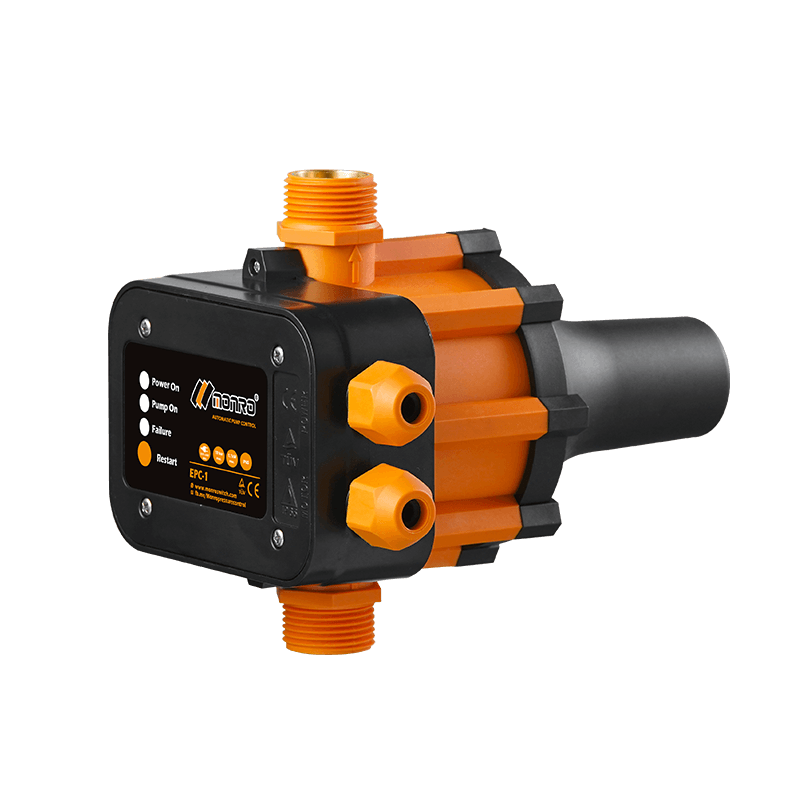 EPC-1
EPC-1Monro EPC-1 model pump controller is the classic and basic type, was loved by user in the global mar...
-
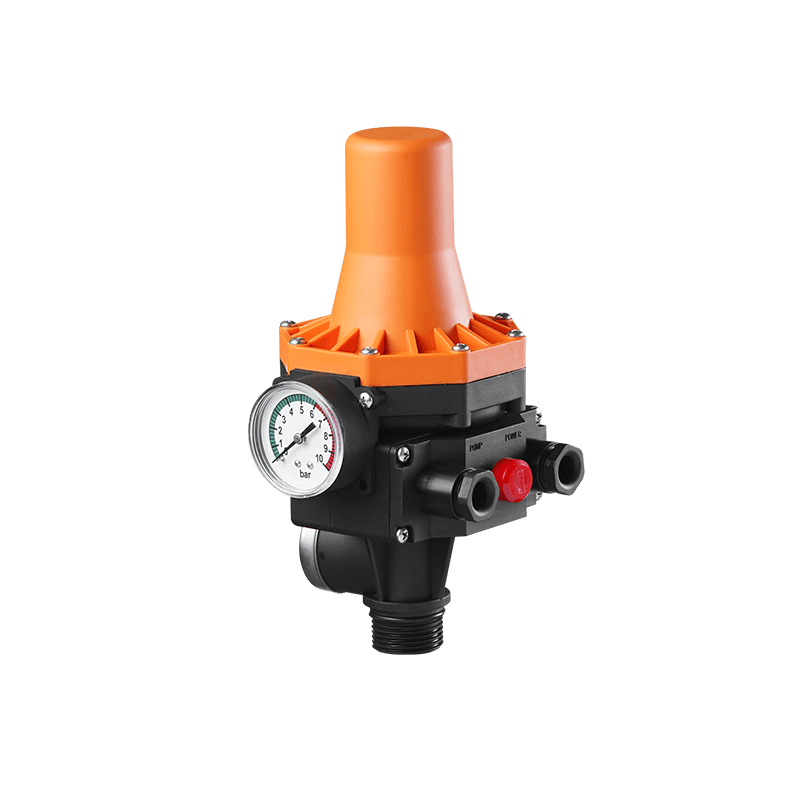 EPC-3
EPC-3Monro EPC-3 spain design auto on and off press control, an intelligent and economical system designe...
-
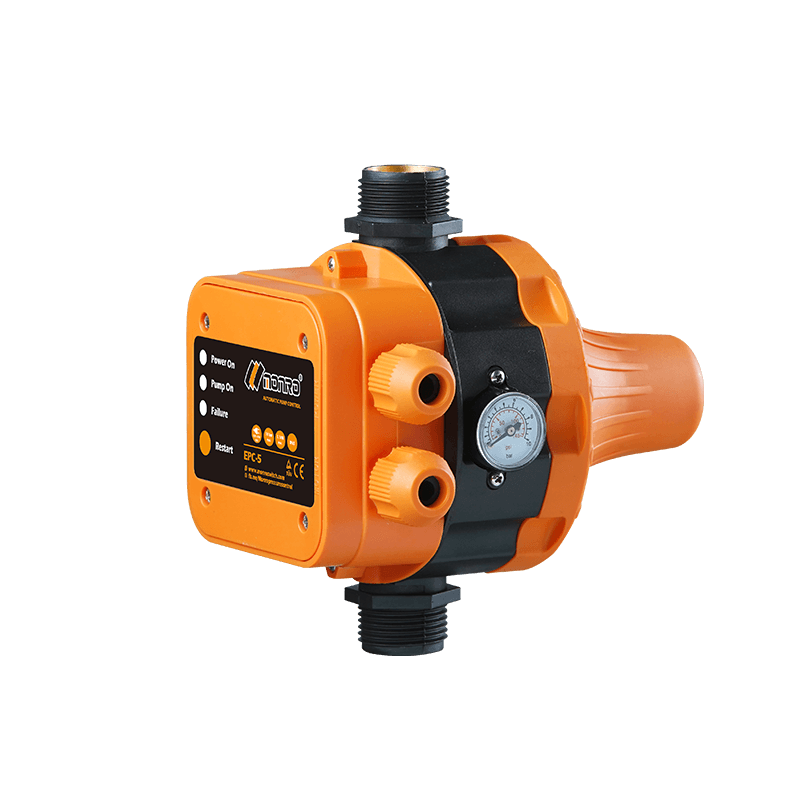 EPC-5
EPC-5Monro EPC-5 model automatic pump control, a device which assembled on the water pump (recommended si...
-
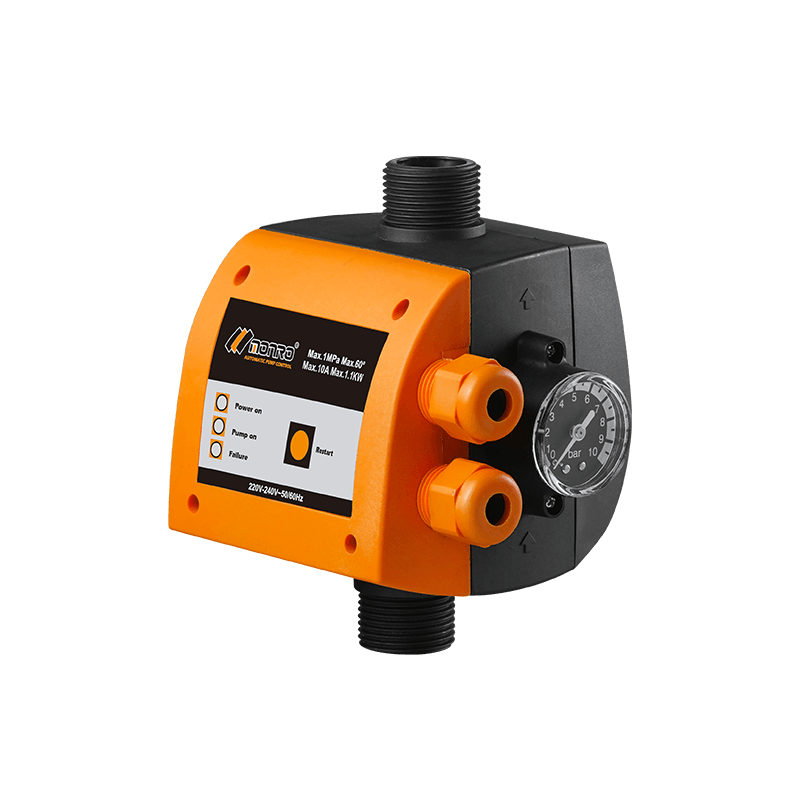 EPC-9
EPC-9Monro EPC-9 model pressure controller, is a big power device for automatic control and protection of...
-
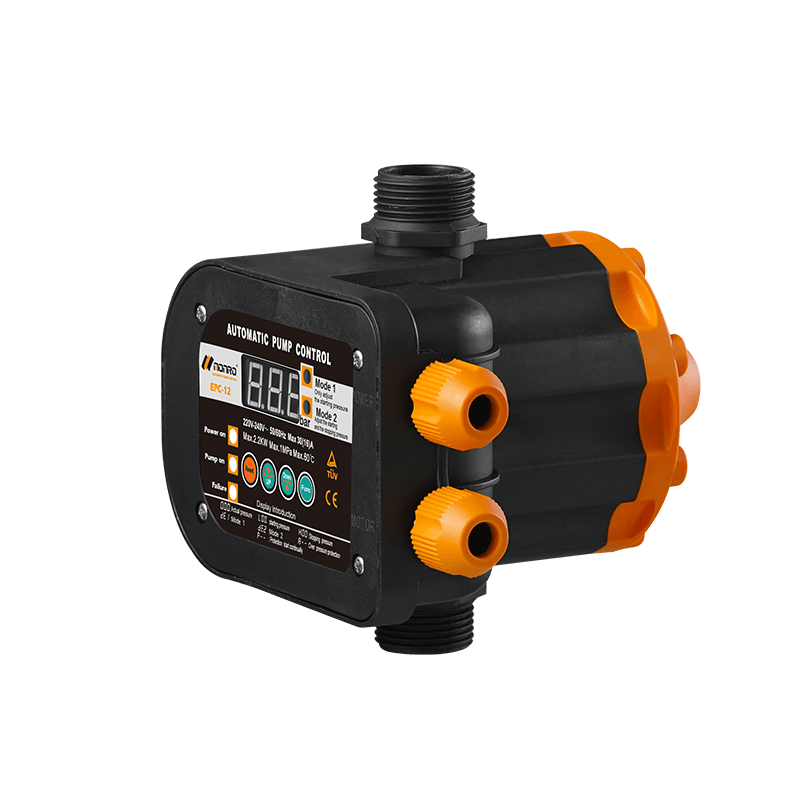 EPC-12
Monro EPC-12 smart top-level automatic pump control is a multi-function model combined with traditio...
-
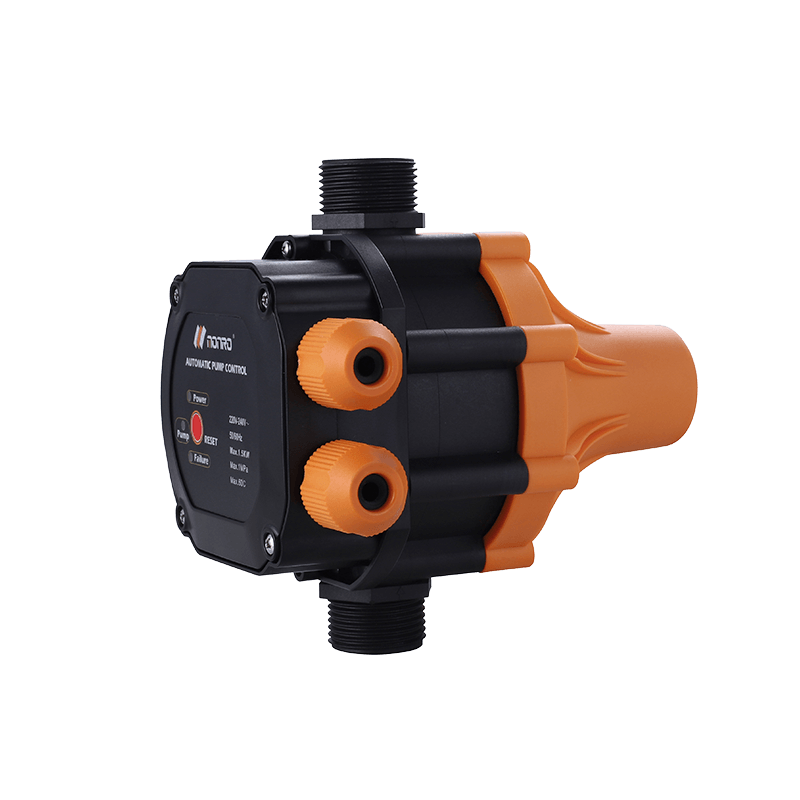 EPC-14
Monro EPC-14 model pressure control is a big power device for automatic control and protection of el...
-
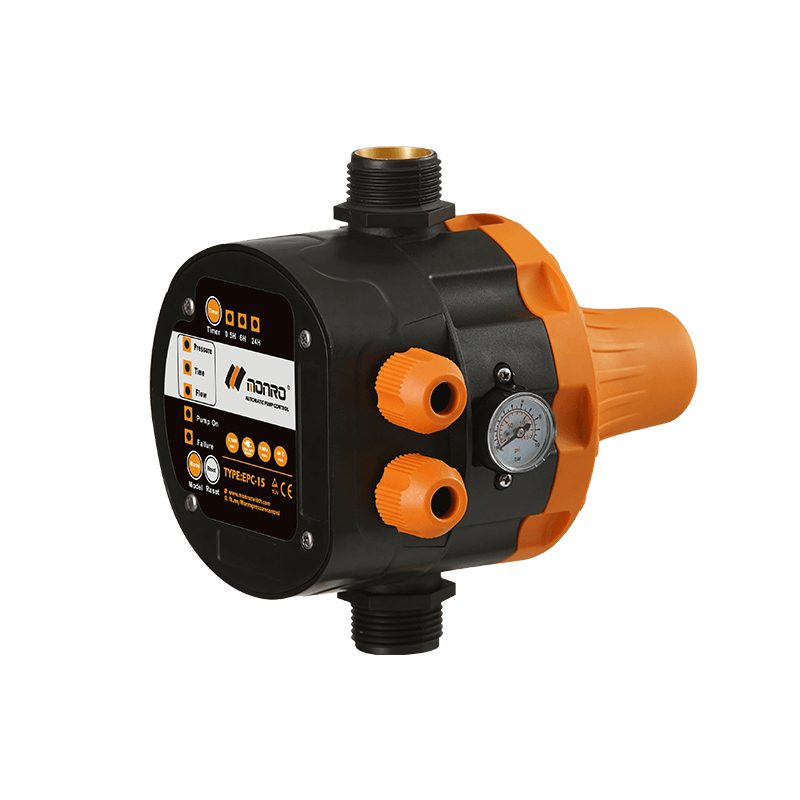 EPC-15
Monro EPC-15 model automatic pump control, a device which assembled on the water pump (recommended s...
-
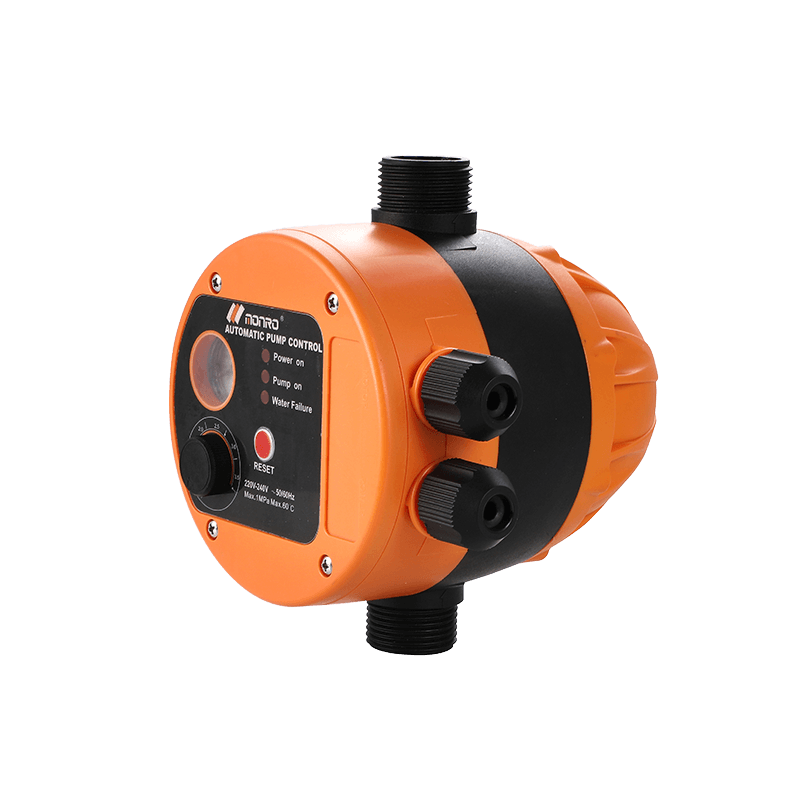 EPC-16
EPC-16 is the new patent pump controller by Monro. Its key highlight is tooless (manual knob) start...
contact us
find our office
find our office
Committed to providing professional pressure control solutions for various types of water pumps and air compressors.
Mobile
 Wechat
Copyright © 2024 Zhejiang Monro M&E Co., Ltd. All Rights Reserved.
Wholesale Pressure Control Switch Manufacturer
