

 简体中文
简体中文 English
 Español
Don't hesitate to send a message
Search
Recent Post
Newsletter
Maintenance Tips for Industrial Air Pressure Switch in Daily Use
Industrial air pressure switch are small parts in a pneumatic system, but they play a steady role in keeping everything running in balance. They react to changes in air pressure and help control how machines start, stop, or adjust during operation.
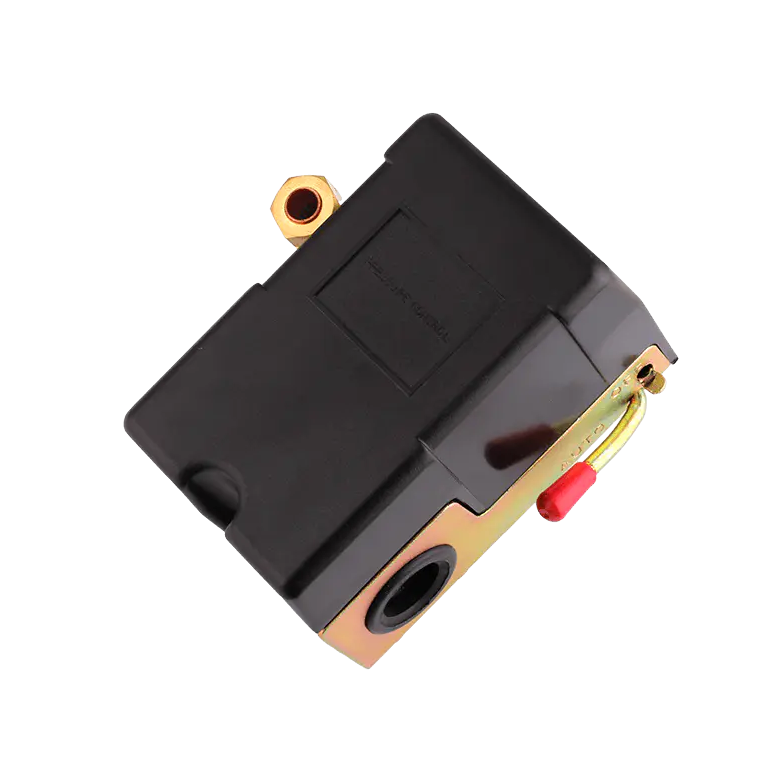
In daily work, these switches usually don't fail suddenly. Most of the time, changes happen slowly. A slightly delayed response, a small shift in timing, or a loose connection that no one notices at first. These small things can slowly affect system stability.
That's why maintenance is less about complex repair and more about routine attention.
Why regular attention is necessary
Air pressure switches work in environments that are rarely stable. Airflow changes, vibration is constant, and dust is almost everywhere in industrial spaces.
Because of this, performance can slowly drift over time. The switch may still work, but the response may not feel as precise as before.
Most issues don't appear overnight. They build up quietly. That's why regular checking helps more than waiting for a problem to show up.
What to check during daily inspection
Daily inspection does not need special tools or long procedures. It is usually a quick visual and touch check.
Common points include:
- Dust on the surface
- Tightness of air connections
- Condition of tubing
- Stability of mounting
- Any visible oil or moisture around the unit
These checks only take a short time, but they often reveal early signs of change.
In many cases, problems are not hidden. They are just easy to overlook.
Dust and moisture in real working conditions
Dust is one of the common factors in industrial environments. It does not stop the switch immediately, but it slowly builds up and affects sensitivity.
Moisture adds another layer of risk. It can change how pressure is transferred and sometimes attracts more dirt to the surface.
When dust and moisture combine, the environment becomes less stable. The switch may still operate, but the response can feel less consistent than usual.
Keeping the area reasonably clean and dry helps reduce this slow impact.
Why connection stability matters
Air pressure switches depend heavily on stable connections. This includes both air tubing and electrical points.
In real operation, vibration can slowly loosen fittings or slightly shift their position. At first, it may not cause any visible issue. Later, response timing may start to change.
A simple check by hand is often enough to detect early looseness. The goal is not to over-tighten, but to make sure everything stays steady during operation.
The effect of vibration over time
Vibration is always present in industrial systems. Even if a machine does not move much, surrounding equipment can still transfer small vibrations.
Over time, this can affect mounting stability and connection points. The change is very slow, so it is easy to ignore in the beginning.
That is why stable installation matters. A firm base and proper positioning can reduce long-term impact.
Simple cleaning habits that actually help
Cleaning does not need to be complicated. In fact, simple and regular cleaning works better than deep cleaning done occasionally.
A basic routine can include:
- Wiping the outer surface
- Checking air openings for blockage
- Removing dust around connection points
- Keeping the surrounding area clear
The purpose is not only cleanliness. A clean surface also makes it easier to notice changes early.
System pressure changes vs switch issues
Sometimes the switch is not the real problem. Air systems themselves can fluctuate.
Pressure changes may come from upstream equipment, load variation, or airflow adjustments. The switch is only reacting to these changes.
If the system is unstable, the switch may look inconsistent even when it is working normally.
That's why it helps to look at the whole system, not just the switch alone.
Practical habits for daily use
Good maintenance often comes from small habits repeated every day, not from big actions.
Some useful habits include:
- Watching how the system responds during operation
- Noticing small changes in timing
- Keeping air lines straight and not under tension
- Avoiding unnecessary movement of connections
- Checking surroundings for dust buildup
These are simple actions, but over time they help keep performance stable.
Installation quality affects everything later
If the switch is installed in a stable position from the beginning, maintenance becomes much easier.
But if it is placed in a tight space, exposed to vibration, or connected with stressed tubing, problems may appear sooner.
Good installation is not just about placement. It is about leaving enough space for stability and future inspection.
Early signs that should not be ignored
Air pressure switches usually give small warnings before real issues appear.
These can include:
- Slight delay in response
- Irregular switching behavior
- Small changes in connection firmness
- Dust buildup around fittings
- Occasional unstable operation
These signs don't always mean failure, but they usually mean the system is starting to shift.
Why operator experience matters
People who work with the system every day often notice changes first. They know how the system normally feels and sounds.
Even a small difference becomes noticeable over time. This kind of awareness is often more useful than formal inspection alone.
Experience helps catch problems early, before they grow.
Daily maintenance is more effective than occasional repair
Air pressure switches don't usually need heavy maintenance. What they need is consistency.
Small checks done every day are often more effective than large repairs done once in a while.
When the environment stays stable and attention is regular, the switch tends to perform in a predictable way.
In the end, stability comes from routine, not complexity.
OUR PRODUCTS
Recommended Products
-
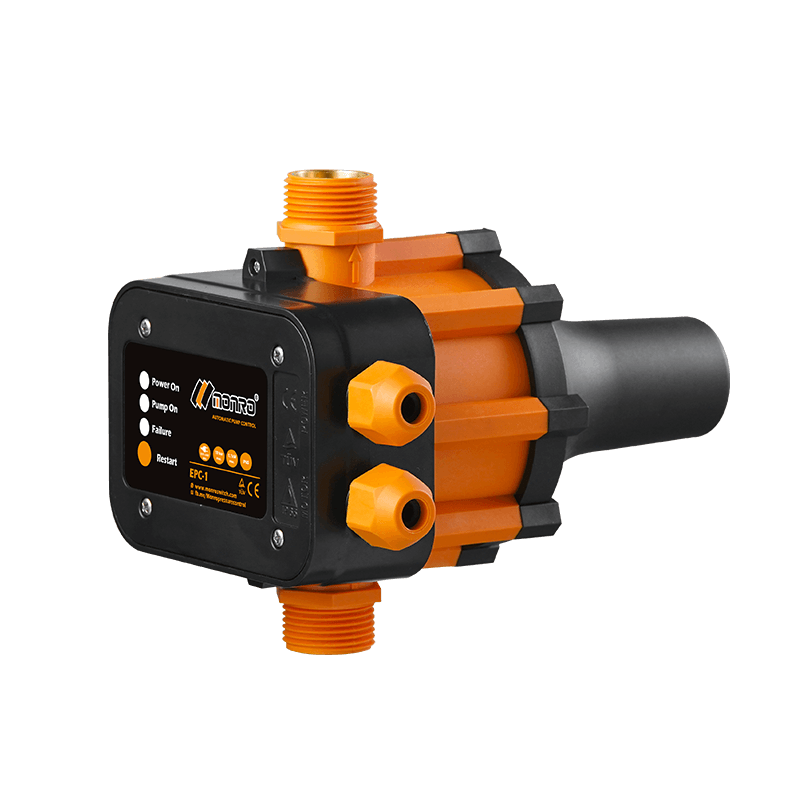 EPC-1
EPC-1Monro EPC-1 model pump controller is the classic and basic type, was loved by user in the global mar...
-
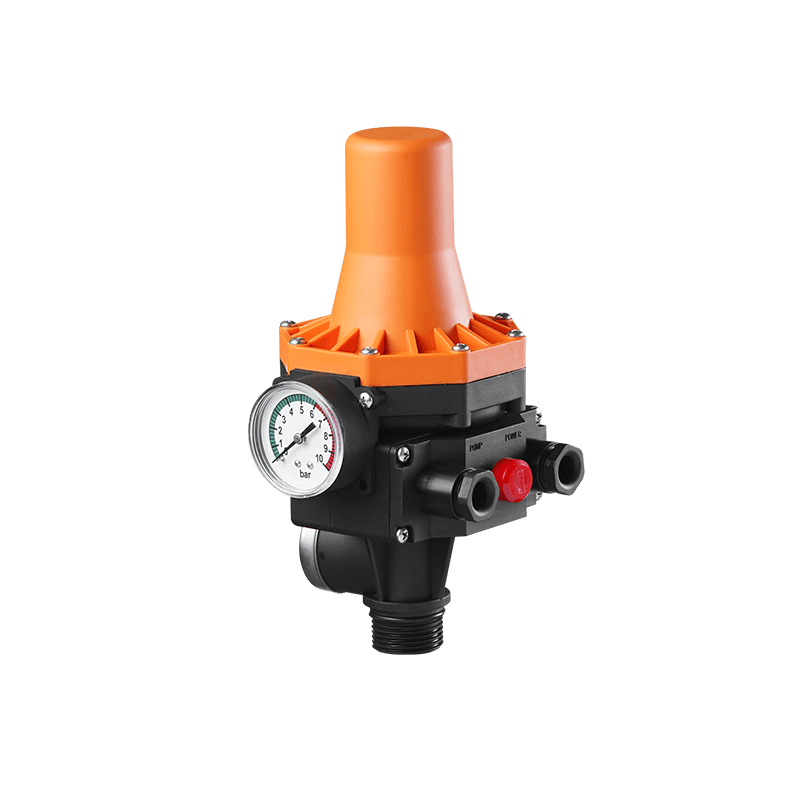 EPC-3
EPC-3Monro EPC-3 spain design auto on and off press control, an intelligent and economical system designe...
-
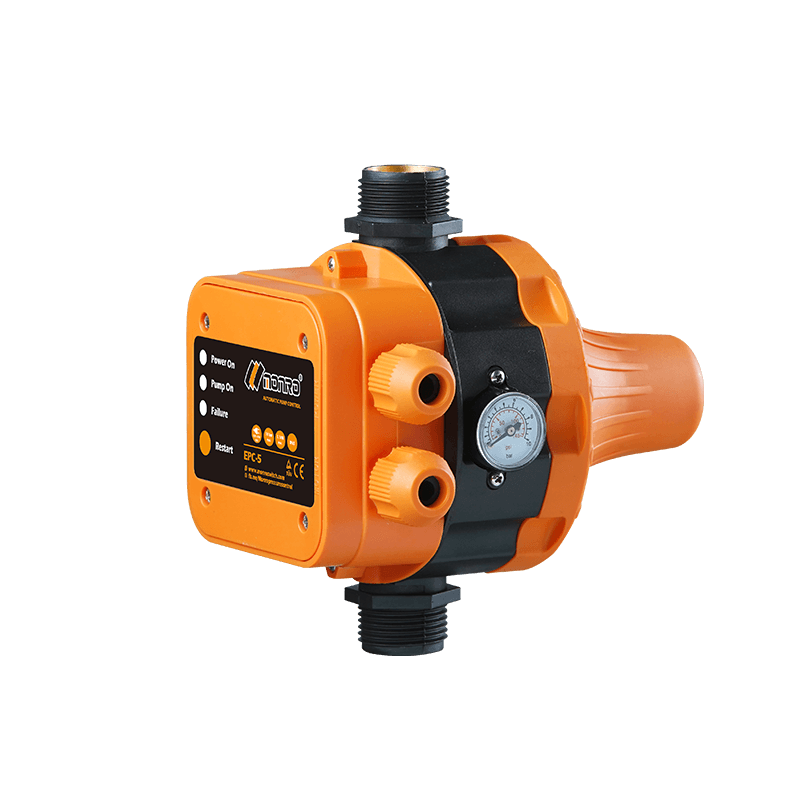 EPC-5
EPC-5Monro EPC-5 model automatic pump control, a device which assembled on the water pump (recommended si...
-
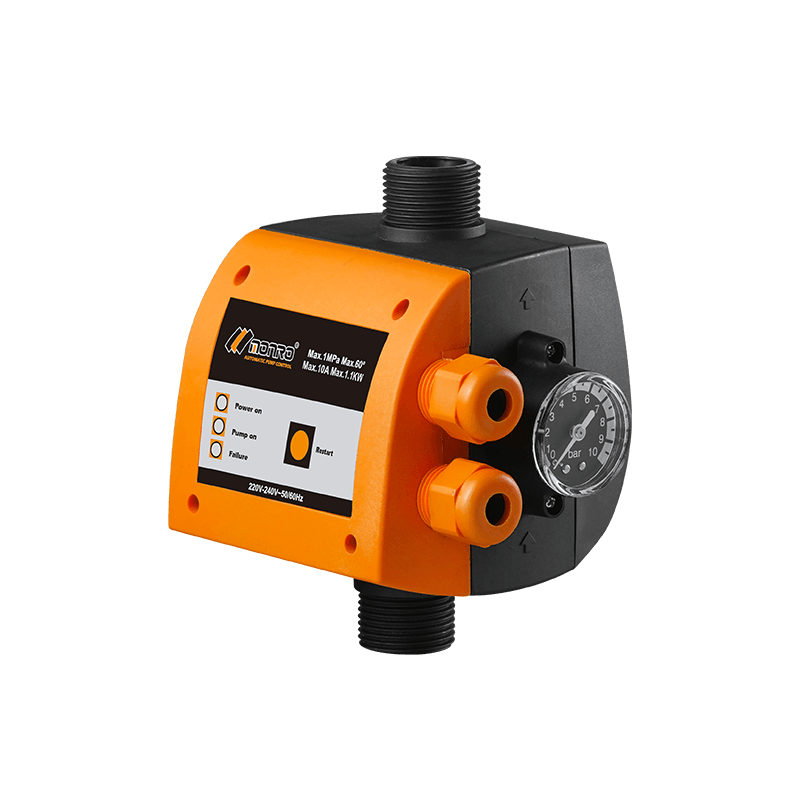 EPC-9
EPC-9Monro EPC-9 model pressure controller, is a big power device for automatic control and protection of...
-
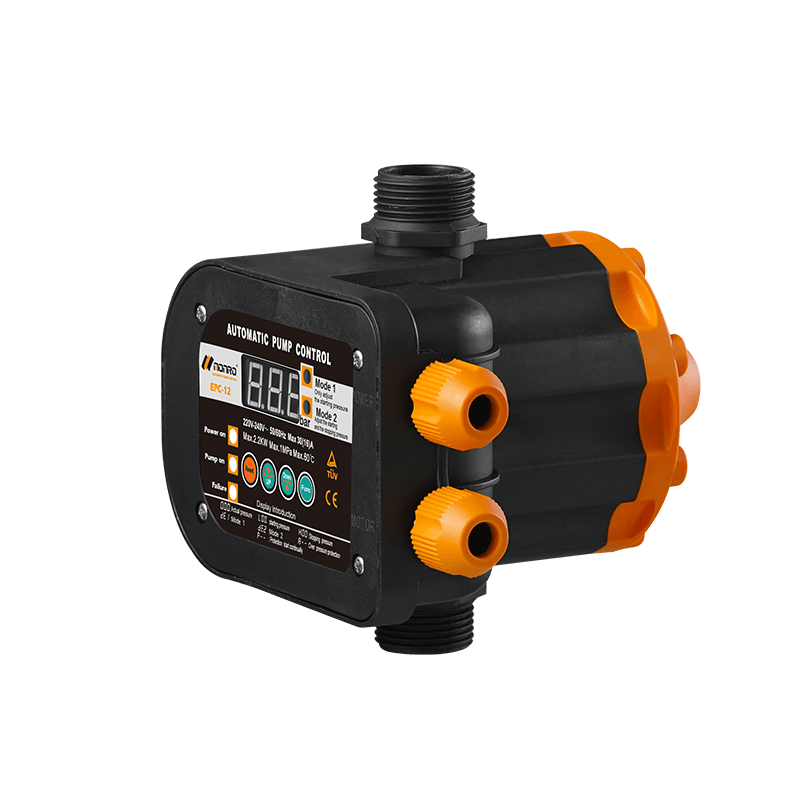 EPC-12
Monro EPC-12 smart top-level automatic pump control is a multi-function model combined with traditio...
-
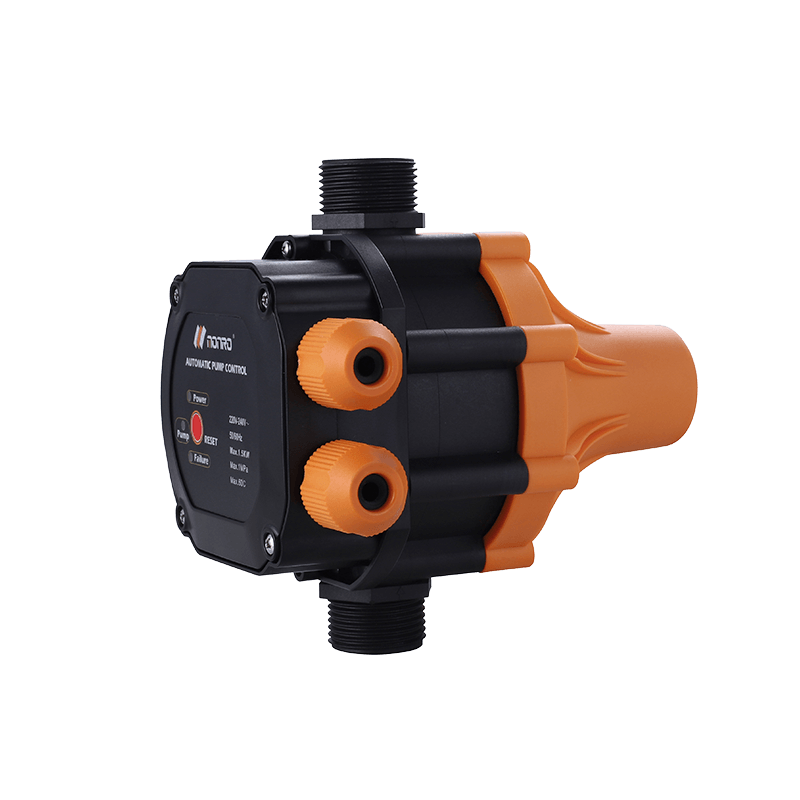 EPC-14
Monro EPC-14 model pressure control is a big power device for automatic control and protection of el...
-
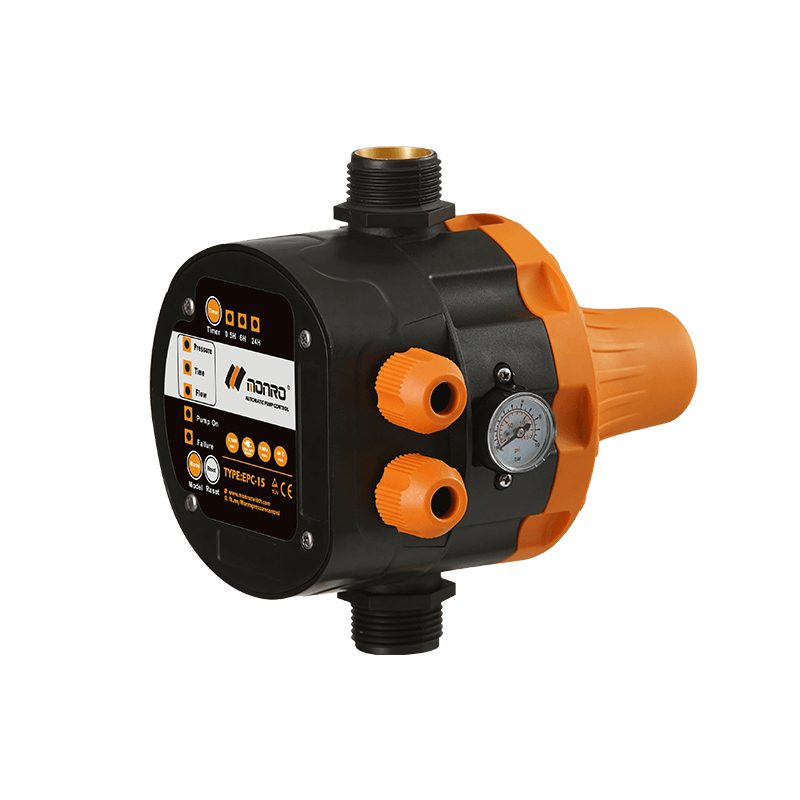 EPC-15
Monro EPC-15 model automatic pump control, a device which assembled on the water pump (recommended s...
-
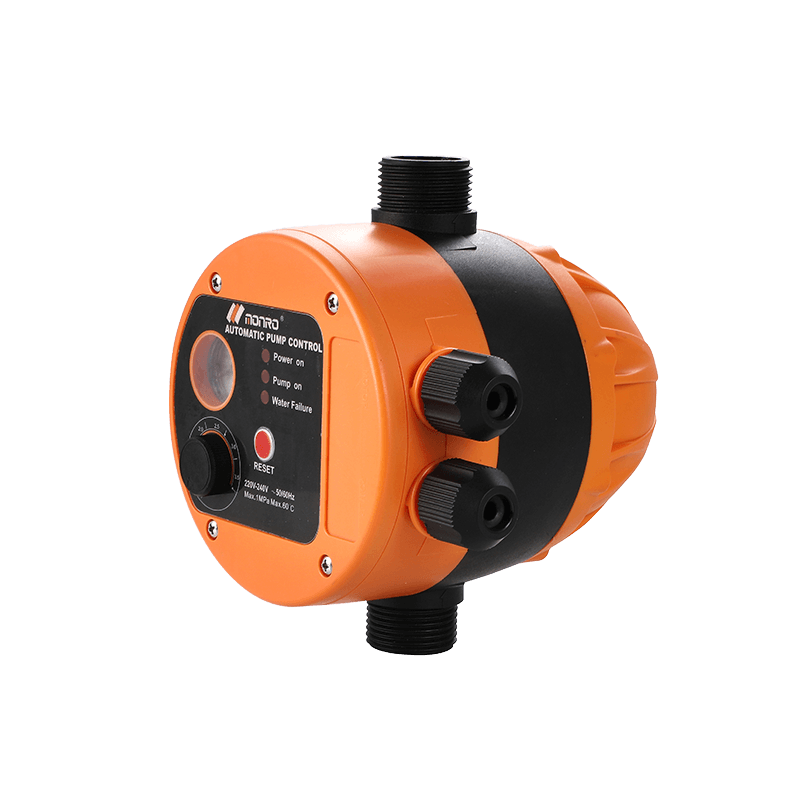 EPC-16
EPC-16 is the new patent pump controller by Monro. Its key highlight is tooless (manual knob) start...
contact us
find our office
find our office
Committed to providing professional pressure control solutions for various types of water pumps and air compressors.
Mobile
 Wechat
Copyright © 2024 Zhejiang Monro M&E Co., Ltd. All Rights Reserved.
Wholesale Pressure Control Switch Manufacturer
