

 简体中文
简体中文 English
 Español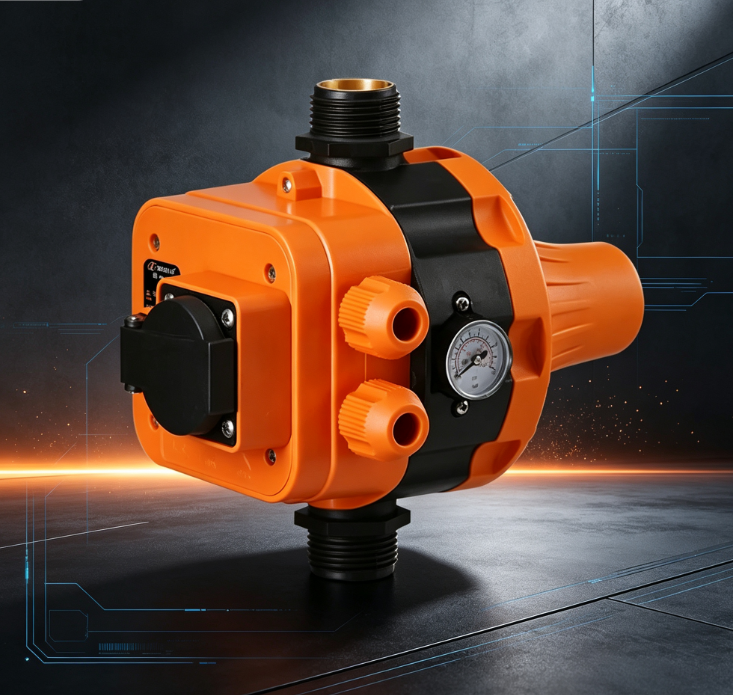
Don't hesitate to send a message
Search
Recent Post
Newsletter
Common Problems When Choosing Pump Controller Manufacturer
Choosing Pump Controller Manufacturer often looks straightforward at the beginning. Many options appear similar on the surface. Product descriptions use close wording, and service introductions follow familiar patterns. Only after deeper communication does the real difference start to show.
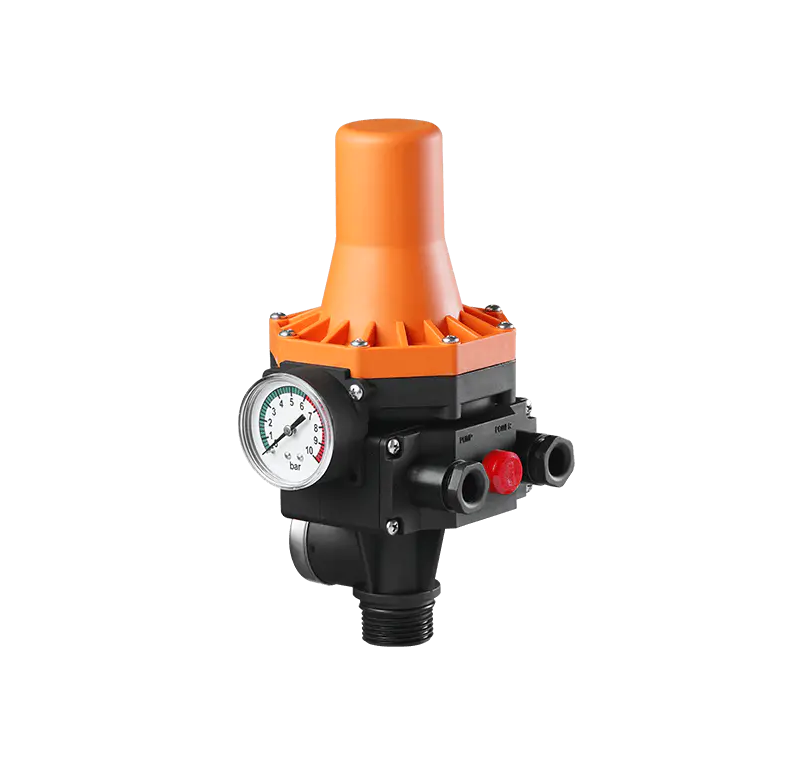
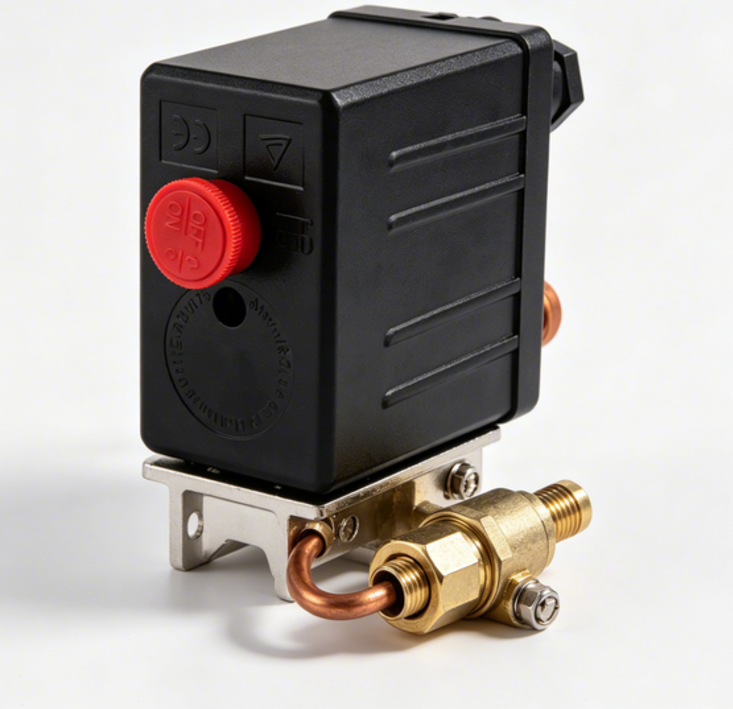
Pump controller systems are used in many working environments where stable operation matters. Because of this, supplier selection is not just a purchasing step. It is part of how a system is built and maintained over time. Small gaps in communication or understanding can later turn into larger issues during cooperation.
We are looks at common problems buyers often meet when comparing pump controller suppliers, based on real selection patterns seen across different sourcing situations.
Why does supplier comparison feel difficult at the early stage?
At the beginning, most suppliers present similar information. Product pages often highlight general functions and application areas without much distinction. From a distance, everything can look close in capability.
The difficulty appears when comparison becomes more detailed. Some suppliers respond with structured explanations, while others give short or unclear replies. This creates uneven information during decision-making.
Buyers may also receive different levels of detail from each supplier. One may explain clearly, another may stay general. This imbalance makes fair comparison harder.
When early information is not balanced, decisions may lean toward convenience instead of real suitability.
How does unclear product description affect decision making?
Many suppliers only give loose, general introductions to their equipment, without spelling out the real differences between each available model.
Oversimplified descriptions easily mislead buyers about what exactly comes with each product. This creates mismatched expectations that don't line up with what the supplier can actually deliver.
It's not always that key details are missing. A lot of the time, information is just poorly organized. Disordered specs make it hard to tell the unique traits of each option apart.
With no clear breakdown to reference, buyers end up guessing based on their own assumptions. This greatly raises the chance of mismatched orders and unwanted surprises further down the line.
Why does communication style create hidden differences between suppliers?
Communication is often seen as a simple service factor, but it reflects deeper operational habits.
At first contact, many suppliers respond quickly. As discussions continue, the pattern may change. Some maintain stable replies, while others become slower or less detailed.
This change matters more than it seems. It gives a signal about how communication may behave during production or delivery stages.
In long cooperation cycles, consistent communication helps reduce confusion. Irregular communication, even if small, can create uncertainty during coordination.
The difference is not always obvious at the start, but it becomes more visible over time.
How does lack of transparency influence trust?
Transparency is not only about sharing information. It is about how openly a supplier explains its working process.
Some suppliers describe their workflow in a clear and simple way. Others provide only general statements without showing how steps are managed.
When transparency is limited, buyers may find it harder to understand how orders move through each stage. This can create uncertainty during planning.
Even without technical detail, a basic explanation of process flow helps build clarity. Without it, decision making often relies on incomplete understanding.
Why do delivery expectations often cause confusion?
Delivery is a sensitive part of supplier cooperation. Many issues come not from failure, but from different interpretations.
Some suppliers describe delivery in general language. Buyers may then form their own assumptions about timing and handling.
When expectations are not aligned, even small differences can create concern. This is especially true when projects involve multiple stages or coordination points.
Clear explanation of preparation, packaging, and handover process helps reduce this gap. Without it, delivery becomes one of the uncertain parts of cooperation.
What problems appear in customization discussions?
Customization is often mentioned early in communication. However, its meaning can vary widely between suppliers.
Some suppliers allow limited adjustments based on fixed options. Others offer more flexible changes depending on project needs.
The issue appears when these differences are not clearly explained. Buyers may assume a wider scope of change than what is actually available.
This can lead to adjustments or disappointment later in the process.
A clear explanation of boundaries is more useful than broad promises. It helps both sides understand what is realistic from the beginning.
How does internal organization affect supplier stability?
You don't need access to a supplier's back-end workflows to gauge how well they run their business; their daily communication style says a lot.
Teams with smooth internal alignment will give you consistent answers, and the information they share won't shift back and forth throughout talks.
If internal coordination is messy, different staff members might give conflicting replies. This leaves buyers unsure and makes it hard to lock in solid plans.
Suppliers with solid internal organization maintain steady, uniform communication, even when they don't walk you through every internal procedure.
Why do small details often reveal larger issues?
During comparison, attention is often placed on major points like price or product type. However, small details can show deeper patterns.
The way information is presented, the clarity of answers, or even response timing can reflect internal habits.
A few small inconsistencies may not seem important alone. But when repeated, they can indicate lack of coordination or unclear process control.
On the other hand, steady and consistent communication often signals a more structured approach.
These details are easy to overlook but often important in long-term cooperation.
How does pricing interpretation create misunderstanding?
Price is usually one of the first comparison points. However, direct comparison can sometimes be misleading.
Different suppliers may include different scopes of service behind similar price levels. Some may offer basic supply only, while others include more support in communication or handling.
Without understanding what is included, price becomes difficult to interpret correctly.
This often leads to confusion later when additional expectations appear during cooperation.
Price is not only a number. It reflects structure, scope, and service depth.
Why does after-order communication matter more than expected?
Many evaluations focus on the stage before ordering. However, real cooperation begins after confirmation.
During production and delivery stages, communication often becomes more important. Updates, confirmations, and small adjustments may be needed.
Some suppliers continue communication steadily. Others reduce contact after order confirmation.
This difference affects how smooth the process feels. Even if the product is similar, communication behavior changes the overall experience.
After-order support is not only problem-solving. It is also about maintaining clarity throughout the process.
How can buyers reduce confusion during supplier comparison?
When comparing multiple suppliers, information can quickly become scattered. Without structure, it is easy to lose track of differences.
A simple method is to compare key areas in the same order for each supplier. This helps create a clearer picture.
| Comparison Area | What to Focus On |
|---|---|
| Communication | Clarity, consistency, response behavior |
| Product information | Structure and level of detail |
| Customization | Scope and explanation clarity |
| Delivery process | Handling and coordination method |
| Transparency | Openness of workflow explanation |
| After-order support | Stability of communication after confirmation |
This kind of structure does not require technical background. It only focuses on behavior and clarity.
Why do expectations often shift during cooperation?
A common situation in supplier selection is that expectations change over time. This does not always come from incorrect information.
More often, it comes from missing details during early communication. Buyers may fill gaps with assumptions based on experience or general understanding.
When actual cooperation begins, these assumptions may not fully match reality.
Clear and consistent communication helps reduce this gap. Without it, even small differences can feel significant later in the process.
How does long-term cooperation change evaluation logic?
When cooperation is short-term, focus often stays on immediate factors like price or product appearance. When cooperation becomes long-term, stability becomes more important.
A supplier that performs consistently across communication, delivery, and support creates fewer interruptions over time.
Long-term evaluation is less about single strengths and more about balance. A stable overall pattern is often more useful than one strong feature.
Over repeated cooperation, small differences become more noticeable. This is why early comparison plays an important role in future planning.
OUR PRODUCTS
Recommended Products
-
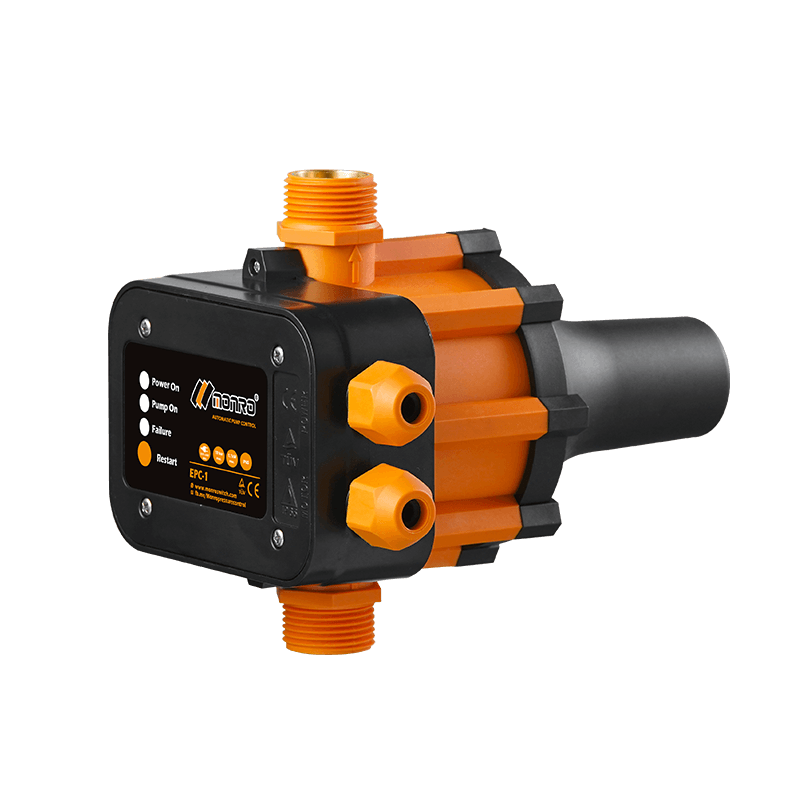 EPC-1
EPC-1Monro EPC-1 model pump controller is the classic and basic type, was loved by user in the global mar...
-
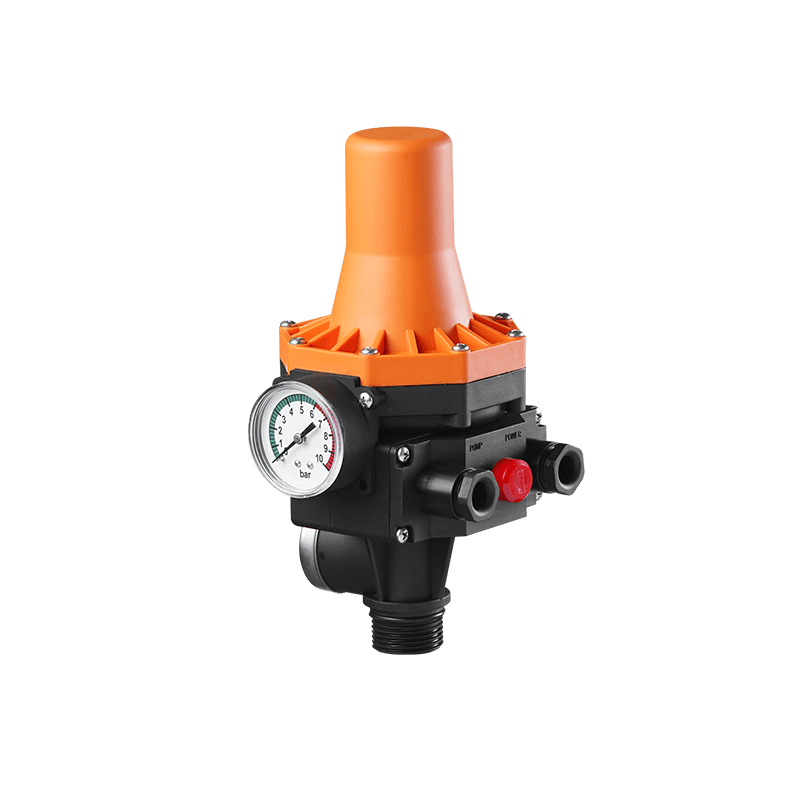 EPC-3
EPC-3Monro EPC-3 spain design auto on and off press control, an intelligent and economical system designe...
-
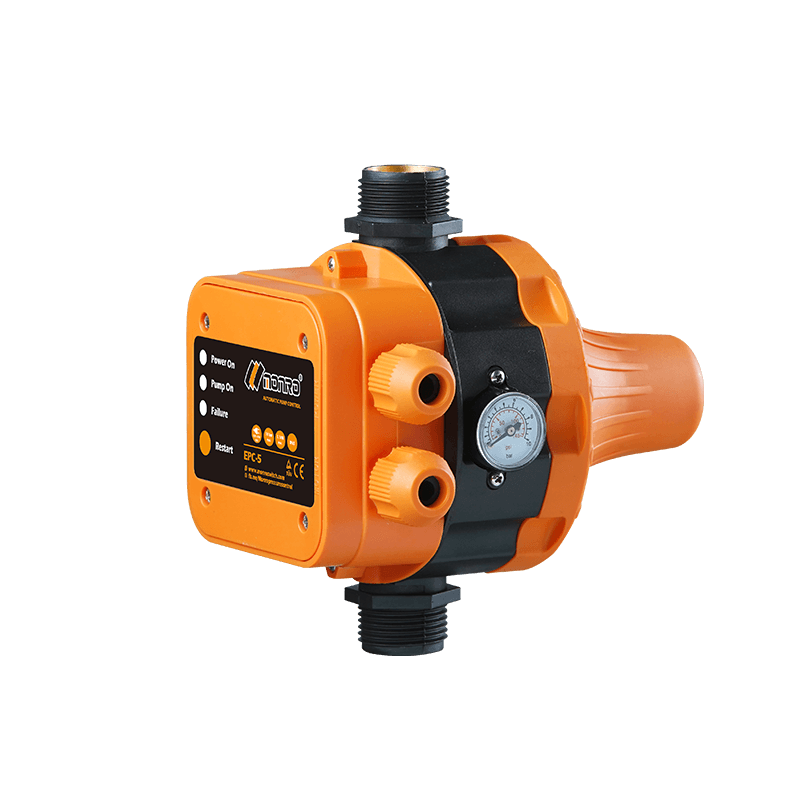 EPC-5
EPC-5Monro EPC-5 model automatic pump control, a device which assembled on the water pump (recommended si...
-
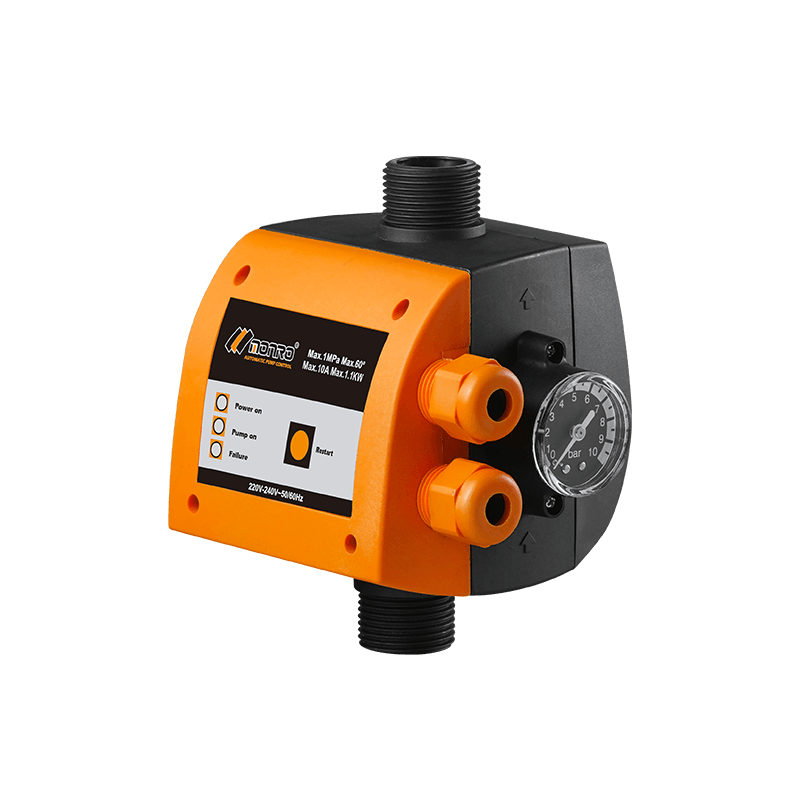 EPC-9
EPC-9Monro EPC-9 model pressure controller, is a big power device for automatic control and protection of...
-
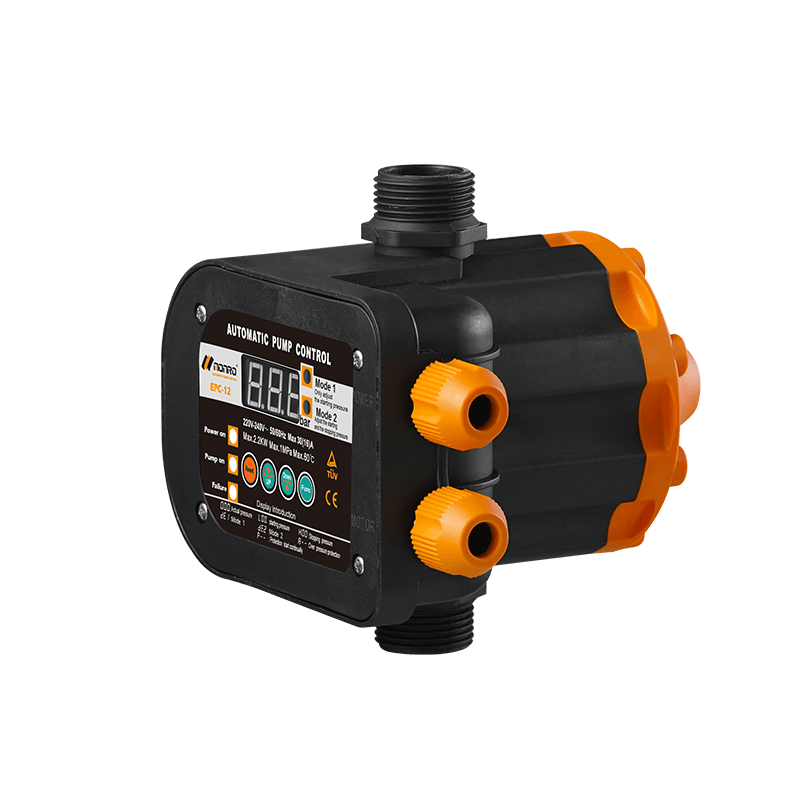 EPC-12
Monro EPC-12 smart top-level automatic pump control is a multi-function model combined with traditio...
-
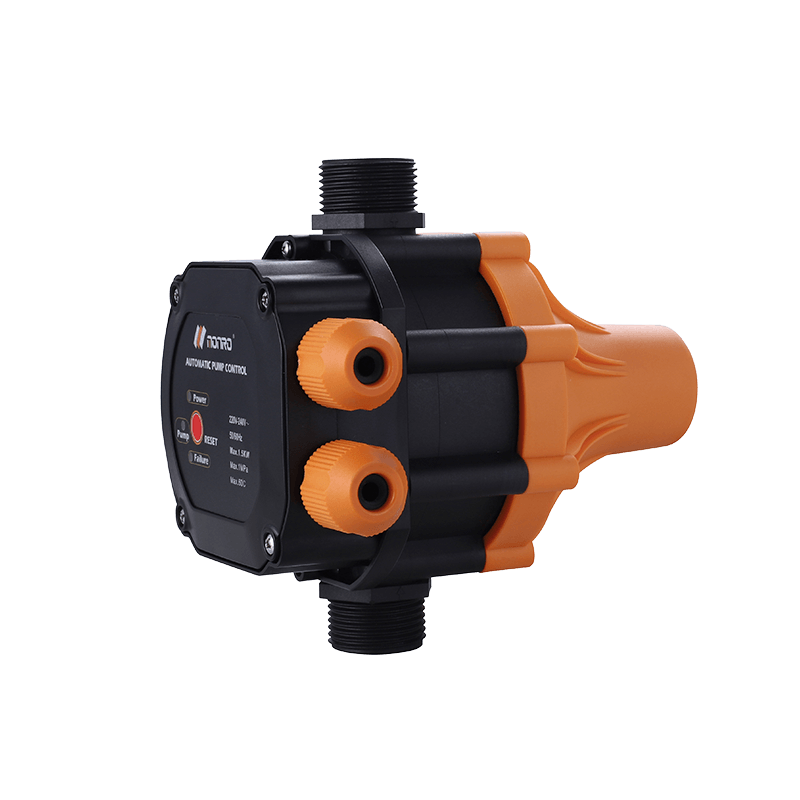 EPC-14
Monro EPC-14 model pressure control is a big power device for automatic control and protection of el...
-
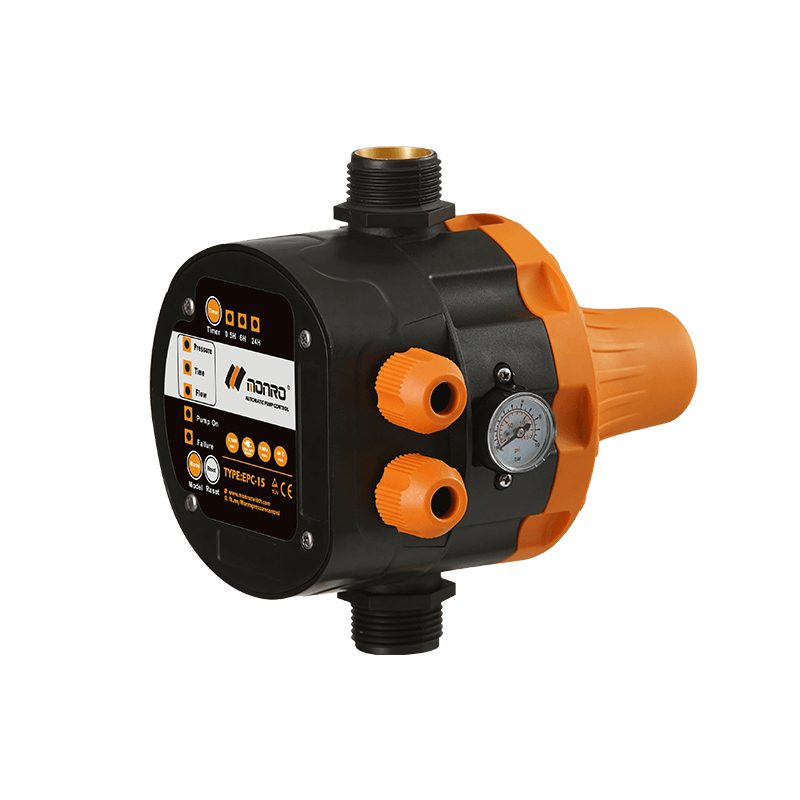 EPC-15
Monro EPC-15 model automatic pump control, a device which assembled on the water pump (recommended s...
-
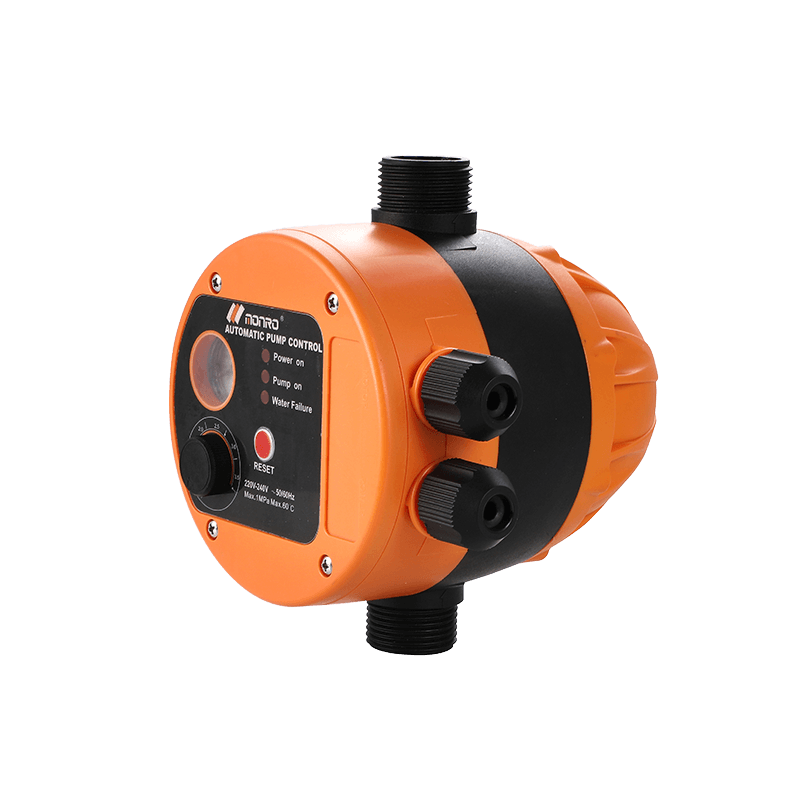 EPC-16
EPC-16 is the new patent pump controller by Monro. Its key highlight is tooless (manual knob) start...
contact us
find our office
find our office
Committed to providing professional pressure control solutions for various types of water pumps and air compressors.
Mobile
 Wechat
Copyright © 2024 Zhejiang Monro M&E Co., Ltd. All Rights Reserved.
Wholesale Pressure Control Switch Manufacturer
