

 简体中文
简体中文 English
 Español
Don't hesitate to send a message
Search
Recent Post
Newsletter
Step into a High Pressure Water Pump Switch: Structure and Function
A high pressure water pump switch is one of those components that often stays unnoticed until something goes wrong in a water system. It sits quietly between pressure changes and pump action, responding in real time to keep flow conditions stable.
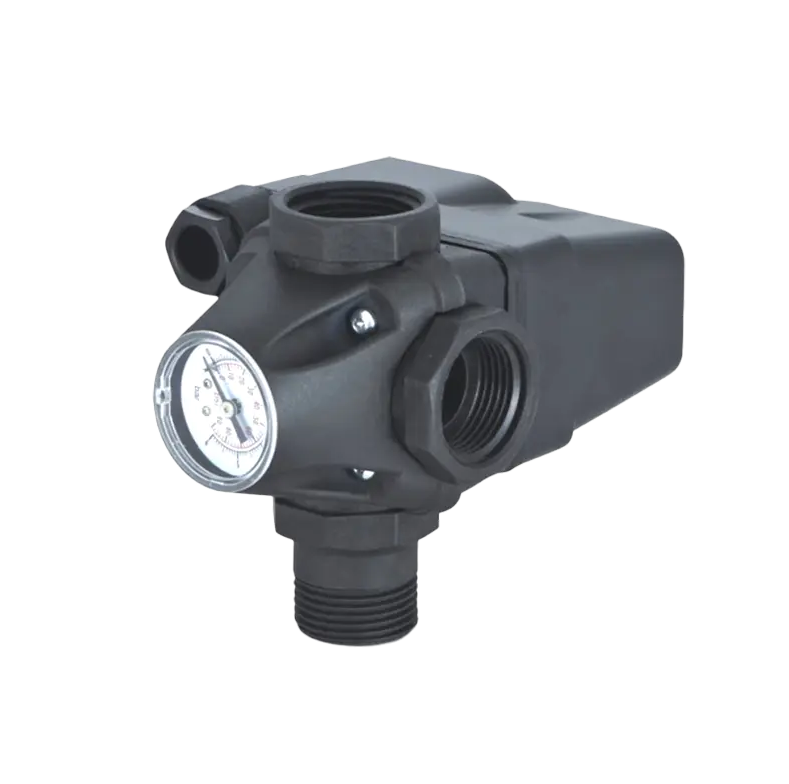
Inside industrial and household water systems, this small device plays a connecting role. It does not move water itself. Instead, it reacts to water pressure changes and sends signals that influence pump operation. That simple interaction shapes how smoothly a system behaves.
What is actually inside a high pressure water pump switch?
At first glance, the device looks compact. The real structure is layered inside. Each part has a specific role, and they work together without drawing attention during normal operation.
Inside a typical switch, you may find:
- A pressure sensing section that reacts to water force
- A mechanical movement element that responds to pressure changes
- A contact area that connects or disconnects electrical flow
- A housing that protects internal parts from moisture and vibration
Each part is simple on its own. The behavior comes from how they interact.
There is no visible action from outside during operation. Everything happens inside the enclosed structure.
How does pressure sensing actually work?
Pressure sensing is the starting point of the entire process. When water pressure rises or drops, the internal sensing area responds immediately.
It does not interpret data like a digital system. Instead, it reacts physically. The internal element shifts position depending on the force it receives.
This movement is small, but it is enough to trigger the next stage of action.
In real use conditions, the sensing response is continuous:
- Pressure increases slightly
- Internal part shifts position
- Movement transfers to mechanical section
- System prepares for switching action
The process is direct and mechanical in nature.
What role does mechanical movement play inside the switch?
Mechanical movement acts as the bridge between pressure and electrical response. Once pressure changes are detected, movement transfers that change into physical switching action.
Inside the device, this movement is controlled and limited. It does not travel far, but it is precise enough to activate internal contacts.
This part of the system often includes spring-like behavior or flexible resistance. It allows the switch to return to its original position when pressure stabilizes.
Without this controlled movement, the system would not reset properly after each cycle.
How does the electrical contact system respond?
Once mechanical movement reaches the contact area, the electrical state changes. This is where the switch performs its main role.
The contact system does not handle water. It handles signals. When pressure reaches a certain condition, the connection is either opened or closed.
This action tells the pump system how to respond.
A simple sequence looks like this:
- Pressure changes inside the system
- Mechanical part moves
- Contact points touch or separate
- Signal changes in the circuit
- Pump responds accordingly
It is a short chain, but it repeats many times during operation.
Structure and function overview inside the switch
| Internal part | What it does | What it reacts to |
|---|---|---|
| Pressure sensing section | Detects force changes in water | Flow variation |
| Mechanical movement unit | Transfers motion inside the switch | Pressure shift |
| Contact mechanism | Controls signal connection | Movement position |
| Protective housing | Shields internal structure | External environment |
This table shows how each section plays a role without overlapping responsibility. The system depends on separation of function rather than complexity.
Why does the switch respond so quickly to changes?
Speed of response is not based on electronic processing. It comes from direct physical interaction.
When pressure changes, the internal structure does not wait or analyze. It reacts immediately because the parts are in constant mechanical readiness.
This is why even small pressure variations can trigger a response.
In many systems, this fast reaction helps maintain stable flow conditions without manual control.
How does the switch control water pump behavior?
This switch won't run the water pump directly. It just sends signals to start or stop the pump.
When water pressure drops, the pump will turn on automatically. Once pressure builds back up, the pump shuts off or changes its running state. This cycle keeps repeating.
The working process is as follows:
- The pump starts when pressure gets low
- It works to push up the water pressure
- The pump stops or adjusts when pressure is high
- The cycle restarts as water use changes
Simply put, the switch is what controls the pump's working status.
What happens during repeated operation cycles?
Out in actual use, the switch runs nonstop all the time, not just every now and then.
Every cycle follows much the same flow, yet no two are exactly the same. Water usage leads to slight fluctuations in pressure each time.
The internal parts are built to cope with constant back-and-forth movement. They can keep running through these repeated actions with no need for regular tweaks.
A full cycle goes like this:
- Pick up changes in water pressure
- Internal components move into place
- Electrical contacts flip on or off
- The water pump reacts accordingly
- All parts reset to their resting state
This cycle keeps going for as long as the system is turned on.
How does the housing protect internal components?
The outer housing looks simple, but it plays an important role. It keeps internal parts stable and protected from external conditions.
Inside working environments, the switch may face vibration, moisture, or temperature variation. The housing reduces the impact of these factors.
It also helps maintain internal alignment. Without a stable structure, mechanical movement would lose precision over time.
Protection is not active. It is structural.
What makes internal coordination important?
A pressure switch works only when all internal parts respond in coordination. If one part reacts slightly differently, the timing of the whole system changes.
This coordination is not visible during operation. It happens through repeated physical alignment between components.
The system depends on:
- Accurate movement transfer
- Stable contact timing
- Consistent pressure response
- Return to original position after each cycle
When these elements stay balanced, the switch operates smoothly.
Why is pressure sensitivity important in real systems?
Different water systems behave differently. Some have steady flow, while others change frequently. The switch must respond to both conditions.
If sensitivity is too low, the system reacts slowly. If it is too high, it may switch too often.
So the internal structure is designed to stay within a stable response range.
This balance allows the device to function across different working environments without constant adjustment.
How does the switch return to its original state?
After being activated, the switch will reset to its default position. This step is vital to keep the whole system working normally.
There are flexible parts fitted inside the device. Once water pressure evens out, these parts push and pull the mechanical components back to where they started.
This simple reset lets the switch get ready for the next round right away, and all parts stay properly aligned.
What defines stable operation in a pressure switch system?
Stable operation is not about constant activity. It is about predictable response.
When pressure changes occur, the switch reacts in a consistent way each time. That consistency allows the pump system to behave smoothly.
Signs of stable operation include:
- Repeated response under similar conditions
- Smooth transition between states
- No delayed switching behavior
- Reliable return after activation
Stability depends on both structure and repeated use behavior.
How does the switch fit into the full water system?
The High Pressure Switch Water Pump is only one part of a larger system, but it plays a linking role between pressure and pump action.
Without it, the system would lose automatic response behavior. Manual control would be required more often, which reduces efficiency.
In practical terms, the switch sits between water movement and system control, translating physical pressure into operational decisions.
Its role is simple, but it affects the entire flow of operation.
OUR PRODUCTS
Recommended Products
-
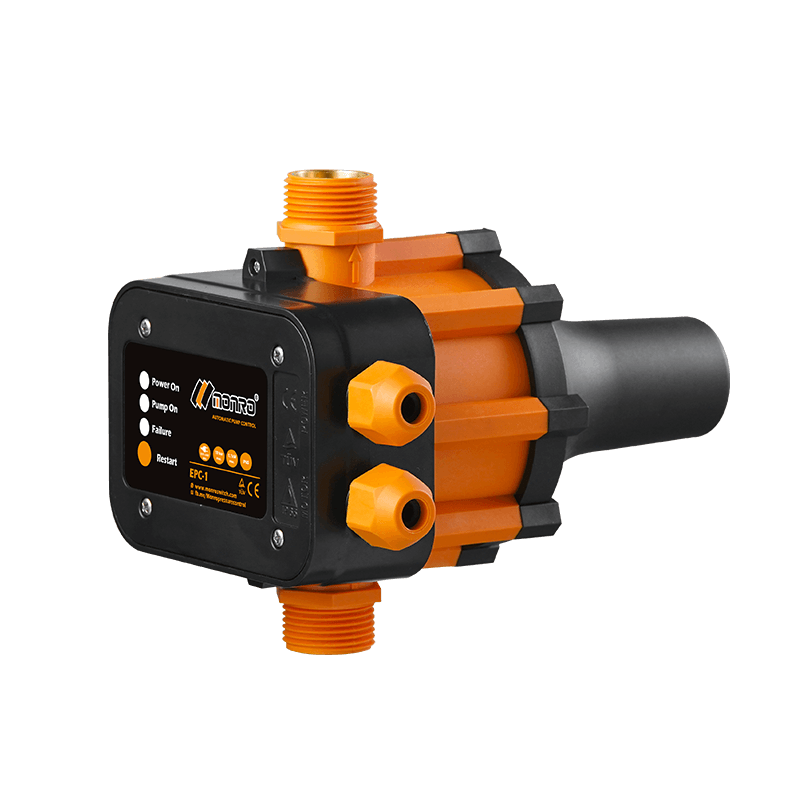 EPC-1
EPC-1Monro EPC-1 model pump controller is the classic and basic type, was loved by user in the global mar...
-
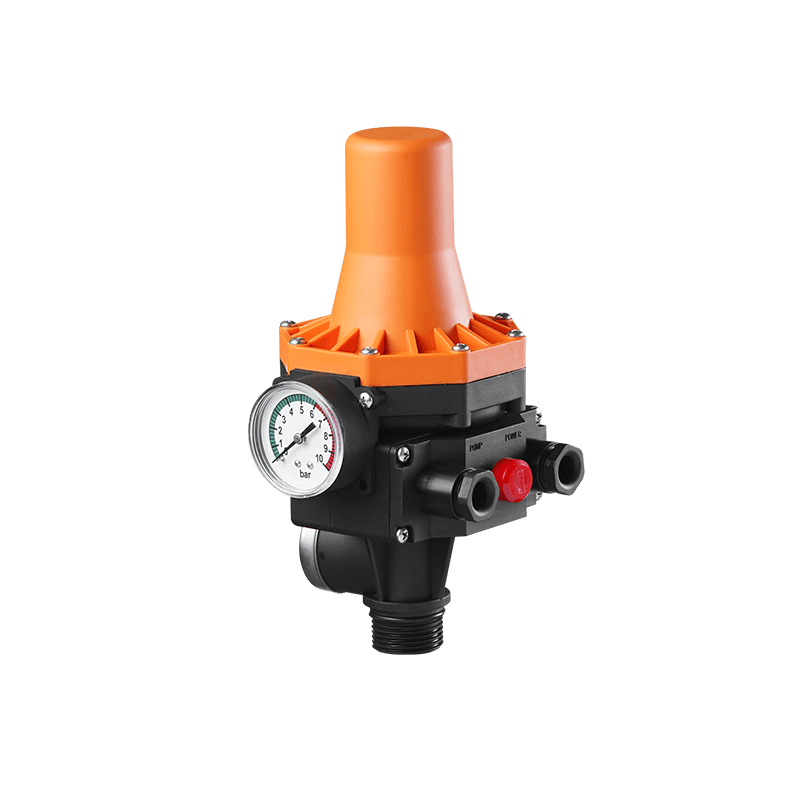 EPC-3
EPC-3Monro EPC-3 spain design auto on and off press control, an intelligent and economical system designe...
-
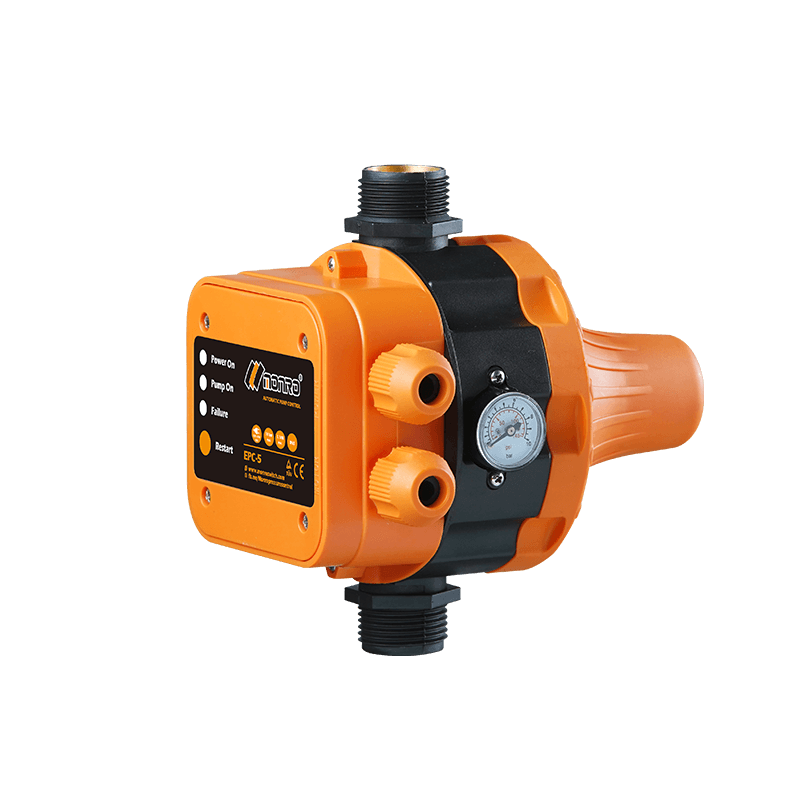 EPC-5
EPC-5Monro EPC-5 model automatic pump control, a device which assembled on the water pump (recommended si...
-
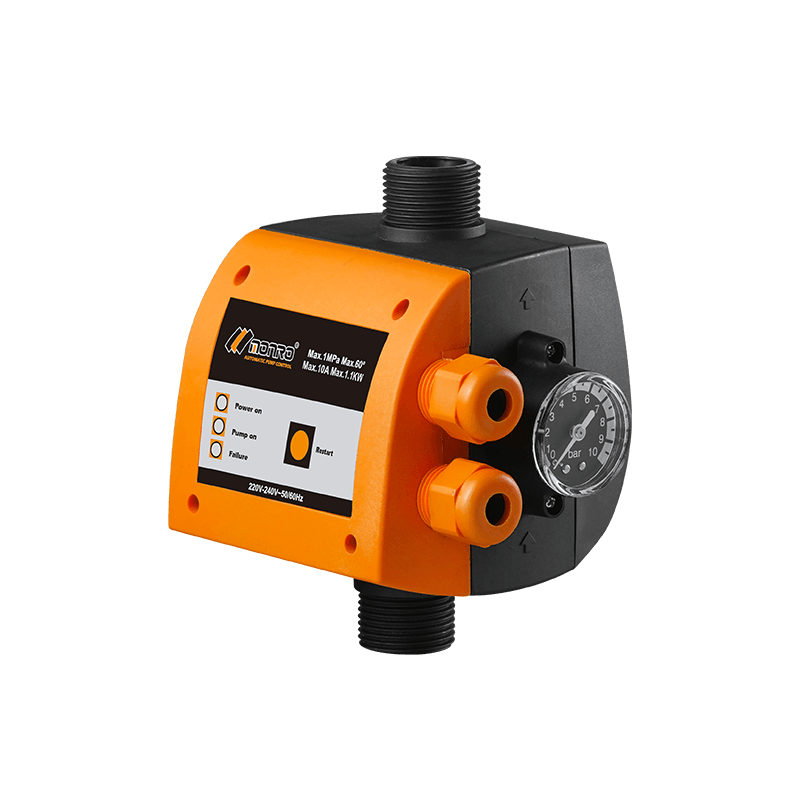 EPC-9
EPC-9Monro EPC-9 model pressure controller, is a big power device for automatic control and protection of...
-
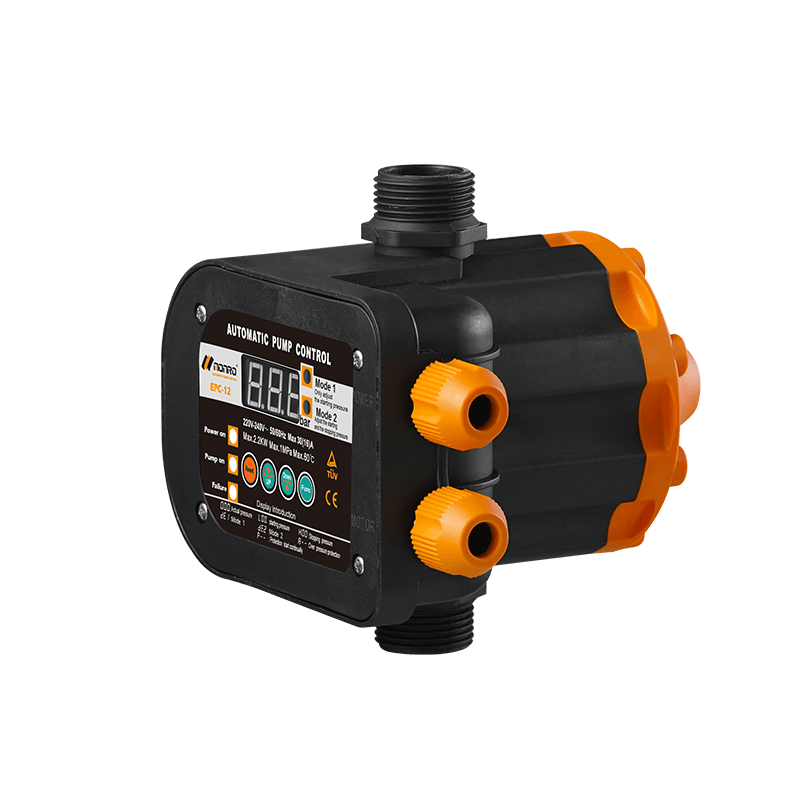 EPC-12
Monro EPC-12 smart top-level automatic pump control is a multi-function model combined with traditio...
-
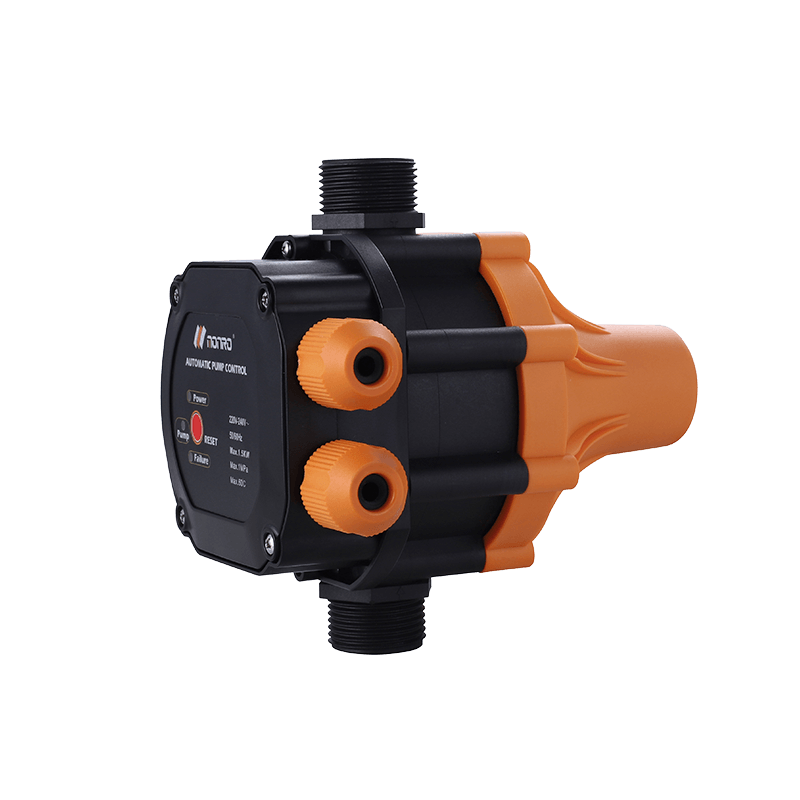 EPC-14
Monro EPC-14 model pressure control is a big power device for automatic control and protection of el...
-
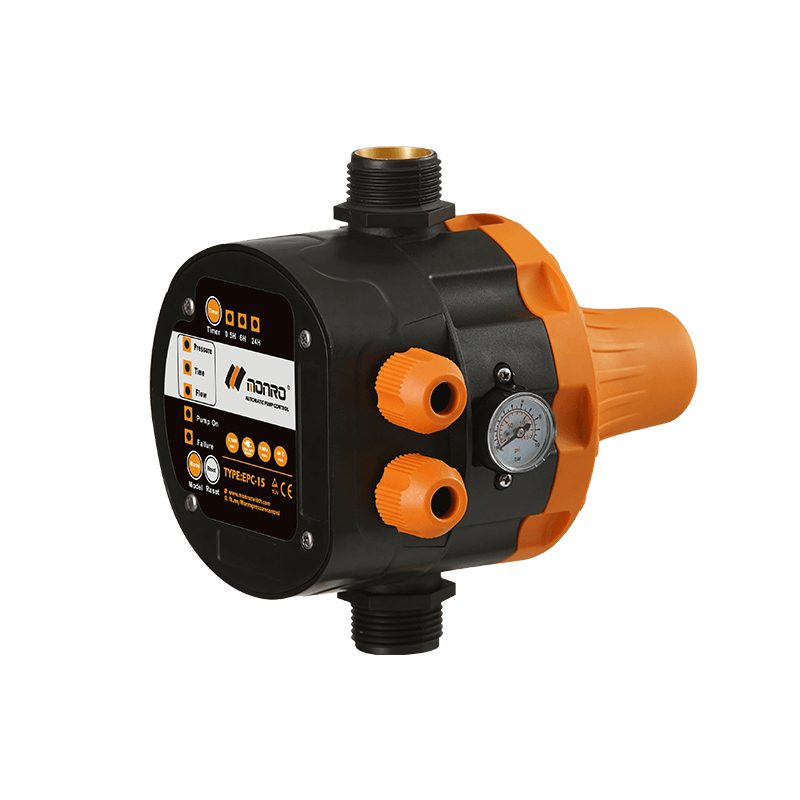 EPC-15
Monro EPC-15 model automatic pump control, a device which assembled on the water pump (recommended s...
-
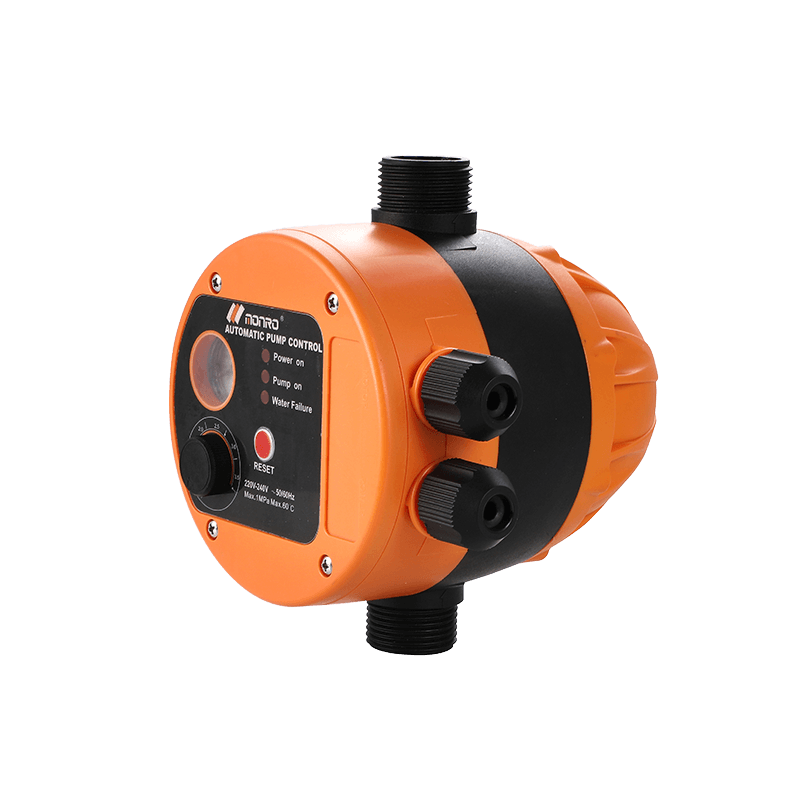 EPC-16
EPC-16 is the new patent pump controller by Monro. Its key highlight is tooless (manual knob) start...
contact us
find our office
find our office
Committed to providing professional pressure control solutions for various types of water pumps and air compressors.
Mobile
 Wechat
Copyright © 2024 Zhejiang Monro M&E Co., Ltd. All Rights Reserved.
Wholesale Pressure Control Switch Manufacturer
