

 简体中文
简体中文 English
 Español
Don't hesitate to send a message
Search
Recent Post
Newsletter
What Is a Water Level Switch for Pump and How Does It Work
A water level switch for pump is not a complex device, but it changes how a pumping system behaves in daily use. It sits quietly in the background, watching the water level and reacting when something changes.
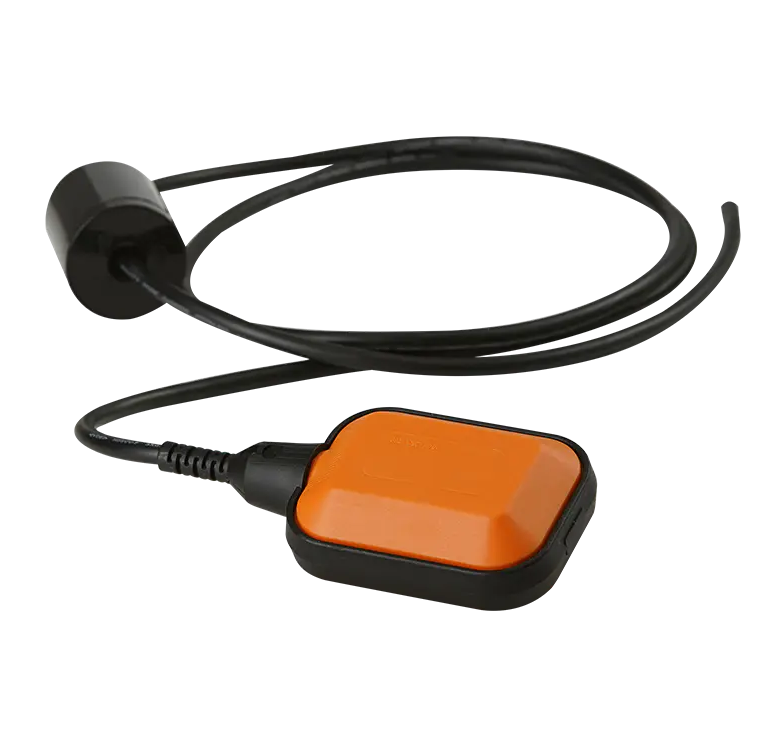
In many systems, people do not think about it until something goes wrong. A pump keeps running when there is no water. Or it stops too early. Or the tank overflows slightly. These situations usually point back to one missing link: no proper level control.That is where this small switch comes in.
Why do pump systems need something like a water level switch?
Pumps are often expected to "just work." Turn on, move water, turn off when needed. But real conditions are not always stable.
Water levels rise slowly, drop unexpectedly, or stay still longer than expected. If the pump does not know what is happening inside the tank or pipeline, it keeps working blindly.
A water level switch gives that missing awareness.
Not in a complicated way. It simply reacts when water reaches a certain point and sends a signal to the pump system.
That small reaction decides whether the pump runs or stops.
Without it, everything depends on manual control or guesswork. That is usually where problems start.
How does a water level switch for pump actually work?
The working principle is based on sensing changes in water level and converting that change into an electrical signal or mechanical action.
Different systems may use different sensing methods, but the basic idea remains the same. When water reaches a certain position, the switch changes state.
That change can trigger the pump to start or stop.
A simple way to understand the process is:
- Water level rises or falls
- Sensor detects the change
- Internal mechanism responds
- Pump receives a signal
- Pump starts or stops based on condition
This cycle repeats as the system operates.
The process may seem small, but it is central to preventing uncontrolled pump operation.
What happens in a pump system without level control?
When there is no water level switch, the system loses a kind of "feedback sense."
The pump still runs, but it does not know the condition inside the tank.
Sometimes it keeps working even when water is already gone. That situation is usually called dry running in practice. It doesn't feel dramatic at first, but it slowly affects how the system behaves over time.
Other times, water keeps filling but the pump does not stop at the right moment. Small overflow situations can appear.
Neither case is sudden failure. They are more like gradual imbalance.
And that imbalance usually comes from the same point: no signal from the water level.
Where are water level switches commonly used in pump systems?
Water level switches appear in many environments where liquid control is required. The scale can vary, but the principle remains consistent.
They are often found in:
- Water storage tanks
- Drainage systems
- Irrigation setups
- Industrial liquid transfer systems
- Domestic water supply systems
In each case, the goal is to maintain a stable water range.
| Application Area | Role of Water Level Switch |
|---|---|
| Storage tanks | Controls filling and stopping |
| Drainage systems | Prevents overflow conditions |
| Irrigation systems | Maintains water distribution timing |
| Industrial systems | Supports automated liquid control |
| Domestic systems | Helps regulate household water supply |
These applications share a common requirement. Water levels must stay within a usable range without constant manual supervision.
How does it actually control pump behavior in real time?
There is a small chain reaction happening.
Water moves. The switch senses it. The signal changes. The pump responds.
There is no continuous adjustment or fine tuning. It is more like a decision point.
Either the system allows pumping. Or it stops it.
That kind of on/off behavior fits well in systems where water level does not need constant modulation, just clear boundaries.
Placement matters more than it looks. If the switch is positioned too high or too low, the timing changes. And timing is what decides whether the pump behaves smoothly or not.
Are there different ways a water level switch can be built?
Yes, but the differences are mostly about how detection happens.
Some rely on floating movement. Some rely on water contact. Some respond to pressure changes. Others use more compact sensing methods.
They all aim for the same outcome, just through different physical reactions.
In practice, the choice usually depends on the working environment. Some systems deal with calm water. Others deal with movement, vibration, or irregular flow.
The switch has to match that behavior, otherwise signals become unstable.
Why does this small device affect pump protection so much?
A pump is not designed to run without conditions. It needs water flow to stay stable.
When it runs without water, friction and heat conditions change. When it stops too early, system balance is affected.
A water level switch sits in between those situations. It reduces guessing.
Instead of reacting to damage or overflow after it happens, the system reacts before conditions become extreme.
Not perfect prevention, but enough control to keep operation predictable.
How does it change the way a system behaves over time?
At the beginning, the difference might not feel obvious.
But after repeated cycles, patterns start to appear.
Systems with level switches tend to behave more consistently. Pumps start and stop in a more regular rhythm. Water levels stay within a narrower range.
Without it, operation depends more on human attention or indirect signals.
That difference becomes more visible in long-running setups.
Where does this kind of control matter most?
Any system where water movement is part of a repeated cycle.
Not necessarily large industrial setups. Even small tanks show the same behavior pattern.
If water is part of a repeated filling and draining process, some form of level awareness becomes useful.
The switch is just one of the simplest ways to achieve that awareness without adding complexity to the system.
OUR PRODUCTS
Recommended Products
-
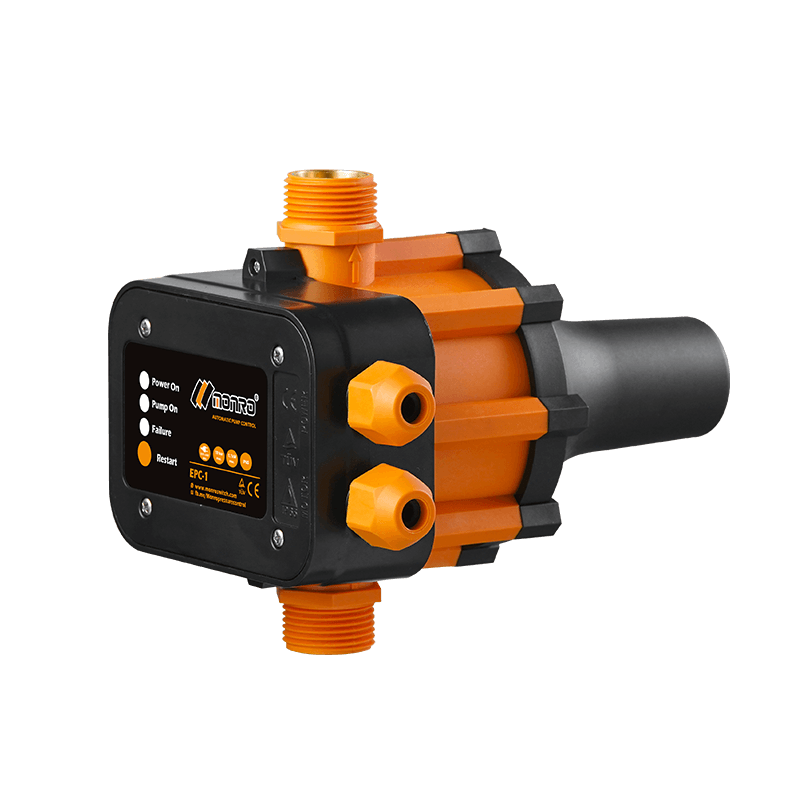 EPC-1
EPC-1Monro EPC-1 model pump controller is the classic and basic type, was loved by user in the global mar...
-
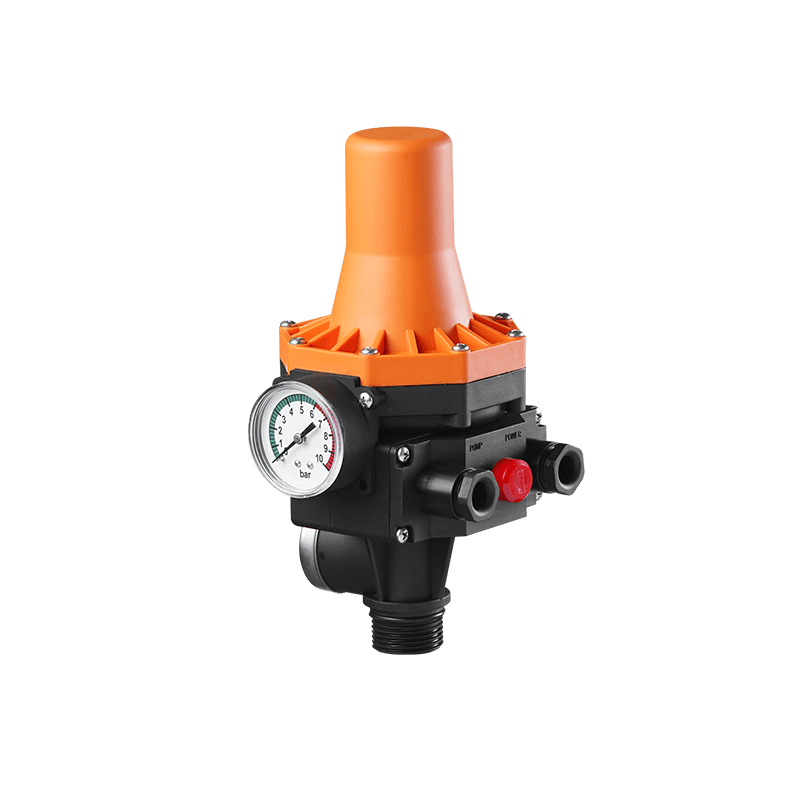 EPC-3
EPC-3Monro EPC-3 spain design auto on and off press control, an intelligent and economical system designe...
-
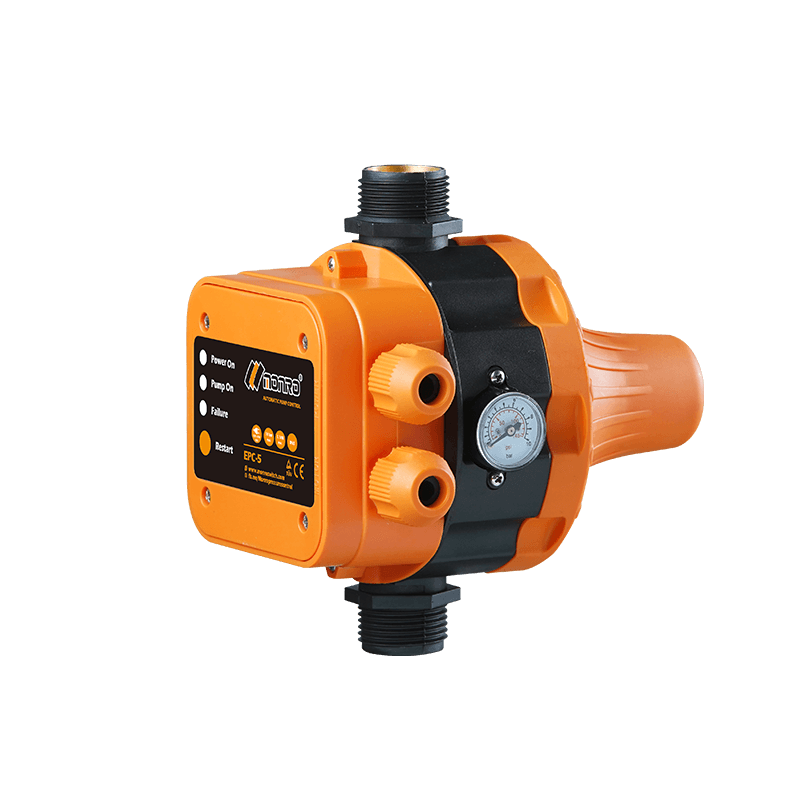 EPC-5
EPC-5Monro EPC-5 model automatic pump control, a device which assembled on the water pump (recommended si...
-
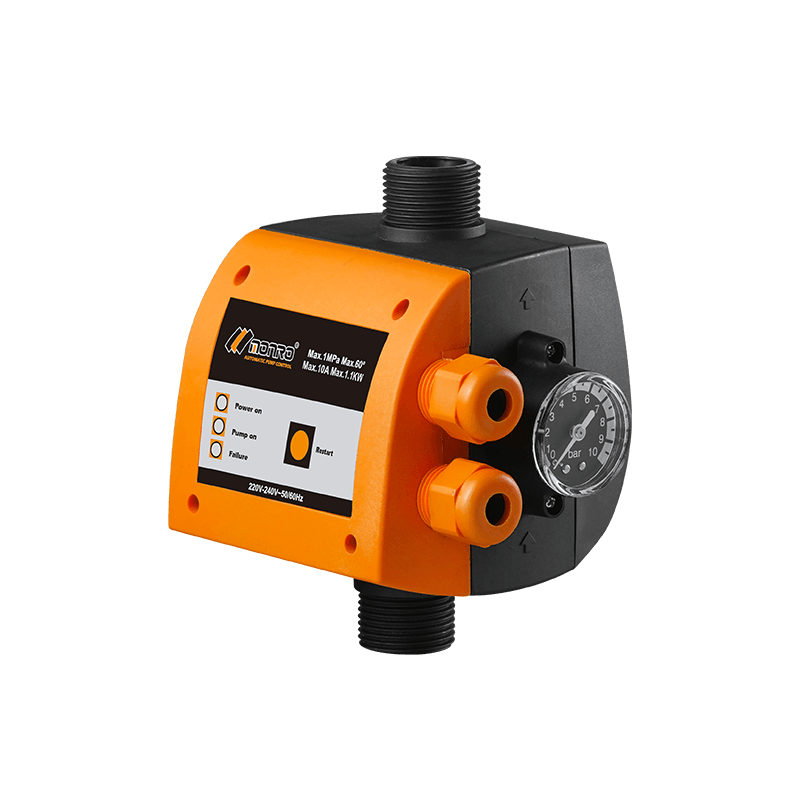 EPC-9
EPC-9Monro EPC-9 model pressure controller, is a big power device for automatic control and protection of...
-
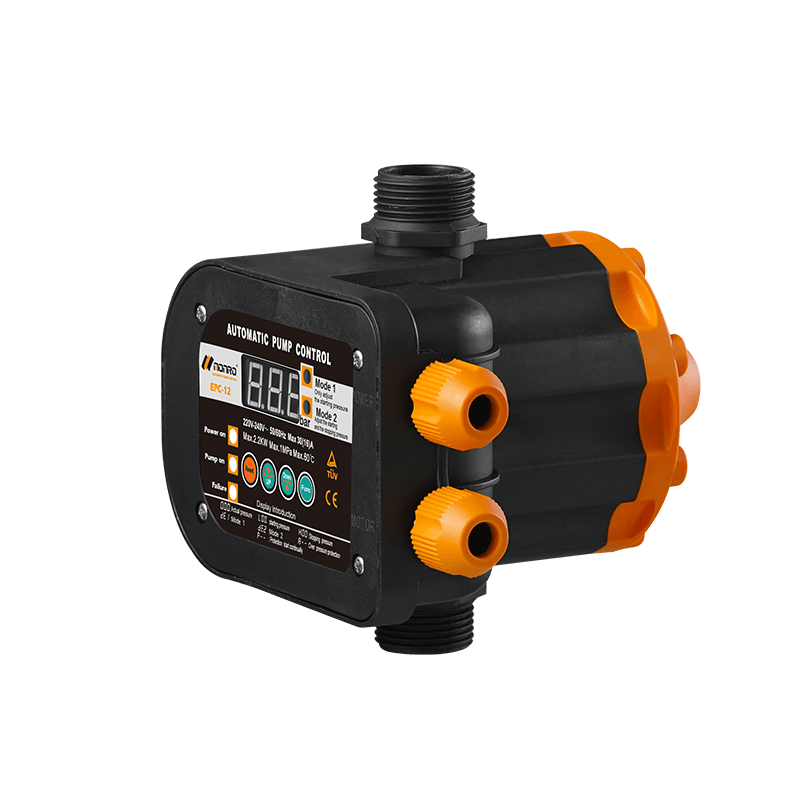 EPC-12
Monro EPC-12 smart top-level automatic pump control is a multi-function model combined with traditio...
-
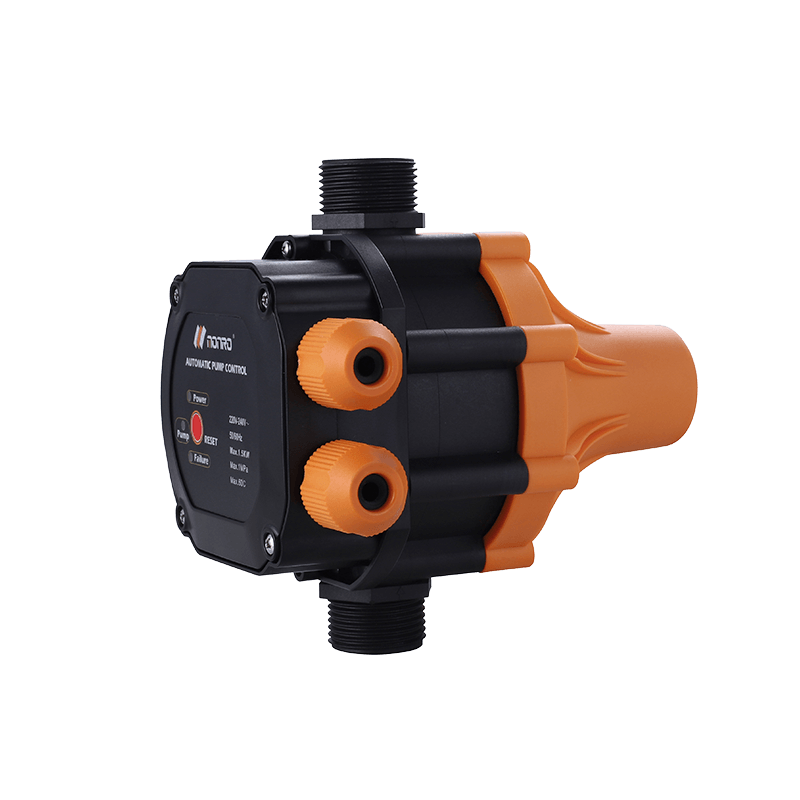 EPC-14
Monro EPC-14 model pressure control is a big power device for automatic control and protection of el...
-
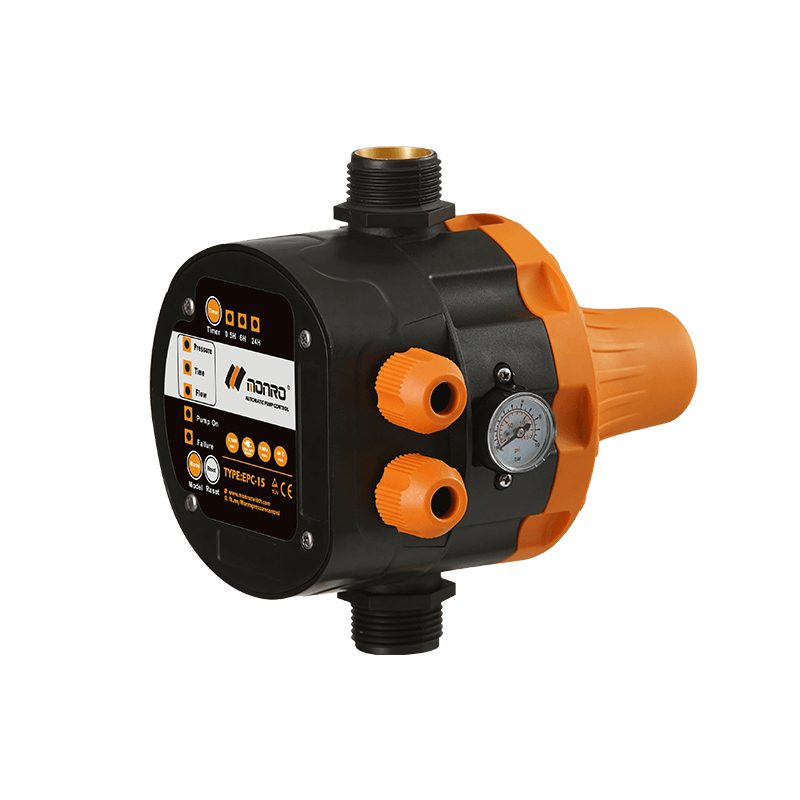 EPC-15
Monro EPC-15 model automatic pump control, a device which assembled on the water pump (recommended s...
-
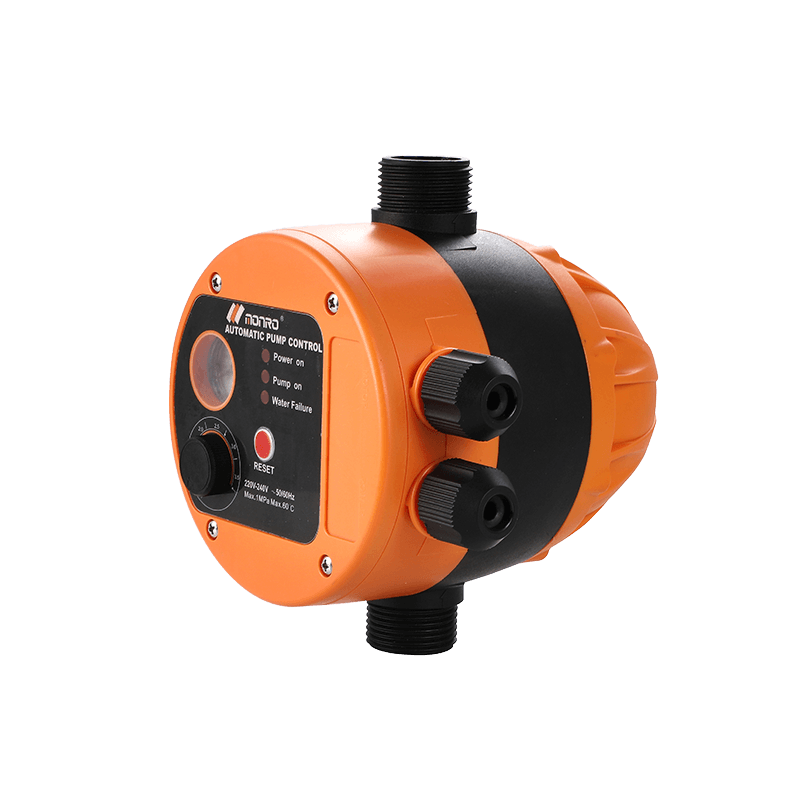 EPC-16
EPC-16 is the new patent pump controller by Monro. Its key highlight is tooless (manual knob) start...
contact us
find our office
find our office
Committed to providing professional pressure control solutions for various types of water pumps and air compressors.
Mobile
 Wechat
Copyright © 2024 Zhejiang Monro M&E Co., Ltd. All Rights Reserved.
Wholesale Pressure Control Switch Manufacturer
