

 简体中文
简体中文 English
 Español
Don't hesitate to send a message
Search
Recent Post
Newsletter
What Technologies Are Commonly Used in an Electronic Control Factory
An electronic control factory is not defined by a single machine or system. It is a mix of tools working side by side. Some handle design. Some handle assembly. Some focus on checking results or keeping production steady.
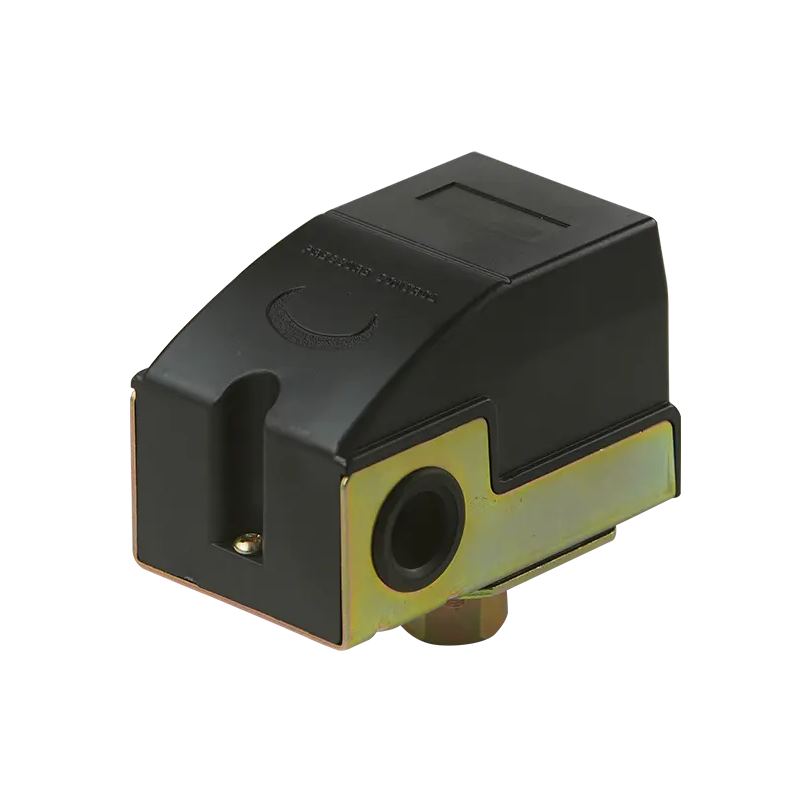
From the outside, the process may look simple. Parts go in, finished control units come out. Inside, the workflow depends on multiple layers of technology that keep everything moving in order.
How Does Digital Design Technology Start the Process?
Before anything physical is made, some work begins on a screen.
Design tools are used to plan how a control system will function. The layout is arranged step by step. Connections are mapped out. Changes can be tested quickly without touching real materials.
This stage is flexible. Designers can adjust structure, move elements, or rethink how parts interact. Nothing is fixed yet, so small changes are easier to handle.
It is also a communication point. Different teams can look at the same model and understand how the final product is expected to behave.
Why Is Automated Assembly Used So Often?
After product drawings get finalized, manufacturers start putting parts together, which is where automated assembly shines.
Electronic control pieces are generally tiny and demand precise positioning. Long-term manual fitting easily causes uneven finished quality, while automated equipment mounts every part with consistent accuracy from batch to batch.
Robotic equipment never eliminates human workers entirely; it takes over tedious repeated motions. Factory staff mainly get tasked with pre-production setup, real-time supervision and finished product inspection.
Such production modes narrow dimensional gaps among finished goods, especially beneficial for uninterrupted large-batch manufacturing.
What Do Inspection Systems Actually Do During Production?
Inspection is not something that happens only at the end. It appears at different points in the workflow.
Some systems check placement during assembly. Others look at connection quality after parts are joined. There are also checks that happen when the product is almost finished.
A simple breakdown looks like this:
| Stage | What Is Checked | Why It Matters |
|---|---|---|
| Early assembly | Part position | Avoid early mistakes |
| Mid process | Connection status | Keep structure stable |
| Final stage | Overall response | Confirm function |
These checks help catch issues early, so fewer corrections are needed later.
How Do Factory Control Systems Help Coordination?
Multiple production tasks run side by side inside electronics workshops, and disjointed workflows will create bottlenecks without proper coordination.
Central control platforms link every separate workshop zone and share real-time production status across the whole line.
For instance, one workstation slowing down triggers pace adjustments for linked processes; stocked raw parts also let downstream procedures start immediately once available.
Such systems don't aim for rigid command. Their core purpose is synchronizing all ongoing production activities instantly.
Why Is Material Handling Technology Important?
Electronics consist of countless miniature spare parts that call for cautious transfer and proper warehousing.
Custom material transport frameworks cut overreliance on manual carrying, arranging standardized part delivery between different assembly stations.
Parts are sorted in orderly storage zones for quick access whenever assembly needs supplies.
Stable, well-planned part supply directly removes production stalls and streamlines all subsequent assembly work.
How Does Testing Technology Support Product Stability?
Product inspections run through the whole manufacturing process instead of only taking place after full assembly.
Basic connection tests happen at early processing phases, followed by joint-function verification of assembled components, plus comprehensive finished-product checks before shipment.
Certain testing devices simulate actual operating surroundings, while others verify stable signal transmission inside finished goods.
Spotting flaws in early production phases lowers late-stage rework and effectively improves overall finished product reliability.
What Role Does Data Monitoring Play in Daily Operations?
Factories generate a constant flow of information during production. Machines run, materials move, and processes change throughout the day.
Monitoring systems collect this information and display it in a readable form. Operators do not need to check every station manually.
Instead, they can see where activity is smooth and where delays might be forming.
This helps with quick adjustments. It also makes it easier to understand how the whole system is performing over time.
How Do Communication Systems Keep Production Connected?
Different parts of a factory do not work in isolation. Each step depends on the one before it.
Communication systems help link these steps together. They send updates between stations so everyone knows what is happening.
The messages are often simple. A unit may be ready. A stage may need more time. A process may be waiting for input.
This keeps movement steady and reduces confusion between stages.
Why Is Environmental Control Part of Factory Technology?
Electronic control products can be sensitive to surrounding conditions. Small changes in the environment may affect how parts behave during production.
To reduce this, factories use systems that help stabilize the workspace.
These systems manage airflow, reduce unwanted static effects, and keep conditions more consistent.
The goal is not perfection. It is to reduce unexpected changes that could affect production quality.
How Is Work Changing Inside the Factory?
Automation has changed how people work inside electronic control factories.
Instead of focusing on repeated manual tasks, workers spend more time watching systems, adjusting settings, and managing flow.
Machines handle repetitive motion. People focus on decisions and coordination.
The work feels less physically heavy but requires more attention to process behavior.
It is a shift in role rather than a removal of responsibility.
What Defines the Technology Environment in an Electronic Control Factory?
An electronic control factory is built on connected systems rather than isolated tools.
Design software starts the process. Automated assembly builds the product. Inspection systems check stability. Monitoring and communication tools keep everything aligned.
Each part supports the next step without standing alone.
The result is a production environment that depends on coordination, steady repetition, and continuous adjustment across different stages.
OUR PRODUCTS
Recommended Products
-
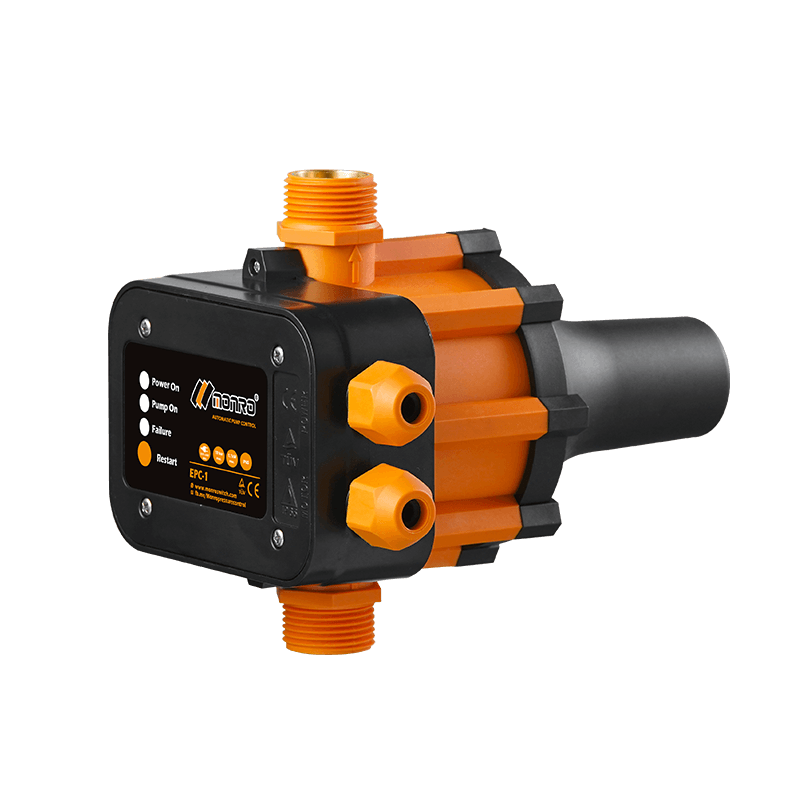 EPC-1
EPC-1Monro EPC-1 model pump controller is the classic and basic type, was loved by user in the global mar...
-
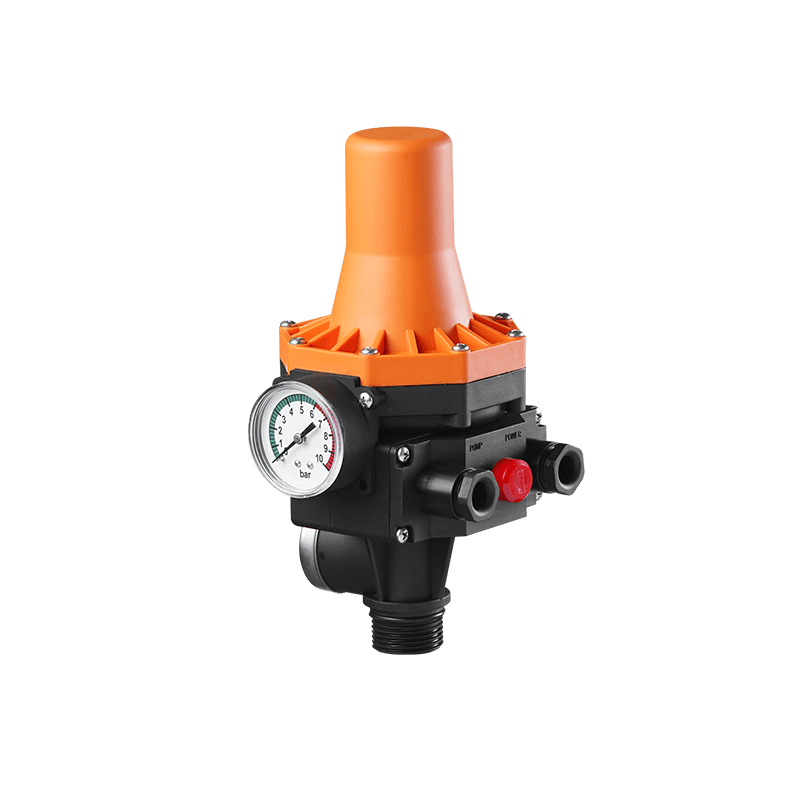 EPC-3
EPC-3Monro EPC-3 spain design auto on and off press control, an intelligent and economical system designe...
-
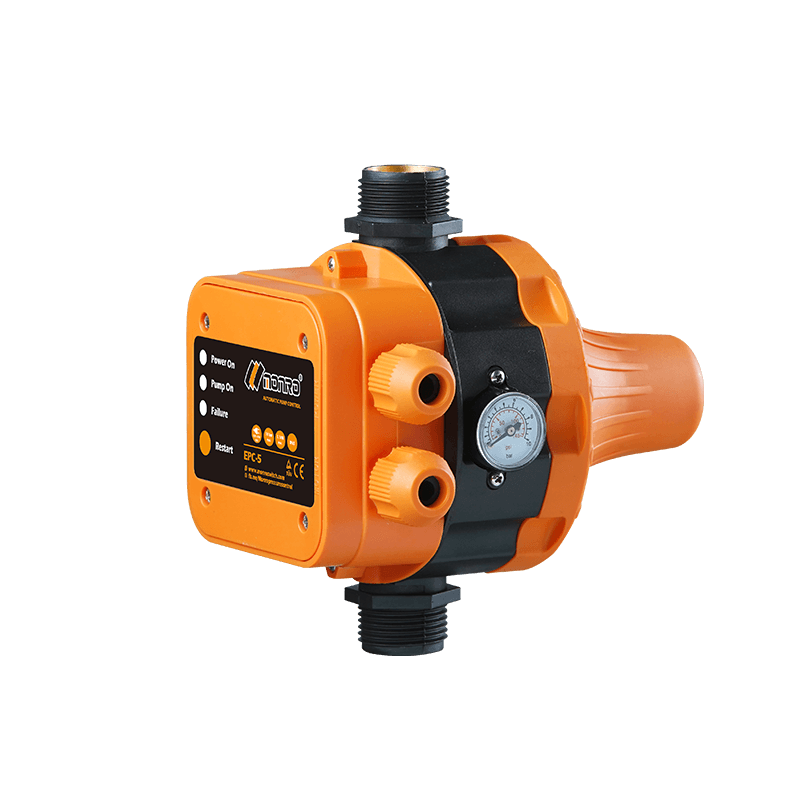 EPC-5
EPC-5Monro EPC-5 model automatic pump control, a device which assembled on the water pump (recommended si...
-
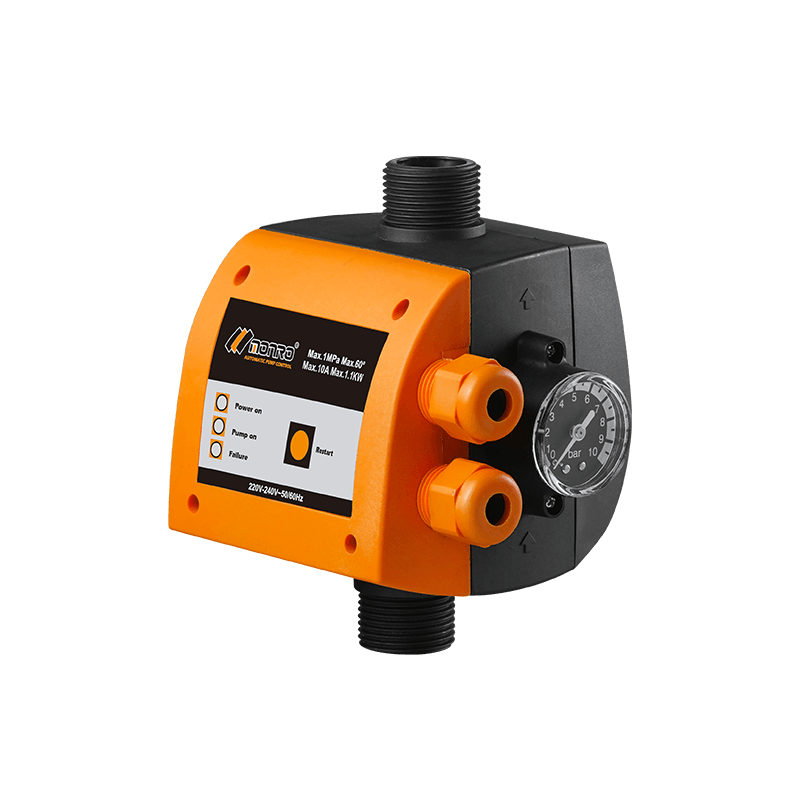 EPC-9
EPC-9Monro EPC-9 model pressure controller, is a big power device for automatic control and protection of...
-
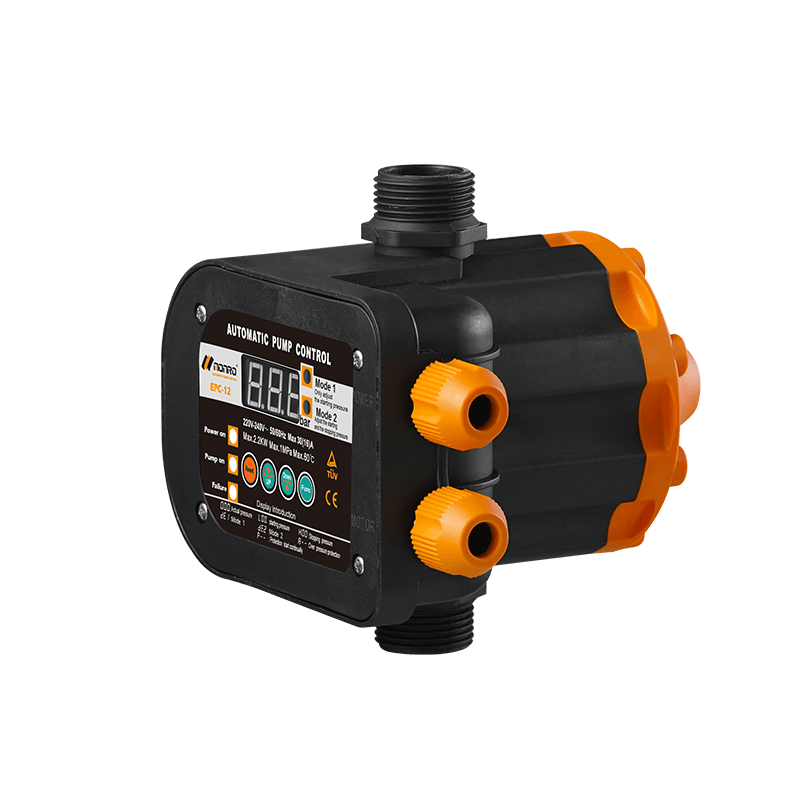 EPC-12
Monro EPC-12 smart top-level automatic pump control is a multi-function model combined with traditio...
-
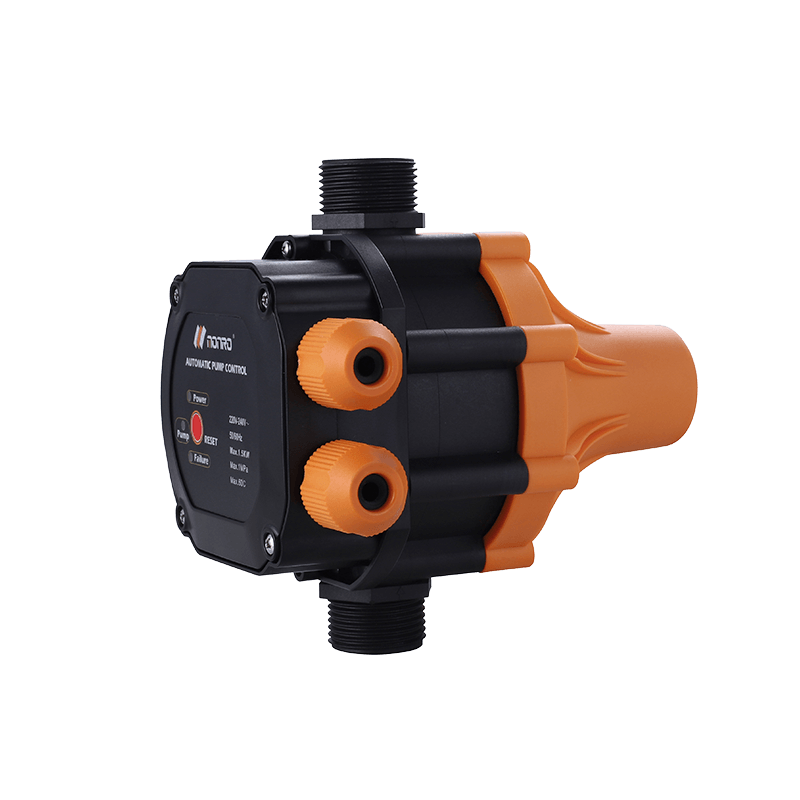 EPC-14
Monro EPC-14 model pressure control is a big power device for automatic control and protection of el...
-
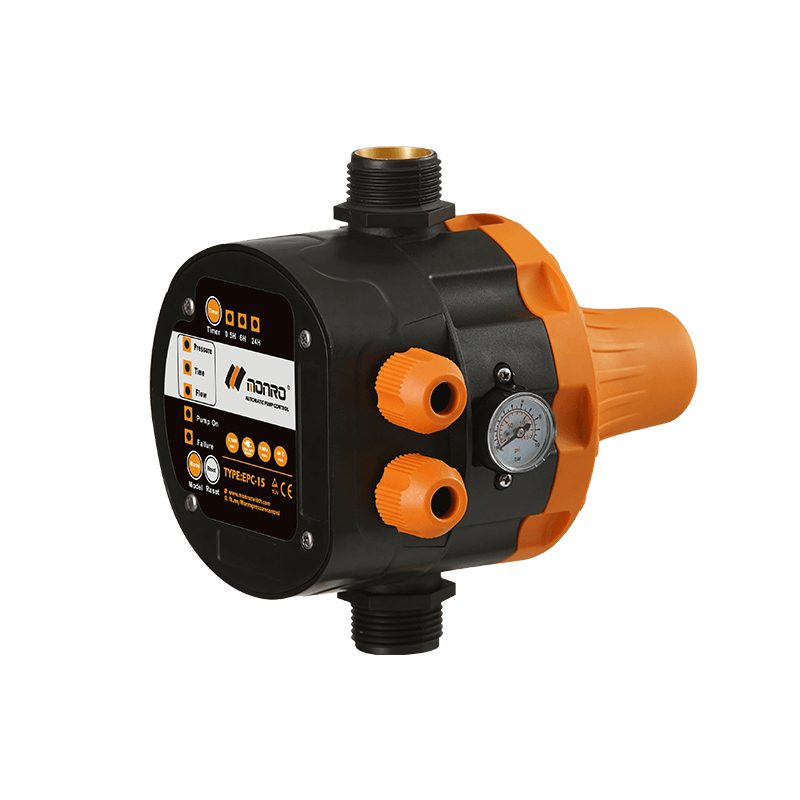 EPC-15
Monro EPC-15 model automatic pump control, a device which assembled on the water pump (recommended s...
-
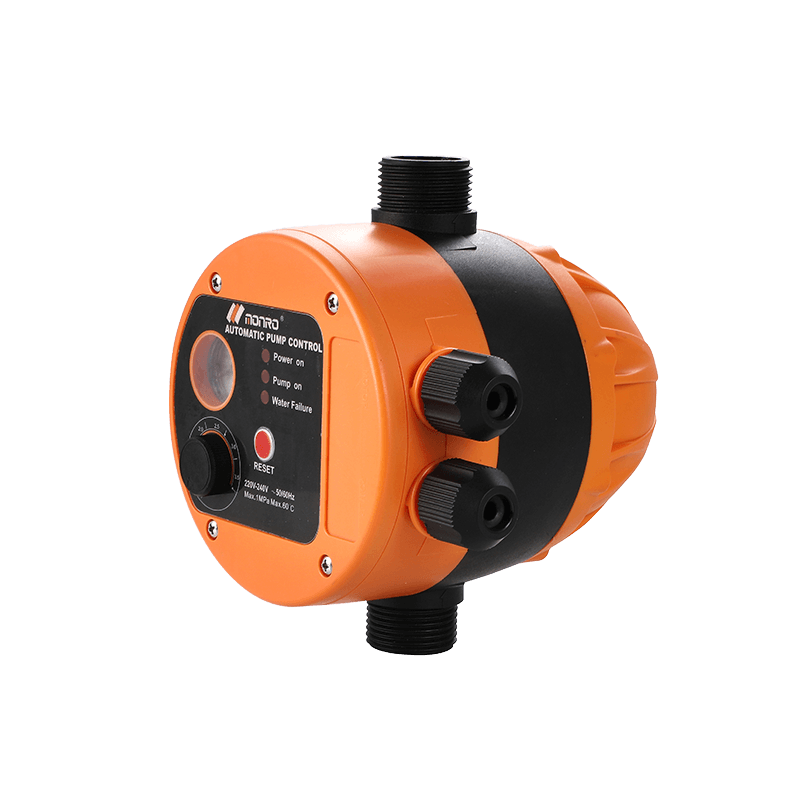 EPC-16
EPC-16 is the new patent pump controller by Monro. Its key highlight is tooless (manual knob) start...
contact us
find our office
find our office
Committed to providing professional pressure control solutions for various types of water pumps and air compressors.
Mobile
 Wechat
Copyright © 2024 Zhejiang Monro M&E Co., Ltd. All Rights Reserved.
Wholesale Pressure Control Switch Manufacturer
