

 简体中文
简体中文 English
 Español
Don't hesitate to send a message
Search
Recent Post
Newsletter
Why Are Pressure Switch Factory Important in Industrial Safety Systems
In many industrial setups, safety is not controlled by a single device. It is built from several small parts working together. Some of these parts are visible, while others stay hidden inside machines. Pressure switches belong to the hidden group.
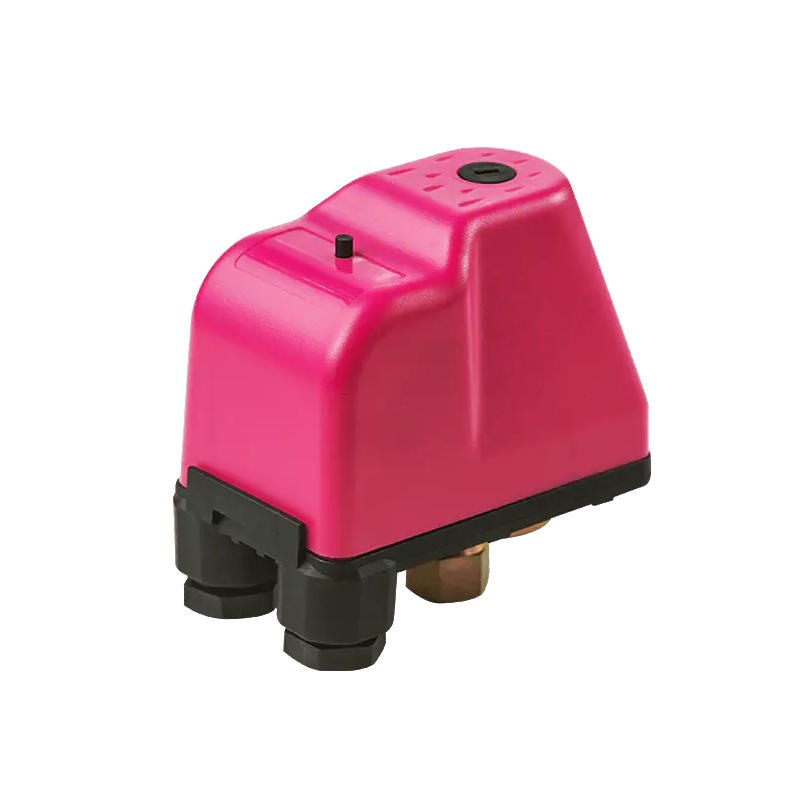
A pressure switch factory is where these components begin their life. The work done there shapes how a switch reacts, how stable it behaves, and how well it fits into different working environments.
In safety systems, small parts often carry quiet responsibility. Pressure switches are one of those parts.
What does a pressure switch factory actually make?
A pressure switch factory produces devices that respond when pressure inside a system changes. The idea is simple, but the structure inside is carefully built.
Typical production involves several connected elements:
- Parts that sense pressure changes
- Internal structures that trigger movement
- Outer shells that protect the device
- Connection parts for installation
- Assembly work that brings everything together
- Basic testing before products leave the factory
Each unit looks compact from the outside. Inside, it is the result of many repeated steps.
Factories usually focus on repeating the same outcome. If two units behave differently, system behavior later can become uneven.
How do pressure switches support safety systems?
Pressure switches act as simple decision points inside machines. They do not control everything. They react when conditions change.
In daily use, they may:
- Send a signal when pressure becomes too high
- React when pressure becomes too low
- Stay inactive when conditions remain stable
- Respond quickly when sudden change happens
These actions may look small, but they connect to larger system responses.
A single signal can find to stopping a machine, adjusting flow, or triggering a warning. The switch itself stays simple, but its role is part of a bigger chain.
Why is consistency in production so important?
In industrial systems, many pressure switches may work at the same time. If each one behaves slightly differently, the system response can feel uneven.
Factories try to avoid this through steady production habits:
- Using the same assembly steps again and again
- Keeping internal parts aligned in a fixed structure
- Selecting materials from stable sources
- Checking product behavior during production
- Removing units that do not match expected response
Consistency is not about appearance. It is about behavior over time.
When switches respond in a similar way, system design becomes easier to manage.
Where are pressure switches commonly used?
Pressure switches appear in many types of equipment. Each environment places different expectations on how they should behave.
They are often found in:
- Systems that move air or liquid
- Machines that rely on controlled pressure
- Automated production equipment
- Energy-related setups that run continuously
- Industrial lines where stability is needed
Some environments need fast reaction. Others focus on steady response over time. Factories adjust designs based on these differences.
How is product quality checked during production?
Quality control is not a single moment. It appears throughout the process.
Typical steps include:
- Checking raw parts before assembly
- Watching alignment during build stages
- Testing response after assembly
- Repeating checks under controlled conditions
- Final inspection before packing
Each step helps reduce variation before the product is used in real systems.
Small differences can affect how a switch behaves. That is why checking happens more than once.
How is response behavior kept stable?
Response behavior refers to how a switch reacts when pressure changes. It needs to stay predictable.
Factories maintain this stability by:
- Keeping internal structure consistent
- Controlling assembly conditions
- Adjusting sensitivity during testing
- Repeating calibration steps
- Verifying reaction under pressure changes
The goal is not complexity. It is predictability.
In safety systems, predictable behavior is often more important than anything else.
Why do factories offer different configurations?
Industrial systems are not all the same. Some operate in stable conditions. Others face frequent changes.
Because of this, factories often adjust designs:
- Different response levels for different needs
- Protective housing for different environments
- Installation styles that match equipment
- Internal settings adjusted for system behavior
- Connection formats based on usage
These adjustments help the same product type fit into different roles.
How do pressure switches interact with automation?
Modern systems often rely on automation. Machines respond automatically instead of relying on manual control.
Pressure switches support this process by:
- Sending basic condition signals
- Triggering automatic stop or restart actions
- Helping balance system load
- Providing feedback for system logic
- Acting as simple monitoring points
They do not make complex decisions. They provide information that other systems use.
Why does durability matter in real use?
Industrial environments often run for long periods. Equipment is used repeatedly and under constant pressure changes.
Factories consider durability through:
- Strength of internal moving parts
- Resistance to repeated activation
- Stability during long operation
- Protection from working conditions
- Consistent behavior over time
A switch must remain stable not only at the start, but also after many cycles of use.
How does factory organization affect product stability?
The way a factory is arranged influences the final result. A structured process reduces variation.
Common elements include:
- Step-based assembly flow
- Separation of testing and production areas
- Controlled handling of parts
- Repeated inspection cycles
- Clear record of production stages
When the process is stable, output becomes easier to control.
What role do pressure switch factories play over time?
Industrial systems are built for long use. They are not replaced quickly. That means components must stay stable for a long period.
Pressure switch factories support this by:
- Keeping production behavior steady
- Adapting designs for different systems
- Maintaining repeatable response patterns
- Improving production methods gradually
Their work continues beyond a single order. It supports ongoing system stability.
Even if they are not visible in daily operation, they remain part of the background structure that keeps safety systems working in a steady way.
OUR PRODUCTS
Recommended Products
-
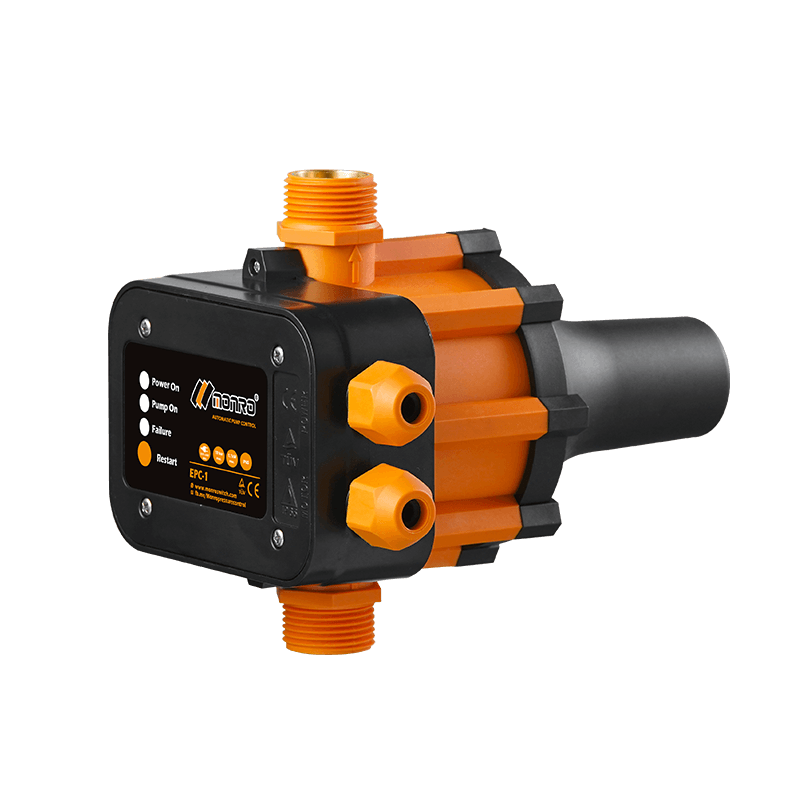 EPC-1
EPC-1Monro EPC-1 model pump controller is the classic and basic type, was loved by user in the global mar...
-
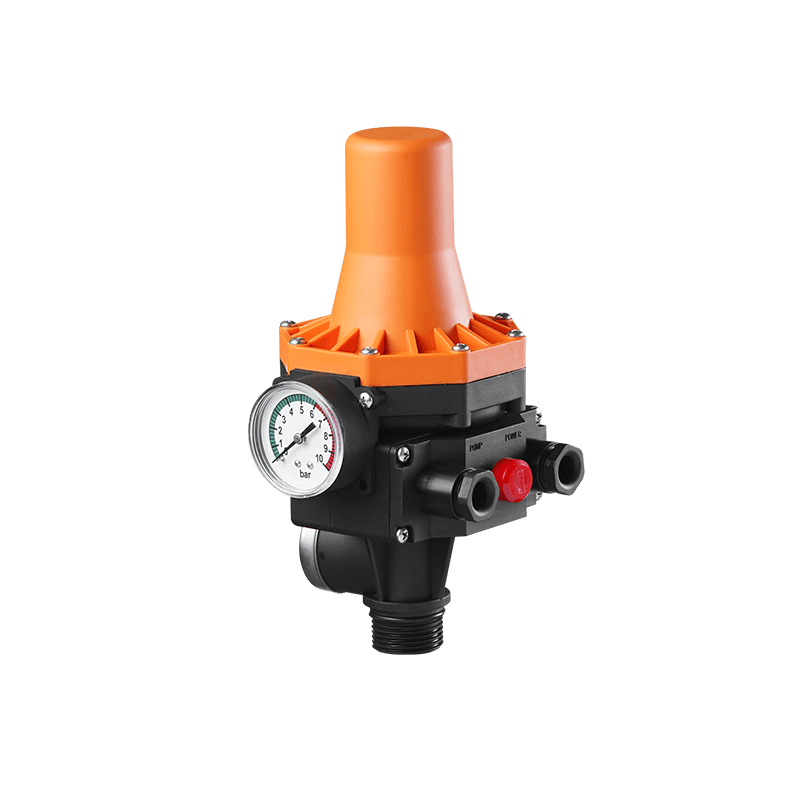 EPC-3
EPC-3Monro EPC-3 spain design auto on and off press control, an intelligent and economical system designe...
-
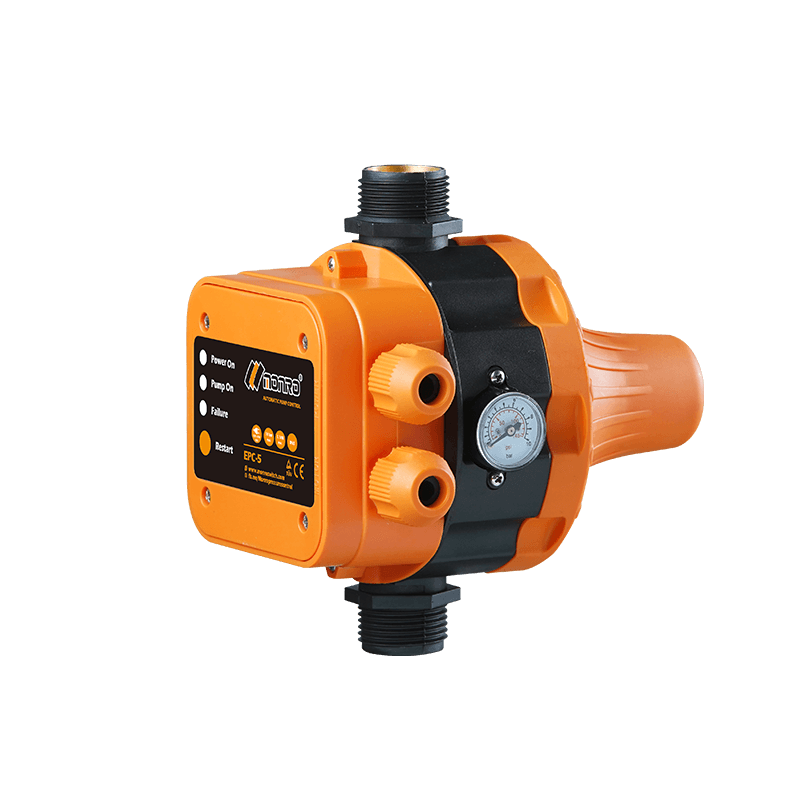 EPC-5
EPC-5Monro EPC-5 model automatic pump control, a device which assembled on the water pump (recommended si...
-
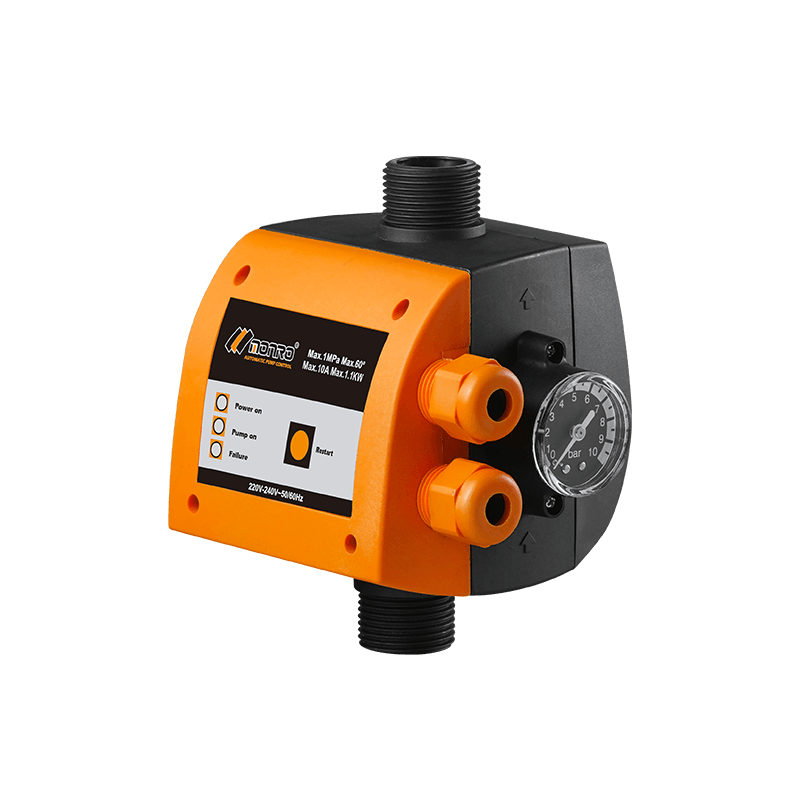 EPC-9
EPC-9Monro EPC-9 model pressure controller, is a big power device for automatic control and protection of...
-
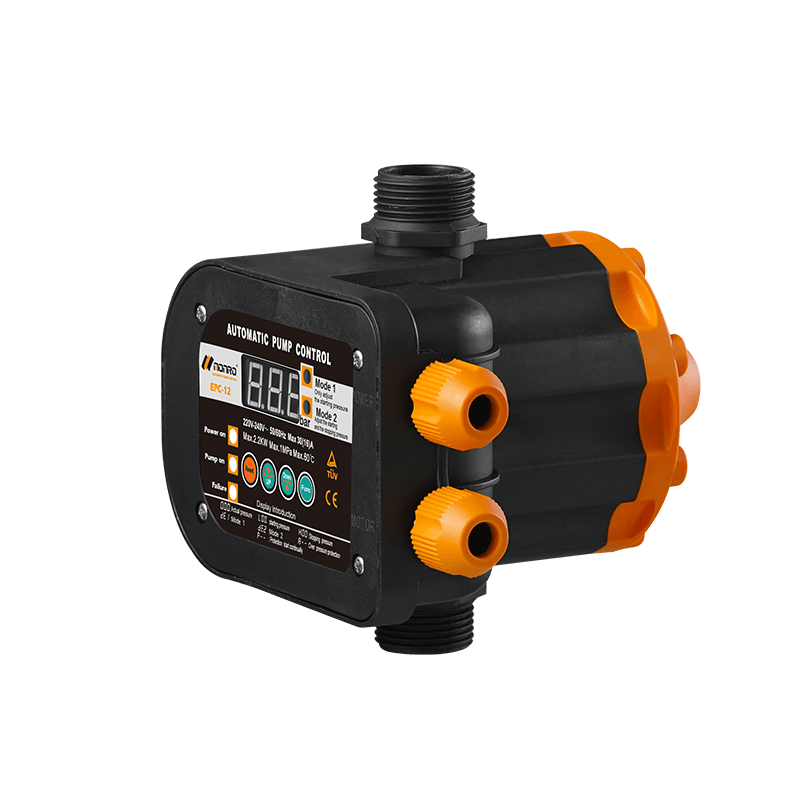 EPC-12
Monro EPC-12 smart top-level automatic pump control is a multi-function model combined with traditio...
-
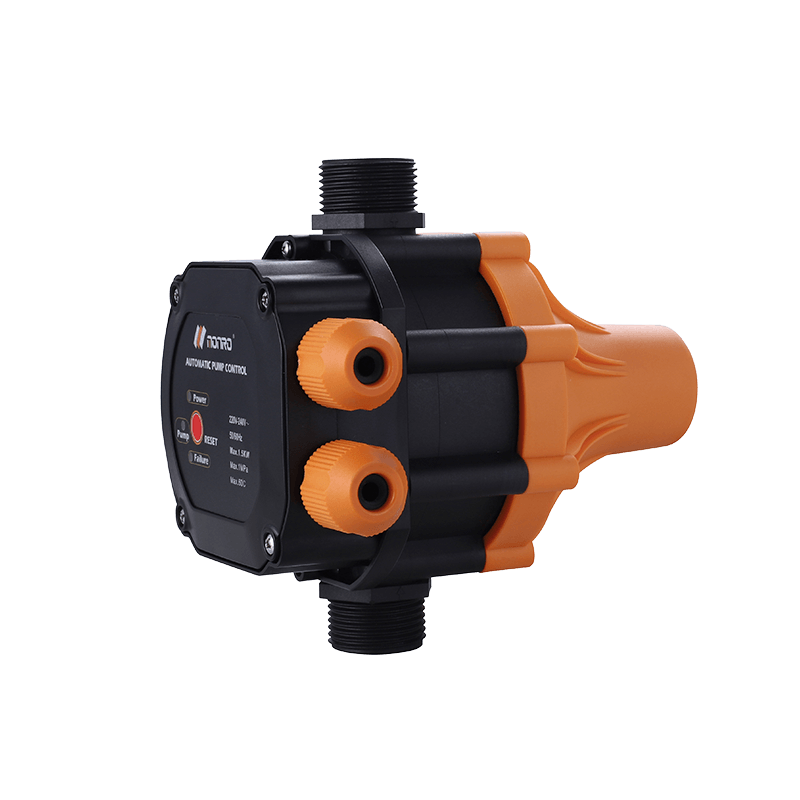 EPC-14
Monro EPC-14 model pressure control is a big power device for automatic control and protection of el...
-
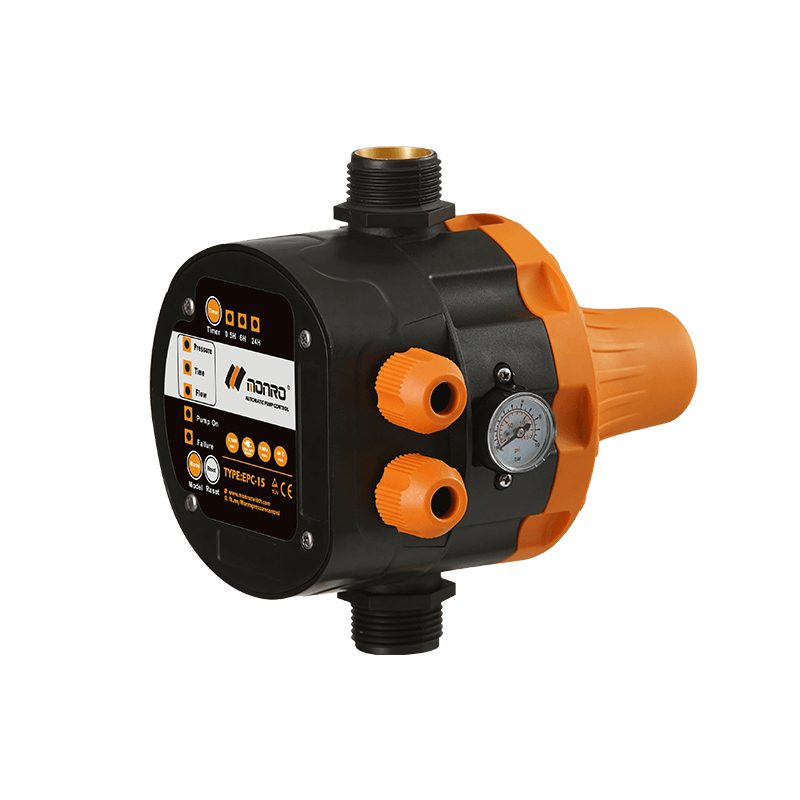 EPC-15
Monro EPC-15 model automatic pump control, a device which assembled on the water pump (recommended s...
-
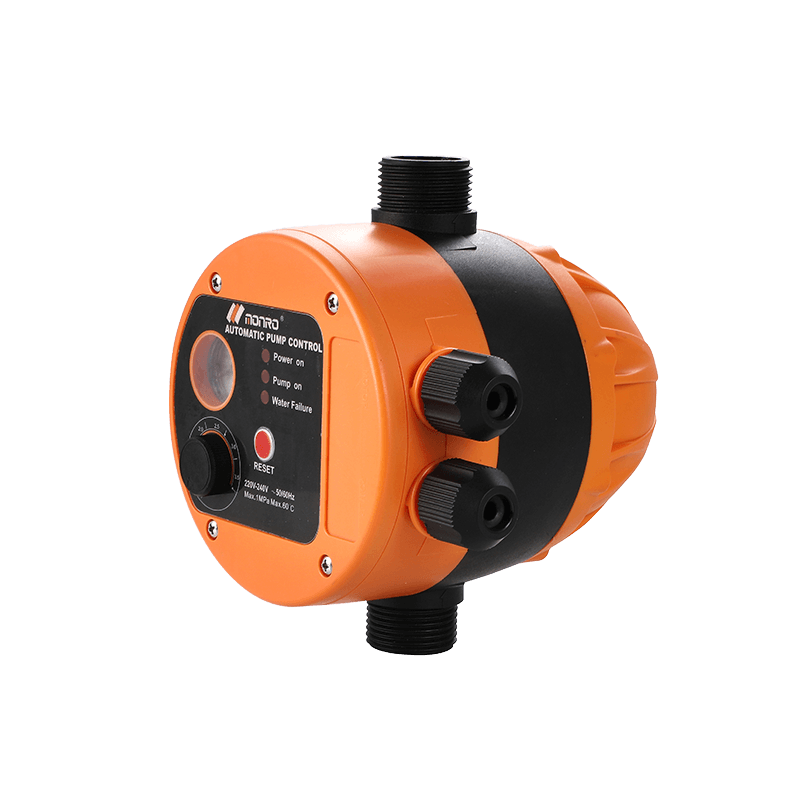 EPC-16
EPC-16 is the new patent pump controller by Monro. Its key highlight is tooless (manual knob) start...
contact us
find our office
find our office
Committed to providing professional pressure control solutions for various types of water pumps and air compressors.
Mobile
 Wechat
Copyright © 2024 Zhejiang Monro M&E Co., Ltd. All Rights Reserved.
Wholesale Pressure Control Switch Manufacturer
