

 简体中文
简体中文 English
 Español
Don't hesitate to send a message
Search
Recent Post
Newsletter
High Pressure Switch Water Pump: How It Improves Modern Water System Control
Water systems today are no longer simple push-and-flow setups. They have become more sensitive to usage patterns, building structures, and user expectations. In many homes, farms, and small industrial spaces, water needs change throughout the day. Sometimes demand is low. At other moments, several outlets may run at once.
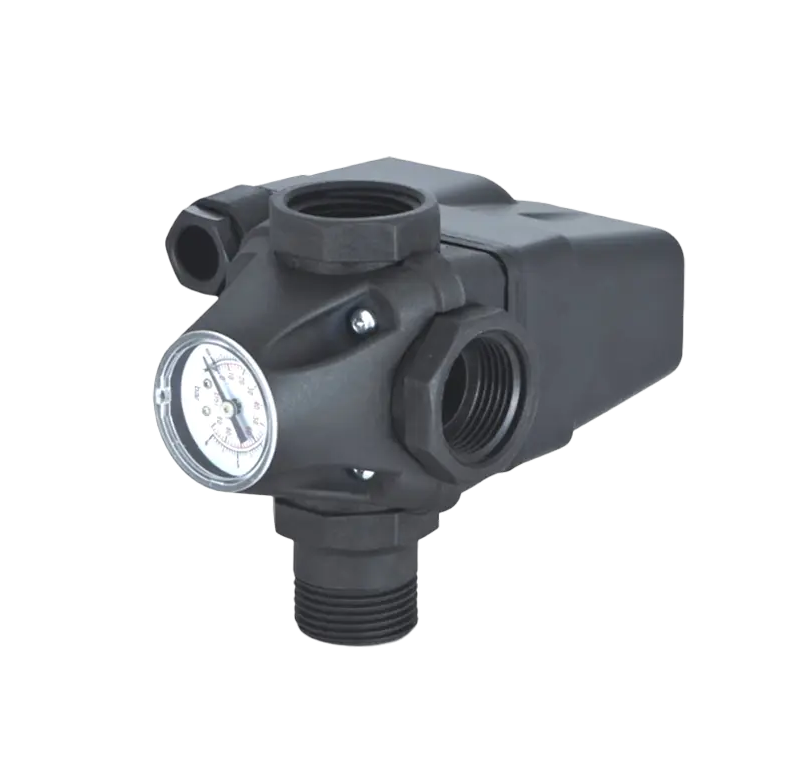
In this shifting environment, control becomes just as important as pumping power. A high pressure switch water pump is designed around this idea. It does not only move water. It reacts to pressure changes inside the system and adjusts operation based on that condition.
This approach changes how water systems behave in daily use. The system becomes more responsive. It also becomes more stable under changing demand.
Why Are Water Systems Moving Toward Automatic Pressure Control?
Old water systems mostly rely on manual switches or simple mechanical parts. They can get the job done under basic circumstances, yet they struggle with today's uneven water usage.
People use water in short, scattered bursts all day long. Kitchen sinks, showers, garden taps and laundry equipment all consume water at different times. If multiple outlets run together, pipeline pressure will plunge fast.
Such unstable pressure makes daily water use unpleasant. Water flow turns erratic, and any appliances hooked to the pipes cannot function as they should.
Systems with automatic pressure control fix most of these troubles. Pumps don't run nonstop or rely on human operation; they adjust based on real pipe pressure. The pump kicks in once pressure falls, and slows down when pressure bounces back to normal.
This setup maintains steady water flow and requires almost no manual adjustments from users.
What Is a High Pressure Switch Water Pump in Simple Terms?
This pump setup runs based on water pressure readings to turn on and off automatically.
A pressure switch fitted on the system keeps track of pipe pressure. It fires the pump up when pressure drops below your set limit. Once pressure climbs back to the target mark, the pump eases off or cuts out completely.
This constant pressure feedback lets the unit match real water usage. It doesn't run on a rigid fixed cycle, and adjusts its operation to meet actual demand.
This delivers much more flexible water flow control. The pump doesn't operate blindly; it always responds to live pressure levels within the water lines.
How Does Pressure Control Improve Everyday Water Use?
Water use in daily life is rarely constant. A shower may start and stop. A tap may be opened briefly. Multiple appliances may run together.
Without pressure control, these changes can cause fluctuations. Water flow may feel strong at one moment and weak at another.
A pressure switch system helps smooth this behavior. It adjusts pump activity based on system needs. When more water is used, pressure drops and the pump responds. When demand decreases, the system relaxes.
This creates a more stable feeling at the outlet. The user experience becomes more consistent, even when usage changes frequently.
It also reduces sudden interruptions. The system reacts quickly to pressure shifts instead of waiting for manual input.
Why Is Stability So Important in Modern Water Systems?
Stability in water flow is not only about comfort. It also affects connected equipment and overall system behavior.
Appliances that rely on steady water supply perform more reliably when pressure is consistent. Sudden changes can affect their operation. In some cases, repeated fluctuation can shorten their effective use cycle.
Pressure-controlled pumps help reduce this instability. By maintaining a balanced internal system, they reduce sharp changes in flow.
This stability also benefits pipelines. When pressure changes are controlled, stress on connections and fittings becomes more predictable.
Over time, this can contribute to a more steady system environment.
How Does Automatic Switching Change User Experience?
Pressure switch systems cut out most manual pump operation, which users notice right away.
Older pump setups require people to manually power the unit on and off based on water needs, adding extra chores to daily life.
Automatic systems handle all of this work on their own. The pump starts when water flows, and shuts down once taps stop running.
People barely need to pay attention to the water system anymore. Water supply stays consistent and readily accessible at all times.
This shift might seem minor at first glance, yet it delivers steady, hands-free convenience day after day.
What Challenges Exist in Non-Pressure-Based Systems?
Water systems without pressure control often show certain patterns over time:
- Uneven flow during peak usage
- Manual switching required for operation
- Delayed response when demand changes quickly
- Higher chance of system fatigue from continuous running
- Difficulty maintaining stable pressure across multiple outlets
These issues become more noticeable in larger or more active households and facilities.
They do not always cause system failure, but they affect comfort and consistency.
Pressure switch technology helps reduce these variations by linking operation directly to system conditions.
How Does Pressure-Based Control Support System Efficiency?
Efficiency for water systems isn't just about saving electricity. It also means avoiding pointless running and cutting waste.
Pumps with pressure switches don't have to operate nonstop. They only kick in when pressure drops, cutting down useless idle runtime.
The unit stays dormant during low water use. It fires up quickly the moment demand rises.
This creates a balanced operating cycle. The pump won't keep running for no reason, and its activity always matches real water consumption.
Fewer unnecessary start-stop cycles also slow wear on pump parts.
What Does a Modern Pressure-Controlled System Look Like?
A modern setup with a High Pressure Water Pump Switch typically includes a structured flow of interaction between pressure, pump, and outlet usage.
| System Element | Function in Operation | Result in Water Flow |
|---|---|---|
| Pressure monitoring | Tracks system pressure changes | Detects usage demand |
| Switching response | Activates pump when needed | Automatic system start/stop |
| Pump operation | Adjusts water flow | Stable delivery across outlets |
| Pipeline distribution | Moves water through system | Balanced flow at usage points |
| Feedback loop | Maintains pressure balance | Reduced fluctuation over time |
This structure allows the system to behave more like a responsive network rather than a fixed machine.
Each part influences the next, creating a continuous adjustment cycle.
How Does It Support Different Usage Scenarios?
Water demand is not the same across all environments.
In residential use, demand is spread across multiple small tasks. In agricultural or utility settings, usage may be more continuous or concentrated.
Pressure switch systems can adapt to both patterns. They respond to pressure changes rather than fixed schedules.
This allows the same system concept to be used in different environments without major redesign.
The flexibility comes from the feedback-based operation. The system reads conditions instead of following preset timing alone.
How Is System Maintenance Behavior Affected?
Maintenance is an important part of any water system. Stability in operation often leads to fewer unexpected issues.
When a pump runs only when needed, internal wear can become more controlled. The system avoids unnecessary continuous cycles.
Pressure regulation also reduces sudden stress changes inside the pipeline. This helps maintain a more stable operating environment.
Maintenance still exists, but the pattern of wear becomes more predictable.
This predictability helps in planning routine checks and system care.
Why Are Pressure Switch Systems Becoming More Common?
The growing use of pressure switch water pumps is connected to changes in daily water use patterns.
Living and working environments now depend on more flexible water access. Systems are expected to respond quickly without manual control.
Pressure-based systems match this expectation. They combine responsiveness with stability in a single structure.
They also reduce the need for constant user attention. Once installed, the system adapts to changing demand automatically.
As water systems continue to evolve, this type of control approach is becoming more integrated into modern setups.
OUR PRODUCTS
Recommended Products
-
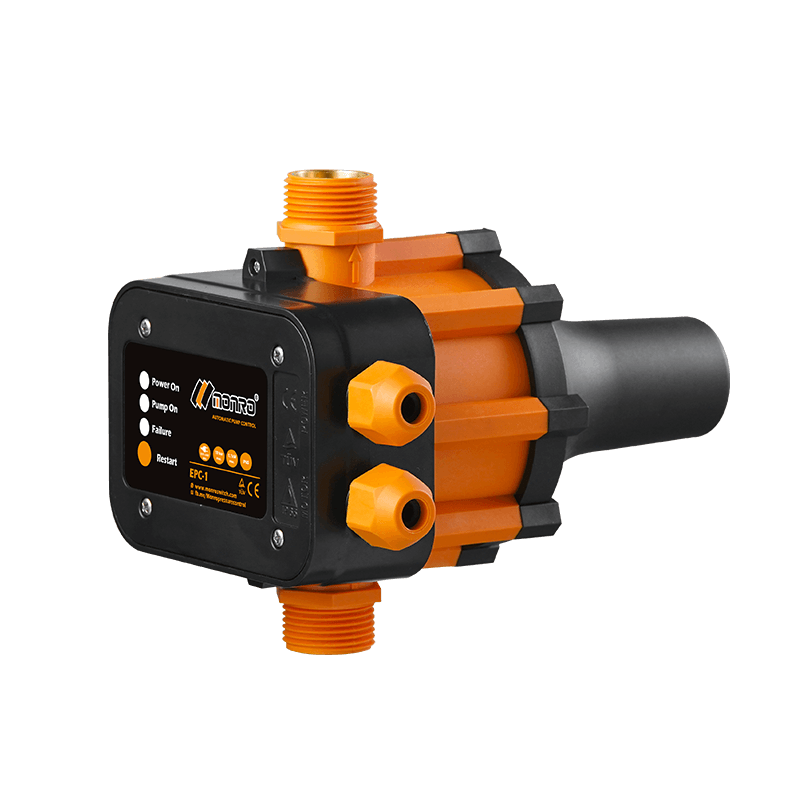 EPC-1
EPC-1Monro EPC-1 model pump controller is the classic and basic type, was loved by user in the global mar...
-
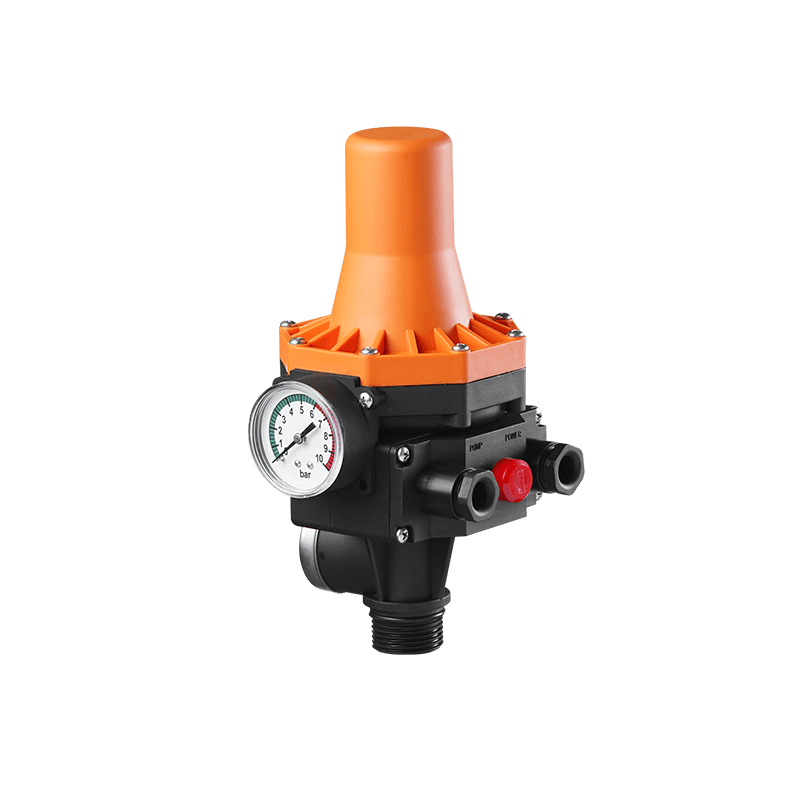 EPC-3
EPC-3Monro EPC-3 spain design auto on and off press control, an intelligent and economical system designe...
-
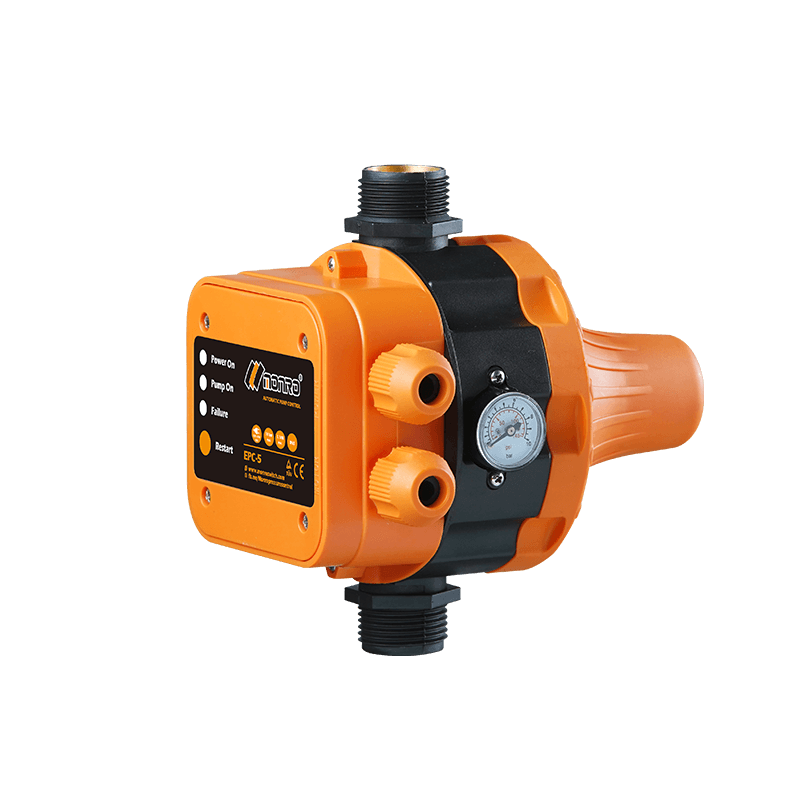 EPC-5
EPC-5Monro EPC-5 model automatic pump control, a device which assembled on the water pump (recommended si...
-
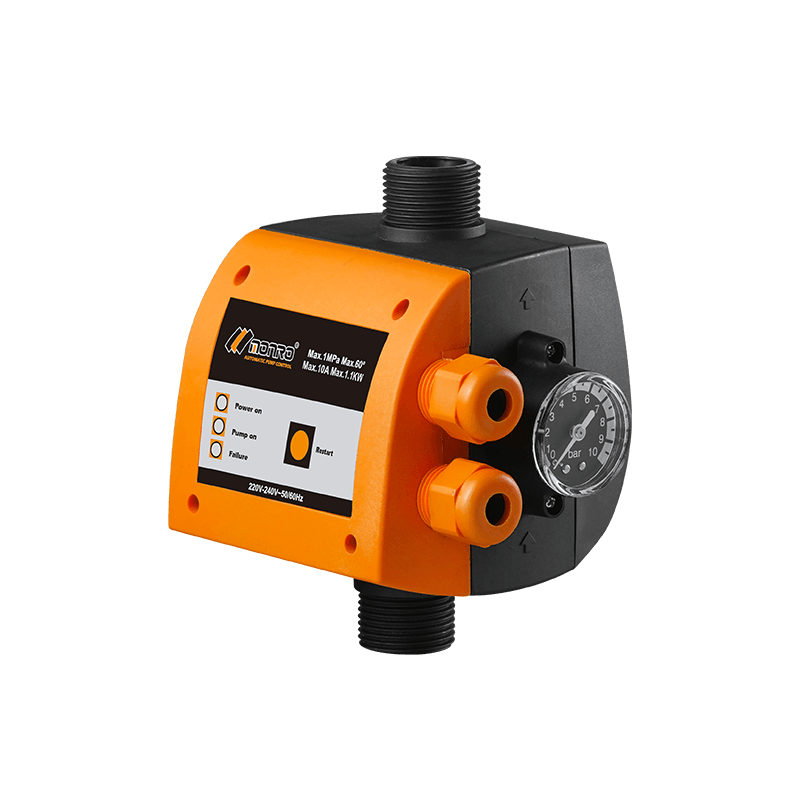 EPC-9
EPC-9Monro EPC-9 model pressure controller, is a big power device for automatic control and protection of...
-
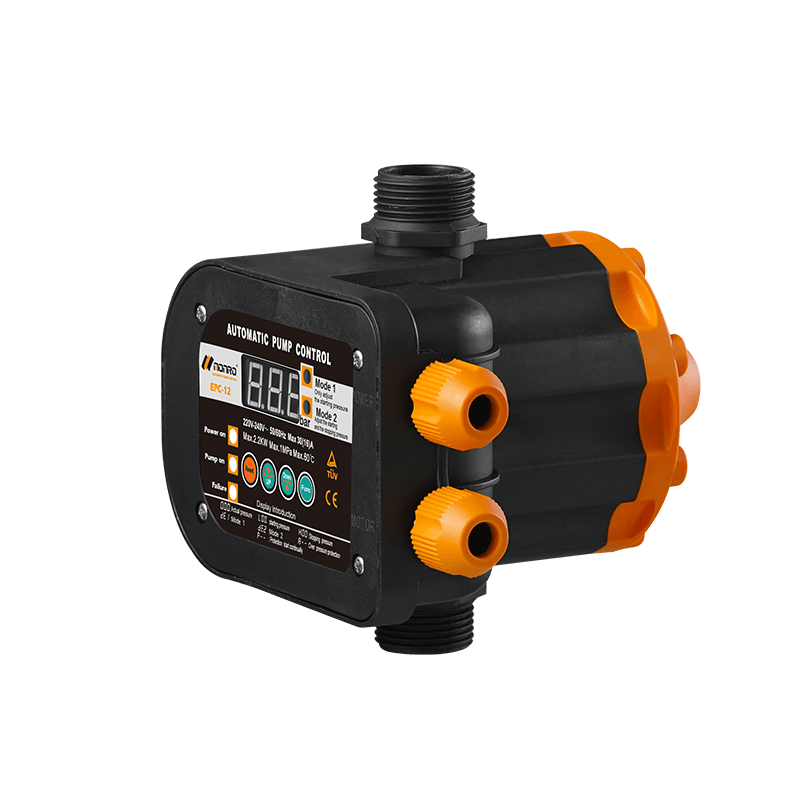 EPC-12
Monro EPC-12 smart top-level automatic pump control is a multi-function model combined with traditio...
-
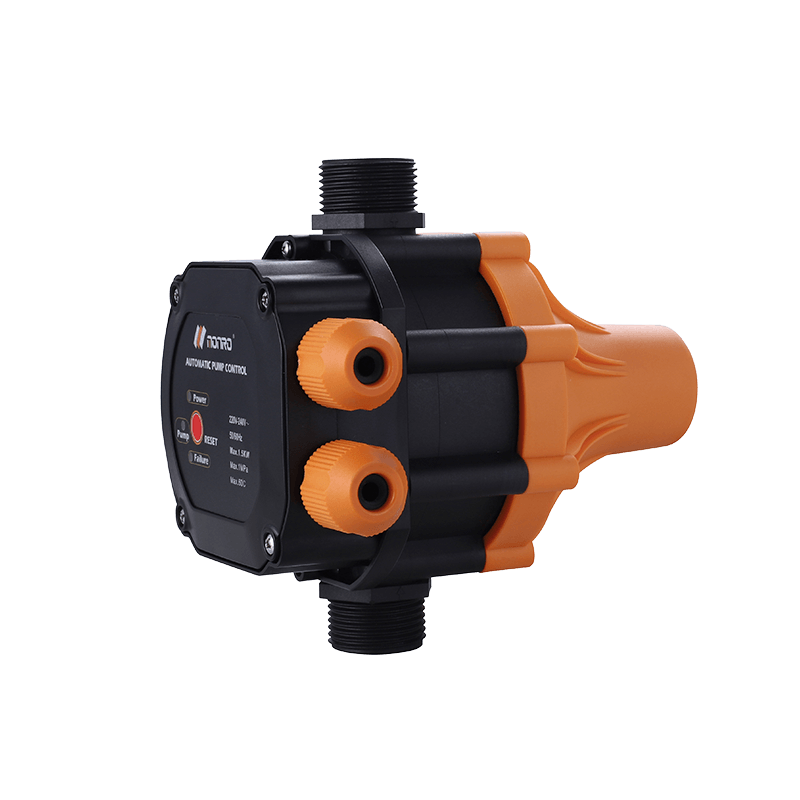 EPC-14
Monro EPC-14 model pressure control is a big power device for automatic control and protection of el...
-
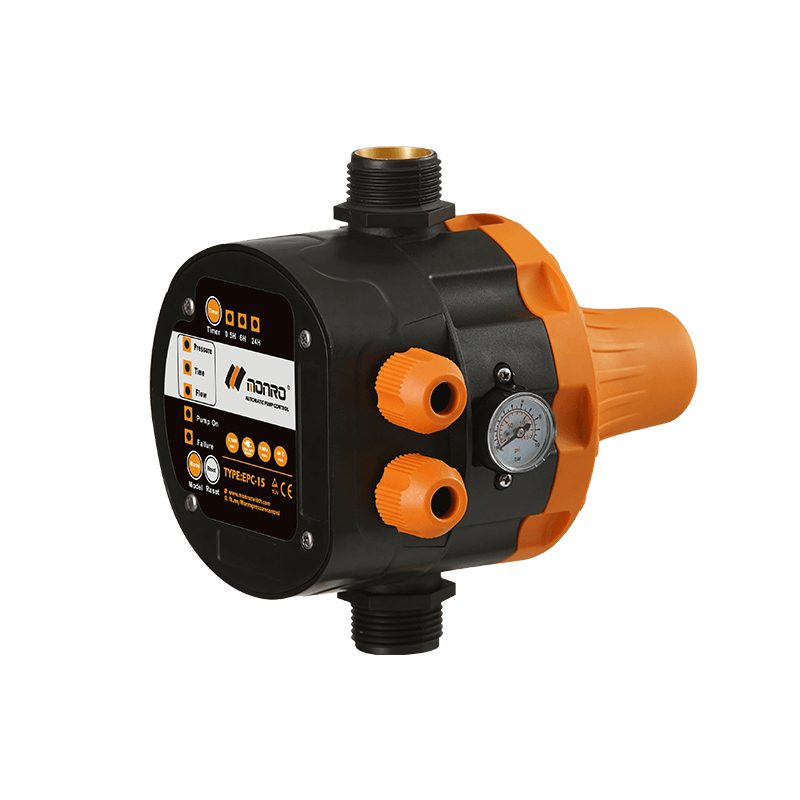 EPC-15
Monro EPC-15 model automatic pump control, a device which assembled on the water pump (recommended s...
-
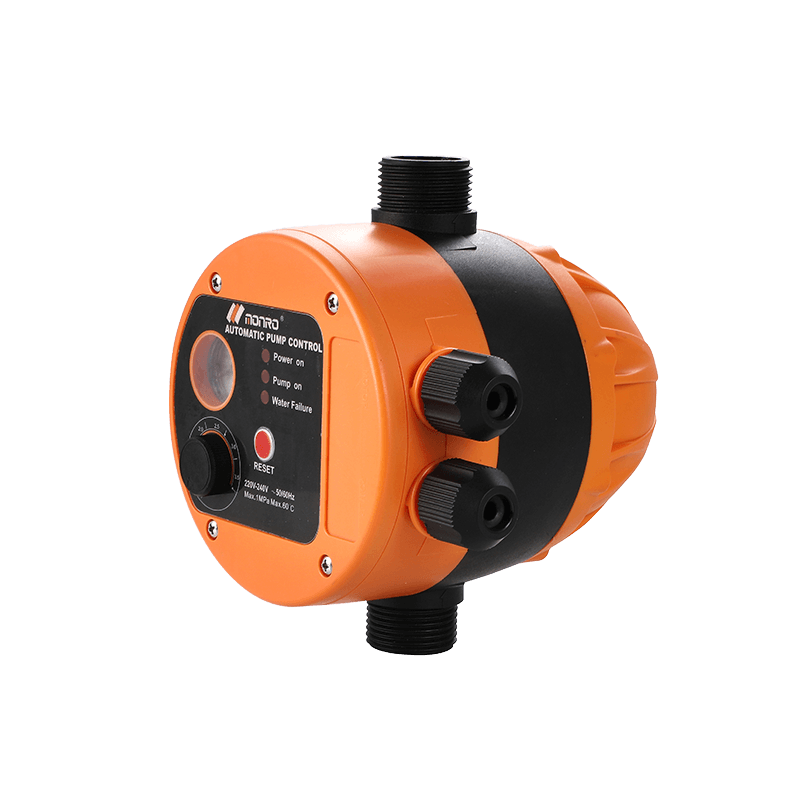 EPC-16
EPC-16 is the new patent pump controller by Monro. Its key highlight is tooless (manual knob) start...
contact us
find our office
find our office
Committed to providing professional pressure control solutions for various types of water pumps and air compressors.
Mobile
 Wechat
Copyright © 2024 Zhejiang Monro M&E Co., Ltd. All Rights Reserved.
Wholesale Pressure Control Switch Manufacturer
