

 简体中文
简体中文 English
 Español
Don't hesitate to send a message
Search
Recent Post
Newsletter
Optimizing Energy Efficiency in Pressure Switch Systems
Introduction to Pressure Switch Energy Efficiency
Energy efficiency is a crucial consideration for modern pumping systems, as it directly affects operational costs and sustainability. At a reputable Pressure Switch Factory, products are designed not only for reliability and accurate pressure control but also for reducing energy consumption. Optimizing the energy performance of pressure switch systems involves understanding how the device interacts with pumps, motors, and the overall hydraulic network. Efficient pressure switch operation ensures that pumps run only when necessary, reducing unnecessary electrical load and extending the lifespan of both the switch and associated equipment.
Selecting the Right Pressure Switch
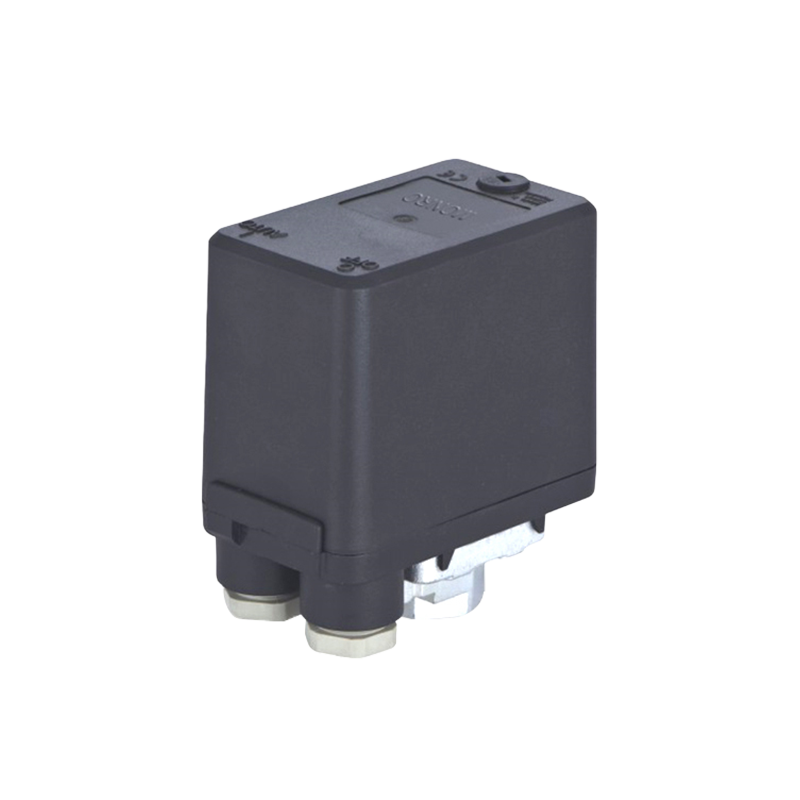
Choosing the appropriate pressure switch is the one step in energy optimization. The switch’s setpoint range should align closely with the system’s actual pressure requirements to prevent frequent cycling of the pump. Oversized or undersized switches can cause excessive pump starts and stops, causing higher energy consumption. In addition, selecting switches with precise calibration and low hysteresis reduces unnecessary motor operation. High-quality devices from a trusted Pressure Switch Factory often feature adjustable setpoints and digital calibration, allowing fine-tuning for efficiency.
Reducing Pump Cycling
Excessive pump cycling is a major contributor to energy waste. Each start-up consumes more power than continuous operation, and frequent cycling increases wear on both the pump and the pressure switch. Installing a pressure switch with proper deadband settings or integrating it with a pressure tank can reduce the number of starts and stops. By maintaining a stable pressure range, the system can meet demand with fewer pump cycles, causing measurable energy savings. Proper placement of the switch in relation to the pump and hydraulic network is also essential to ensure accurate response and reduced cycling.
Integrating Variable Frequency Drives
Variable frequency drives (VFDs) can significantly enhance energy efficiency when combined with pressure switches. VFDs adjust pump motor speed to match real-time demand, reducing energy consumption during periods of low flow. The pressure switch acts as a control point, signaling the VFD to modulate the pump output. This integration prevents unnecessary full-speed operation and reduces electrical peaks, resulting in smoother system performance and lower energy costs. Advanced pressure switches often include compatibility features for VFD integration, providing seamless communication and automated control.
System Maintenance for Efficiency
Regular maintenance is essential to sustain energy efficiency over time. Pressure switches should be periodically inspected and calibrated to ensure accurate operation. Pump systems require proper lubrication, alignment, and cleaning to avoid energy losses due to friction or blockages. Additionally, monitoring system pressure and flow can identify inefficiencies or leaks that increase electrical consumption. Implementing a scheduled maintenance program ensures that the energy-saving potential of the pressure switch system is fully realized.
Monitoring and Automation
Energy optimization is further enhanced by monitoring and automation technologies. Remote monitoring allows operators to track system performance, detect anomalies, and adjust settings without manual intervention. Automated pressure switch systems can adapt to changing demand patterns, reducing idle operation and unnecessary pump runs. Some advanced models provide data logging and predictive analytics, enabling proactive adjustments that reduce energy consumption and improve overall system efficiency.
Optimizing the energy efficiency and electricity consumption of pressure switch systems requires a combination of proper device selection, reduced pump cycling, VFD integration, routine maintenance, and intelligent monitoring. High-quality products from a reliable Pressure Switch Factory provide the precision, durability, and adaptability necessary for achieving these goals. By implementing these strategies, operators can lower operational costs, extend equipment lifespan, and ensure environmentally responsible operation, while maintaining consistent and reliable pressure control.
OUR PRODUCTS
Recommended Products
-
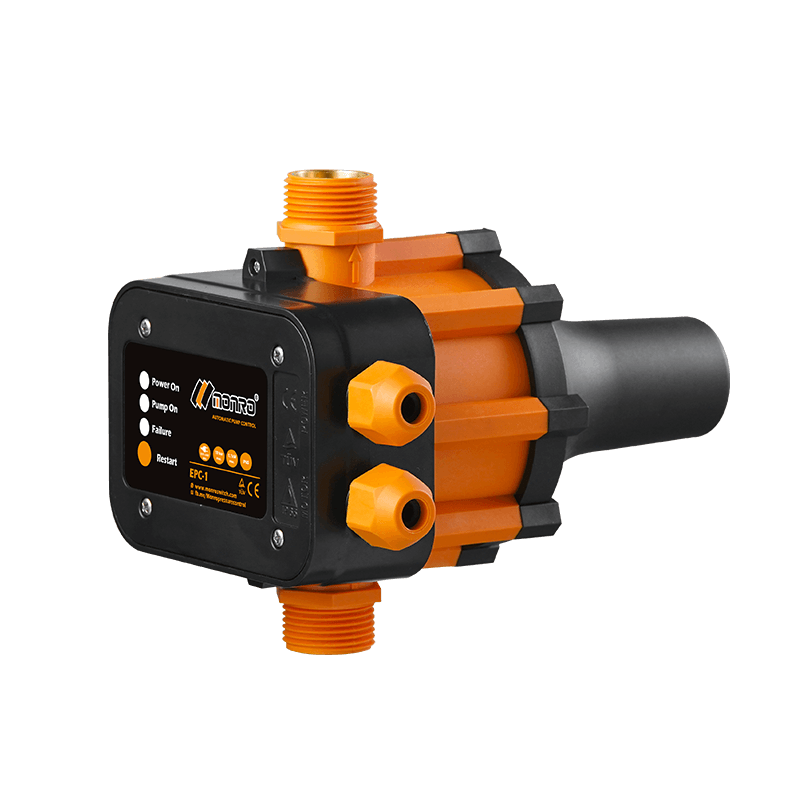 EPC-1
EPC-1Monro EPC-1 model pump controller is the classic and basic type, was loved by user in the global mar...
-
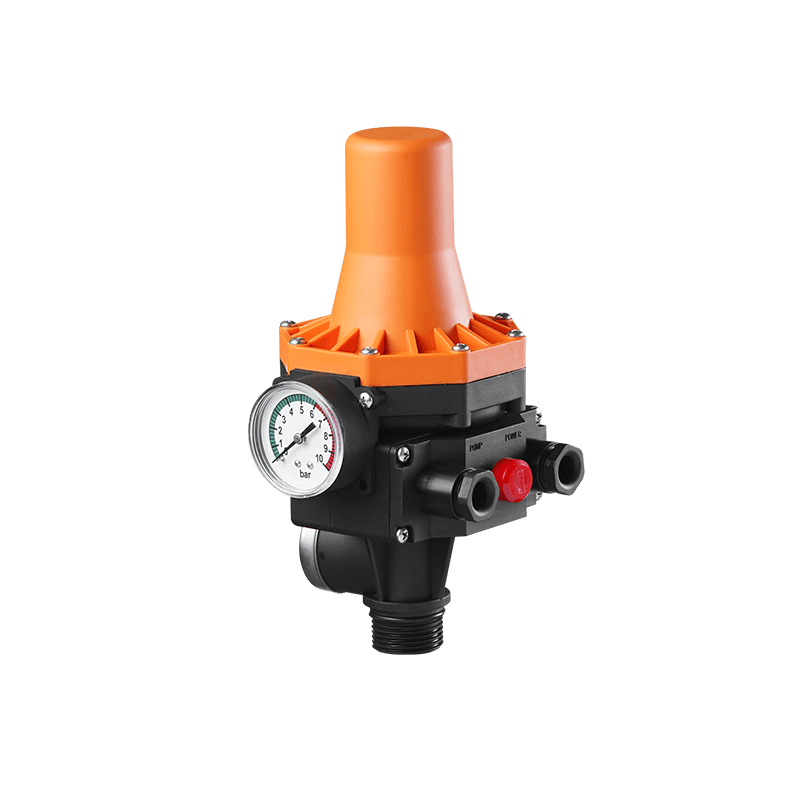 EPC-3
EPC-3Monro EPC-3 spain design auto on and off press control, an intelligent and economical system designe...
-
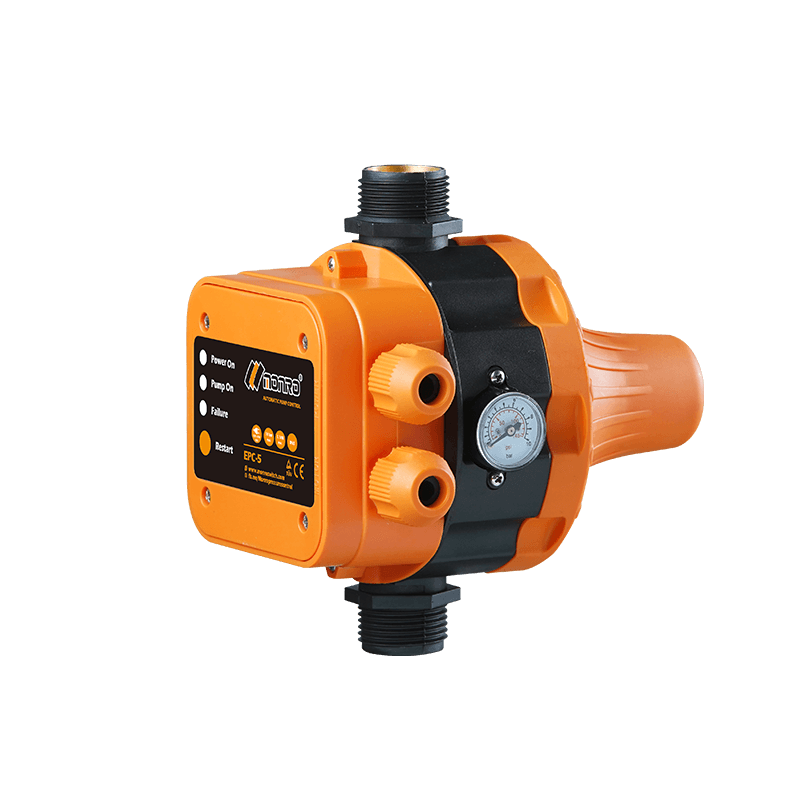 EPC-5
EPC-5Monro EPC-5 model automatic pump control, a device which assembled on the water pump (recommended si...
-
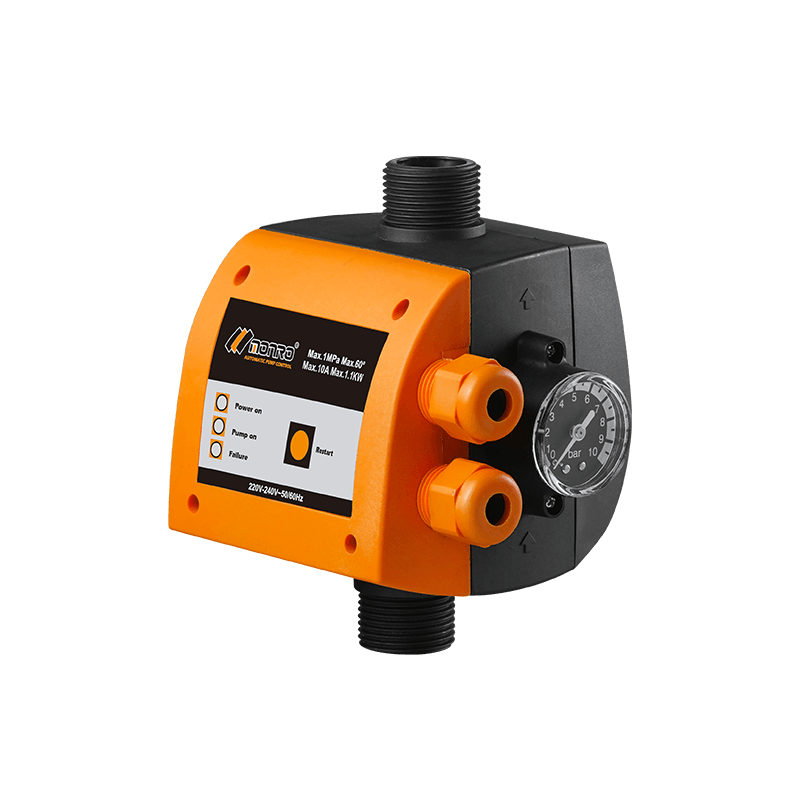 EPC-9
EPC-9Monro EPC-9 model pressure controller, is a big power device for automatic control and protection of...
-
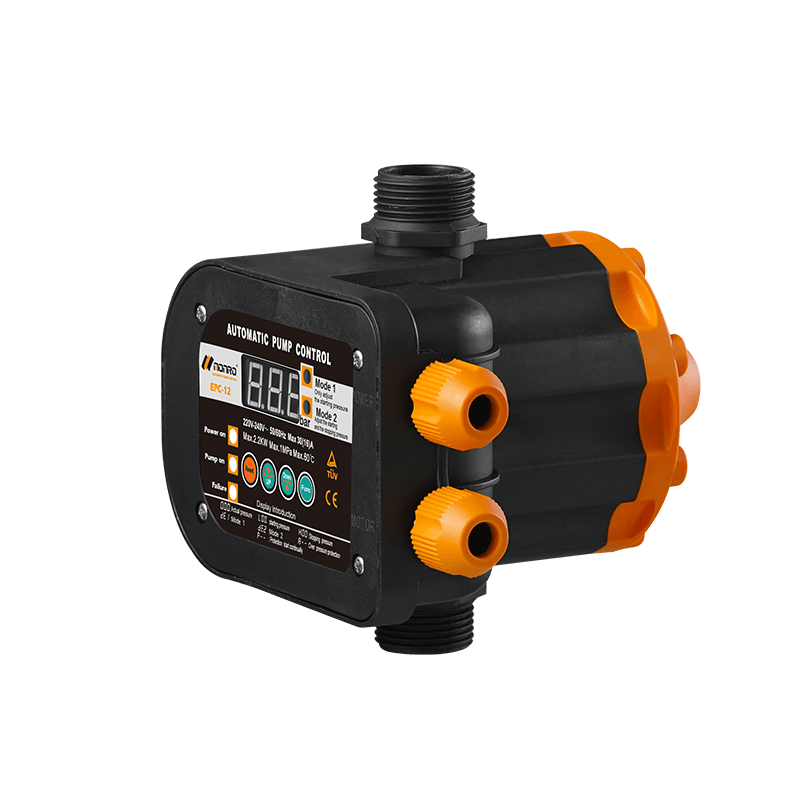 EPC-12
Monro EPC-12 smart top-level automatic pump control is a multi-function model combined with traditio...
-
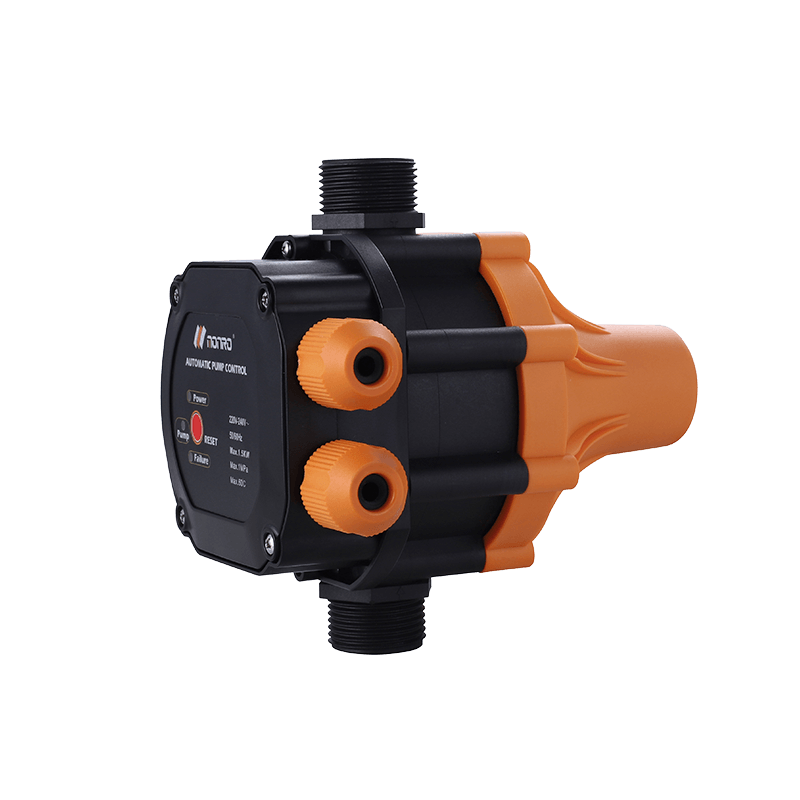 EPC-14
Monro EPC-14 model pressure control is a big power device for automatic control and protection of el...
-
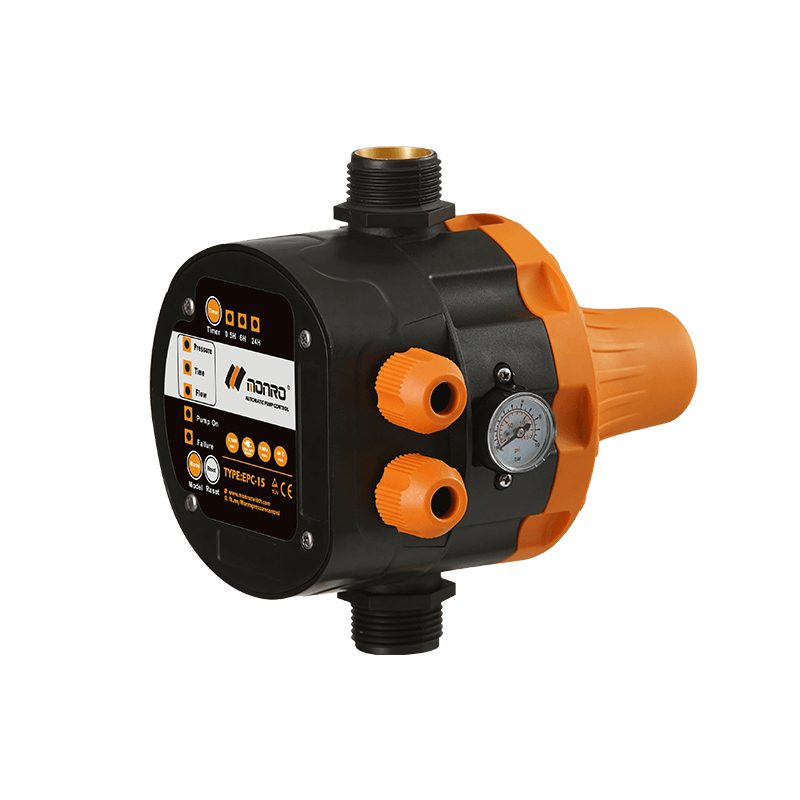 EPC-15
Monro EPC-15 model automatic pump control, a device which assembled on the water pump (recommended s...
-
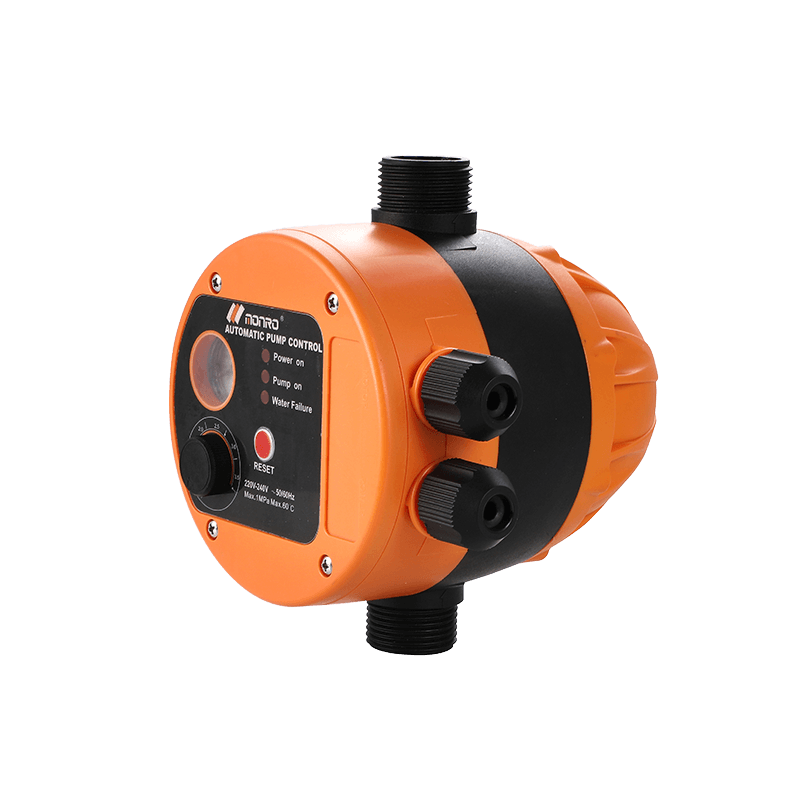 EPC-16
EPC-16 is the new patent pump controller by Monro. Its key highlight is tooless (manual knob) start...
contact us
find our office
find our office
Committed to providing professional pressure control solutions for various types of water pumps and air compressors.
Mobile
 Wechat
Copyright © 2024 Zhejiang Monro M&E Co., Ltd. All Rights Reserved.
Wholesale Pressure Control Switch Manufacturer
