

 简体中文
简体中文 English
 Español
Don't hesitate to send a message
Search
Recent Post
Newsletter
Choosing Pressure Control Systems for Various Water Conditions
Introduction to Pressure Control Selection
Selecting the right pressure control system is a critical decision for ensuring reliable pump operation and a consistent water supply. At a reputable Pressure Control Factory, systems are designed to accommodate a wide range of applications, but water quality remains a key factor in selecting the appropriate model. Differences in water characteristics, such as hardness, sediment content, and chemical composition, can significantly affect the performance and longevity of pressure control devices. Understanding how water quality interacts with system components allows users to make informed choices that reduce maintenance and improve operational efficiency.
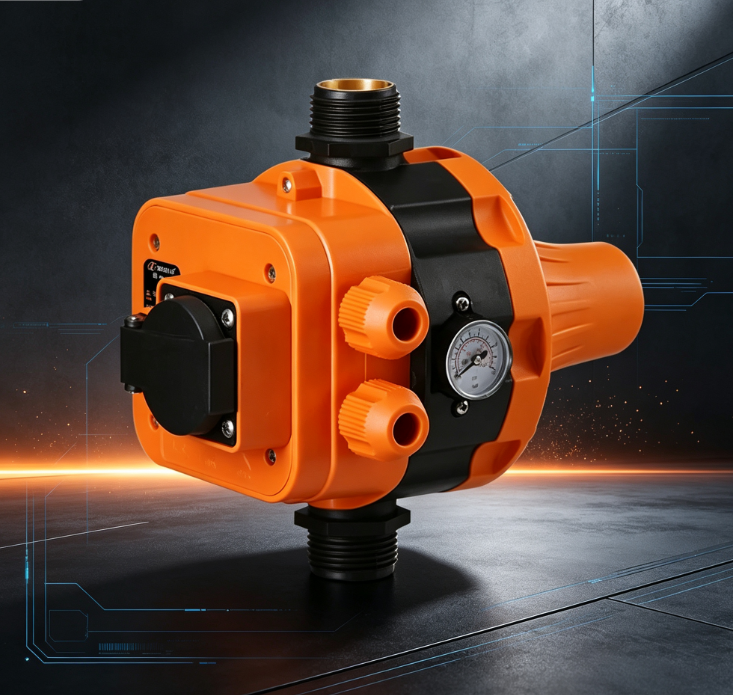
Impact of Hard Water on Pressure Controls
Hard water, which contains high levels of calcium and magnesium ions, can cause scale buildup within pumps, valves, and pressure sensors. Over time, this mineral accumulation may reduce sensor sensitivity, restrict flow, and increase wear on mechanical components. When selecting a pressure control system for hard water applications, it is important to choose models that feature corrosion-resistant materials and anti-scaling designs. Some systems incorporate replaceable or self-cleaning sensors to maintain accuracy even under high mineral concentrations. Proper installation, along with regular maintenance and water treatment, can further enhance system reliability in hard water conditions.
Considerations for Sediment-Laden Water
Water that contains suspended solids or sand poses a different set of challenges. Sediment can accumulate in valves, clog sensors, and erode pump components. For these conditions, pressure control systems with robust filtration mechanisms or protective housings are preferred. Systems designed for sediment-laden water often feature larger internal clearances and replaceable strainers to prevent clogging while maintaining accurate pressure regulation. When purchasing from a Pressure Control Factory, it is advisable to specify water quality parameters so that the appropriate protective features are included in the design.
Evaluating Corrosive or Chemically Aggressive Water
In certain applications, water may contain chemical contaminants, such as chlorides, acids, or high levels of dissolved oxygen, which can accelerate corrosion of metal components. Pressure control devices intended for chemically aggressive water should use materials like stainless steel, bronze, or high-grade polymers to resist chemical attack. Choosing a model with corrosion-resistant sensors and fittings ensures long-term reliability. Additionally, proper sealing and gasket materials can prevent leaks and maintain consistent pressure control even in challenging water environments.
Additional Selection Criteria
Beyond water quality, other factors must be considered when selecting a pressure control system. Flow rate, pump type, operating pressure range, and installation environment all influence the choice of device. Some systems are designed for integration with multiple pumps or variable-speed drives, while others are optimized for single-pump applications. Compatibility with existing piping and electrical systems also affects long-term performance and ease of maintenance. Consulting with experts at a Pressure Control Factory can help ensure that all relevant parameters, including water quality, are addressed before purchase.
Maintenance and Operational Tips
Even the best-selected pressure control system requires routine maintenance to ensure suitable performance. Regular inspection of sensors, cleaning of strainers, and periodic flushing of the system help prevent scale buildup and sediment accumulation. Water treatment measures, such as softening or filtration, can further protect the system and reduce downtime. Monitoring system performance and addressing minor issues early prevents costly repairs and extends the service life of both the pump and the pressure control device.
Choosing the right pressure control system for varying water conditions is essential for reliable and efficient pump operation. Hard water, sediment-laden water, and chemically aggressive water each present unique challenges that influence material selection, sensor design, and protective features. By understanding these factors and consulting with a trusted Pressure Control Factory, users can select a system that meets their specific water quality requirements. Proper selection, installation, and maintenance ensure consistent performance, reduced downtime, and long-term operational success.
OUR PRODUCTS
Recommended Products
-
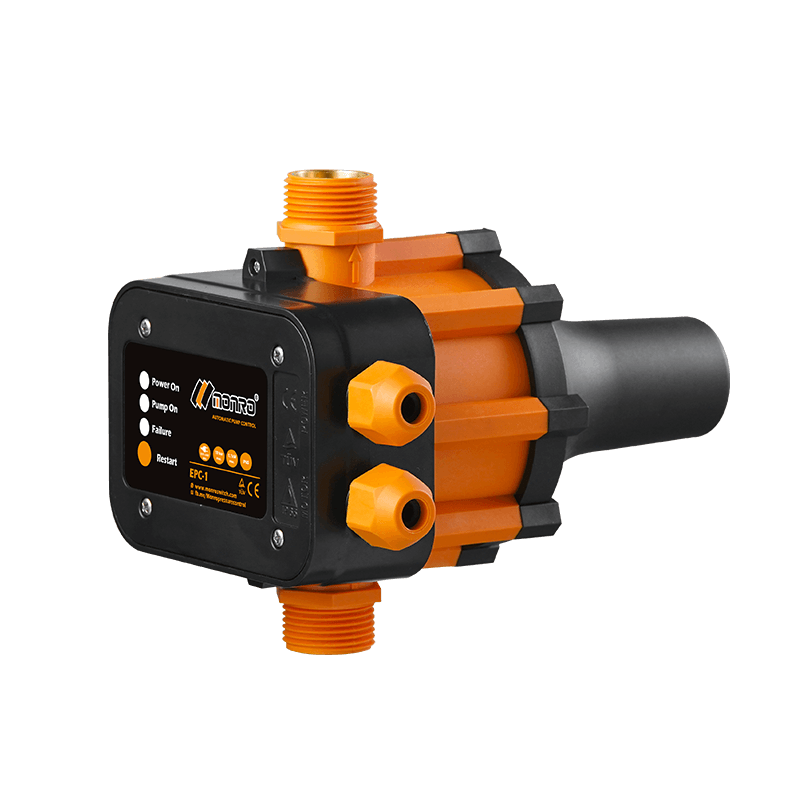 EPC-1
EPC-1Monro EPC-1 model pump controller is the classic and basic type, was loved by user in the global mar...
-
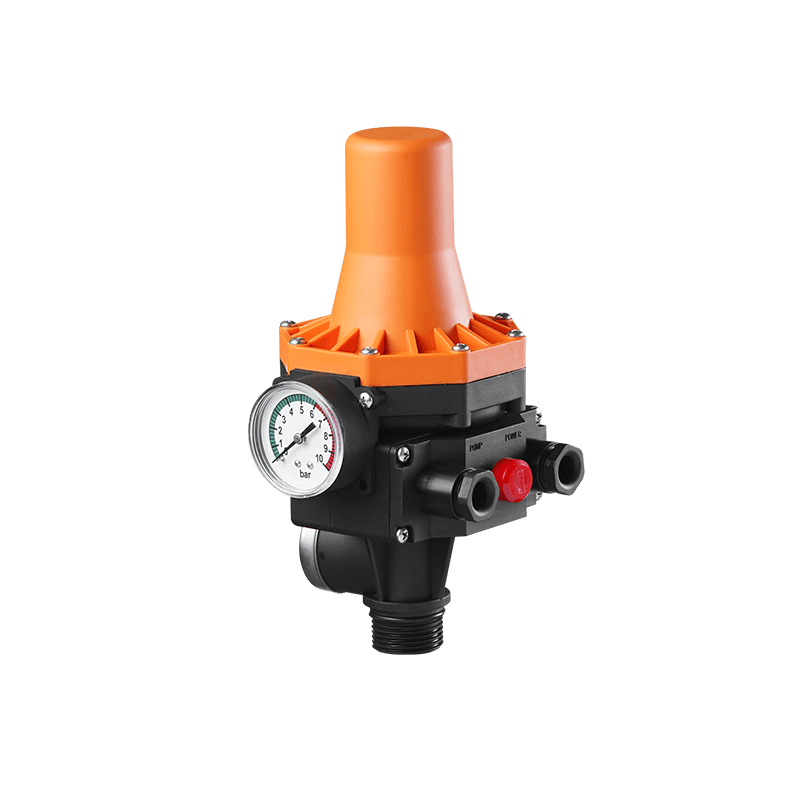 EPC-3
EPC-3Monro EPC-3 spain design auto on and off press control, an intelligent and economical system designe...
-
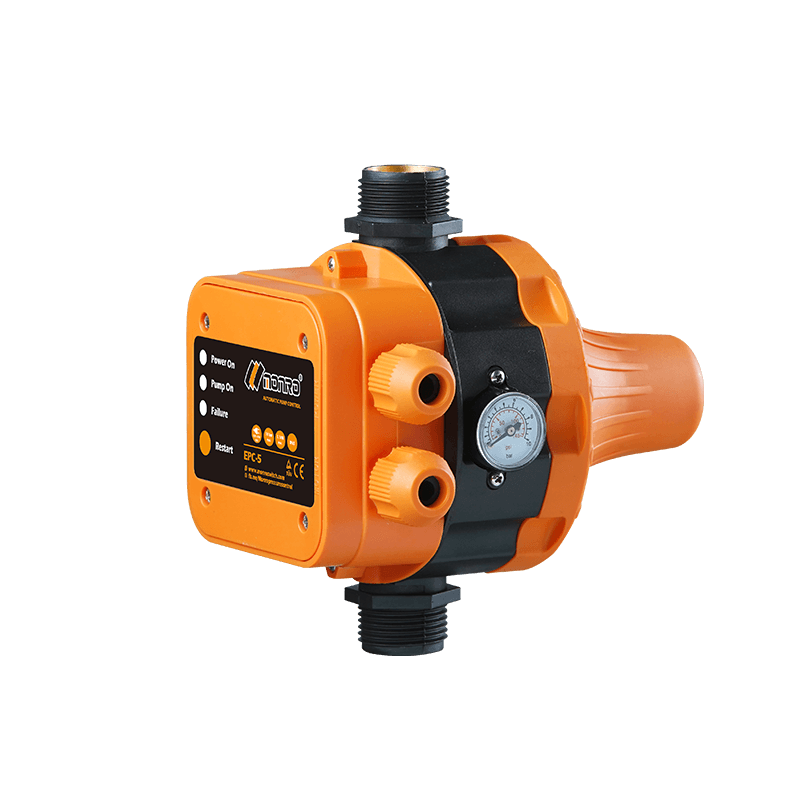 EPC-5
EPC-5Monro EPC-5 model automatic pump control, a device which assembled on the water pump (recommended si...
-
EPC-9
Monro EPC-9 model pressure controller, is a big power device for automatic control and protection of...
-
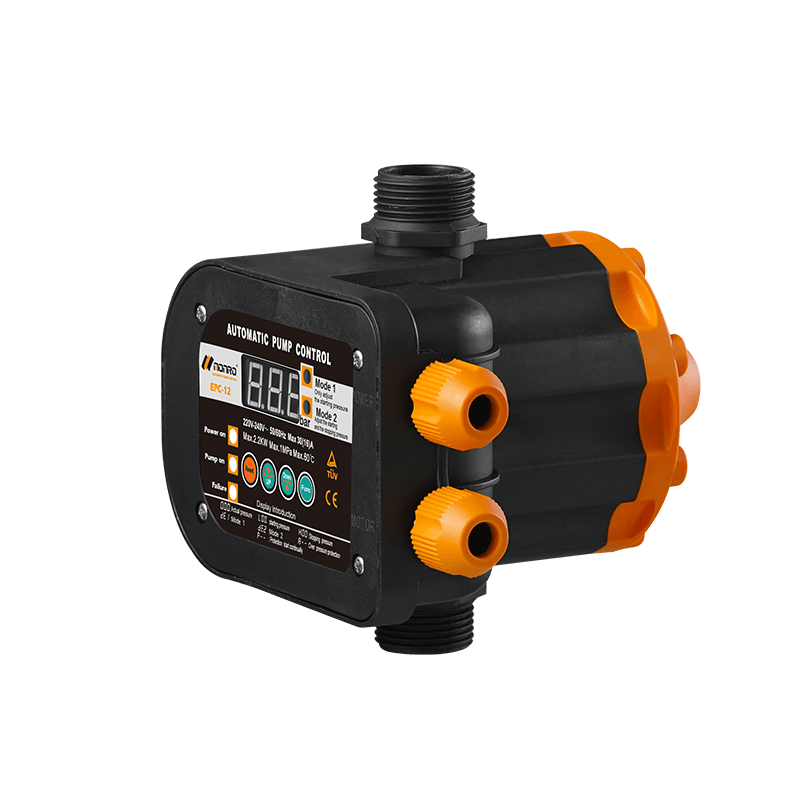 EPC-12
Monro EPC-12 smart top-level automatic pump control is a multi-function model combined with traditio...
-
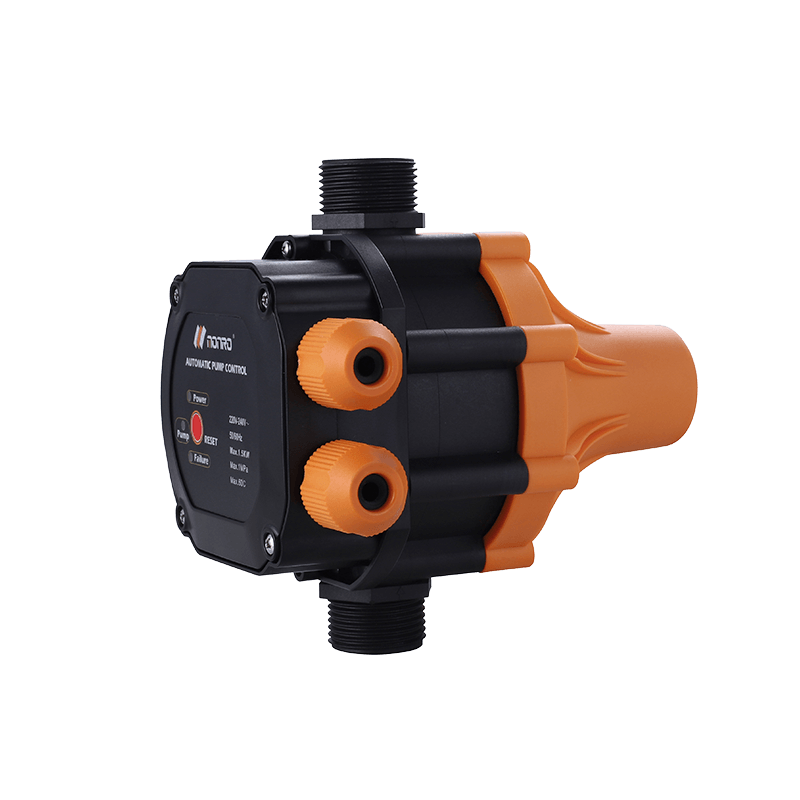 EPC-14
Monro EPC-14 model pressure control is a big power device for automatic control and protection of el...
-
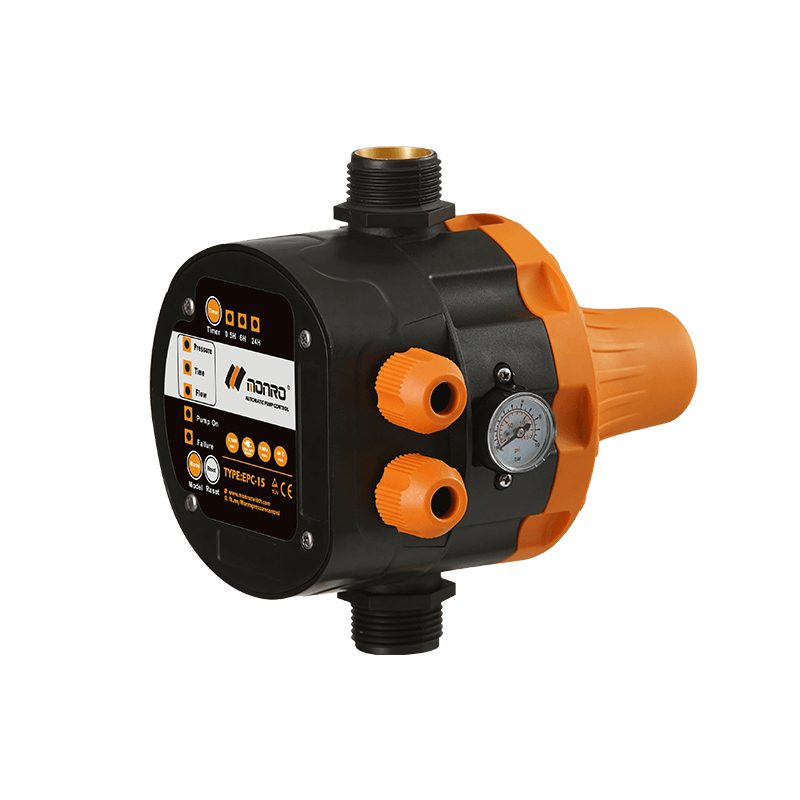 EPC-15
Monro EPC-15 model automatic pump control, a device which assembled on the water pump (recommended s...
-
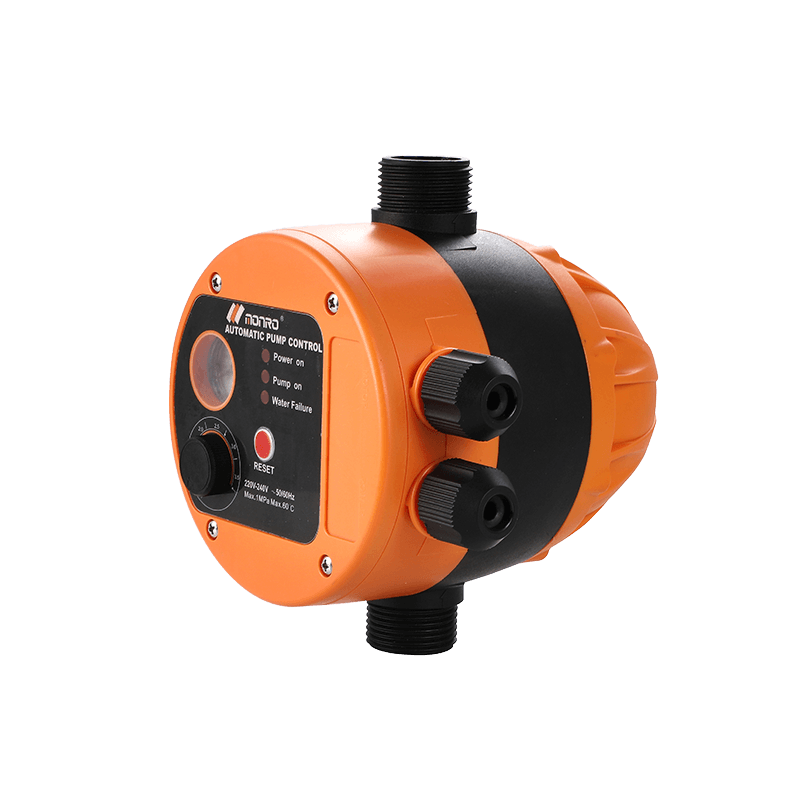 EPC-16
EPC-16 is the new patent pump controller by Monro. Its key highlight is tooless (manual knob) start...
contact us
find our office
find our office
Committed to providing professional pressure control solutions for various types of water pumps and air compressors.
Mobile
 Wechat
Copyright © 2024 Zhejiang Monro M&E Co., Ltd. All Rights Reserved.
Wholesale Pressure Control Switch Manufacturer
