

 简体中文
简体中文 English
 Español
Don't hesitate to send a message
Search
Recent Post
Newsletter
Proper Wiring Techniques for Automatic Pump Control
Introduction to Pump Control Wiring
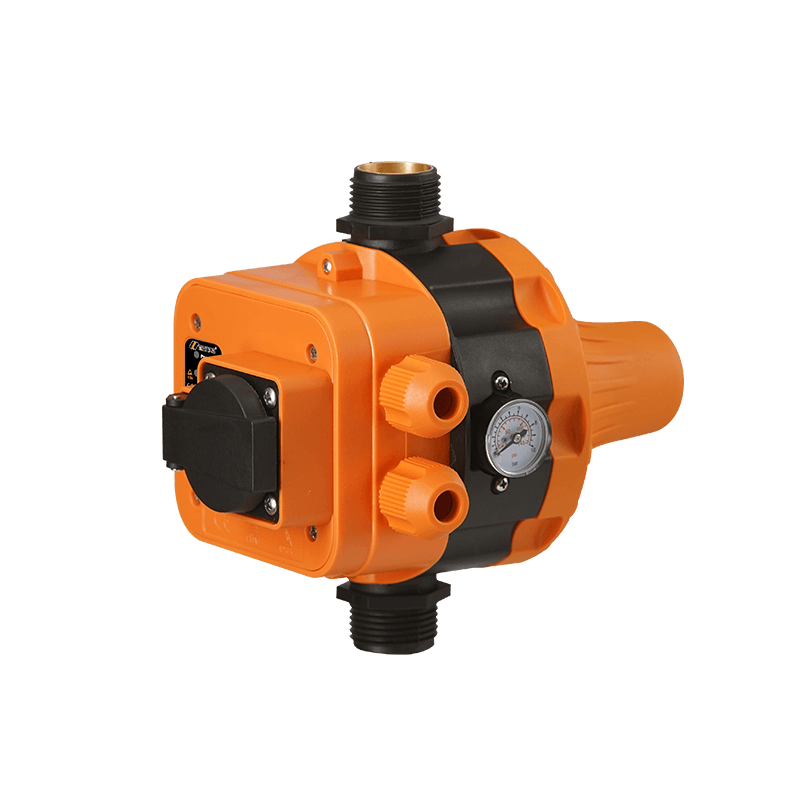
Installation Automatic Pump Control is a critical aspect of modern water management systems, ensuring that pumps operate efficiently and safely. One of the important factors affecting system reliability is the proper wiring between the pump and its control unit. Correct wiring not only guarantees suitable performance but also prevents potential electrical hazards and equipment damage. Understanding the key principles of wiring, including wire selection, routing, grounding, and signal connections, is essential for both professional installers and maintenance personnel.
Selecting Appropriate Wiring Materials
The choice of wiring materials plays a fundamental role in the overall success of an automatic pump control installation. Wires must have sufficient current-carrying capacity to handle the pump’s electrical load without overheating. Conductors are usually copper due to their good conductivity and durability. Insulation type should match the environmental conditions, with options such as PVC for general use or XLPE for areas exposed to higher temperatures or moisture. The diameter of the wire should be chosen based on the pump’s voltage and current requirements, following manufacturer guidelines and local electrical codes.
Routing and Organization of Wires
Proper routing of wiring between the pump and control unit is essential to reduce interference and mechanical stress. Wires should be organized in conduit or cable trays to protect them from physical damage and environmental factors. Routing should avoid sharp bends, heat sources, and areas where water or chemicals may accumulate. Maintaining separation between power and signal cables reduces the risk of electromagnetic interference, which can cause inaccurate readings or unexpected pump behavior. Labeling wires clearly at both ends also simplifies troubleshooting and future maintenance.
Connections to the Pump and Controller
The interface between the pump and the control unit requires secure and precise connections. Power wires should be connected according to the pump’s voltage rating, ensuring correct phase and neutral alignment for three-phase or single-phase systems. Signal wires for sensors, such as pressure switches or flow meters, should be terminated in accordance with the controller’s specifications to maintain accurate monitoring and automation. All connections should be tightened properly and protected with terminals, lugs, or waterproof connectors as needed to prevent loosening or corrosion.
Grounding and Safety Measures
Grounding is a critical safety measure that protects both the equipment and personnel. The pump frame and control panel should be connected to a reliable earth ground using appropriately sized copper conductors. Grounding reduces the risk of electrical shock, limits transient voltage spikes, and helps ensure stable operation of the control system. Additionally, installation practices should include circuit breakers or fuses to prevent overcurrent damage and isolating switches for safe maintenance.
Testing and Verification
After completing the wiring, thorough testing is essential before full operation. Continuity tests ensure that all conductors are properly connected, while insulation resistance tests verify the integrity of the wire insulation. Once powered on, control signals and safety interlocks should be verified to confirm that the pump responds correctly to the automatic control commands. Proper testing reduces the risk of operational failures and extends the lifespan of both the pump and the control system.
Correct wiring between a pump and its automatic control unit is a cornerstone of safe and efficient system operation. By selecting suitable materials, organizing and protecting wiring routes, ensuring secure connections, and implementing proper grounding, installers can prevent electrical hazards and improve system reliability. Following practices in wiring not only optimizes the performance of the pump but also supports long-term maintenance and troubleshooting. A well-executed Installation Automatic Pump Control setup ensures that water systems operate smoothly, safely, and efficiently.
OUR PRODUCTS
Recommended Products
-
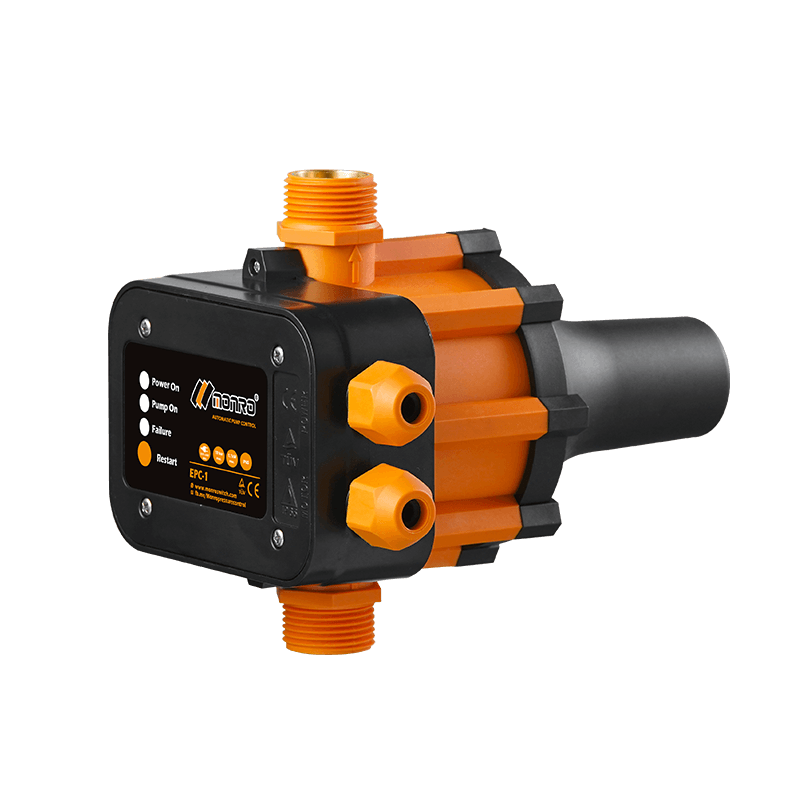 EPC-1
EPC-1Monro EPC-1 model pump controller is the classic and basic type, was loved by user in the global mar...
-
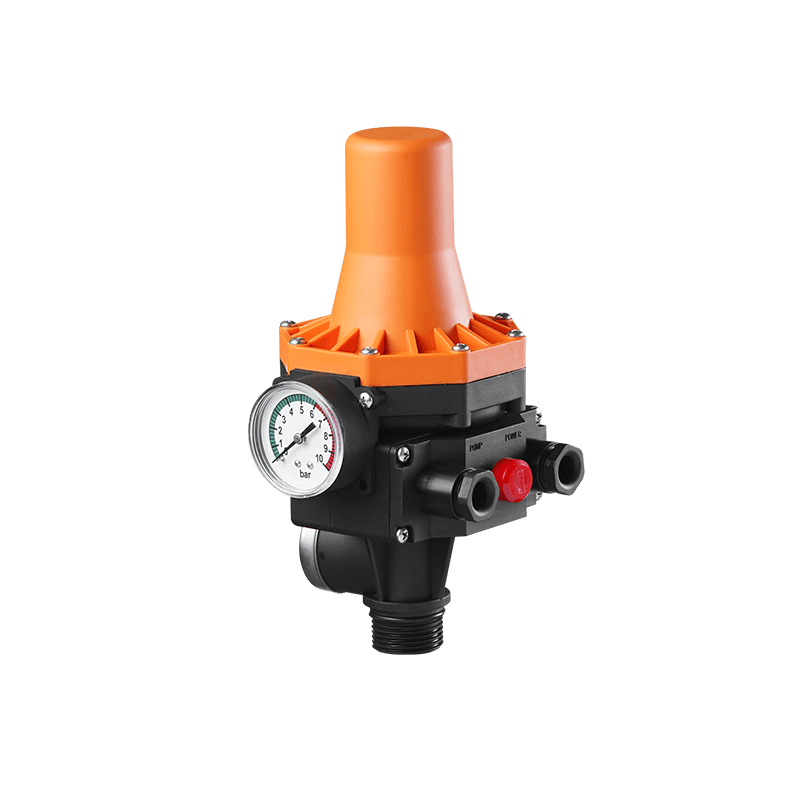 EPC-3
EPC-3Monro EPC-3 spain design auto on and off press control, an intelligent and economical system designe...
-
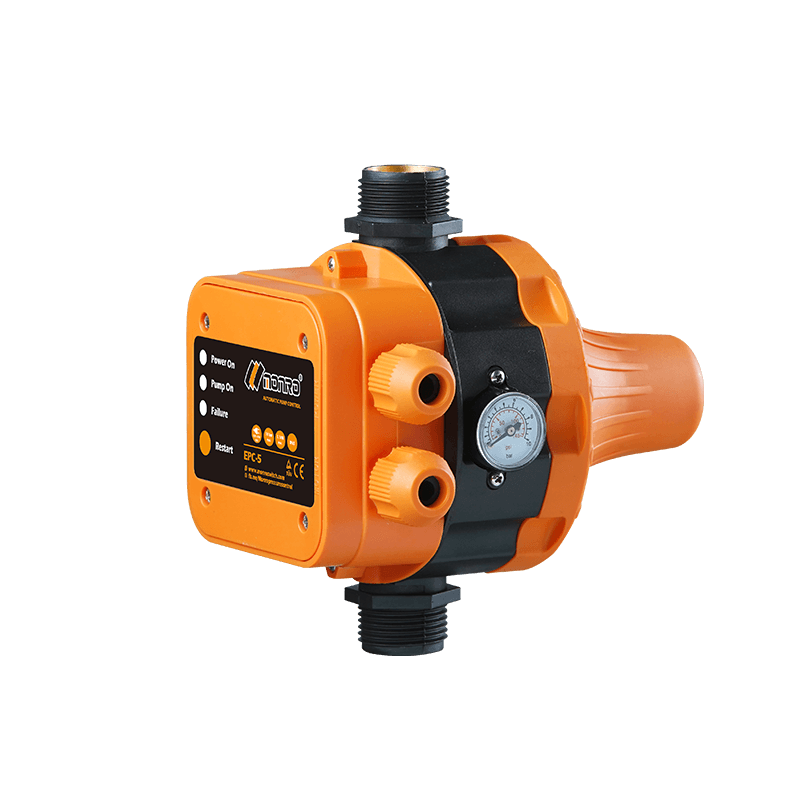 EPC-5
EPC-5Monro EPC-5 model automatic pump control, a device which assembled on the water pump (recommended si...
-
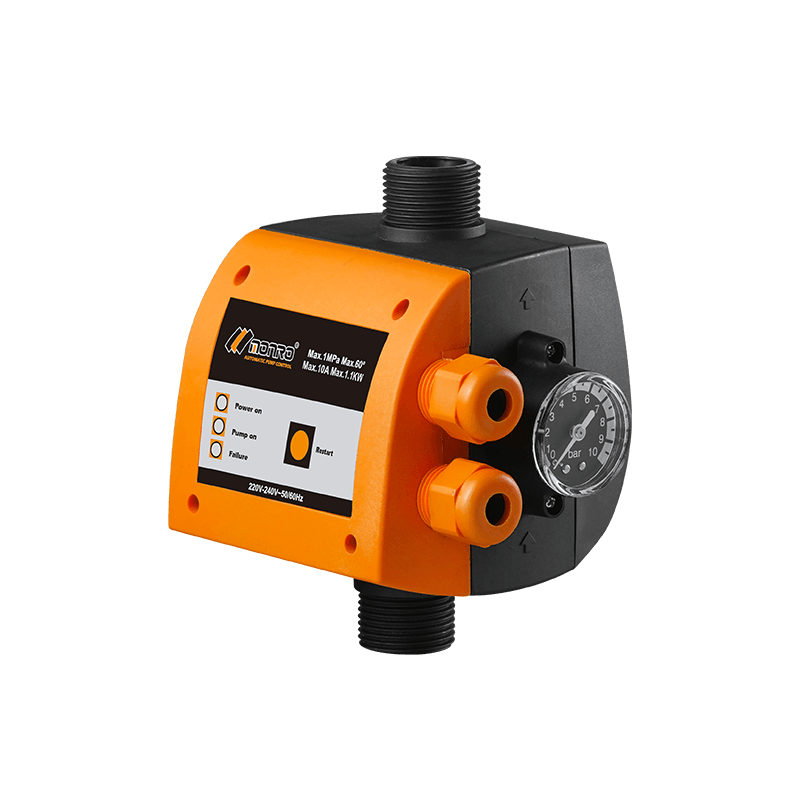 EPC-9
EPC-9Monro EPC-9 model pressure controller, is a big power device for automatic control and protection of...
-
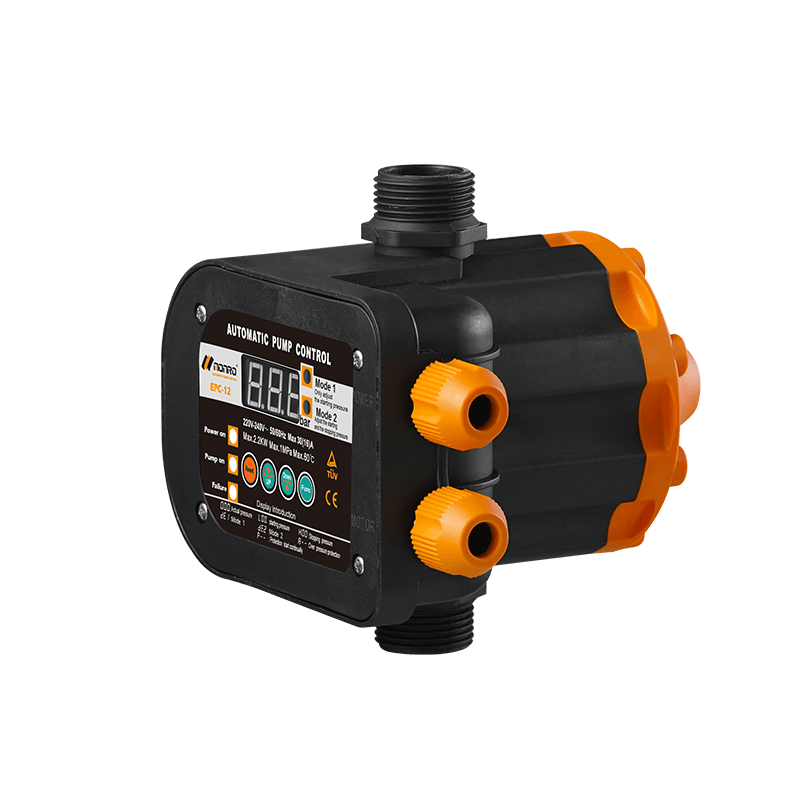 EPC-12
Monro EPC-12 smart top-level automatic pump control is a multi-function model combined with traditio...
-
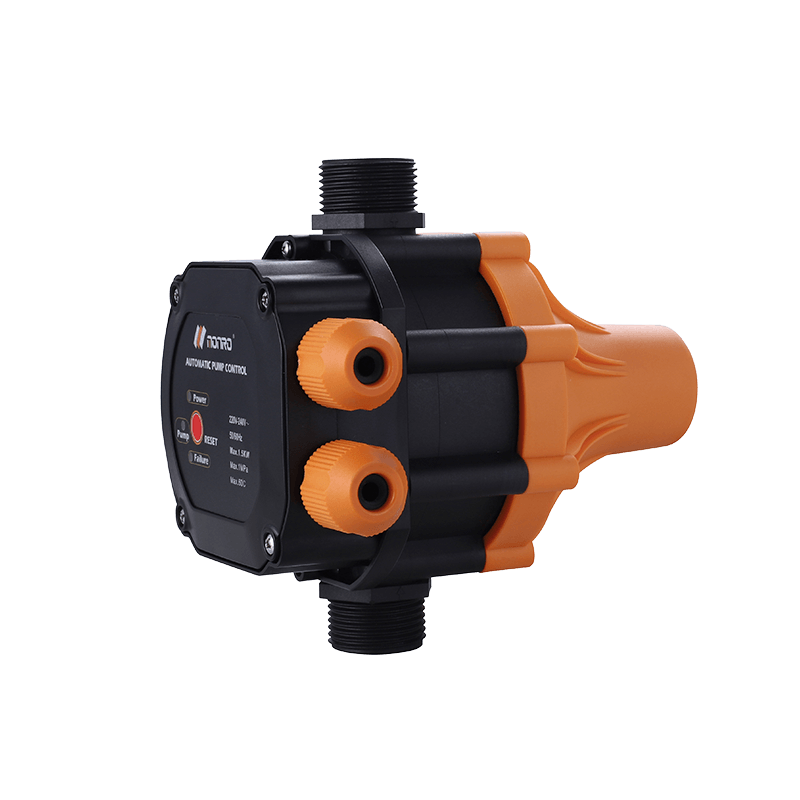 EPC-14
Monro EPC-14 model pressure control is a big power device for automatic control and protection of el...
-
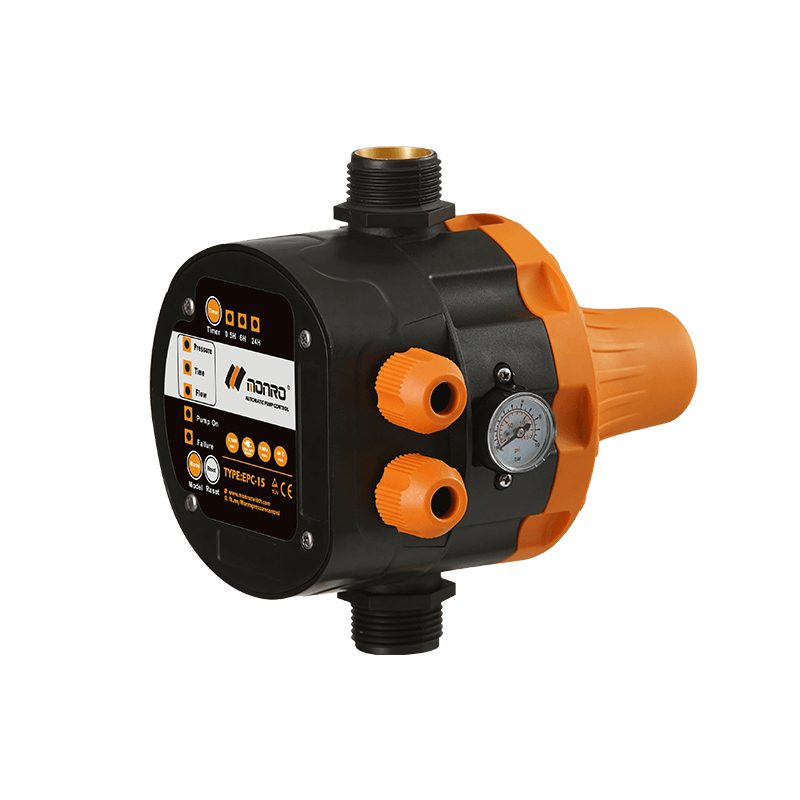 EPC-15
Monro EPC-15 model automatic pump control, a device which assembled on the water pump (recommended s...
-
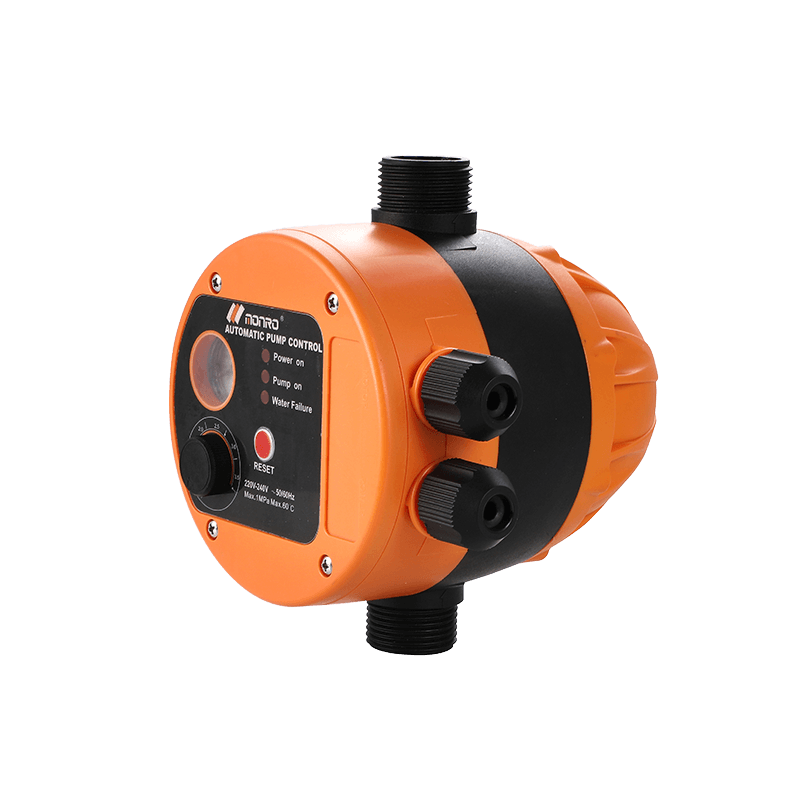 EPC-16
EPC-16 is the new patent pump controller by Monro. Its key highlight is tooless (manual knob) start...
contact us
find our office
find our office
Committed to providing professional pressure control solutions for various types of water pumps and air compressors.
Mobile
 Wechat
Copyright © 2024 Zhejiang Monro M&E Co., Ltd. All Rights Reserved.
Wholesale Pressure Control Switch Manufacturer
