

 简体中文
简体中文 English
 Español
Don't hesitate to send a message
Search
Recent Post
Newsletter
Reliability of Pressure Control Systems in Harsh Environments
Introduction to Pressure Control Factory Operations
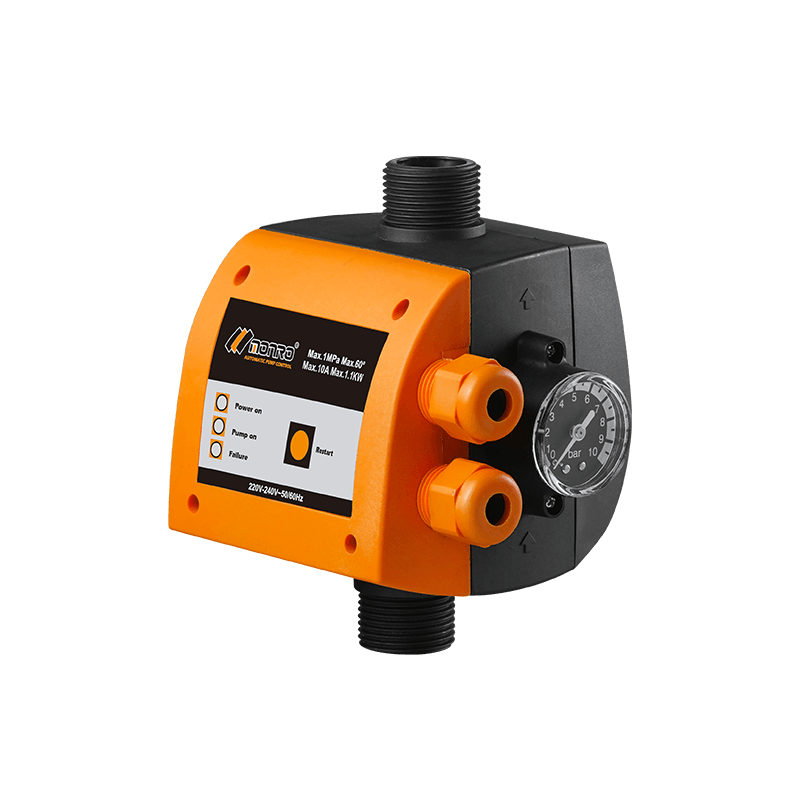
Pressure control systems are critical in industrial processes, ensuring safe and stable operation of pipelines, vessels, and equipment. The reliability of these systems is particularly important in challenging environments such as high temperatures, high humidity, or exposure to corrosive media. A Pressure Control Factory must design, manufacture, and test its products to withstand such conditions, guaranteeing consistent performance, operational safety, and long service life under diverse operational scenarios.
High-Temperature Environment Challenges
High-temperature conditions can significantly impact the materials and components used in pressure control devices. Elevated temperatures may cause expansion of mechanical parts, degradation of seals, or changes in fluid viscosity, affecting the accuracy and responsiveness of the system. A Pressure Control Factory addresses these challenges by selecting high-temperature-resistant materials such as stainless steel, high-grade alloys, and heat-resistant elastomers for seals and diaphragms. Temperature-compensated sensors and precision-engineered components help maintain accuracy and stability even under prolonged exposure to heat.
High-Humidity Environment Considerations
High humidity poses a risk of condensation and corrosion, which can compromise electrical components, sensors, and control circuits within a pressure control system. Moisture ingress may cause short circuits, signal errors, or mechanical corrosion, reducing system reliability. To address this, products from a Pressure Control Factory often include protective enclosures, conformal coatings for electronic circuits, and corrosion-resistant materials for metal components. Proper sealing, desiccants, and ventilation mechanisms help maintain reliable operation in humid or tropical climates.
Corrosive Media Exposure
Exposure to corrosive chemicals, acids, or aggressive fluids can deteriorate pressure sensors, valves, and housing materials. Corrosion not only affects the structural integrity of the device but also impacts measurement accuracy and response time. Pressure Control Factories mitigate this risk by selecting chemically resistant materials such as PTFE, Hastelloy, or specialized stainless steels, and applying surface treatments or coatings to protect sensitive components. Careful material selection and rigorous testing ensure that the system can operate reliably in environments with corrosive gases, liquids, or vapors.
Design and Testing for Reliability
Reliability under harsh conditions requires comprehensive design and rigorous testing. Pressure control systems are subjected to environmental simulations, including thermal cycling, salt spray tests, humidity exposure, and chemical immersion, to verify durability and performance. Factory calibration ensures that sensors and controllers maintain accuracy under variable conditions. Redundant safety features, such as fail-safe valves and overpressure protection, further enhance operational security and reliability.
Maintenance and Operational Advantages
Pressure control devices engineered for bad environments reduce the need for frequent maintenance, reducing downtime and operational costs. High reliability ensures consistent process control, even in challenging conditions, protecting both equipment and personnel. Systems that can tolerate high temperatures, high humidity, or corrosive media are particularly valuable in chemical plants, power stations, and industrial manufacturing facilities, where operational continuity is essential.
Pressure Control Factory products designed for harsh environments demonstrate enhanced reliability through careful material selection, protective design, and rigorous testing. By addressing the challenges posed by high temperatures, high humidity, and corrosive media, these systems maintain accuracy, safety, and durability. Such robust pressure control solutions are vital for industrial operations, ensuring stable process performance, reducing maintenance requirements, and providing long-term operational confidence in demanding conditions.
OUR PRODUCTS
Recommended Products
-
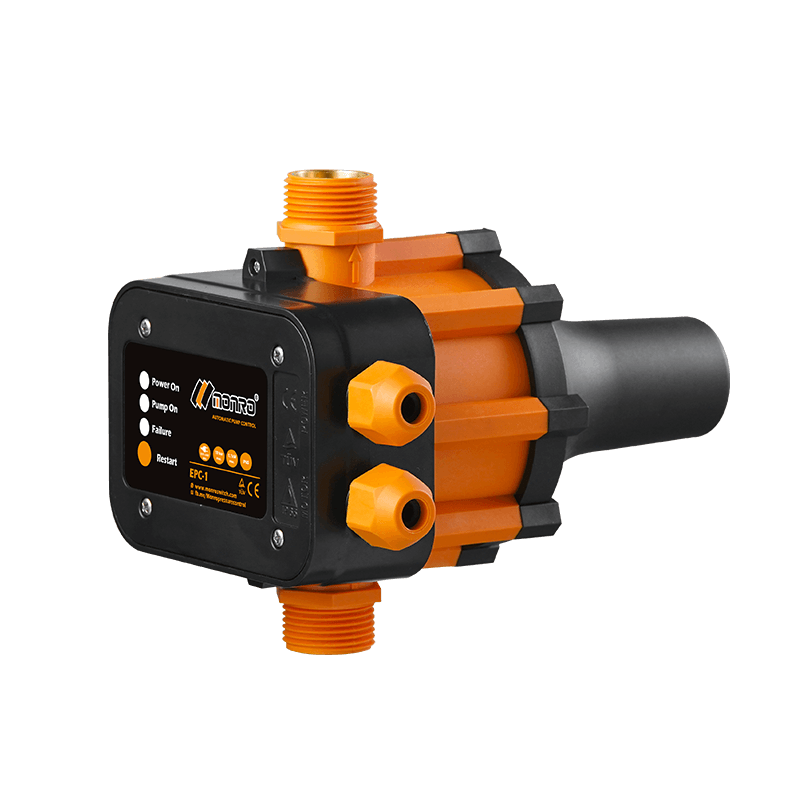 EPC-1
EPC-1Monro EPC-1 model pump controller is the classic and basic type, was loved by user in the global mar...
-
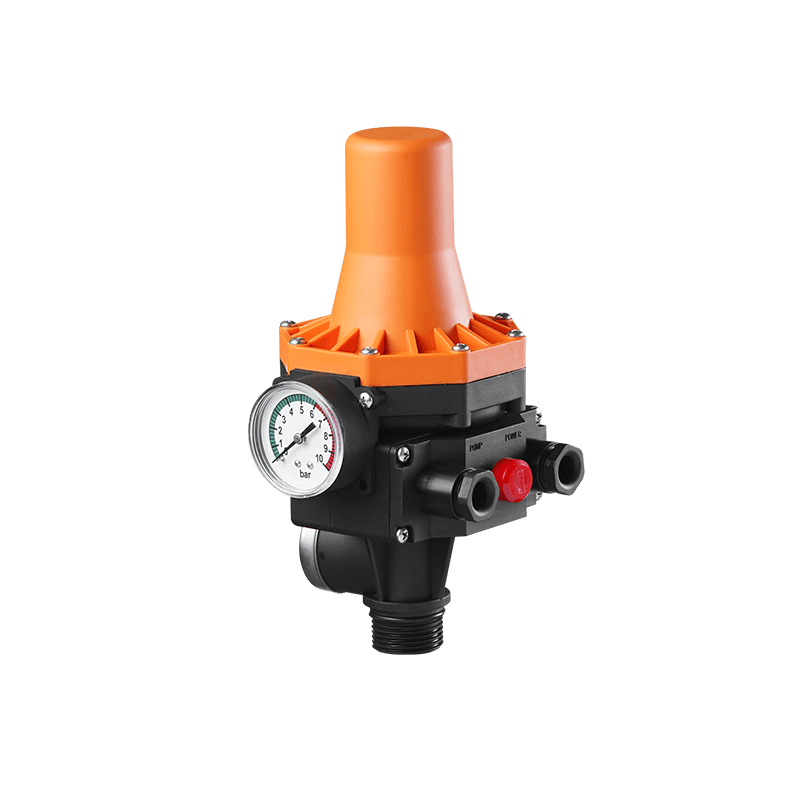 EPC-3
EPC-3Monro EPC-3 spain design auto on and off press control, an intelligent and economical system designe...
-
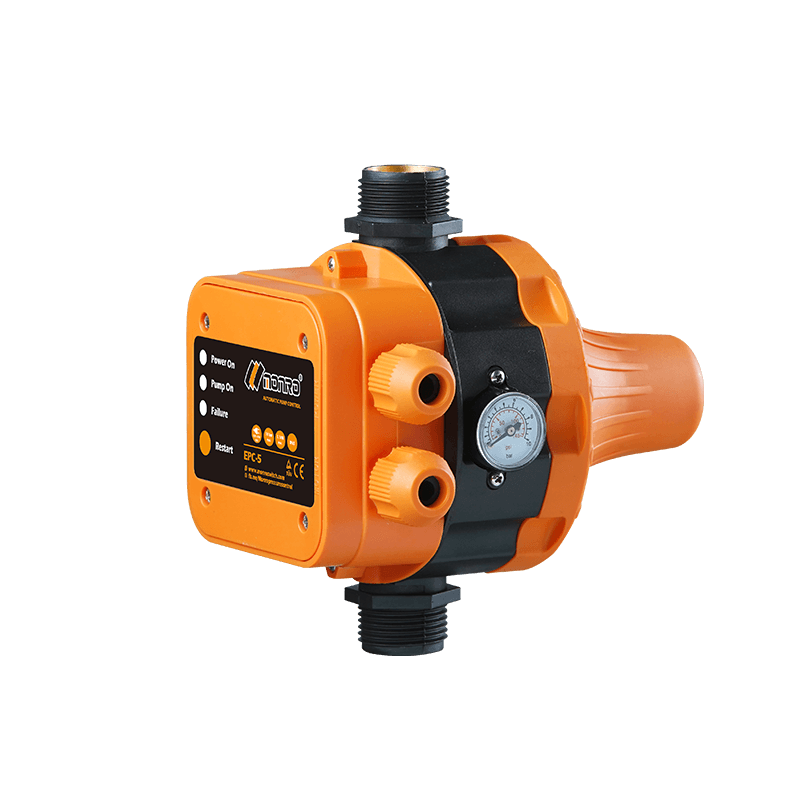 EPC-5
EPC-5Monro EPC-5 model automatic pump control, a device which assembled on the water pump (recommended si...
-
EPC-9
Monro EPC-9 model pressure controller, is a big power device for automatic control and protection of...
-
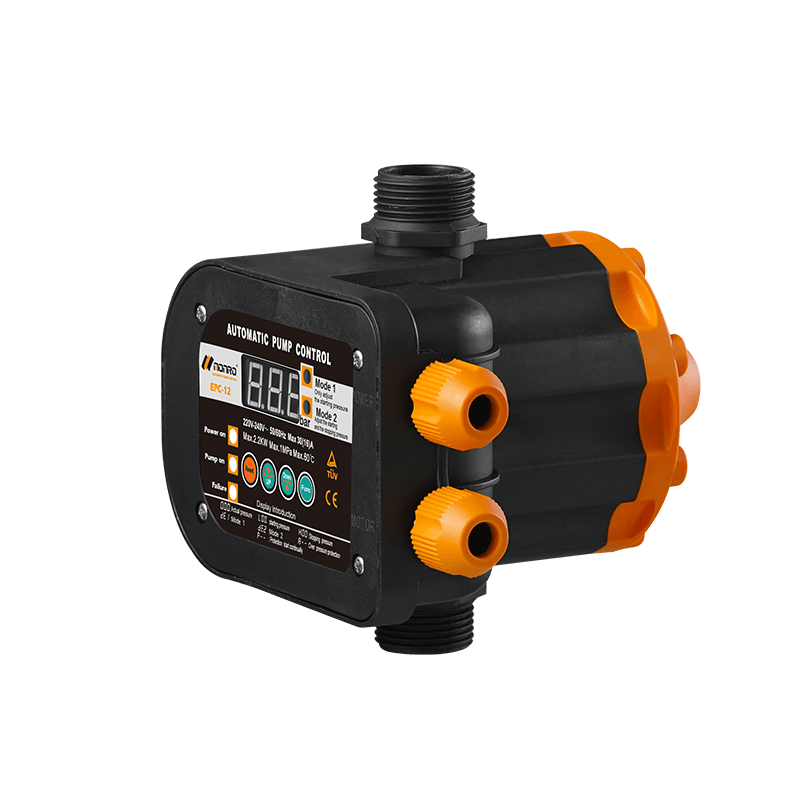 EPC-12
Monro EPC-12 smart top-level automatic pump control is a multi-function model combined with traditio...
-
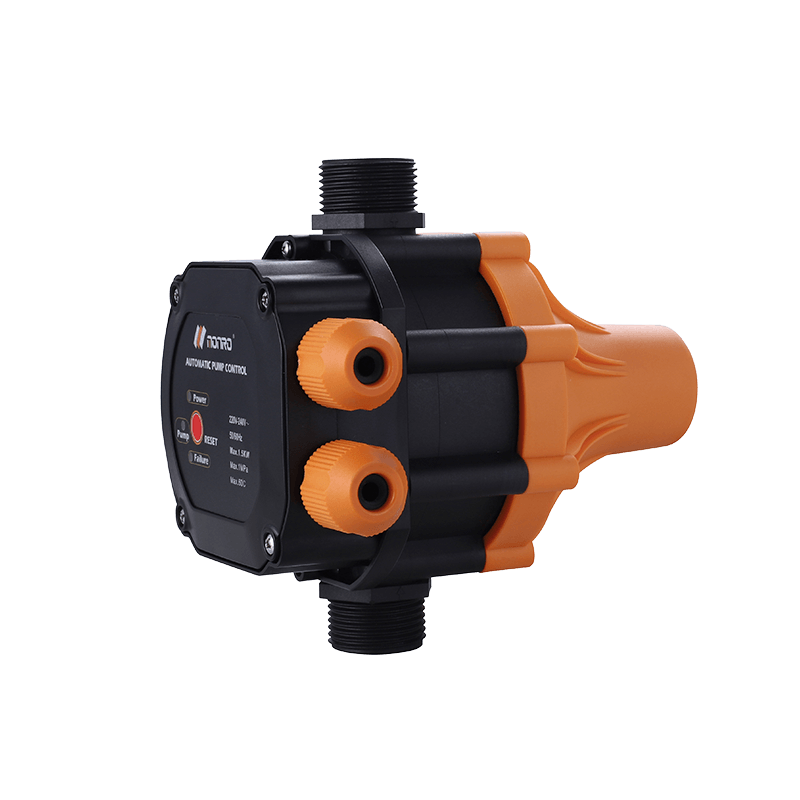 EPC-14
Monro EPC-14 model pressure control is a big power device for automatic control and protection of el...
-
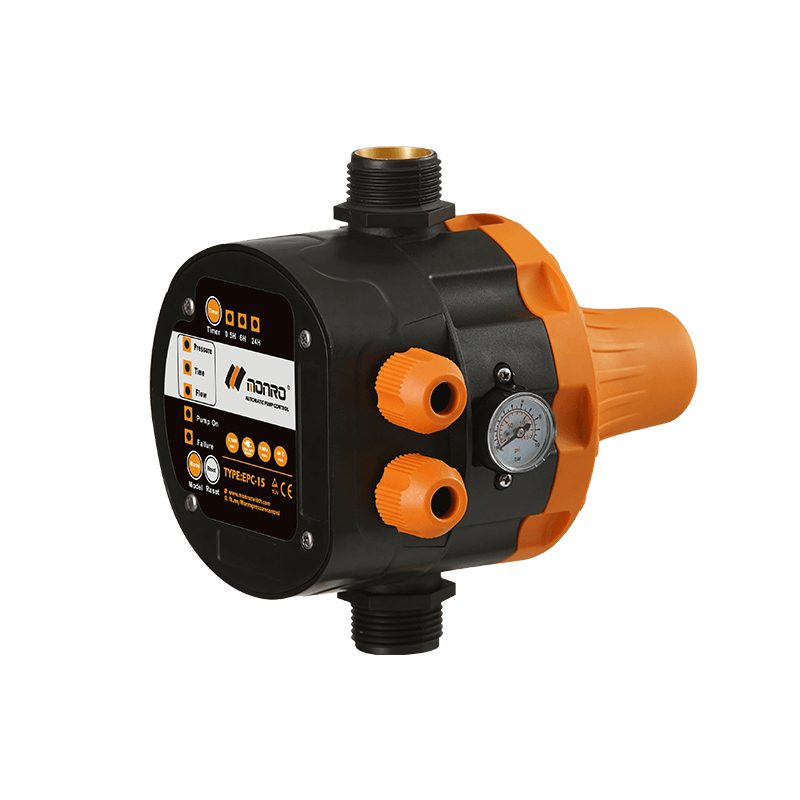 EPC-15
Monro EPC-15 model automatic pump control, a device which assembled on the water pump (recommended s...
-
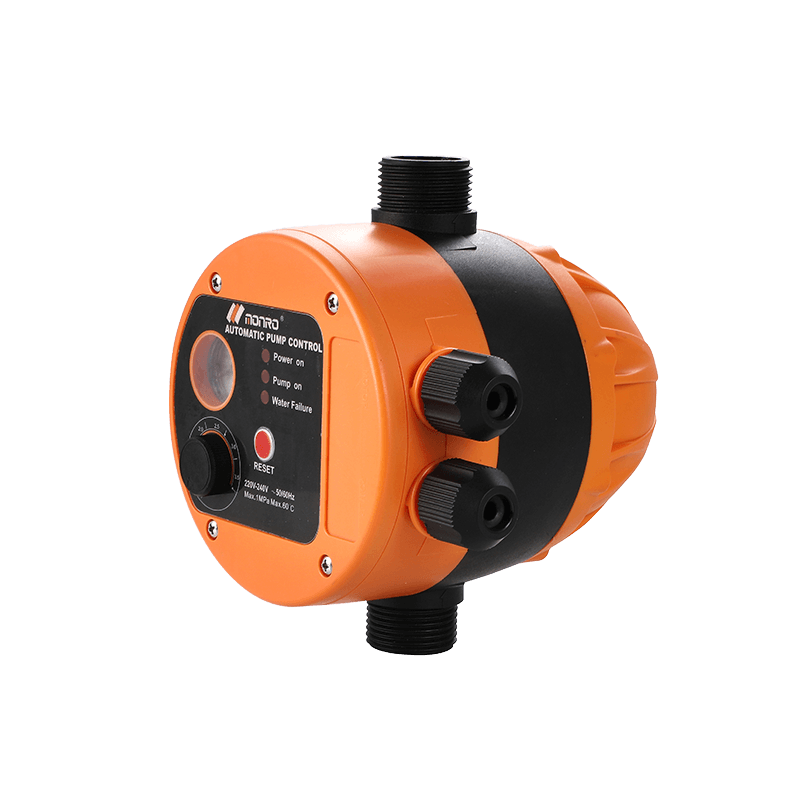 EPC-16
EPC-16 is the new patent pump controller by Monro. Its key highlight is tooless (manual knob) start...
contact us
find our office
find our office
Committed to providing professional pressure control solutions for various types of water pumps and air compressors.
Mobile
 Wechat
Copyright © 2024 Zhejiang Monro M&E Co., Ltd. All Rights Reserved.
Wholesale Pressure Control Switch Manufacturer
