

 简体中文
简体中文 English
 Español
Don't hesitate to send a message
Search
Recent Post
Newsletter
Adaptability of Water Pump Controllers to Fluid Variations
Introduction to Water Pump Controller Functionality
Water Pump Controllers are essential components in fluid handling systems, designed to maintain suitable pump operation under varying conditions. One critical challenge for these controllers is adapting to changes in fluid viscosity and temperature. Variations in these parameters can affect flow rate, pressure, and pump efficiency, making it necessary for controllers to respond dynamically to maintain system stability. Effective adaptation ensures consistent performance, reduces energy consumption, and protects pumps from damage.
Impact of Fluid Viscosity on Pump Operation
Fluid viscosity directly influences the resistance to flow within a pumping system. Higher viscosity fluids require more power to move, potentially reducing the flow rate if the pump is not adequately controlled. Conversely, low-viscosity fluids may flow too quickly, causing instability or turbulence in the system. A Water Pump Controller monitors pump performance and adjusts operating parameters such as speed, pressure, or torque to compensate for changes in viscosity. This dynamic adjustment maintains desired flow rates and prevents excessive load on the pump motor, extending equipment lifespan.
Temperature Effects on Fluid Properties
Temperature fluctuations can significantly alter both viscosity and density of fluids. For instance, heating a liquid generally reduces its viscosity, making it easier to pump, while cooling increases resistance. Temperature changes may also affect fluid expansion or contraction, impacting system pressure and volume. Water Pump Controllers equipped with temperature sensors can detect these changes in real time and adjust pump operation accordingly. By modulating speed or activating additional control strategies, the system maintains stable flow despite temperature-induced property variations.
Advanced Control Strategies for Adaptation
Modern Water Pump Controllers often employ advanced control strategies such as variable frequency drives (VFDs), proportional-integral-derivative (PID) loops, or adaptive algorithms. VFDs allow precise adjustment of pump speed to match changes in viscosity or temperature, optimizing energy use while maintaining consistent performance. PID or adaptive control continuously monitors system feedback and adjusts pump parameters to counter deviations from setpoints. These strategies enable the controller to respond to complex or rapidly changing conditions, ensuring efficient and reliable operation.
Sensor Integration and Monitoring
Effective adaptation requires accurate and timely data from the system. Water Pump Controllers rely on integrated sensors to measure fluid temperature, pressure, and flow rate. Some systems also monitor viscosity indirectly through torque or current consumption of the pump motor. By analyzing this data, the controller can predict performance changes and adjust operations proactively. Real-time monitoring allows early detection of abnormal conditions, preventing system failure and reducing maintenance needs.
Benefits of Adaptive Control
Controllers capable of adapting to fluid viscosity and temperature variations provide multiple operational benefits. They ensure consistent flow rates and pressures, improve energy efficiency by optimizing pump operation, and reduce mechanical stress on pumps caused by fluctuating loads. Adaptive Water Pump Controllers also enhance system reliability and safety, particularly in industrial processes where precise fluid handling is critical.
Water Pump Controllers with the ability to adapt to changes in fluid viscosity and temperature are essential for modern pumping systems. By integrating real-time sensor feedback, advanced control algorithms, and variable-speed pump operation, these controllers maintain suitable performance under diverse and changing conditions. This adaptability ensures energy-efficient, reliable, and safe fluid handling, making such controllers indispensable in both industrial and commercial applications.
OUR PRODUCTS
Recommended Products
-
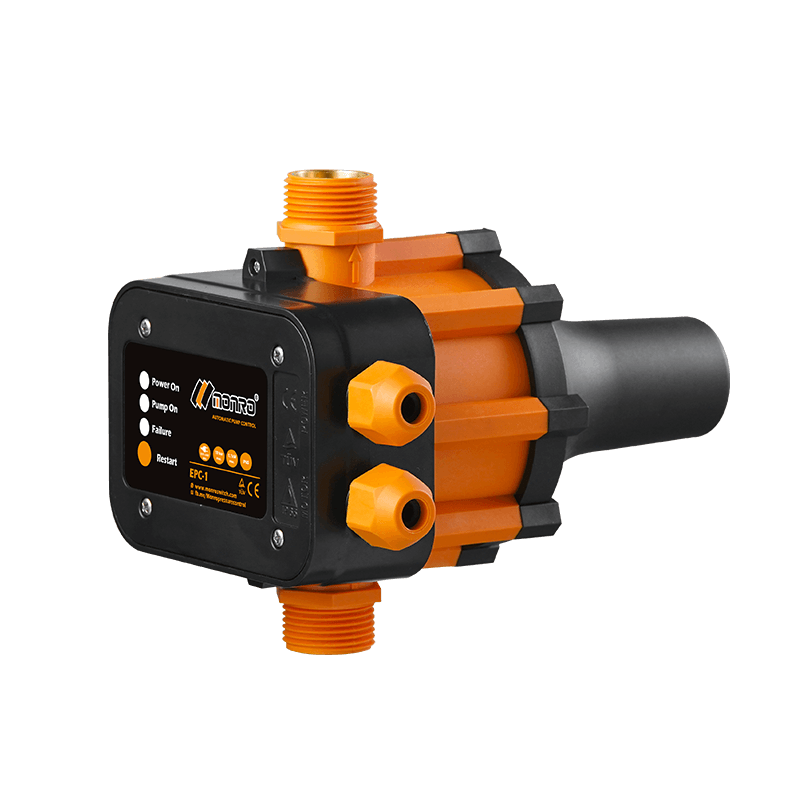 EPC-1
EPC-1Monro EPC-1 model pump controller is the classic and basic type, was loved by user in the global mar...
-
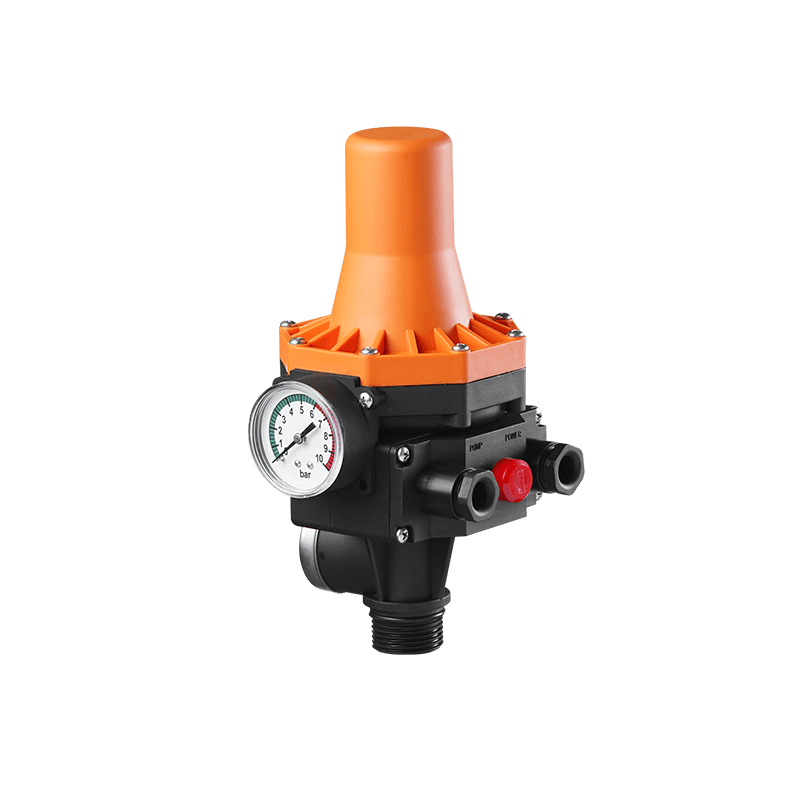 EPC-3
EPC-3Monro EPC-3 spain design auto on and off press control, an intelligent and economical system designe...
-
EPC-5
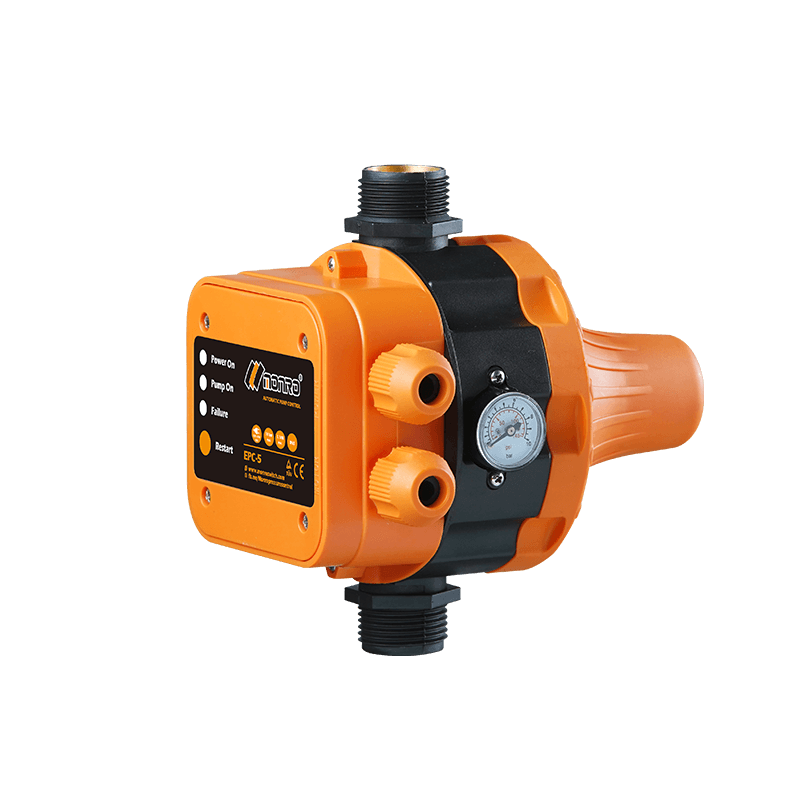
Monro EPC-5 model automatic pump control, a device which assembled on the water pump (recommended si...
-
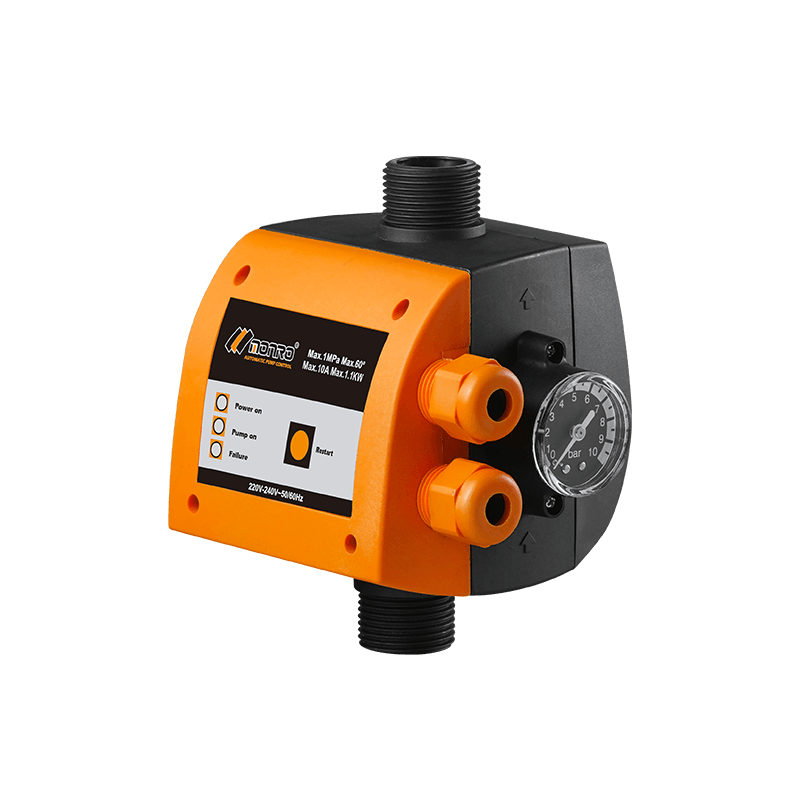 EPC-9
EPC-9Monro EPC-9 model pressure controller, is a big power device for automatic control and protection of...
-
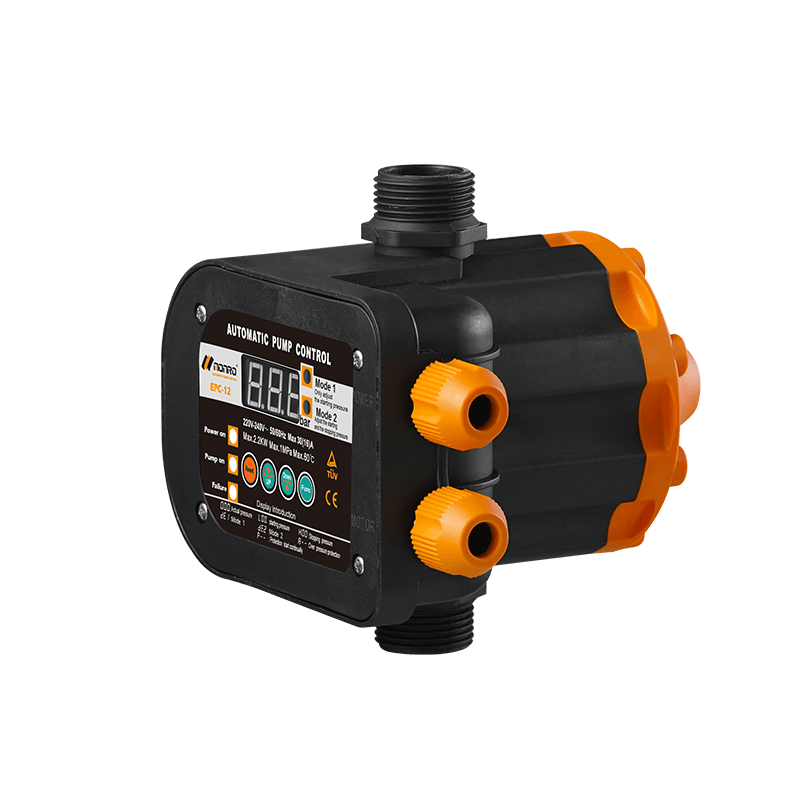 EPC-12
Monro EPC-12 smart top-level automatic pump control is a multi-function model combined with traditio...
-
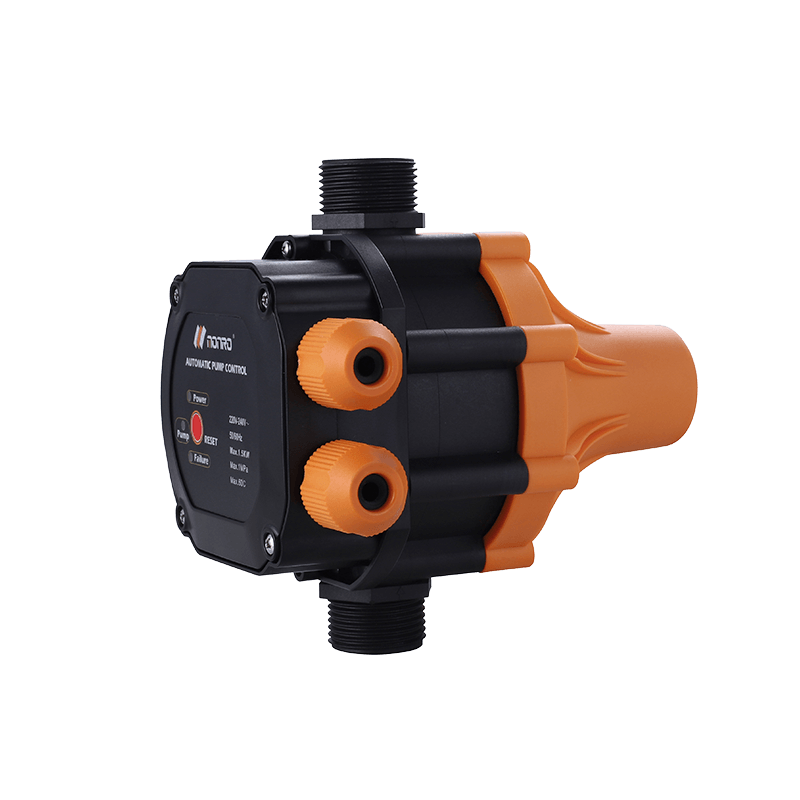 EPC-14
Monro EPC-14 model pressure control is a big power device for automatic control and protection of el...
-
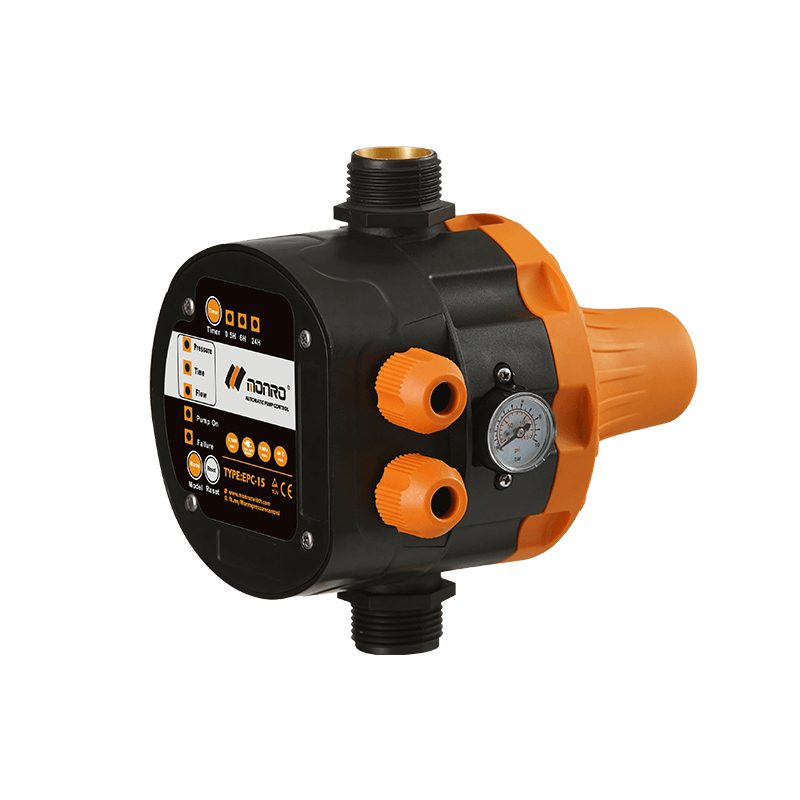 EPC-15
Monro EPC-15 model automatic pump control, a device which assembled on the water pump (recommended s...
-
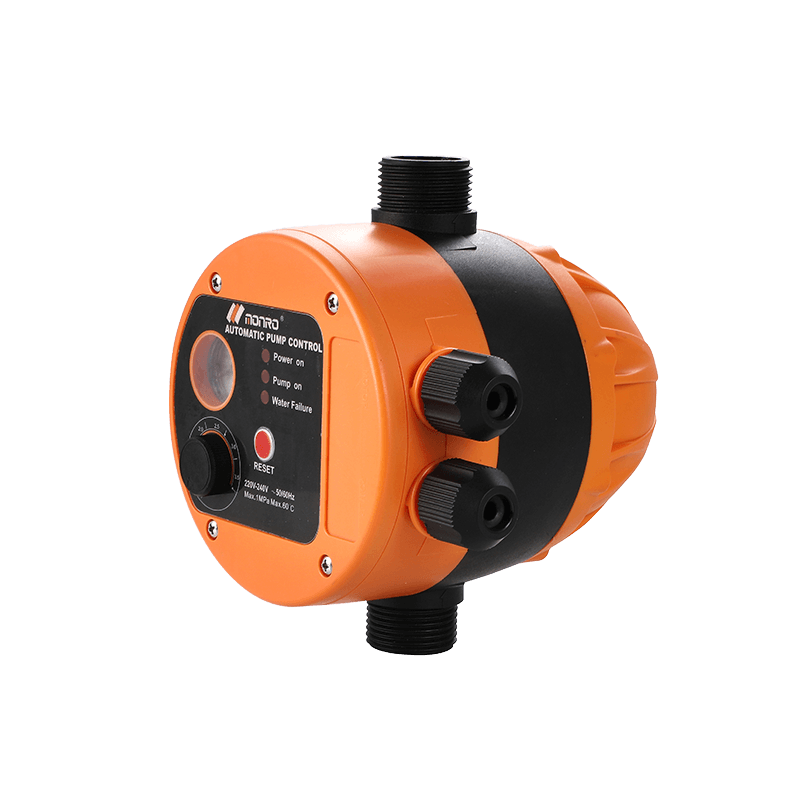 EPC-16
EPC-16 is the new patent pump controller by Monro. Its key highlight is tooless (manual knob) start...
contact us
find our office
find our office
Committed to providing professional pressure control solutions for various types of water pumps and air compressors.
Mobile
 Wechat
Copyright © 2024 Zhejiang Monro M&E Co., Ltd. All Rights Reserved.
Wholesale Pressure Control Switch Manufacturer
