

 简体中文
简体中文 English
 Español
Don't hesitate to send a message
Search
Recent Post
Newsletter
Ensuring Pump And Pipeline Compatibility During Installation
Evaluating Pump And Piping Requirements
Understand Installation Automatic Pump Control Specifications: Before installation, carefully review the pump’s flow rate, pressure, and operational temperature range. This ensures that the pump will function efficiently within the existing piping network.
- Assess Pipe Dimensions and Material: Verify that pipe diameters, lengths, and connection types align with the pump’s inlet and outlet. Choose pipe materials that are compatible with both the fluid and the pump, such as stainless steel, PVC, or HDPE.
- Consider Fluid Characteristics: The type of fluid—water, chemical solutions, or slurries—affects material selection. Certain fluids can be corrosive or abrasive, requiring specialized piping and pump components.
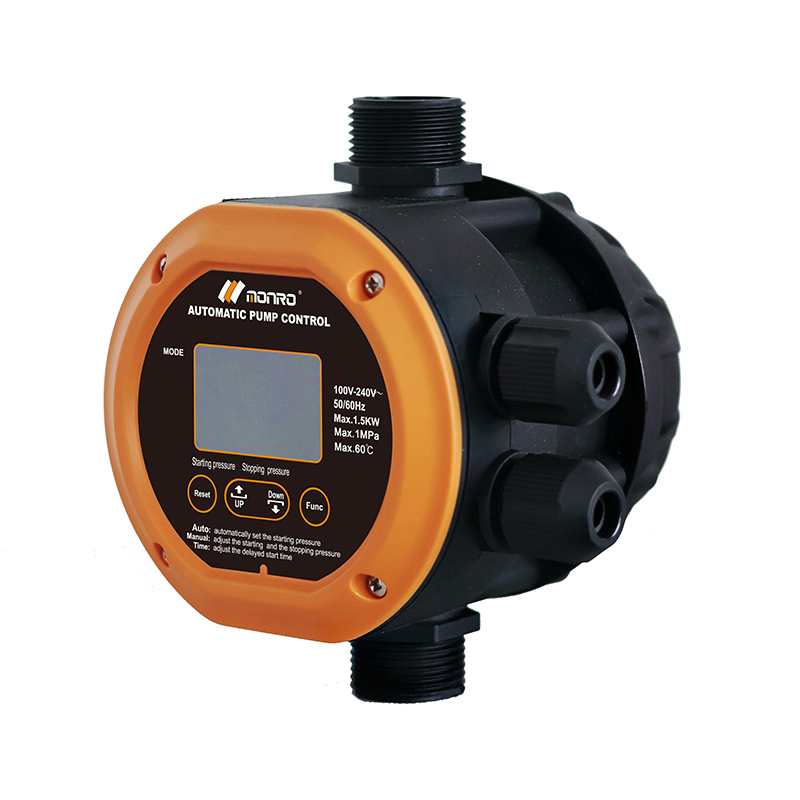
Selecting Compatible Components
- Fittings and Valves: Choose valves and fittings that match the pump and piping specifications. Incompatible fittings can create pressure drops, turbulence, and leaks.
- Seals and Gaskets: Ensure seals and gaskets are rated for the system’s pressure, temperature, and fluid type. Proper sealing prevents leakage and reduces maintenance costs.
- Flexible Couplings: Incorporate flexible couplings to absorb vibrations and minor misalignments between the pump and pipes. This protects the pump from mechanical stress and prolongs its lifespan.
Integration With Automatic Control Systems
- Controller Configuration: Installation Automatic Pump Control requires proper configuration to match the pump’s operational range. Correct setup ensures smooth starts, stops, and variable-speed adjustments.
- Sensor Selection: Flow, pressure, and temperature sensors must align with both the pump and control system specifications. Accurate readings are critical for maintaining performance and avoiding damage.
- Communication Protocols: Modern pump systems often use digital communication like Modbus or BACnet. Ensuring compatibility between the pump and controller prevents miscommunication and potential failures.
Pre-Installation Inspection
- Pipe Condition Check: Inspect pipes for debris, corrosion, or blockages that could impair pump operation or damage internal components.
- Verify Alignment: Confirm proper alignment of pump and piping flanges. Misalignment can cause excessive vibration, wear on seals, and premature pump failure.
- Pressure Verification: Compare static and dynamic system pressures with pump ratings to avoid cavitation or overloading during operation.
Commissioning And Testing
- Initial Operation: Start the pump at low speed or flow to detect leaks, noise, or vibration issues. Gradual ramp-up reduces stress on the pump and piping system.
- Flow and Pressure Measurement: Measure actual flow rates and pressures to confirm compatibility with design specifications. Adjust the control system settings as necessary.
- Control System Functionality: Test the automatic pump control’s response to varying demands, pressure fluctuations, and emergency conditions. Ensure that safety features operate correctly.
Maintenance And Long-Term Considerations
- Routine Inspections: Regularly check pipes, fittings, and seals for wear, corrosion, or leaks. Timely maintenance prevents costly downtime and pump damage.
- System Upgrades: If pumps, piping, or controllers are upgraded, verify that all new components remain compatible with the existing system.
- Operator Training: Educate staff on proper operation, troubleshooting, and maintenance procedures. Well-trained personnel reduce the risk of improper handling and extend system life.
Troubleshooting Common Compatibility Issues
- Flow Restrictions: Identify and resolve blockages or undersized pipes that could reduce pump efficiency.
- Pressure Fluctuations: Monitor for pressure drops or surges caused by mismatched components or faulty valves.
- Sensor Errors: Check that all sensors provide accurate readings to the controller. Faulty or incompatible sensors can cause improper control actions.
Ensuring compatibility between pumps and piping systems is essential for safe and efficient operation. By carefully assessing system requirements, selecting suitable components, integrating sensors and controllers, performing pre-installation inspections, and conducting thorough testing, Installation Automatic Pump Control can maintain suitable performance and prevent costly failures. Long-term maintenance and operator training further enhance system reliability, ensuring that pumps and pipelines function harmoniously for years to come.
OUR PRODUCTS
Recommended Products
-
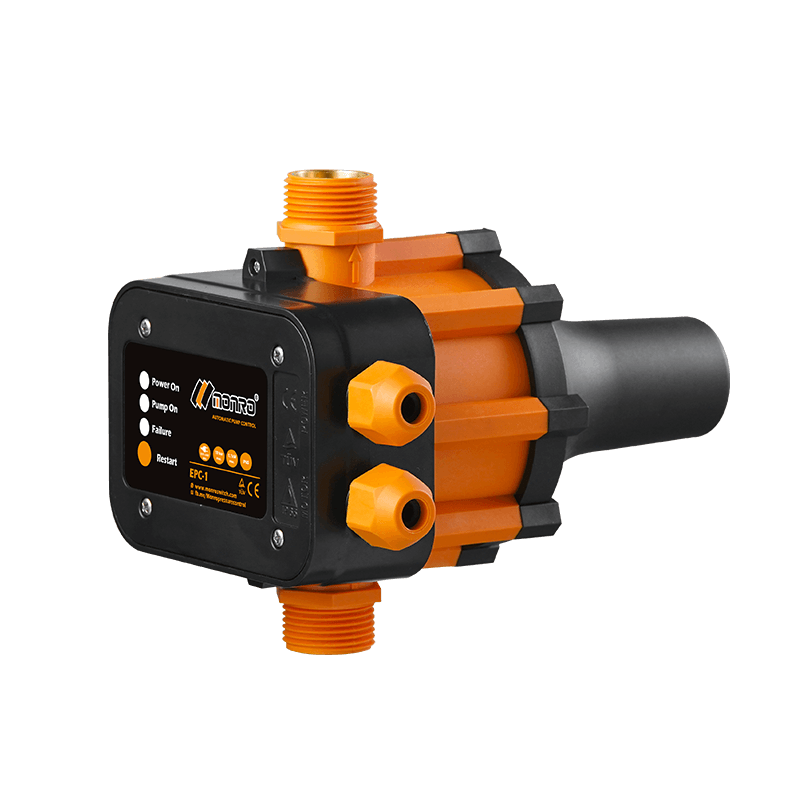 EPC-1
EPC-1Monro EPC-1 model pump controller is the classic and basic type, was loved by user in the global mar...
-
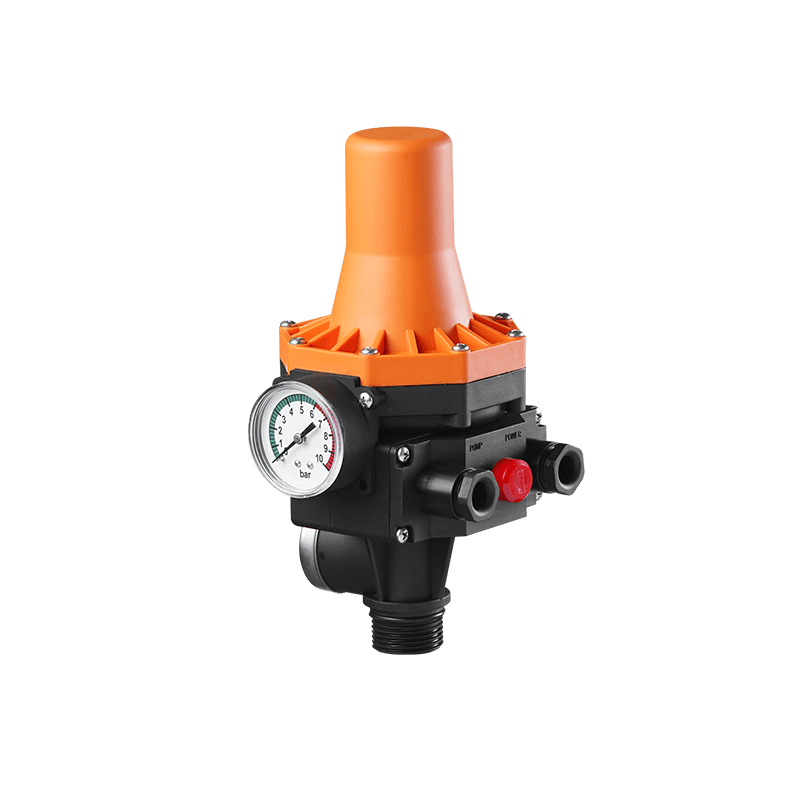 EPC-3
EPC-3Monro EPC-3 spain design auto on and off press control, an intelligent and economical system designe...
-
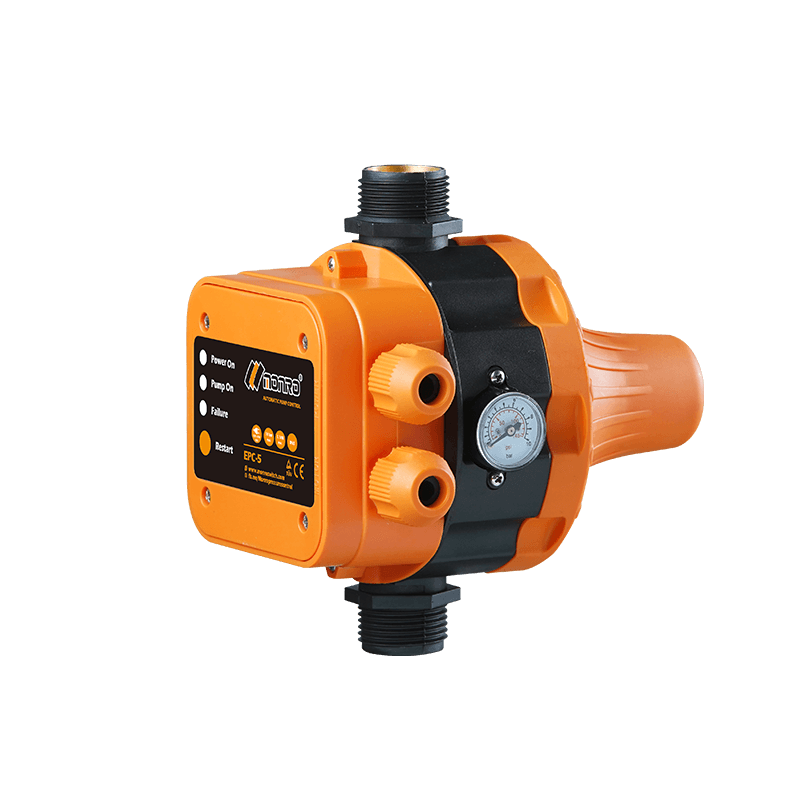 EPC-5
EPC-5Monro EPC-5 model automatic pump control, a device which assembled on the water pump (recommended si...
-
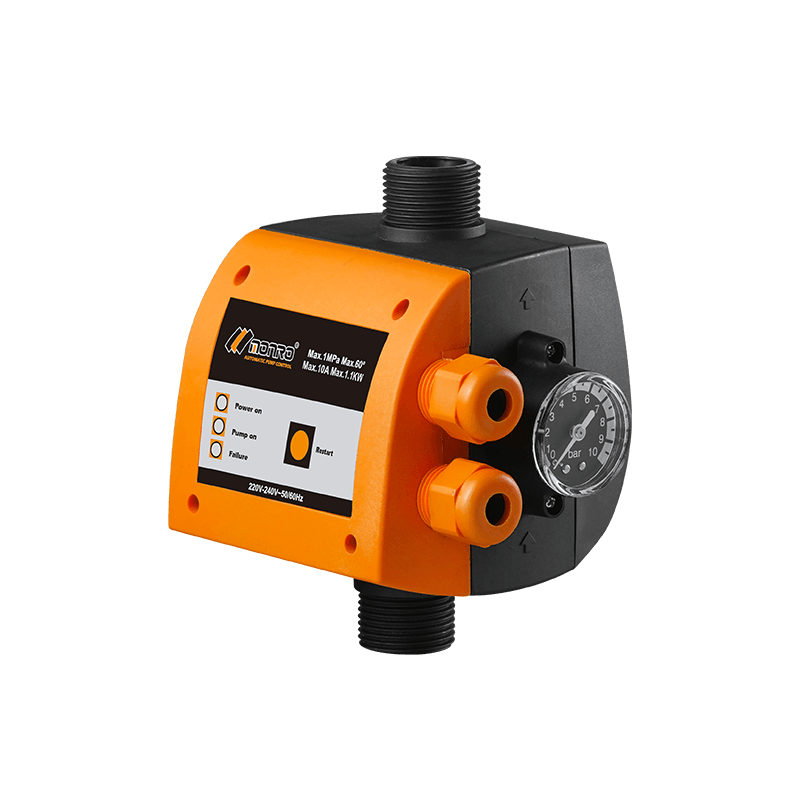 EPC-9
EPC-9Monro EPC-9 model pressure controller, is a big power device for automatic control and protection of...
-
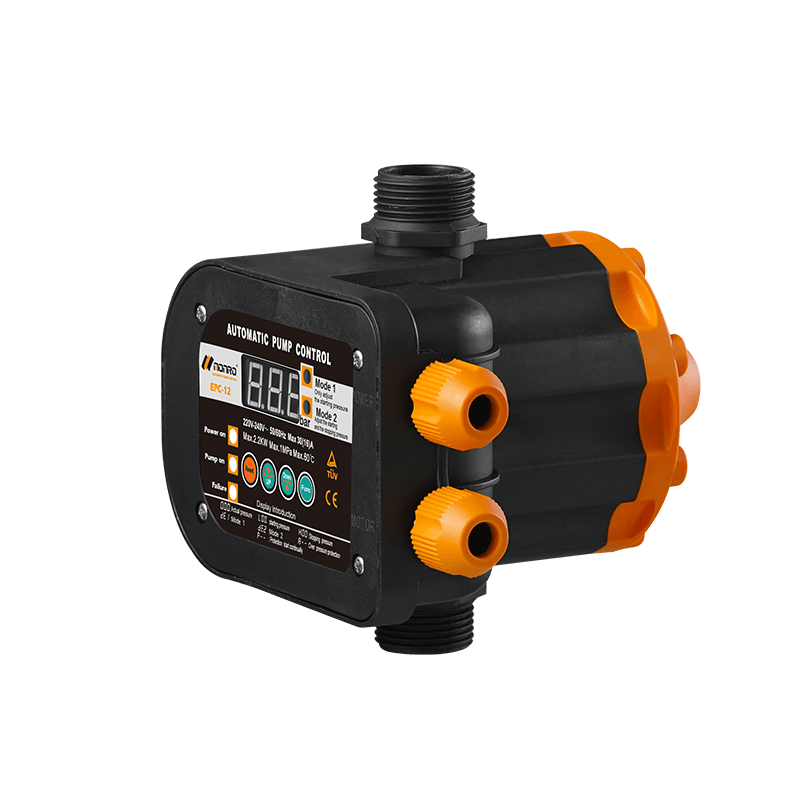 EPC-12
Monro EPC-12 smart top-level automatic pump control is a multi-function model combined with traditio...
-
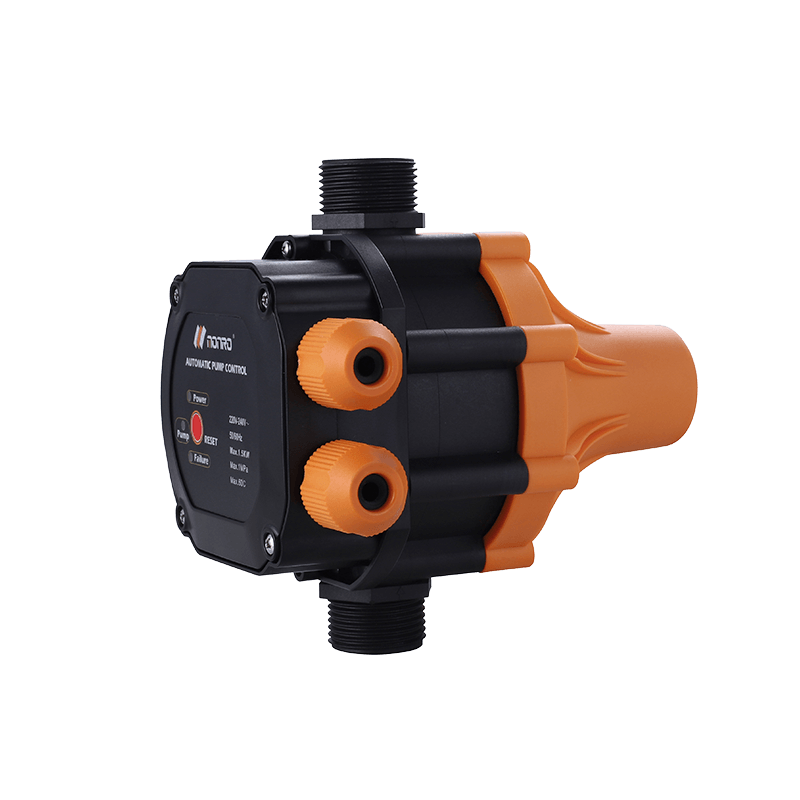 EPC-14
Monro EPC-14 model pressure control is a big power device for automatic control and protection of el...
-
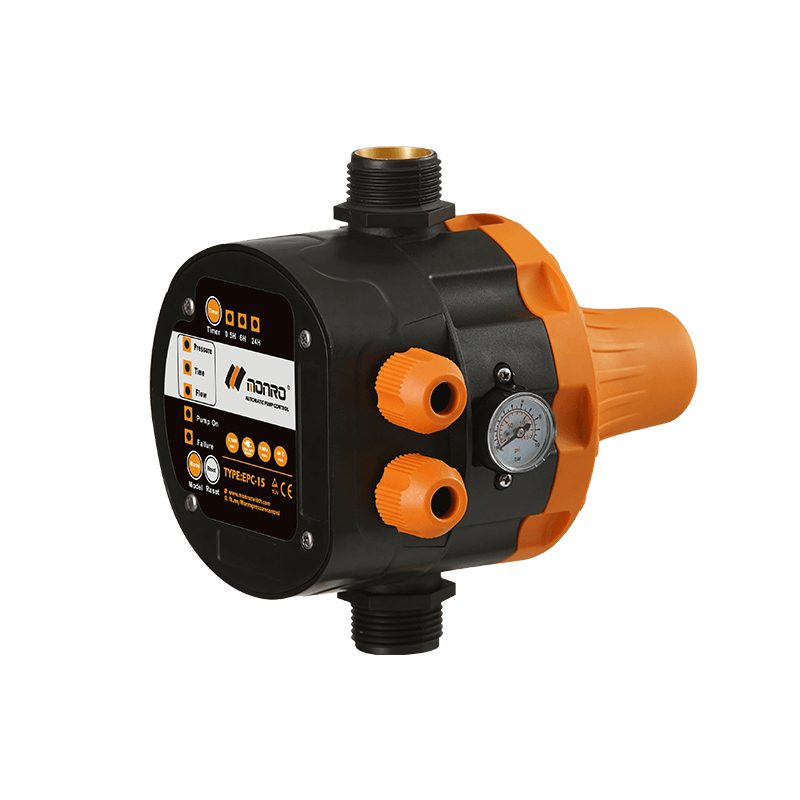 EPC-15
Monro EPC-15 model automatic pump control, a device which assembled on the water pump (recommended s...
-
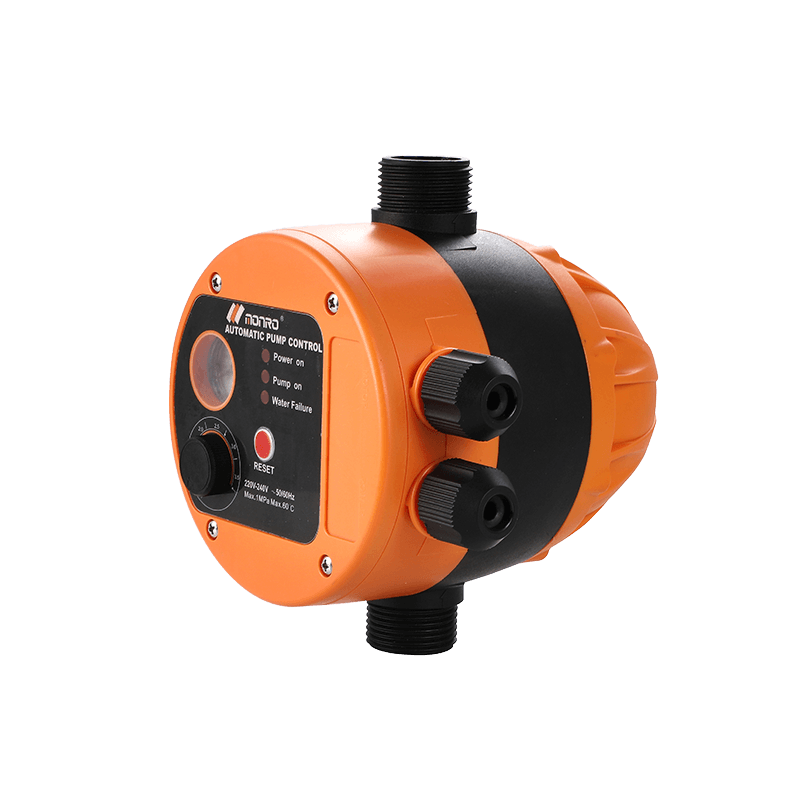 EPC-16
EPC-16 is the new patent pump controller by Monro. Its key highlight is tooless (manual knob) start...
contact us
find our office
find our office
Committed to providing professional pressure control solutions for various types of water pumps and air compressors.
Mobile
 Wechat
Copyright © 2024 Zhejiang Monro M&E Co., Ltd. All Rights Reserved.
Wholesale Pressure Control Switch Manufacturer
