

 简体中文
 English
 Español
Don't hesitate to send a message
Search
Recent Post
Newsletter
Can Automatic Pressure Control Reduce Pressure Fluctuations in Equipment
Stable pressure matters in a lot of industrial work. Pumps, compressors, hydraulic and pneumatic equipment and fluid processing machines all need the right pressure to run as intended. When it shifts without warning, performance can become erratic, processes can stall and parts can suffer unnecessary mechanical stress.
Older systems often rely on manual adjustment. Operators watch the gauges and step in when pressure drifts off target. That can work for simple applications. It gets harder when loads change or demand varies often.
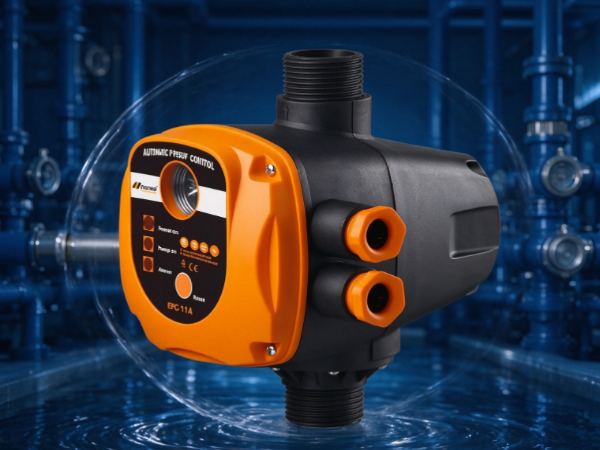
Automatic pressure control takes a different route. Monitoring devices and control components detect pressure changes and adjust how the system runs. Depending on the design, it may regulate pumps, valves, compressors or other pressure-related parts.
It doesn't make fluctuations vanish, though. Its job is to spot changes and respond within the limits of the system. Results depend on equipment condition, control settings, system design and operating requirements.
Knowing how it works helps manufacturers and operators make better decisions about pressure management. It also shows why stable pressure ties so closely to equipment performance, production continuity and maintenance needs.
What Causes Pressure Fluctuations in Industrial Equipment?
Pressure fluctuates when the pressure inside a system changes during operation. Some of that is normal equipment behavior. Some points to problems in the process, the mechanical parts or the control arrangement.
Industrial systems seldom run under fixed conditions. Production demand moves, fluid consumption varies and machines start or stop at different stages. All of this changes pressure in pipelines, tanks, cylinders and other enclosed spaces.
Several factors commonly drive instability.
Changes in system demand
Demand variation is a frequent cause. In a water supply system, opening more outlets raises the amount of water drawn, and the system must adjust its supply to match.
If the pump keeps running unchanged, pressure may fall. When demand drops and supply stays the same, pressure may rise.
Pneumatic systems behave similarly. Machines draw compressed air at different times, and when several run together, demand climbs and can cut the pressure available to each one.
Unstable equipment operation
Pumps and compressors can cause pressure swings when their operating conditions vary. Mechanical wear, irregular running and poorly chosen equipment can all add to the problem.
A pump that doesn't match real system demand may cycle often or struggle to hold a steady output, which produces repeated pressure changes.
Pipeline resistance and flow restrictions
Pipeline condition affects pressure stability. Blockages, deposits, partly closed valves and changes in pipe layout restrict fluid movement.
When resistance shifts, pressure can become uneven across sections of the system. Sudden flow changes can also cause surges, especially where fluid travels through long or complex pipework.
Incorrect control settings
Pressure control relies on suitable settings. If the controller reacts too slowly, pressure may wander outside the desired range before any correction happens.
Overly aggressive settings cause the opposite problem. The system keeps raising and lowering its output, and pressure never settles.
Instability rarely comes from one component alone. It usually grows out of how equipment, pipelines, demand and control methods interact.
How Does Automatic Pressure Control Work?
Pressure control monitors system pressure and makes adjustments so operators don't have to perform every correction by hand.
The process has three main functions: pressure detection, signal processing and equipment adjustment. Together they keep pressure inside the intended operating range.
Pressure detection
A pressure sensor or switch watches conditions inside the system. It detects changes and passes the information to the control unit.
If pressure falls below the required level, the monitoring component picks it up, and the system can decide whether to act.
Accuracy and placement both matter. Measure at the wrong spot, and the controller may get readings that don't reflect the conditions affecting the equipment.
Signal processing
The control unit takes the pressure data and compares it with the required operating condition.
When the measured value moves out of range, the controller works out a suitable response. The details depend on the control arrangement and the equipment involved.
Some systems use simple on-off switching. Others adjust equipment more gradually as demand changes.
Automatic adjustment
The control unit then sends instructions to the relevant equipment. That might mean starting or stopping a pump, changing its output, adjusting a control valve or regulating a compressor.
Once pressure returns to range, the system eases off or stops the corrective action.
The relationship between these functions looks like this:
| Control Stage | Main Function | Operating Result |
|---|---|---|
| Pressure detection | Monitors changes in system pressure | Identifies pressure variations |
| Signal processing | Evaluates pressure information | Determines whether adjustment is needed |
| Equipment response | Controls pumps, valves or compressors | Changes system operation |
| Continuous monitoring | Checks the result of the adjustment | Supports ongoing pressure regulation |
The cycle repeats as long as the system runs. That lets automatic control respond to changing conditions instead of depending on manual checks.
Can Automatic Pressure Control Reduce Pressure Fluctuations?
Yes. Pressure control can reduce many kinds of pressure fluctuation by detecting changes and adjusting equipment in response.
Its main strength is reacting during operation. Manual adjustment needs an operator to notice the problem first. Automatic control can respond as soon as the monitoring system flags a change that needs action.
Take an industrial water supply system. If several production machines start drawing water together, demand jumps, and without regulation the pipeline pressure may drop.
An automatic system detects that drop and adjusts pump operation. The pump may raise its output, or another control component may change position to support the required supply.
When demand eases, the system lowers output to avoid needless pressure rises.
The result is pressure held within a more controlled range.
It also cuts down on frequent manual intervention. Operators don't have to watch every small change and correct it repeatedly. The control system handles routine responses, and staff can focus on overall equipment operation.
Effectiveness still depends on several conditions.
- Suitable monitoring: Sensors must give reliable information about actual operating conditions.
- Appropriate control settings: The system needs suitable pressure limits and response behavior.
- Compatible equipment: Pumps, valves, compressors and other components must work within the intended control arrangement.
- Proper system design: Pipeline layout, fluid characteristics and changing demand must be considered.
- Regular maintenance: Sensors and mechanical parts must stay in good working condition.
Reducing fluctuations isn't the same as eliminating them.
No control system can prevent every sudden change. Rapid valve closure, pump failure, major pipeline restrictions or unexpected shutdowns can still cause significant disturbances.
So pressure control is one part of a broader pressure management strategy, not a cure for every pressure-related problem.
Which Types of Equipment Benefit From Automatic Pressure Control?
Many industrial applications use it, and its role changes with the equipment and the material being moved or processed.
Some systems need steady pressure to keep a continuous supply. Others rely on controlled pressure for mechanical movement or specific production operations.
Water supply and pumping systems
Water supply systems are a common use. They often serve several outlets or machines whose water consumption keeps changing.
When demand rises, the controller adjusts pump operation to hold supply pressure. When it falls, the controller reduces output and limits unnecessary pressure increases.
This helps in industrial facilities where different production areas draw water at different times.
Pneumatic systems
Pneumatic equipment uses compressed air to drive cylinders, actuators and other mechanical devices.
Pressure variation can change movement speed, operating force and how consistent machine actions are. If air pressure becomes unstable, connected equipment may not perform as expected.
Automatic regulation helps keep the air supply suitable as demand shifts. It can work together with compressors, storage tanks and pressure regulating components.
Hydraulic equipment
Hydraulic systems use pressurized fluid to generate force and movement. They're common in lifting equipment, industrial machinery and manufacturing processes.
Pressure changes can alter movement and load-handling behavior. Automatic control regulates supply and supports more predictable operation.
The control arrangement must reflect the hydraulic circuit's specific requirements. Pressure regulation can't make up for damaged seals, leaking connections or worn mechanical parts.
Compressors and air distribution systems
Industrial compressors feed compressed air to different machines and production areas, and demand can change throughout the working process.
Automatic control can adjust compressor operation to match air consumption and system pressure. That avoids needless running when demand is low and supports supply when demand rises.
Fluid processing equipment
Chemical processing, liquid transfer and other production systems may need controlled pressure while moving material.
Automatic control can help hold stable operating conditions as flow needs change, which matters when different process stages depend on consistent fluid delivery.
| Equipment Type | Common Pressure Challenge | Role of Automatic Pressure Control |
|---|---|---|
| Water pumps | Changing water demand | Adjusts pump operation |
| Pneumatic equipment | Fluctuating compressed air supply | Regulates air pressure |
| Hydraulic machinery | Changes in operating load | Supports controlled pressure |
| Air compressors | Variable air consumption | Adjusts compressor operation |
| Fluid processing systems | Uneven fluid flow | Helps maintain process pressure |
These applications all need pressure regulation, but their control requirements differ. A system designed for water supply can't simply be applied to hydraulic machinery without considering differences in fluid properties, equipment behavior and operating conditions.
How Does Stable Pressure Affect Equipment Performance?
Pressure stability is tied closely to how industrial equipment performs. When pressure stays in a suitable range, machines carry out their functions with fewer surprises.
The benefits go beyond the reading on the gauge. Stable conditions influence mechanical movement, production consistency, component wear and energy use.
More consistent equipment operation
Many machines use pressure to produce movement or transport materials.
In pneumatic equipment, air pressure changes may affect actuator movement. In hydraulic machinery, pressure variation can alter the force applied to a load.
Properly regulated pressure gives equipment more predictable conditions and reduces unexpected changes during production.
Reduced mechanical stress
Frequent pressure changes put extra stress on pipelines, seals, valves and other connected parts.
Sudden increases can overload components. Repeated drops and recoveries can push equipment outside its intended conditions too.
Automatic control reduces unnecessary fluctuation by adjusting the system before pressure strays too far.
Mechanical protection still depends on suitable component selection, pressure relief devices and correct installation.
Improved production consistency
In some manufacturing processes, pressure directly affects material movement or machine operation.
Uneven pressure in a pneumatic line, for example, may lead to inconsistent actuator movement. In fluid processing, pressure changes can affect how material passes through the stages.
A steadier pressure supply cuts variation that the pressure system itself causes.
More controlled energy use
Equipment running without proper regulation may keep producing more output than actual demand requires.
In pumping and compressed air systems, that wastes energy.
Automatic control can match output to operating needs. When demand falls, the system may lower its output instead of holding an unnecessarily high supply.
Actual energy effects depend on equipment efficiency, system design and control methods. Automatic control doesn't guarantee lower energy use in every application, but it can support more appropriate equipment operation.
What Is the Difference Between Automatic and Manual Pressure Control?
They're two ways of managing pressure.
Manual control relies on operators to read pressure and make adjustments. Automatic control uses monitoring and control components that respond to changes based on set parameters.
Both have practical uses. The right one depends on system complexity, operating frequency and how much control is needed.
| Comparison | Manual Pressure Control | Automatic Pressure Control |
|---|---|---|
| Monitoring | Relies on operator observation | Uses sensors or pressure switches |
| Adjustment | Performed by personnel | Performed through control components |
| Response | Depends on operator availability | Responds according to control settings |
| Operating consistency | Can vary between adjustments | Follows established control logic |
| Human involvement | Requires regular attention | Reduces routine manual intervention |
| Application | Simple or occasional operations | Systems with changing or continuous demand |
| Maintenance | Requires inspection of manual components | Requires inspection of sensors and control components |
Manual control can suit equipment that runs under fairly stable conditions or doesn't need frequent adjustment.
A simple system that operates occasionally may not need a complex automatic arrangement. Operators can watch pressure and adjust when necessary.
Automatic control pays off when demand changes often or several machines share one pressure supply.
It also shortens the delay between detecting a problem and correcting it. That counts in production environments where unstable pressure can interrupt machines.
Some systems combine both. Automatic control handles normal adjustments, while manual controls let personnel inspect, test or modify the system when needed.
That gives flexibility without making the whole process depend on manual intervention.
What Factors Affect the Performance of an Automatic Pressure Control System?
Installing automatic control doesn't guarantee stable operation. Performance depends on how well the components match the equipment and the real operating environment.
Several factors need attention during selection, installation and maintenance.
Sensor accuracy and installation position
Sensors supply the data the control system acts on. If a sensor reads inaccurately, the controller may make unsuitable adjustments.
Position matters too. Pressure can differ between the pump outlet, pipeline branches, storage tanks and equipment connections.
The measurement point should reflect the pressure that actually needs controlling.
Control response and adjustment settings
The system has to respond appropriately to pressure changes.
Too slow, and pressure keeps drifting from the target range before the equipment adjusts.
Too aggressive, and the system keeps pushing output up and down. That creates additional variation instead of reducing it.
Suitable settings balance response speed against operating stability.
Equipment compatibility
Automatic control usually involves several connected components. Pumps, valves, compressors, sensors and controllers must work as a set.
If the equipment doesn't match flow requirements or pressure conditions, control performance suffers.
Designers and manufacturers should consider each component's operating characteristics instead of picking them independently.
Pipeline condition
Even a well-configured controller can struggle when pipelines have blockages, leaks or other restrictions.
These problems distort pressure distribution, and the controller may keep reacting without ever addressing the real source of instability.
Pipeline inspection and maintenance are therefore part of pressure management.
Operating environment
Temperature, vibration, moisture, dust and other conditions can affect sensors and electrical control parts.
Equipment in demanding industrial settings should be rated for the conditions it faces.
Protection, installation quality and regular inspection all influence long-term control performance.
How Can Businesses Maintain Stable Pressure Over Time?
Stable pressure takes more than installing a controller. The whole system has to be inspected and managed as operating conditions change.
A practical maintenance approach catches pressure problems before they become bigger equipment issues.
Monitor pressure trends
Pressure readings over time can reveal patterns a single inspection would miss.
Repeated drops, frequent equipment starts and sudden rises may point to changing demand or developing mechanical faults.
Operators should watch for recurring variations instead of treating each change as an isolated event.
Inspect sensors and control components
Check pressure sensors, switches, controllers and electrical connections regularly.
Dust, moisture, vibration and aging can affect their performance. If monitoring devices give wrong information, the whole control process becomes unreliable.
Inspection and calibration should follow the manufacturer's maintenance guidance.
Check pumps, valves and pipelines
Mechanical components directly shape pressure conditions. Worn pump parts, leaking seals, restricted pipelines and faulty valves can all cause instability.
When fluctuations persist despite automatic adjustment, examine the mechanical system instead of repeatedly changing control settings.
Review changing production requirements
Industrial demand shifts as processes develop. New machines, extra pipeline branches or altered fluid consumption can upset the original pressure arrangement.
A control system that once ran smoothly may no longer fit after such changes.
Reviewing actual operating requirements shows whether existing equipment and settings are still appropriate.
Keep manual intervention available
Automatic control reduces routine adjustments, but operators still need to understand how the system works.
Manual inspection and intervention remain important when sensors fail, equipment misbehaves or maintenance is due.
A well-run pressure control system combines automatic adjustment with regular human oversight. Equipment responds to normal operating changes, and maintenance staff can still spot problems that automatic control can't resolve.
OUR PRODUCTS
Recommended Products
-
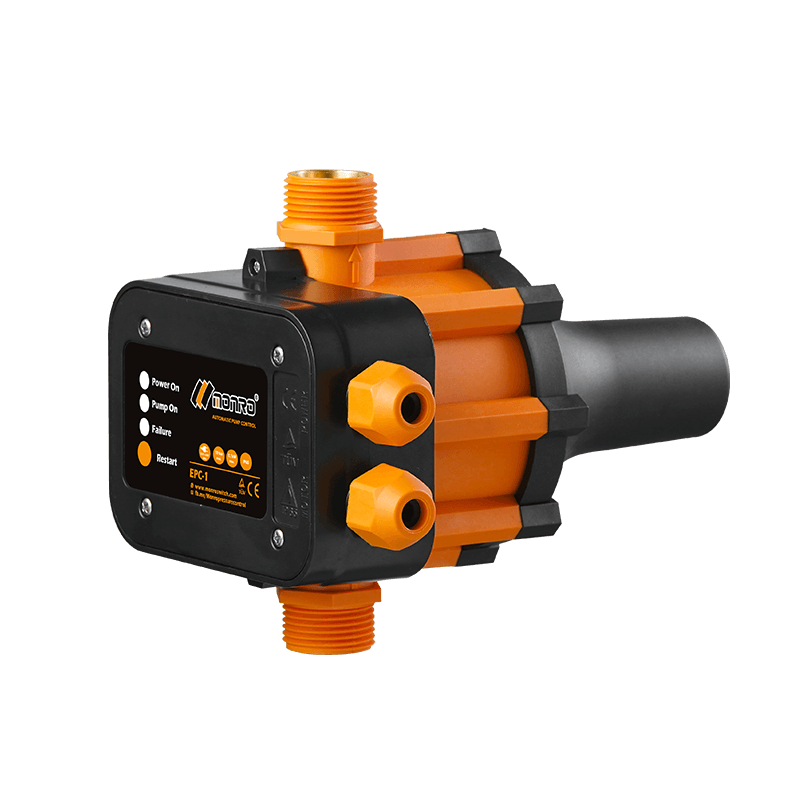 EPC-1
Monro EPC-1 model pump controller is the classic and basic type, was loved by user in the global mar...
-
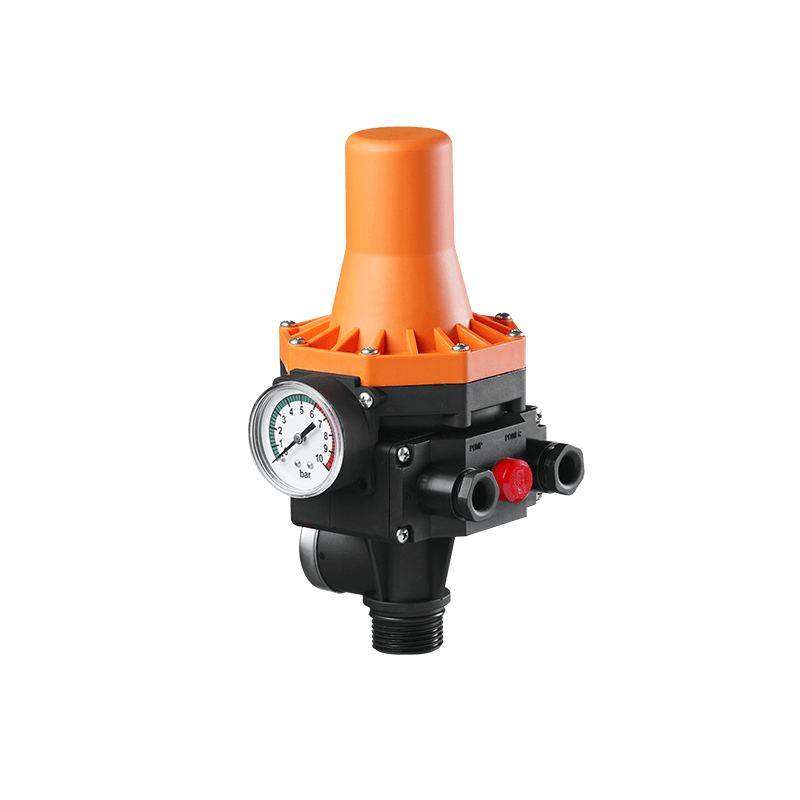 EPC-3
Monro EPC-3 spain design auto on and off press control, an intelligent and economical system designe...
-
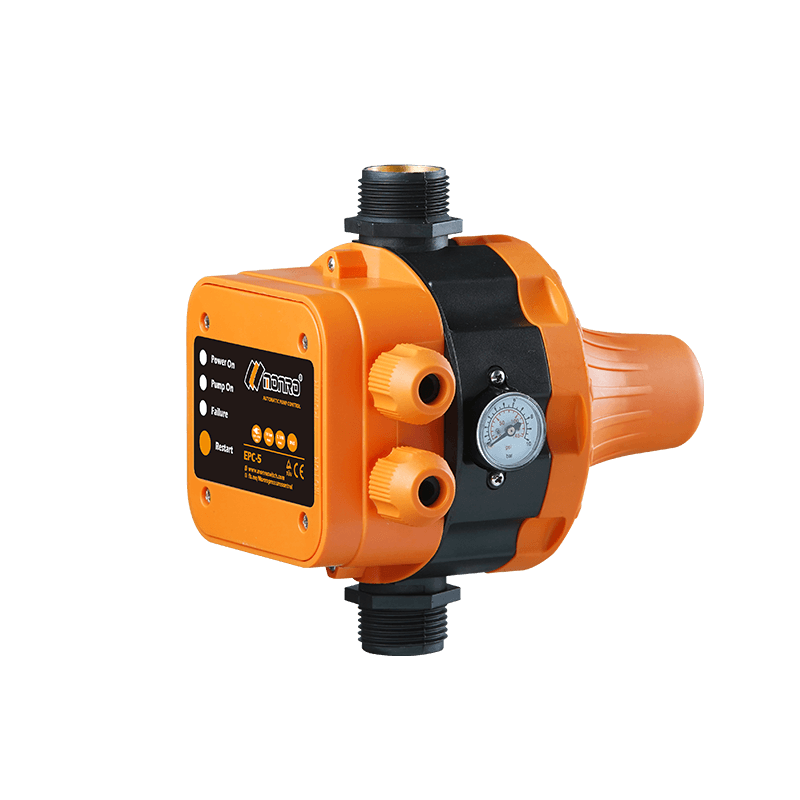 EPC-5
Monro EPC-5 model automatic pump control, a device which assembled on the water pump (recommended si...
-
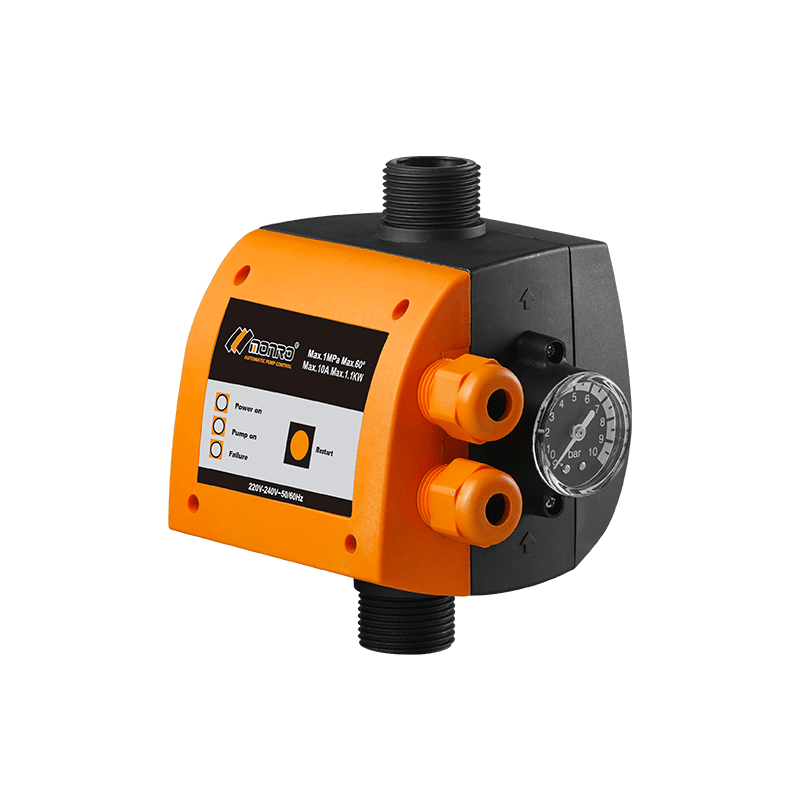 EPC-9
Monro EPC-9 model pressure controller, is a big power device for automatic control and protection of...
-
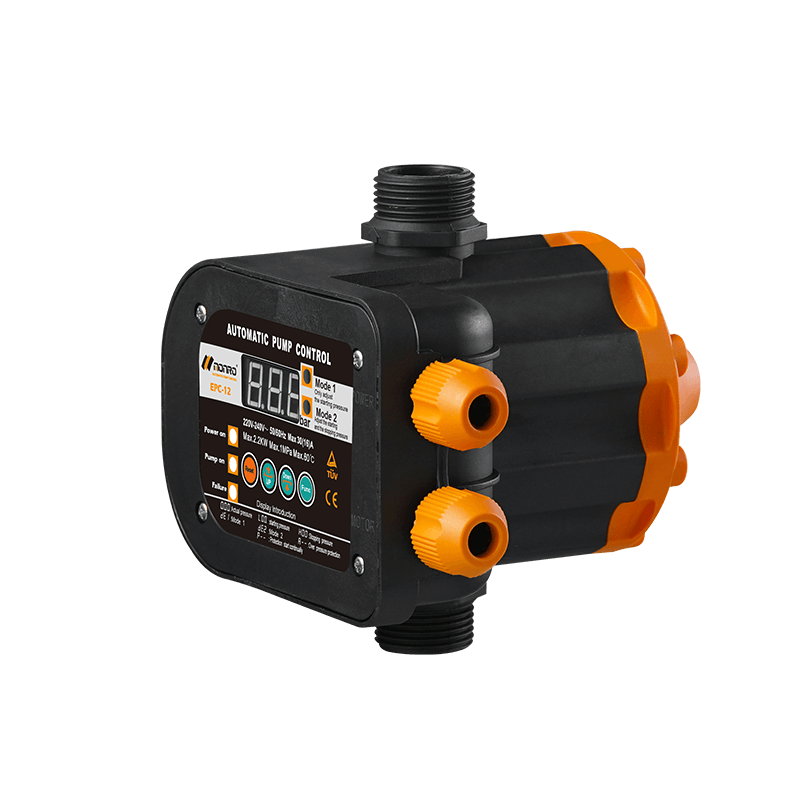 EPC-12
Monro EPC-12 smart top-level automatic pump control is a multi-function model combined with traditio...
-
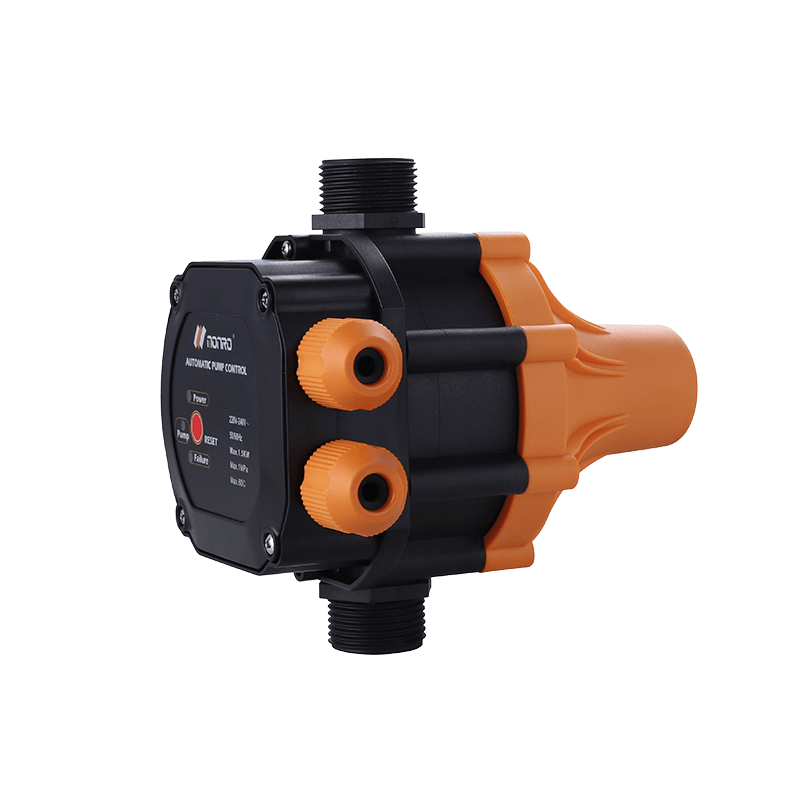 EPC-14
Monro EPC-14 model pressure control is a big power device for automatic control and protection of el...
-
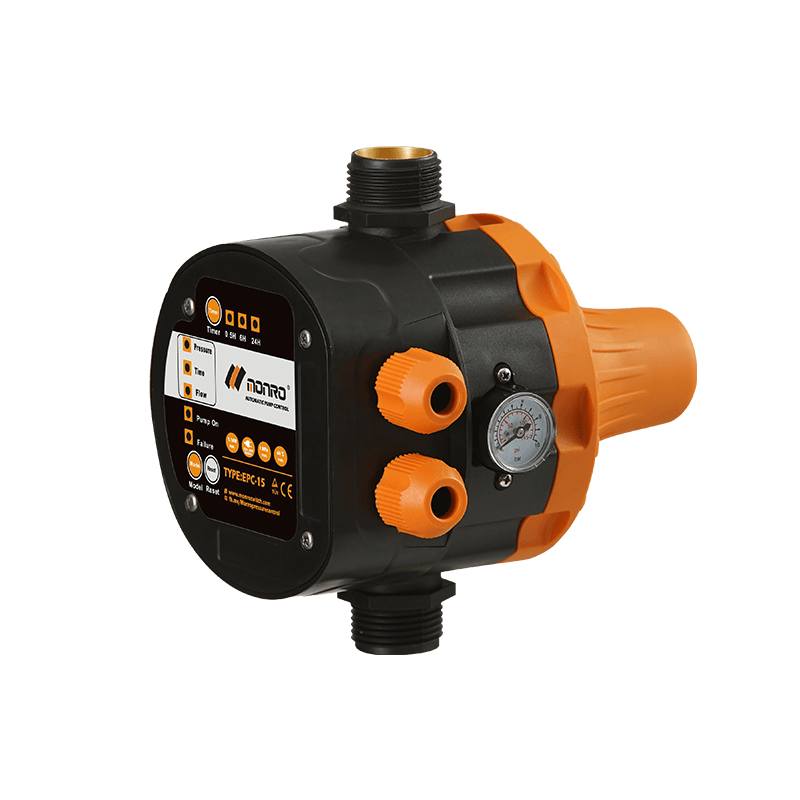 EPC-15
Monro EPC-15 model automatic pump control, a device which assembled on the water pump (recommended s...
-
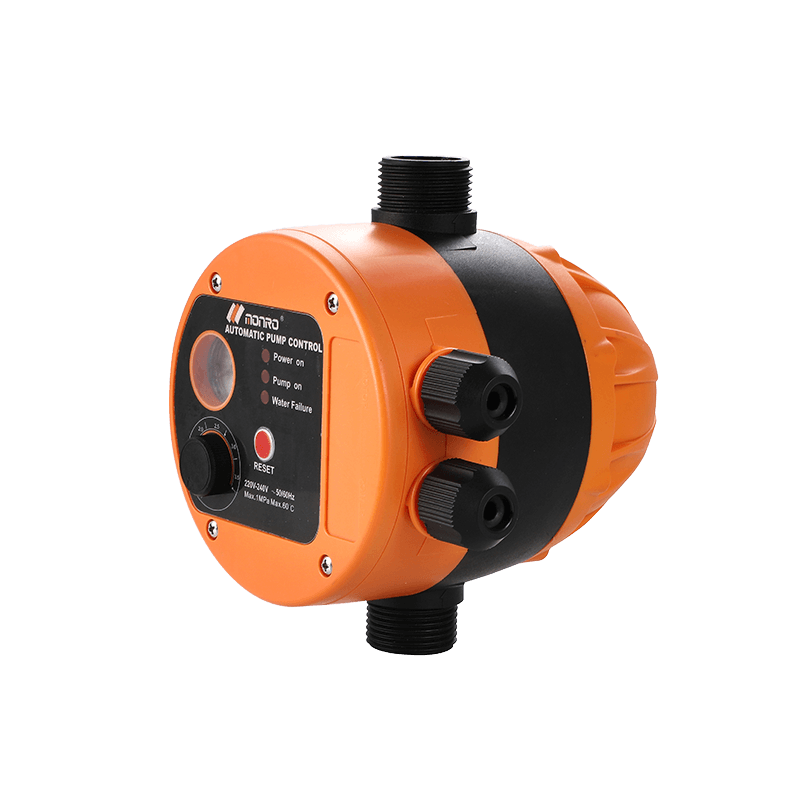 EPC-16
 is the new patent pump controller by Monro. Its key highlight is tooless (manual knob) start...
contact us
find our office
find our office
Committed to providing professional pressure control solutions for various types of water pumps and air compressors.
Mobile
 Wechat
Copyright © 2024 Zhejiang Monro M&E Co., Ltd. All Rights Reserved.
Wholesale Pressure Control Switch Manufacturer
